
This archive is primarily a list of all Abbe Museum exhibits, though we have included additional content wherever possible. Exhibits are organized alphabetically by title, though you may also browse by the closing date or any associated keywords using the search tools below. Don't see something that you're looking for? Get in touch with us at info@abbemuseum.org.
A-C / D-F / G-J / K-M / N-P / Q-S / T-V / W-Z
Wabanaki Modern: The Artistic Legacy of the 1960s “Micmac Indian Craftsmen”
The “Micmac Indian Craftsmen” were the first modern Indigenous artists in Atlantic Canada and developed an international following almost overnight. Their work was inspired by traditional Wabanaki stories, and their visual…
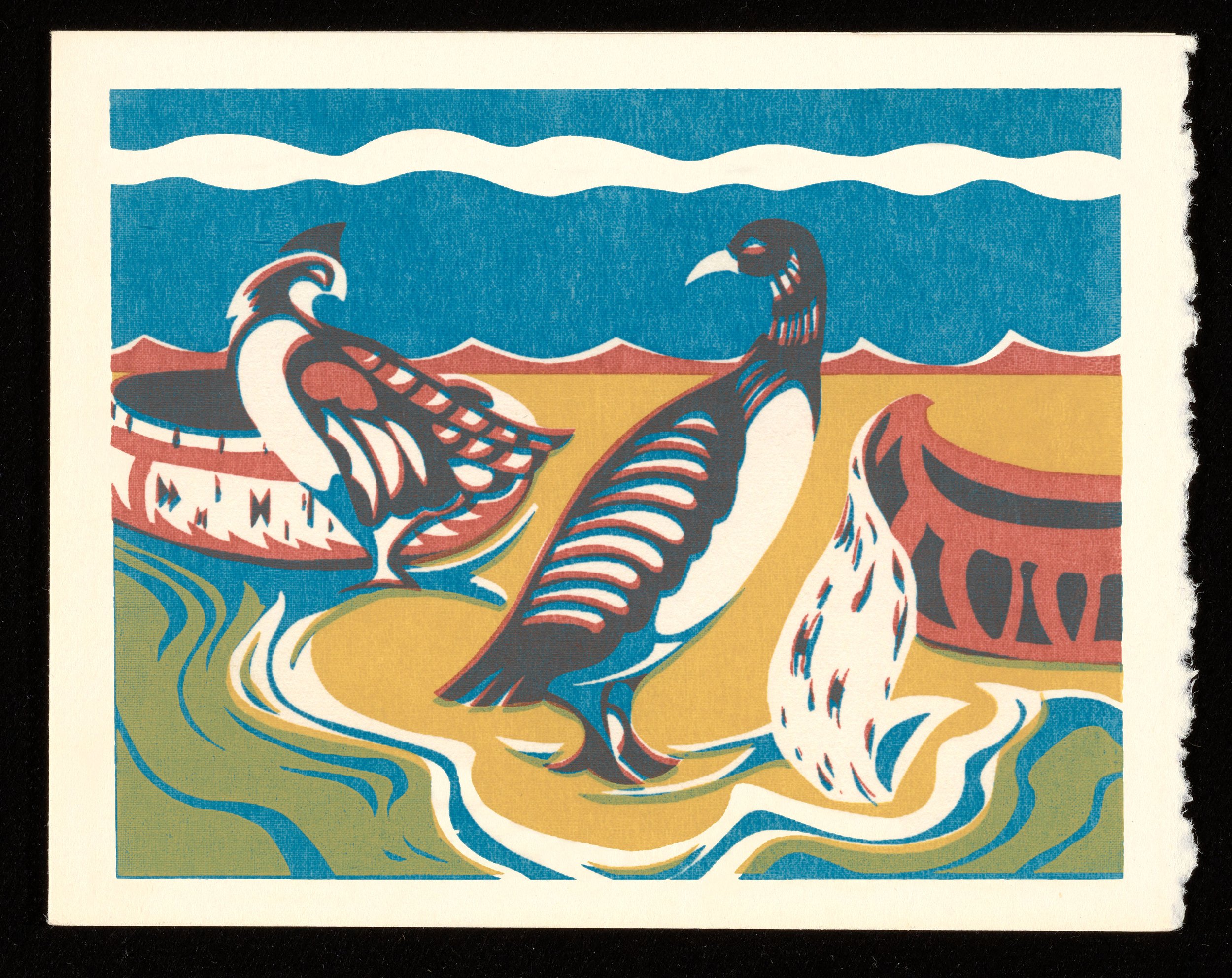
The “Micmac Indian Craftsmen” were the first modern Indigenous artists in Atlantic Canada and developed an international following almost overnight. Their work was inspired by traditional Wabanaki stories, and their visual language was eclectic, often minimalist, and unabashedly contemporary. With almost no reflection in the current canon of New Brunswick visual art or Indigenous studies, it is staggering to see how intense and promising the studio’s accolades and patronage once were -- though several generations later, these have become all but lost to the distractions of time.
Curated by Emma Hassencahl-Perley, Tobique First Nation, and John Leroux and organized by the Beaverbrook Art Gallery (Fredericton, New Brunswick). Exhibition made possible thanks to support from TD Bank Group through the TD Ready Commitment, Canada Council for the Arts, and the Association of Tribal Archives, Libraries, and Museums.
The exhibit opened in May 2023 and will run through October 2024.
150th Thoreau-Wabanaki Canoe Tour (2014)
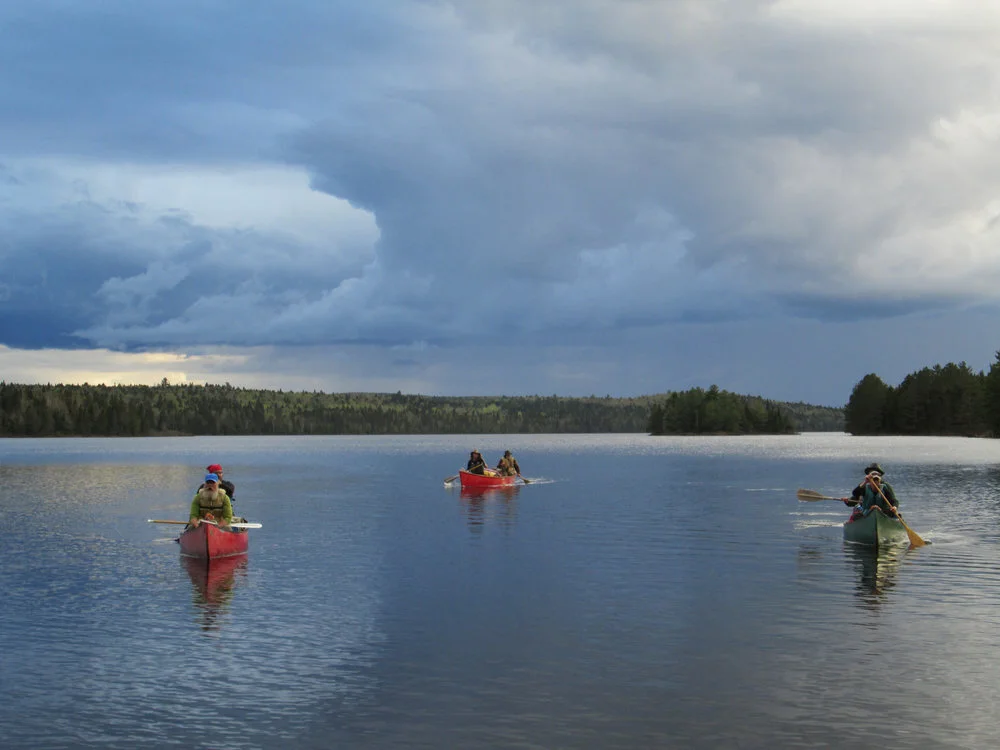
During May 2014, an epic journey took place commemorating the travels of Henry David Thoreau and his Wabanaki Guide, Joe Polis, in the Maine Woods in July of 1857. This exhibit…
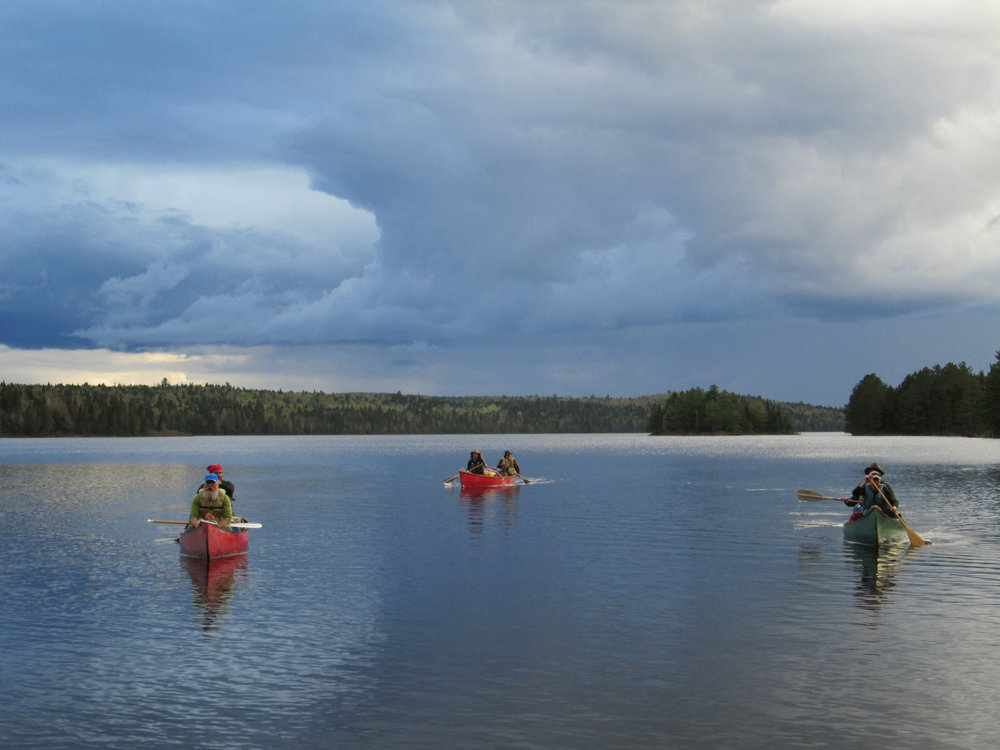
During May 2014, an epic journey took place commemorating the travels of Henry David Thoreau and his Wabanaki Guide, Joe Polis, in the Maine Woods in July of 1857. This exhibit, created by Chris Sockalexis, Penobscot Nation Tribal Historic Preservation Officer, featured photographs Chris and others took during the trip, giving a glimpse into the beauty and wild nature of the Maine Woods and the Penobscot Nation's homeland.
The 150th Anniversary Thoreau-Wabanaki Tour was organized as part of Maine Woods Discovery, a project of the Maine Woods Consortium.
Learn More: The Maine Thing Quarterly Issue No. 4 (Thoreau-Wabanaki 150th Anniversary)
Aunt Lu: The Story of Princess Watahwaso (2010-2011)
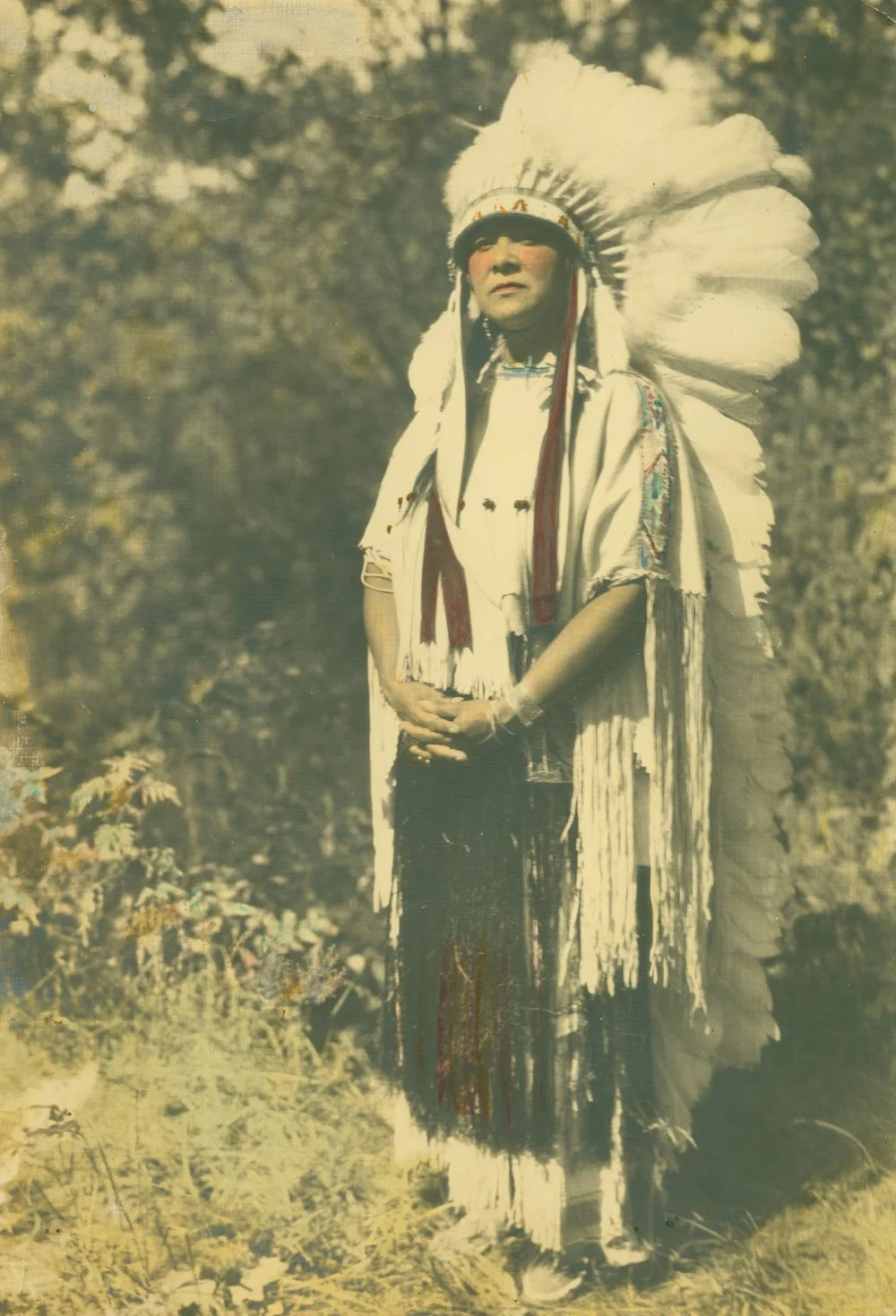
In this exhibit, you met Lucy Nicolar, a Penobscot performer known by her stage name, Princess Watahwaso, but affectionately referred to by everyone as Aunt Lu. Born in 1882 on Indian…
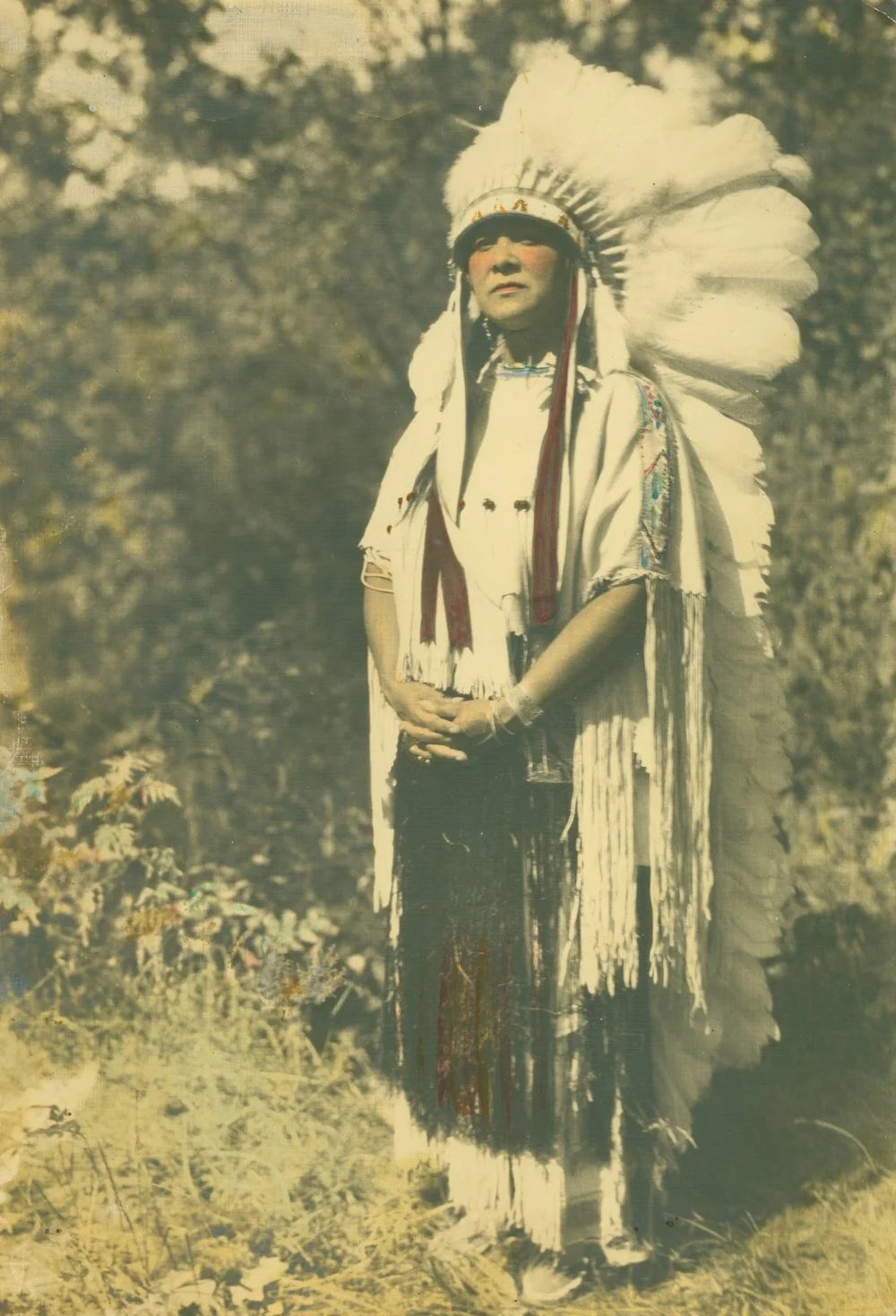
In this exhibit, you met Lucy Nicolar, a Penobscot performer known by her stage name, Princess Watahwaso, but affectionately referred to by everyone as Aunt Lu. Born in 1882 on Indian Island, Nicolar was a renowned performer and activist. She was also part of an important family in the Penobscot Nation. Her father, Joseph Nicolar, was author of the book, The Life and Traditions of the Red Man, her sister, Florence Nicolar Shay, was a basketmaker and activist, and her nephew Charles Shay was awarded the French Legion of Honor for his heroic service in WWII. The show was curated by the Penobscot Cultural and Historic Preservation Department and the exhibit traces the legacy of Nicolar and her influence on the Penobscot community. Through the story of Nicolar and her family, visitors also learned more about the 20th century history of the Penobscot Nation.
Learn More: Lucy Nicolar: A Bright Star Exhibit Panel
Coming Home (2015)
From baskets to beadwork, woodcarvings to birchbark canoes, tools or artwork, objects are an important expression of Wabanaki culture. Since the arrival of the first European explorers more than 400 years…
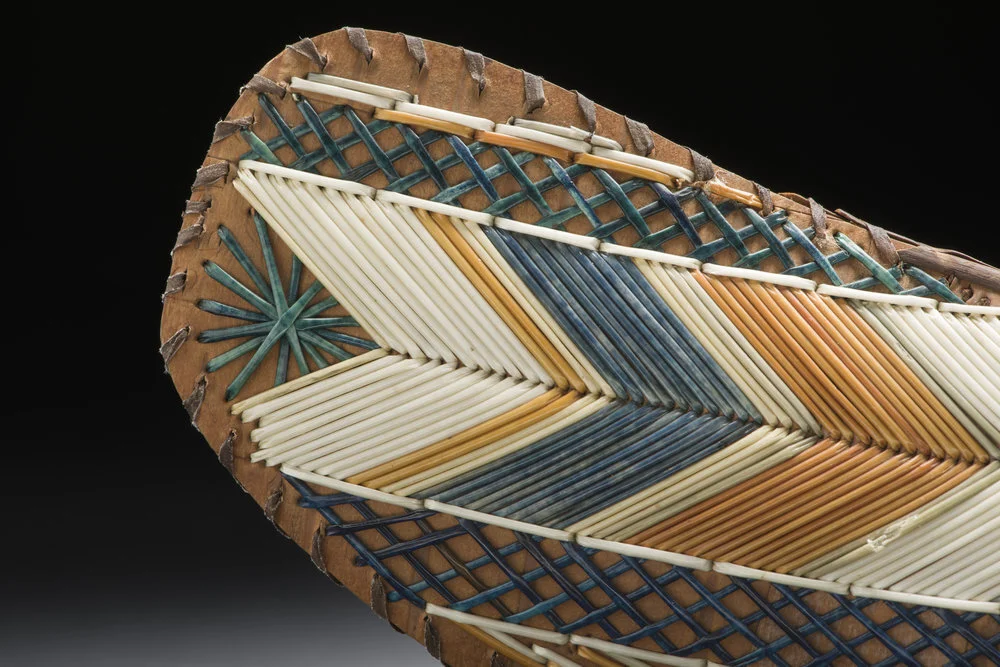
From baskets to beadwork, woodcarvings to birchbark canoes, tools or artwork, objects are an important expression of Wabanaki culture. Since the arrival of the first European explorers more than 400 years ago, objects made and used by the Wabanaki have made their way into museums around the world. Coming Home featured an exciting and beautiful array of material culture, selected and interpreted by Wabanaki community curators. This exhibit shared cultural and traditional knowledge, revealing a greater depth of information about the Wabanaki objects, and provided a unique opportunity to see these pieces back in the Wabanaki homeland.
Learn More: Coming Home Gallery Guide
Dr. Abbe's Stone Age Museum (ongoing)
Visit the original Abbe Museum at Sieur de Monts Spring in Acadia National Park, built as a trailside museum in 1928. The exhibits focus on the archaeology of Maine and are…
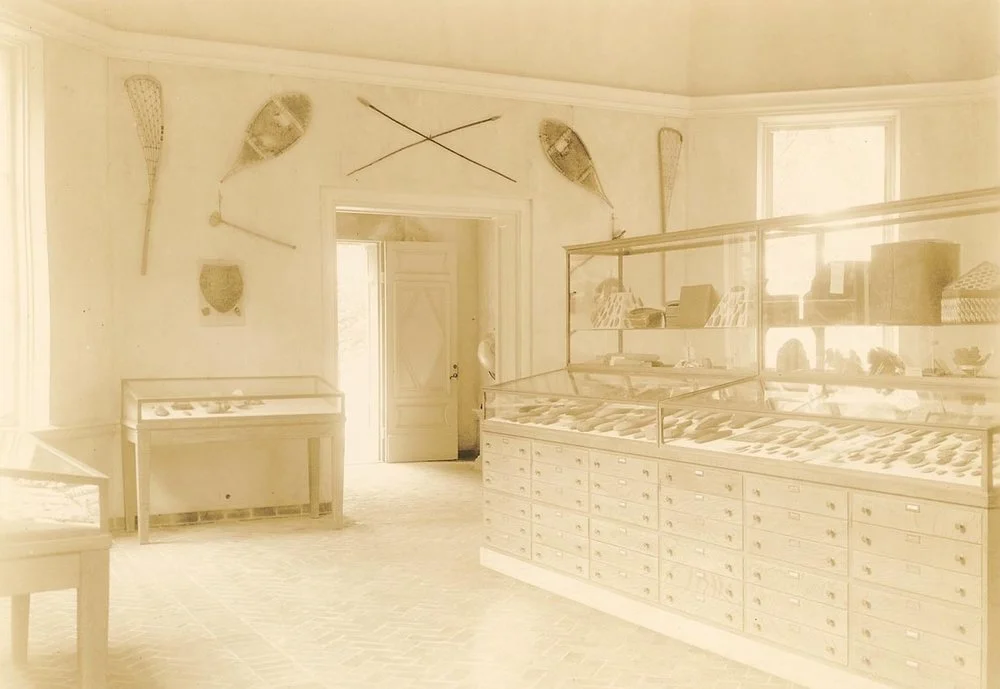
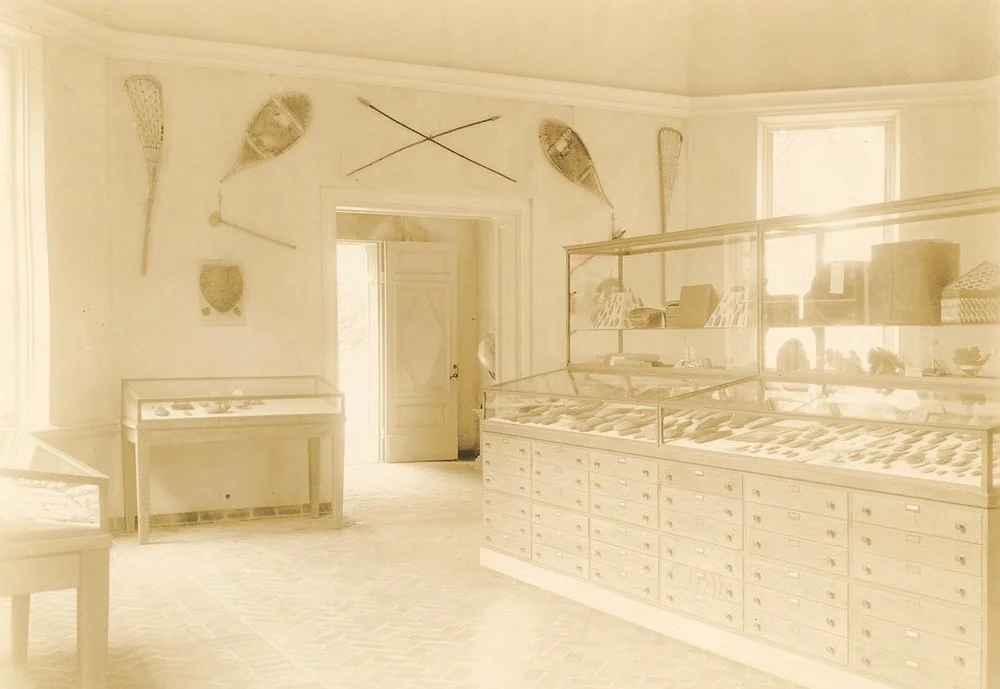
Visit the original Abbe Museum at Sieur de Monts Spring in Acadia National Park, built as a trailside museum in 1928. The exhibits focus on the archaeology of Maine and are reminiscent of the way the museum would have looked when it originally opened. See how bone and stone tools and pottery were made, explore artifacts from the Museum's early collections, and find examples of artifacts from many towns around eastern Maine. An introductory exhibit gives you a brief history of the Abbe Museum and is complemented by a giant map of Mount Desert Island (MDI) and the surrounding area, made by Museum founder Robert Abbe. Four dioramas depict life on MDI before the arrival of Europeans. The Abbe at Sieur de Monts Spring is open daily 10 am to 5 pm from late May through early October.
Emergence: Root Clubs of the Penobscot Nation (2018)
This exhibit celebrated a uniquely Wabanaki art form, a centuries-old craft that has frequently been dismissed by museums and academics as not “traditionally” Wabanaki. Root clubs have been viewed by…
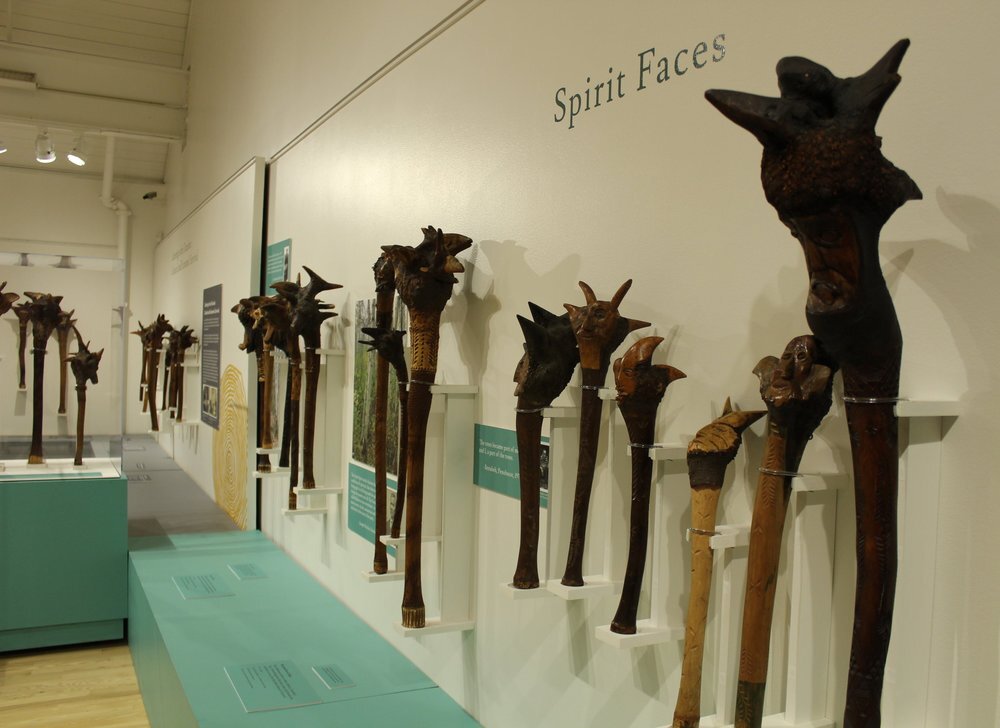
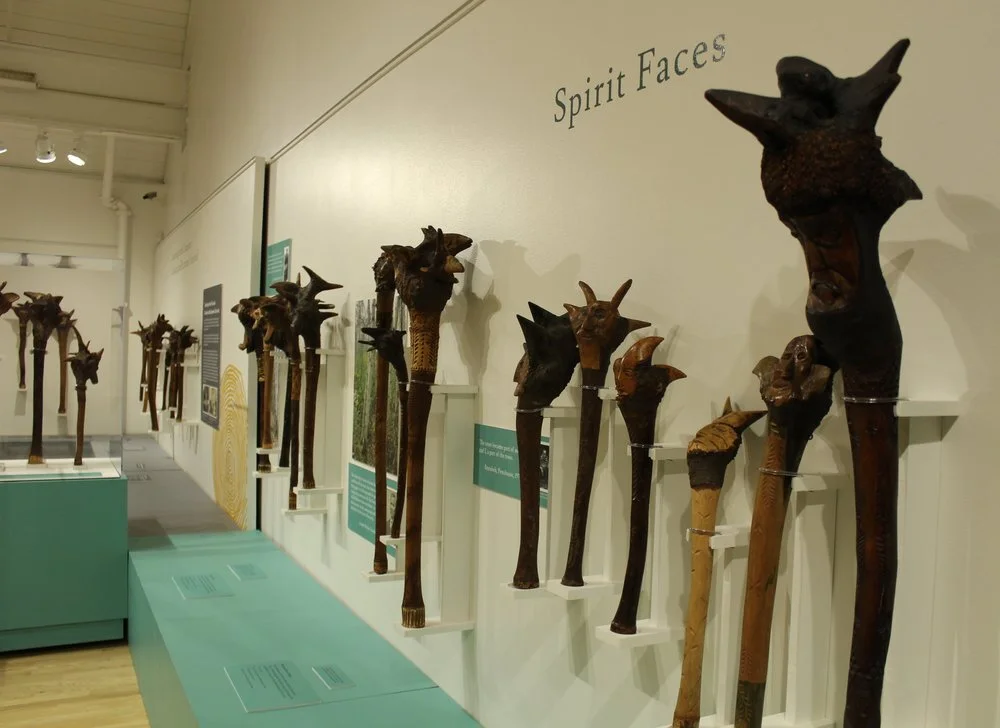
This exhibit celebrated a uniquely Wabanaki art form, a centuries-old craft that has frequently been dismissed by museums and academics as not “traditionally” Wabanaki. Root clubs have been viewed by museums and anthropologists as “tourist art,” not “traditional” enough to warrant a place in museums. Decades of research by exhibit curators Stan Neptune, Penobscot, and Joan Lester have built the body of evidence to show that this uniquely Wabanaki form, in fact, is very much a part of Wabanaki traditions going back centuries or more. And while new styles have been created over the years to support an economy tied to tourism, the earlier forms have continued and are still being made today. Over 70 clubs were exhibited and loaned from the Penobscot Nation, Hudson Museum, private collectors, and more.
Four Directions of Wabanaki Basketry (2013 – 2021)
Four Directions of Wabanaki Basketry, located in our unique Circle of the Four Directions, offers a place of quiet reflection for visitors. The exhibit features a basket from each of the…
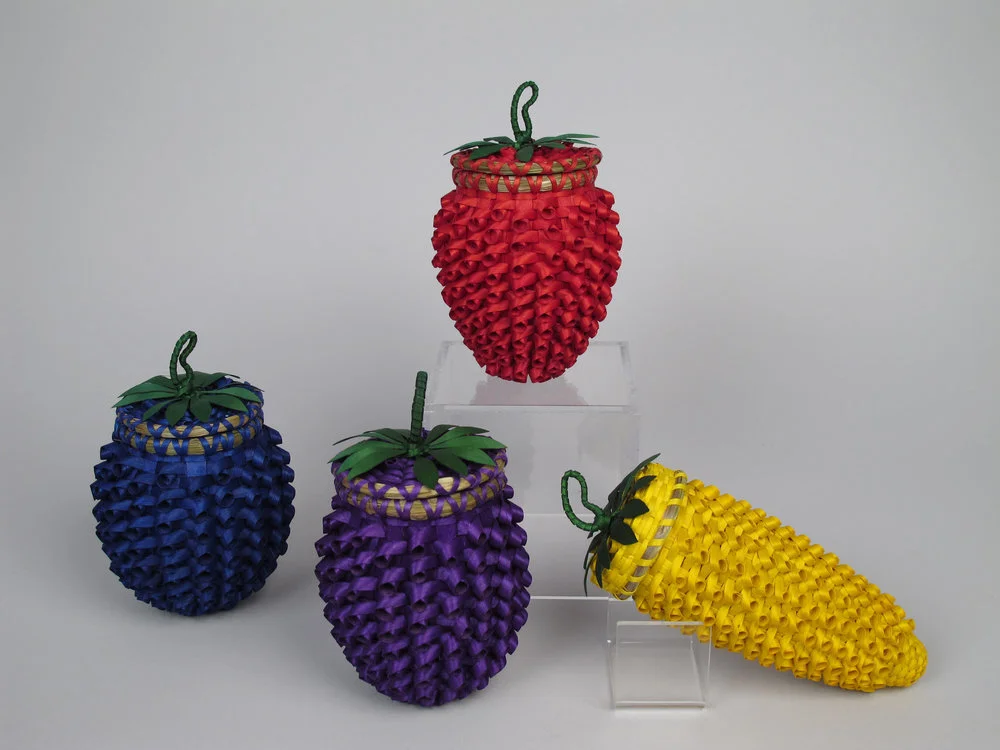
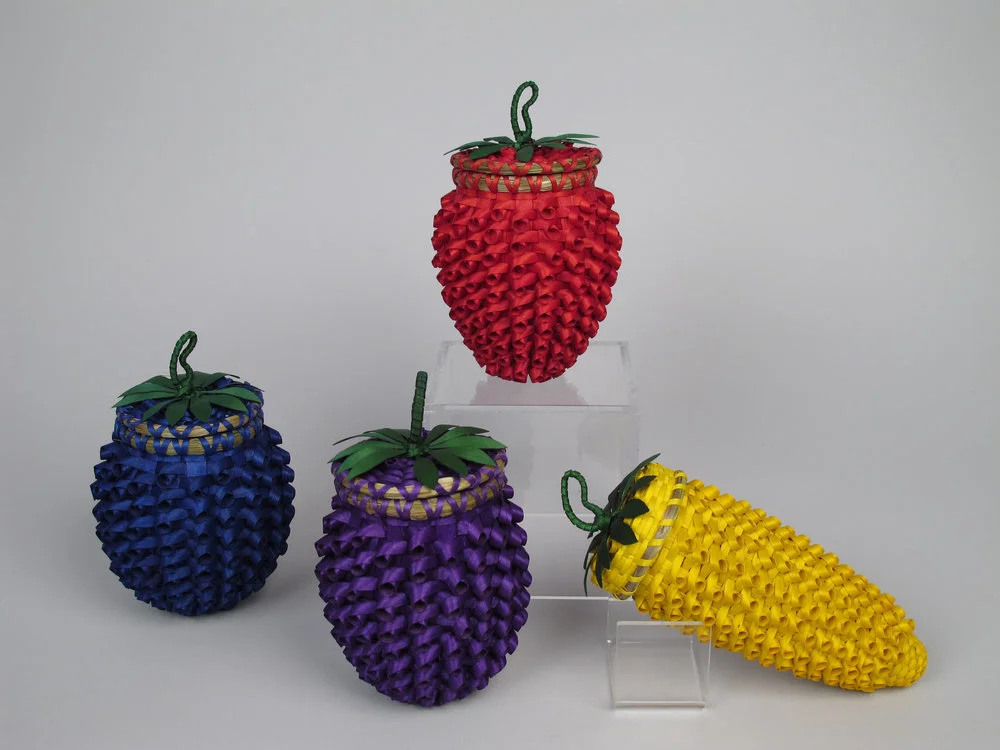
Four Directions of Wabanaki Basketry, located in our unique Circle of the Four Directions, offers a place of quiet reflection for visitors. The exhibit features a basket from each of the Wabanaki tribal communities: the eastern basket made by a Maliseet child, the southern baskets made by Passamaquoddy women, the western basket made by a Penobscot man, and the northern basket by a Micmac elder. Visitors will also hear the creation story of Koluskap and the Ash Tree in the Penobscot, Passamaquoddy/Maliseet, and Micmac languages. Click below to listen to the audio.
Made possible through the generosity of John and Ruth Overton.
Greatest Mountain (2015)
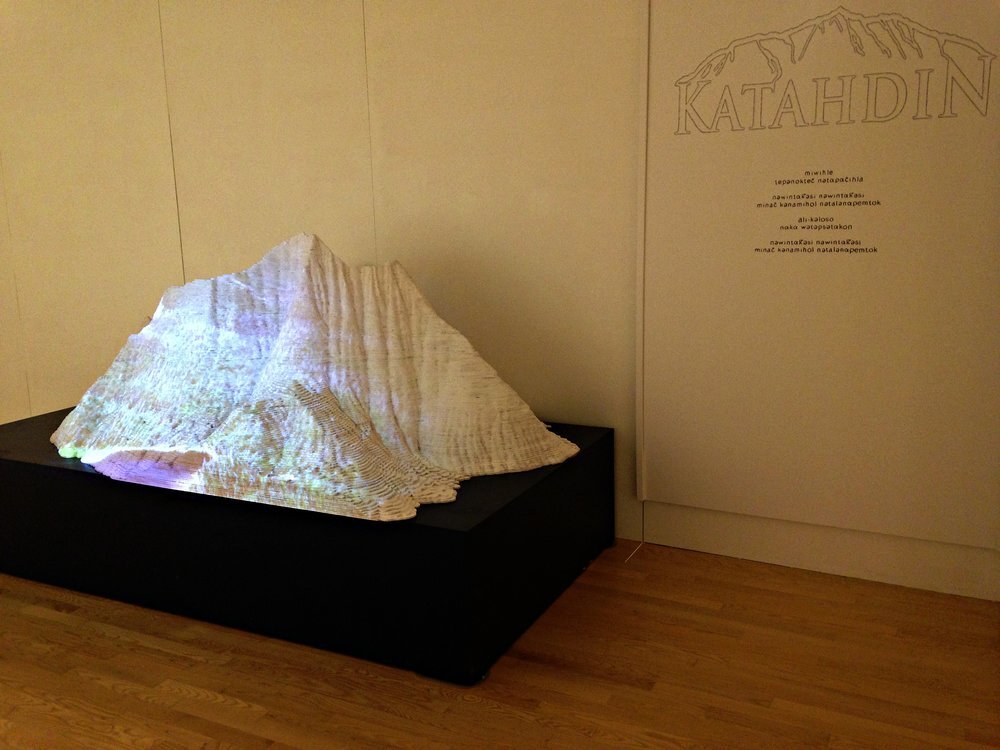
A vision by Penobscot artist and historian James Francis. This tribute to Mount Katahdin, through Penobscot histories and accounts of non-Native travelers and writers, uses images, music, stories, and the…
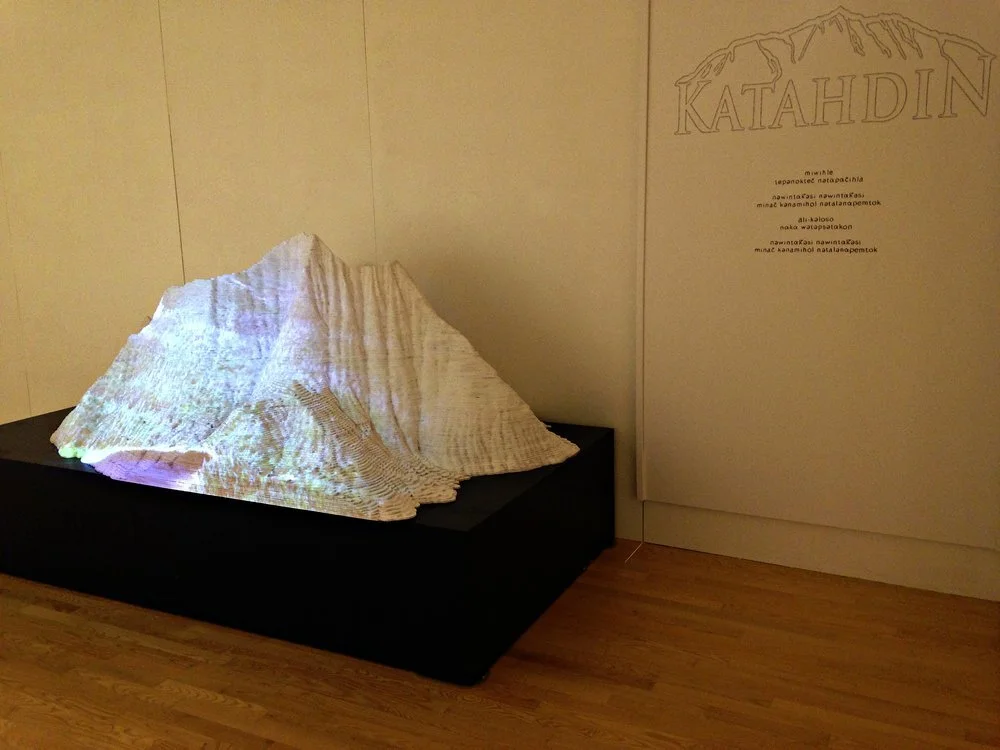
A vision by Penobscot artist and historian James Francis
This tribute to Mount Katahdin, through Penobscot histories and accounts of non-Native travelers and writers, uses images, music, stories, and the Penobscot language to bring this sacred mountain to life. Francis used a CNC machine to cut the layers to build the model of Katahdin, which translates from Penobscot to English as “Greatest Mountain.” Images moved and flickered across it, a compilation of time lapse photographs taken by Francis at night back in November 2014. Along with these time-lapse photographs, there was a song composed by Francis, various other video and still imagery, and spoken word pieces of Penobscot people sharing stories.
Learn More: The Greatest Mountain Context Statement
Headline News (2010)
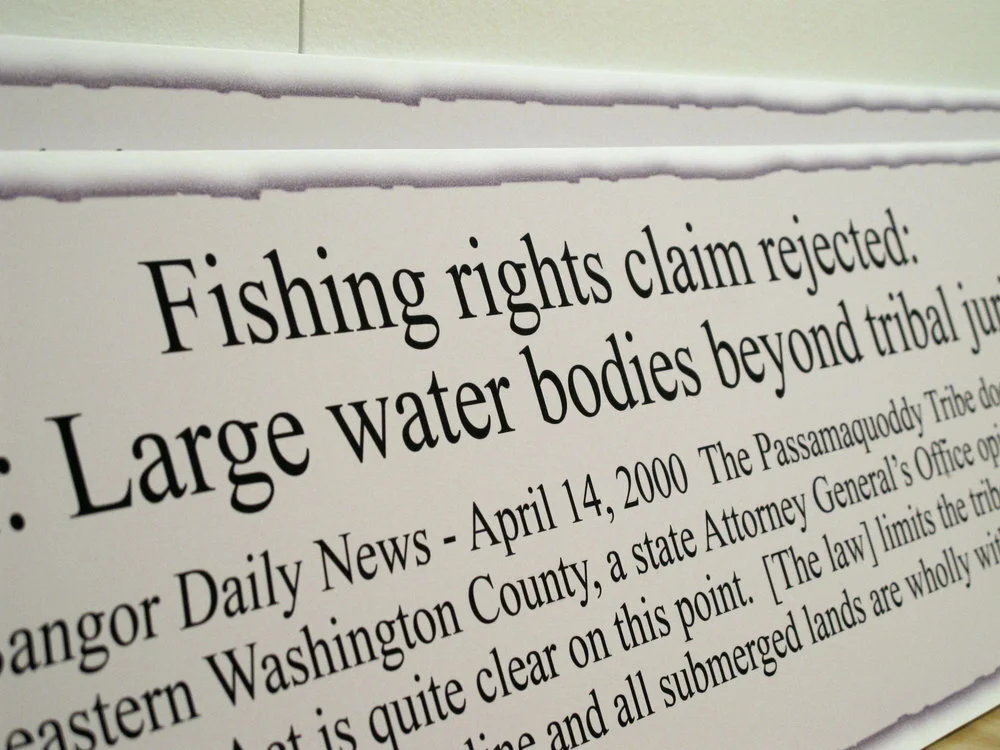
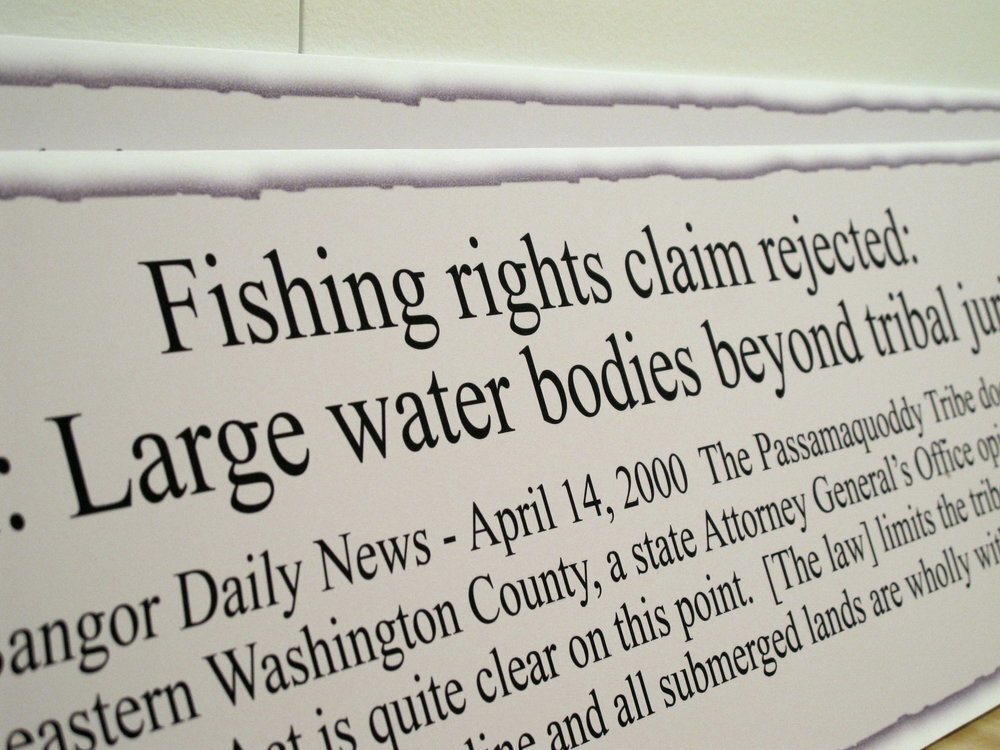
With the signing of the Maine Indian Claims Settlement Act in 1980, and later agreements, Maine distinguished itself from the rest of the Nation by establishing a unique relationship with the four…
Additional information about Headline News: Wabanaki Sovereignty in the 21st Century is also available in the exhibit catalog, Headline News Exhibit Catalog.
At the Abbe's 2010 Annual Meeting, Penobscot Chief Kirk E. Francis, Sr., was the guest speaker and his remarks about sovereignty can be found here.
With the signing of the Maine Indian Claims Settlement Act in 1980, and later agreements, Maine distinguished itself from the
rest of the Nation by establishing a unique relationship with the four federally recognized Wabanaki tribes. The expression of these Acts creates a political arena much different than that of other states—federal statutes do not apply to American Indian communities in Maine unless explicitly noted within that federal legislation.
Maine has a direct relationship with the Wabanaki tribes, which in addition to federal recognition of their sovereignty, were granted municipal powers, and most concerns must be negotiated at the state level. The exhibit explores the ways in which the Micmac, Maliseet, Passamaquoddy, and Penobscot tribes are asserting their sovereignty in the areas of:
Recognition of Native veterans
Controversies regarding gaming
The retention of Native languages
The exercise of hunting and fishing rights
The fight against the invasive ash borer beetle
Environmental management of traditional territory
Concepts surrounding identity and positive and negative stereotypes
International border issues that has divided families and traditional lands.
Headline News seeks to engage the visitor and raise awareness of contemporary challenges to the Native peoples living in Maine. Visitors will have the opportunity to reflect on Native perspectives while exploring these topics through a variety of media. On display was an assortment of new and old artifacts including objects made of ash, birchbark, cedar, porcupine quills, and sweet grass, natural history specimens and faunal remains, hunting and trapping equipment, books and CDs illustrating the four languages, traditional games, maps, photographs, a full-sized birchbark canoe, and much more.
While the information presented was focused on the Wabanaki in Maine, the exhibit offered comparative information on federal Indian policy to highlight differences between the state and federal Indian policies. This ground breaking exhibit was curated by Raney Bench, former Curator of Education at the Abbe Museum, in conjunction with consultation from members of the Micmac, Maliseet, Passamaquoddy, and Penobscot tribes, and assistance from project team members Julia (Clark) Gray and Jason Brown.
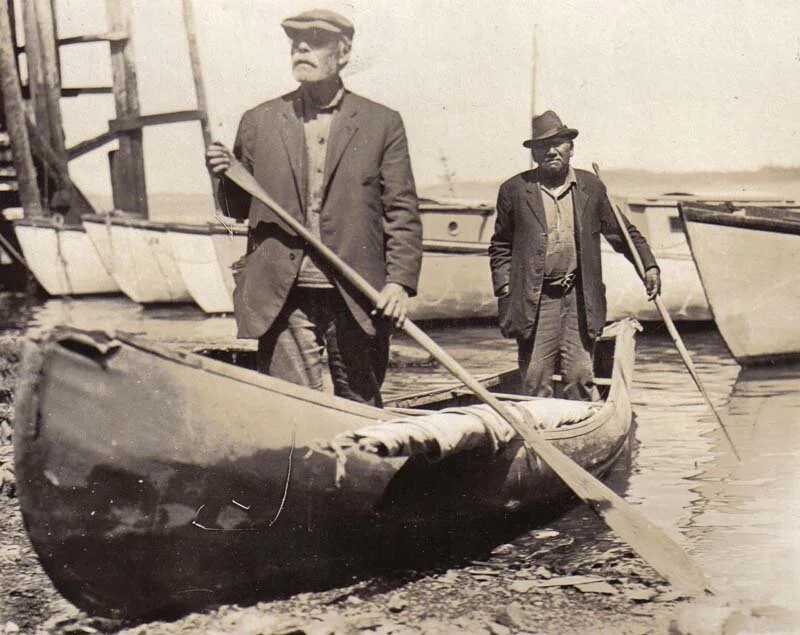
The Headline News: Wabanaki Sovereignty in the 21st Century online exhibit introduces eight topics commonly covered in the media through first person voice of Wabanaki political and cultural leaders. Each topic is intimately connected to tribal sovereignty in Maine and continually evolving, allowing the exhibit to serve as a starting point for dialog and discussion in Maine communities and beyond. The content reflects the complex nature of these topics and the diverse opinions of Wabanaki people. The entire text of the show can be downloaded below by topic area.
CLICK ON A CATEGORY TO DOWNLOAD TEXT-ONLY CONTENT:
Indians & Rusticators (2012 - 2013)
Winner of a 2012 Leadership in History Award. Indians and Rusticators: Wabanakis and Summer Visitors on Mount Desert Island 1840s-1920s highlighted the role that Mount Desert Island (MDI) played in…
Winner of a 2012 Leadership in History Award
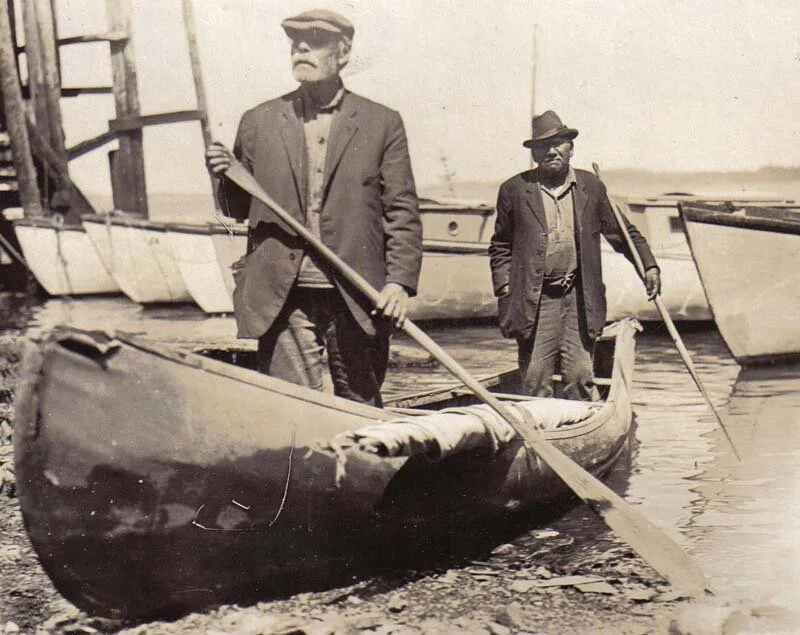
Indians and Rusticators: Wabanakis and Summer Visitors on Mount Desert Island 1840s-1920s highlighted the role that Mount Desert Island (MDI) played in the cultural and economic survival of Wabanaki people. Offering a focused look at the seasonal interactions of Wabanaki people and summer rusticators (summer residents from the large urban areas of the Northeast), it profiled various personalities, especially the iconic Penobscot Indian showman Frank “Big Thunder” Loring, whose unforgettable presence on MDI spanned 60 years of the Rusticator Era. The stories told and research presented was the work of guest curators Bunny McBride, MA, and Dr. Harald Prins, highly regarded scholars and authors of Wabanaki history.
Learn More: Indians & Rusticators Exhibit Adaptation for Maine Memory Network
IndiVisible (traveling)
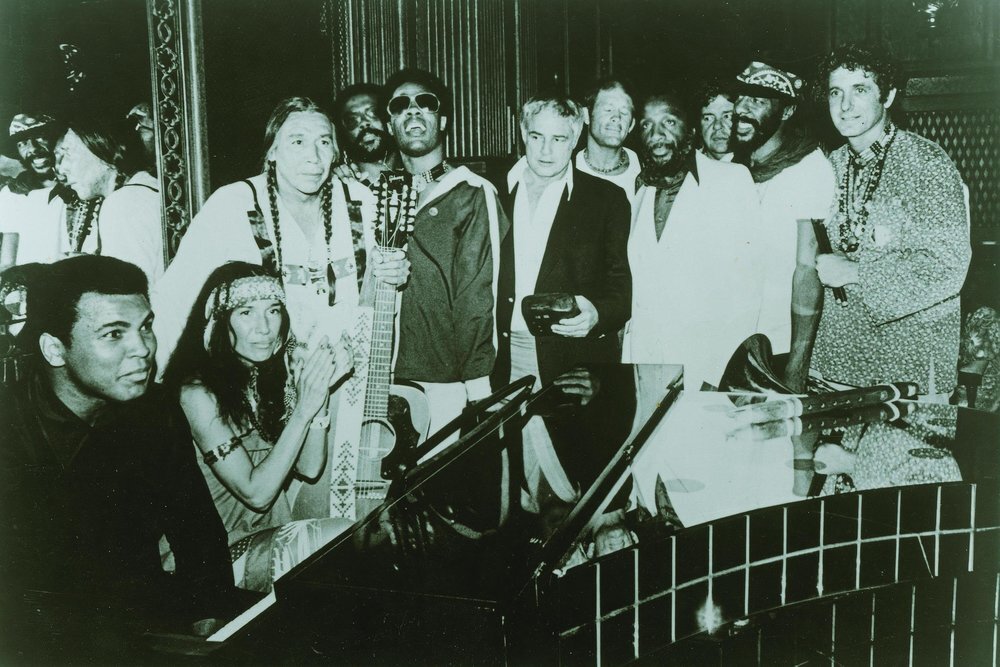
This important and enlightening exhibition from the Smithsonian Institution was about the intersection of American Indian and African American people and cultures. IndiVisible: African-Native American Lives in the Americas explored…
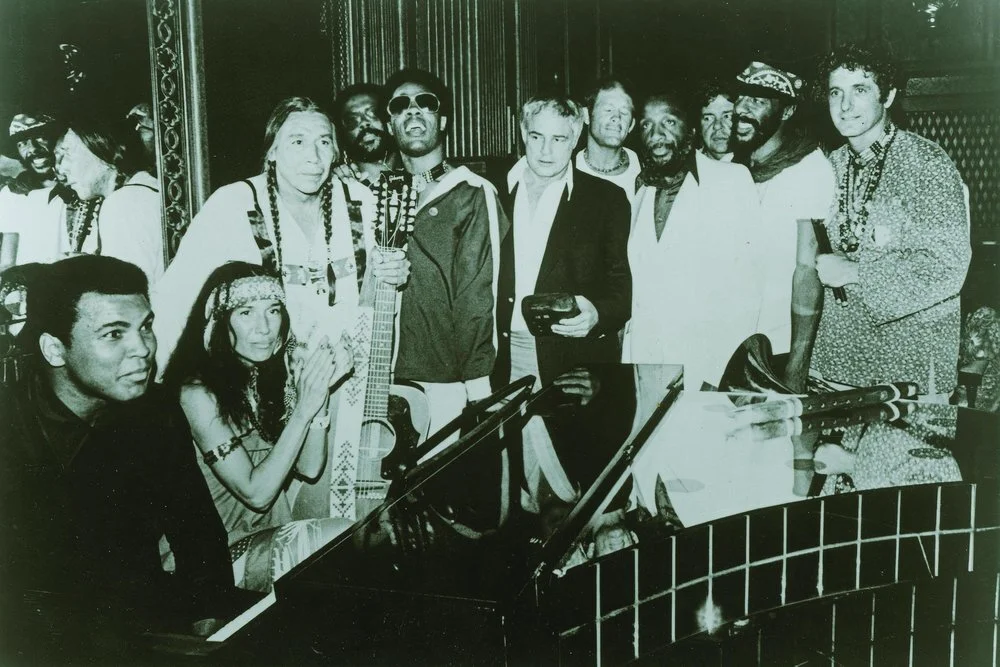
This important and enlightening exhibition from the Smithsonian Institution was about the intersection of American Indian and African American people and cultures. IndiVisible: African-Native American Lives in the Americas explored historical and contemporary stories of peoples and communities whose shared histories are woven into the fabric of American identity, but whose presence has long been invisible to many in the U.S. The exhibition shed light on the dynamics of race, community, culture, and creativity, and addresses the human desire to belong. With compelling text and powerful graphics, the exhibition included accounts of cultural integration and diffusion as well as the struggle to define and preserve identity. The Abbe Museum housed this exhibition in 2013. IndiVisible was developed by the National Museum of the American Indian with the National Museum of African American History and Culture, and organized for travel by the Smithsonian Institution Traveling Exhibition Service.
Learn More: IndiVisible Exhibit Website
Kikehtahsuwiw: It Heals (2015 – 2016)
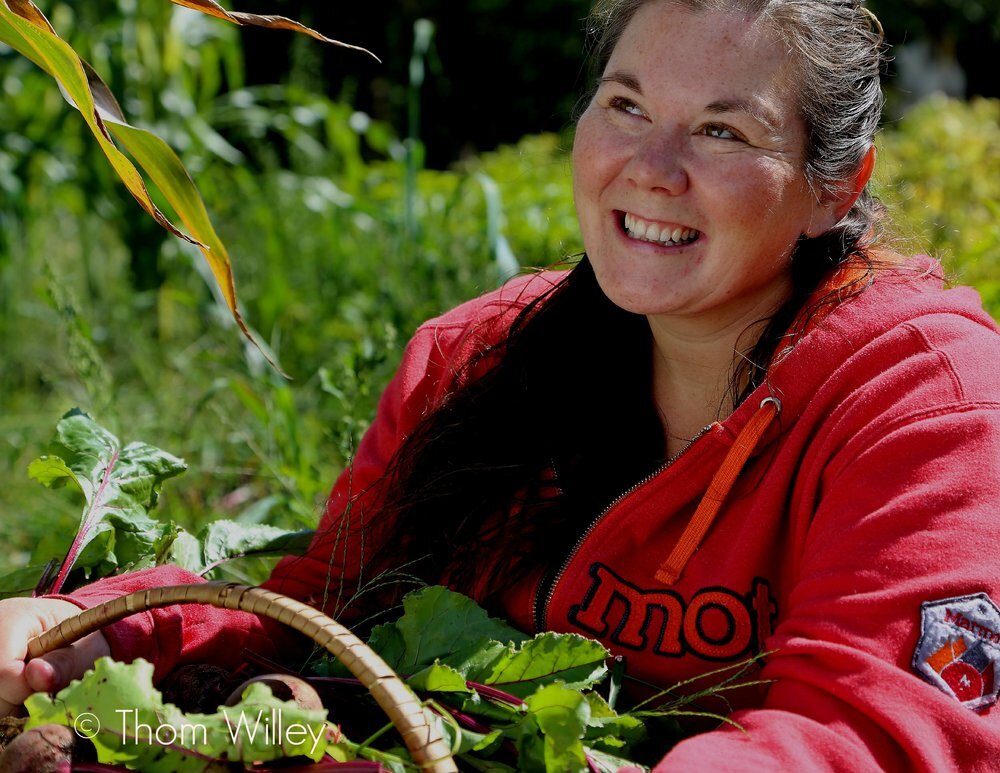
Kikehtahsuwiw is a story about several women in the Passamaquoddy Tribe, residing at both Motahkomikuk (Indian Township) and Sipayik (Pleasant Point). Each of these women shares a common goal: healing their…
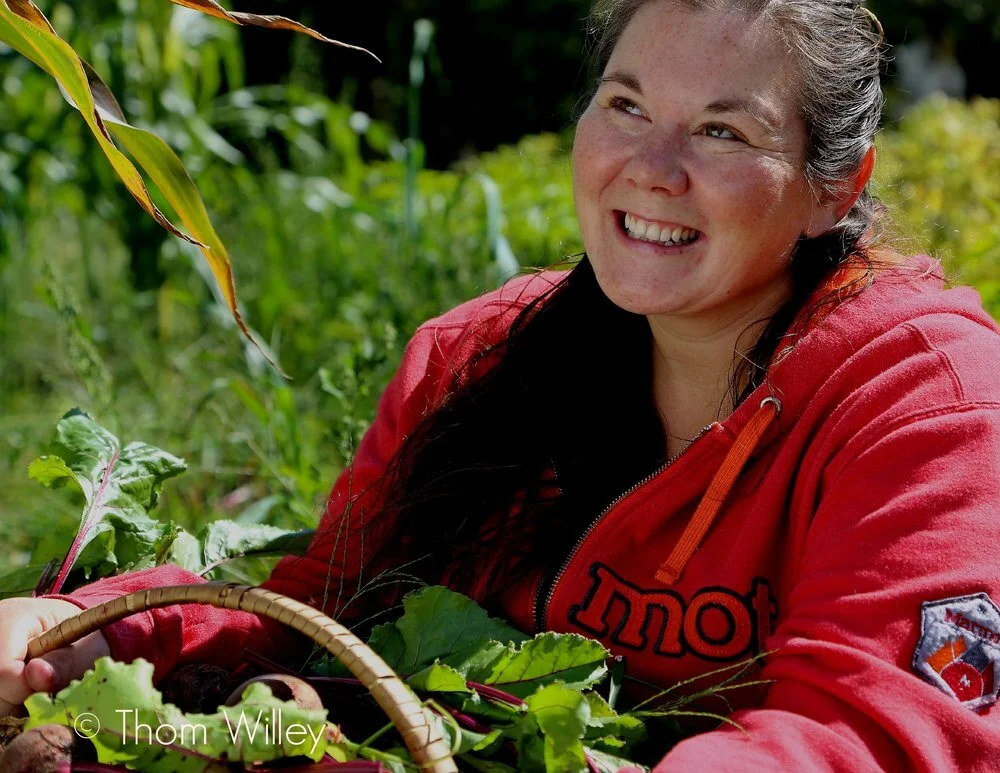
Kikehtahsuwiw is a story about several women in the Passamaquoddy Tribe, residing at both Motahkomikuk (Indian Township) and Sipayik (Pleasant Point). Each of these women shares a common goal: healing their communities. As the carriers of life, they are also carriers of culture and responsible for carrying on their healing traditions.
As a matriarchal society, women are more than just the heads of the family. As the providers and protectors of life itself, women are sacred. Capable of enduring so much pain on behalf of their children in infinite ways, they represent the healing strength of love itself. As the carriers of life, they are also carriers of culture and responsible for carrying on healing traditions.
Learn More: Kikehtahsuwiw: It Heals Exhibit Catalog
Kluskap of the Wabanaki (2015)
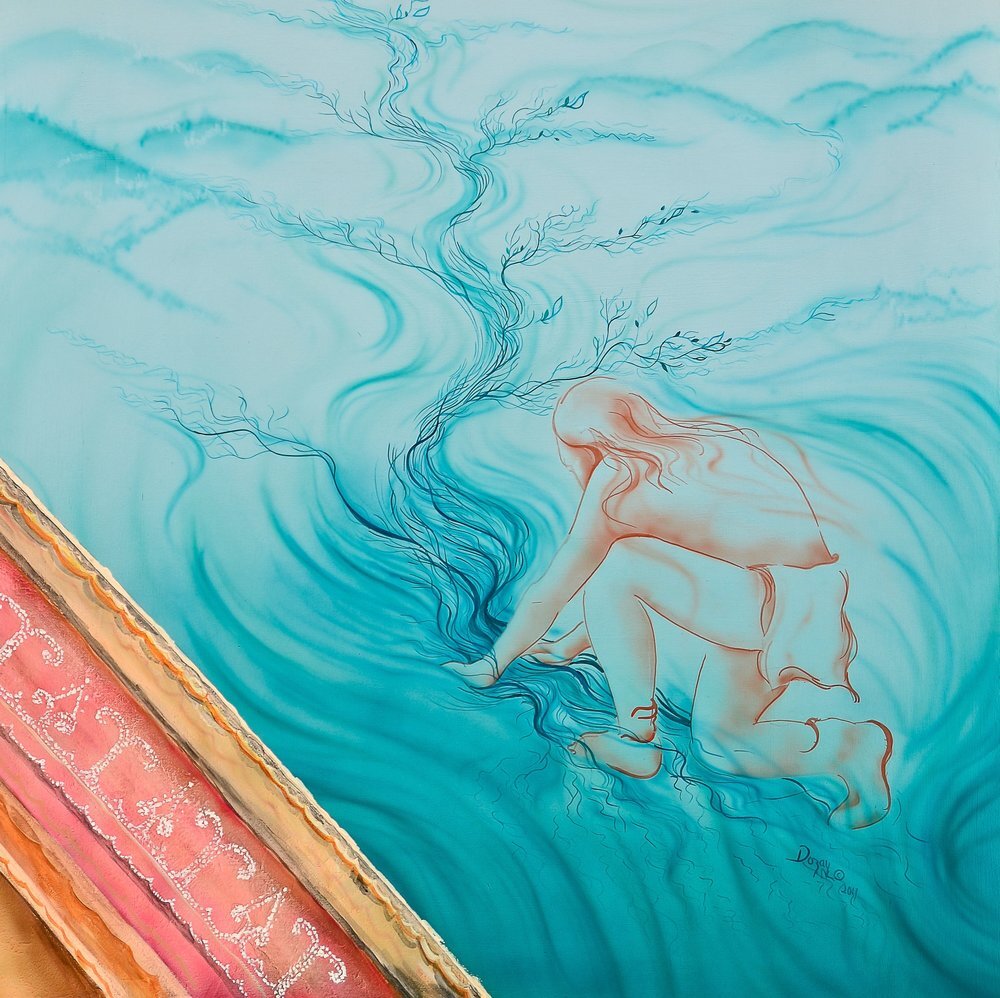
According to Wabanaki oral histories, Kluskap–or Koluskap, Gluskap, Glooskap, and Gluskabe–made the world habitable for human beings and taught people to live wisely. Kluskap stories have been told and…
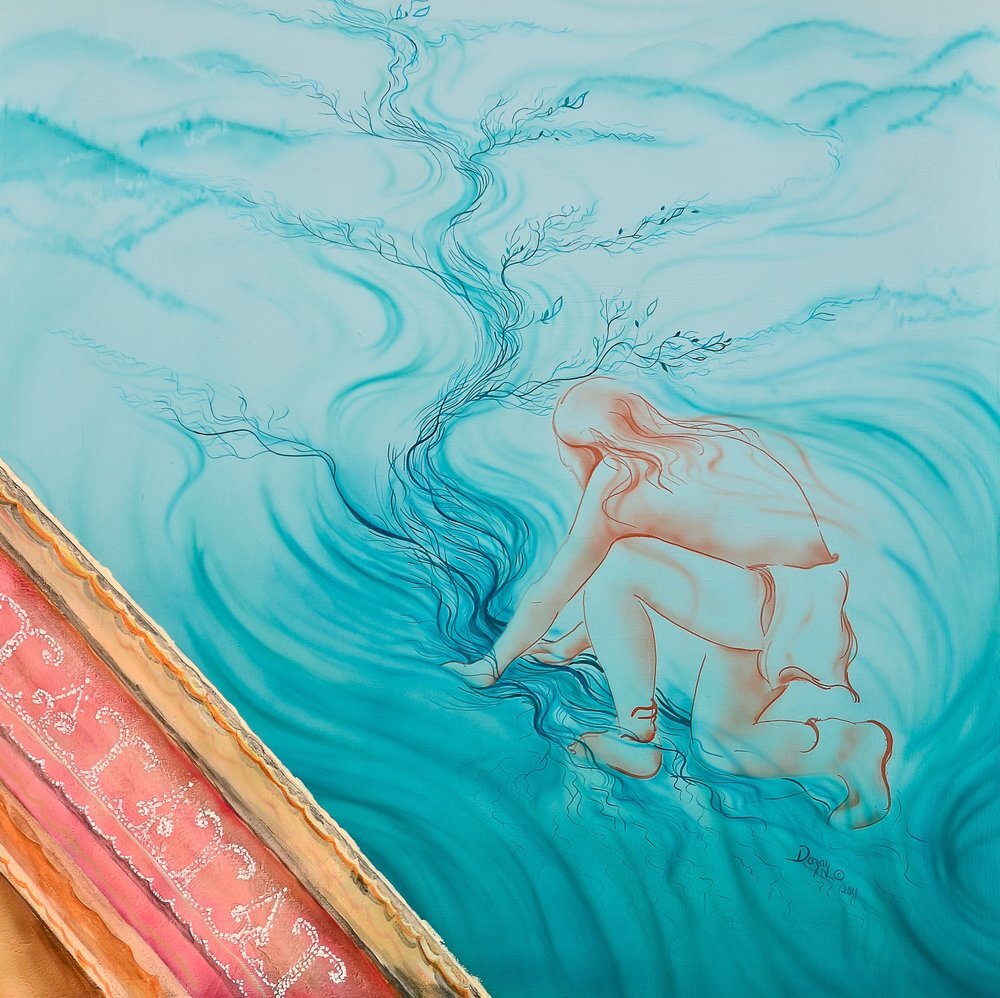
According to Wabanaki oral histories, Kluskap–or Koluskap, Gluskap, Glooskap, and Gluskabe–made the world habitable for human beings and taught people to live wisely. Kluskap stories have been told and retold over many generations, and these legends have always been known to teach lessons of values and the characteristics of the animals and Mother Earth. Kluskap was a positive force with all Wabanaki tribes and people from all the communities have written and illustrated many versions of the Kluskap legends. Through original paintings by Maliseet artist Dozay, Kluskap of the Wabanaki illustrates the various legends of Kluskap and his adventures across the Wabanaki homeland, using landmarks that tell his story. This was Dozay's first show in the U.S.
Learn More: Kluskap of the Wabanaki Exhibit Catalog
Layers of Time (2003 - 2015)
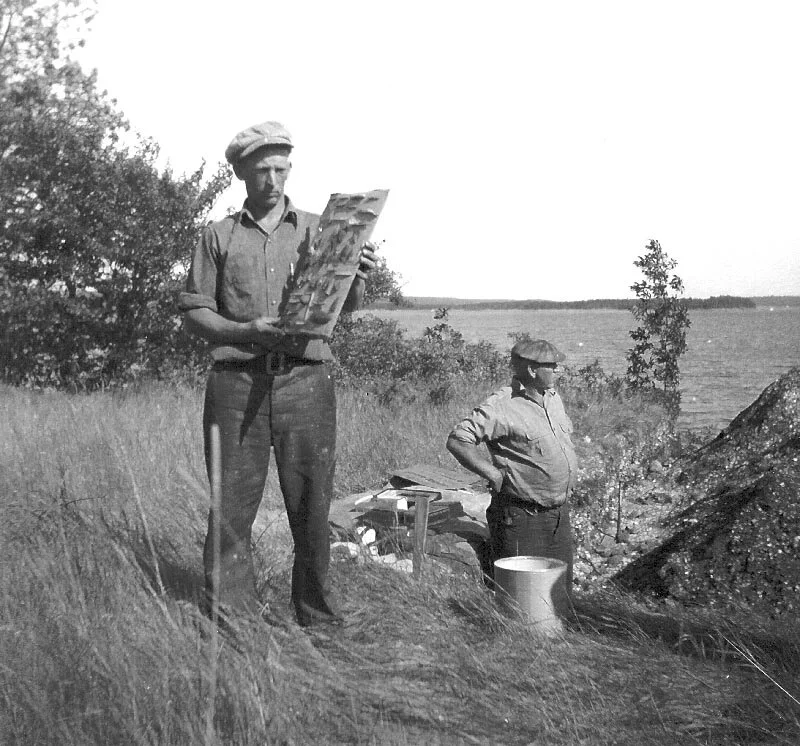
How did people live in the past? What can we know about their lives and history from the archaeological record? This exhibit followed archaeological research conducted by the Abbe Museum starting…
How did people live in the past? What can we know about their lives and history from the archaeological record?
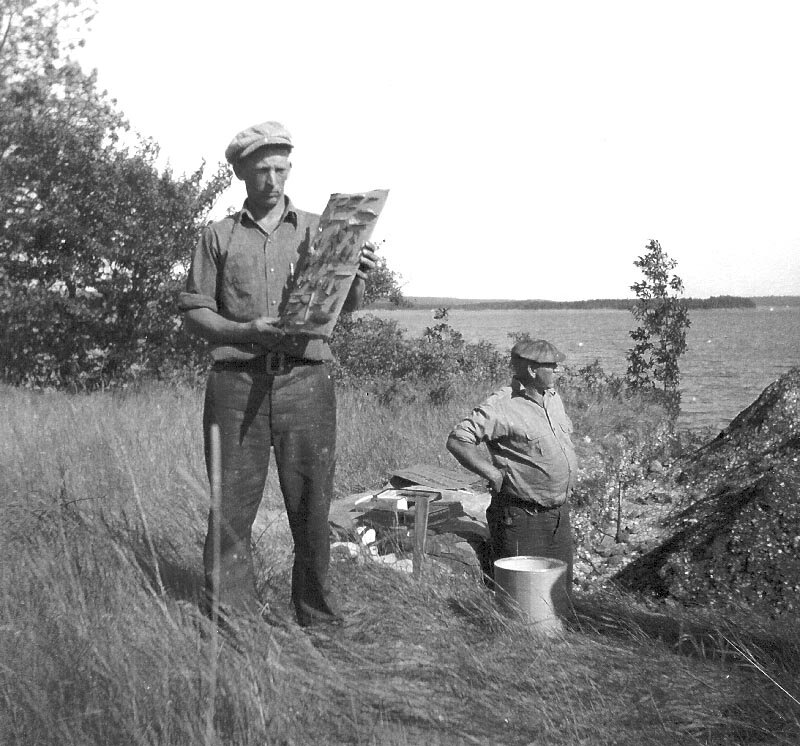
This exhibit followed archaeological research conducted by the Abbe Museum starting in 1928, and considered how excavations at various sites have tried to answer these questions. Through a combination of artifacts, images and text, you were able to explore the questions that were asked and what we have learned during eight decades of archaeological investigations. Layers of Time also featured a variety of hands-on, interactive activities for children and families, letting visitors step into the role of the archaeologist to ask and answer intriguing questions.
Learn More: Layers of Time Exhibit Catalog
Look Twice: The Waponahki in Image and Verse (2010)
Many different types of images relating to Maine's Tribal History exist, which are seldom seen except by researchers and scholars In the field. In addition, the general public is seldom given…
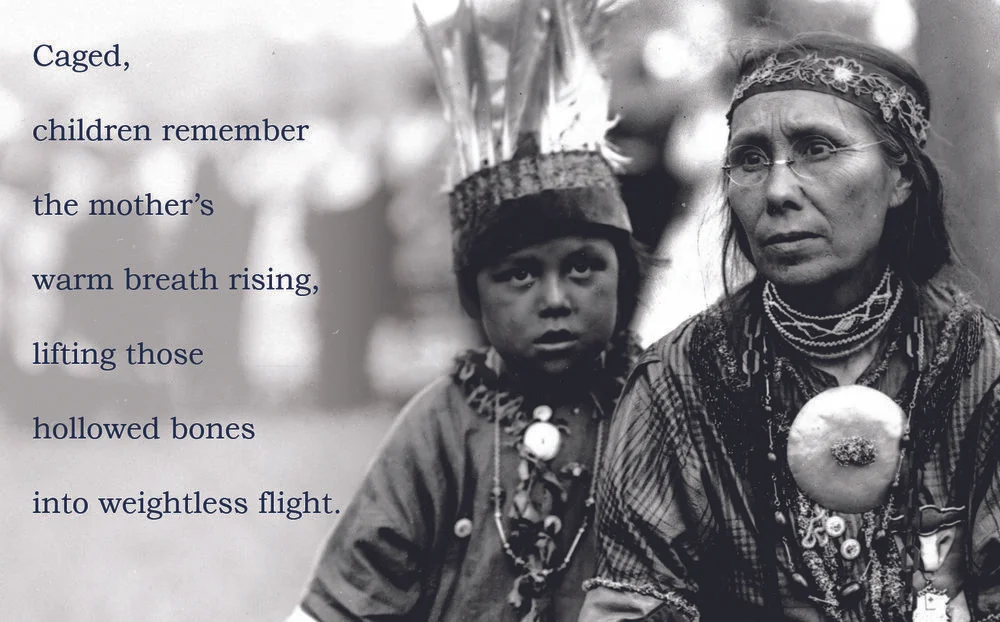
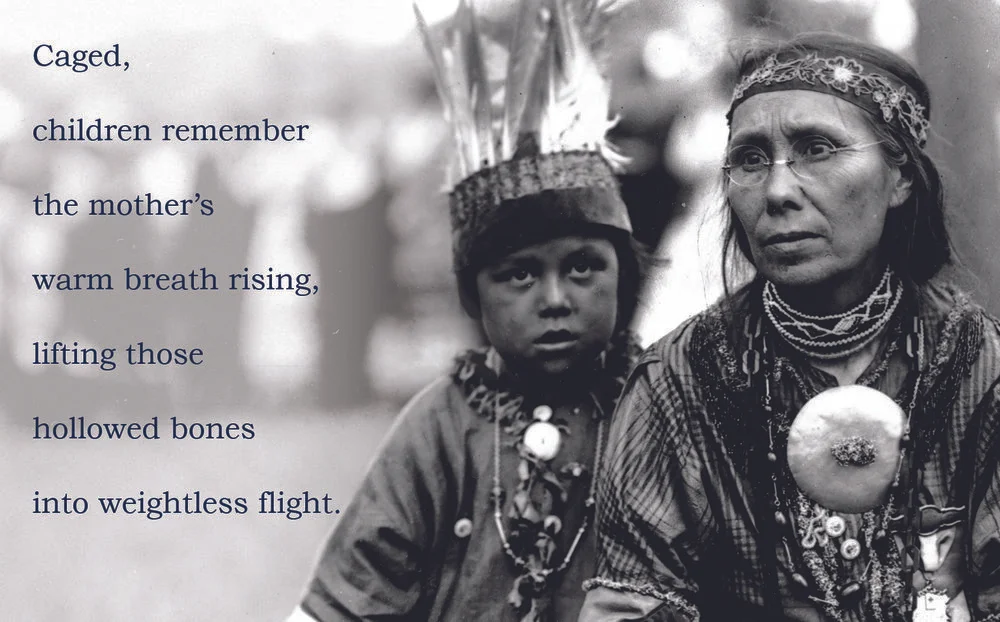
Many different types of images relating to Maine's Tribal History exist, which are seldom seen except by researchers and scholars In the field. In addition, the general public is seldom given a broader cultural context in which to view them. Providing contemporary poetry, written by Mikhu Paul-Anderson from Kingsclear First Nations, simultaneously altered and reframed the context of those images, in effect, mediating the historical gaze of a marginalized people. The prose that accompanied each image was one method of bringing history into the present moment, supporting another possible view of that history. The connection between past and present is then strengthened, and new ways of understanding history hopefully result.
Mikhu Paul-Anderson is a Native American woman, author, and curator of this exhibit and grew up in Old Town, Maine.
N’tolonapemk (2012 - 2014)
Native Americans have lived on Meddybemps Lake at its outlet to the Dennys River for at least 8,600 years. The Passamaquoddy people have named this site N'tolonapemk, which in Passamaquoddy means…
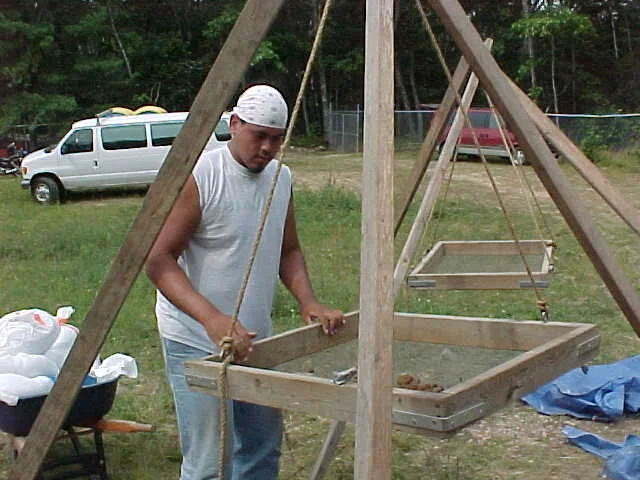
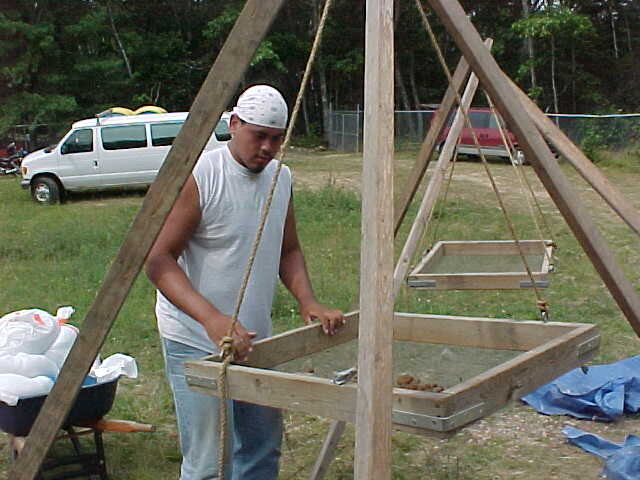
Native Americans have lived on Meddybemps Lake at its outlet to the Dennys River for at least 8,600 years. The Passamaquoddy people have named this site N'tolonapemk, which in Passamaquoddy means, "Our Relatives' Place." This exhibit told the story of N'tolonapemk through archaeological evidence and the stories and knowledge of the Passamaquoddy people. The scientific methods used by archaeologists, contrasted with traditional Passamaquoddy stories, work together to create a more complete picture and a richer understanding of this important place.
Learn More: N’tolonapemk Exhibit Catalog
North by Northeast: Wabanaki, Akwesasne Mohawk, and Tuscarora Traditional Arts (traveling)
For generations, Native American traditional artists in the Northeast have passed on their culture through beadwork, basketry, birchbark, and woodcarving. Organized and curated by Kathleen Mundell, this traveling exhibition sponsored by…
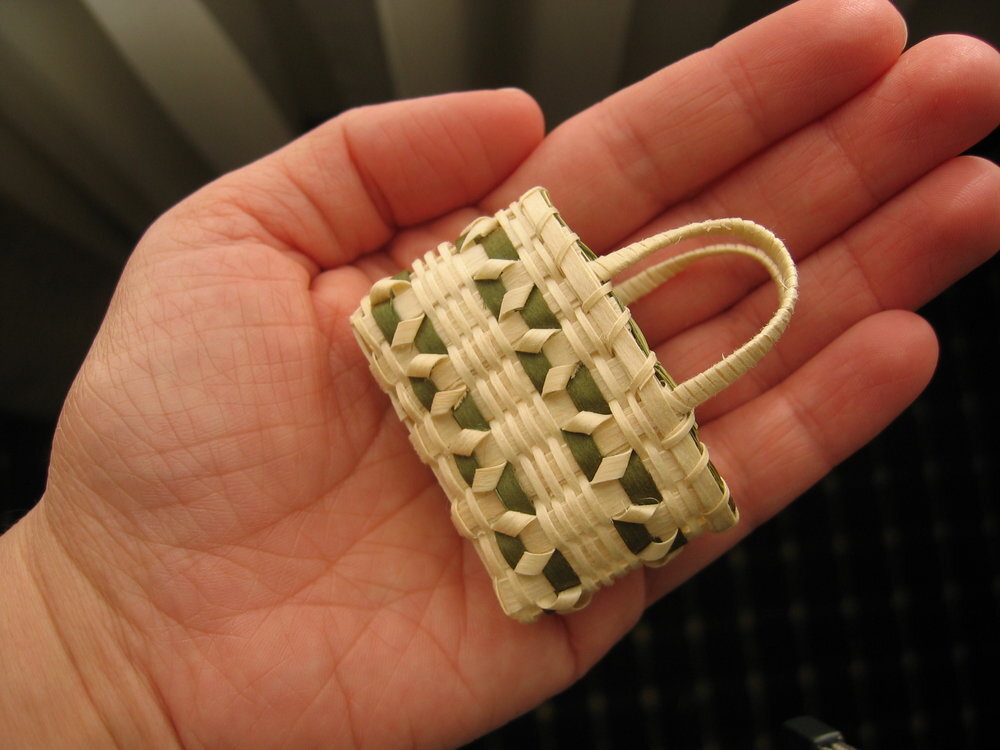
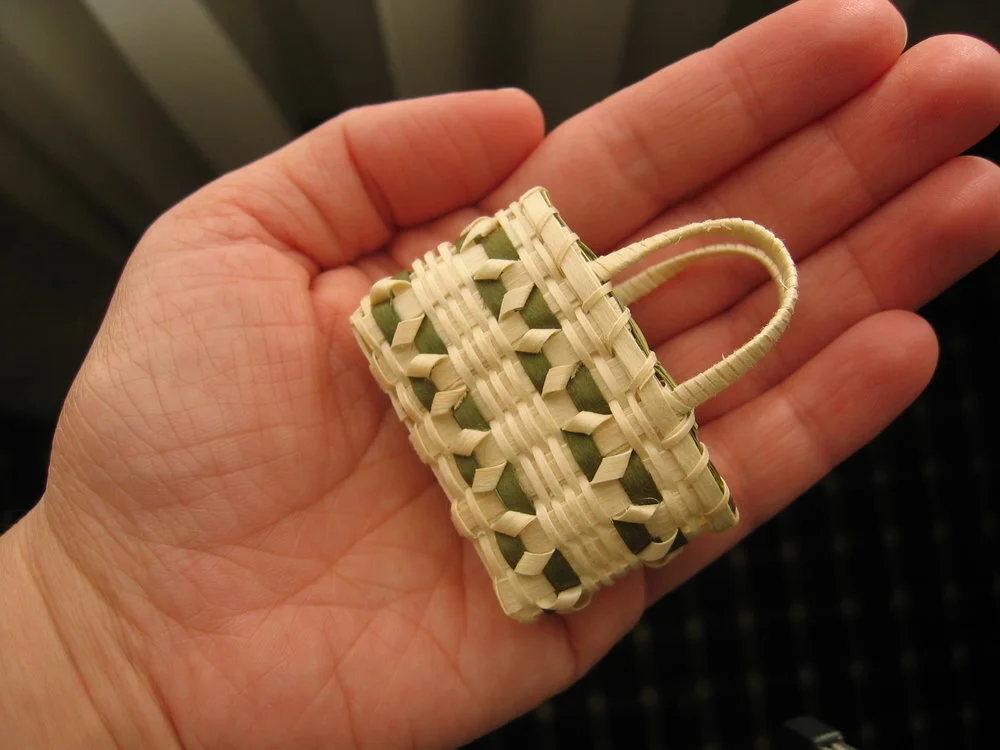
For generations, Native American traditional artists in the Northeast have passed on their culture through beadwork, basketry, birchbark, and woodcarving. Organized and curated by Kathleen Mundell, this traveling exhibition sponsored by Cultural Resources, Inc. presented these traditions through the work and words of more than 35 traditional artists living and working primarily in Maine and upstate New York. In the creative hands of those who continue to practice them, these arts reflect the values and traditions of contemporary communities with each generation recasting old forms into new expressions.

People of the First Light (2016 - ongoing)
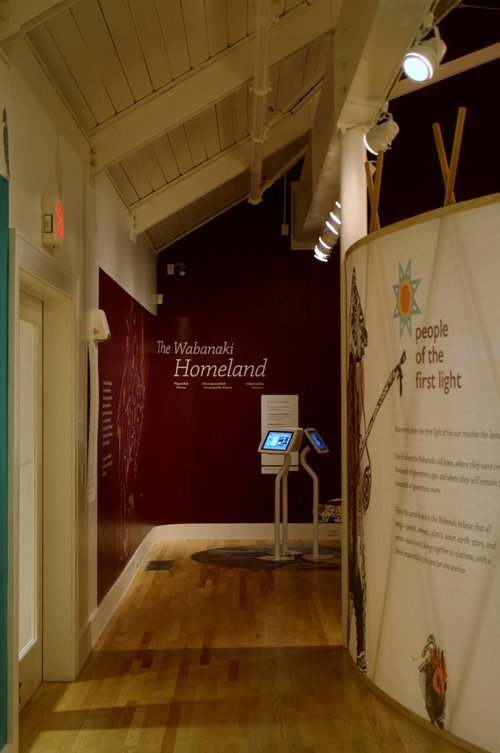
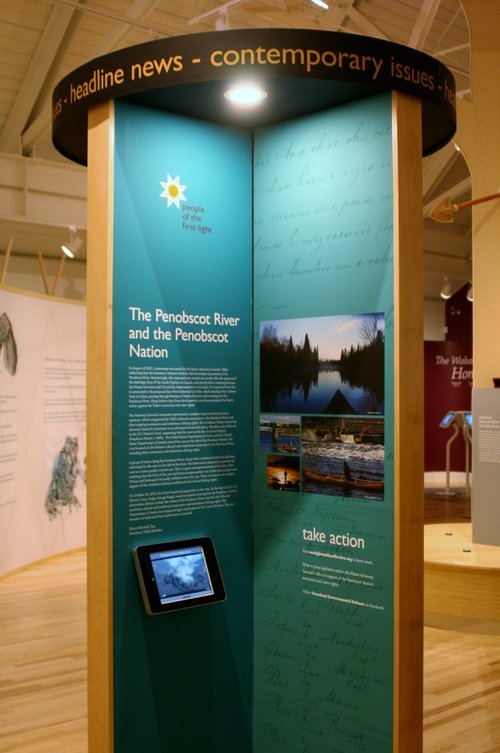
People of the First Light, the Abbe Museum's core exhibit, introduces visitors to the Wabanaki universe, engaging them with the culture and history of a people that is unfamiliar to many…
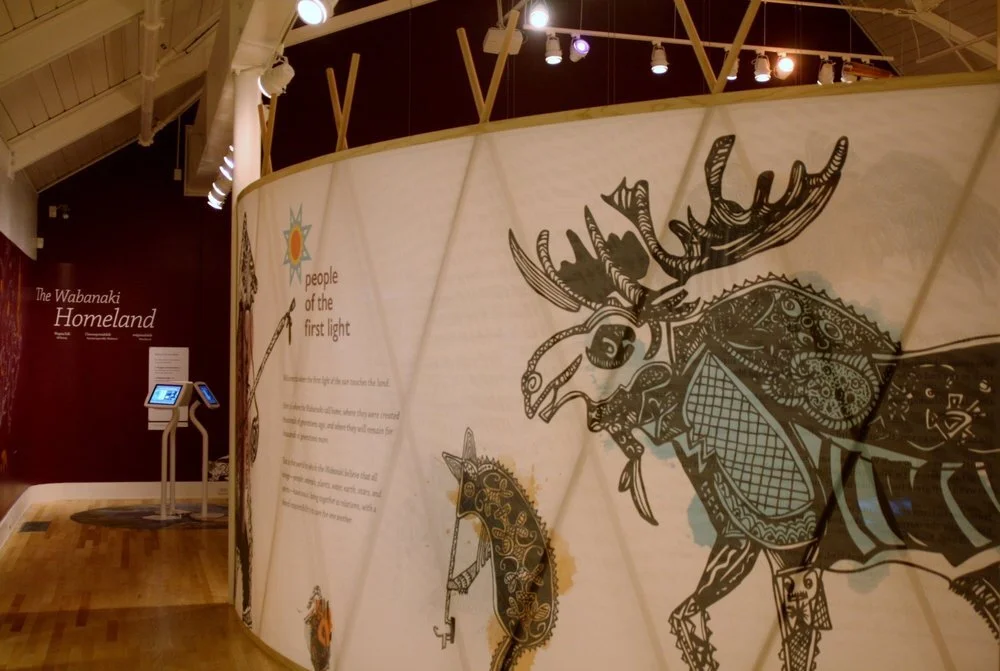
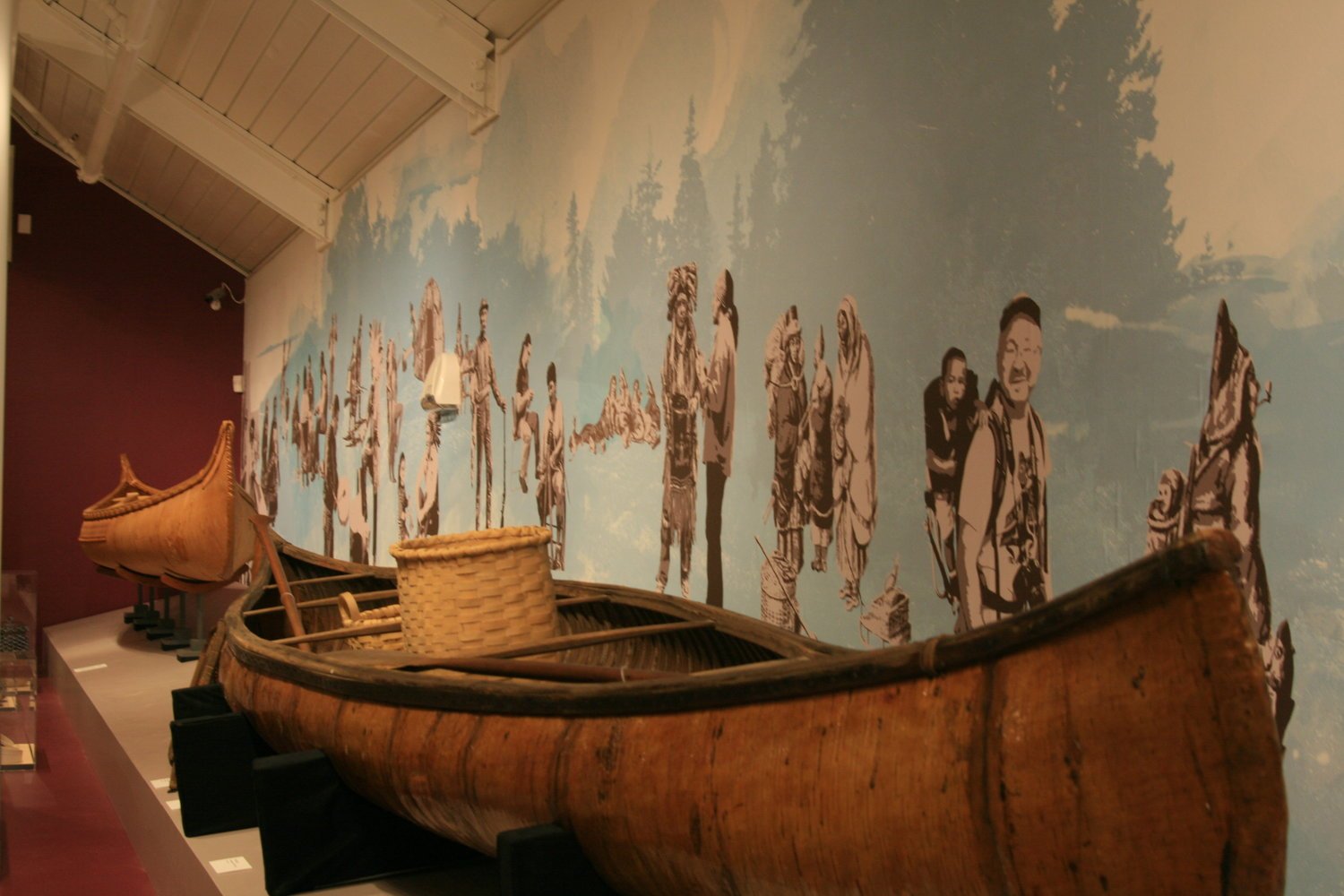
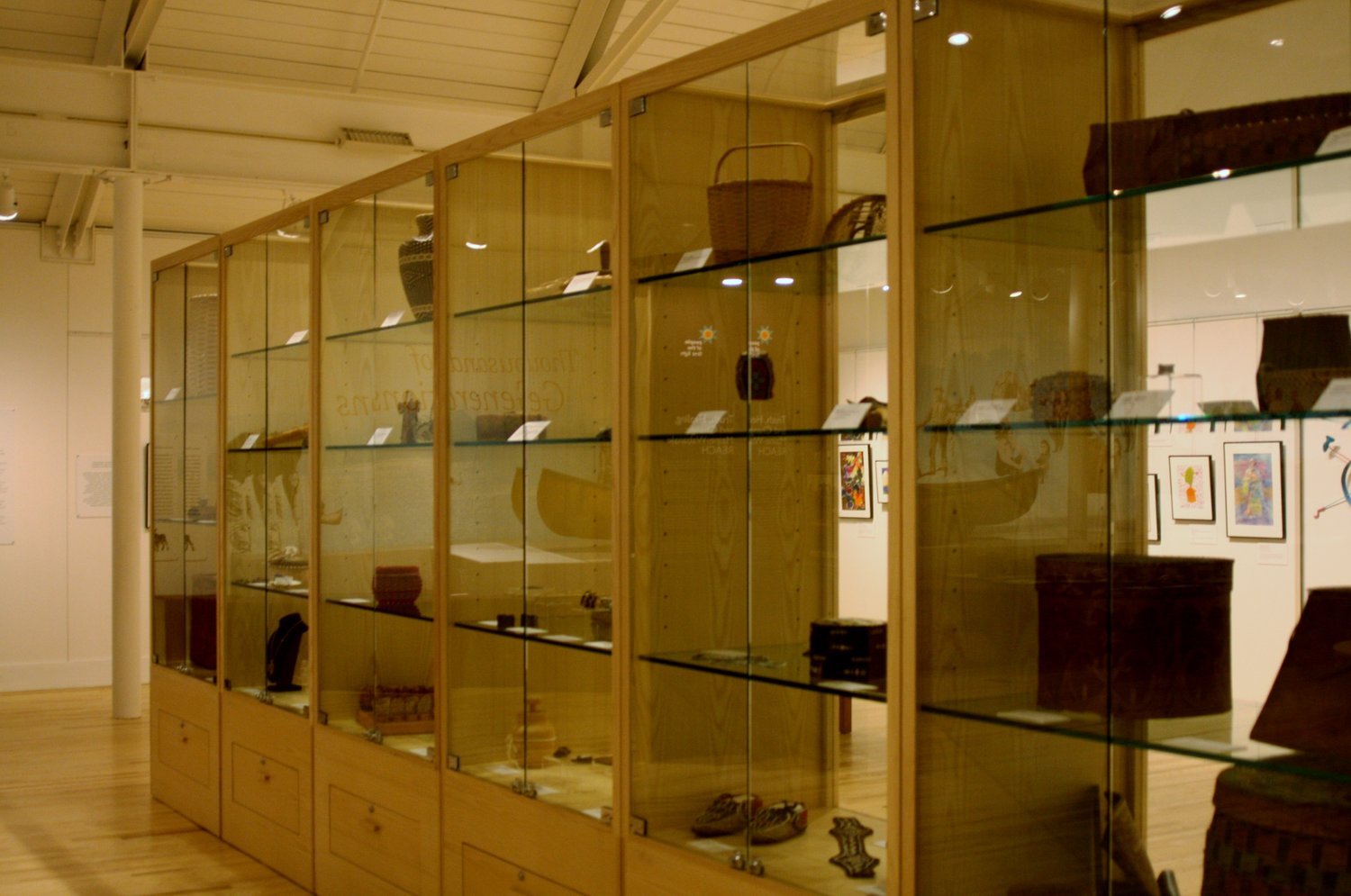
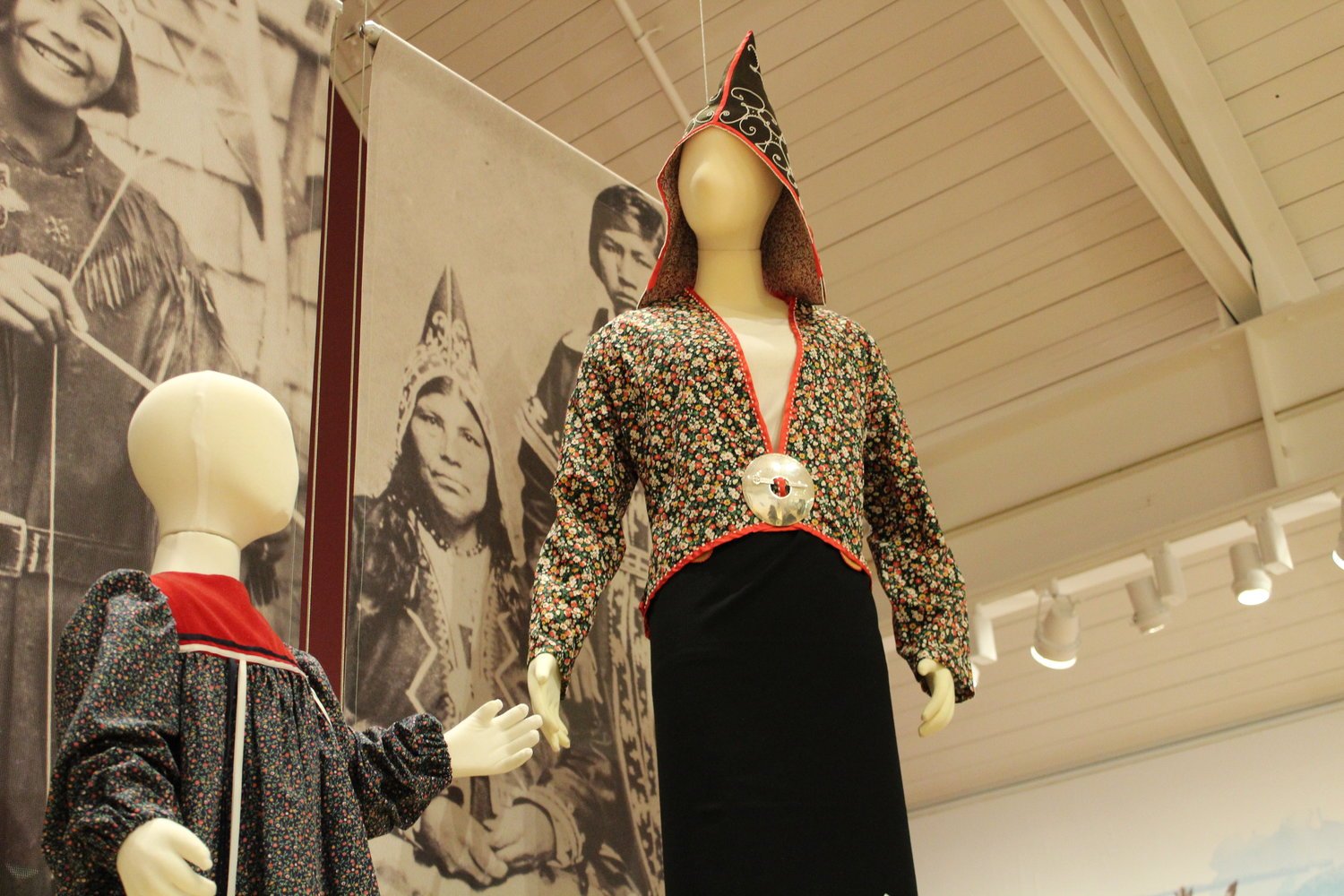
People of the First Light, the Abbe Museum's core exhibit, introduces visitors to the Wabanaki universe, engaging them with the culture and history of a people that is unfamiliar to many. Bringing together oral traditions, personal stories, cultural knowledge, language, and historical accounts with objects, photographs, multi-media, and digital interactives, People of the First Light shares a wide variety of content and perspectives around more than 12,000 years of history, conflict, adaptation, and survival in the Wabanaki homeland
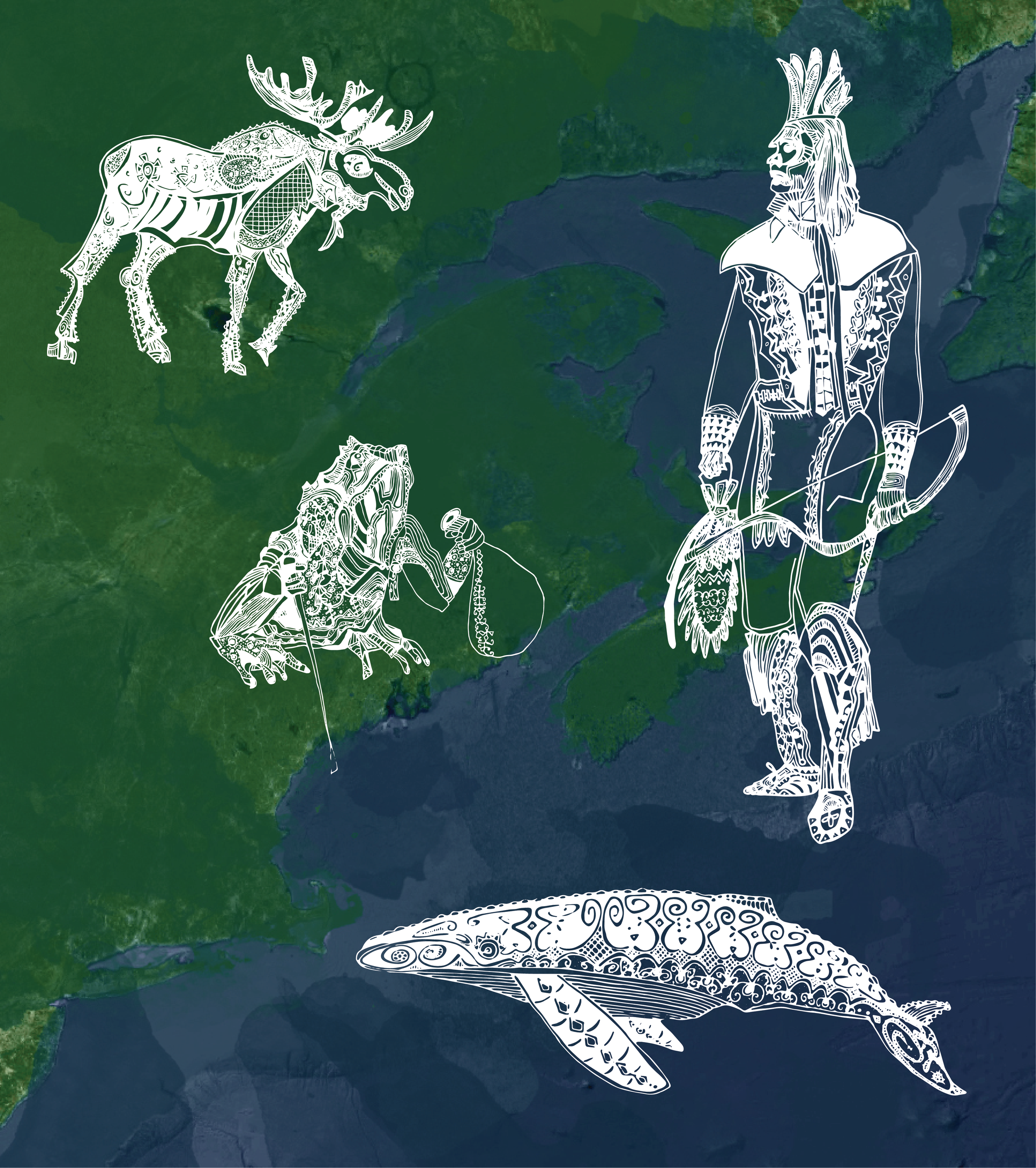
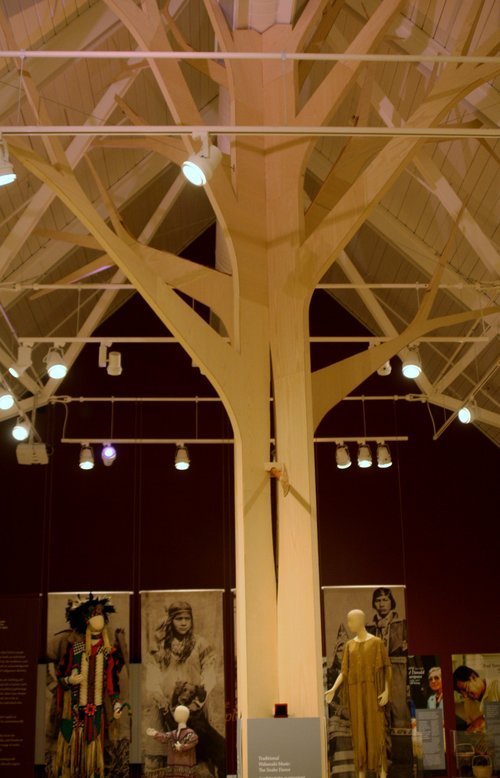
The design of the exhibit space was developed with a contemporary feel, shaped by the work of Wabanaki artists who have been a part of the design process from the beginning. The centerpiece of the exhibit is a two-story sculptural ash tree that draws the various sections of the exhibit together. Artwork and illustrations by Maliseet artist Gina Brooks, among other Wabanaki artists, are the foundation of a visual experience that reflects both Wabanaki traditions and current experiences.
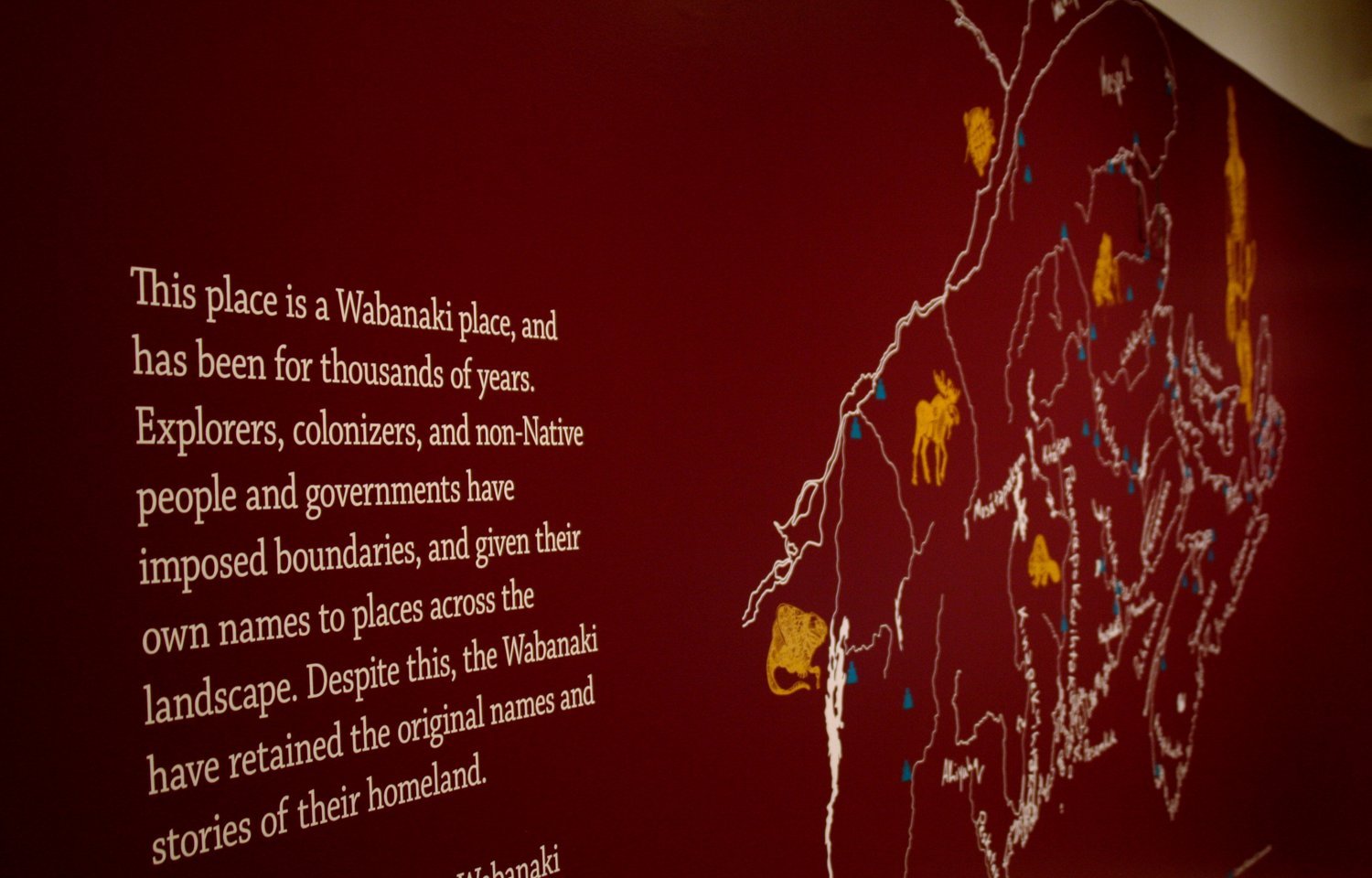
People of the First Light provides visitors with an understanding of Wabanaki history and culture, affirming that there are Native people in Maine and the wider Wabanaki homeland today and that their story is one of more than 12,000 years with no removal history. The exhibit also connects visitors, and the knowledge and experiences they bring with them, to Wabanaki perspectives and ideas through multiple ways of knowing.
The People of the First Light Maps Interactive is now accessible online! Formerly only viewable on kiosks within the gallery, this learning tool uses GIS maps to present aspects of Wabanaki history and culture in context with the landscape.
Please note that because this content was originally developed for our kiosks, some features and formatting may not function as intended on your device, especially on phones and other small screens.
Stitching Ourselves Together: Mi'kmaq Porcupine Quillwork (2021 - ongoing)
This exhibit is the latest collaboration between Wabanaki community members and the Abbe Museum. It is presented from a first-person perspective, with Mi’kmaq artisans and culture keepers sharing their experiences…

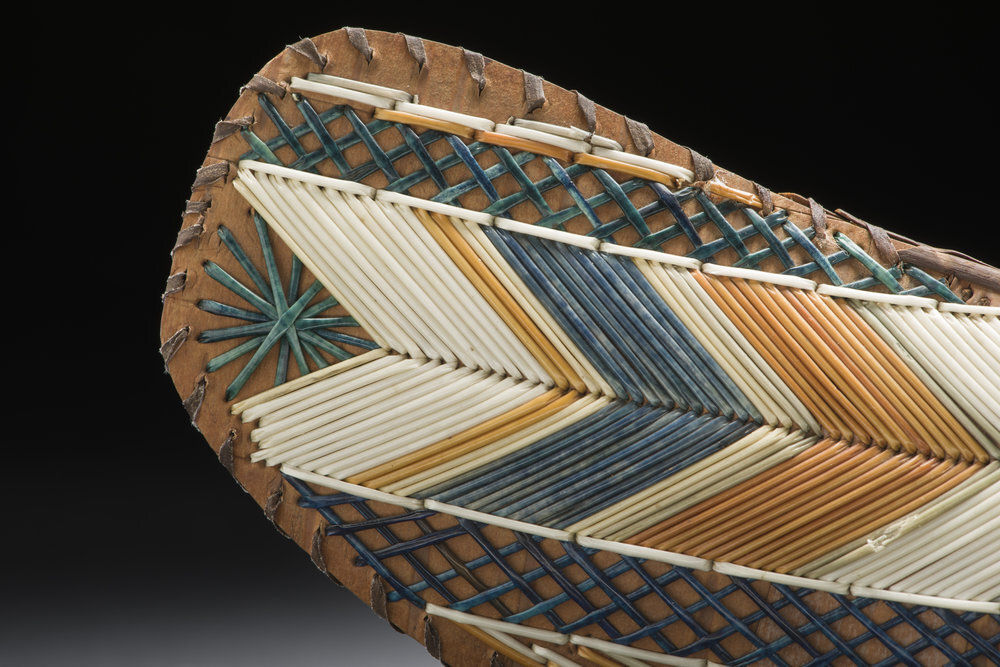
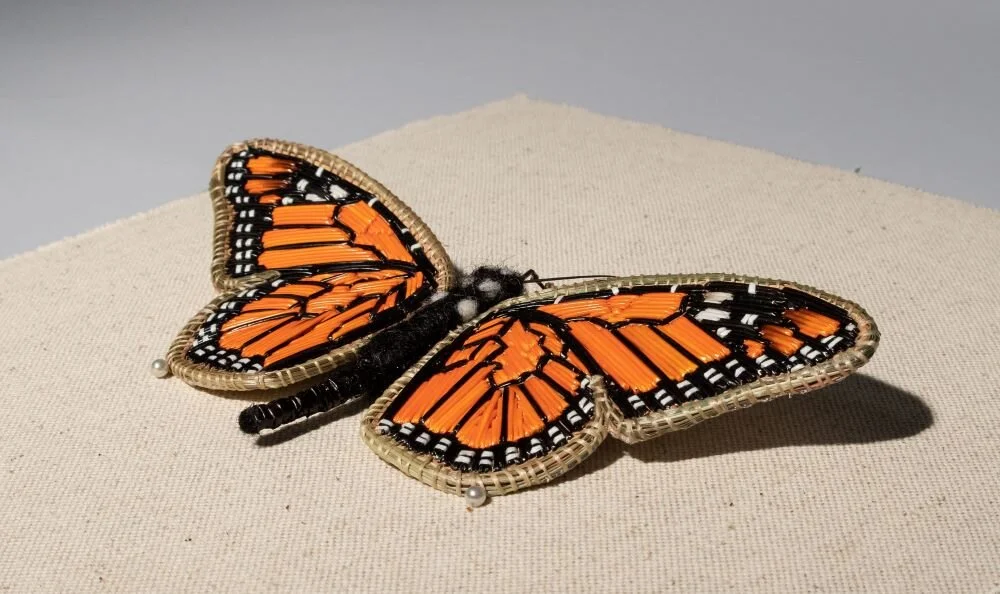
This exhibit is the latest collaboration between Wabanaki community members and the Abbe Museum. It is presented from a first-person perspective, with Mi’kmaq artisans and culture keepers sharing their experiences working with quills. Community curator Jennifer Pictou (Mi’kmaq) explains, “When we, as Mi’kmaq people, are involved in the curation and narration of our own history we are able to correct the incomplete and often erroneous narratives assigned to our existence. Academics have often misidentified the motifs represented in our quill art or applied their own experiences and beliefs to our imagery. This Euro-centric interpretation negates our Indigenous use of symbols, styles, and patterns.”
Stitching Ourselves Together challenges common misconceptions around this traditional art form. The displays include historical and contemporary pieces from skilled Mi’kmaq quillworkers and artist profiles from the “Quillers of the Dawn” group working to revive the art form.
St. Saveur: A Meeting of Nations (2013-2016)
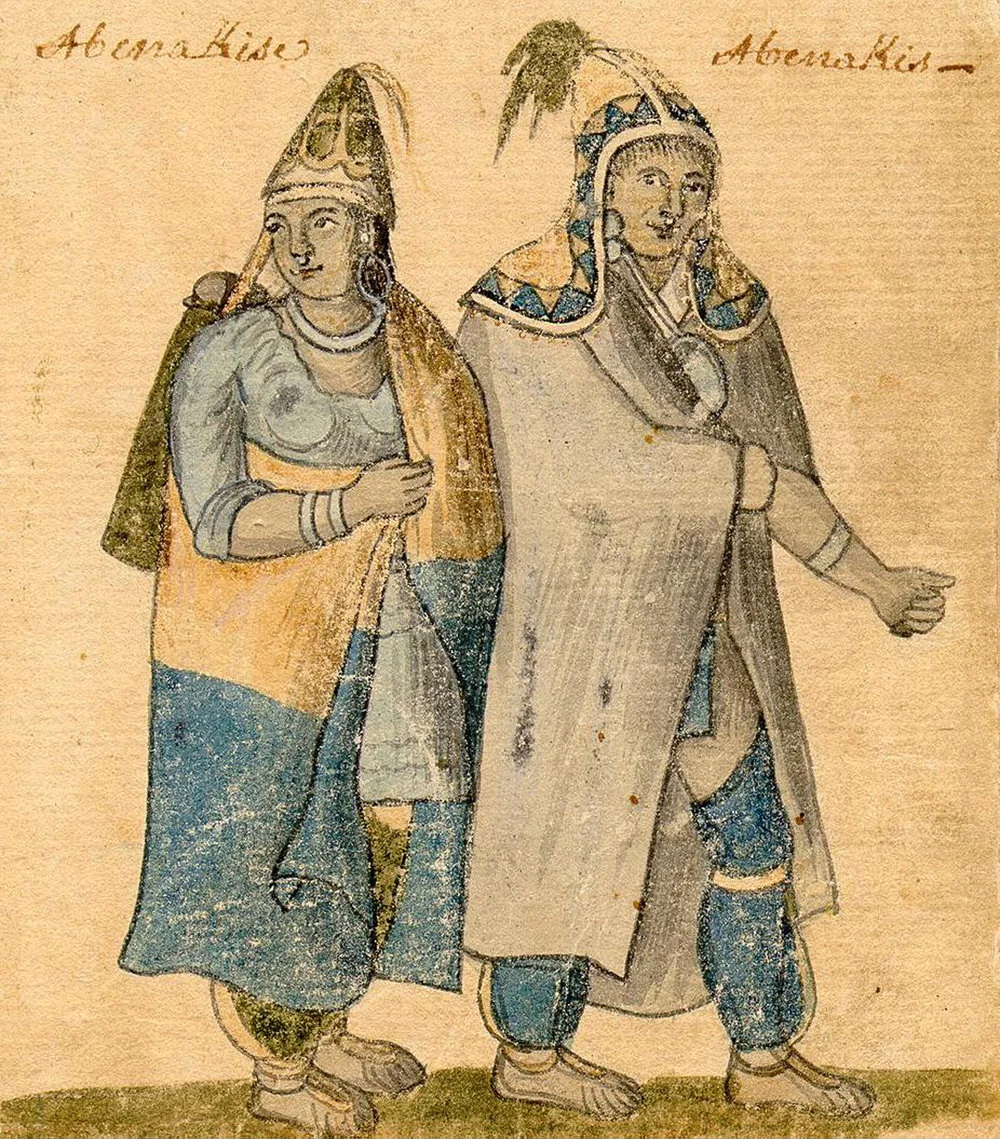
In 1613, a small group of French Jesuits, sailors and settlers arrived at Mount Desert Island, looking for a place to establish a mission and build trade relations with the Wabanaki…
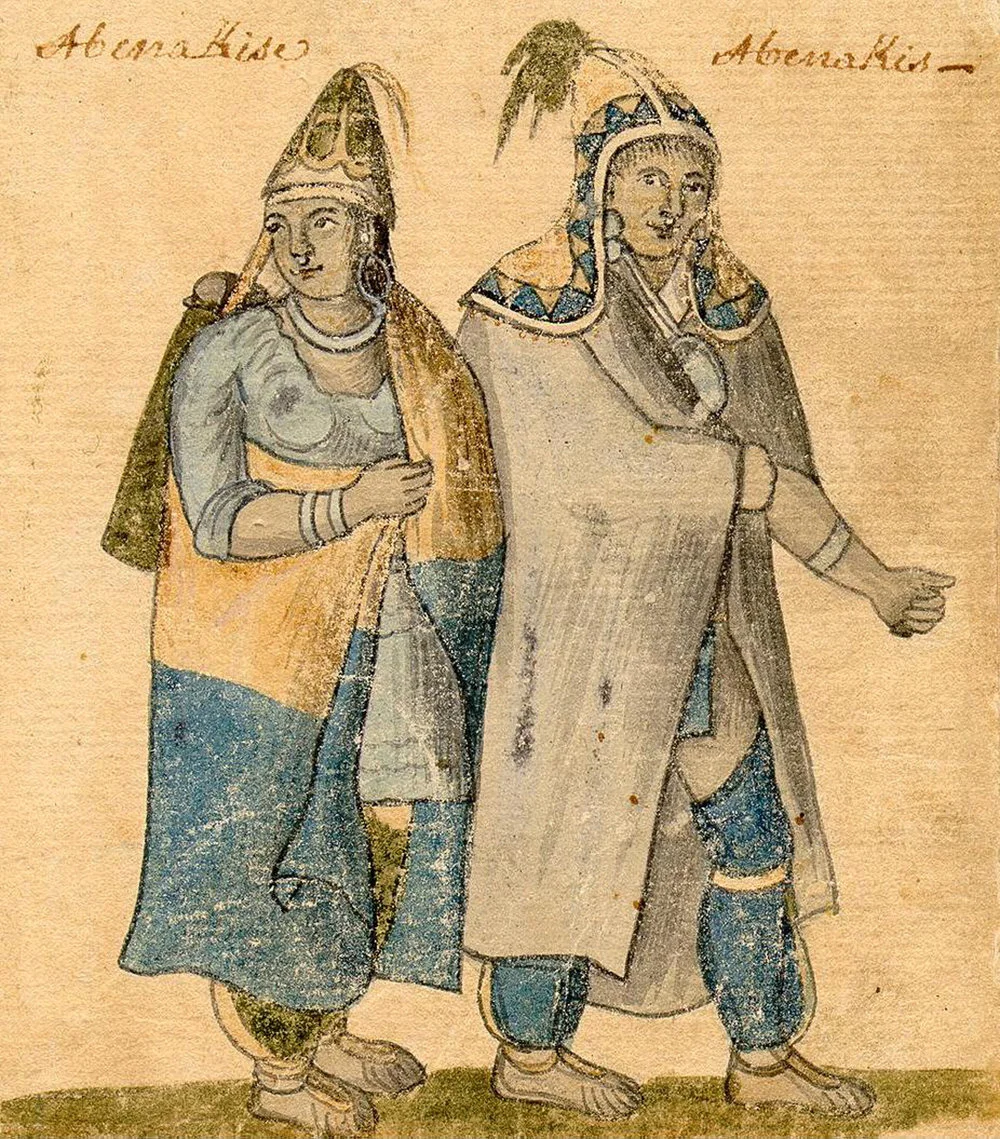
In 1613, a small group of French Jesuits, sailors and settlers arrived at Mount Desert Island, looking for a place to establish a mission and build trade relations with the Wabanaki. At the urging of Wabanaki leader Asticou, the group chose a spot somewhere around Frenchman Bay to establish their new outpost. Less than three months later, the fledgling settlement was destroyed by English colonists from further south. Echoes of these encounters continue to resound today, in Wabanaki communities, in shaping Maine history and identity, and in our understanding of international relations. The first European residents of Frenchman Bay came and went in a very short time. But this episode is part of a much larger story of Wabanaki-French-English interactions in eastern Maine from 1500 until 1762, when English settlers finally established a permanent settlement on Mount Desert Island. The exhibit brought together current Wabanaki perspectives and historic documents to present multiple perspectives on history, and investigated the debate among historians and archaeologists about where the St. Sauveur Mission was actually located.
Learn More: St. Sauveur: A Meeting of Nations Exhibit Catalog