
This archive is primarily a list of all Abbe Museum exhibits, though we have included additional content wherever possible. Exhibits are organized alphabetically by title, though you may also browse by the closing date or any associated keywords using the search tools below. Don't see something that you're looking for? Get in touch with us at info@abbemuseum.org.
A-C / D-F / G-J / K-M / N-P / Q-S / T-V / W-Z
Dr. Abbe's Stone Age Museum (ongoing)
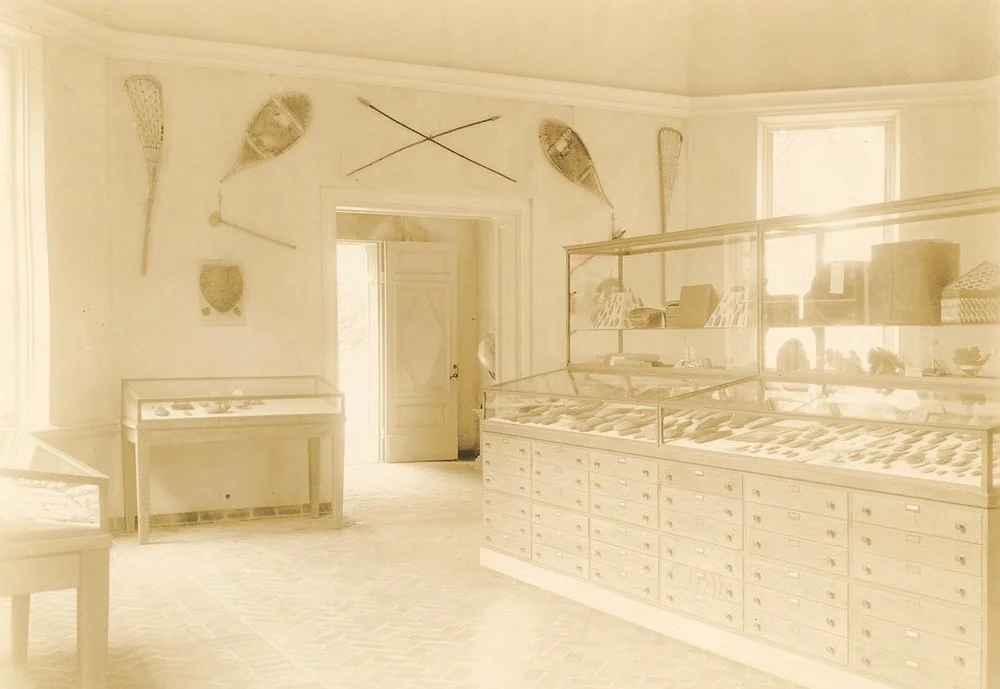
Visit the original Abbe Museum at Sieur de Monts Spring in Acadia National Park, built as a trailside museum in 1928. The exhibits focus on the archaeology of Maine and are…
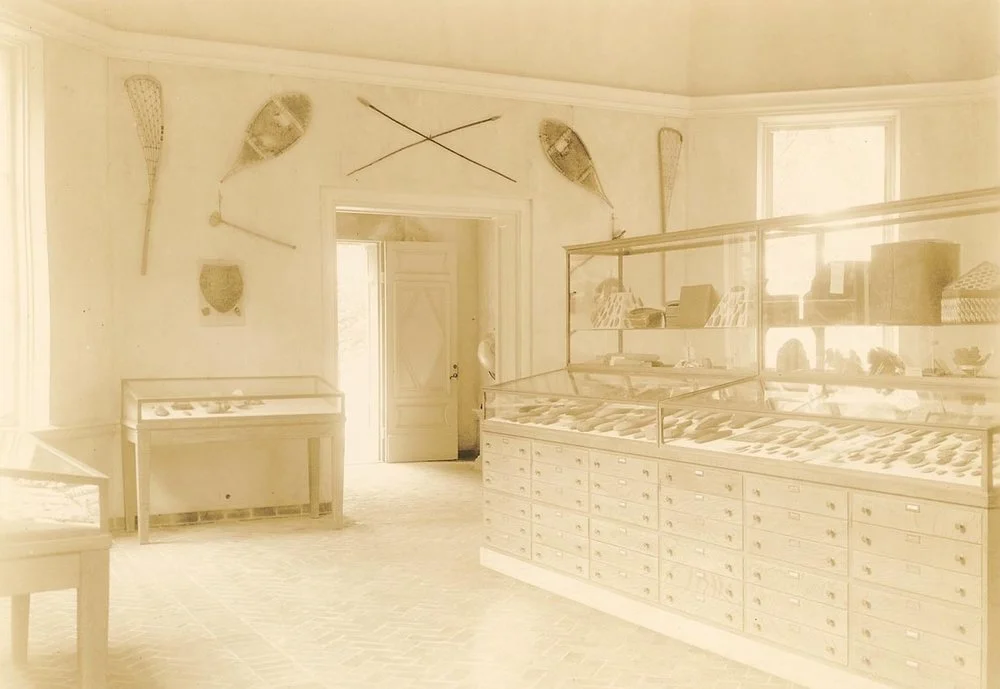
Visit the original Abbe Museum at Sieur de Monts Spring in Acadia National Park, built as a trailside museum in 1928. The exhibits focus on the archaeology of Maine and are reminiscent of the way the museum would have looked when it originally opened. See how bone and stone tools and pottery were made, explore artifacts from the Museum's early collections, and find examples of artifacts from many towns around eastern Maine. An introductory exhibit gives you a brief history of the Abbe Museum and is complemented by a giant map of Mount Desert Island (MDI) and the surrounding area, made by Museum founder Robert Abbe. Four dioramas depict life on MDI before the arrival of Europeans. The Abbe at Sieur de Monts Spring is open daily 10 am to 5 pm from late May through early October.

People of the First Light (2016 - ongoing)
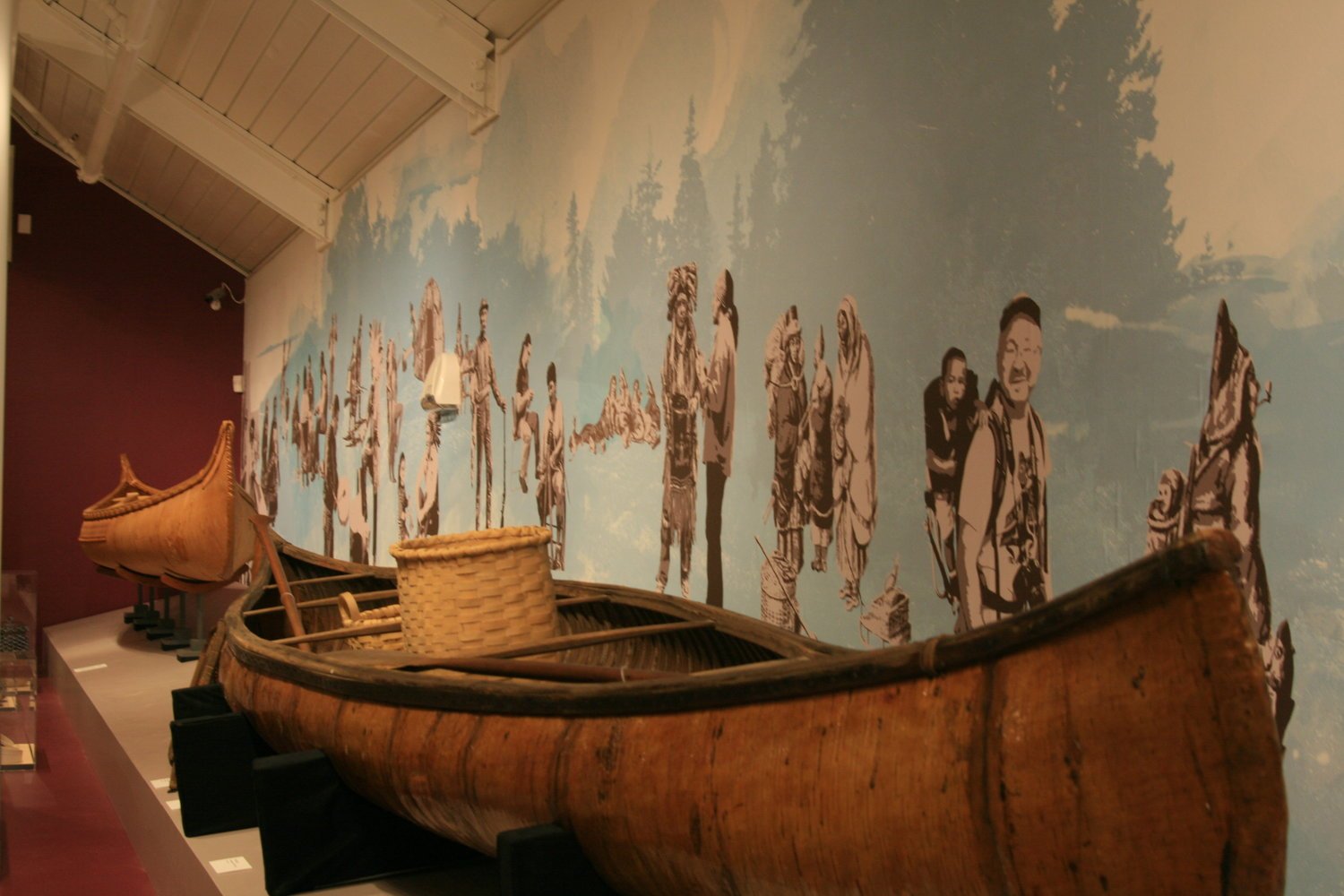
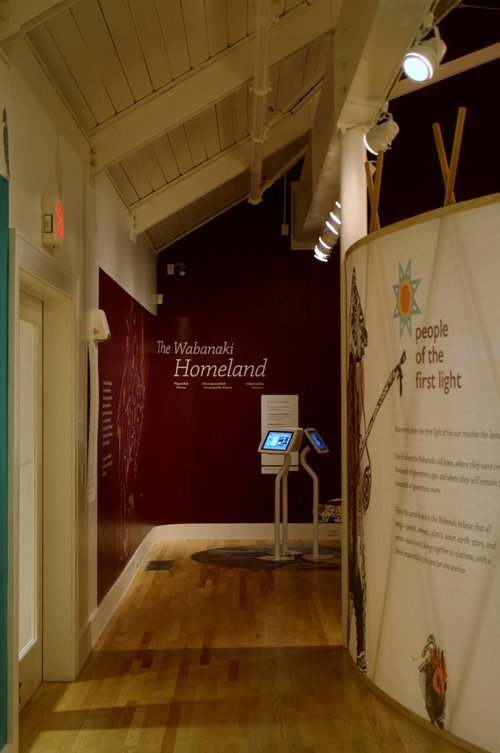
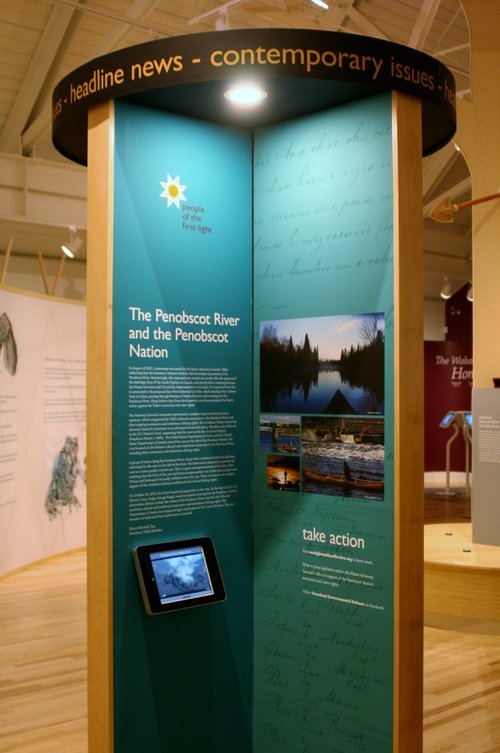
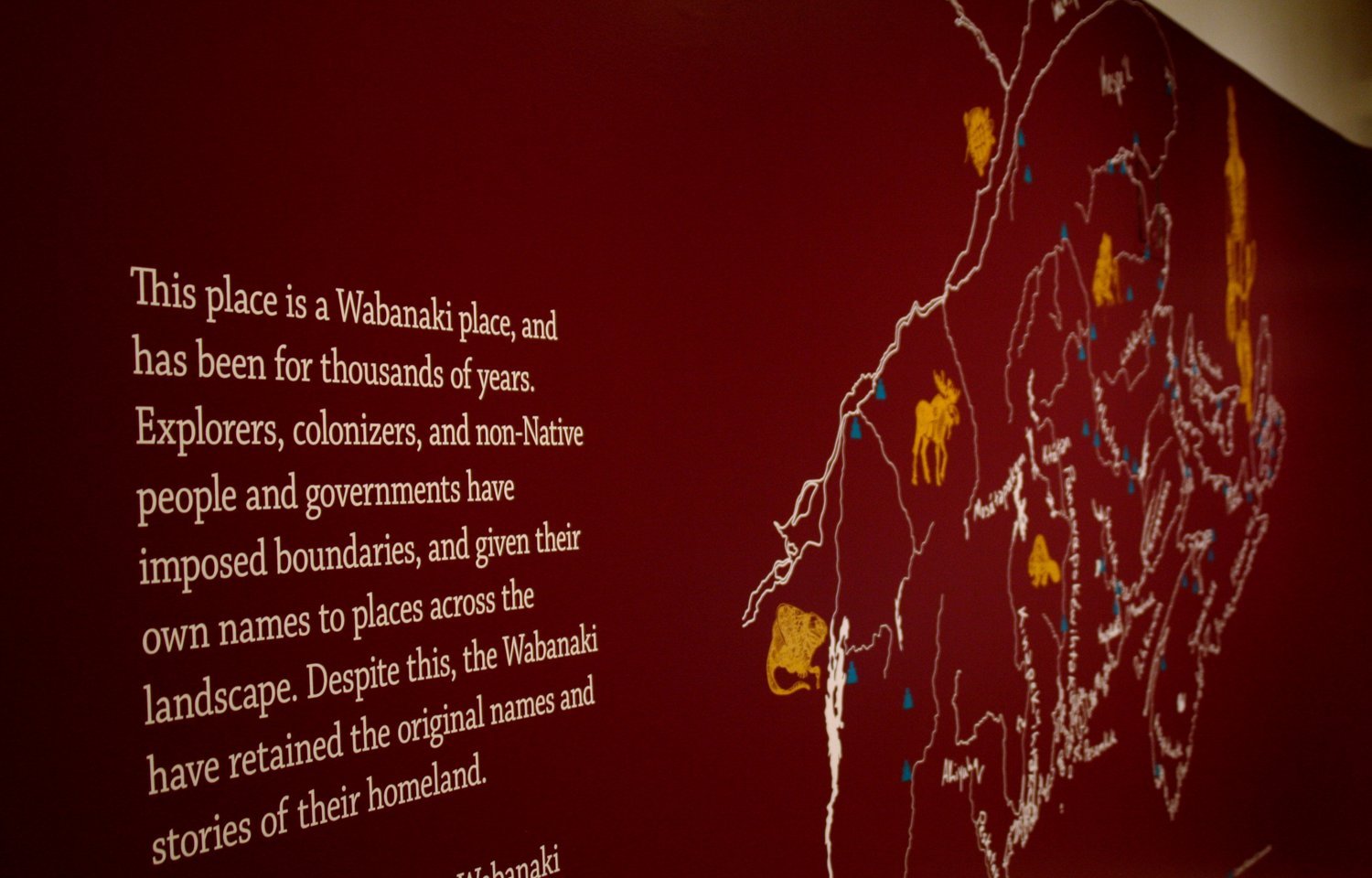
People of the First Light, the Abbe Museum's core exhibit, introduces visitors to the Wabanaki universe, engaging them with the culture and history of a people that is unfamiliar to many…
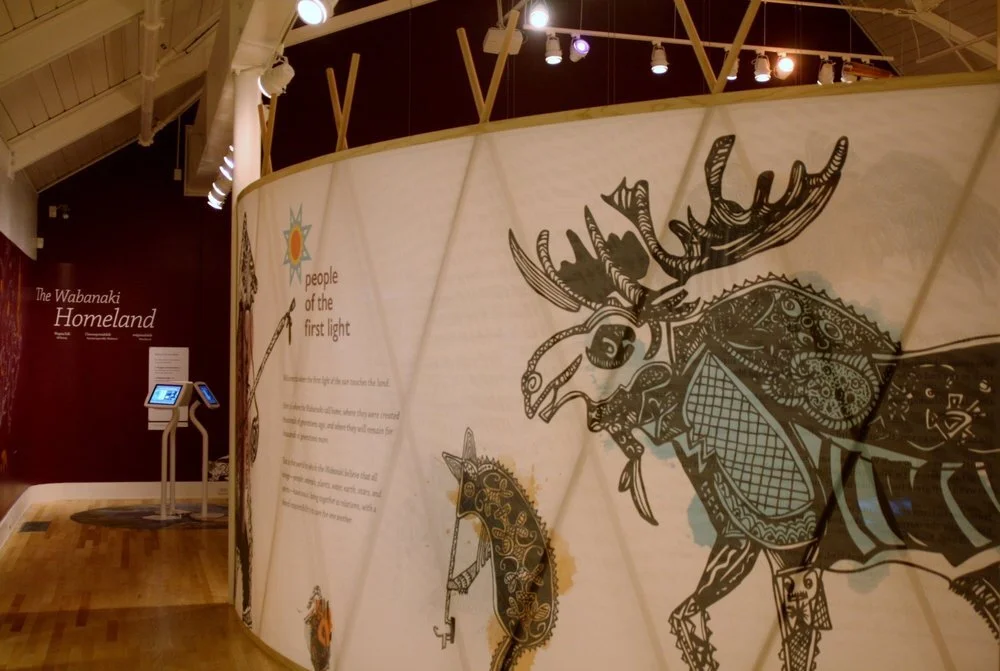
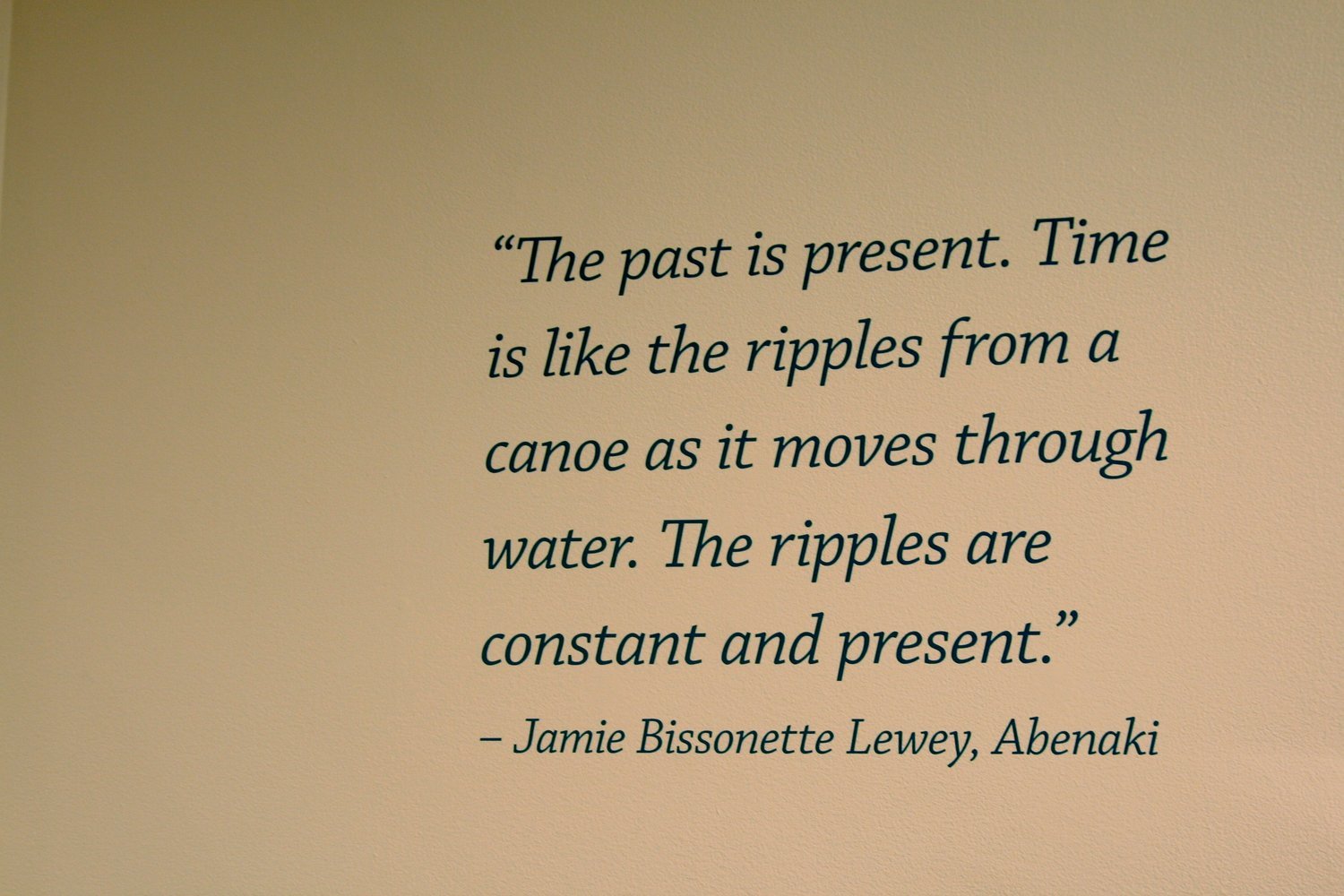
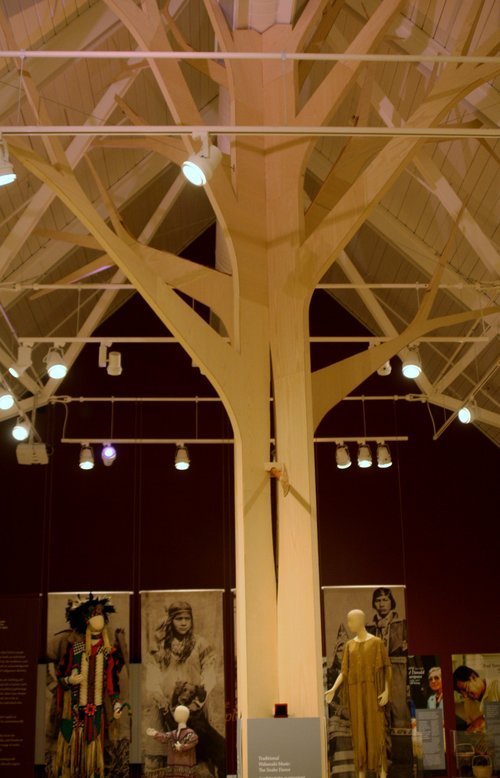
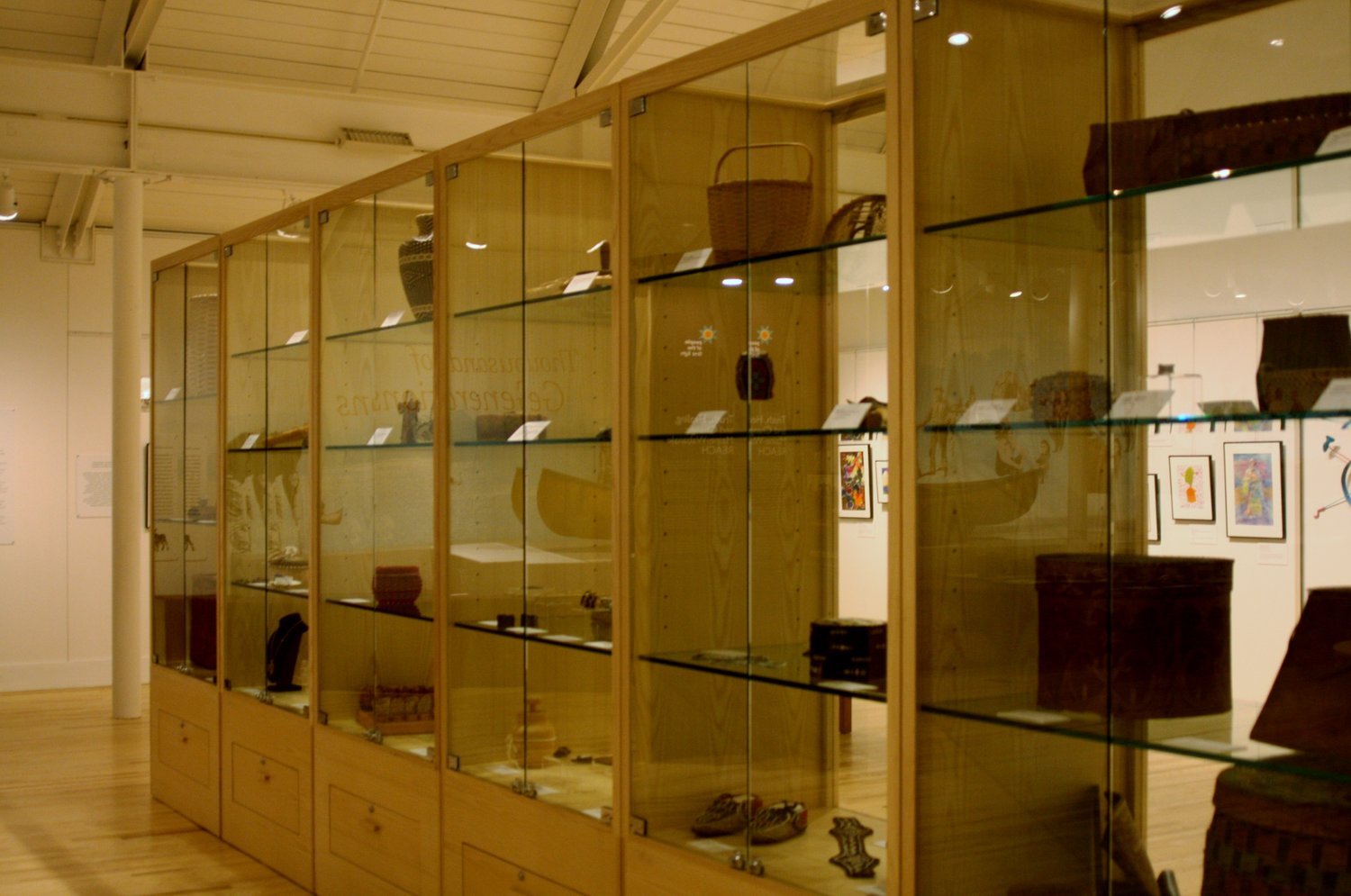
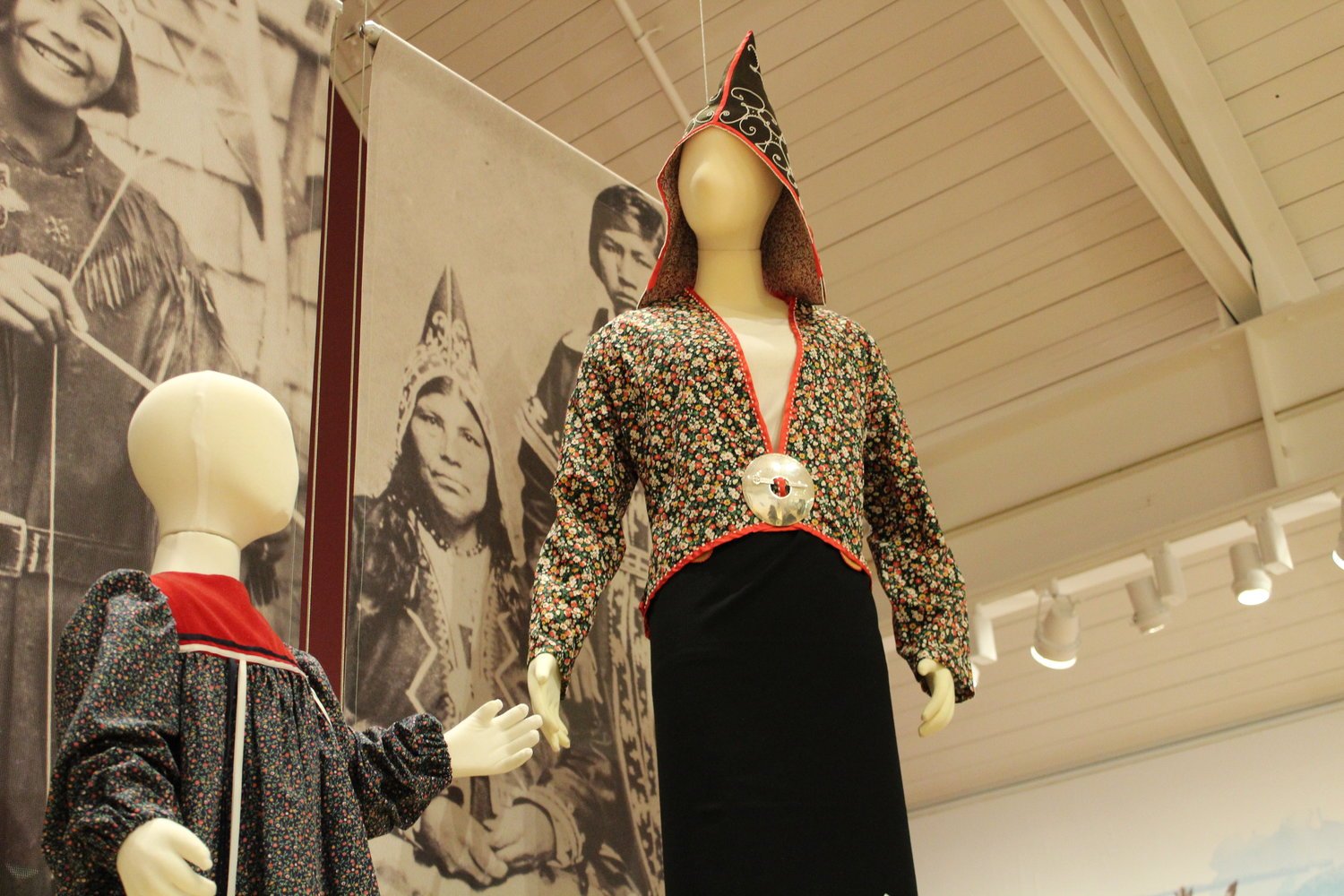
People of the First Light, the Abbe Museum's core exhibit, introduces visitors to the Wabanaki universe, engaging them with the culture and history of a people that is unfamiliar to many. Bringing together oral traditions, personal stories, cultural knowledge, language, and historical accounts with objects, photographs, multi-media, and digital interactives, People of the First Light shares a wide variety of content and perspectives around more than 12,000 years of history, conflict, adaptation, and survival in the Wabanaki homeland
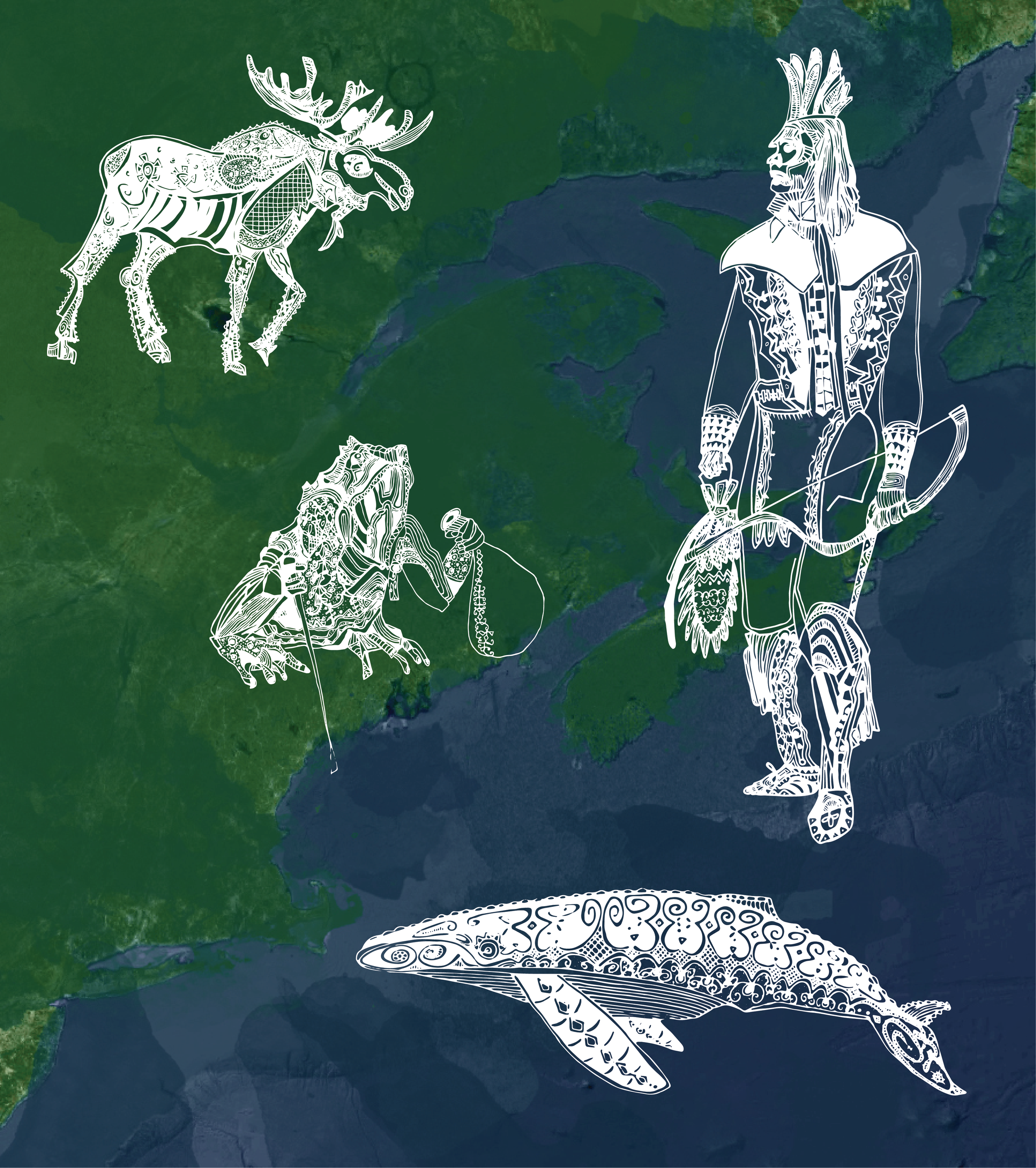
The design of the exhibit space was developed with a contemporary feel, shaped by the work of Wabanaki artists who have been a part of the design process from the beginning. The centerpiece of the exhibit is a two-story sculptural ash tree that draws the various sections of the exhibit together. Artwork and illustrations by Maliseet artist Gina Brooks, among other Wabanaki artists, are the foundation of a visual experience that reflects both Wabanaki traditions and current experiences.
People of the First Light provides visitors with an understanding of Wabanaki history and culture, affirming that there are Native people in Maine and the wider Wabanaki homeland today and that their story is one of more than 12,000 years with no removal history. The exhibit also connects visitors, and the knowledge and experiences they bring with them, to Wabanaki perspectives and ideas through multiple ways of knowing.
The People of the First Light Maps Interactive is now accessible online! Formerly only viewable on kiosks within the gallery, this learning tool uses GIS maps to present aspects of Wabanaki history and culture in context with the landscape.
Please note that because this content was originally developed for our kiosks, some features and formatting may not function as intended on your device, especially on phones and other small screens.
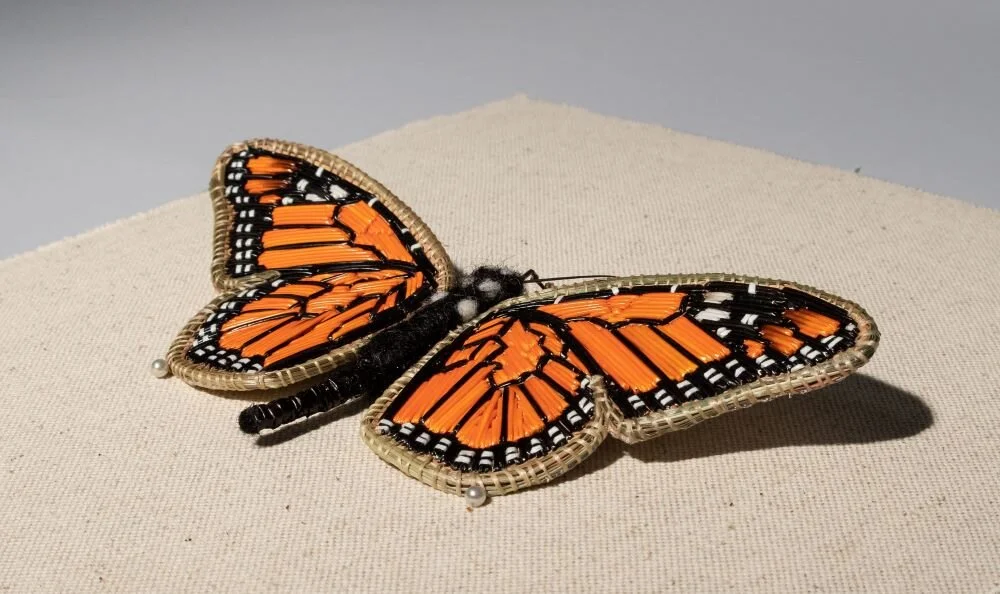
Stitching Ourselves Together: Mi'kmaq Porcupine Quillwork (2021 - ongoing)
This exhibit is the latest collaboration between Wabanaki community members and the Abbe Museum. It is presented from a first-person perspective, with Mi’kmaq artisans and culture keepers sharing their experiences…

This exhibit is the latest collaboration between Wabanaki community members and the Abbe Museum. It is presented from a first-person perspective, with Mi’kmaq artisans and culture keepers sharing their experiences working with quills. Community curator Jennifer Pictou (Mi’kmaq) explains, “When we, as Mi’kmaq people, are involved in the curation and narration of our own history we are able to correct the incomplete and often erroneous narratives assigned to our existence. Academics have often misidentified the motifs represented in our quill art or applied their own experiences and beliefs to our imagery. This Euro-centric interpretation negates our Indigenous use of symbols, styles, and patterns.”
Stitching Ourselves Together challenges common misconceptions around this traditional art form. The displays include historical and contemporary pieces from skilled Mi’kmaq quillworkers and artist profiles from the “Quillers of the Dawn” group working to revive the art form.
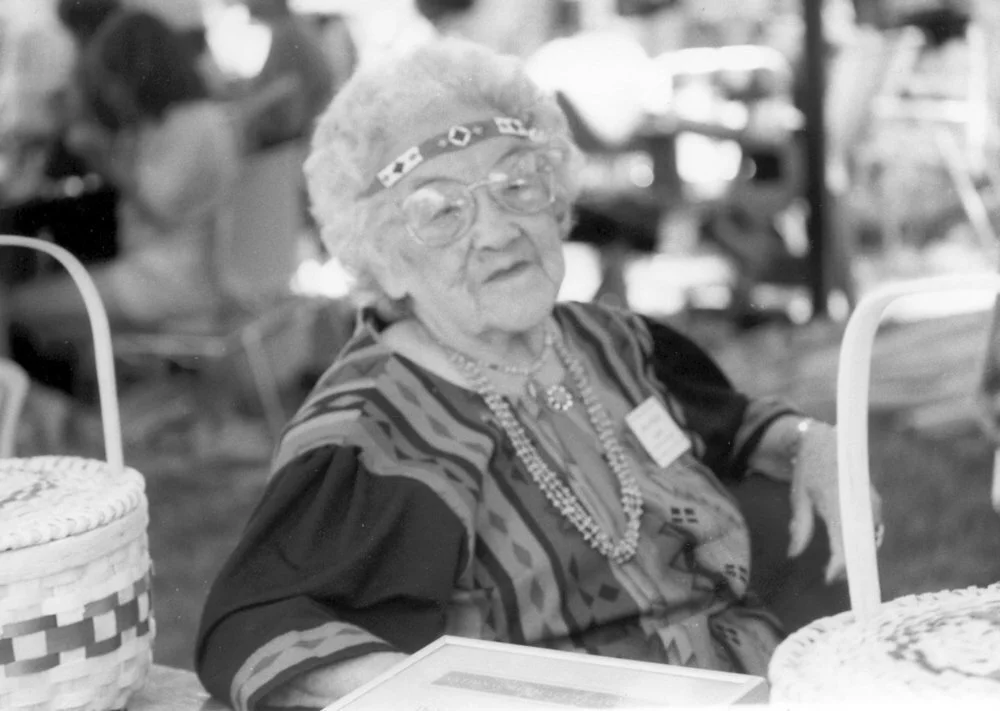
Timeline (2001 - ongoing)
Native Americans have lived in Maine for thousands of years. Their story begins today and extends back, some say, to time immemorial. Much of their history is based on oral tradition…
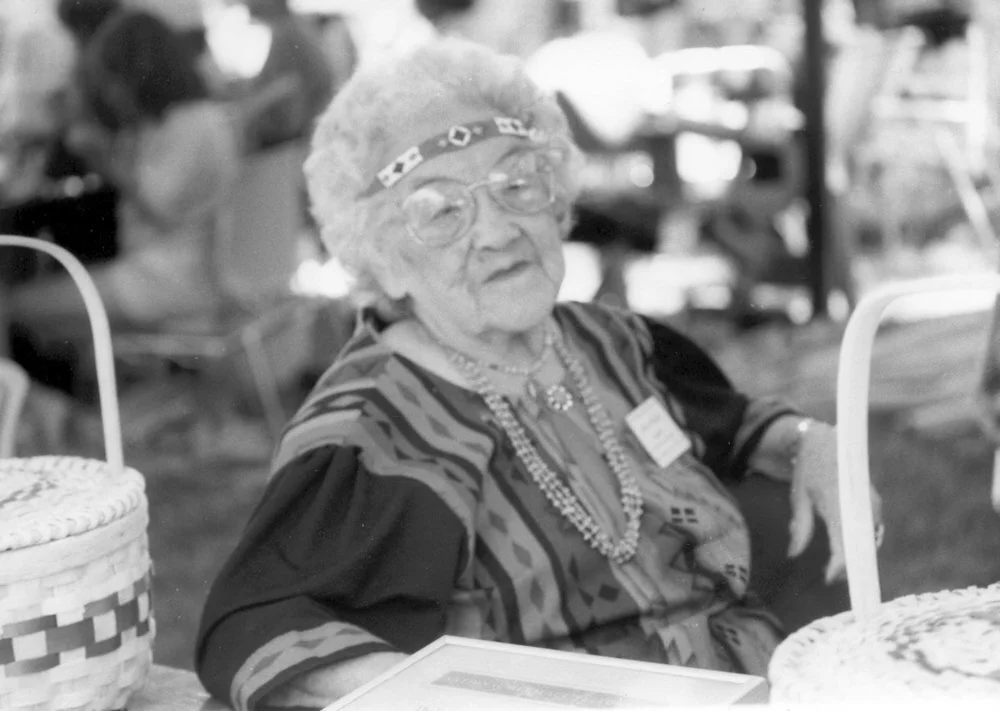
Native Americans have lived in Maine for thousands of years. Their story begins today and extends back, some say, to time immemorial. Much of their history is based on oral tradition.
Wabanaki oral tradition includes origin stories that tell how the People and the world came to be; it also includes stories, tales, and songs that define society and tell people how they should live. In the past, Native people used oral tradition, rather than the written word, to pass on traditional knowledge. Many of the stories were retold and written down in the 19th and early 20th centuries. Today, these transcripts provide a rich resource for Wabanaki storytellers to recreate and teach about traditional culture. Programs to perpetuate and rekindle Wabanaki languages rely on the power of traditional stories for teaching material. The stories build bridges between the past and present and provide a mechanism for cultural continuity.
Click on the corresponding links below to visit that specific section of the Timeline.
A New Dawn (Present - 1950)
Hard Times – The Survival of the People (1950 - 1800)
Resistance – Making War & Negotiating Peace (1796 - 1675)
Strangers in the Land – European Contact (1675 - 1500)
Time of Dawn (500 - 12,000 years ago)

Waponahki Student Art (2001 - ongoing)
A collaboration of Maine Indian Education and the Abbe Museum. The annual Waponahki Student Art Show brings together a wonderful variety of art created by Passamaquoddy, Penobscot, Maliseet, and Micmac students…
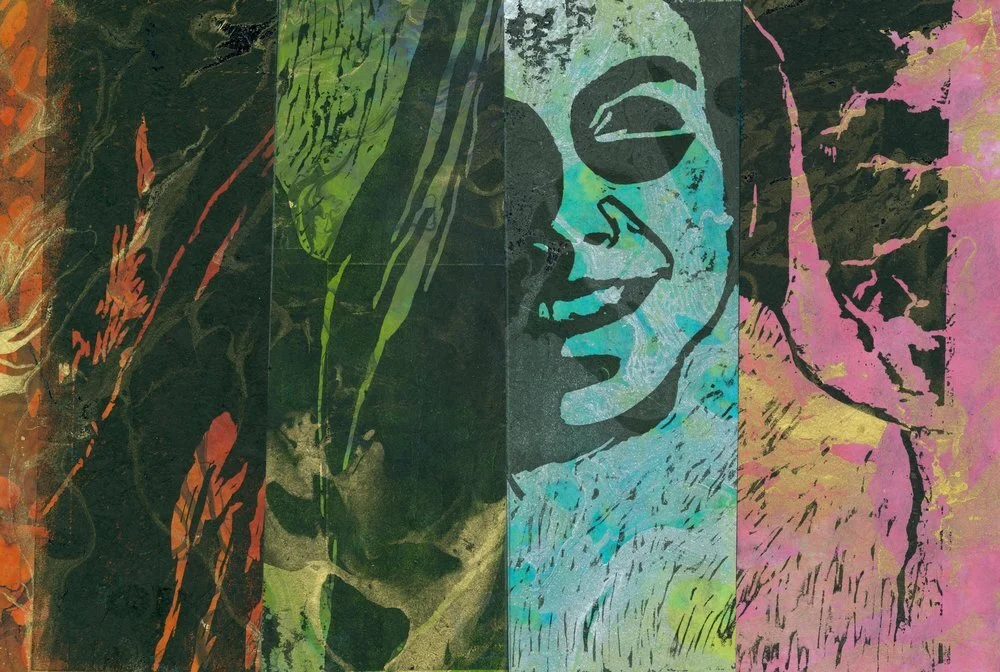
A collaboration of Maine Indian Education, the Boys & Girls Clubs of Border Towns, and the Abbe Museum.
The annual Waponahki Student Art Show brings together a wonderful variety of art created by Passamaquoddy, Penobscot, Maliseet, and Micmac students from early childhood education through high school. The styles, media, and images vary throughout the exhibition, but place, culture, and identity have a strong presence in these original works.
Learn More:
2023 Student Art Image Gallery
2022 Student Art Image Gallery
2021 Student Art Image Gallery
2020 Student Art Image Gallery
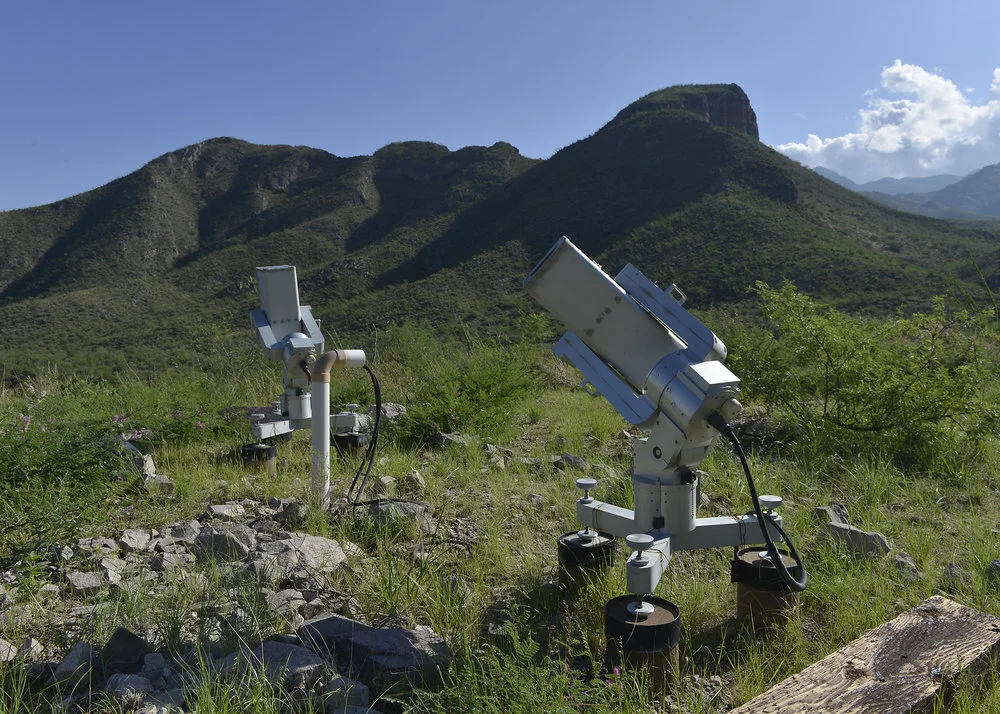
Youth Capture the Colorful Cosmos: Star Stories of the Dawnland (2015 - 2024)
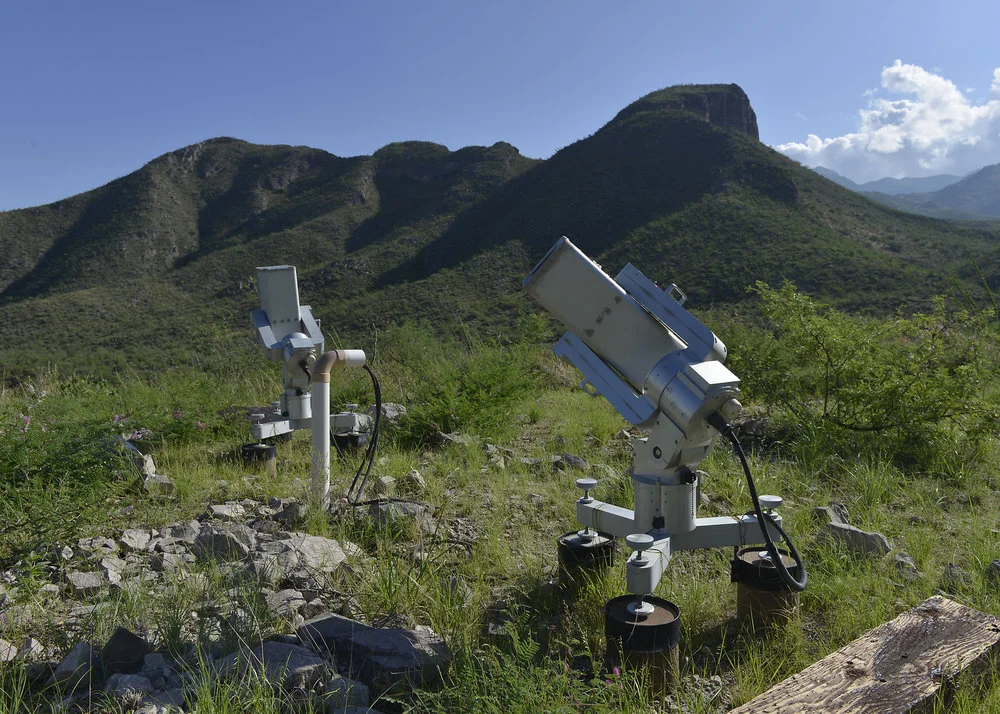
In affiliation with the Smithsonian Institution. This exhibit, a partnership with the Indian Township School, includes students from other Wabanaki communities and promotes increased interest, awareness, and knowledge of astronomy content…
In affiliation with the Smithsonian Institution.
This exhibit, a partnership with the Indian Township School, includes students from other Wabanaki communities and promotes increased interest, awareness, and knowledge of astronomy content and Wabanaki oral histories. Students focused mainly on two Passamaquoddy stories: Of the Surprising and Singular Adventures of Two Water Fairies Who Were Also Weasels, and How They Each Became the Bride of a Star, and Possesomuwinuwok: The Star People.
By partnering with schools in the Wabanaki communities, students have the opportunity to research, learn about, and photograph the cosmos using telescopes owned and maintained by the Harvard-Smithsonian Center for Astrophysics.