
This archive is primarily a list of all Abbe Museum exhibits, though we have included additional content wherever possible. Exhibits are organized alphabetically by title, though you may also browse by the closing date or any associated keywords using the search tools below. Don't see something that you're looking for? Get in touch with us at info@abbemuseum.org.
A-C / D-F / G-J / K-M / N-P / Q-S / T-V / W-Z
Kikehtahsuwiw: It Heals (2015 – 2016)
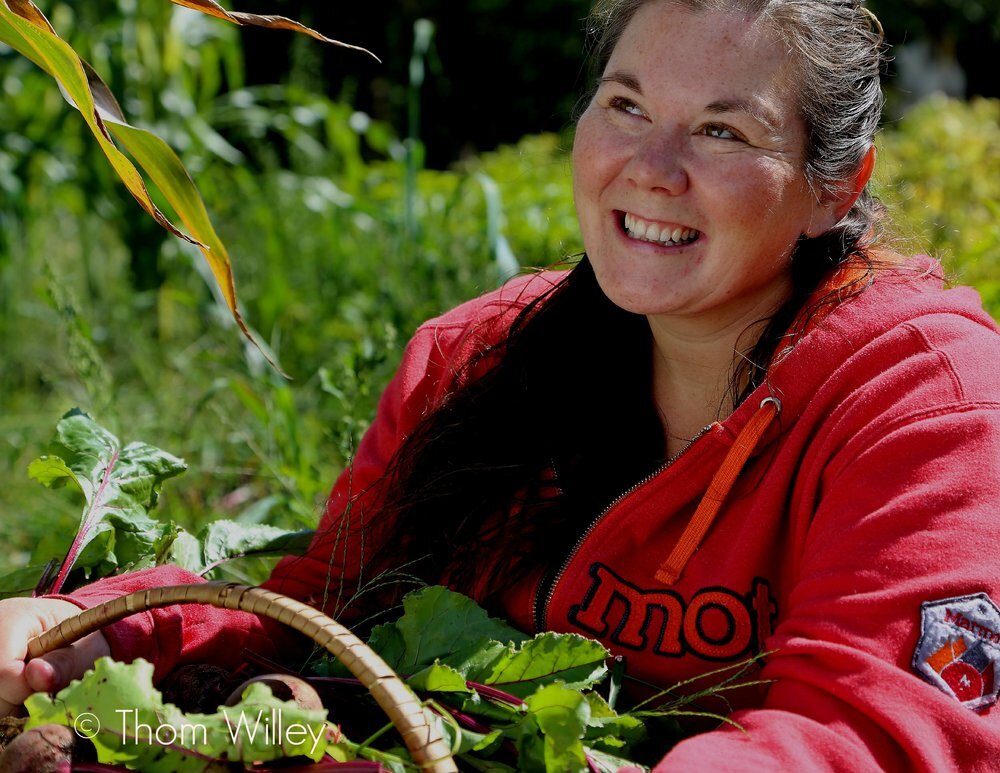
Kikehtahsuwiw is a story about several women in the Passamaquoddy Tribe, residing at both Motahkomikuk (Indian Township) and Sipayik (Pleasant Point). Each of these women shares a common goal: healing their…
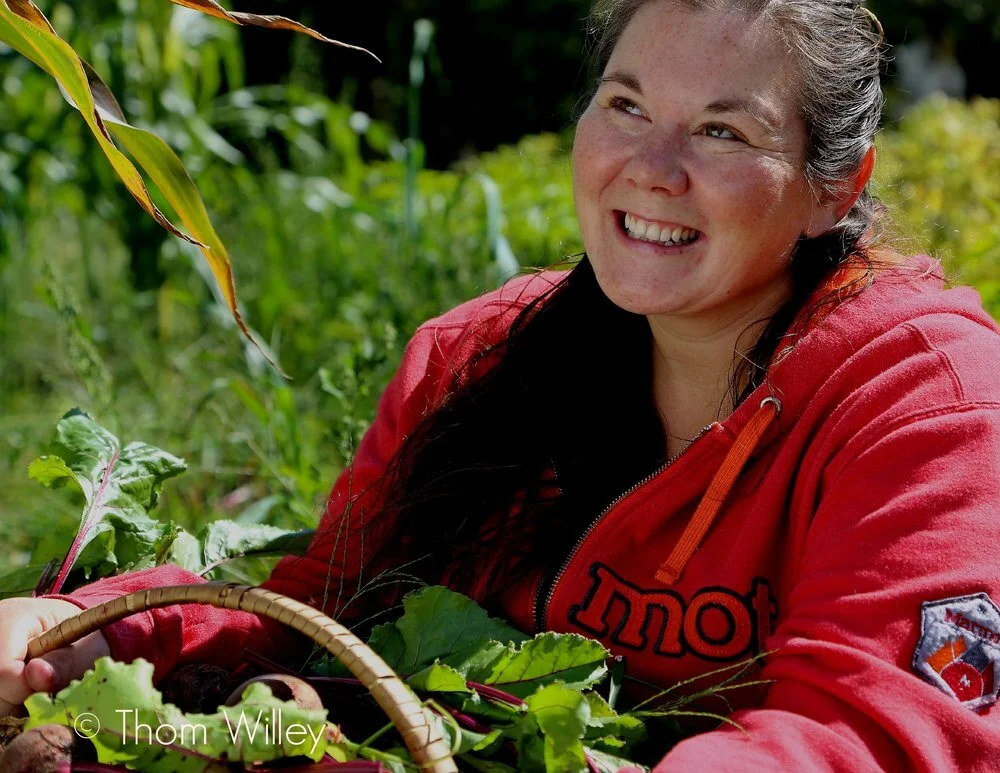
Kikehtahsuwiw is a story about several women in the Passamaquoddy Tribe, residing at both Motahkomikuk (Indian Township) and Sipayik (Pleasant Point). Each of these women shares a common goal: healing their communities. As the carriers of life, they are also carriers of culture and responsible for carrying on their healing traditions.
As a matriarchal society, women are more than just the heads of the family. As the providers and protectors of life itself, women are sacred. Capable of enduring so much pain on behalf of their children in infinite ways, they represent the healing strength of love itself. As the carriers of life, they are also carriers of culture and responsible for carrying on healing traditions.
Learn More: Kikehtahsuwiw: It Heals Exhibit Catalog
Kluskap of the Wabanaki (2015)
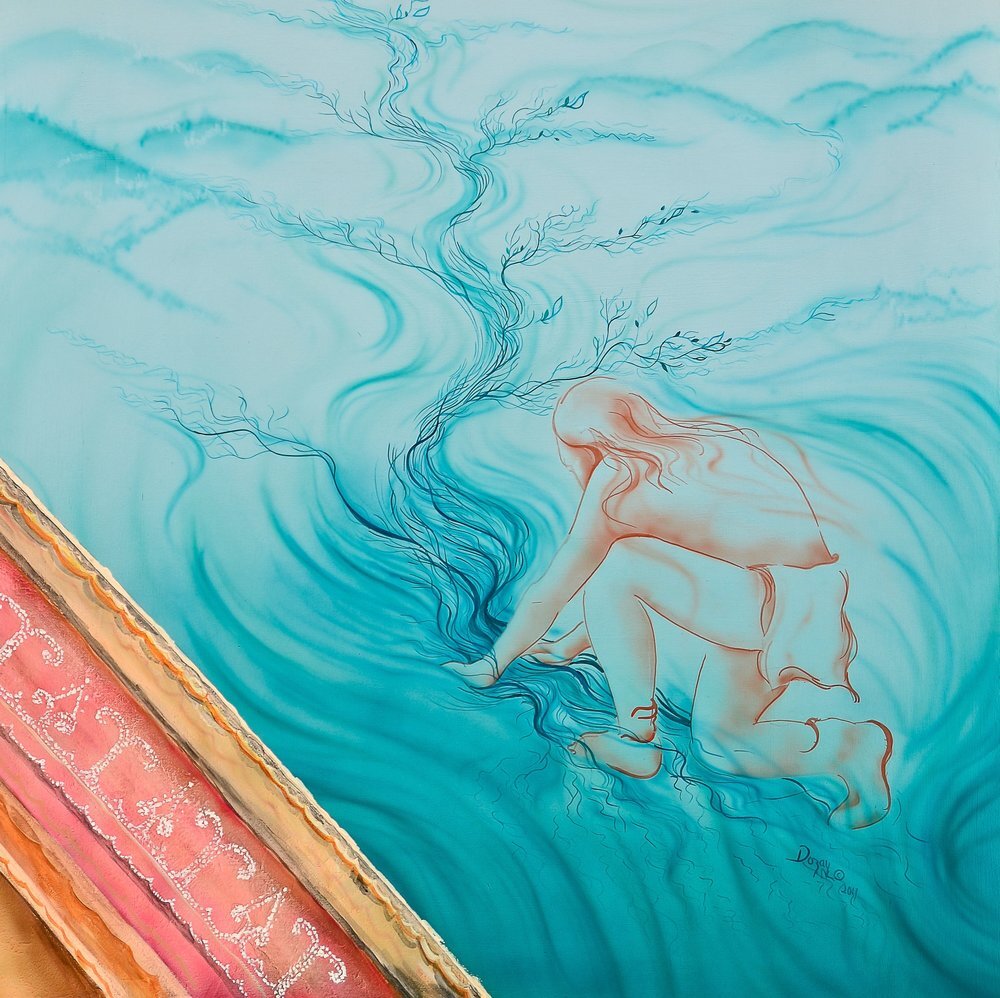
According to Wabanaki oral histories, Kluskap–or Koluskap, Gluskap, Glooskap, and Gluskabe–made the world habitable for human beings and taught people to live wisely. Kluskap stories have been told and…
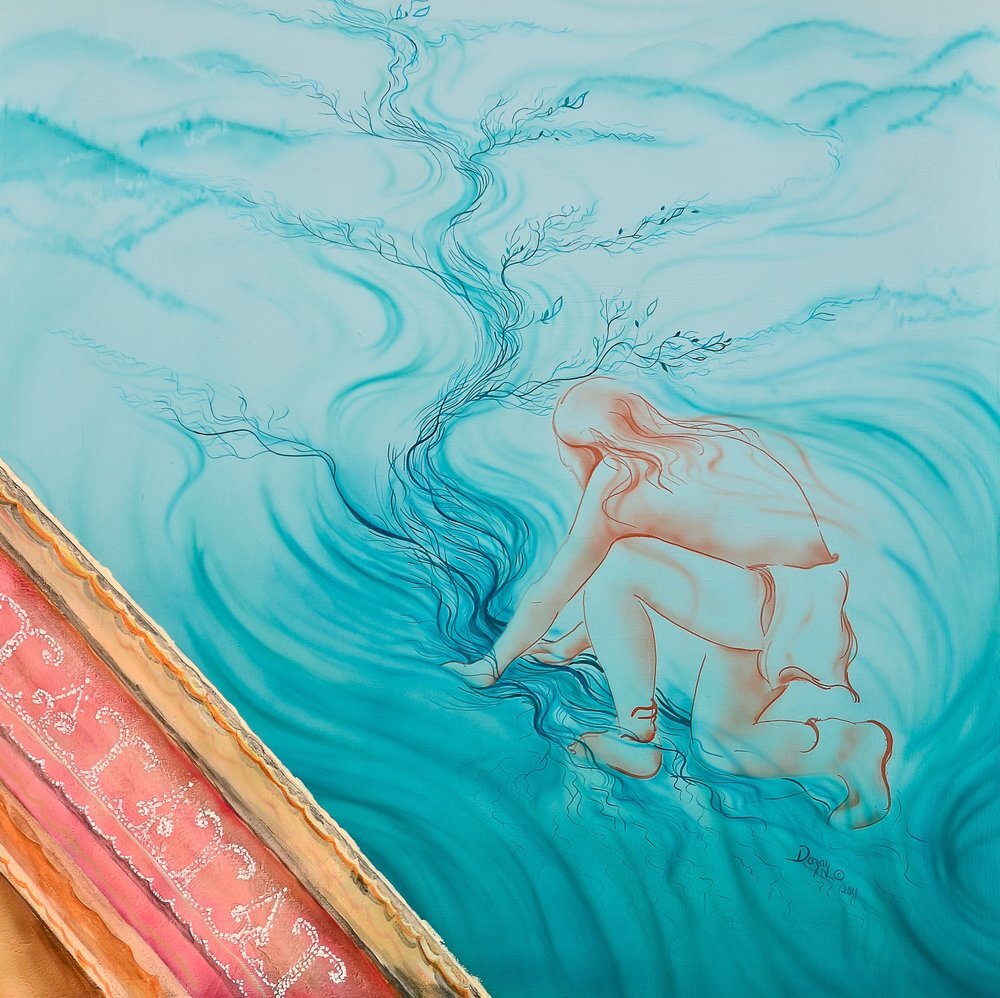
According to Wabanaki oral histories, Kluskap–or Koluskap, Gluskap, Glooskap, and Gluskabe–made the world habitable for human beings and taught people to live wisely. Kluskap stories have been told and retold over many generations, and these legends have always been known to teach lessons of values and the characteristics of the animals and Mother Earth. Kluskap was a positive force with all Wabanaki tribes and people from all the communities have written and illustrated many versions of the Kluskap legends. Through original paintings by Maliseet artist Dozay, Kluskap of the Wabanaki illustrates the various legends of Kluskap and his adventures across the Wabanaki homeland, using landmarks that tell his story. This was Dozay's first show in the U.S.
Learn More: Kluskap of the Wabanaki Exhibit Catalog
Layers of Time (2003 - 2015)
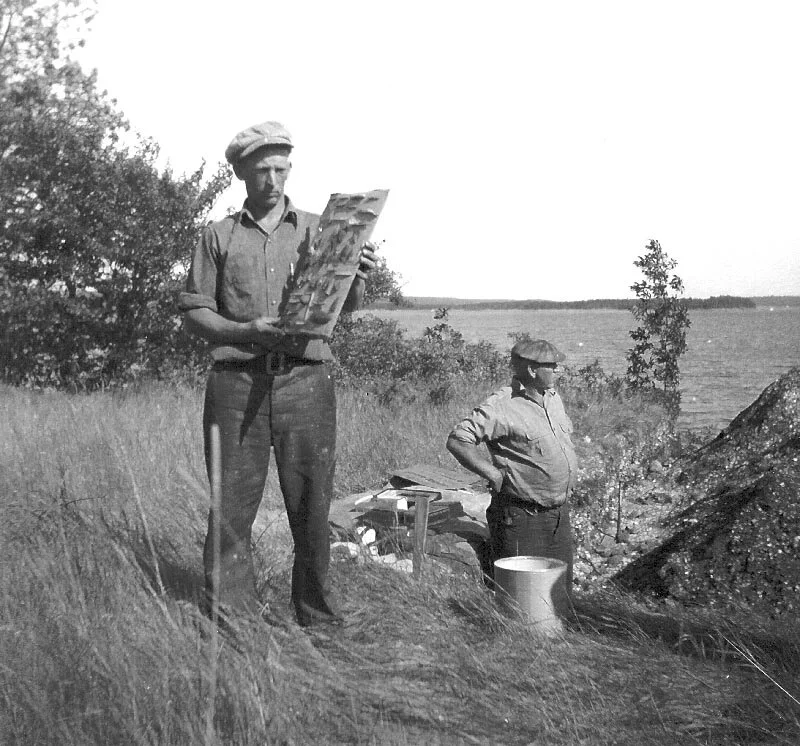
How did people live in the past? What can we know about their lives and history from the archaeological record? This exhibit followed archaeological research conducted by the Abbe Museum starting…
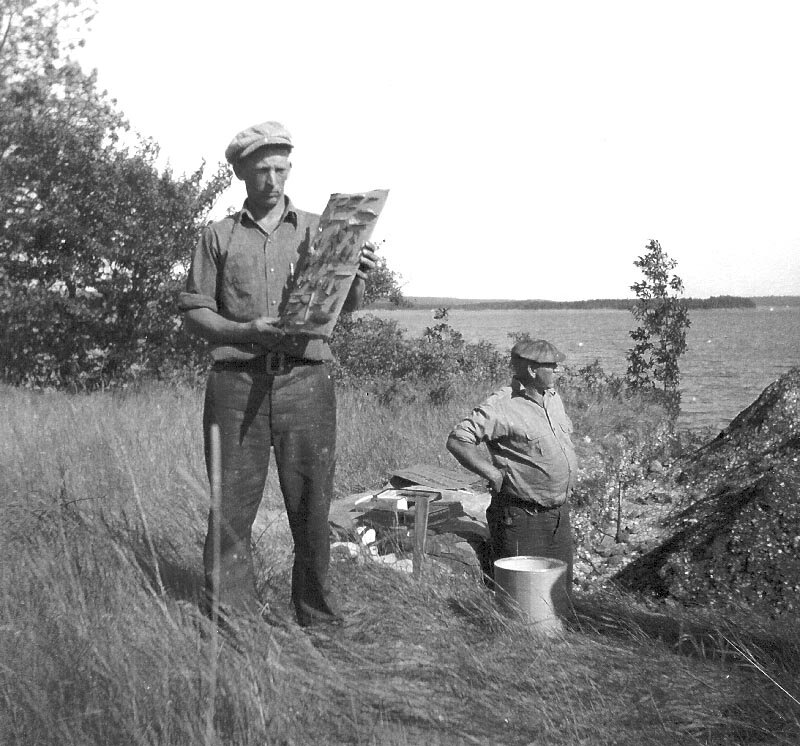
How did people live in the past? What can we know about their lives and history from the archaeological record?
This exhibit followed archaeological research conducted by the Abbe Museum starting in 1928, and considered how excavations at various sites have tried to answer these questions. Through a combination of artifacts, images and text, you were able to explore the questions that were asked and what we have learned during eight decades of archaeological investigations. Layers of Time also featured a variety of hands-on, interactive activities for children and families, letting visitors step into the role of the archaeologist to ask and answer intriguing questions.
Learn More: Layers of Time Exhibit Catalog
Look Twice: The Waponahki in Image and Verse (2010)
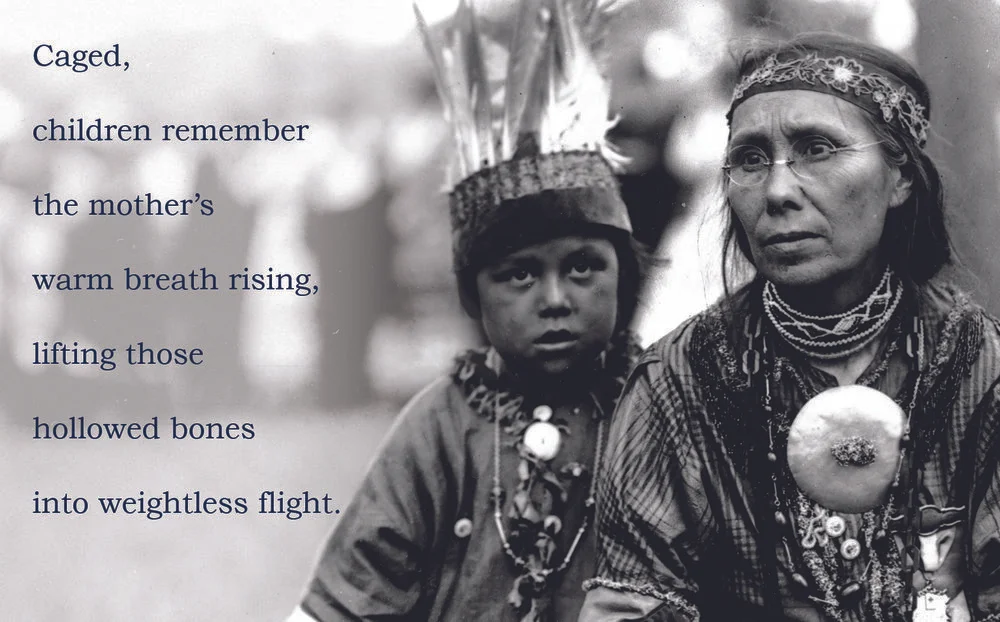
Many different types of images relating to Maine's Tribal History exist, which are seldom seen except by researchers and scholars In the field. In addition, the general public is seldom given…
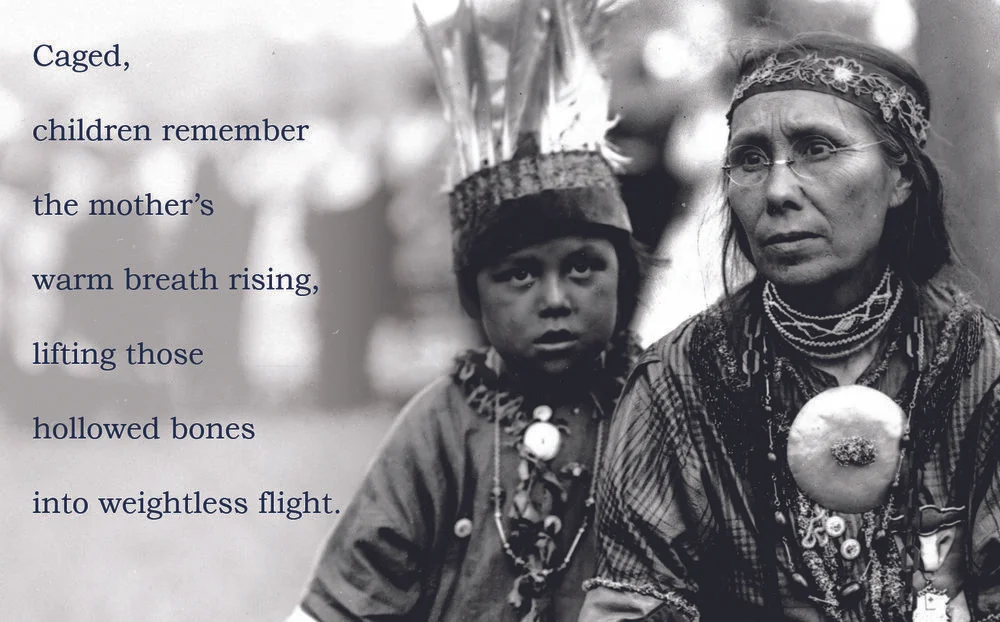
Many different types of images relating to Maine's Tribal History exist, which are seldom seen except by researchers and scholars In the field. In addition, the general public is seldom given a broader cultural context in which to view them. Providing contemporary poetry, written by Mikhu Paul-Anderson from Kingsclear First Nations, simultaneously altered and reframed the context of those images, in effect, mediating the historical gaze of a marginalized people. The prose that accompanied each image was one method of bringing history into the present moment, supporting another possible view of that history. The connection between past and present is then strengthened, and new ways of understanding history hopefully result.
Mikhu Paul-Anderson is a Native American woman, author, and curator of this exhibit and grew up in Old Town, Maine.