
This archive is primarily a list of all Abbe Museum exhibits, though we have included additional content wherever possible. Exhibits are organized alphabetically by title, though you may also browse by the closing date or any associated keywords using the search tools below. Don't see something that you're looking for? Get in touch with us at info@abbemuseum.org.
A-C / D-F / G-J / K-M / N-P / Q-S / T-V / W-Z
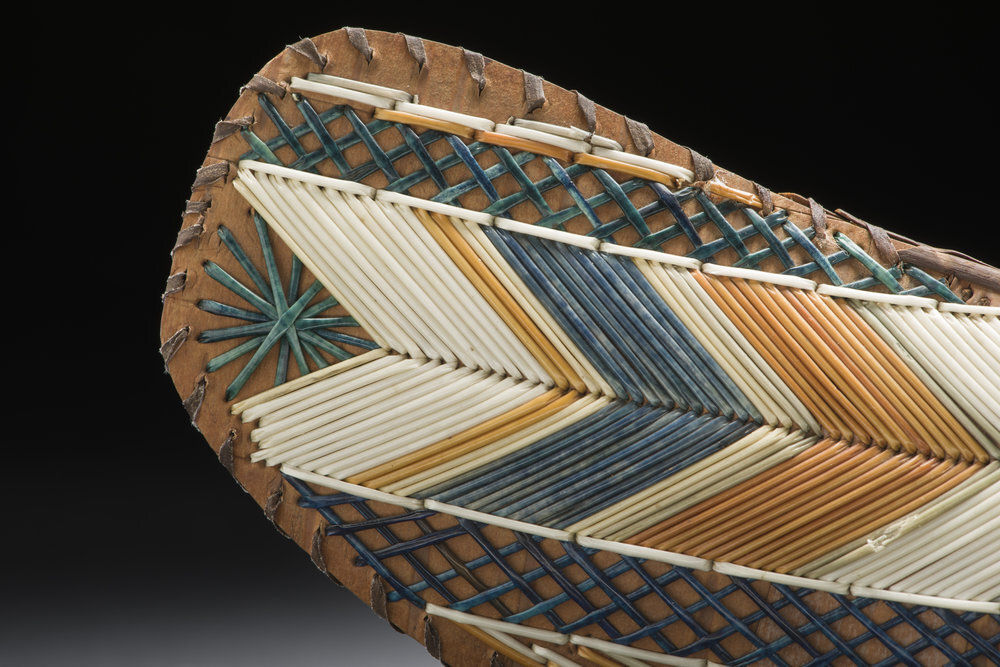
Coming Home (2015)
From baskets to beadwork, woodcarvings to birchbark canoes, tools or artwork, objects are an important expression of Wabanaki culture. Since the arrival of the first European explorers more than 400 years…
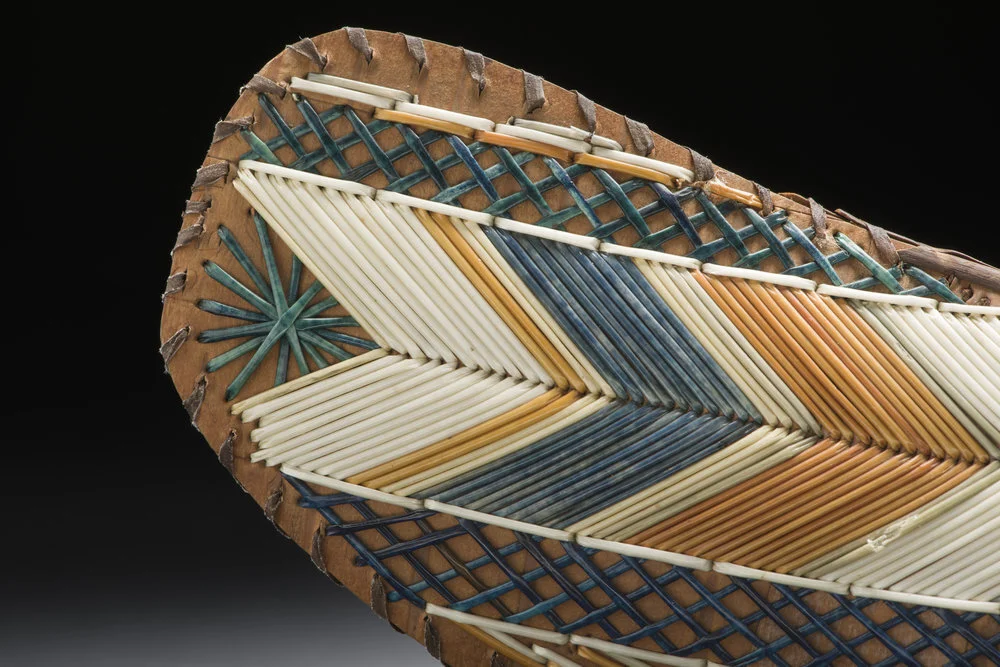
From baskets to beadwork, woodcarvings to birchbark canoes, tools or artwork, objects are an important expression of Wabanaki culture. Since the arrival of the first European explorers more than 400 years ago, objects made and used by the Wabanaki have made their way into museums around the world. Coming Home featured an exciting and beautiful array of material culture, selected and interpreted by Wabanaki community curators. This exhibit shared cultural and traditional knowledge, revealing a greater depth of information about the Wabanaki objects, and provided a unique opportunity to see these pieces back in the Wabanaki homeland.
Learn More: Coming Home Gallery Guide
Greatest Mountain (2015)
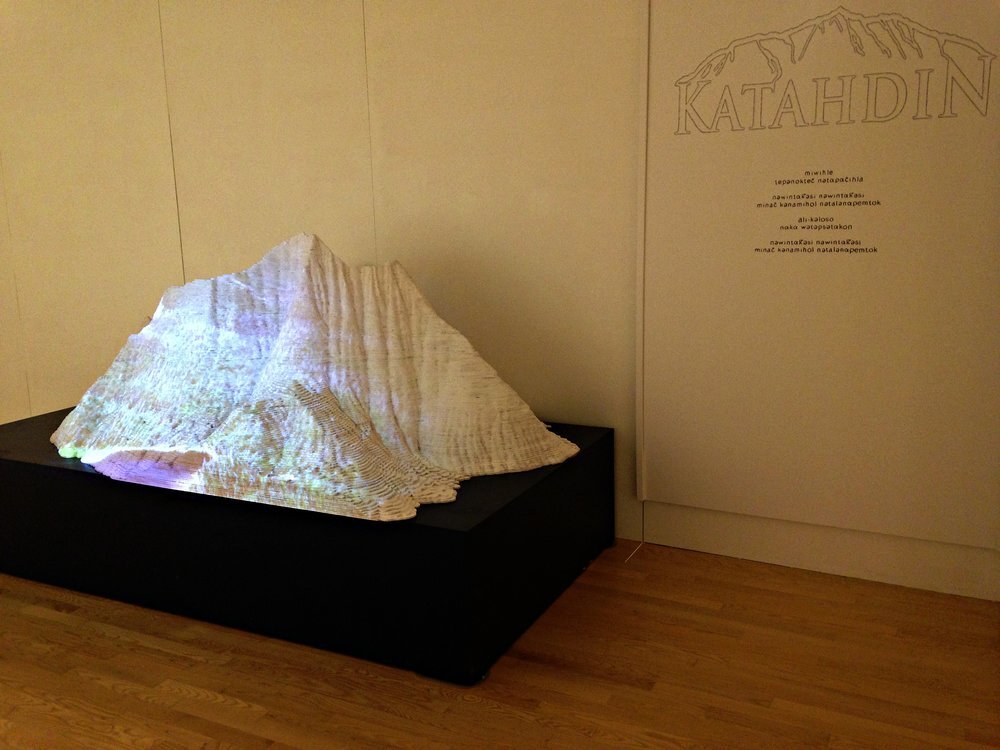
A vision by Penobscot artist and historian James Francis. This tribute to Mount Katahdin, through Penobscot histories and accounts of non-Native travelers and writers, uses images, music, stories, and the…
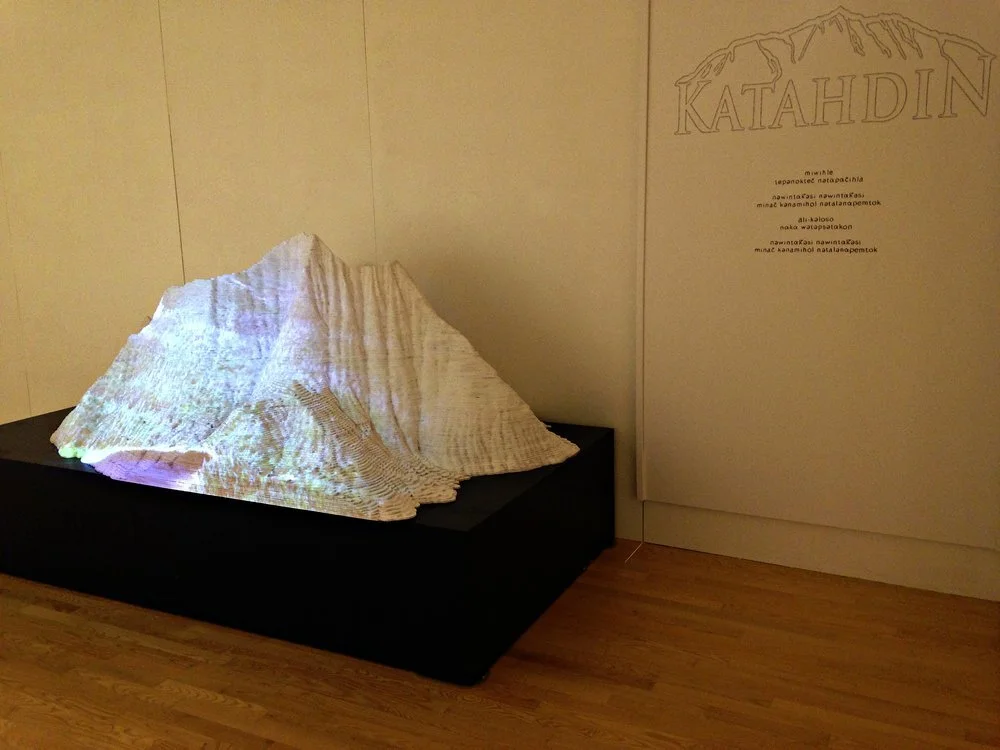
A vision by Penobscot artist and historian James Francis
This tribute to Mount Katahdin, through Penobscot histories and accounts of non-Native travelers and writers, uses images, music, stories, and the Penobscot language to bring this sacred mountain to life. Francis used a CNC machine to cut the layers to build the model of Katahdin, which translates from Penobscot to English as “Greatest Mountain.” Images moved and flickered across it, a compilation of time lapse photographs taken by Francis at night back in November 2014. Along with these time-lapse photographs, there was a song composed by Francis, various other video and still imagery, and spoken word pieces of Penobscot people sharing stories.
Learn More: The Greatest Mountain Context Statement
Kluskap of the Wabanaki (2015)
According to Wabanaki oral histories, Kluskap–or Koluskap, Gluskap, Glooskap, and Gluskabe–made the world habitable for human beings and taught people to live wisely. Kluskap stories have been told and…
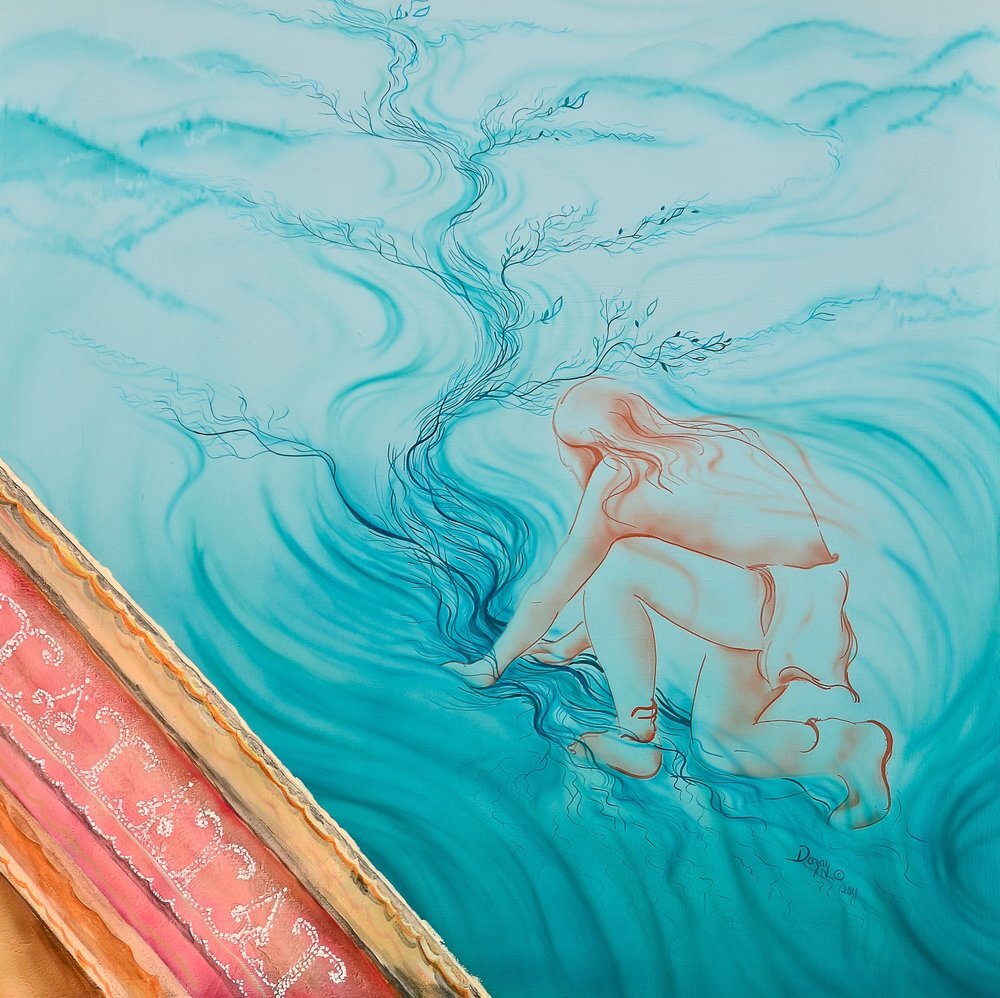
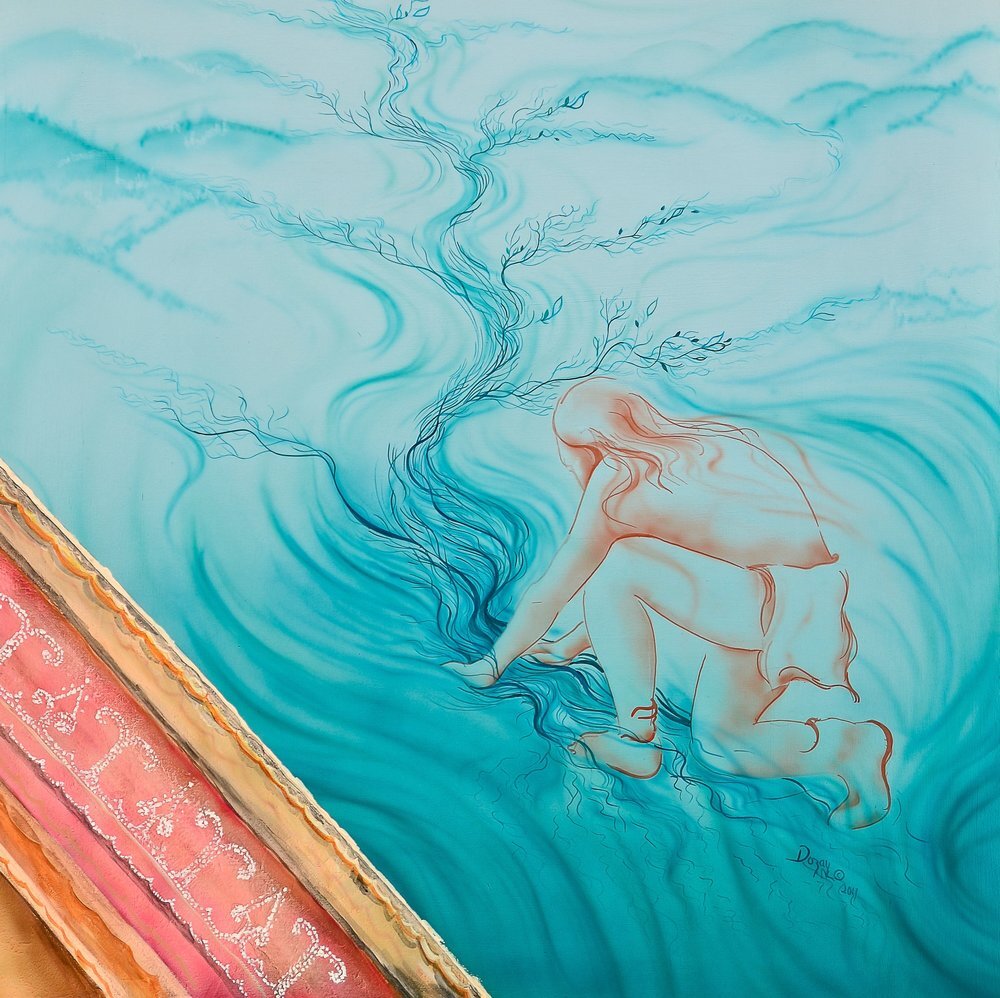
According to Wabanaki oral histories, Kluskap–or Koluskap, Gluskap, Glooskap, and Gluskabe–made the world habitable for human beings and taught people to live wisely. Kluskap stories have been told and retold over many generations, and these legends have always been known to teach lessons of values and the characteristics of the animals and Mother Earth. Kluskap was a positive force with all Wabanaki tribes and people from all the communities have written and illustrated many versions of the Kluskap legends. Through original paintings by Maliseet artist Dozay, Kluskap of the Wabanaki illustrates the various legends of Kluskap and his adventures across the Wabanaki homeland, using landmarks that tell his story. This was Dozay's first show in the U.S.
Learn More: Kluskap of the Wabanaki Exhibit Catalog
Layers of Time (2003 - 2015)
How did people live in the past? What can we know about their lives and history from the archaeological record? This exhibit followed archaeological research conducted by the Abbe Museum starting…
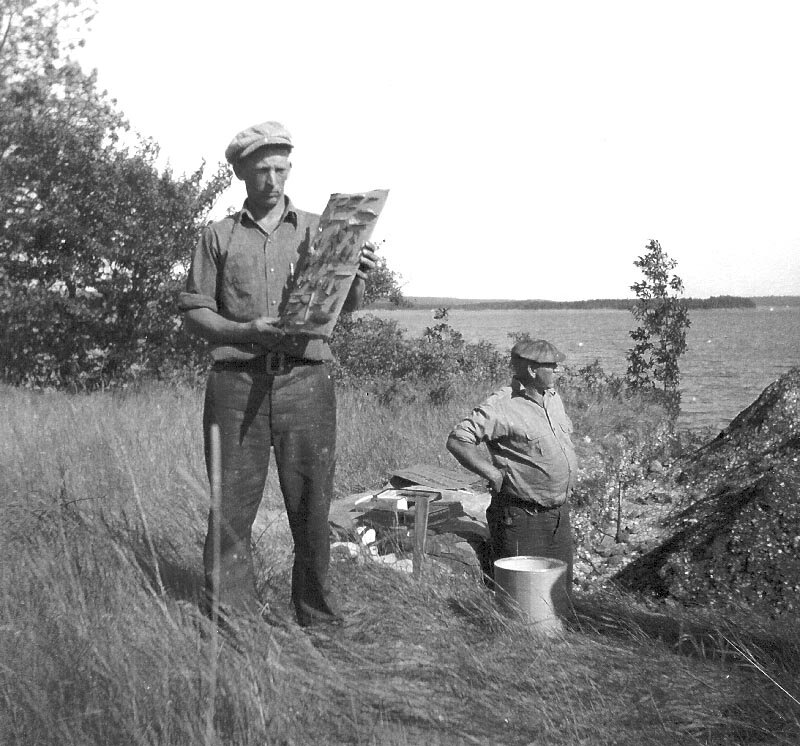
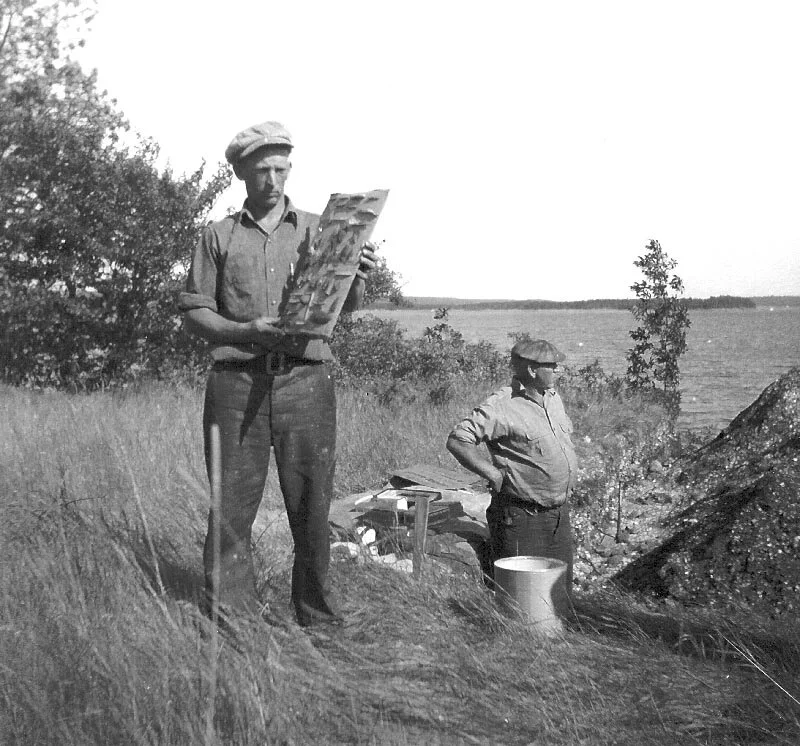
How did people live in the past? What can we know about their lives and history from the archaeological record?
This exhibit followed archaeological research conducted by the Abbe Museum starting in 1928, and considered how excavations at various sites have tried to answer these questions. Through a combination of artifacts, images and text, you were able to explore the questions that were asked and what we have learned during eight decades of archaeological investigations. Layers of Time also featured a variety of hands-on, interactive activities for children and families, letting visitors step into the role of the archaeologist to ask and answer intriguing questions.
Learn More: Layers of Time Exhibit Catalog