This archive is primarily a list of all Abbe Museum exhibits, though we have included additional content wherever possible. Exhibits are organized alphabetically by title, though you may also browse by the closing date or any associated keywords using the search tools below. Don't see something that you're looking for? Get in touch with us at info@abbemuseum.org.
A-C / D-F / G-J / K-M / N-P / Q-S / T-V / W-Z
N’tolonapemk (2012 - 2014)
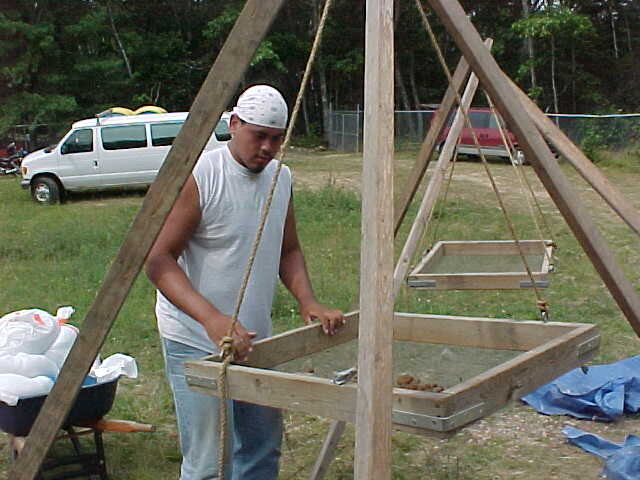
Native Americans have lived on Meddybemps Lake at its outlet to the Dennys River for at least 8,600 years. The Passamaquoddy people have named this site N'tolonapemk, which in Passamaquoddy means…
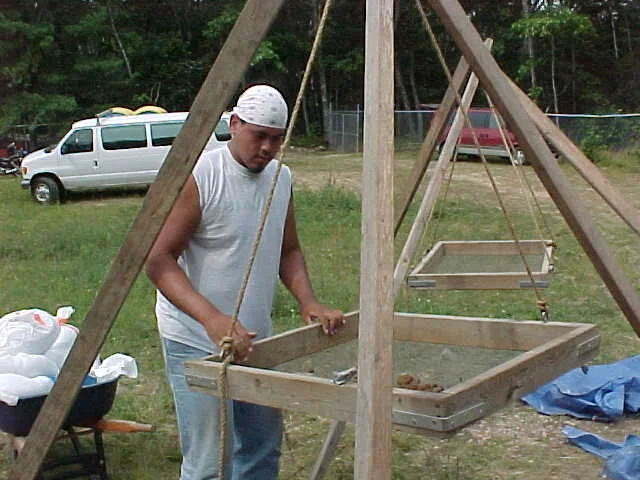
Native Americans have lived on Meddybemps Lake at its outlet to the Dennys River for at least 8,600 years. The Passamaquoddy people have named this site N'tolonapemk, which in Passamaquoddy means, "Our Relatives' Place." This exhibit told the story of N'tolonapemk through archaeological evidence and the stories and knowledge of the Passamaquoddy people. The scientific methods used by archaeologists, contrasted with traditional Passamaquoddy stories, work together to create a more complete picture and a richer understanding of this important place.
Learn More: N’tolonapemk Exhibit Catalog
North by Northeast: Wabanaki, Akwesasne Mohawk, and Tuscarora Traditional Arts (traveling)
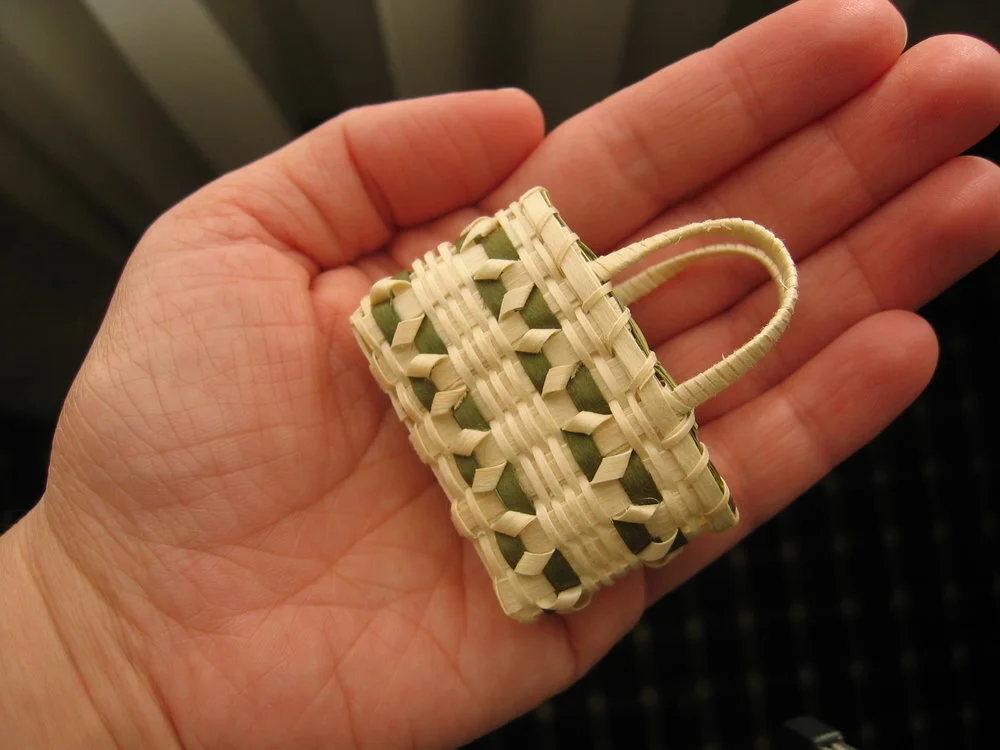
For generations, Native American traditional artists in the Northeast have passed on their culture through beadwork, basketry, birchbark, and woodcarving. Organized and curated by Kathleen Mundell, this traveling exhibition sponsored by…
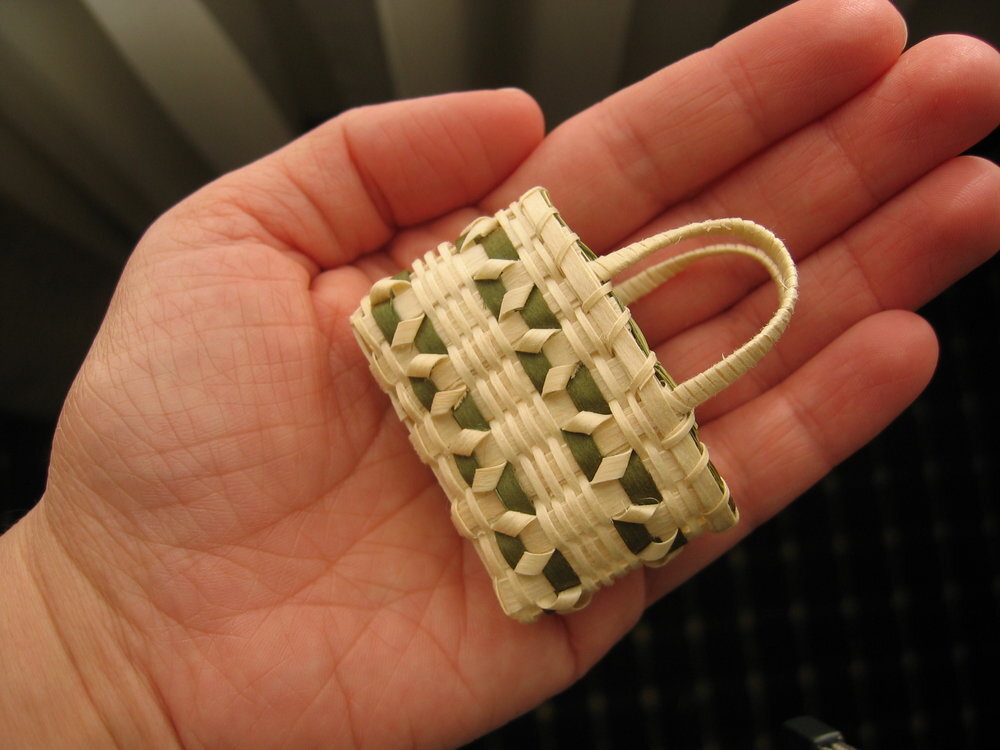
For generations, Native American traditional artists in the Northeast have passed on their culture through beadwork, basketry, birchbark, and woodcarving. Organized and curated by Kathleen Mundell, this traveling exhibition sponsored by Cultural Resources, Inc. presented these traditions through the work and words of more than 35 traditional artists living and working primarily in Maine and upstate New York. In the creative hands of those who continue to practice them, these arts reflect the values and traditions of contemporary communities with each generation recasting old forms into new expressions.

People of the First Light (2016 - ongoing)
People of the First Light, the Abbe Museum's core exhibit, introduces visitors to the Wabanaki universe, engaging them with the culture and history of a people that is unfamiliar to many…
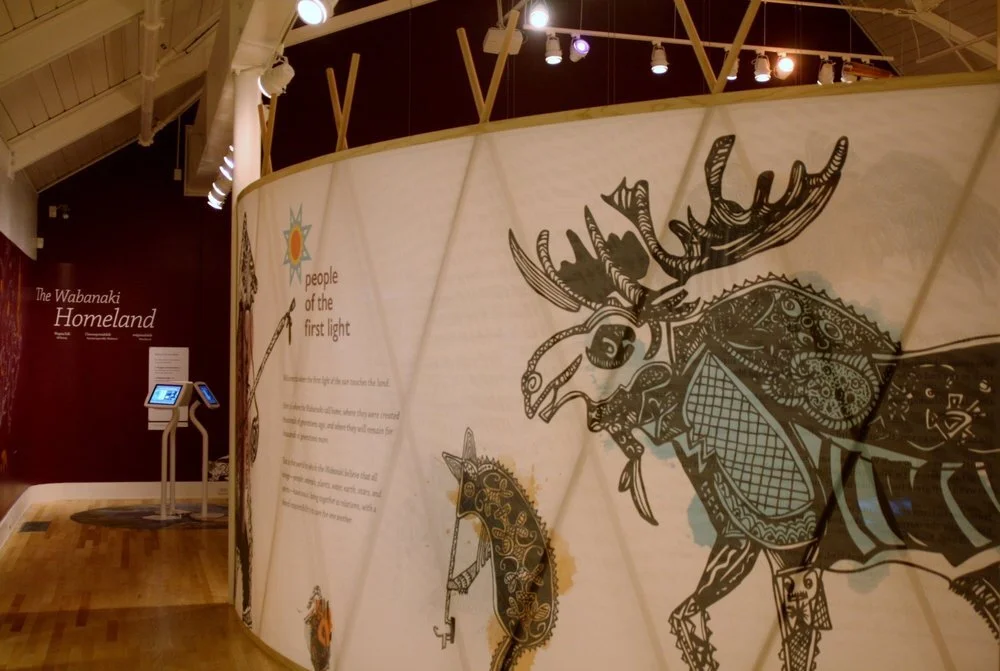
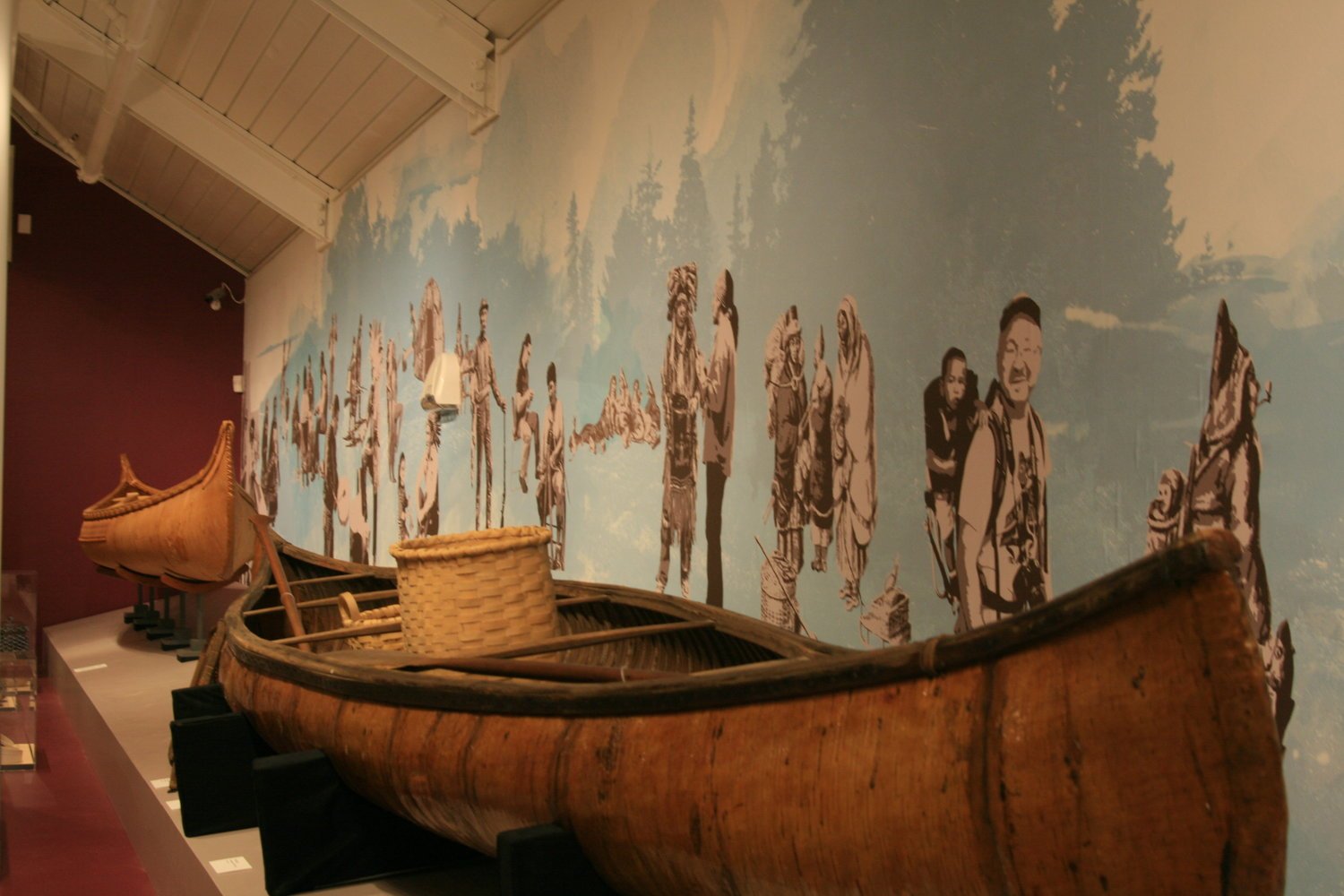
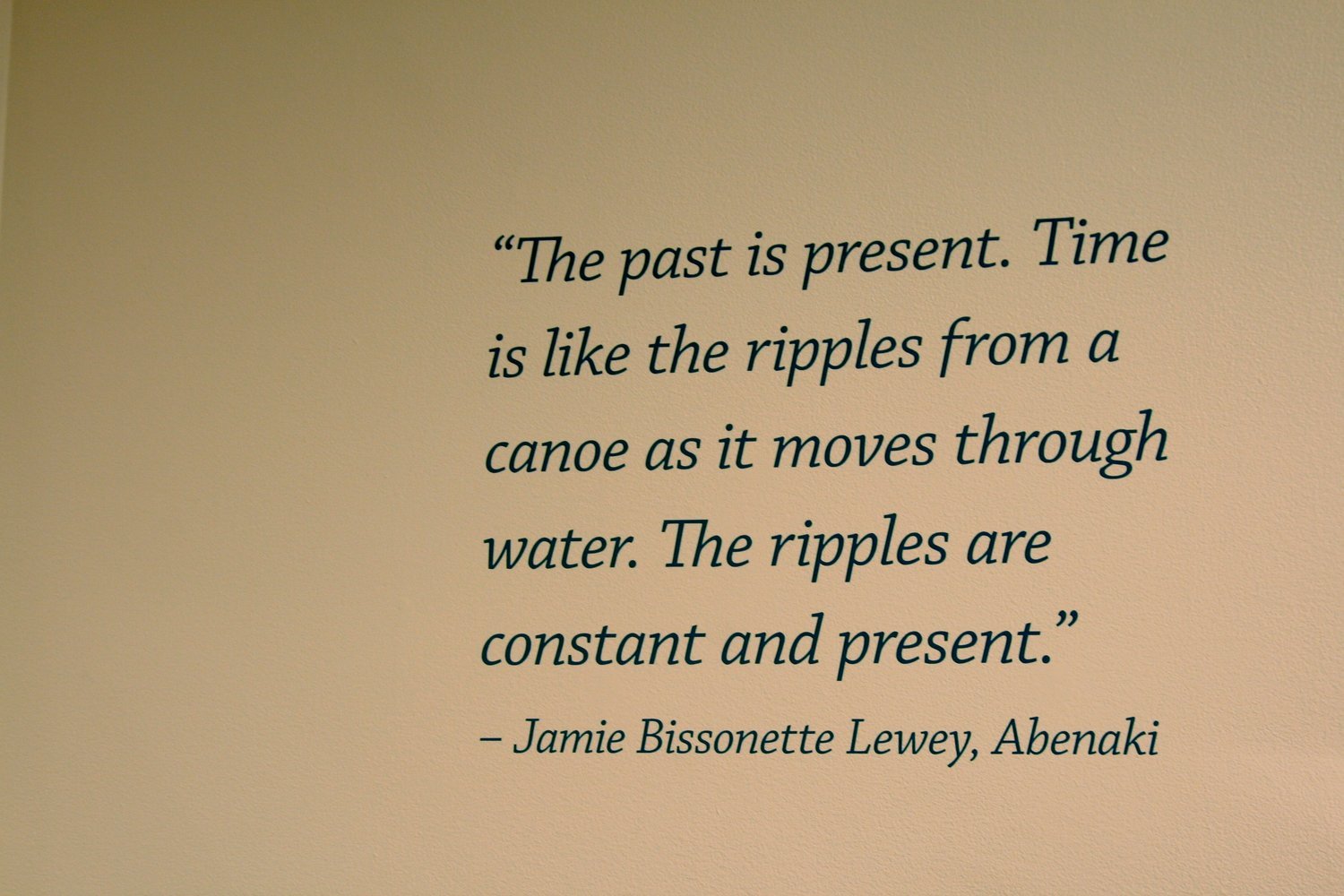
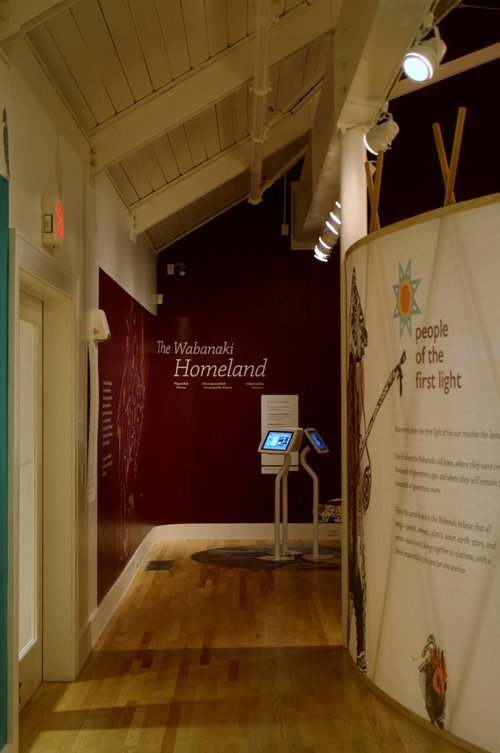
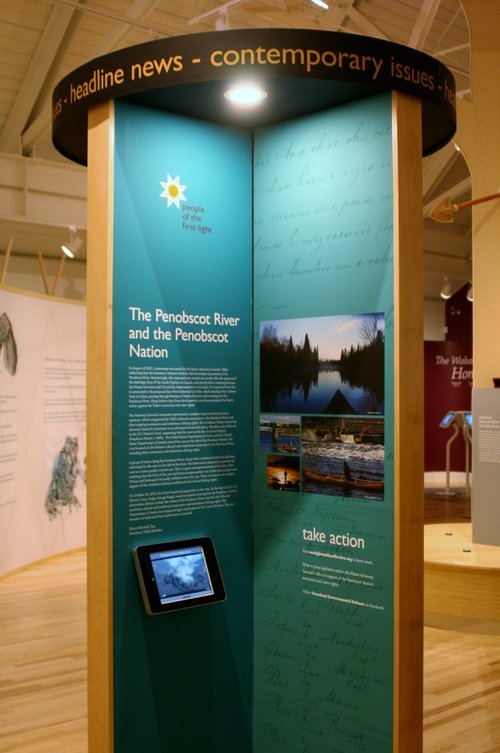
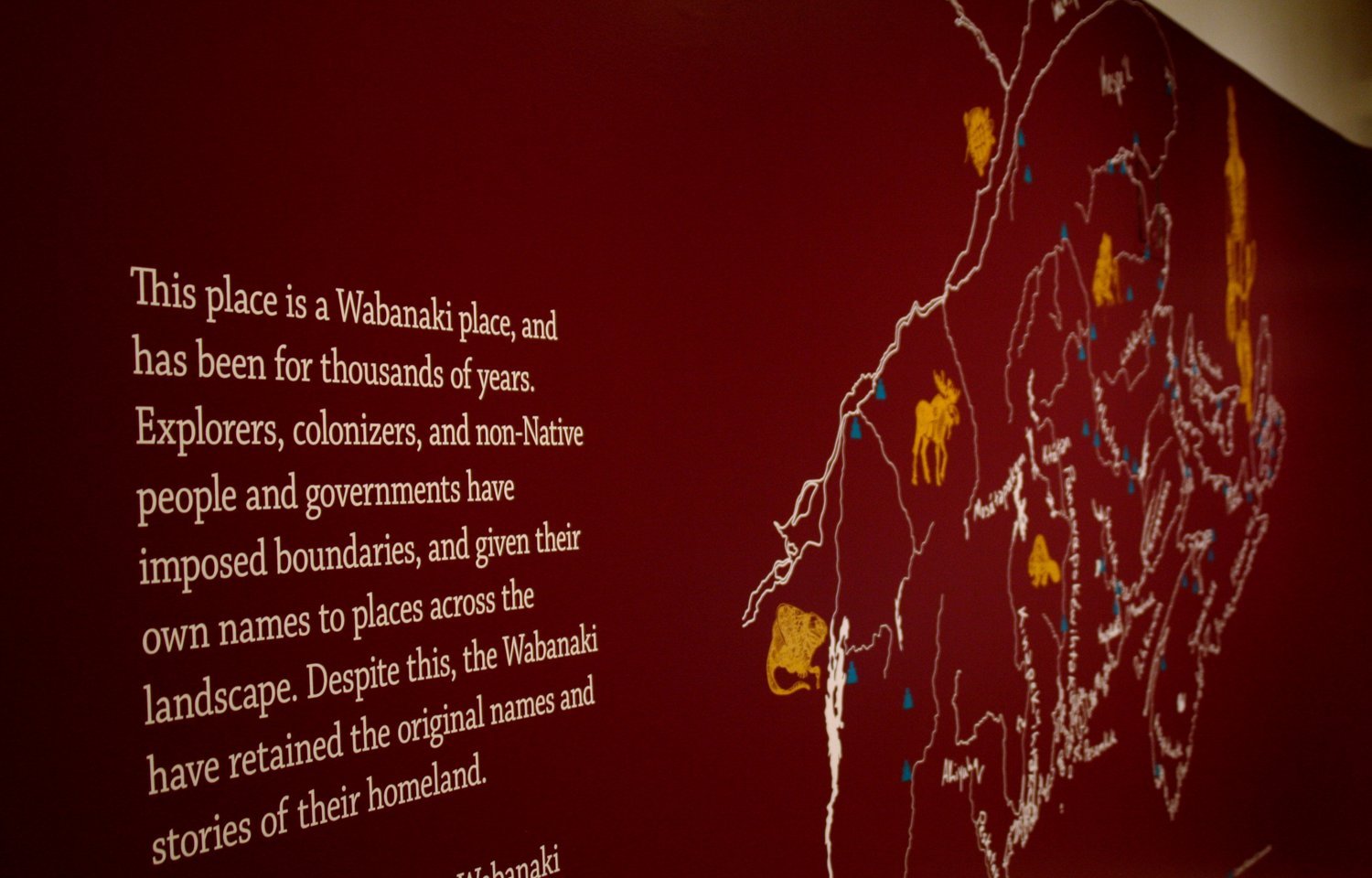
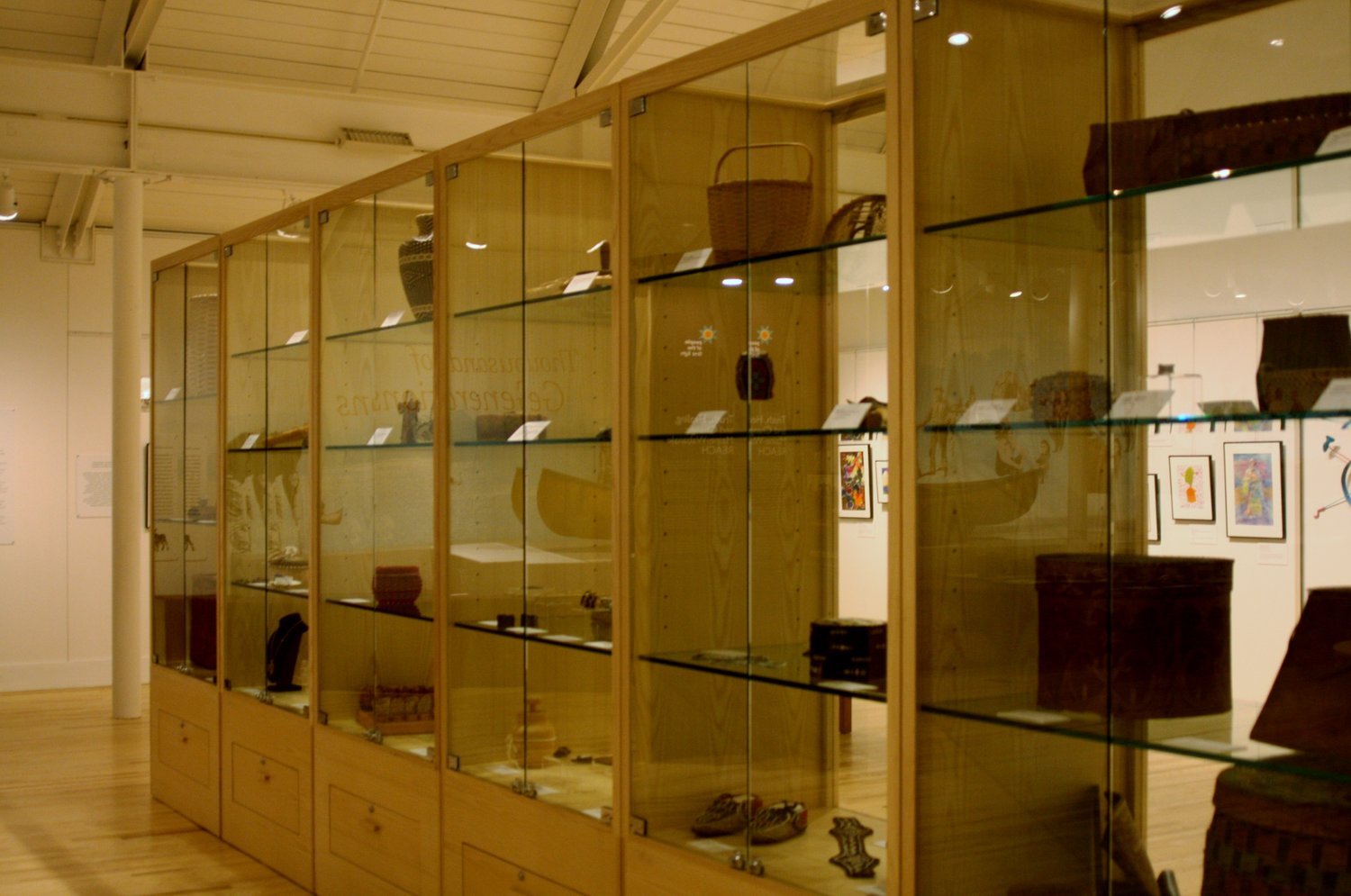
People of the First Light, the Abbe Museum's core exhibit, introduces visitors to the Wabanaki universe, engaging them with the culture and history of a people that is unfamiliar to many. Bringing together oral traditions, personal stories, cultural knowledge, language, and historical accounts with objects, photographs, multi-media, and digital interactives, People of the First Light shares a wide variety of content and perspectives around more than 12,000 years of history, conflict, adaptation, and survival in the Wabanaki homeland
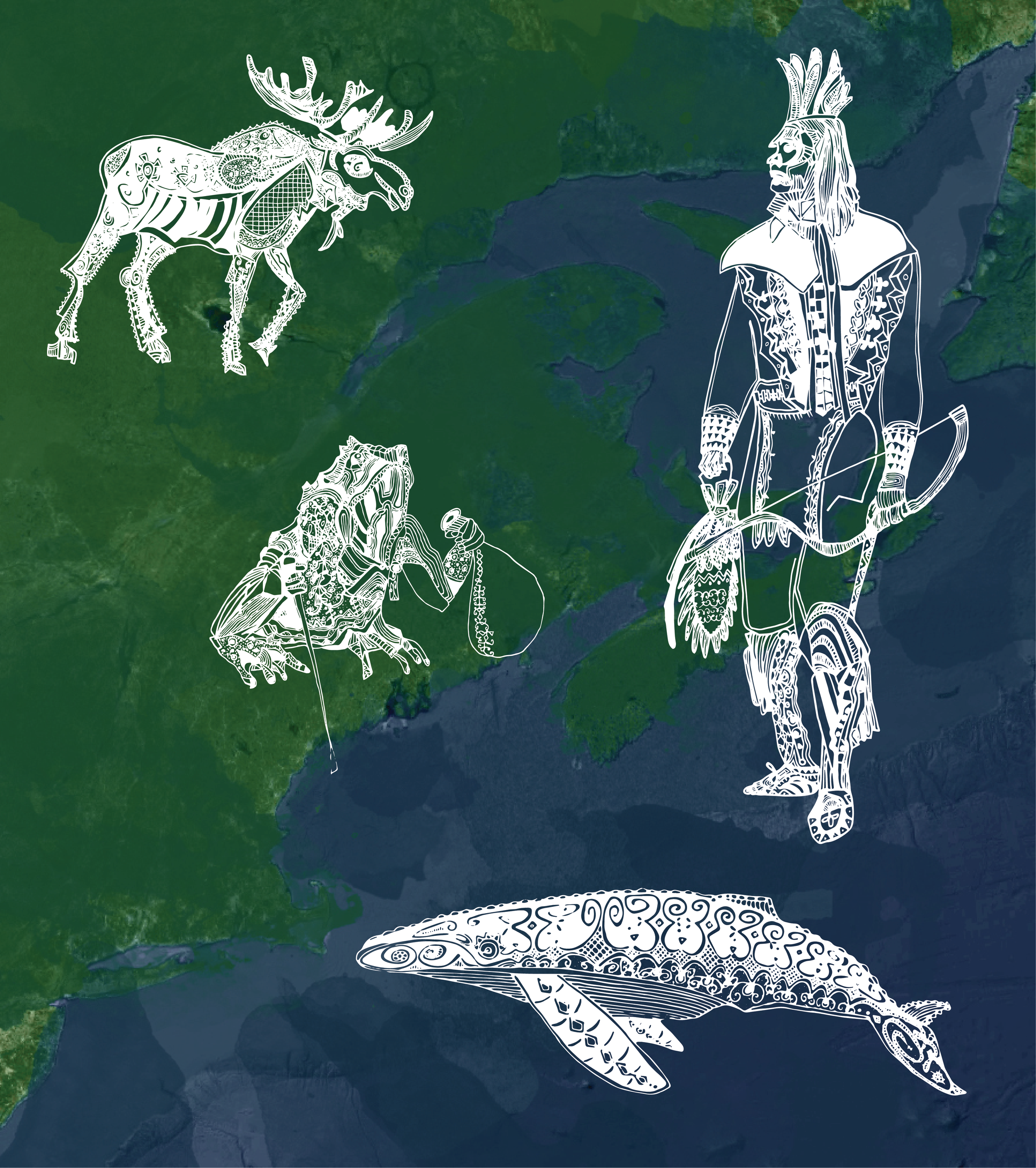
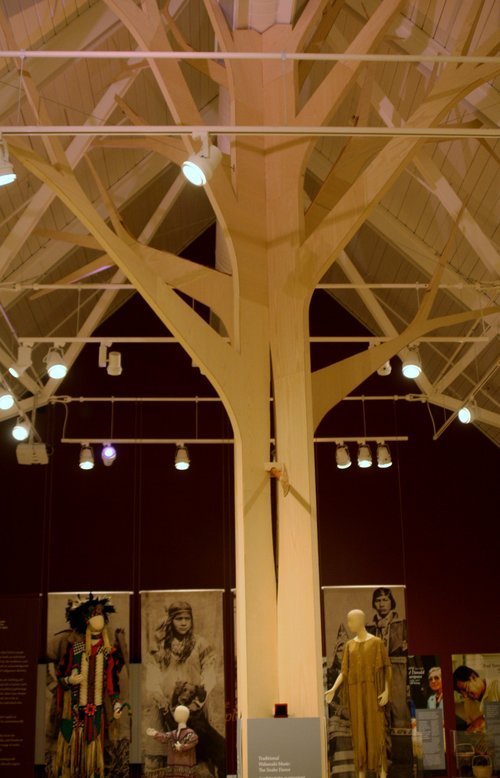
The design of the exhibit space was developed with a contemporary feel, shaped by the work of Wabanaki artists who have been a part of the design process from the beginning. The centerpiece of the exhibit is a two-story sculptural ash tree that draws the various sections of the exhibit together. Artwork and illustrations by Maliseet artist Gina Brooks, among other Wabanaki artists, are the foundation of a visual experience that reflects both Wabanaki traditions and current experiences.
People of the First Light provides visitors with an understanding of Wabanaki history and culture, affirming that there are Native people in Maine and the wider Wabanaki homeland today and that their story is one of more than 12,000 years with no removal history. The exhibit also connects visitors, and the knowledge and experiences they bring with them, to Wabanaki perspectives and ideas through multiple ways of knowing.
The People of the First Light Maps Interactive is now accessible online! Formerly only viewable on kiosks within the gallery, this learning tool uses GIS maps to present aspects of Wabanaki history and culture in context with the landscape.
Please note that because this content was originally developed for our kiosks, some features and formatting may not function as intended on your device, especially on phones and other small screens.