
This archive is primarily a list of all Abbe Museum exhibits, though we have included additional content wherever possible. Exhibits are organized alphabetically by title, though you may also browse by the closing date or any associated keywords using the search tools below. Don't see something that you're looking for? Get in touch with us at info@abbemuseum.org.
A-C / D-F / G-J / K-M / N-P / Q-S / T-V / W-Z
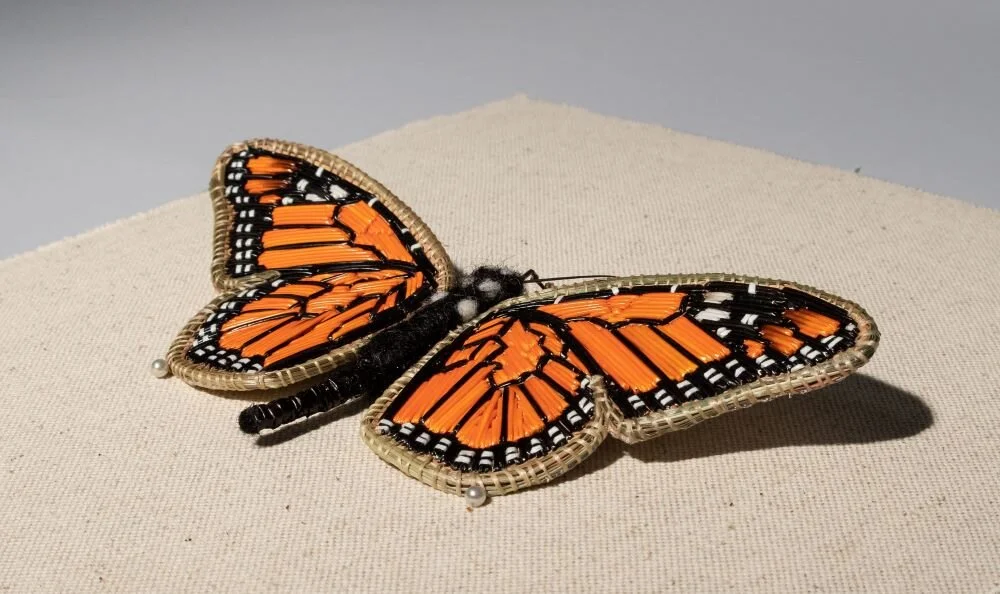
Stitching Ourselves Together: Mi'kmaq Porcupine Quillwork (2021 - ongoing)
This exhibit is the latest collaboration between Wabanaki community members and the Abbe Museum. It is presented from a first-person perspective, with Mi’kmaq artisans and culture keepers sharing their experiences…

This exhibit is the latest collaboration between Wabanaki community members and the Abbe Museum. It is presented from a first-person perspective, with Mi’kmaq artisans and culture keepers sharing their experiences working with quills. Community curator Jennifer Pictou (Mi’kmaq) explains, “When we, as Mi’kmaq people, are involved in the curation and narration of our own history we are able to correct the incomplete and often erroneous narratives assigned to our existence. Academics have often misidentified the motifs represented in our quill art or applied their own experiences and beliefs to our imagery. This Euro-centric interpretation negates our Indigenous use of symbols, styles, and patterns.”
Stitching Ourselves Together challenges common misconceptions around this traditional art form. The displays include historical and contemporary pieces from skilled Mi’kmaq quillworkers and artist profiles from the “Quillers of the Dawn” group working to revive the art form.
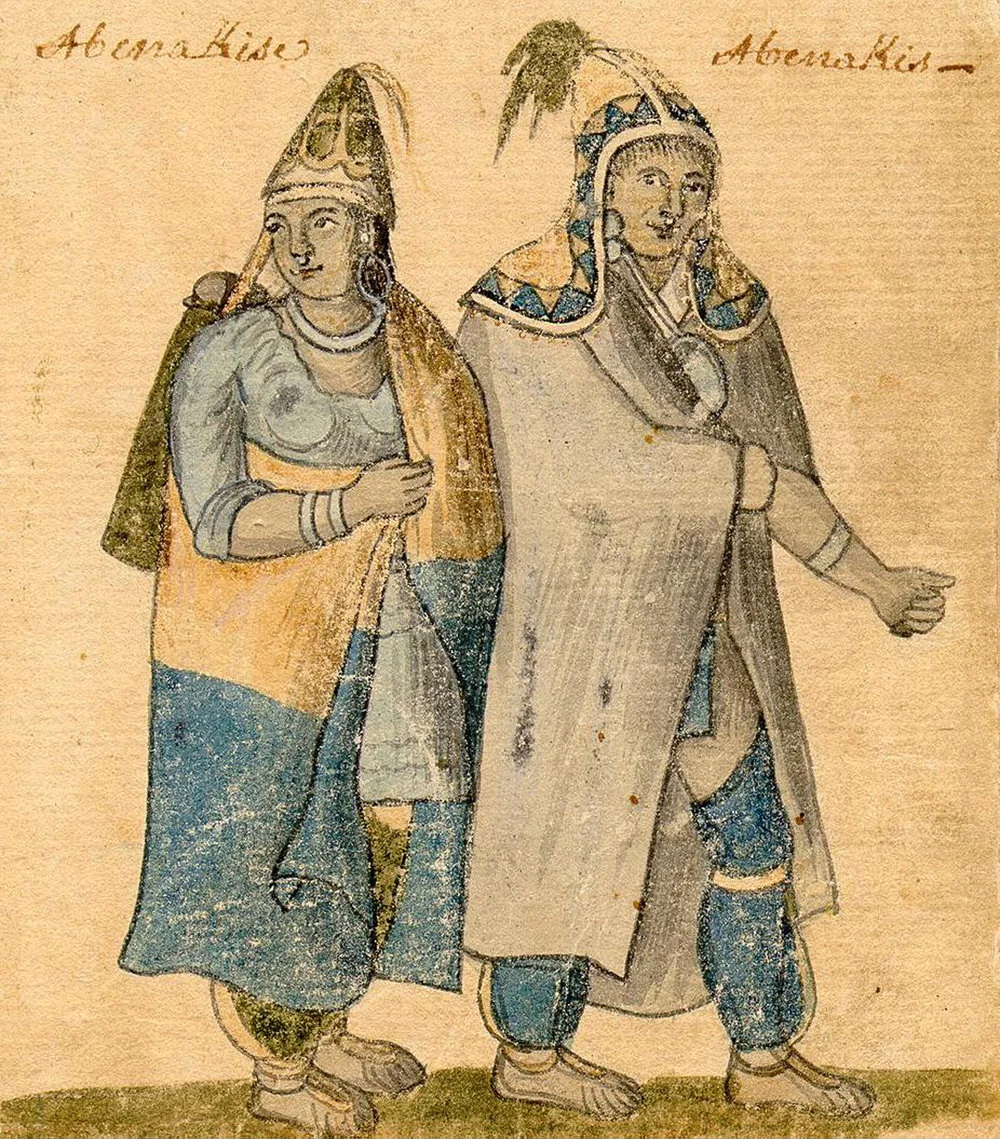
St. Saveur: A Meeting of Nations (2013-2016)
In 1613, a small group of French Jesuits, sailors and settlers arrived at Mount Desert Island, looking for a place to establish a mission and build trade relations with the Wabanaki…
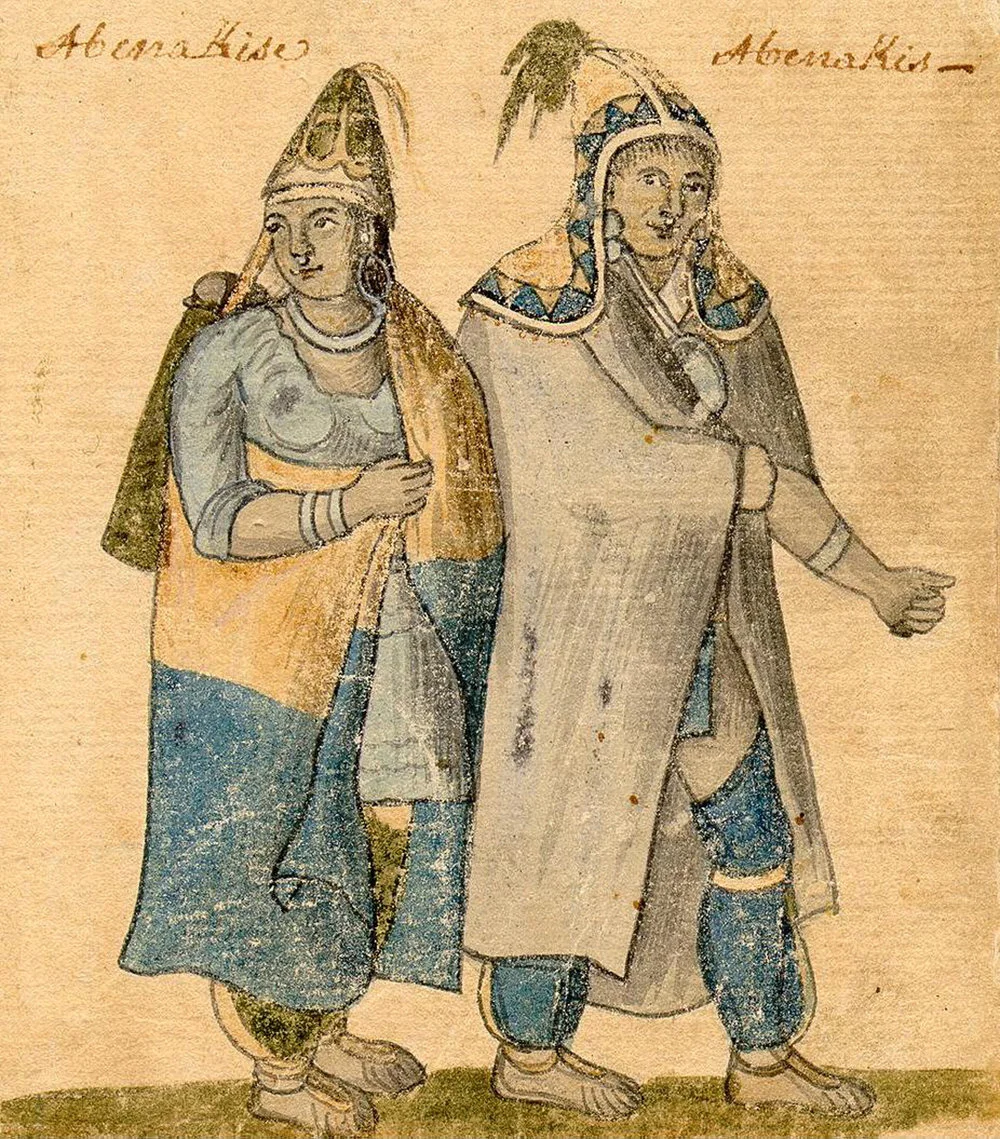
In 1613, a small group of French Jesuits, sailors and settlers arrived at Mount Desert Island, looking for a place to establish a mission and build trade relations with the Wabanaki. At the urging of Wabanaki leader Asticou, the group chose a spot somewhere around Frenchman Bay to establish their new outpost. Less than three months later, the fledgling settlement was destroyed by English colonists from further south. Echoes of these encounters continue to resound today, in Wabanaki communities, in shaping Maine history and identity, and in our understanding of international relations. The first European residents of Frenchman Bay came and went in a very short time. But this episode is part of a much larger story of Wabanaki-French-English interactions in eastern Maine from 1500 until 1762, when English settlers finally established a permanent settlement on Mount Desert Island. The exhibit brought together current Wabanaki perspectives and historic documents to present multiple perspectives on history, and investigated the debate among historians and archaeologists about where the St. Sauveur Mission was actually located.
Learn More: St. Sauveur: A Meeting of Nations Exhibit Catalog