
This archive is primarily a list of all Abbe Museum exhibits, though we have included additional content wherever possible. Exhibits are organized alphabetically by title, though you may also browse by the closing date or any associated keywords using the search tools below. Don't see something that you're looking for? Get in touch with us at info@abbemuseum.org.
A-C / D-F / G-J / K-M / N-P / Q-S / T-V / W-Z
Timeline (2001 - ongoing)
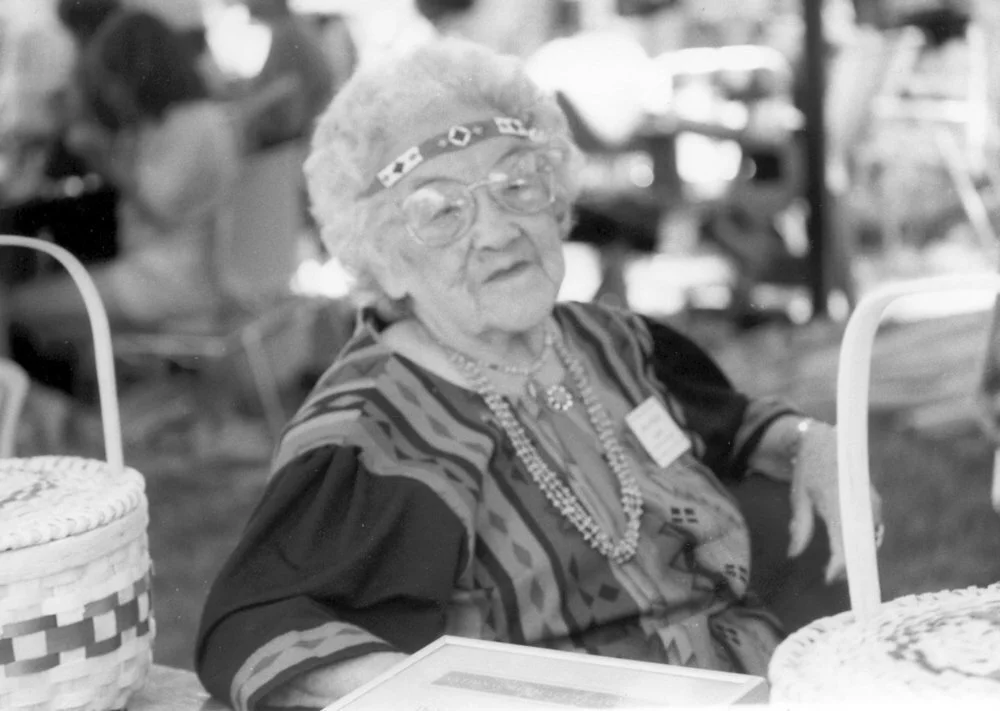
Native Americans have lived in Maine for thousands of years. Their story begins today and extends back, some say, to time immemorial. Much of their history is based on oral tradition…
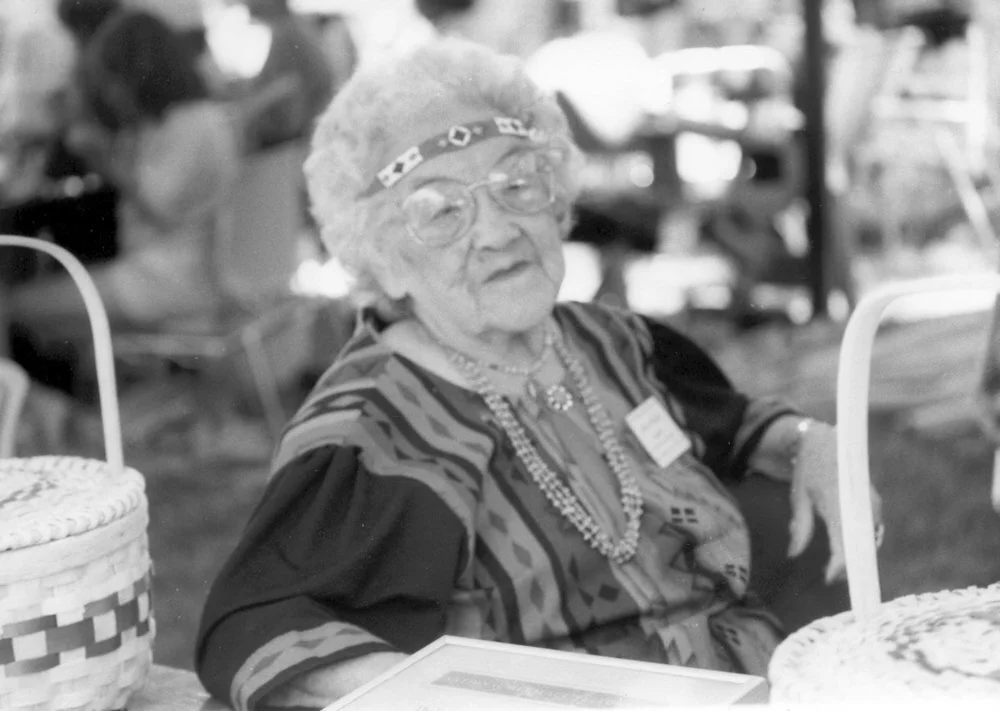
Native Americans have lived in Maine for thousands of years. Their story begins today and extends back, some say, to time immemorial. Much of their history is based on oral tradition.
Wabanaki oral tradition includes origin stories that tell how the People and the world came to be; it also includes stories, tales, and songs that define society and tell people how they should live. In the past, Native people used oral tradition, rather than the written word, to pass on traditional knowledge. Many of the stories were retold and written down in the 19th and early 20th centuries. Today, these transcripts provide a rich resource for Wabanaki storytellers to recreate and teach about traditional culture. Programs to perpetuate and rekindle Wabanaki languages rely on the power of traditional stories for teaching material. The stories build bridges between the past and present and provide a mechanism for cultural continuity.
Click on the corresponding links below to visit that specific section of the Timeline.
A New Dawn (Present - 1950)
Hard Times – The Survival of the People (1950 - 1800)
Resistance – Making War & Negotiating Peace (1796 - 1675)
Strangers in the Land – European Contact (1675 - 1500)
Time of Dawn (500 - 12,000 years ago)
Transcending Traditions (traveling)
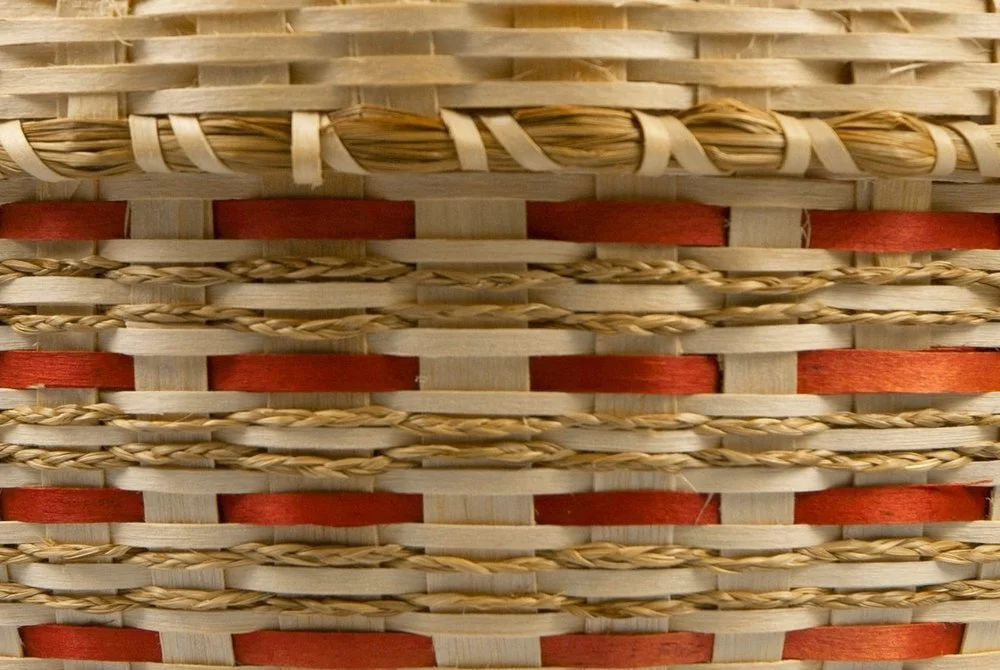
Transcending Traditions featured five contemporary Maine Indian basketmakers representing the next generation: Jeremy Frey, Ganessa (Bryant) Frey, Sarah Sockbeson, Geo Neptune, and Eric “Otter” Bacon. This project explored the new directions…
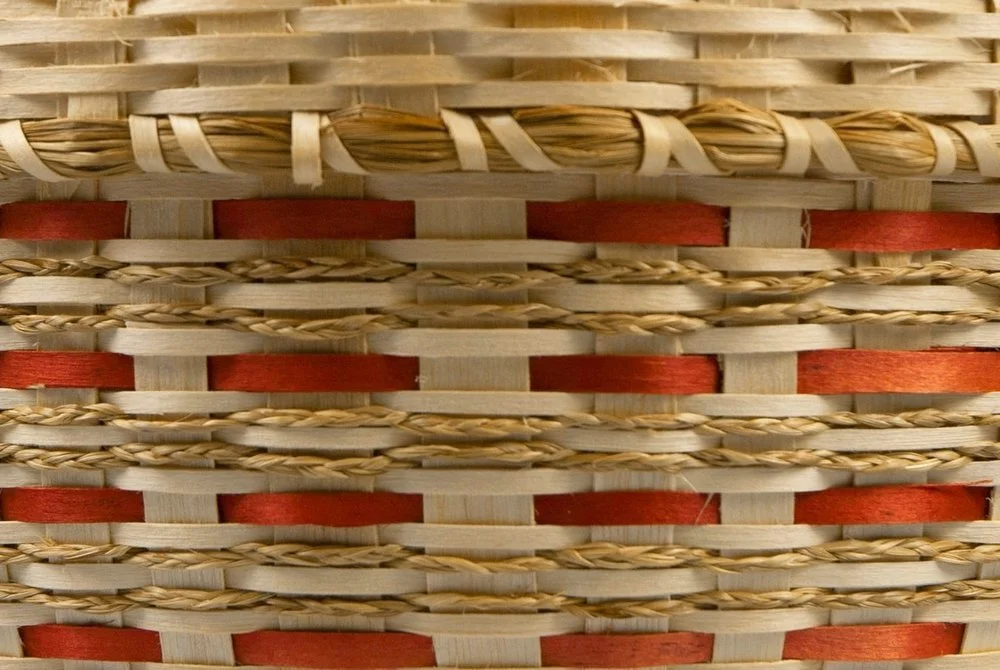
Transcending Traditions featured five contemporary Maine Indian basketmakers representing the next generation: Jeremy Frey, Ganessa (Bryant) Frey, Sarah Sockbeson, Geo Neptune, and Eric “Otter” Bacon. This project explored the new directions that these innovative artists are taking the tradition in the face of environmental and economic challenges.
This exhibit was created as a collaboration between the Maine Indian Basketmakers Alliance and the Hudson Museum, supported by a grant from the National Museum of the American Indian's Indigenous Contemporary Arts Program.
Learn More: Hudson Museum Online Exhibit
Twisted Path
Throughout North America, Native people balance the importance of tribal identity and knowledge with the non-Native communities that surround them. Art serves as one means of survival, expressing a wide…
Throughout North America, Native people balance the importance of tribal identity and knowledge with the non-Native communities that surround them. Art serves as one means of survival, expressing a wide range of emotions and experiences, from hopes and fears for the future, to dreams and anger about the past. Breaking away from stereotypes of Native American art and what is considered "traditional," the work of contemporary Native artists proves that art and culture are not static, but constantly evolving.
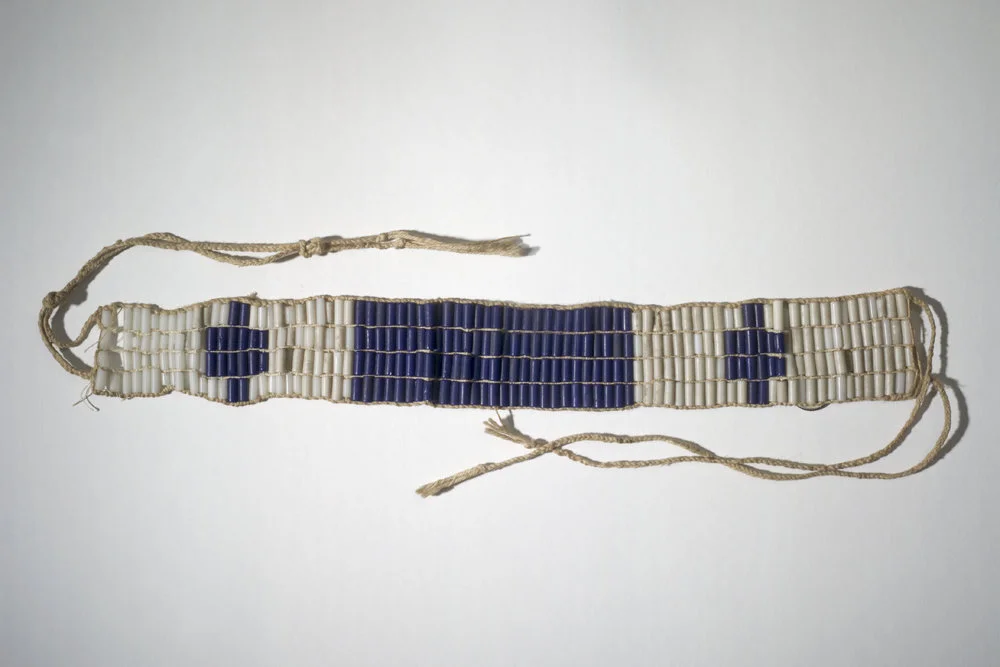
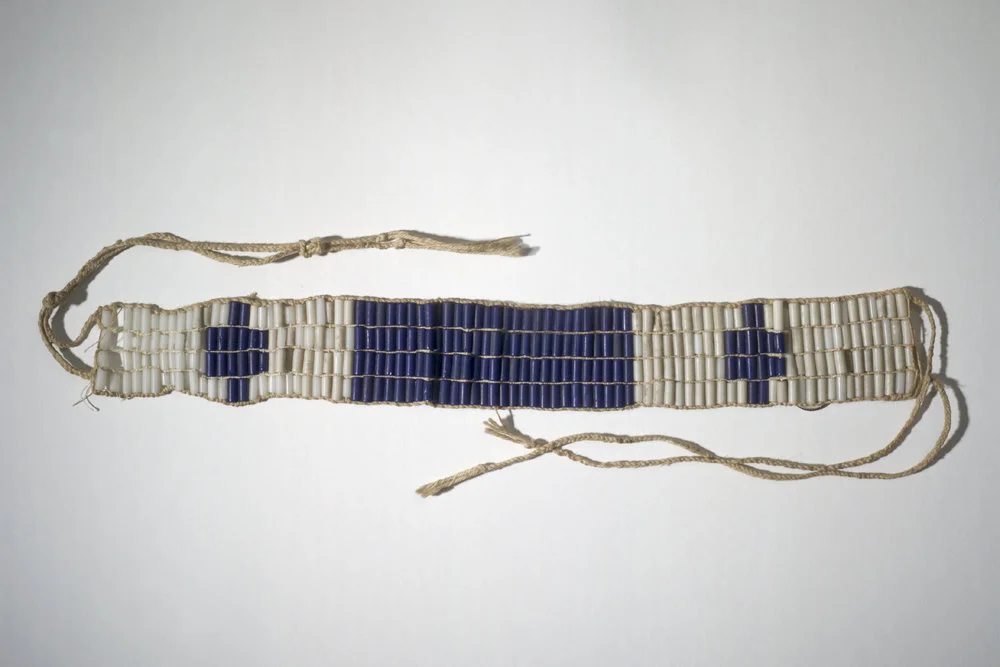
Borrowed from traditional beadworking, the term "twisted path" is a pattern that meanders along the edge of an object. Here, it is a metaphor for the different paths Native American artists walk as they navigate a complex world. The Twisted Path series was conceived in 2008 by Rick Hunt, Abenaki. This series focuses on creating Maine-based conversations like those taking place nationally about contemporary issues, as expressed through Native art. The Native artists who are invited to participate in Twisted Path are well-known for their artistic talent, activism, and critical commentary regarding social issues related to sovereignty and the environment.
Twisted Path: Contemporary Native American Artists Walking in Two Worlds opened in 2009 and featured nationally and regionally renowned artists whose works expressed the complexities surrounding Native identity.
Twisted Path II: Contemporary Native American Art Informed by Tradition opened in October 2011 through May 2012 and invited regional artists to consider how traditional materials, styles, and art forms can be a foundation for new works of art, challenging assumptions of what constitutes “traditional.”
Twisted Path III: Questions of Balance opened in February 2014 through December 2014 and invited audiences to consider Native American concerns about the environment through the medium of contemporary art. Artists’ works expressed emotional and cultural reflections on the status of our planet - both comfort from a sense of place and connections to the land, and the conflicts inherent in cultural genocide and pollution of sacred spaces. Read a review of the exhibit here.
Twisted Path IV: Vital Signs opened in April 2017 through December 2017 and invited audiences to consider Native American concerns about personal and community health and wellness through the medium of contemporary art. Artists’ works will express emotional and cultural reflections on the human condition in tribal communities.