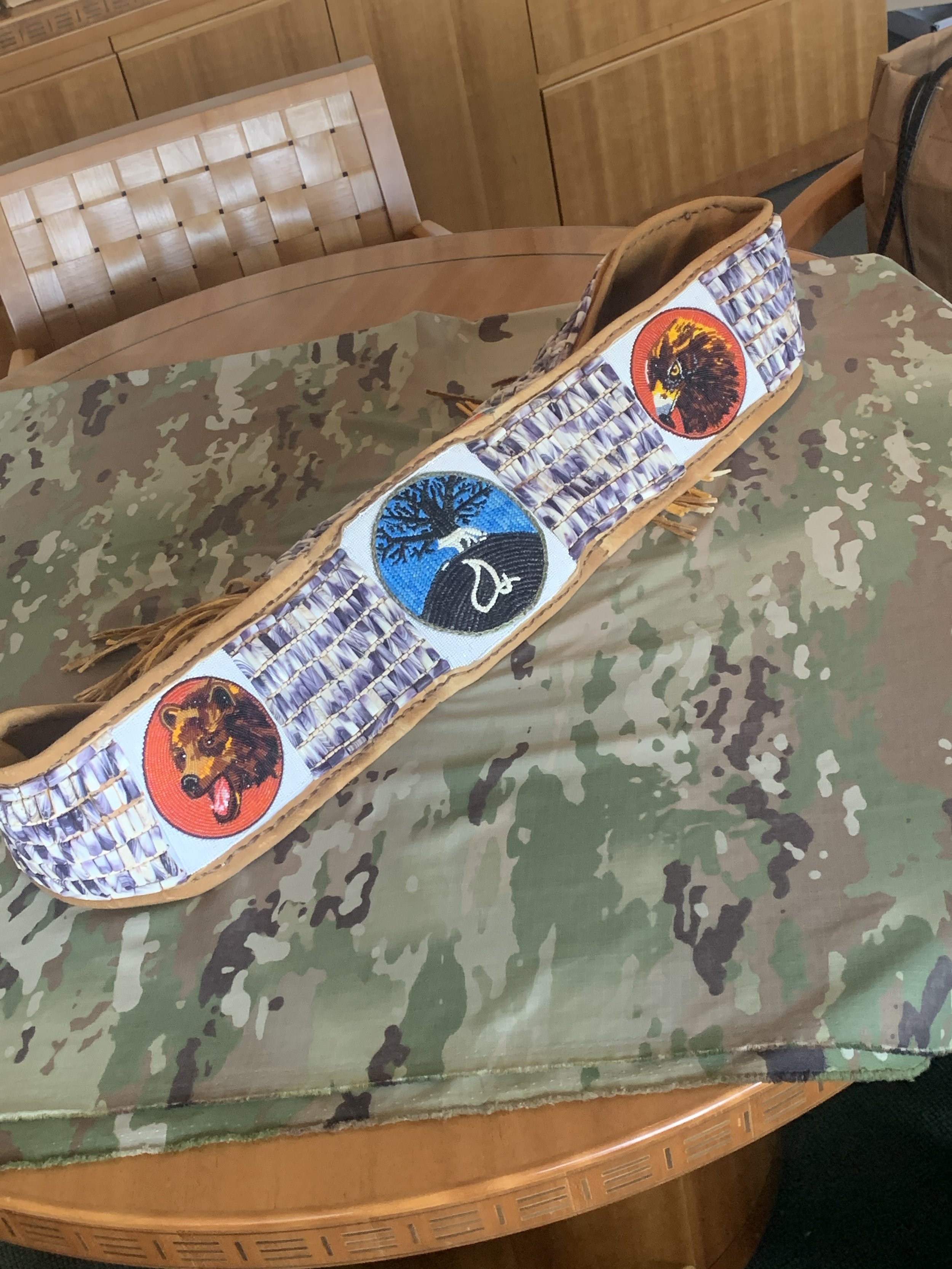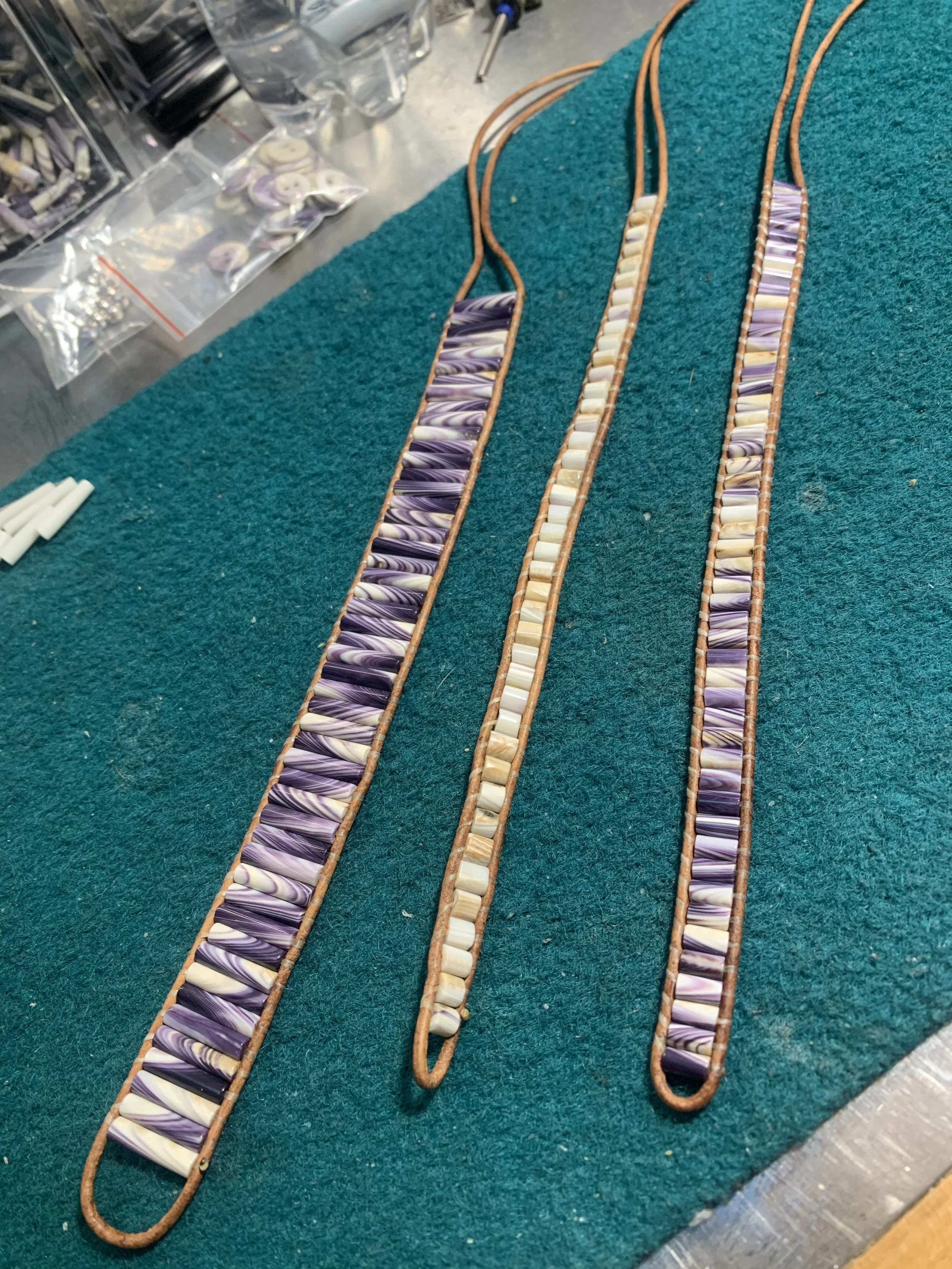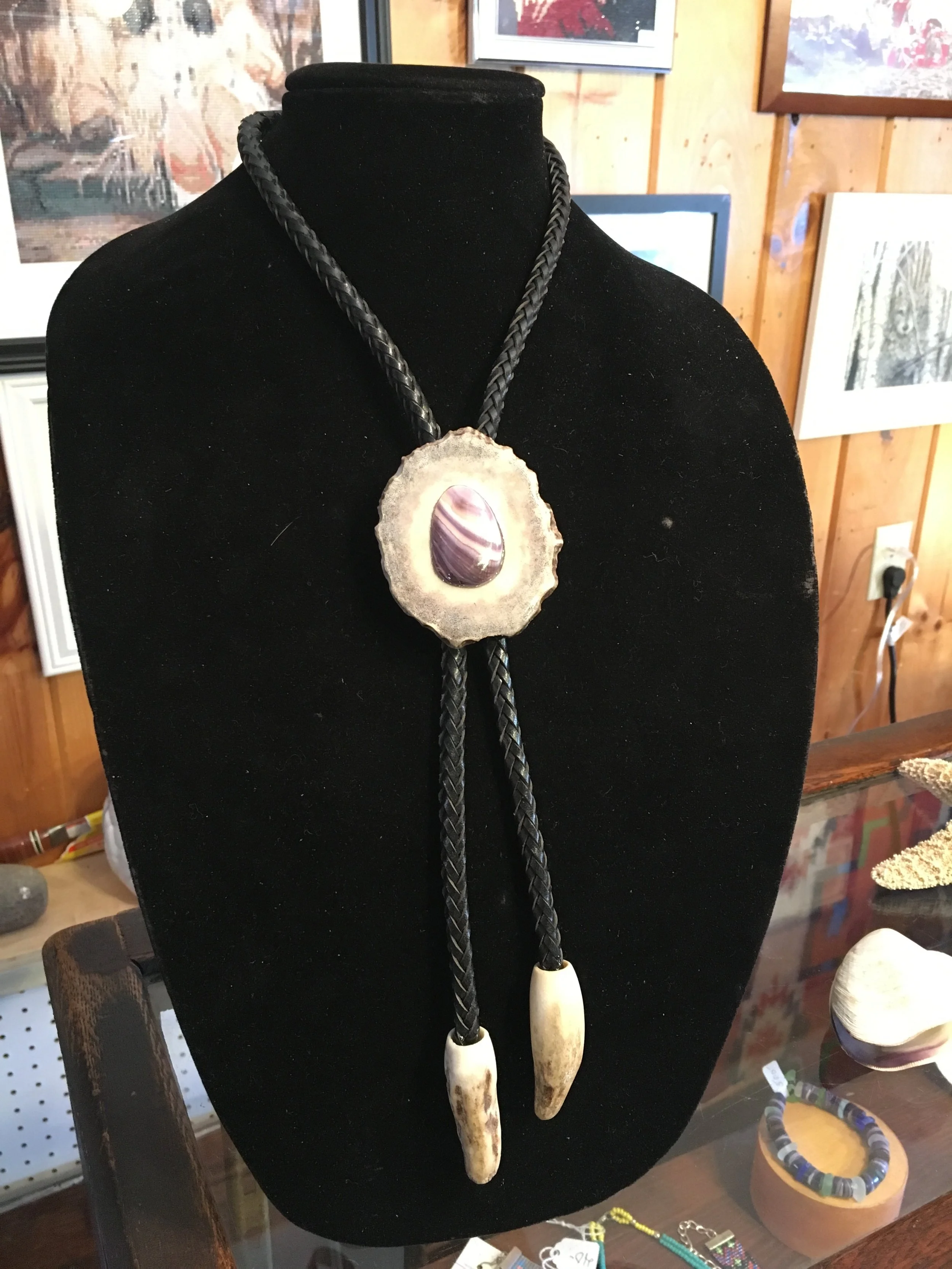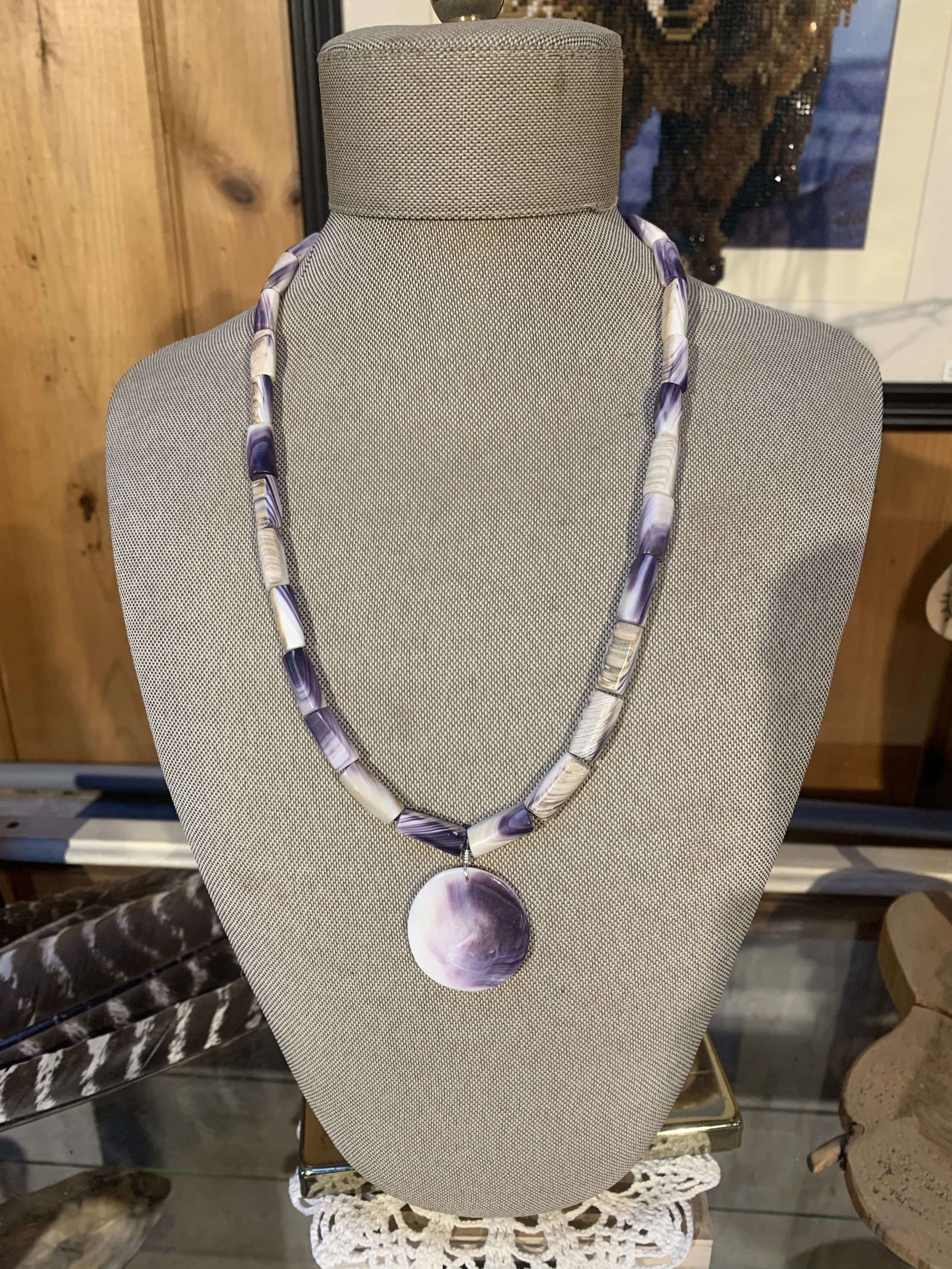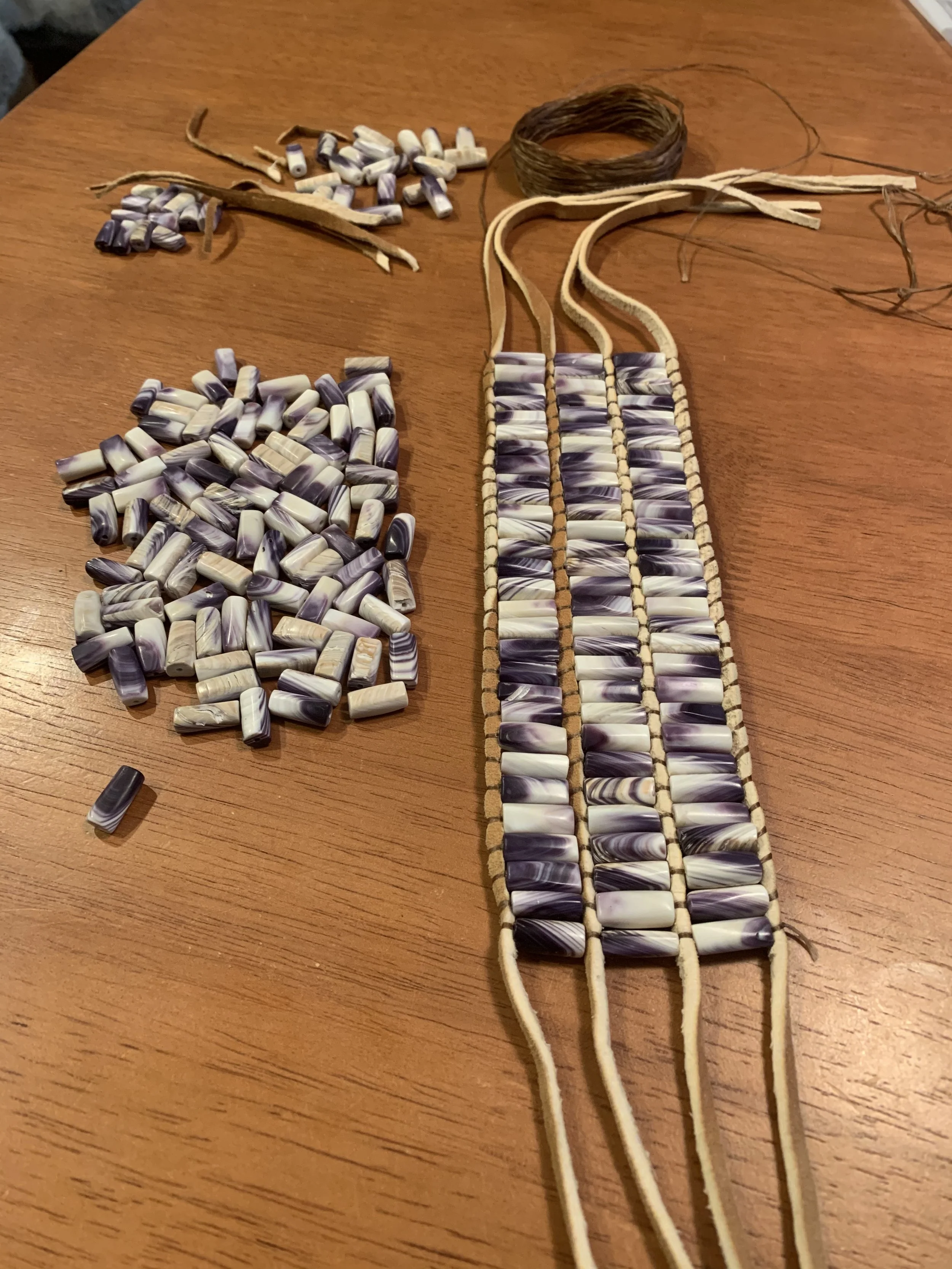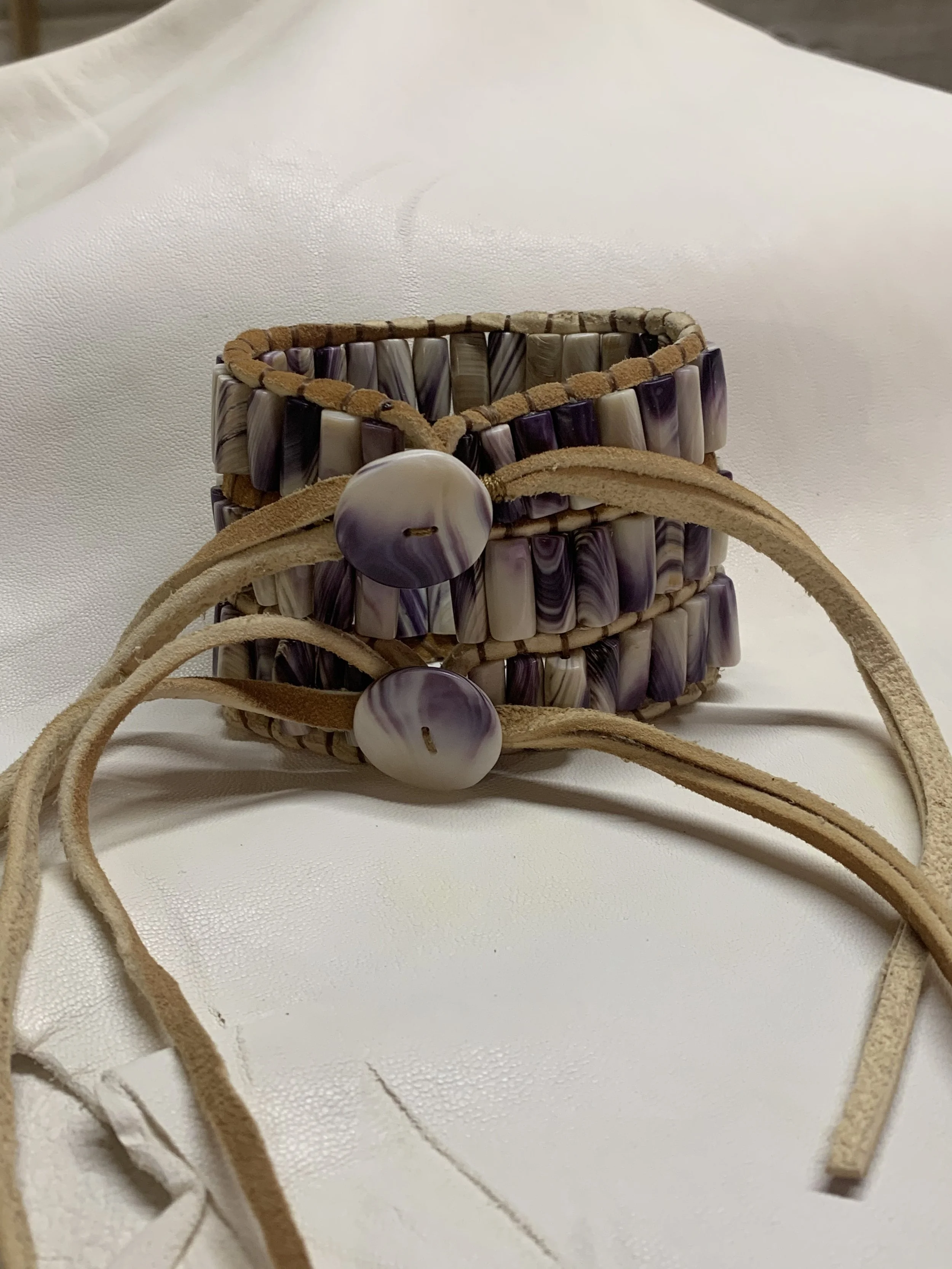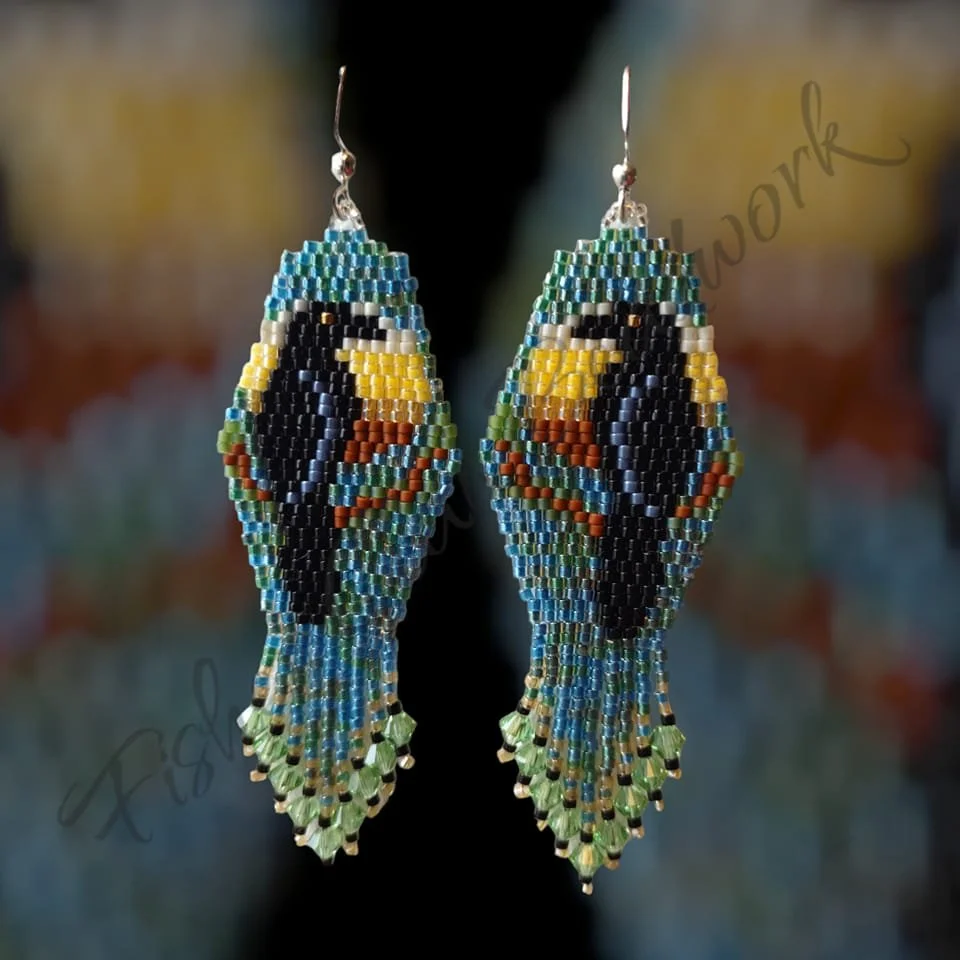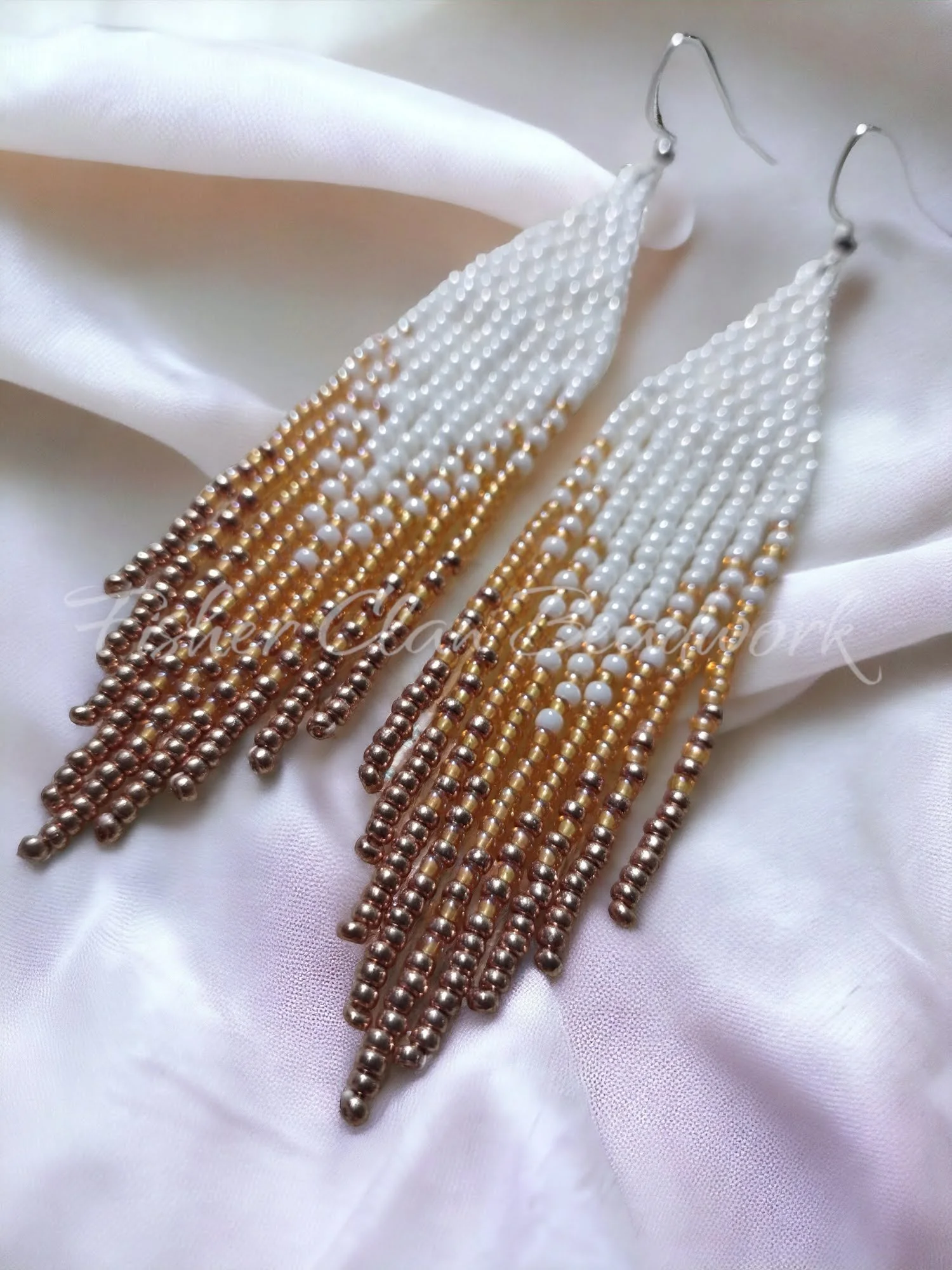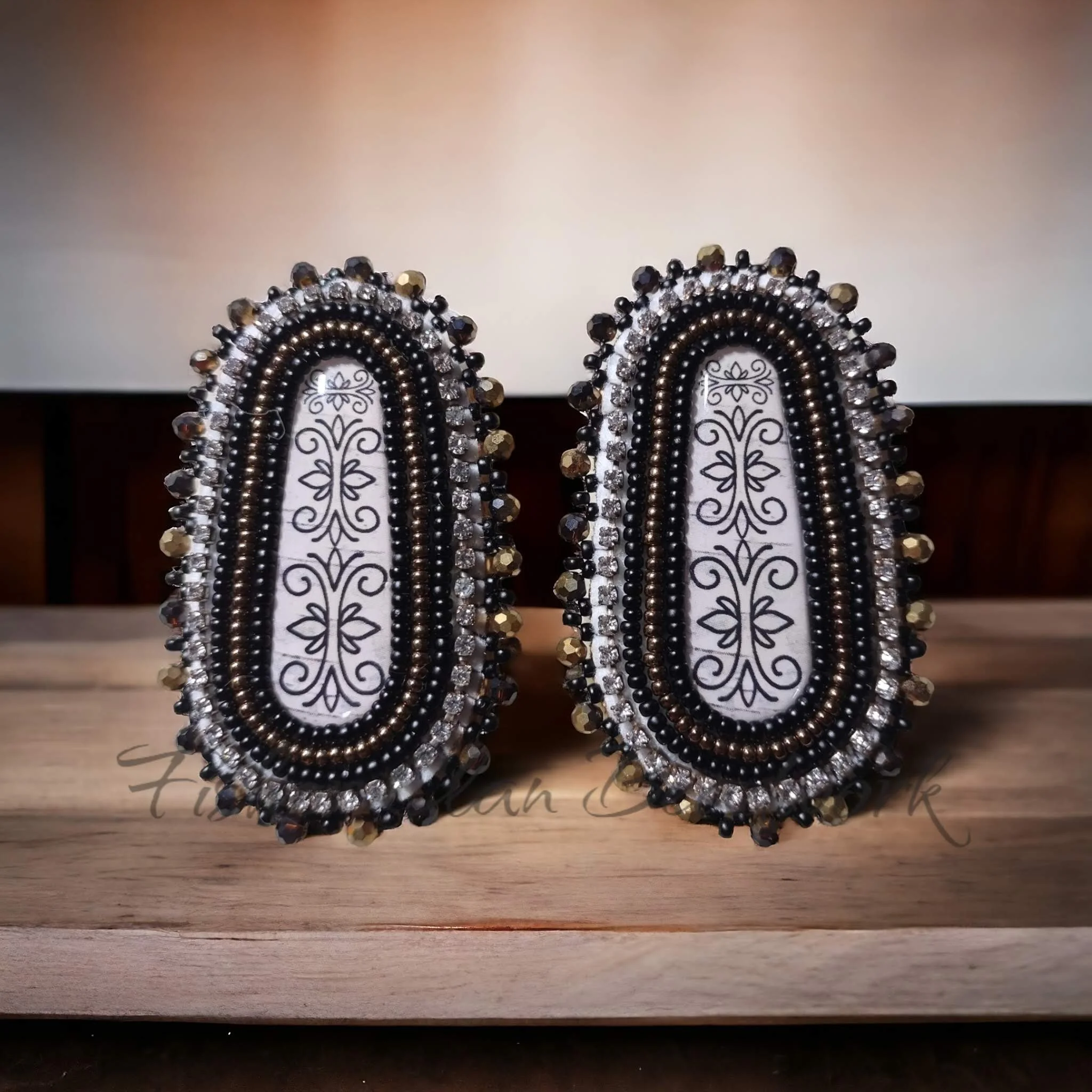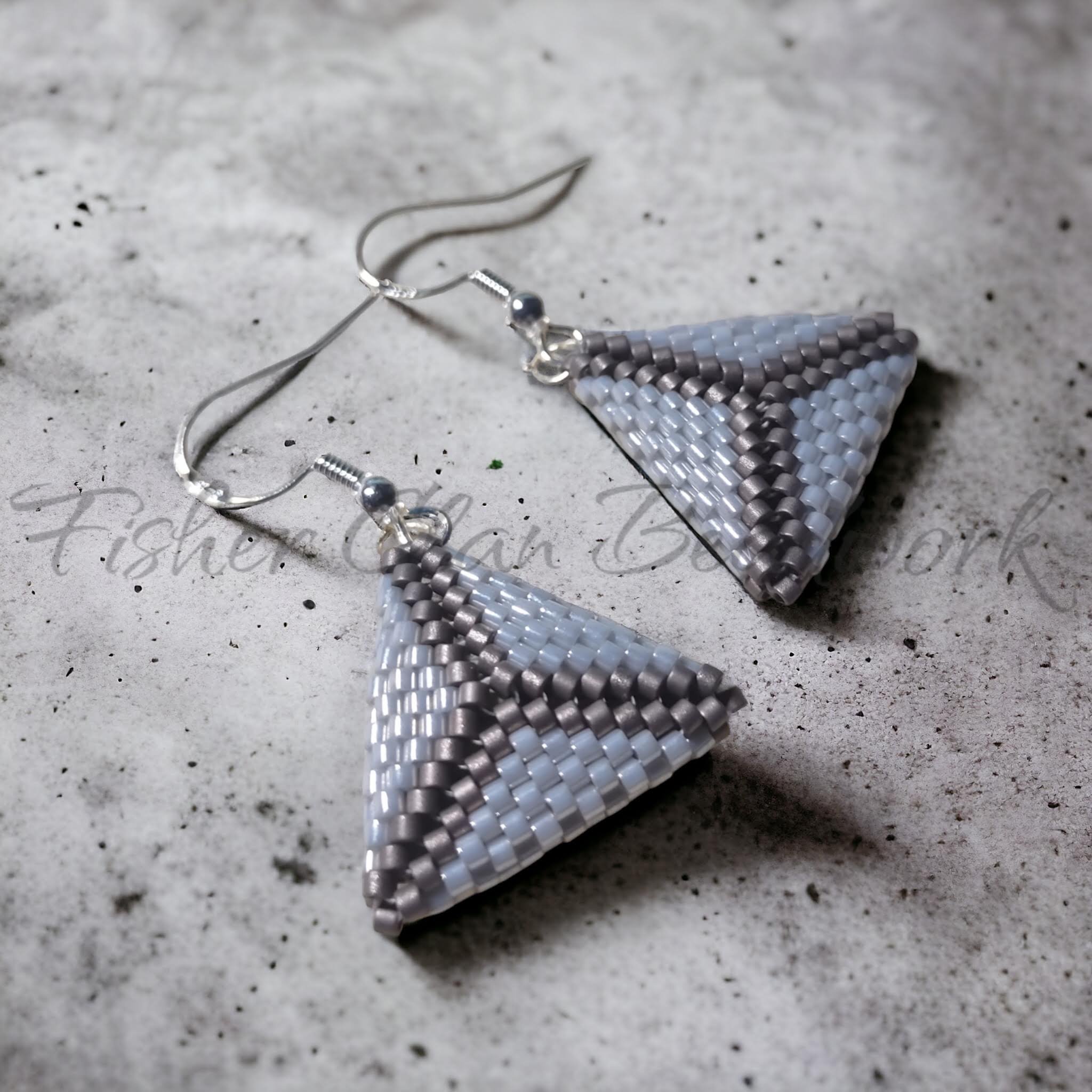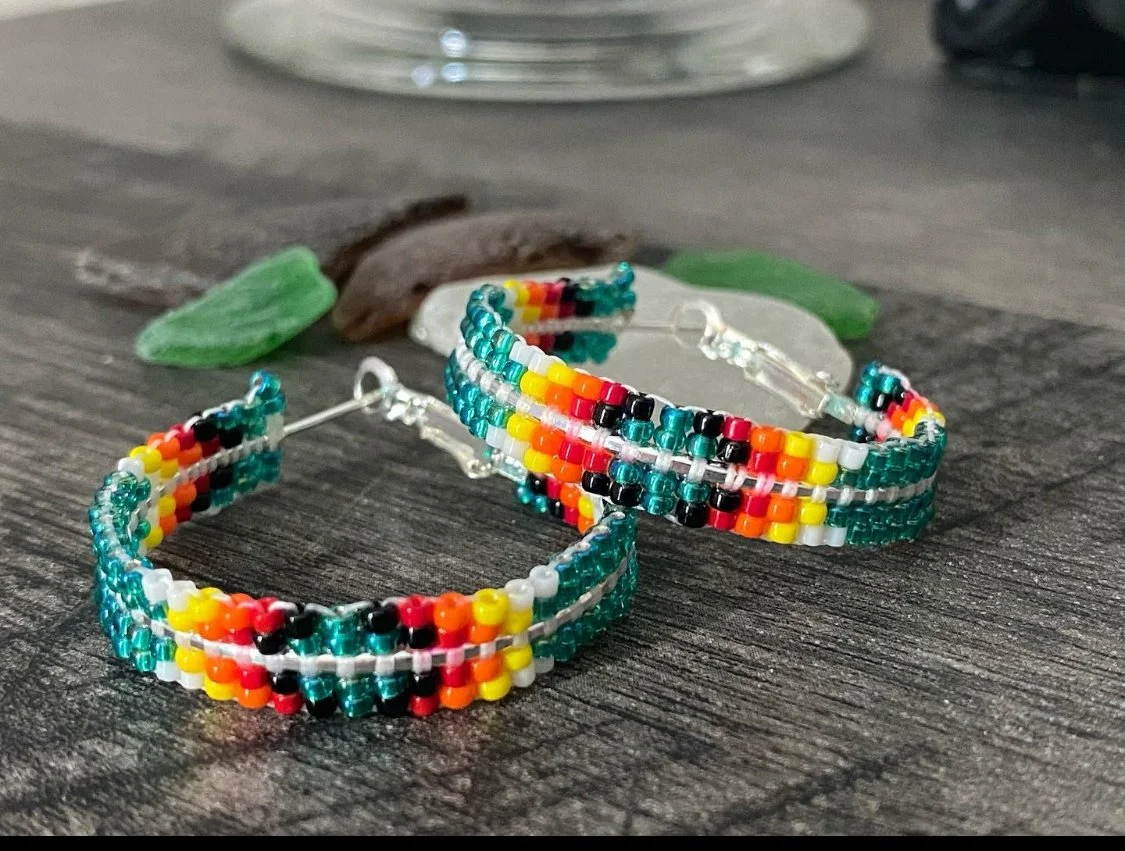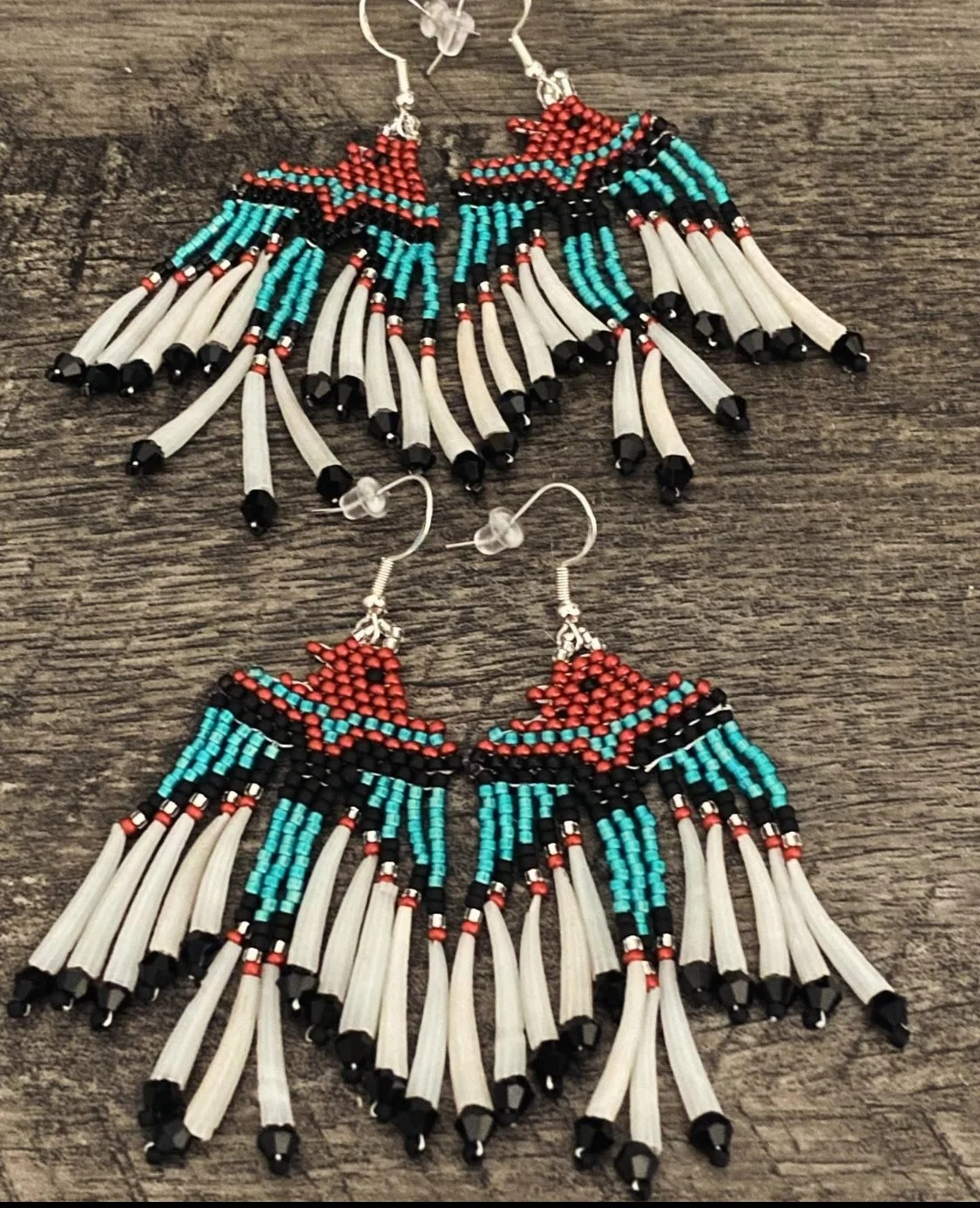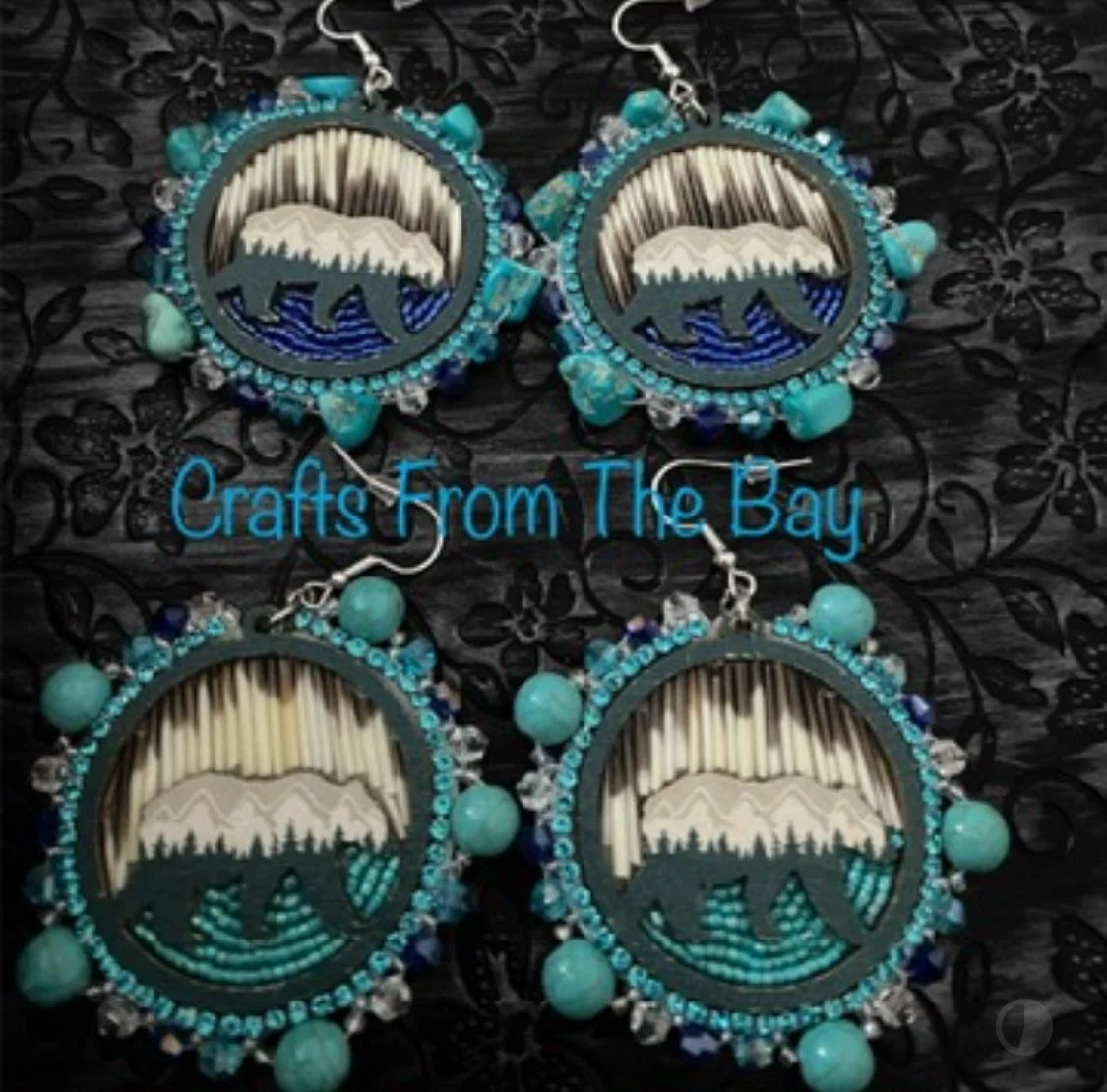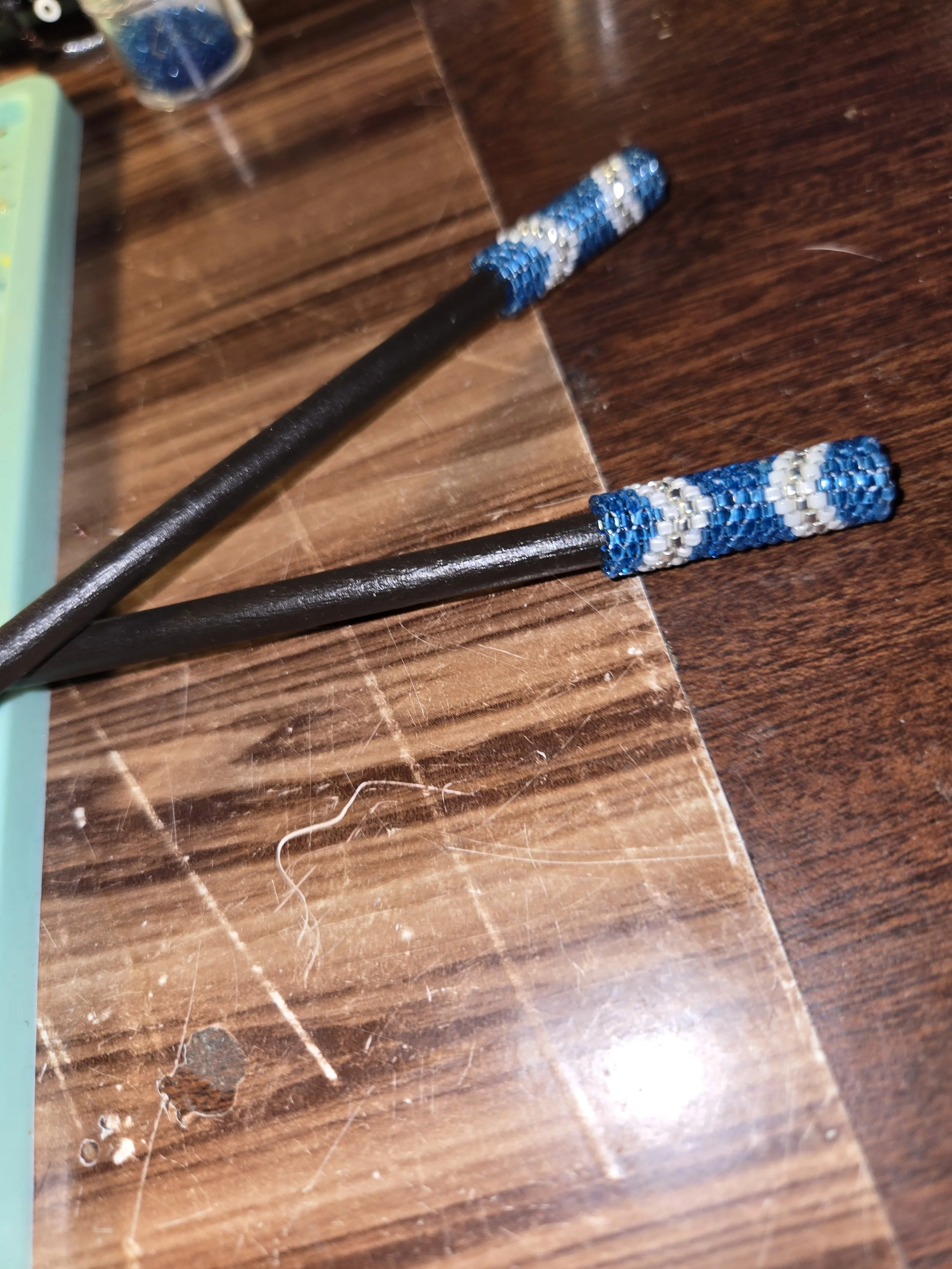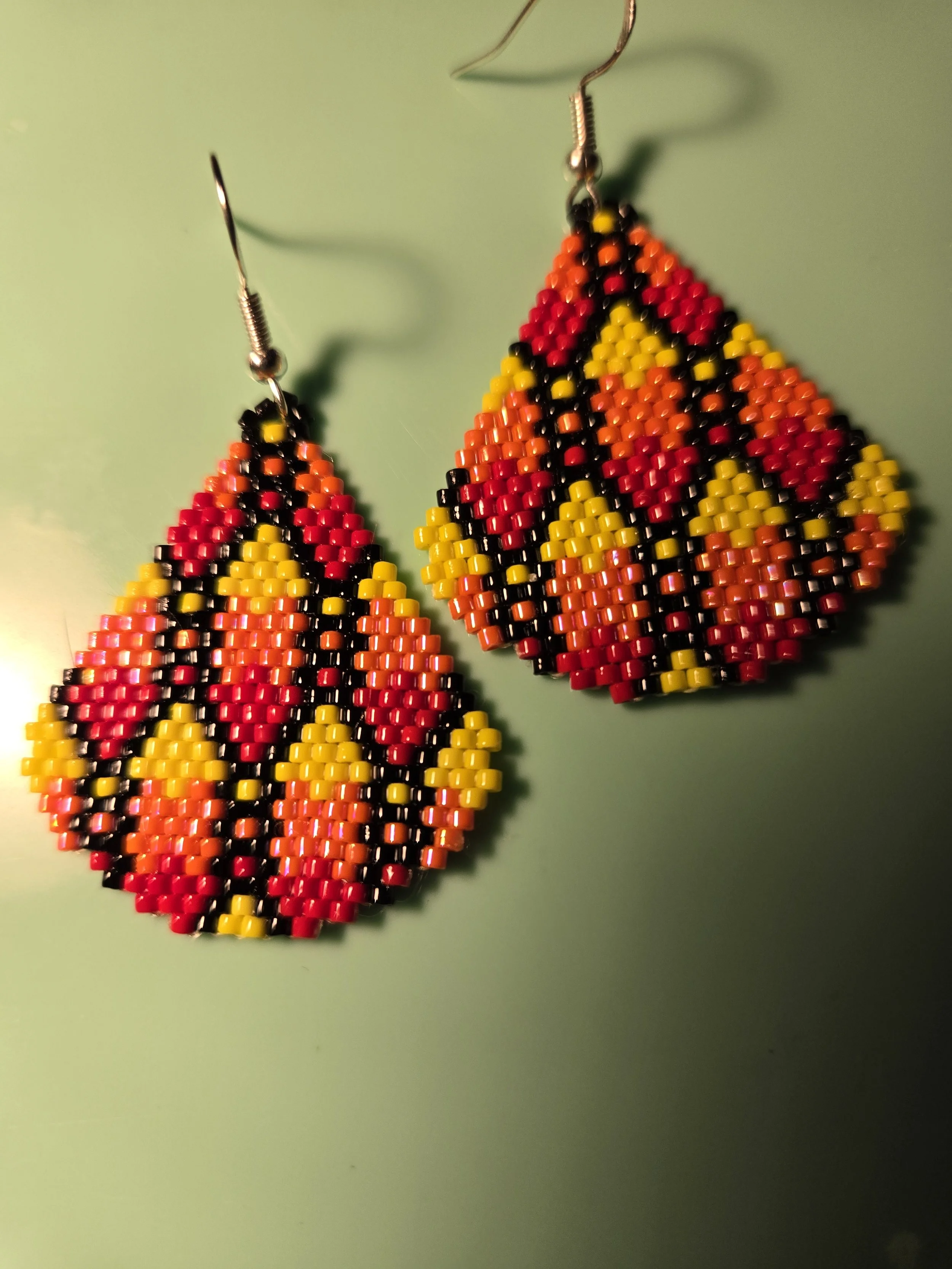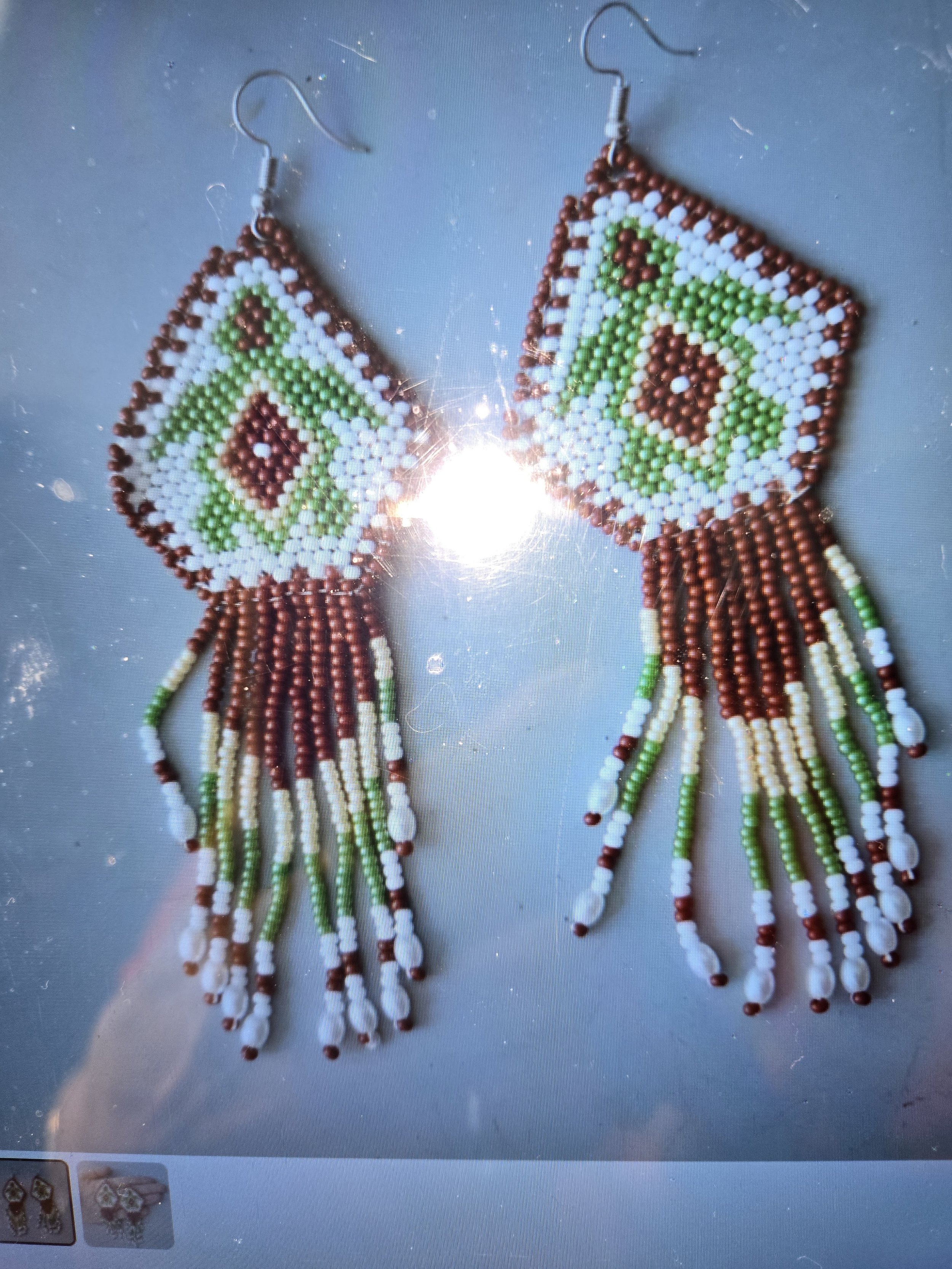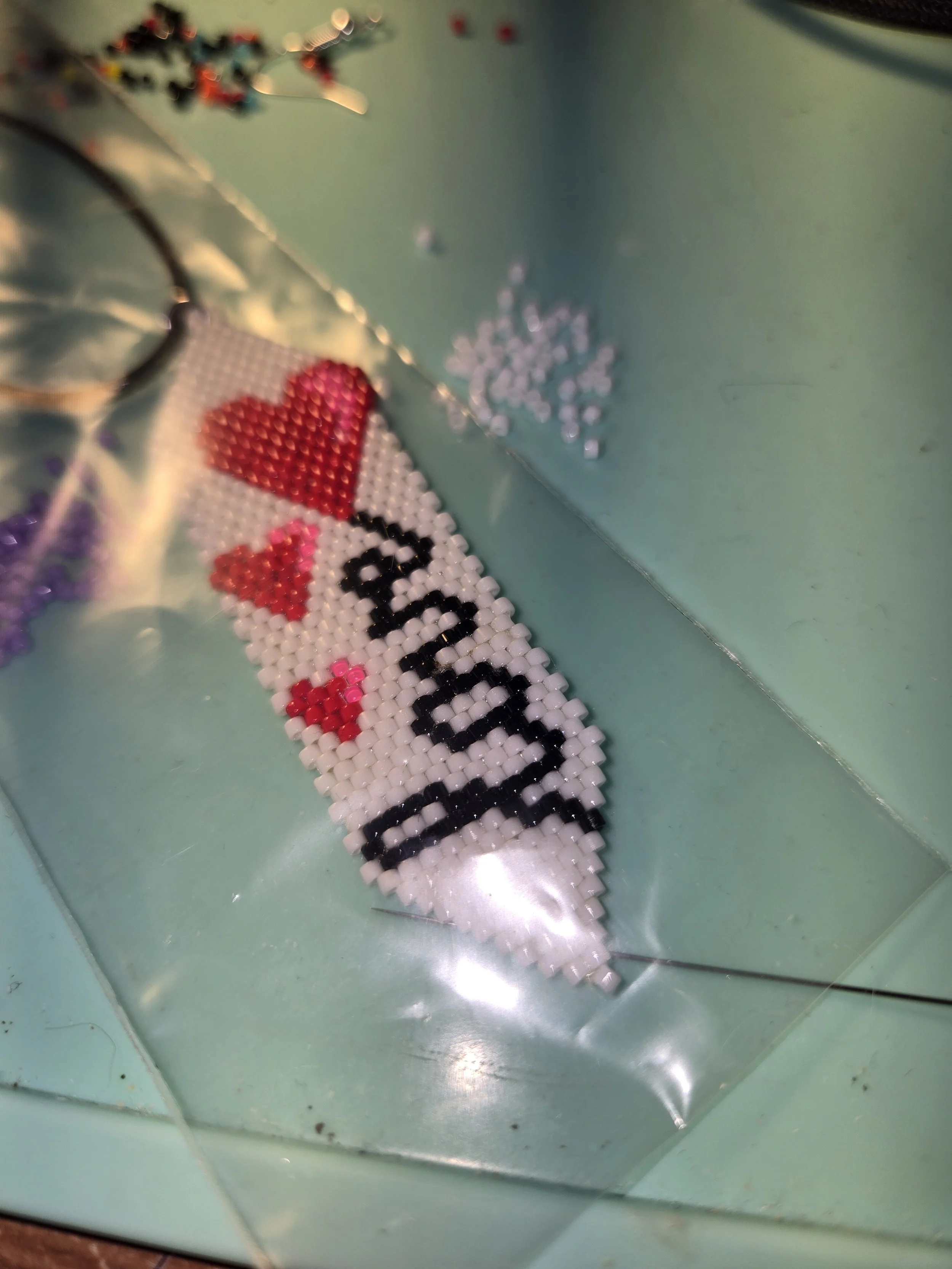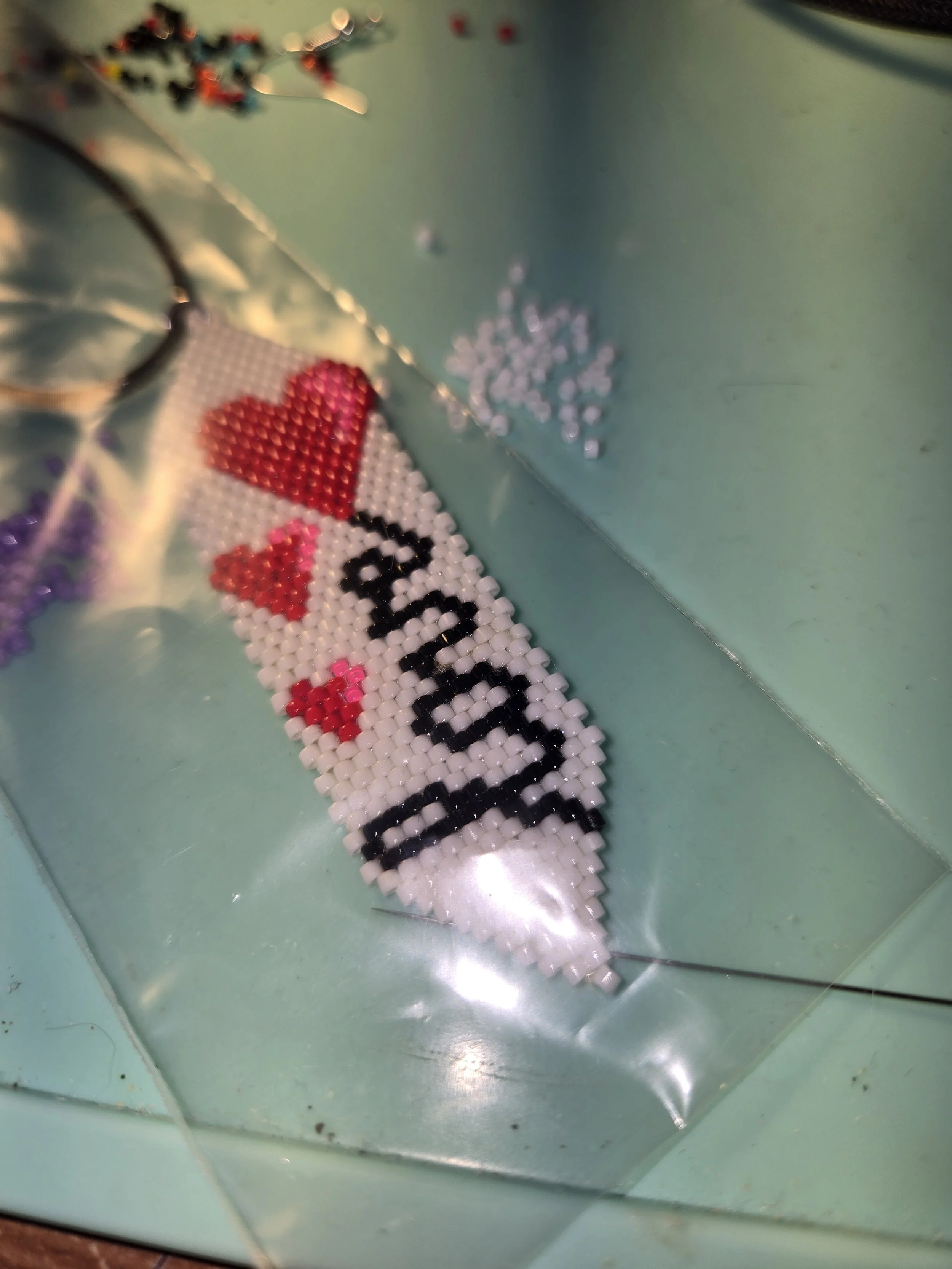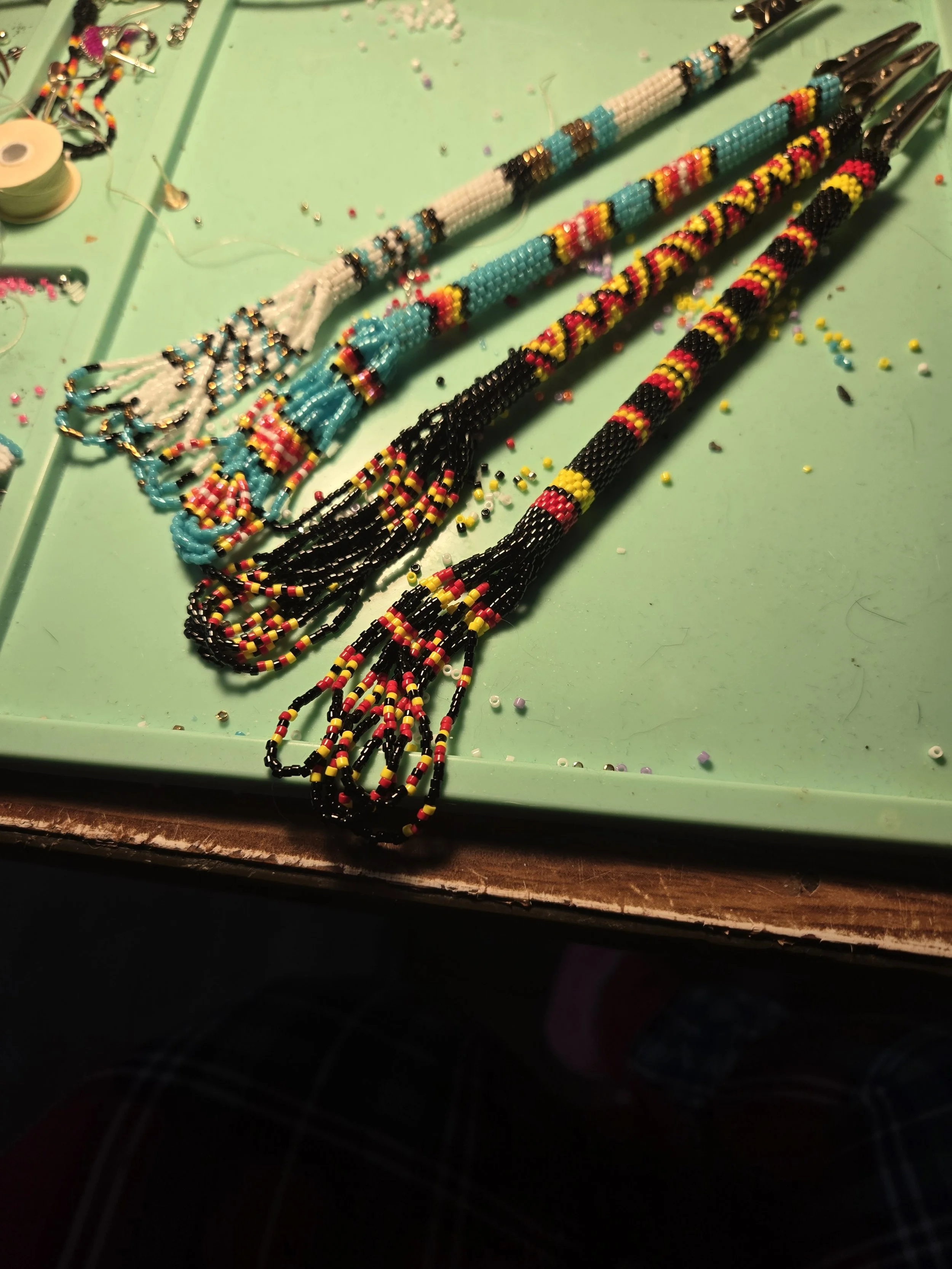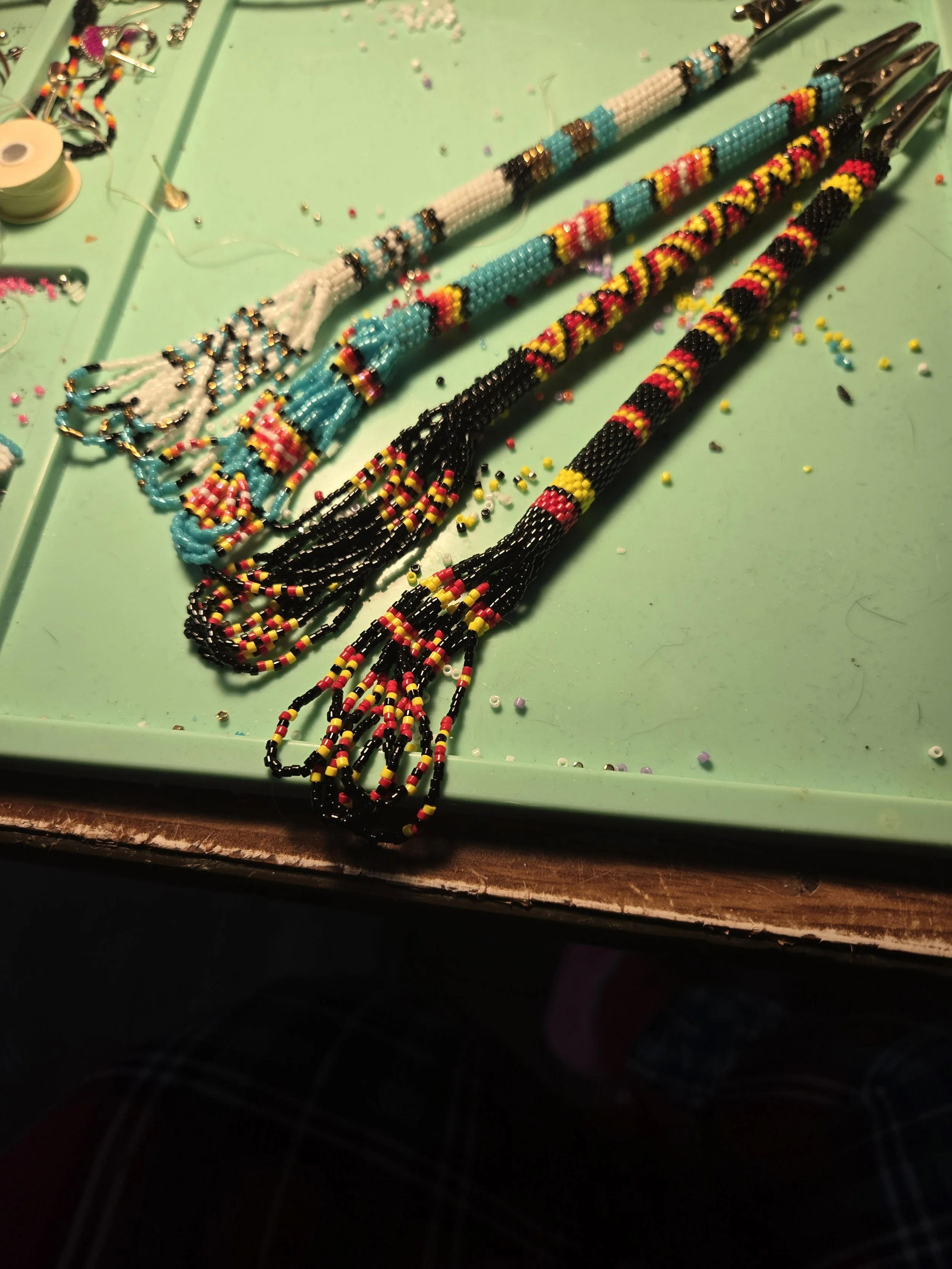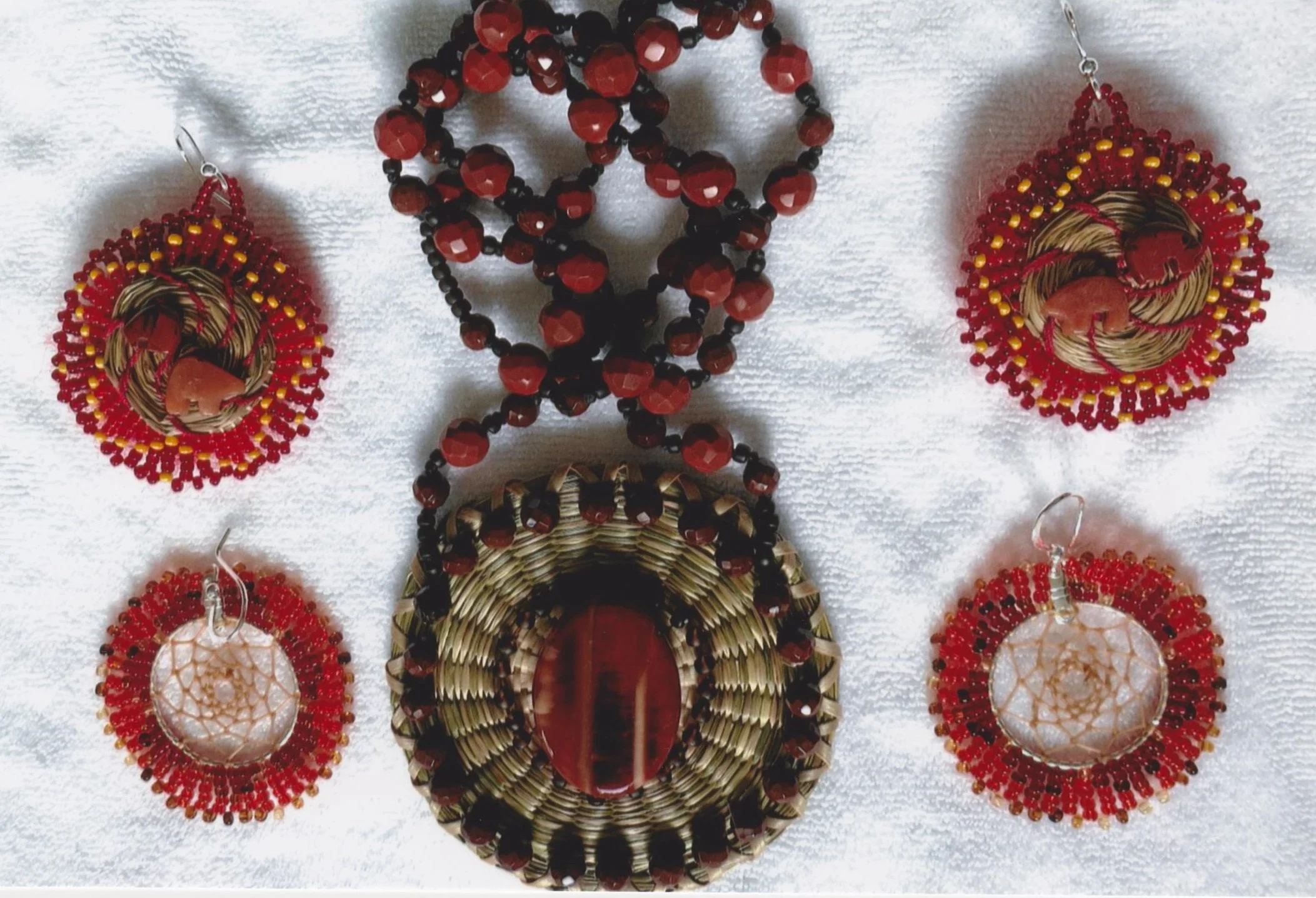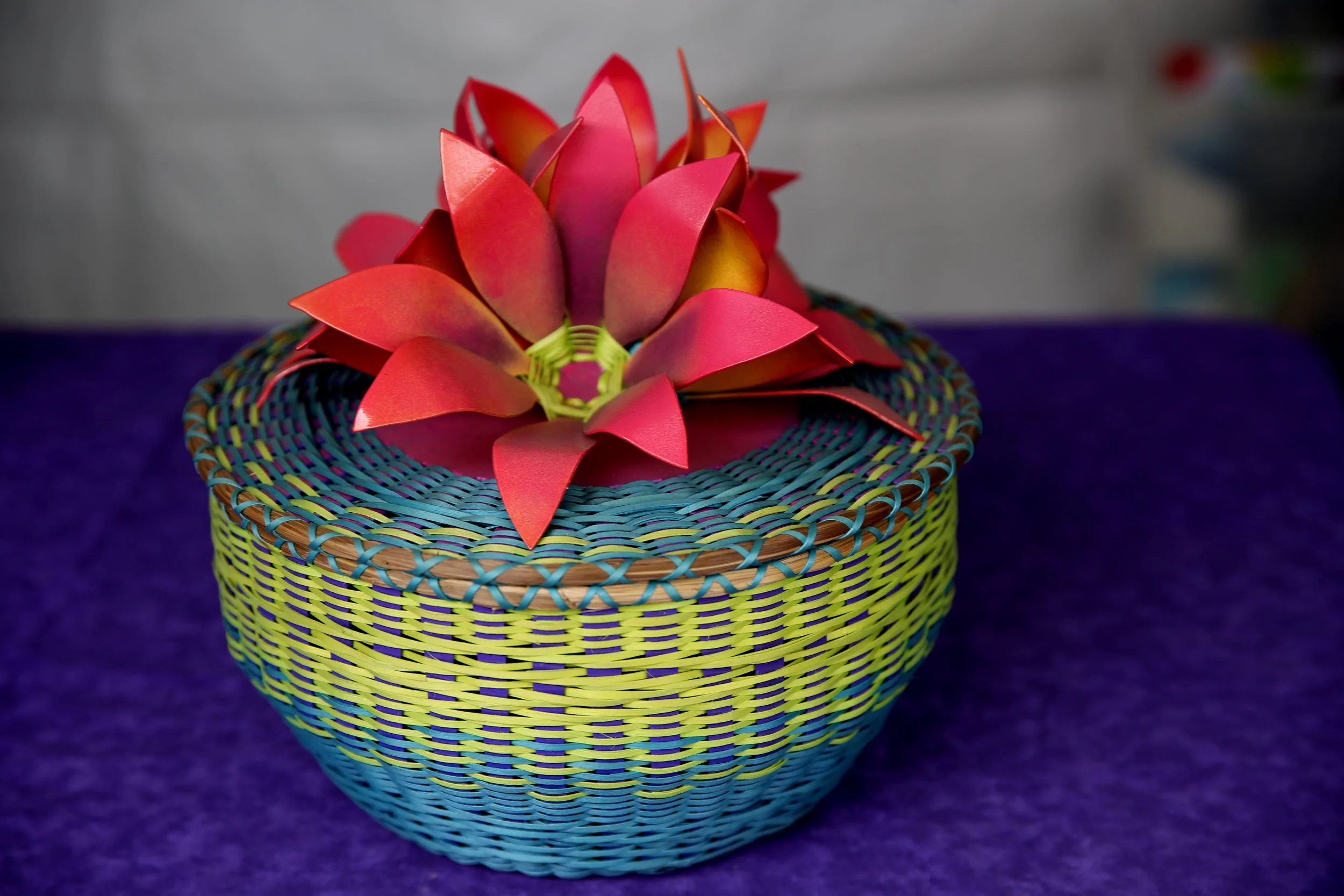
Allen Hazard
/TRIBAL AFFILIATION: Narragansett
MEDIUM: Jewelry
Panelists | Performers | Market Artists
Find market artists and participants another way:
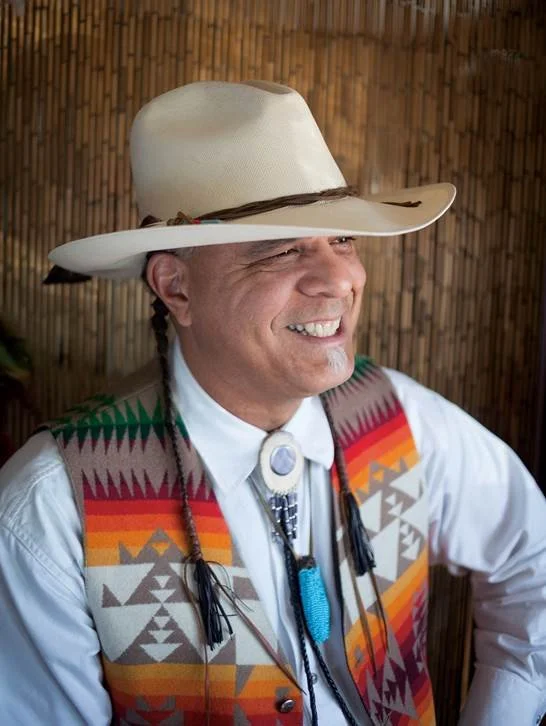
TRIBAL AFFILIATION: Narragansett
MEDIUM: Jewelry
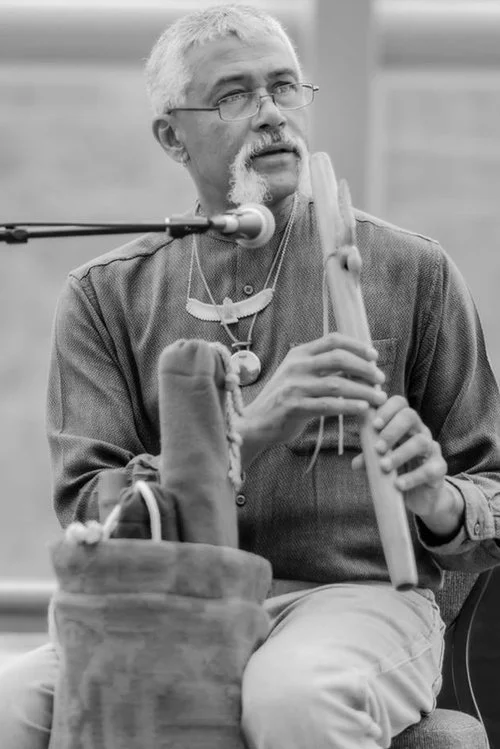
TRIBAL AFFILIATION: Chaubunagungamaug Band of Nipmuck
MEDIUM: Musician, Woodworker
ARTIST BIOGRAPHY
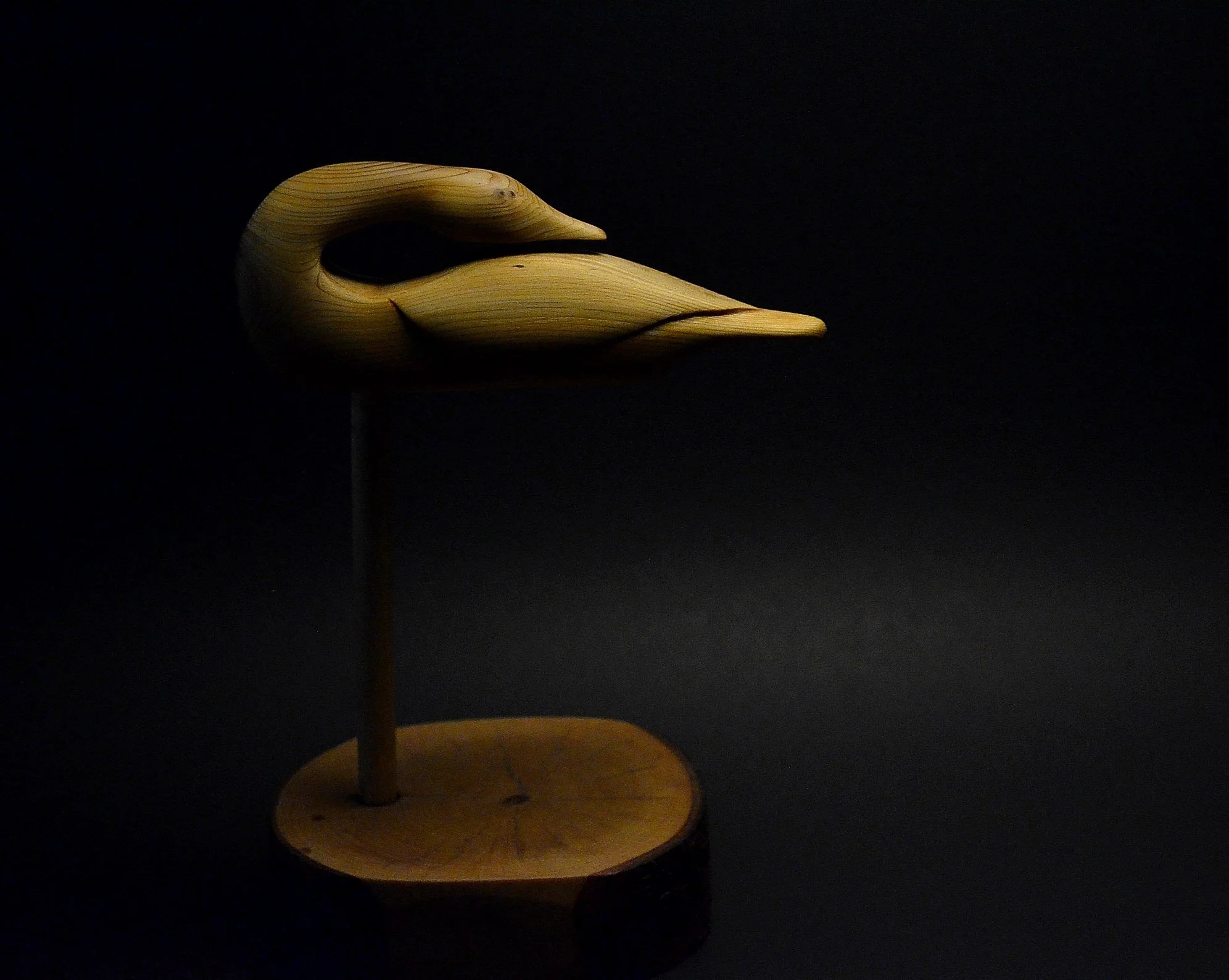
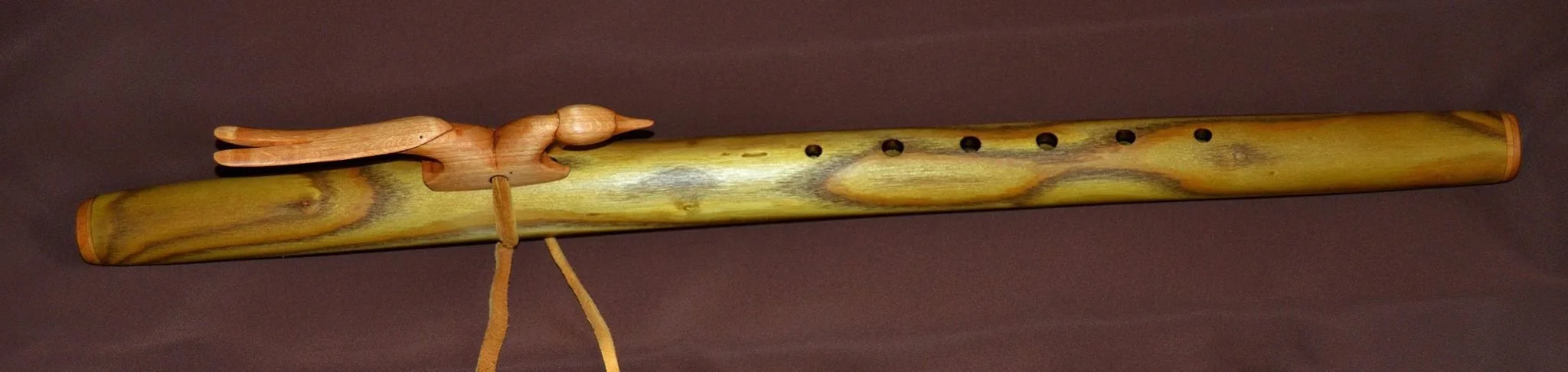
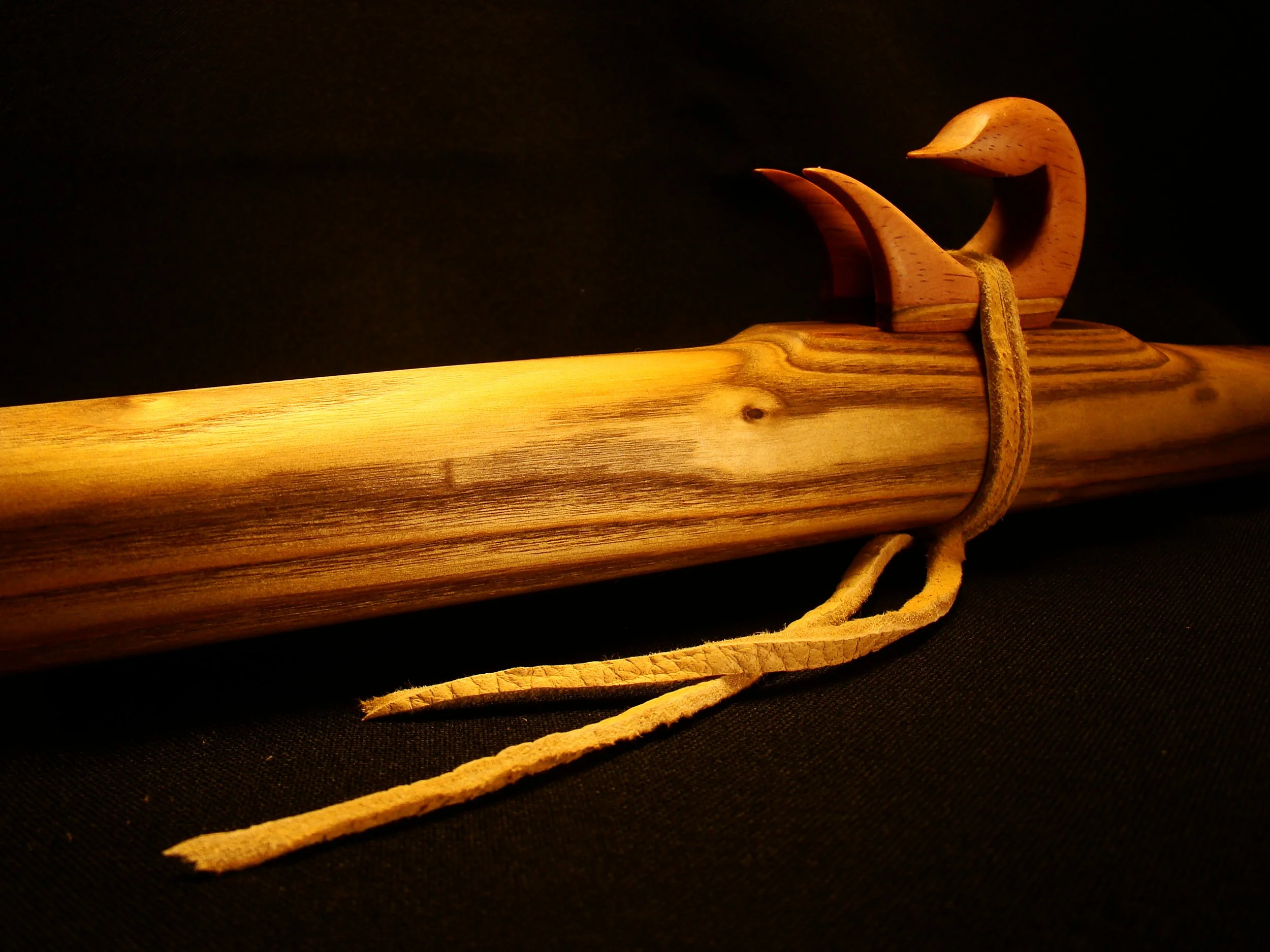
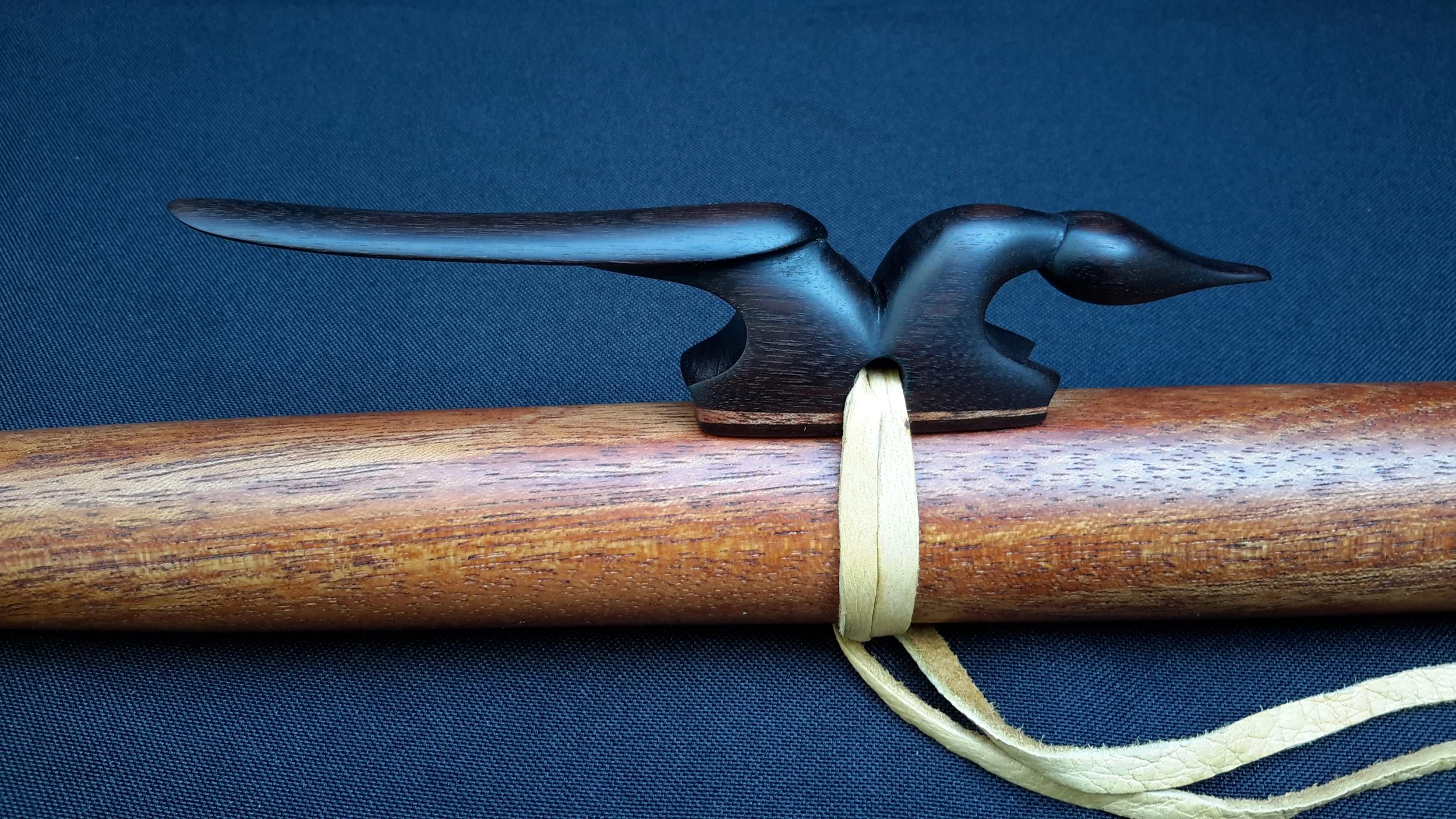
Hawk is a member of the Chaubunagungamaug band of Nipmuck, a people indigenous to what is now Southern New England. He has been composing original music and making Eastern Woodlands flutes using hand tools for over 30 years.
Hawk will play a variety of different flutes. He also enjoys sharing his experiences and perspectives about Life in hopes of acknowledging and honoring the Sacredness in each person and all cultures. He creates a calming yet engaging and contemplative space while maintaining a note of humor. His music is a reflection of thinking that we each have the capacity to make a change in the world.
Hawk has had the honor of presenting at venues such as The Smithsonian’s National Museum of the American Indian, the New Orleans Jazz and Heritage Festival, Harvard Medical School Graduation, and in the U.K. with the London Mozart Players. He also enjoys educational settings from kindergarten to university and small venues where he can engage the audience in dialogue.
As a seasoned flute maker, Hawk has flutes all over the world and in several museums. He has three original CD's; First Flight, Keeping the Fire and Voices. He is also featured on the compilation CD Tribal Winds. His music has been used in a variety of films and documentaries, some of which won or were nominated for Emmy awards.
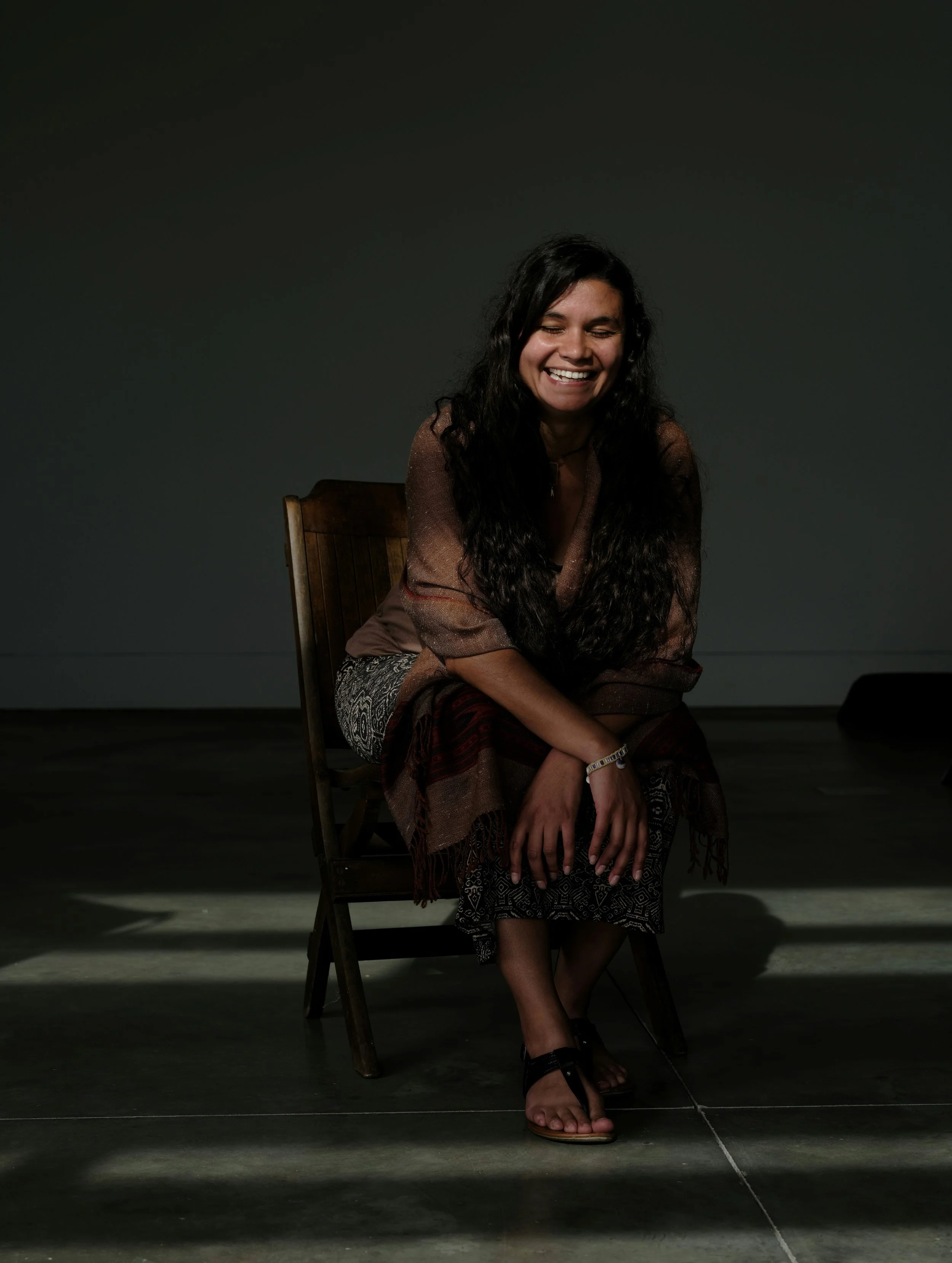
TRIBAL AFFILIATION: Chaubunagungamaug Band of Nipmuck
MEDIUM: Pyrography, Birchbark
ARTIST BIOGRAPHY
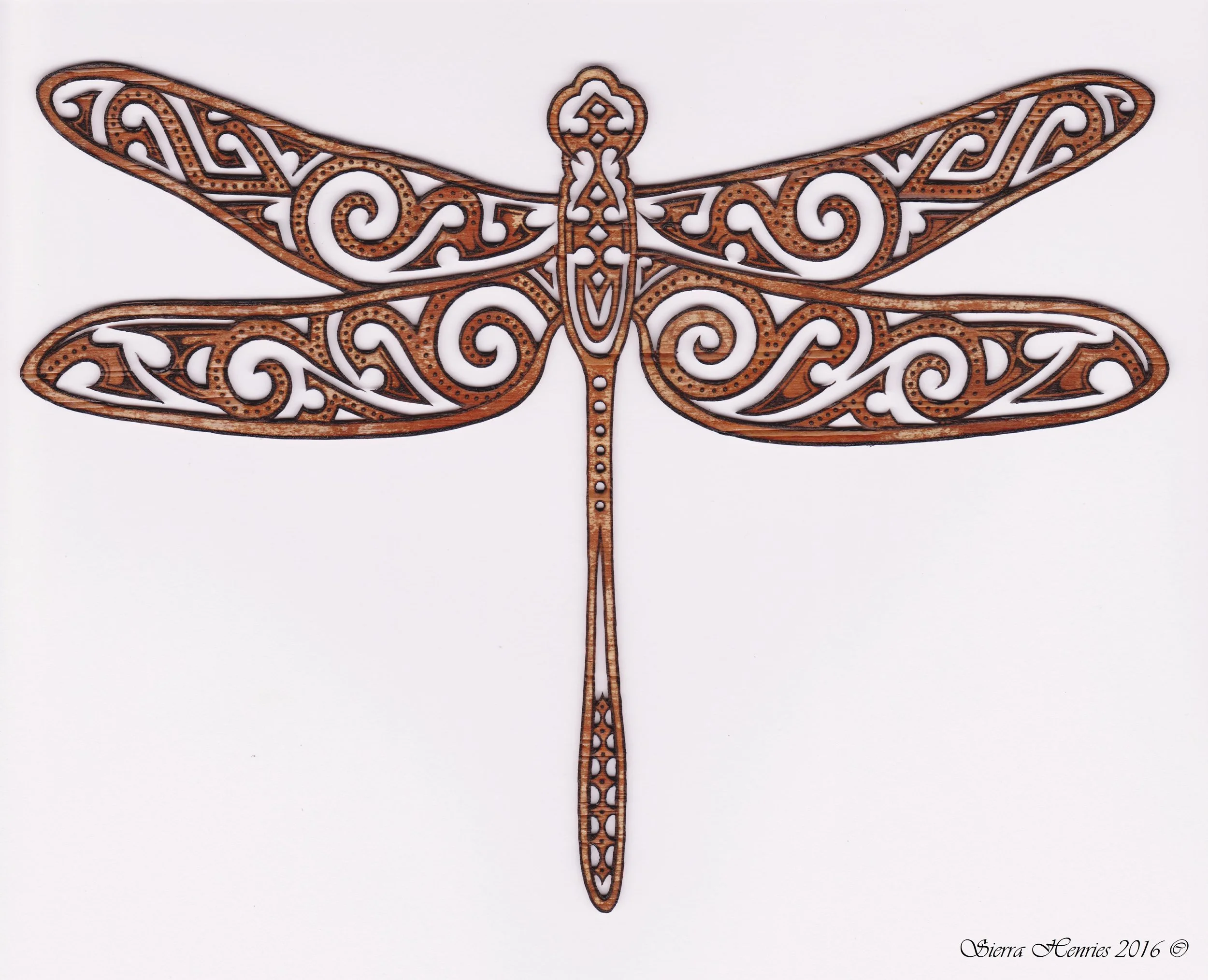
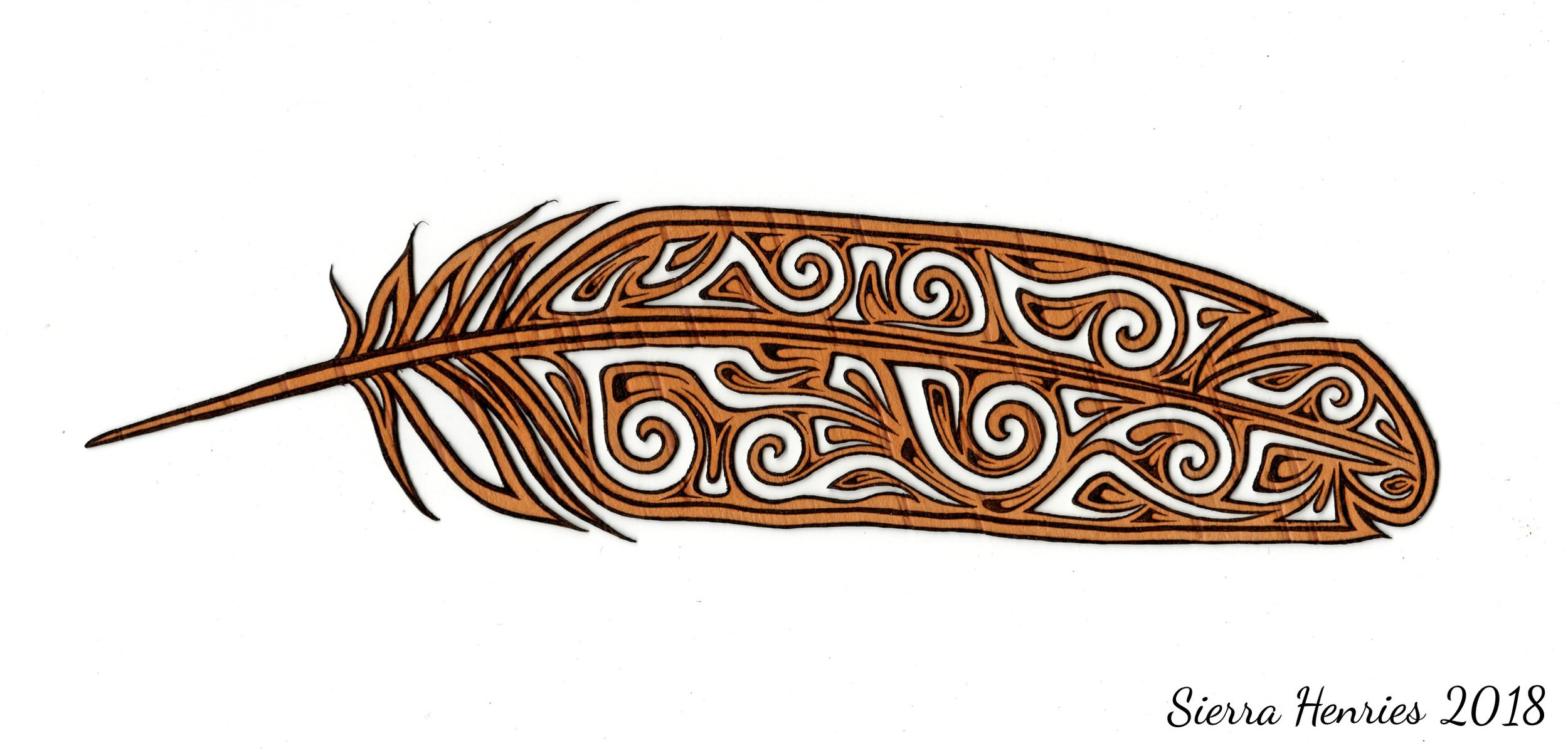
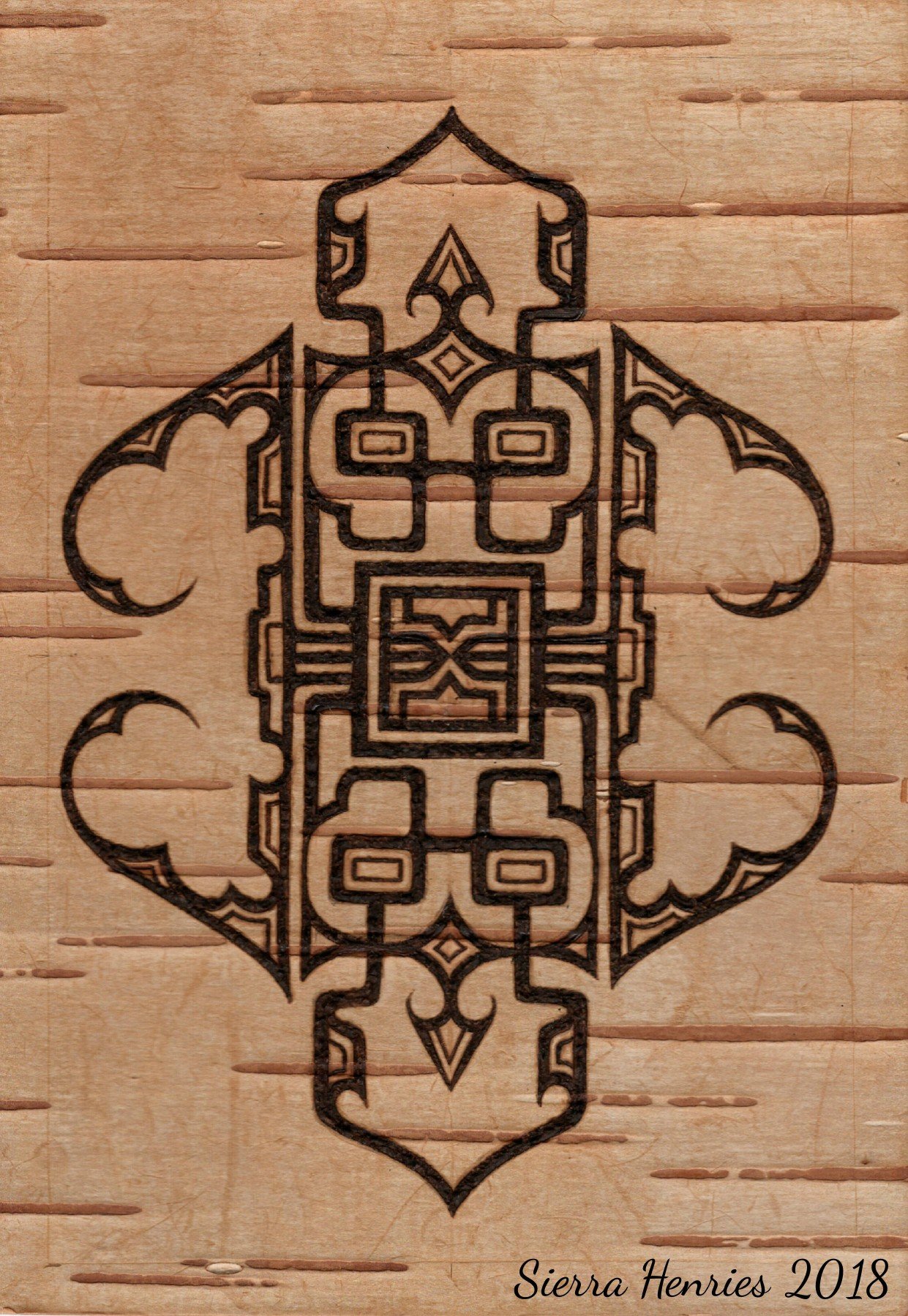
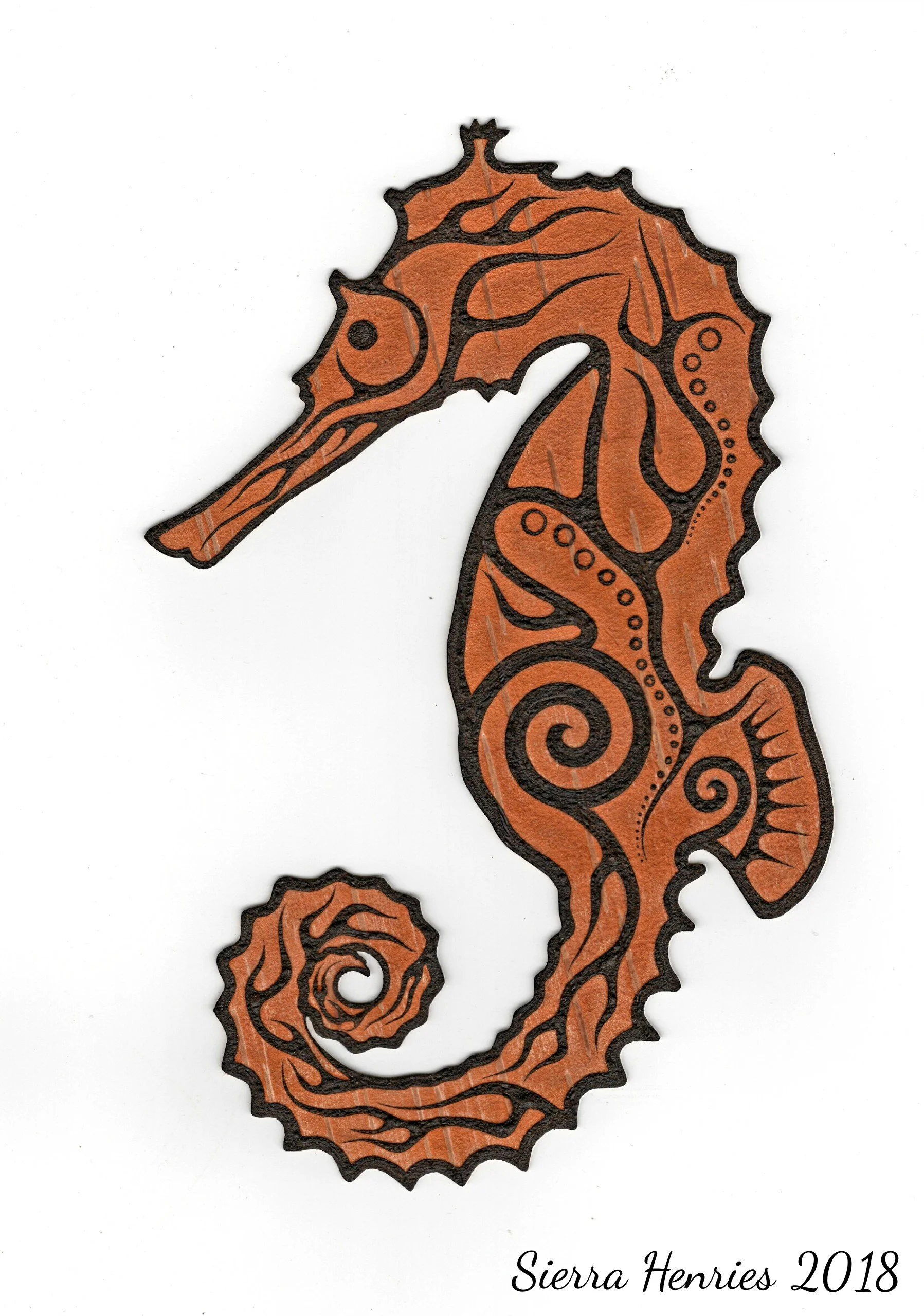
Sierra Autumn Henries has been a multimedia artist for over thirty years and is a member of the Chaubunagungamaug band of Nipmuck (MA) living at the intersection of Passamaquoddy and Penobscot homelands. She and her family care for land and their home in a place that rests at the feet of both Schoodic and Black mountains, and sits alongside Flanders stream, which flows only a short distance to the ocean waters of Flanders Bay.
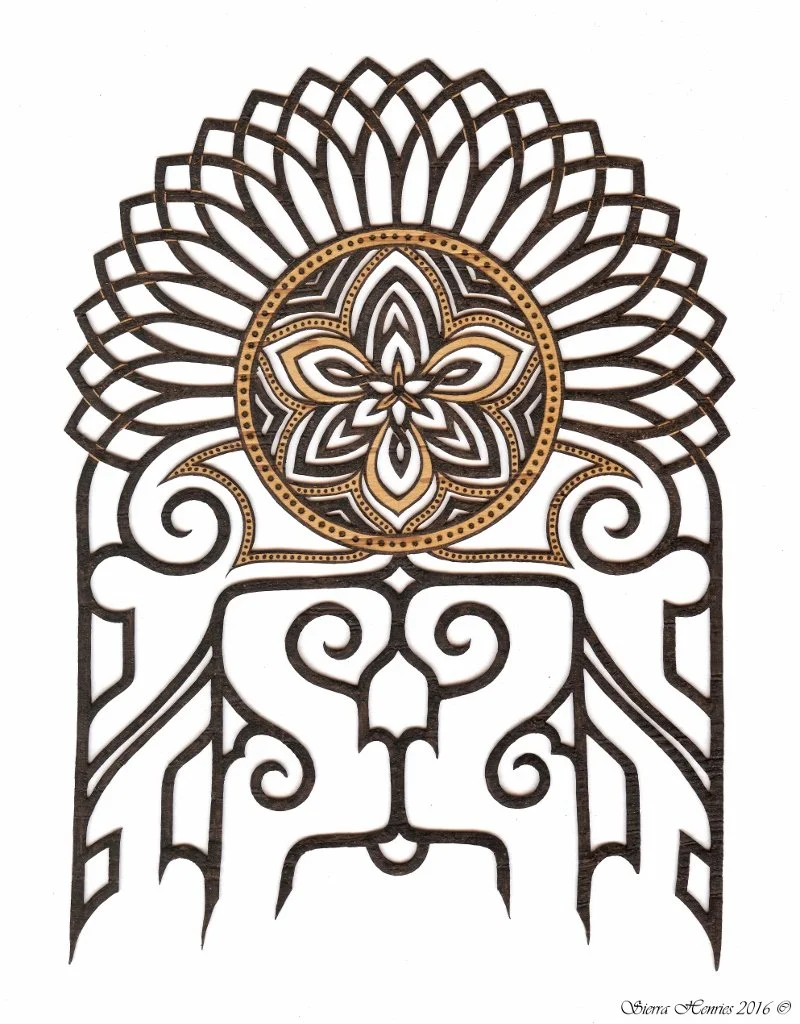
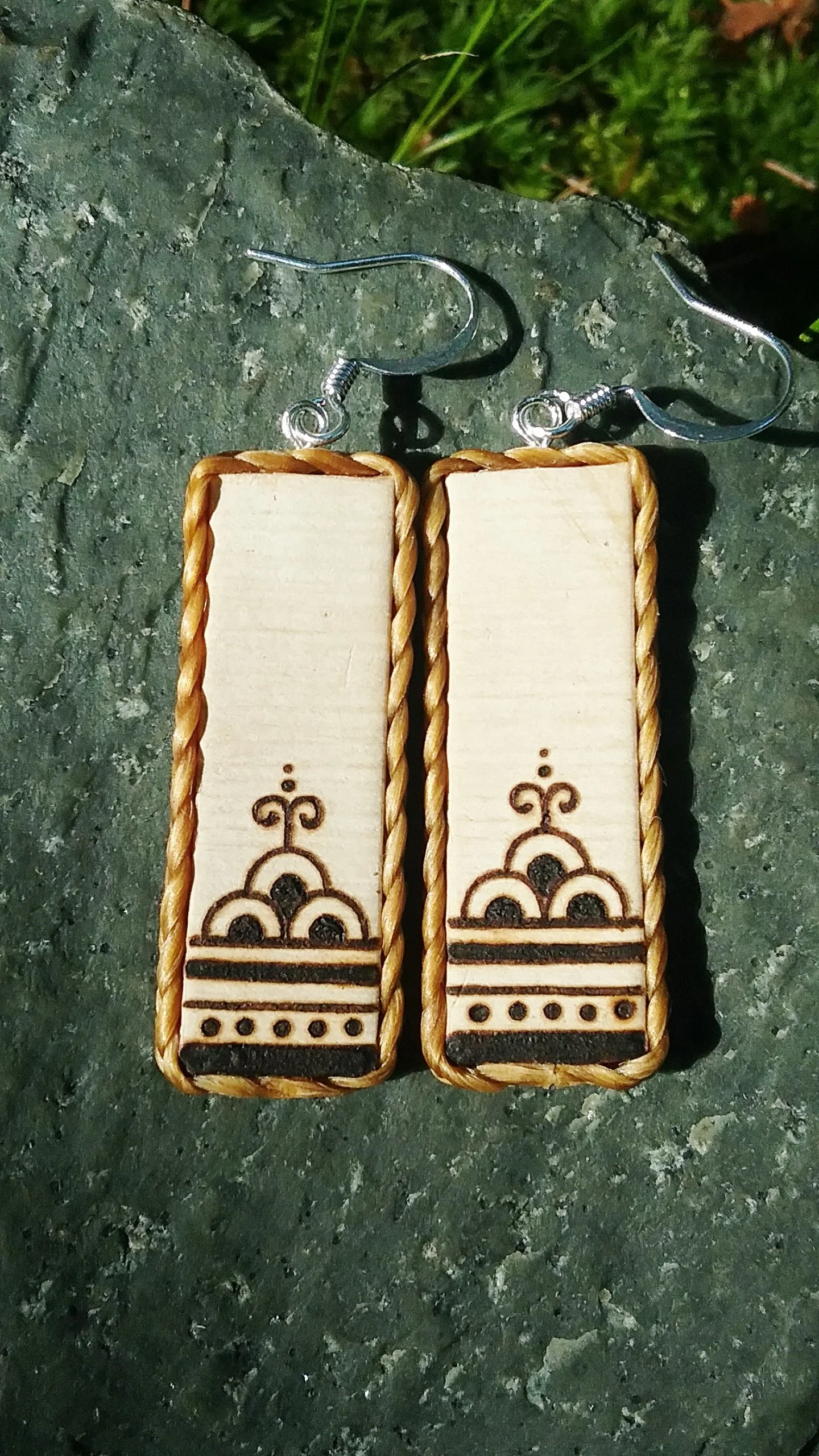
Consisting primarily of pyrography and birch bark, her art endeavors to honor the beauty of natural color and form while incorporating line work that lives harmoniously with the material. Her Eastern Woodlands culture plays a role in all aspects of her artistic process - from mindset and approach while gathering bark, to the creation and completion of a design. Each piece is meticulously cut, sketched, and burned free-hand, no stencils are used. Every piece of art is unique and comes into being with their own story.
Through intentional process and a reflection of her relationship with land and community (both human and otherwise), Sierra hopes that her art will foster conversation and connection with nature, as well as sparking an interest in others to explore their own creative-self expression.
Her parents are Lisa and Hawk (flutemaker), her sister is Sequan, and her grandparents are Jayne, and Donald who journeyed 2023; Carol, and Little Crow who journeyed 2012; and Theresa Coates.
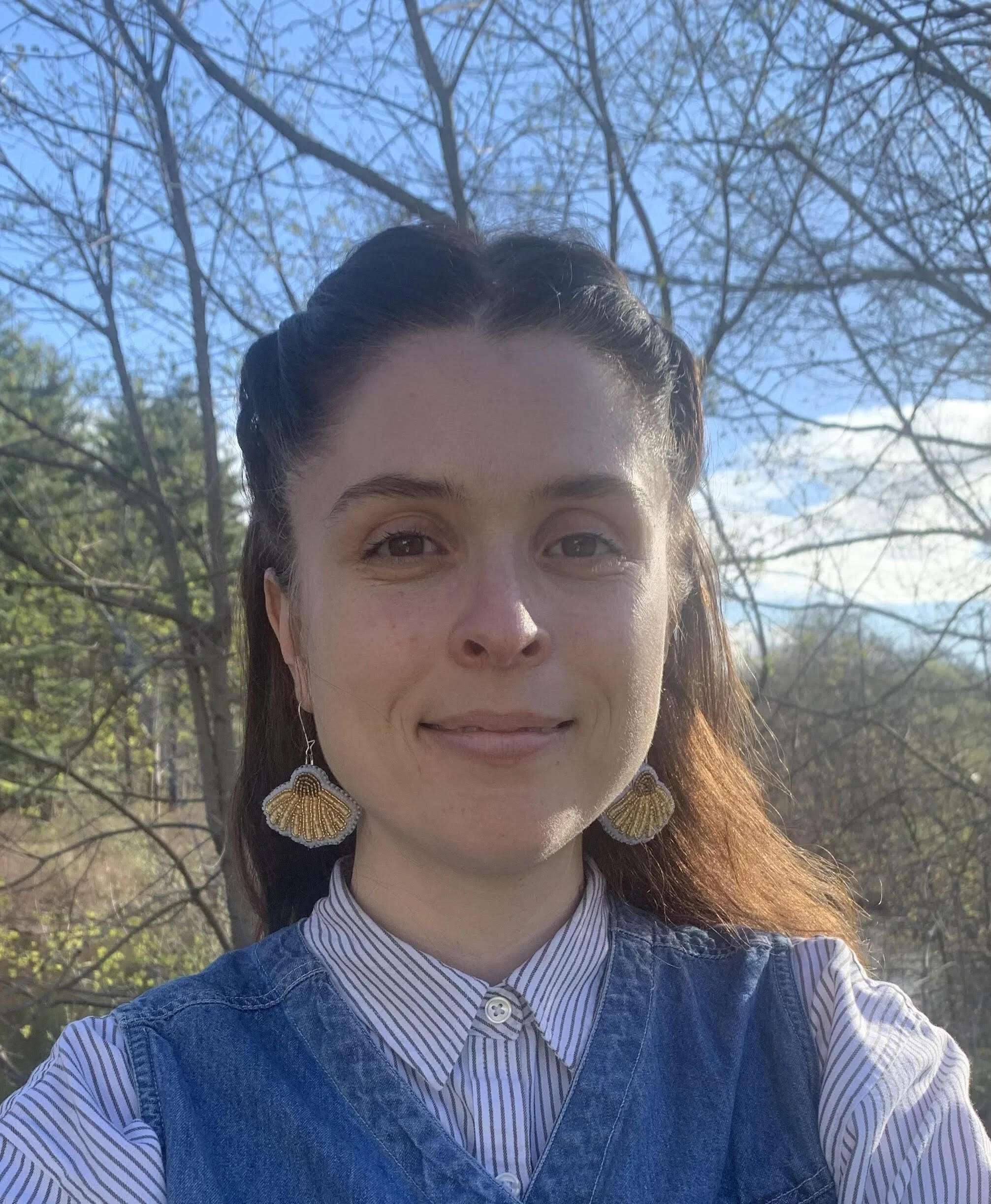
TRIBAL AFFILIATION: Cherokee Nation
PANEL TITLE: Centering Wabanaki Voices in America's 250th
BIOGRAPHY
Siera Hyte is an enrolled member of the Cherokee Nation. She is an artist, a writer, and the inaugural Schiller Family Curator of Indigenous American Art at the Virginia Museum of Fine Arts in Richmond, Virginia. Hyte formerly held the role of Manager of Programs and Fellowships at the Lunder Institute for American Art and Assistant Curator of Modern and Contemporary Art at the Colby Museum in Waterville, Maine. Her background in education includes working as a museum educator at the Missoula Art Museum, as a Lecturer at the University of Texas at Austin, and as a K-6 art teacher.

TRIBAL AFFILIATION: Penobscot
MEDIUM: Beadwork
ARTIST STATEMENT
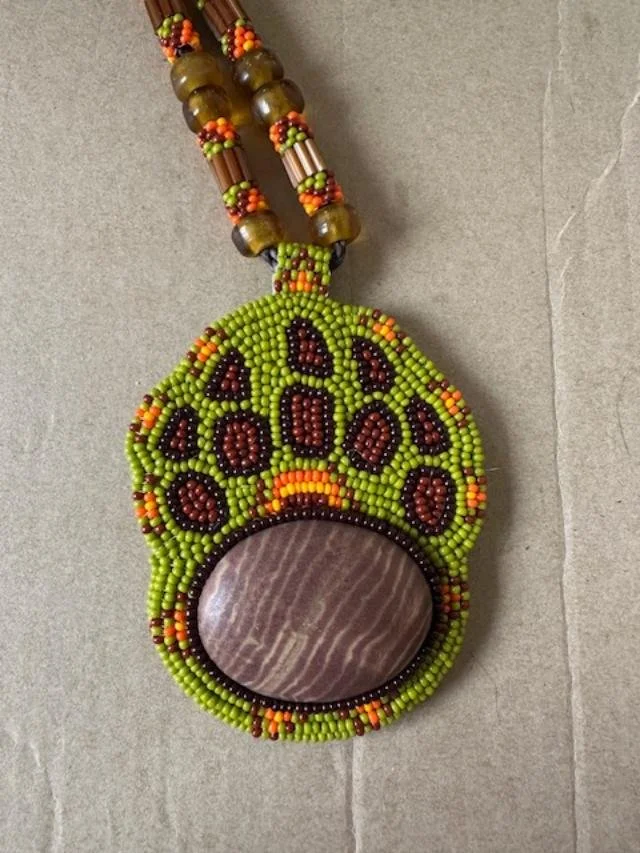
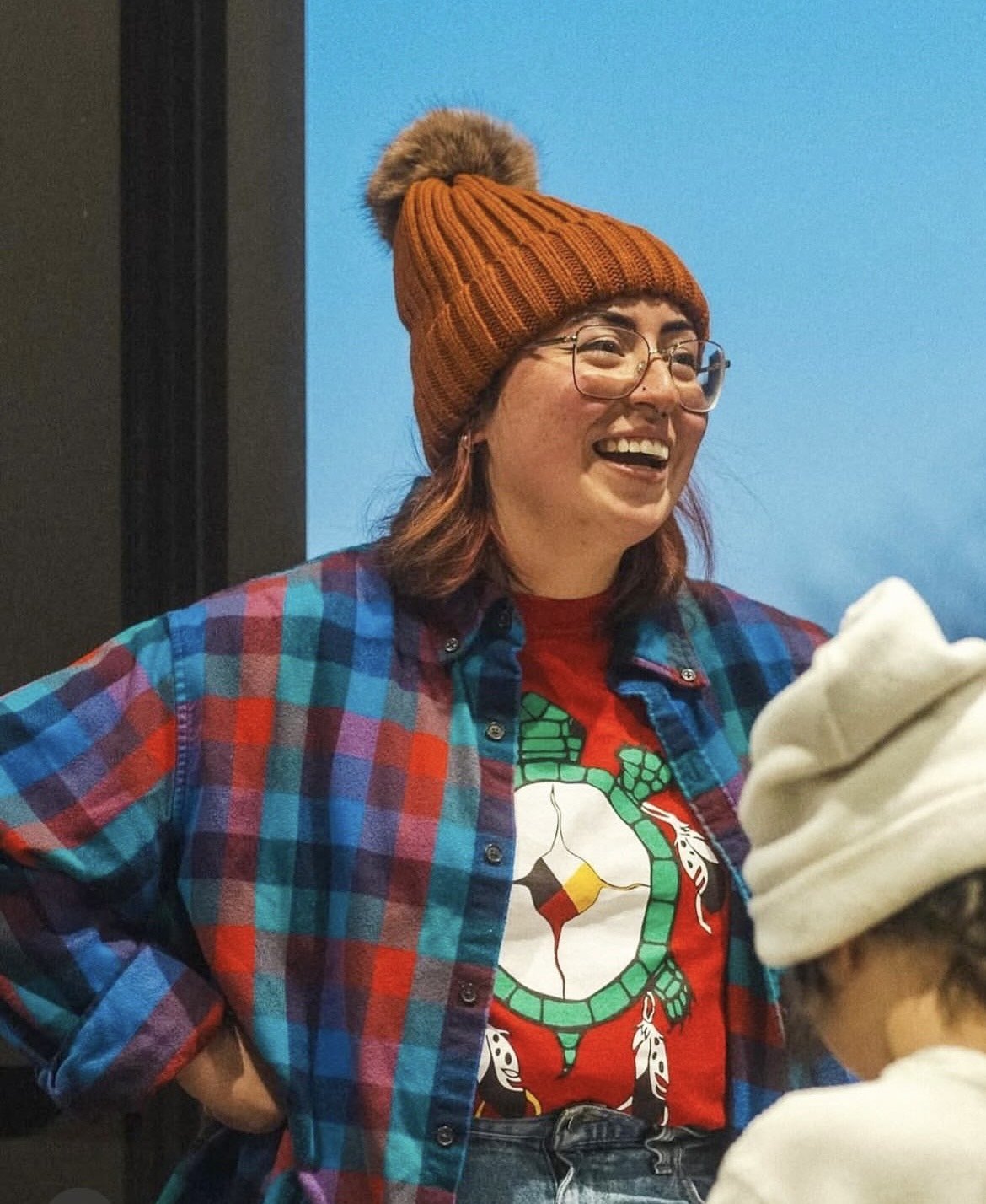
I am a tribal citizen of the Penobscot Nation. I learned to bead on Indian Island as a teenager. As an Indigenous woman born on Earth Day, I have a deep connection with nature and an inherent responsibility to do my part to help protect the planet. I sometimes use recycled and upcycled materials in my work which helps to reduce my footprint.
TRIBAL AFFILIATION: Listuguj Mi'gmaq First Nation
MEDIUM: Painting/Illustration
BIOGRAPHY
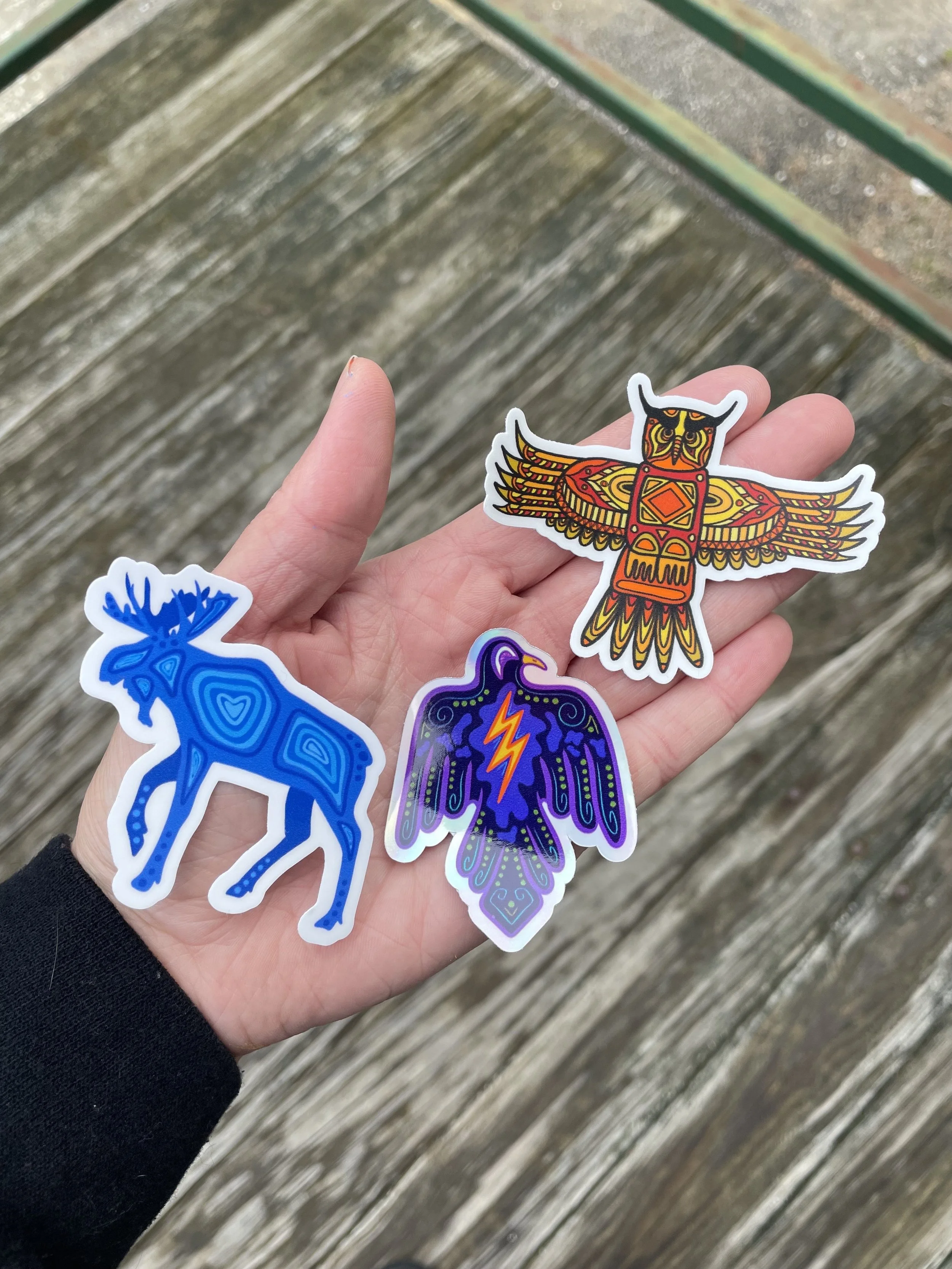
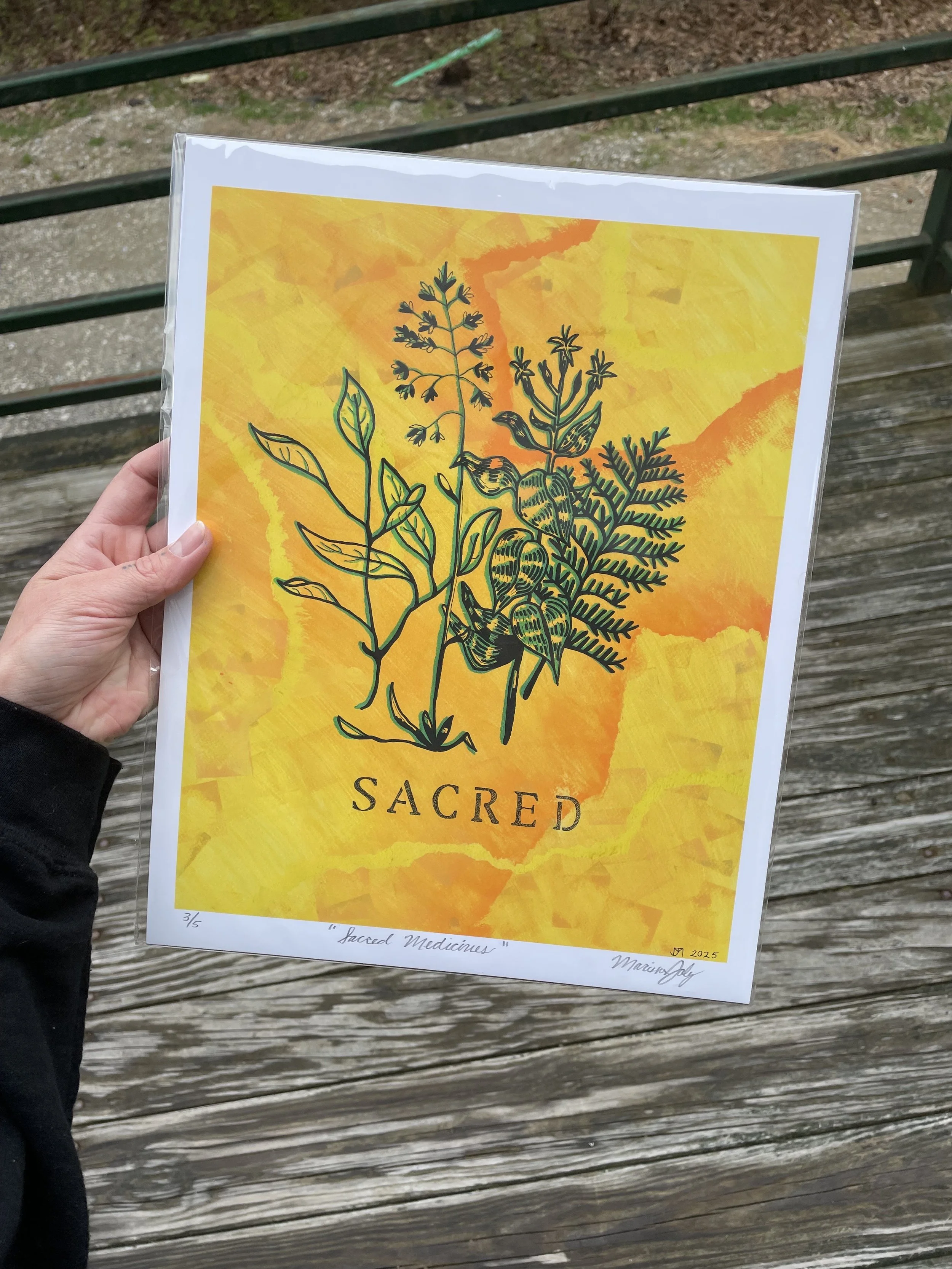
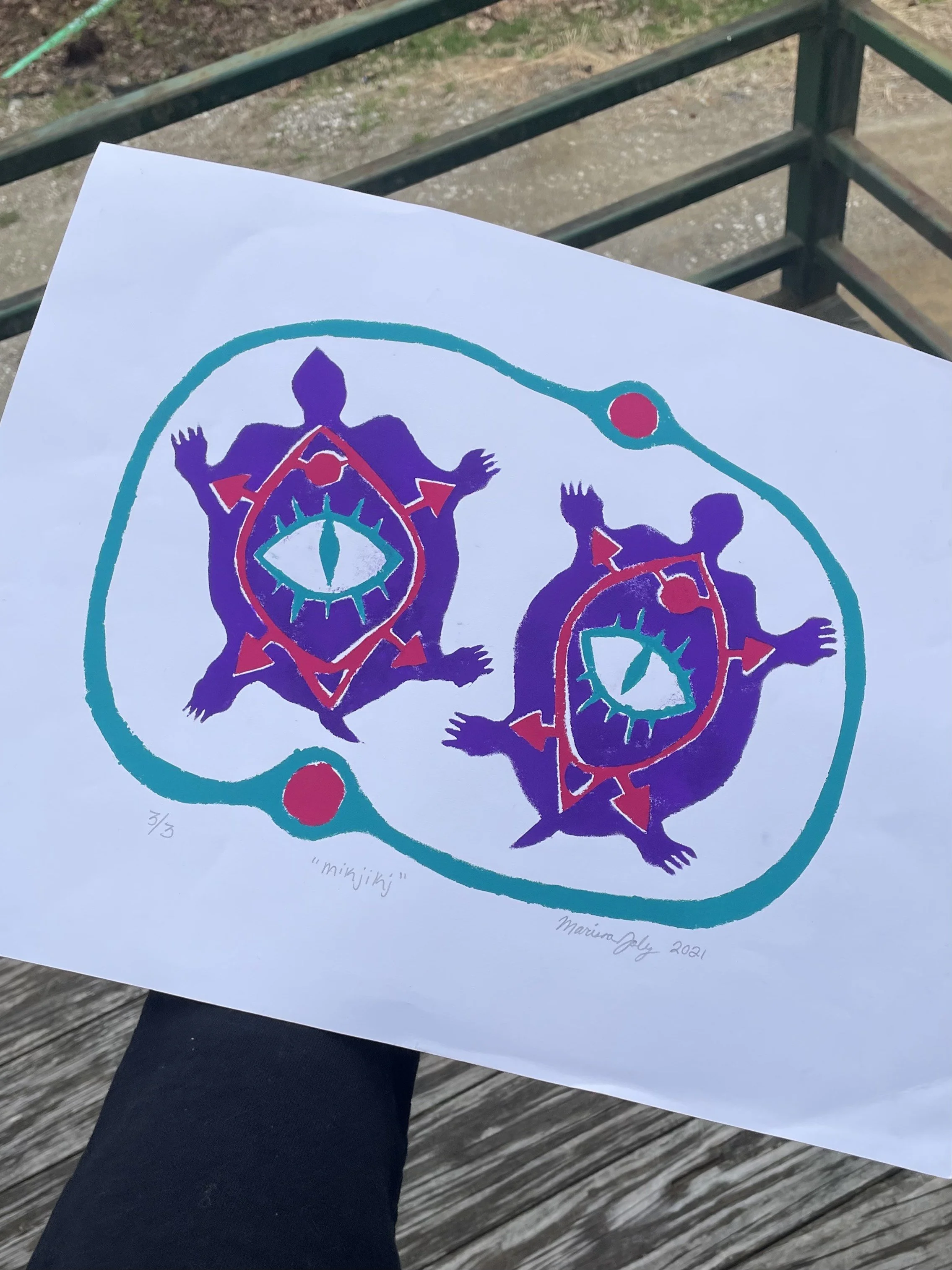
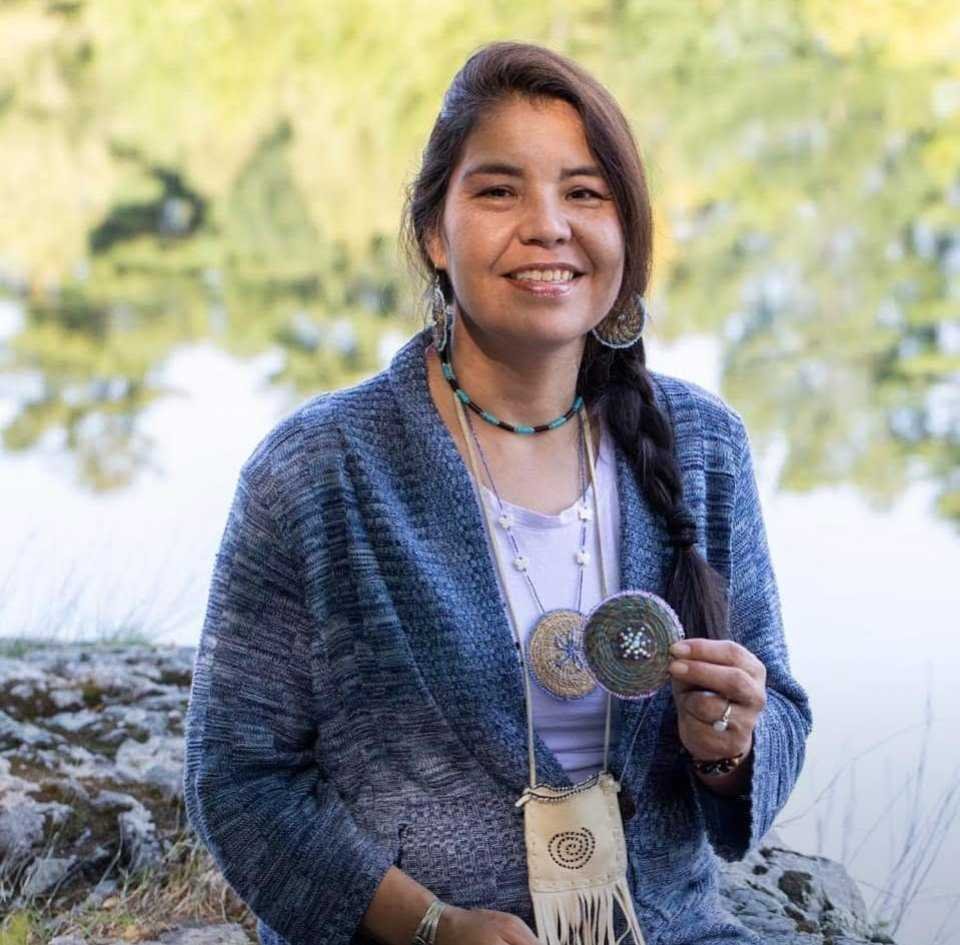
Marissa Joly is a Mi’kmaq visual artist residing in Durham, ME. Her Wabanaki heritage holds a lot of inspiration for her creations. Nature, color theory, indigenous patterns, and organic shapes play big roles in her work. She aims to strike up conversations on spirituality and emotions brought forth through her use of color, cultural symbolism, and abstract designs. She works in the mediums of painting (small and large scale murals), printmaking, digital art, and crafting dreamcatchers.
TRIBAL AFFILIATION: Penobscot
MEDIUM: Home & Body
ARTIST STATEMENT
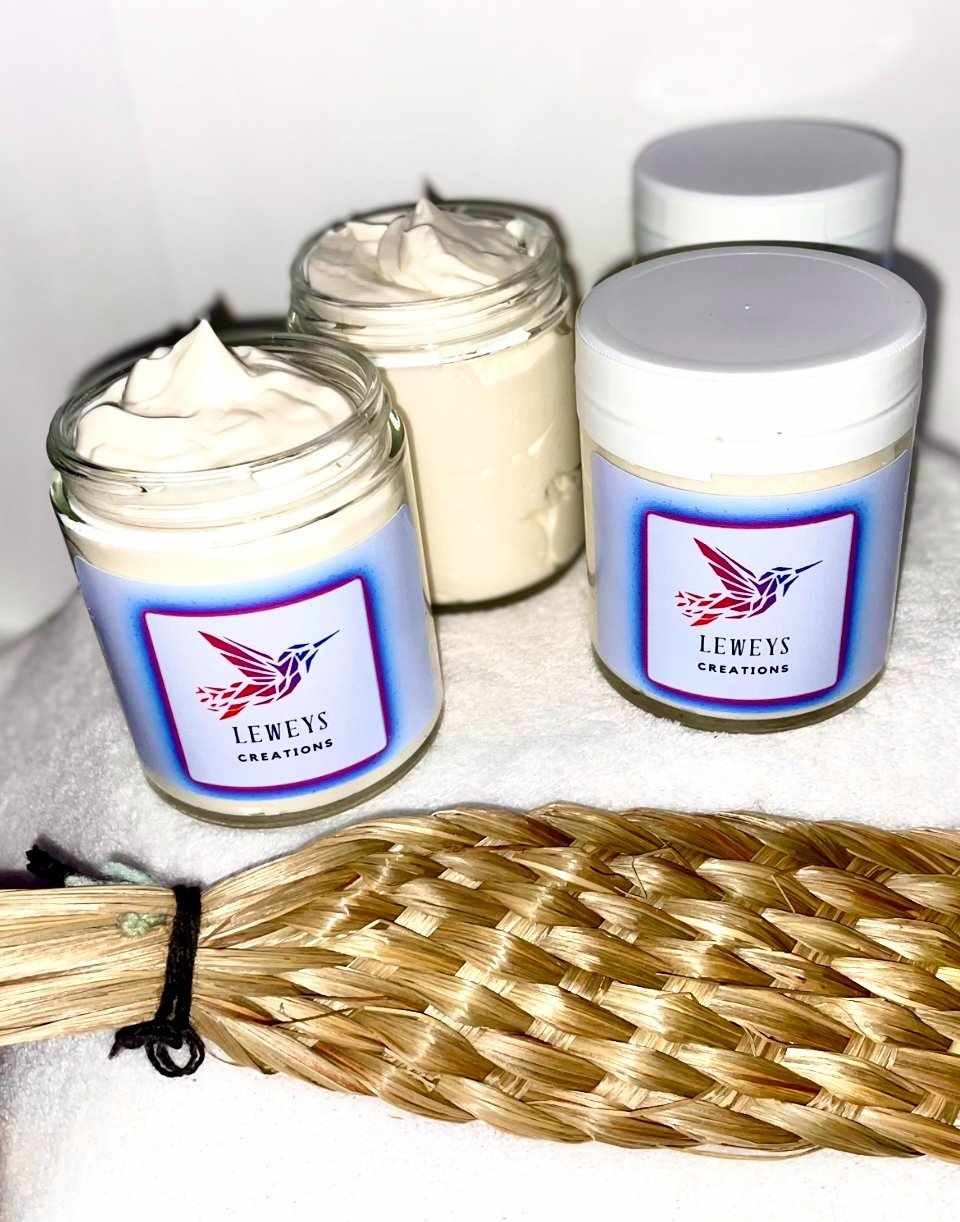
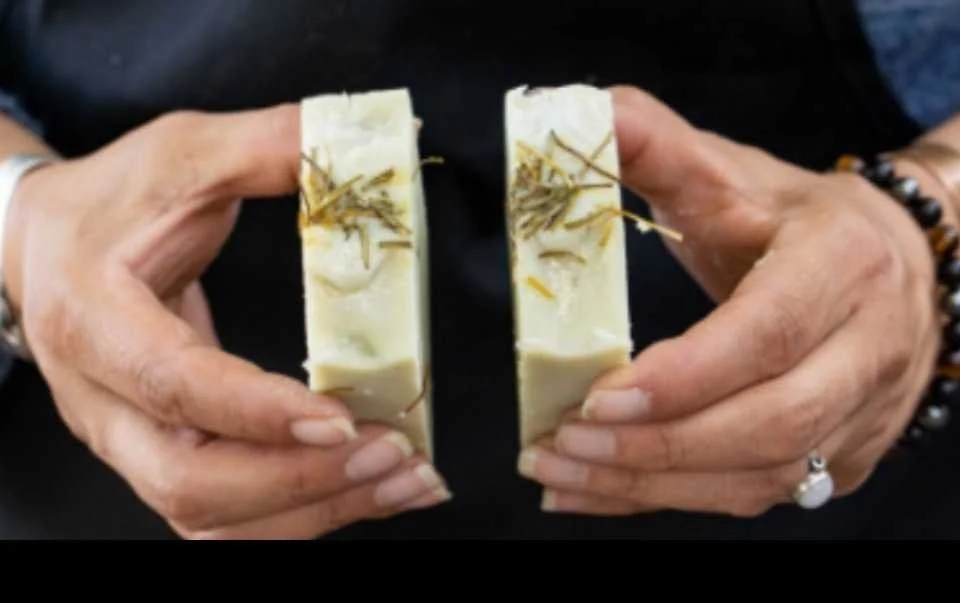
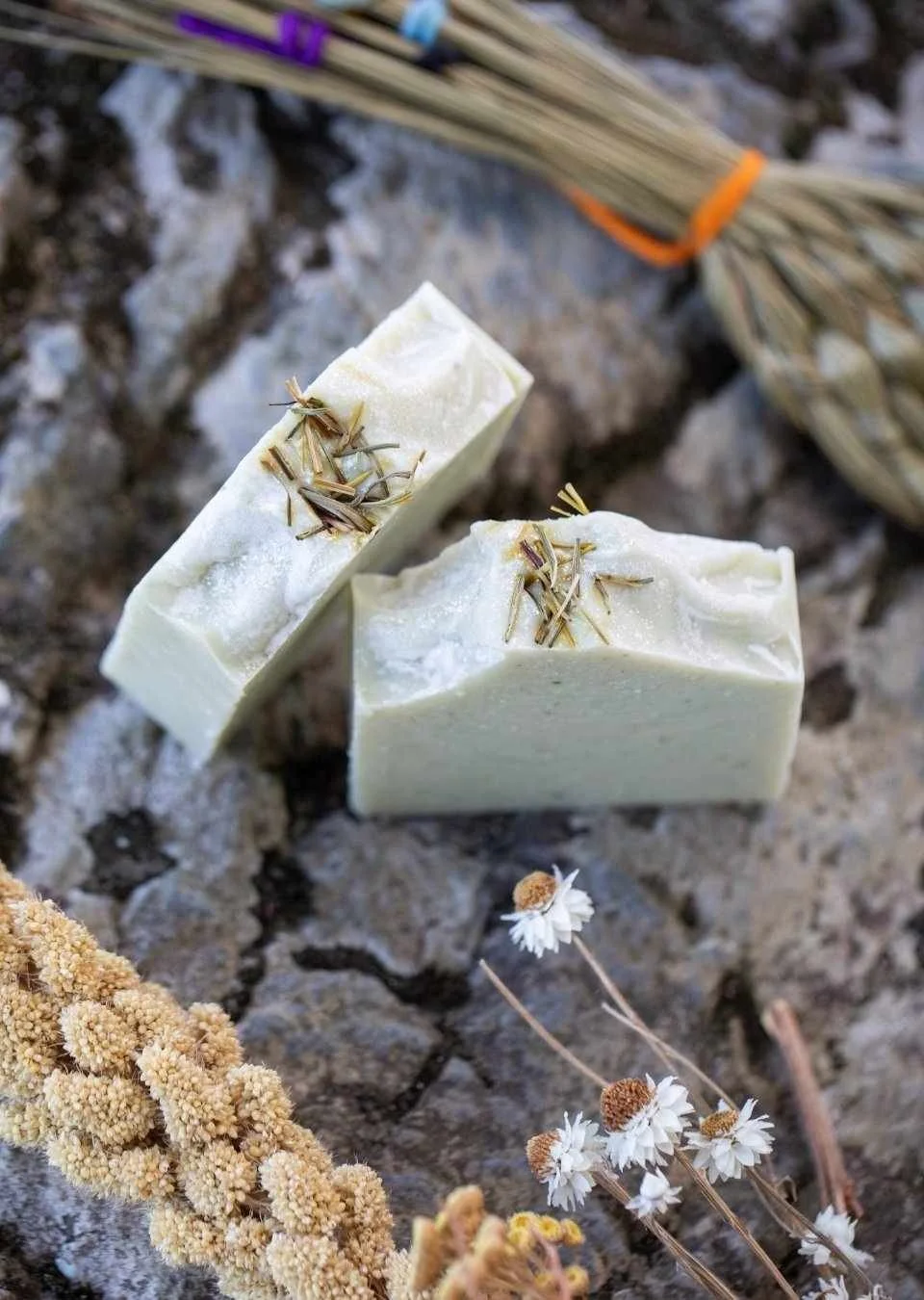
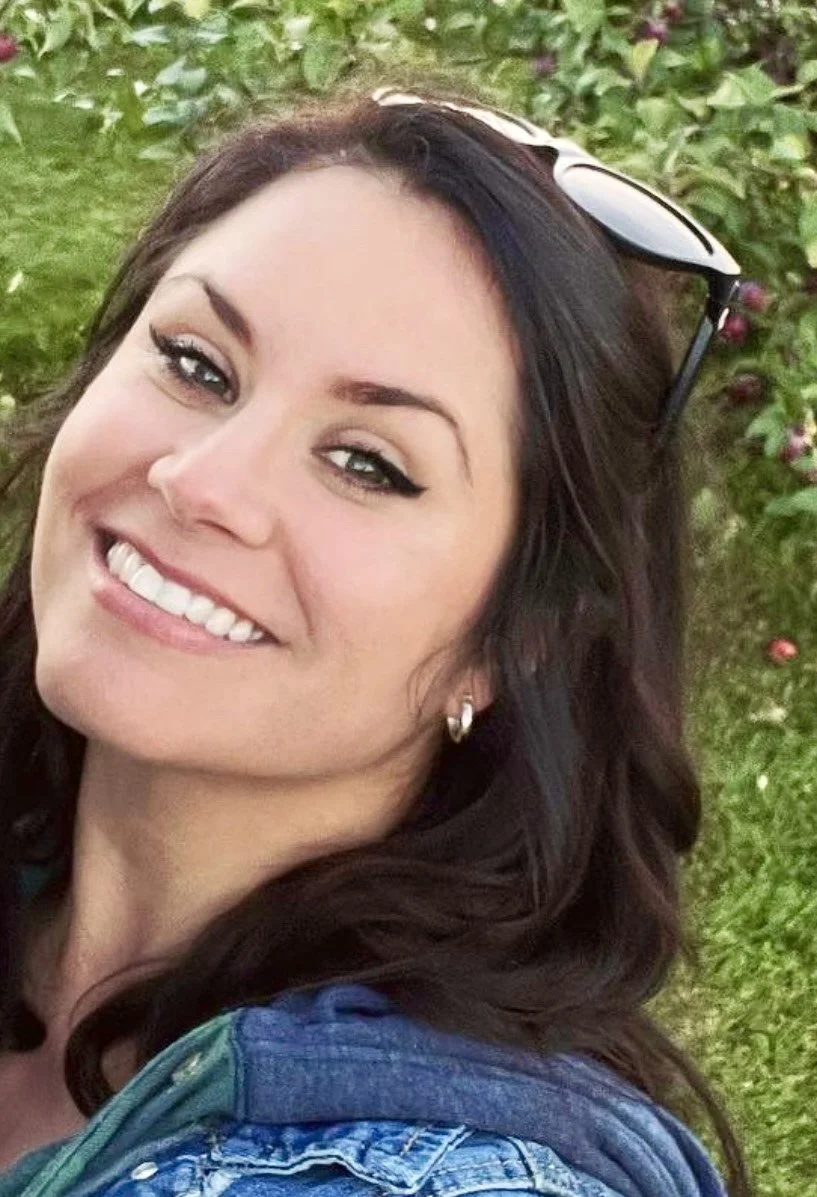
My name is Jeanne Lewey. I live between Indian Township and Indian Island, Maine; I am affiliated with the Penobscot Nation. My cultural upbringing influenced my artisan soap-making and for me, the creative process begins when I'm in nature. I make sweetgrass and cedar soaps using ingredients including wild-harvested Blue Glacier clay, essential oils, milk, activated charcoal, French green clay, and more. I'm self-taught and am in my happy place when I create. I am happiest when creating a new recipe, and hope that my products put a smile on others' faces.
TRIBAL AFFILIATION: Passamaquoddy
MEDIUM: Diverse Arts
BIOGRAPHY
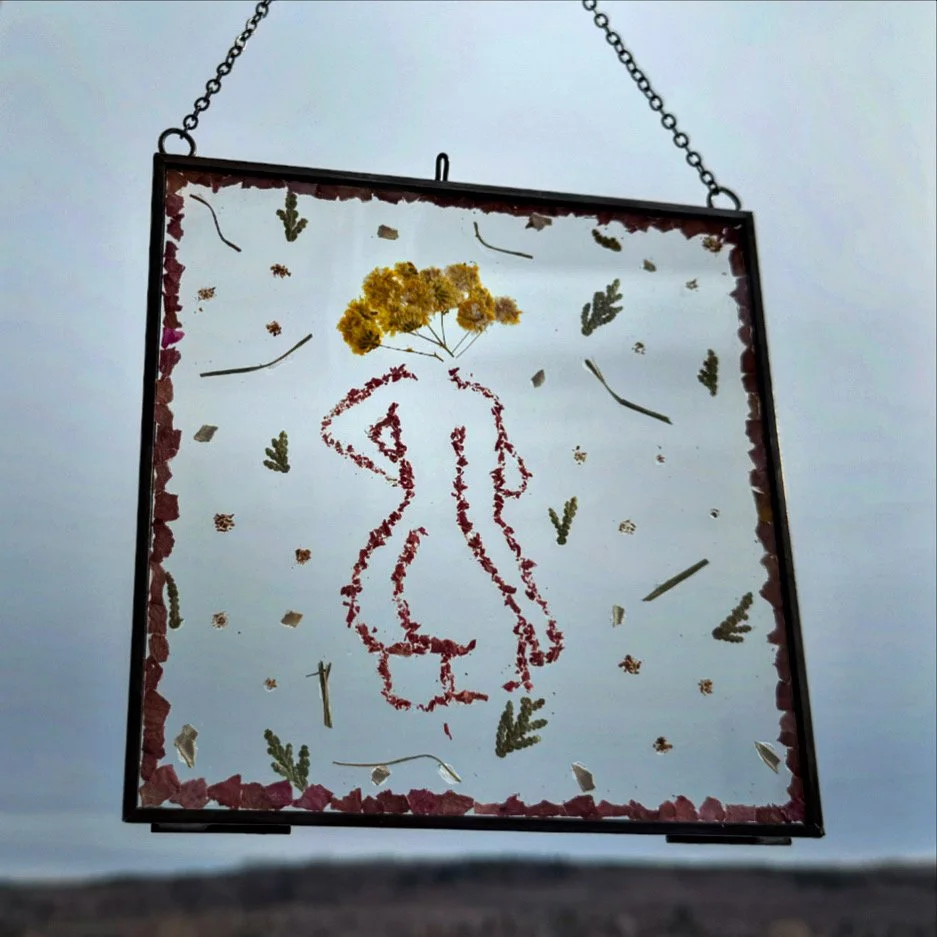
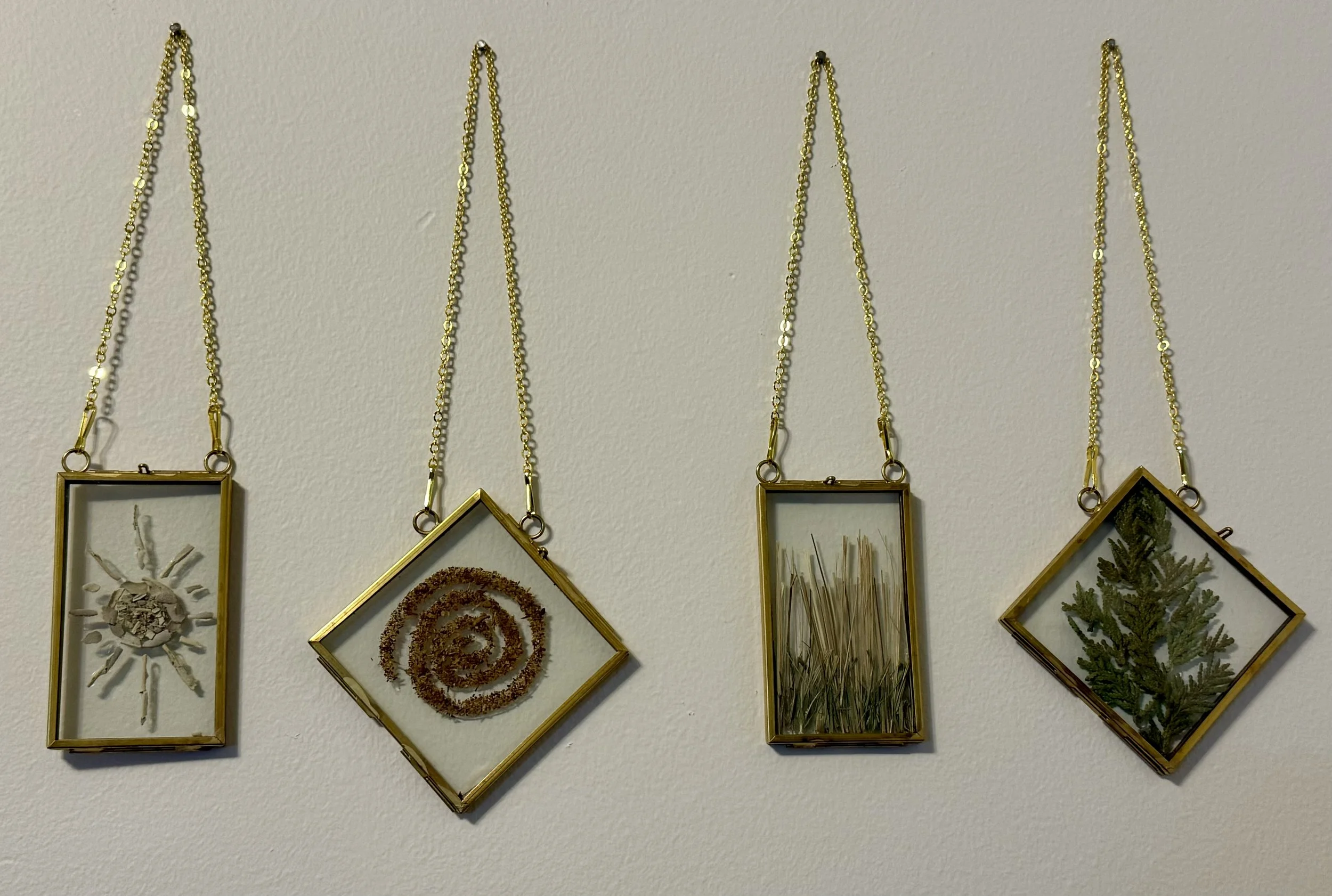
April Lola is a Peskotomuhkati (Passamaquoddy) artist from Motahkomikuk (Indian Township). A mother of two Passamaquoddy and Maliseet daughters and a graduate student in clinical counseling, she turned to botanical framed art as a way to carve out time for creativity and self-care amidst her busy life.
Born and raised on the Motahkomikuk reservation, her home was filled with art, April was deeply influenced by her mother, a respected beader known for her intricate dream catchers. She gravitated toward floral art, preserving foraged and gifted flowers over time. Inspired by the beauty and significance of these natural elements, she began incorporating medicines of the four directions and themes of feminine strength into her work. Through silhouettes of the divine feminine, she tells stories of resilience, empowerment, and connection to the land.
TRIBAL AFFILIATION: Penobscot Nation
PANEL: Wabanaki Forest Futures
BIOGRAPHY
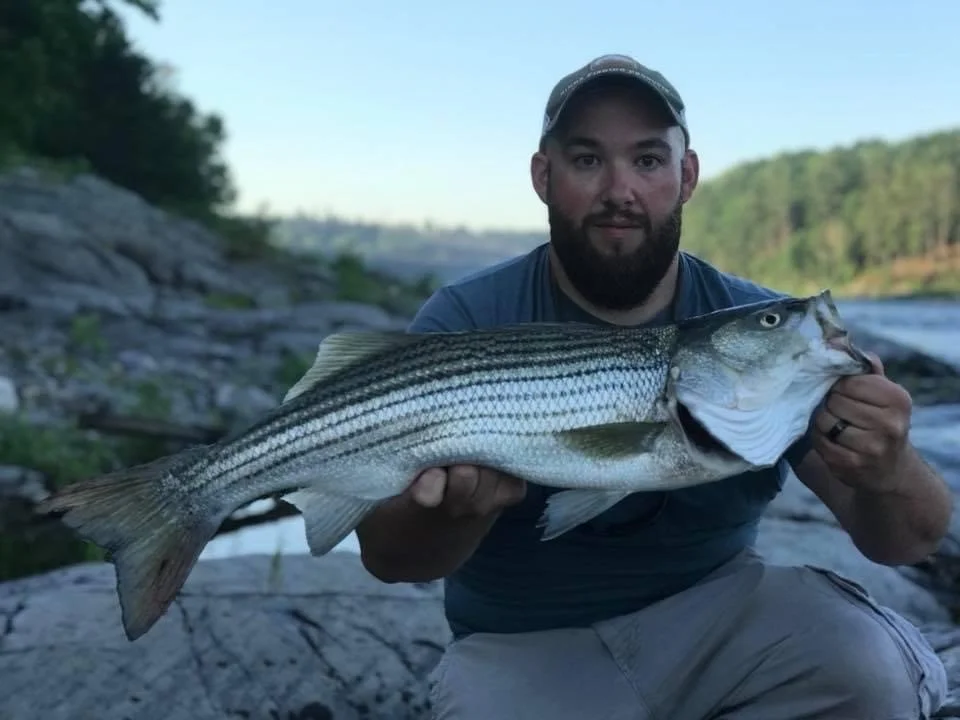
Chuck is a citizen of the Penobscot Nation. In his work duties, he provides oversight to the Nation’s natural resources department. His background is in Forestry, and he is a UMaine alum who graduated in 2012. He has worked for the Nation’s natural resources department in various capacities since then. Though his path has been through forestry, Chuck feels a deep connection to not only the forest, but the animals within it. When he isn’t in the office you can find him on any one of the various Penobscot territories with his daughter doing anything from collecting shed antlers to hunting moose.
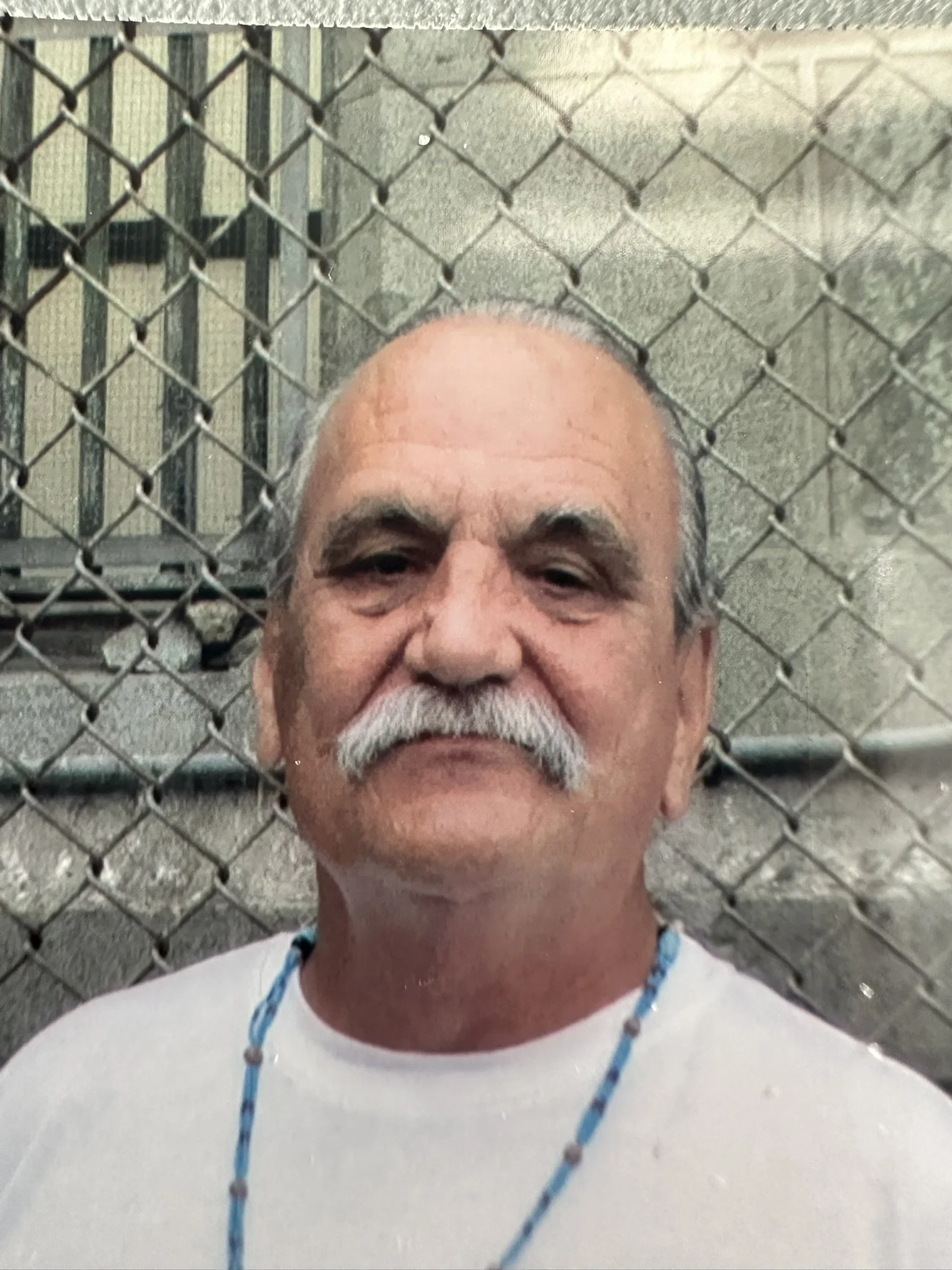
TRIBAL AFFILIATION: Penobscot
MEDIUM: Beadwork
ARTIST STATEMENT
”My name is Marvin “Face” McMurphy, a sixty-nine-year-old Penobscot Native, and an incarcerated individual at the Solano State Prison.
I’ve been an avid bead crafter for nearly forty years and truly enjoy the craft. Beading has helped in teaching me patience and has gifted me a creative way to express myself.”
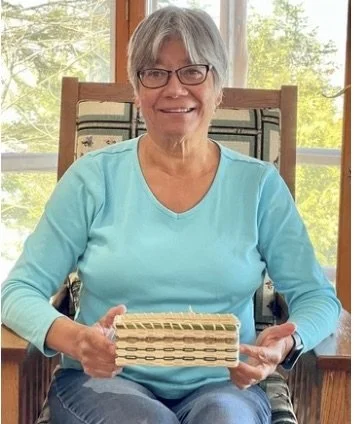
TRIBAL AFFILIATION: Penobscot
MEDIUM: Basketry
ARTIST STATEMENT
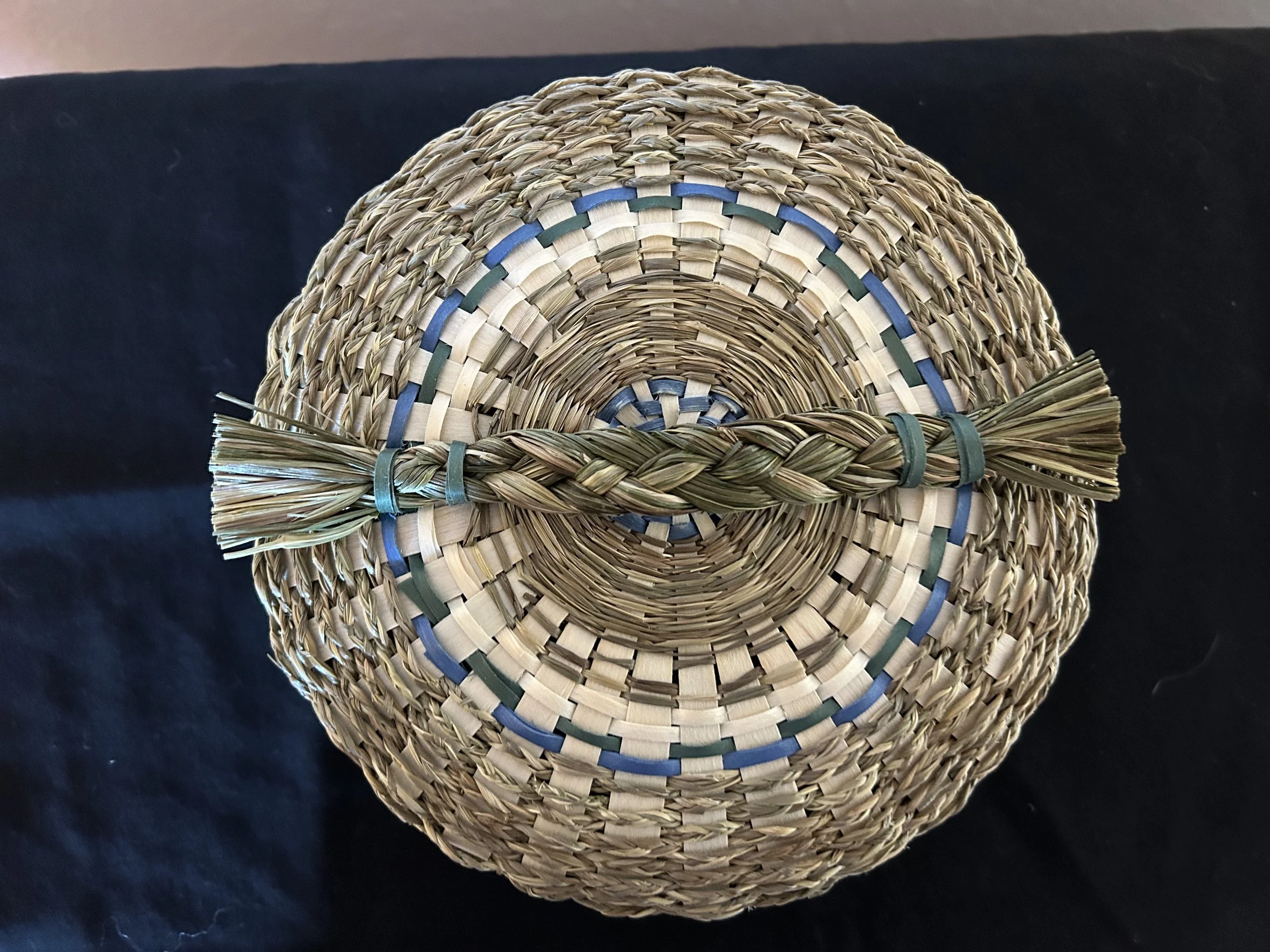
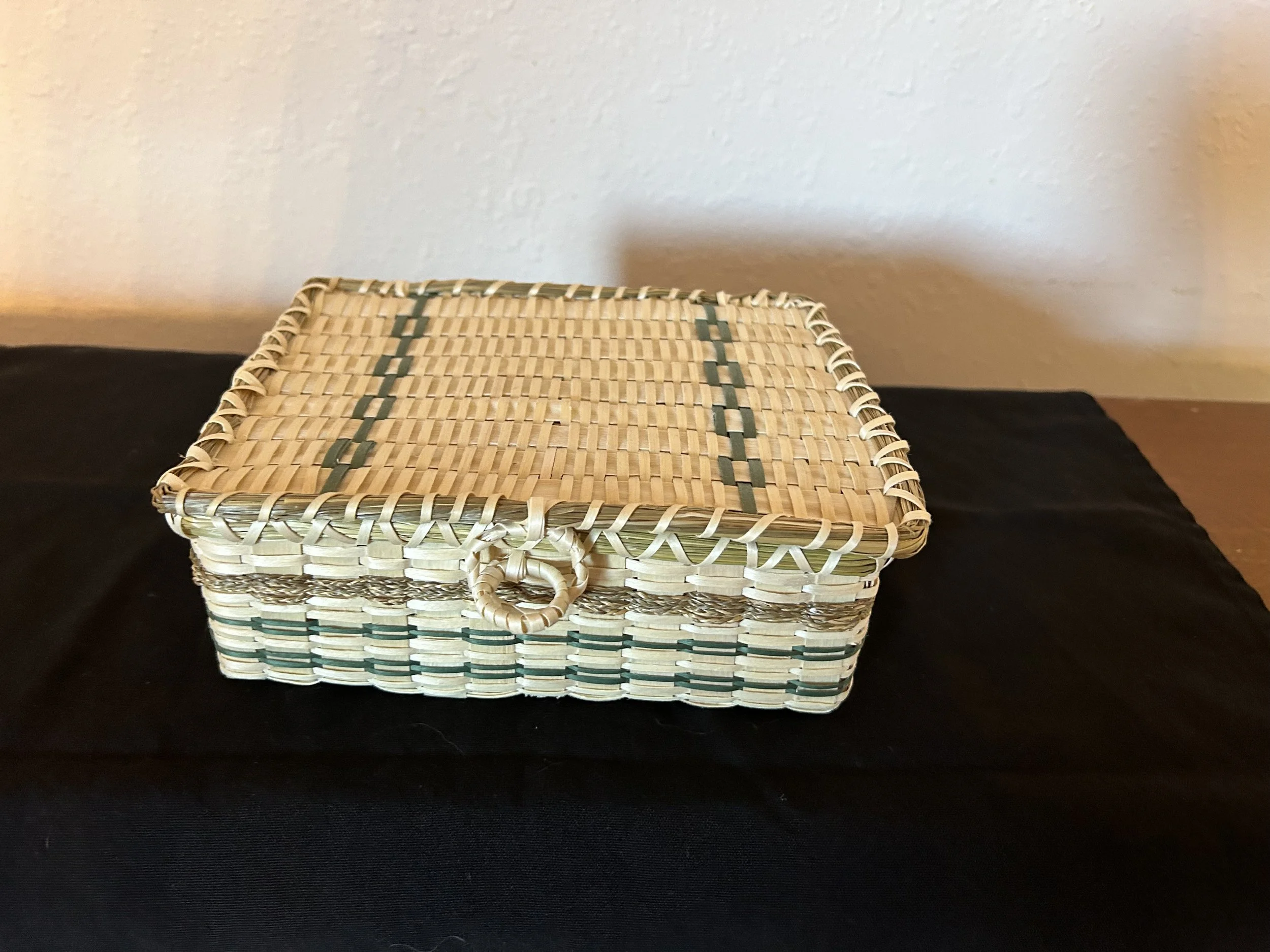
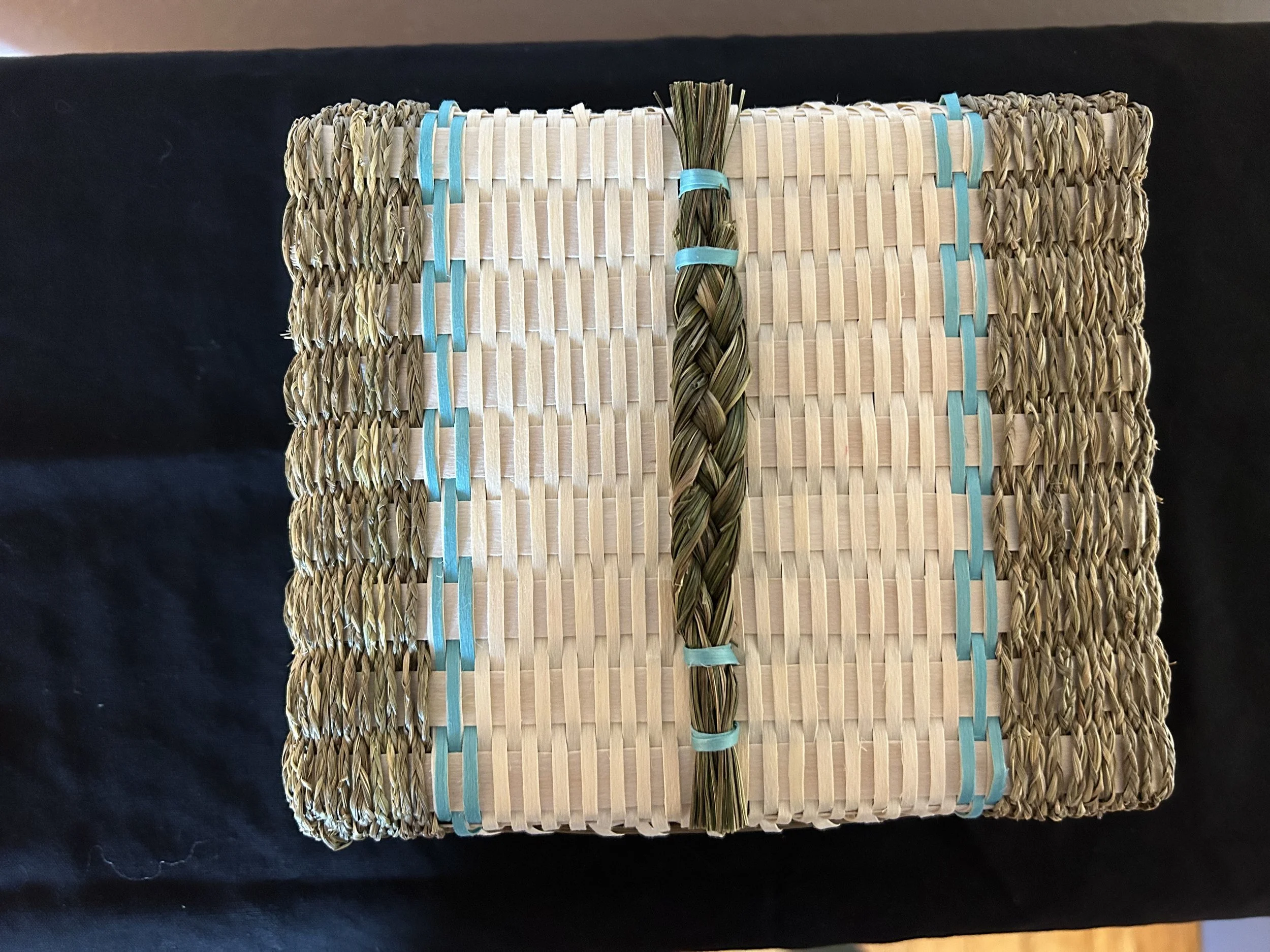
I am a traditional Penobscot basket maker. As a young child, I observed my grandmother, Philomene Saulis Nelson, preparing materials for her ash and sweetgrass baskets. I loved the vibrant colors she dyed her ash; her color combinations were stunning! When I was in college I asked her to teach me how to make baskets, but it was not meant to be at that time.
It wasn’t until my late 40s that I had the unique and unexpected opportunity to apprentice with my mentor and cousin, Theresa Secord. As part of my apprenticeship I had the opportunity to use my grandmother's molds and could feel her guiding presence. My inspiration and ancestral designs come from Penobscot-style baskets produced by my grandmother, Philomene, and my cousin, Theresa. I like to weave ash and sweetgrass boxes, sweetgrass flats, and other baskets with braided sweetgrass in the family style. Continuing my family's traditional art form is an honor and privilege. I am also mentoring my daughter and granddaughter so other generations of basket weavers will continue the ancestral tradition. Plus, we are learning Wabanaki language terms associated with traditional basketry.

TRIBAL AFFILIATION: Passamaquoddy
MEDIUM: Painting/Illustration
BIOGRAPHY
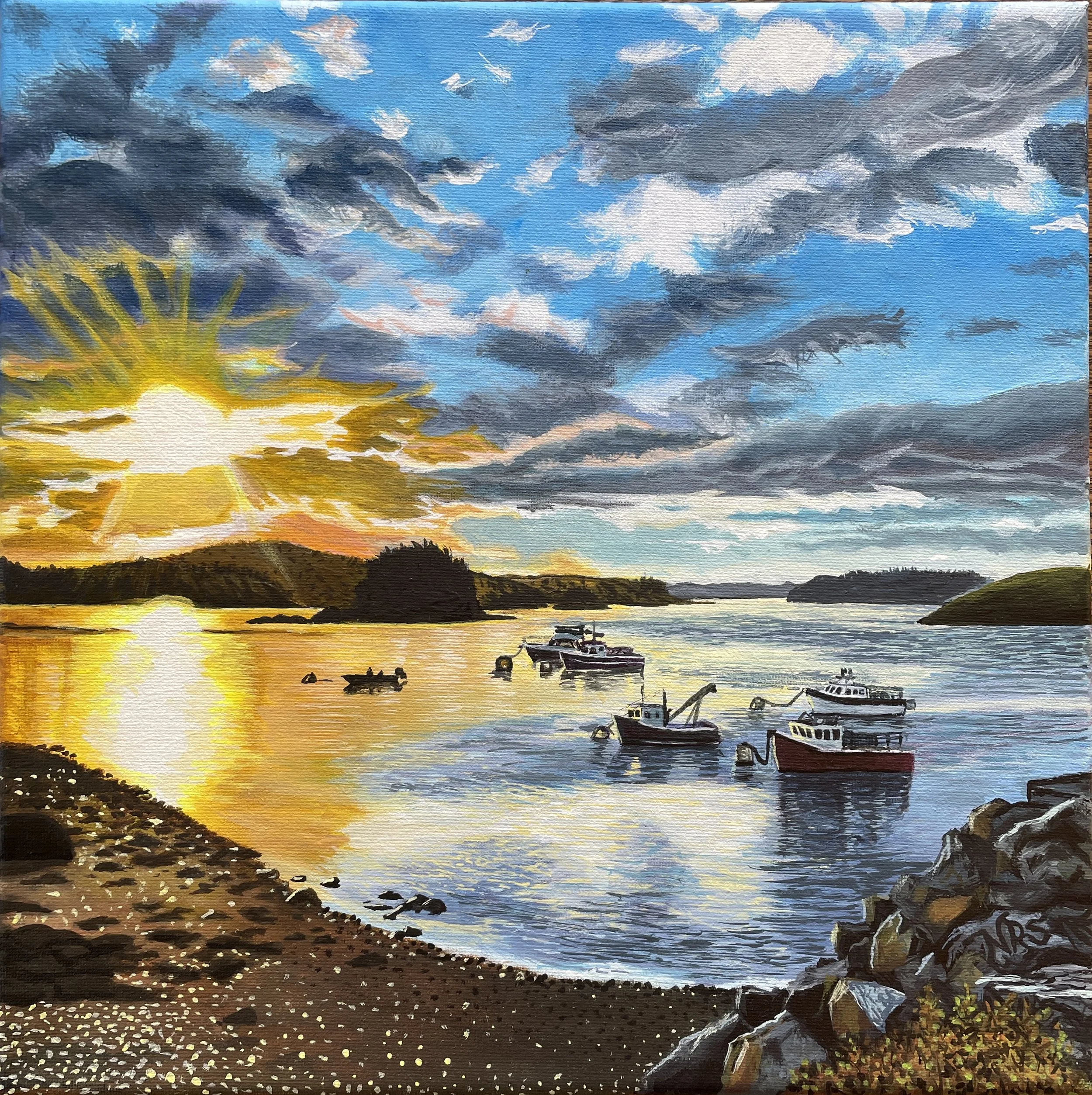
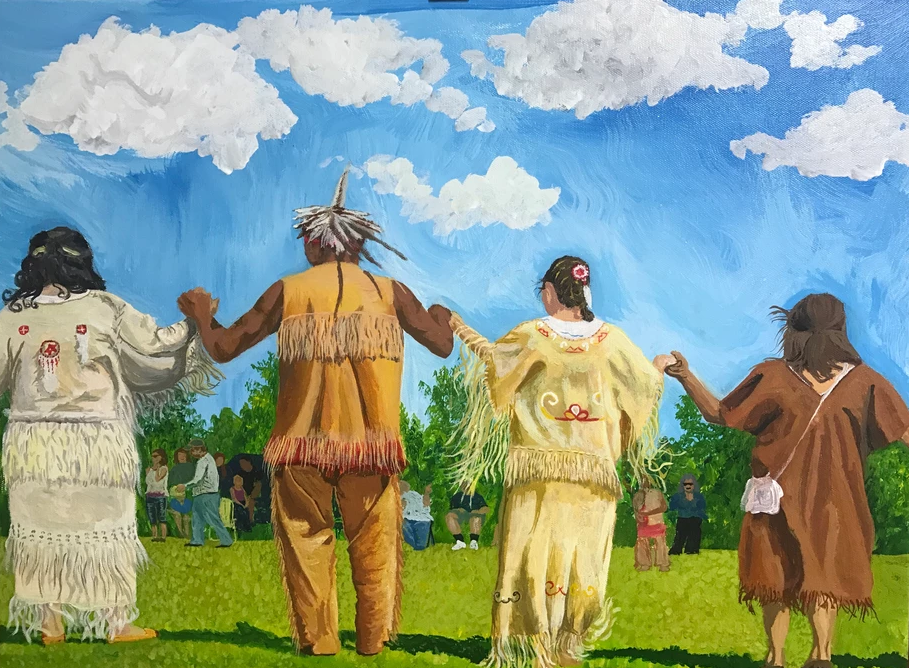
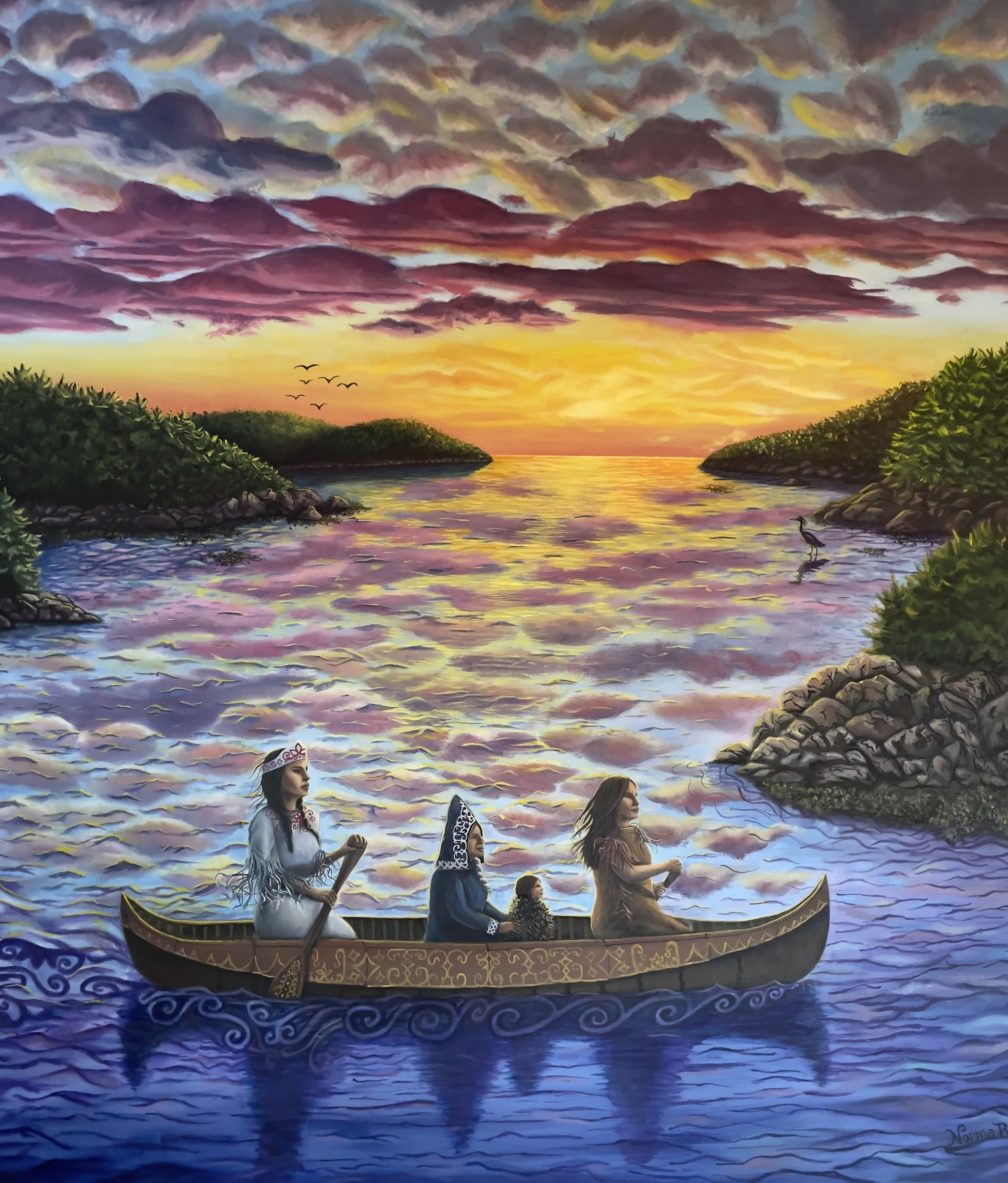
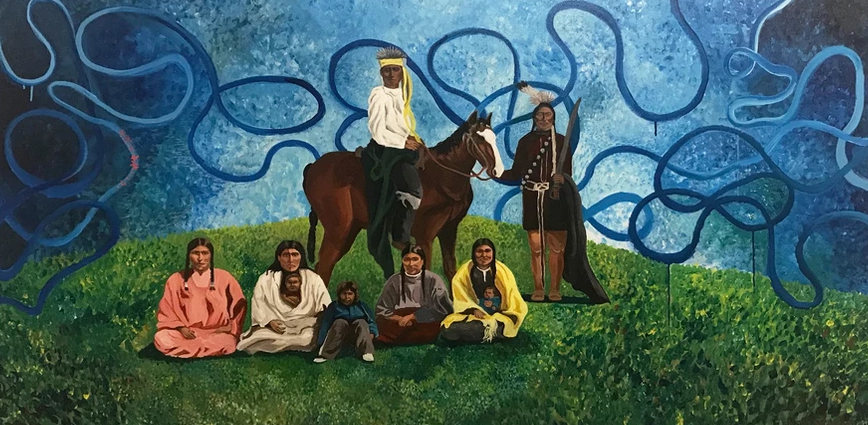
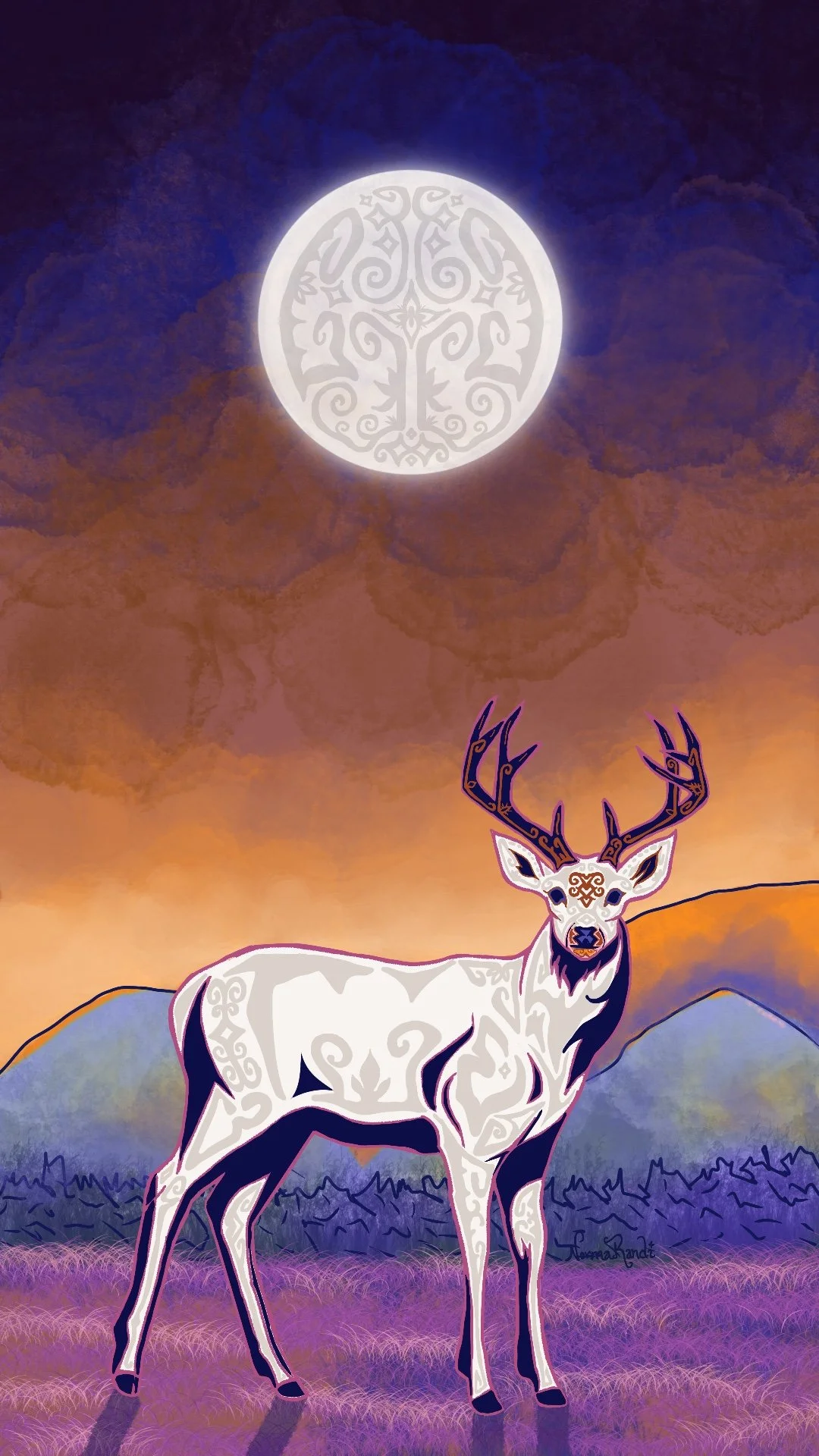
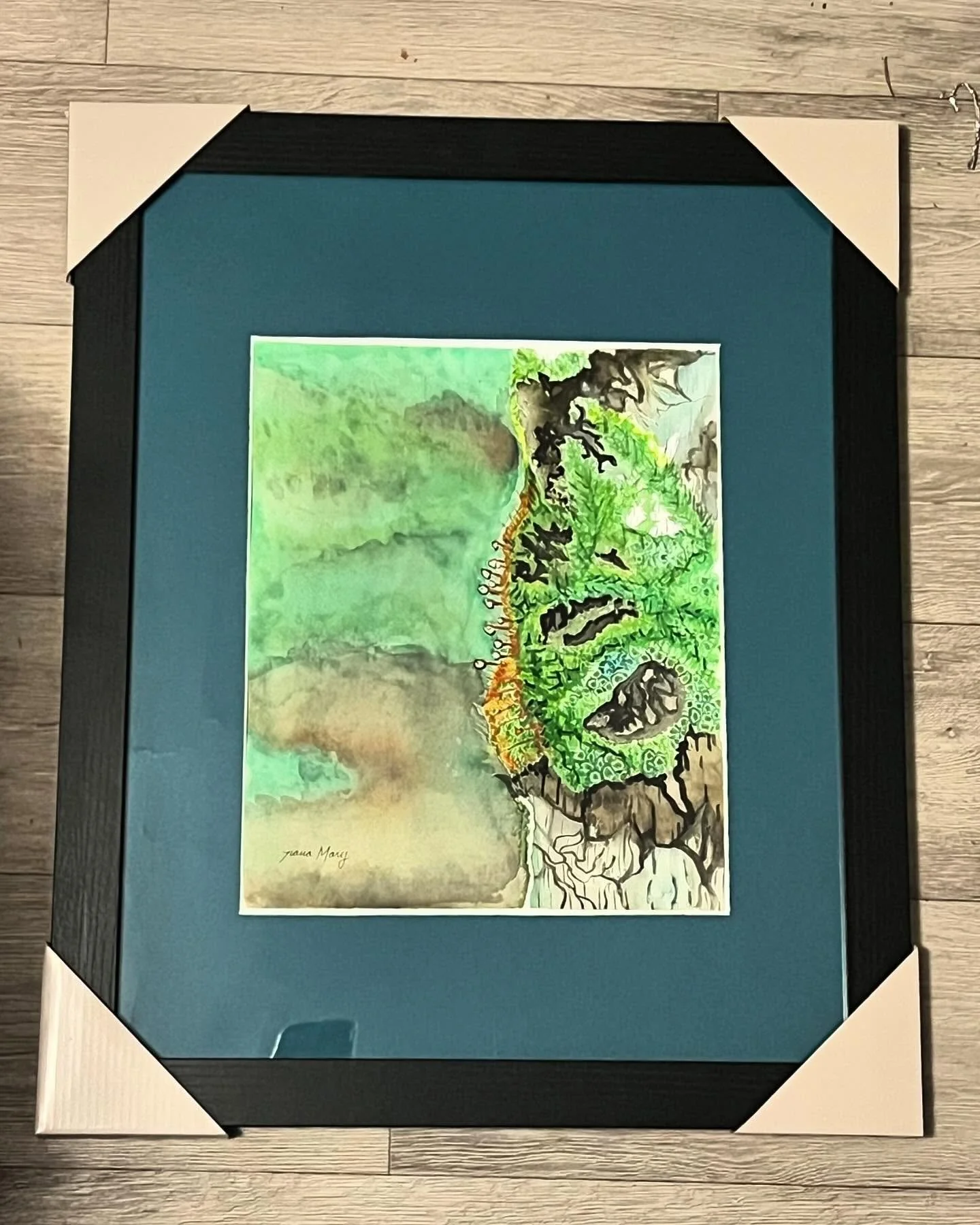
Norma Randi is a Wabanaki artist and homesteader from Maine. She is a member of the Passamaquoddy Tribe and was raised in her Passamaquoddy mother’s ancestral lands at Sipayik, Maine. She has roots from her father’s clan of the Hidatsa and Mandan people of North Dakota. Norma is a painter and digital art creator; she uses acrylic, oils, and watercolors as her mediums.
Norma draws inspiration from her ancestral heritage and life lived with her husband. She has love for the various landscapes and palettes of Maine skies, earth, and waters; experiencing the beautiful Maine environment that her maternal ancestors called home and traversed for 12000 plus years. The focus on her heritage is also a teaching tool for herself to be aware of the history of her ancestors, how their lives were lived prior to colonization and after, their culture, their environments and ecology, and the people within the communities who continue carrying on traditions despite the initial setback of assimilation. It is a form of self healing and expression.
Norma Randi is a graduate of the University of Maine at Machias with a Bachelor of Arts Degree. She is a member of the Abbe Museum in Bar Harbor. Norma has an art show at least once a year. In 2023 she won a People’s Choice Award in June for her Language preservation piece at the Abbe Museum Indian Market weekend. She will be featured at the Eastport Arts Center in June 2024 for a solo show and at the Coastal Maine Botanical Gardens from mid-July through mid-October.
You can now purchase her small works at the Abbe Museum in Bar Harbor, Coastal Maine Botanical Gardens in Boothbay, and the Acadia National Park Stores. You can see her in person at various craft fairs in Maine selling her art and wares.
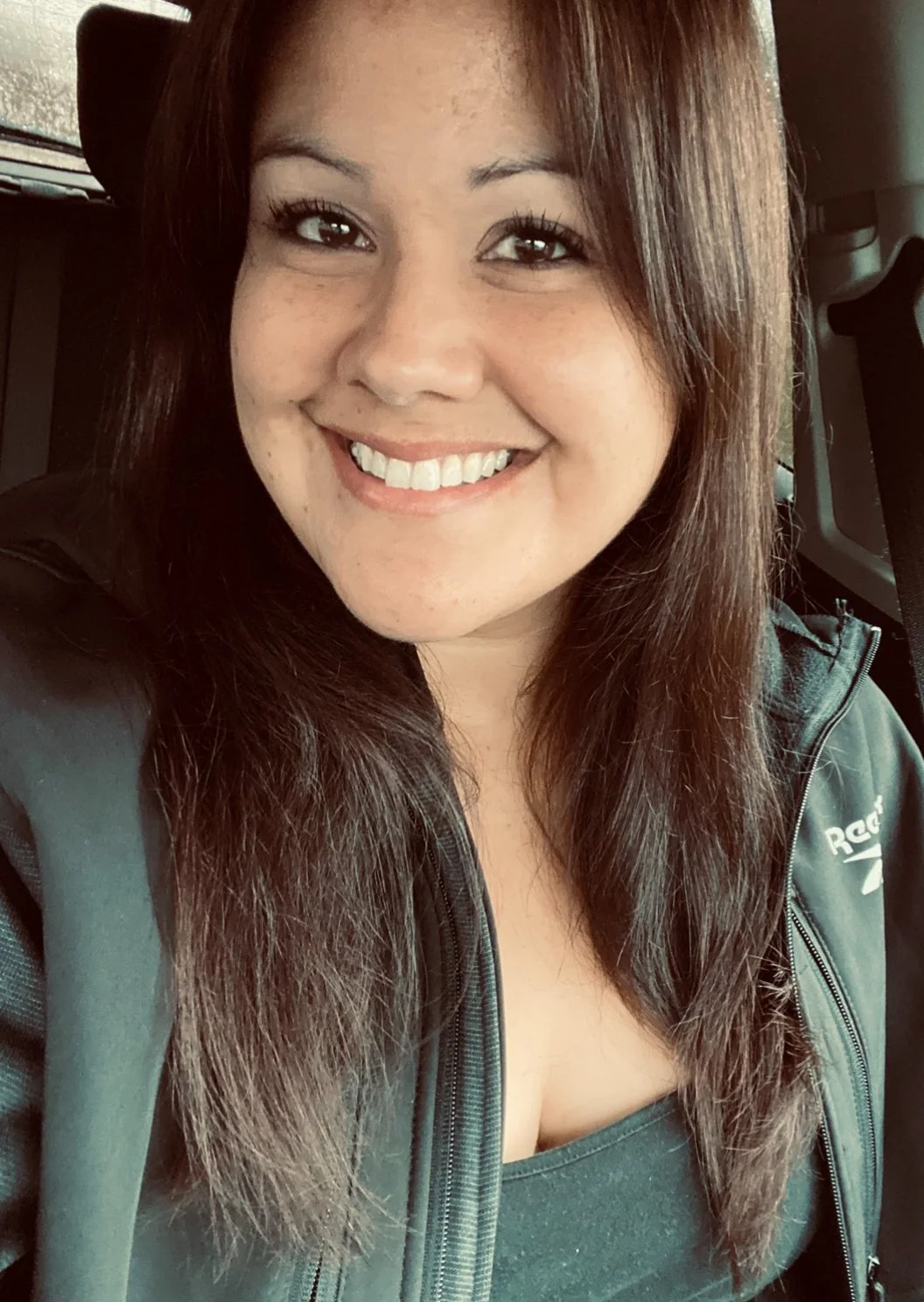
TRIBAL AFFILIATION: Passamaquoddy
MEDIUM: Beadwork
BIOGRAPHY
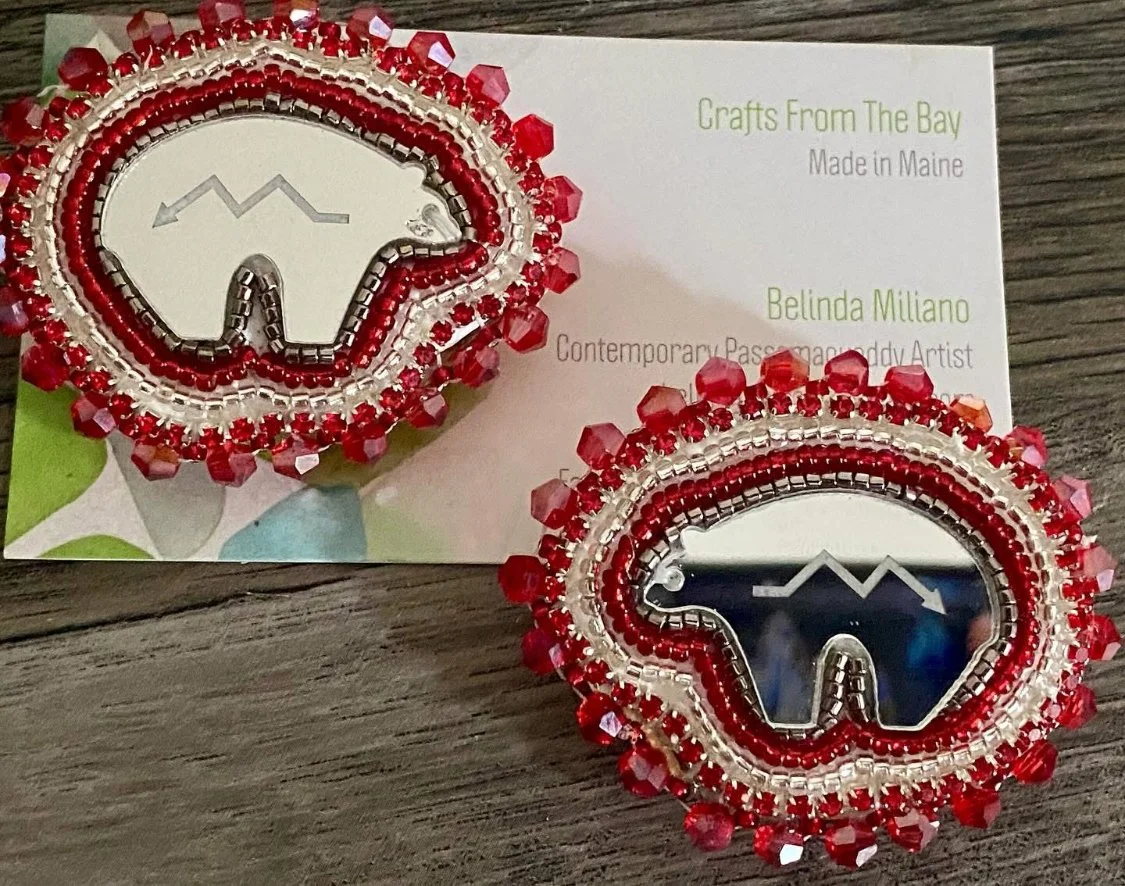
Belinda Dawn Miliano is a contemporary beadwork artist, and member of the Passamaquoddy Nation in Sipayik. Belinda has been intrigued with indigenous beadwork art since a young girl, self taught in creation of dream catchers, and mentored by an elder within the tribal community as a young adult for beadwork. Belinda transforms beading into captivating wearables, using traditional materials in combination of modern accents. She is passionate about creating unique pieces and pushing creative boundaries.
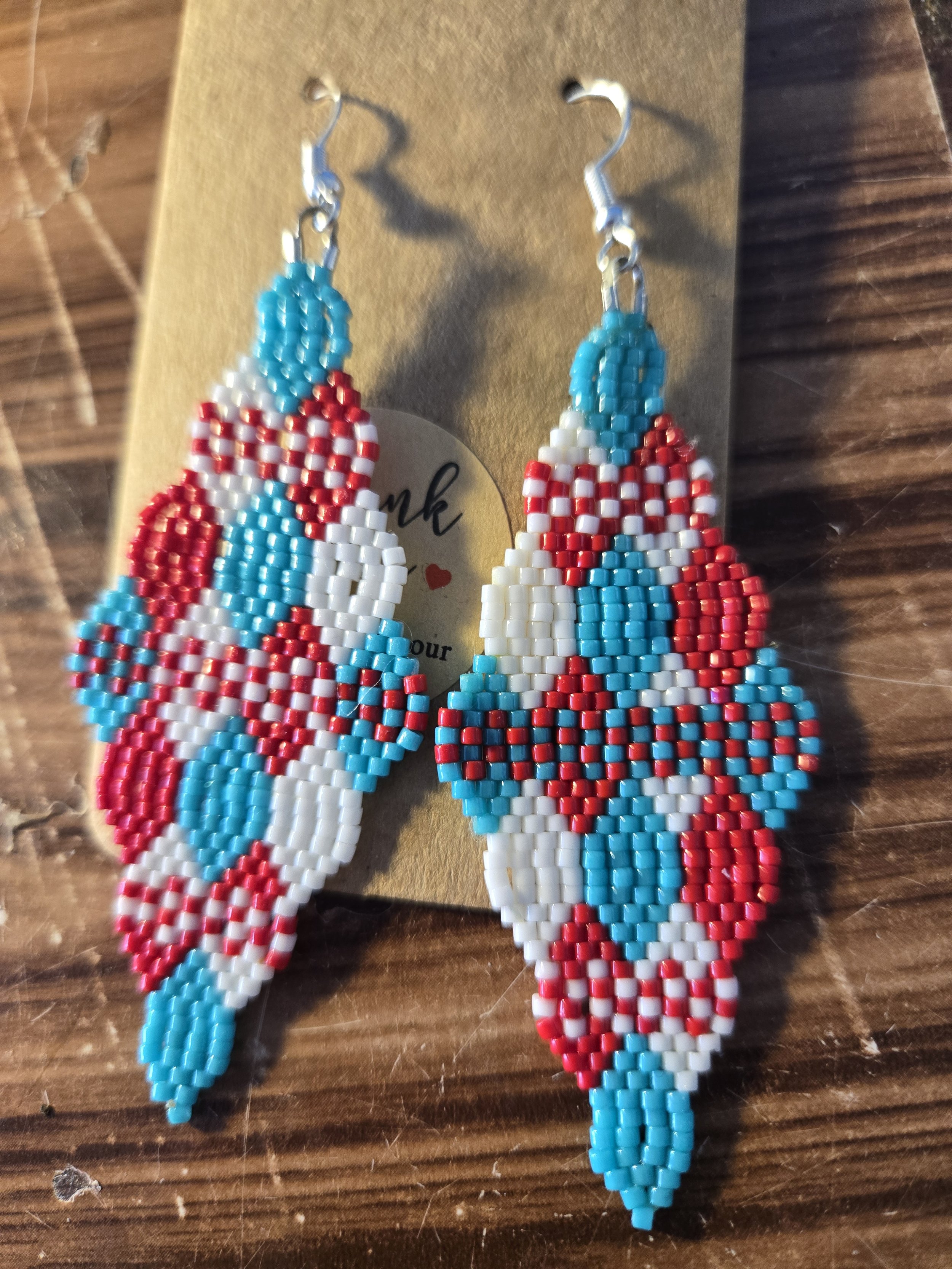
TRIBAL AFFILIATION: Mi’kmaq
MEDIUM: Beadwork
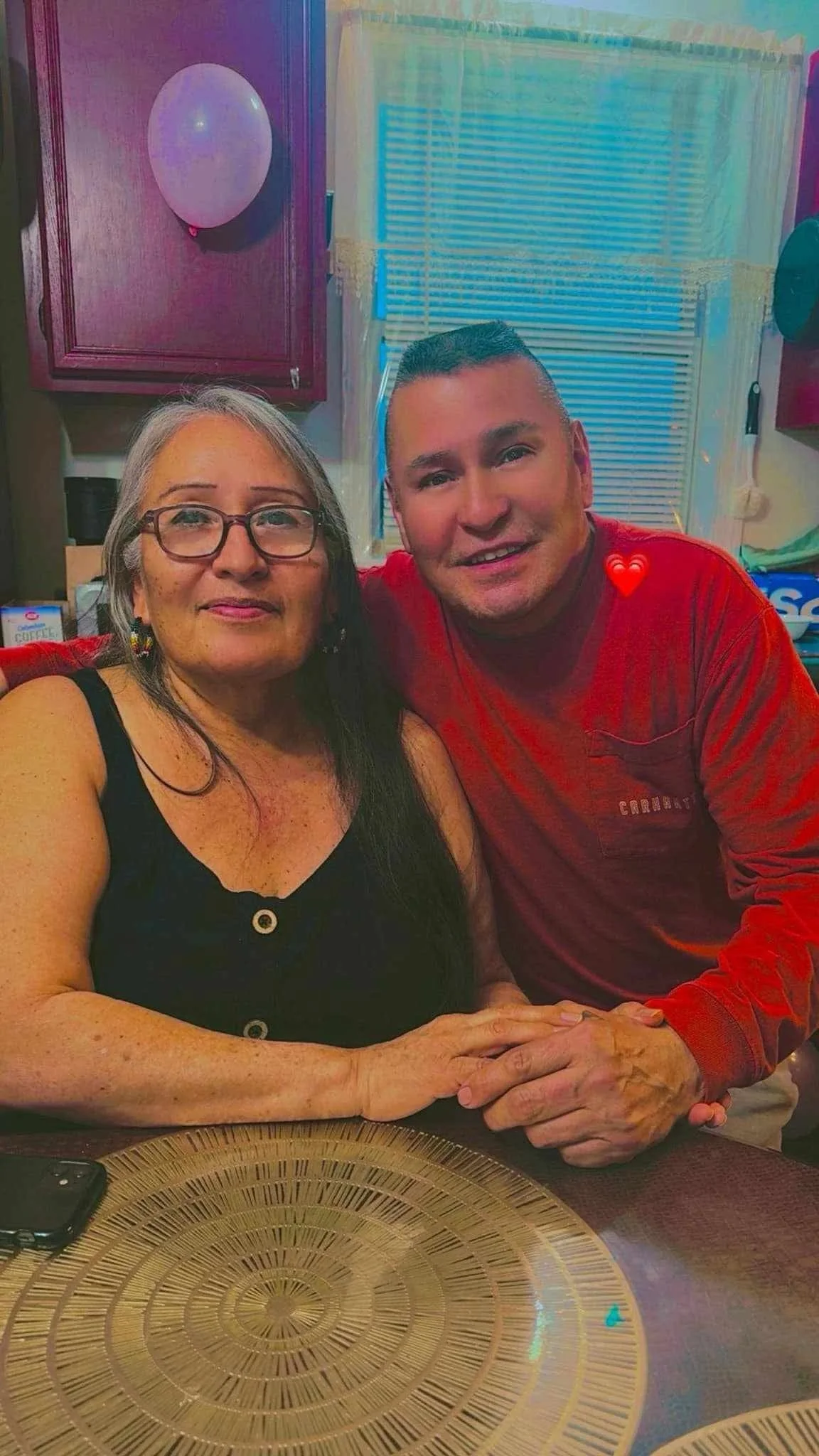
TRIBAL AFFILIATION: Passamaquoddy and Navajo
MEDIUM: Beadwork, Jewelry
ARTIST STATEMENT
Wilfred J. Neptune Sr., Passamaquoddy from Pleasant Point, Maine, a descendant of the hereditary Chief Neptunes. Sanora Isaac, Navajo from Arizona, comes from a line of artist/educator.
Our crafts originate from our cultural upbringing of Navajo and Passamaquoddy backgrounds. Together, we create a combination of unique, genuine handmade jewelry of beaded earrings, necklaces, bracelets, rings with semi-precious/shell/stones using our natural materials from local nature byproduct and resources. Antler necklaces with seed beads, peyote stitched on leather and War Clubs from Maine rocks & wood handles. Dreamcatchers made from Maine red willow with sinew & feather.
The greatest form of crafting is remembering the tool given to us to express and create by our parents, our ancestors.
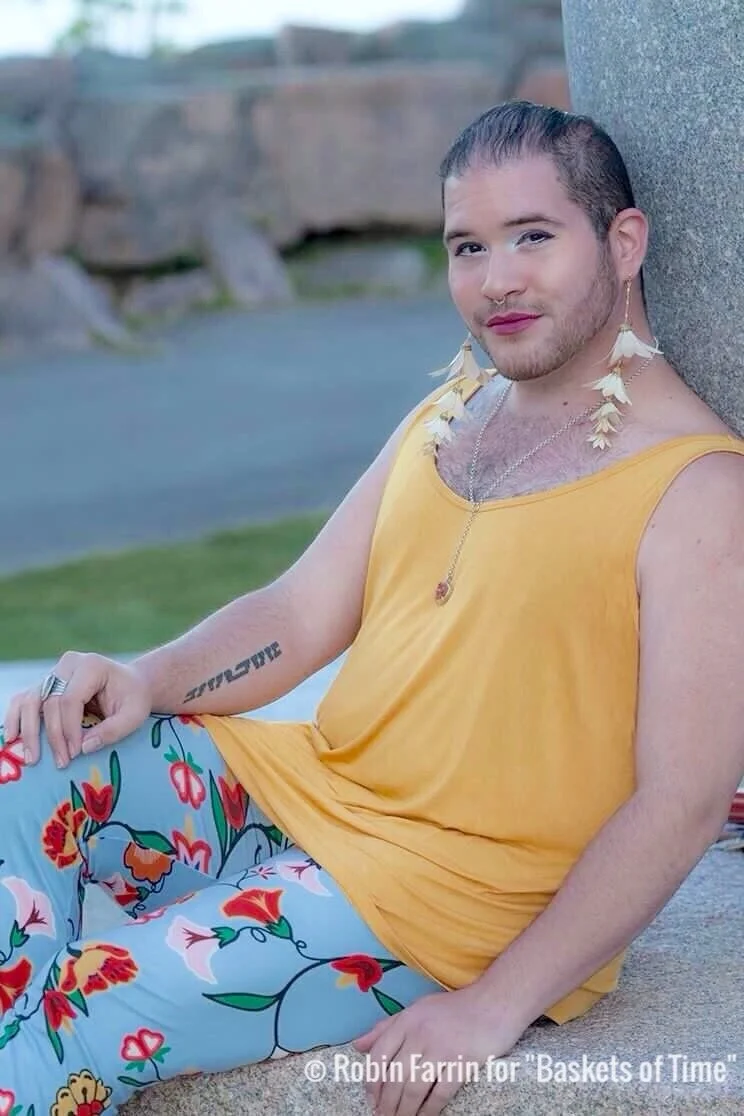
TRIBAL AFFILIATION: Passamaquoddy
MEDIUM: Basketry - Ash, Clothing, Diverse-Arts
BIOGRAPHY
Geo Neptune is a member of the Passamaquoddy Tribe from Indian Township, Maine, and is a Master Basketmaker, a Drag Queen, an Activist and an Educator. As a person who identifies as a two-spirit, an indigenous cultural gender role that is a sacred blend of both male and female, Geo uses they/them gender-neutral pronouns.
At four years old, Geo had already been asking their grandmother Molly Neptune Parker to teach them how to weave baskets; after being told to wait until they were older, Geo found another elder that would teach them, and presented their grandmother with their first completed basket. Later that year, after turning five years old, Geo wove their first basket with their grandmother, beginning a lifelong apprenticeship.
After graduating from eighth grade at the Indian Township School, Geo attended Gould Academy in Bethel, Maine, where they were able to explore more artistic outlets before becoming a member of the Dartmouth College Class of 2010. Proficient in Spanish and a performing arts major, Geo studied abroad in both Barcelona and London during their time at Dartmouth.
When Geo graduated from Dartmouth College and returned to the Indian Township reservation, they began to focus heavily on their weaving, and developing their own individual artistic style. Experimenting with their family's signature woven flowers mixed with natural elements of twigs and branches, Geo began forming what would eventually be known as their signature sculptural style of whimsical, elegant, traditionally-informed basketmaking. During their time at home, Geo was also the Cultural Activities Coordinator and Drama Instructor for the Indian Township After School and Summer Programs, and eventually went on to serve as the Unit Director for the Passamaquoddy Boys and Girls Club. In 2012, Geo attended the Santa Fe Indian Market for the first time, accepted the position of Museum Educator at the Abbe Museum, and watched their grandmother receive the National Endowment for the Arts National Heritage Fellowship before moving to Bar Harbor.
Living in Bar Harbor, Geo maintained a life as a basketmaker, actor, drag queen, and activist in addition to serving as the Museum Educator. Participating in Idle No More protests here in Maine, Geo was invited as the first Indigenous youth delegate to the World Summit of Nobel Peace Laureates in Capetown, South Africa in 2014. After attending the Summit again in 2015, returning to Barcelona, Geo was then invited to attend a PeaceJam conference in Winchester, England, where they met Rigoberta Menchu Tum, the first and only Indigenous woman to win the Nobel Peace Prize. In 2016, Geo was the first drag queen on the cover of Native Peoples Magazine, with their story featured in the magazine's first official LGBTQ Pride issue. In late 2016, Geo decided to pursue their art and activism full time, and they now live back in their community at Indian Township. At home, they are able to spend more time with their apprentice and youngest sister Emma--who, at thirteen years old, has won numerous more awards for her basketry than Geo has--and with their grandmother, keeping the family and cultural tradition of basketry alive. Geo hopes to be able to work to embrace the sacred role of the two-spirit, truly becoming a keeper of tradition and a teacher and role model for Passamaquoddy and other Wabanaki youth. Most importantly, Geo hopes to inspire other two-spirits from across turtle island to accept their truth and embrace their sacred responsibility, and travels across the state and country educating learners of all ages about Wabanaki history and culture, the art of basketmaking, and what it means to them to be a Two-Spirit.
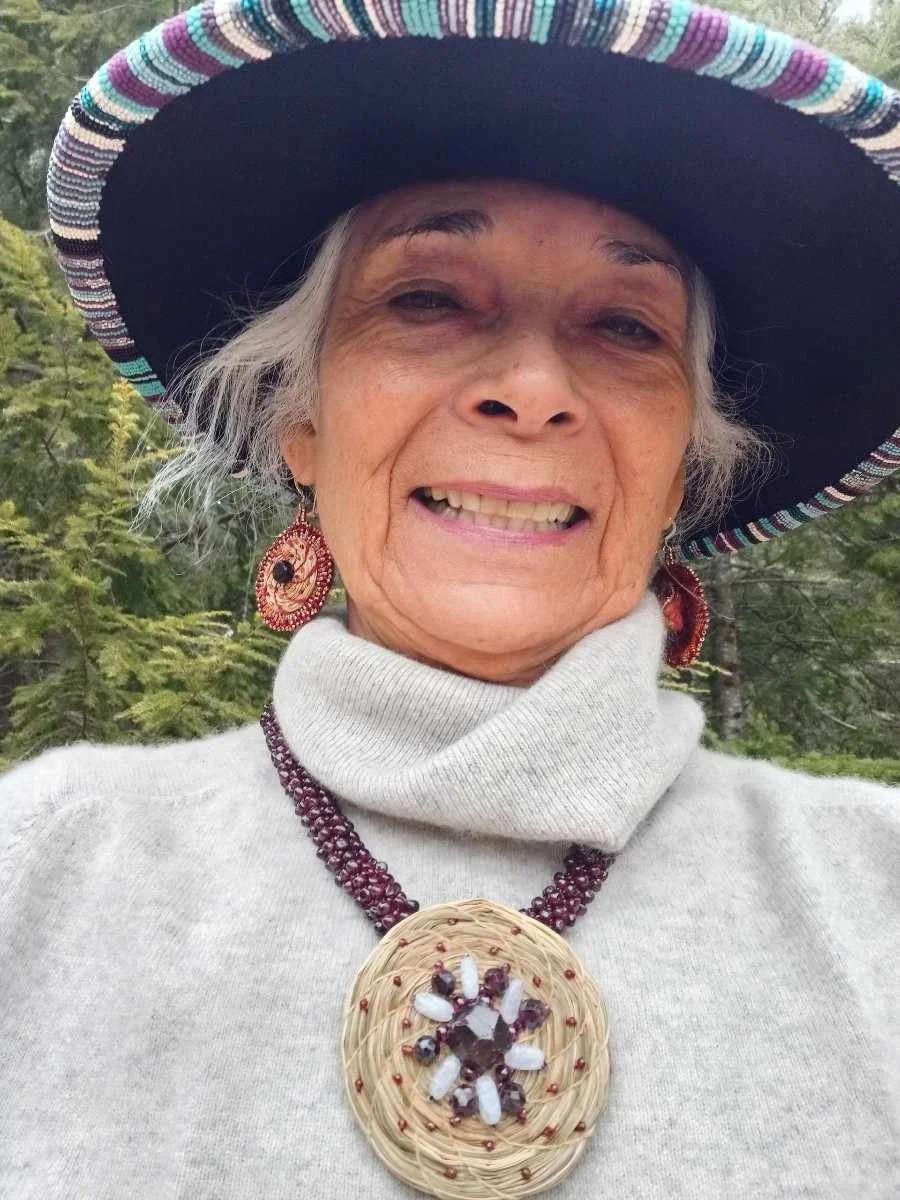
TRIBAL AFFILIATION: Penobscot
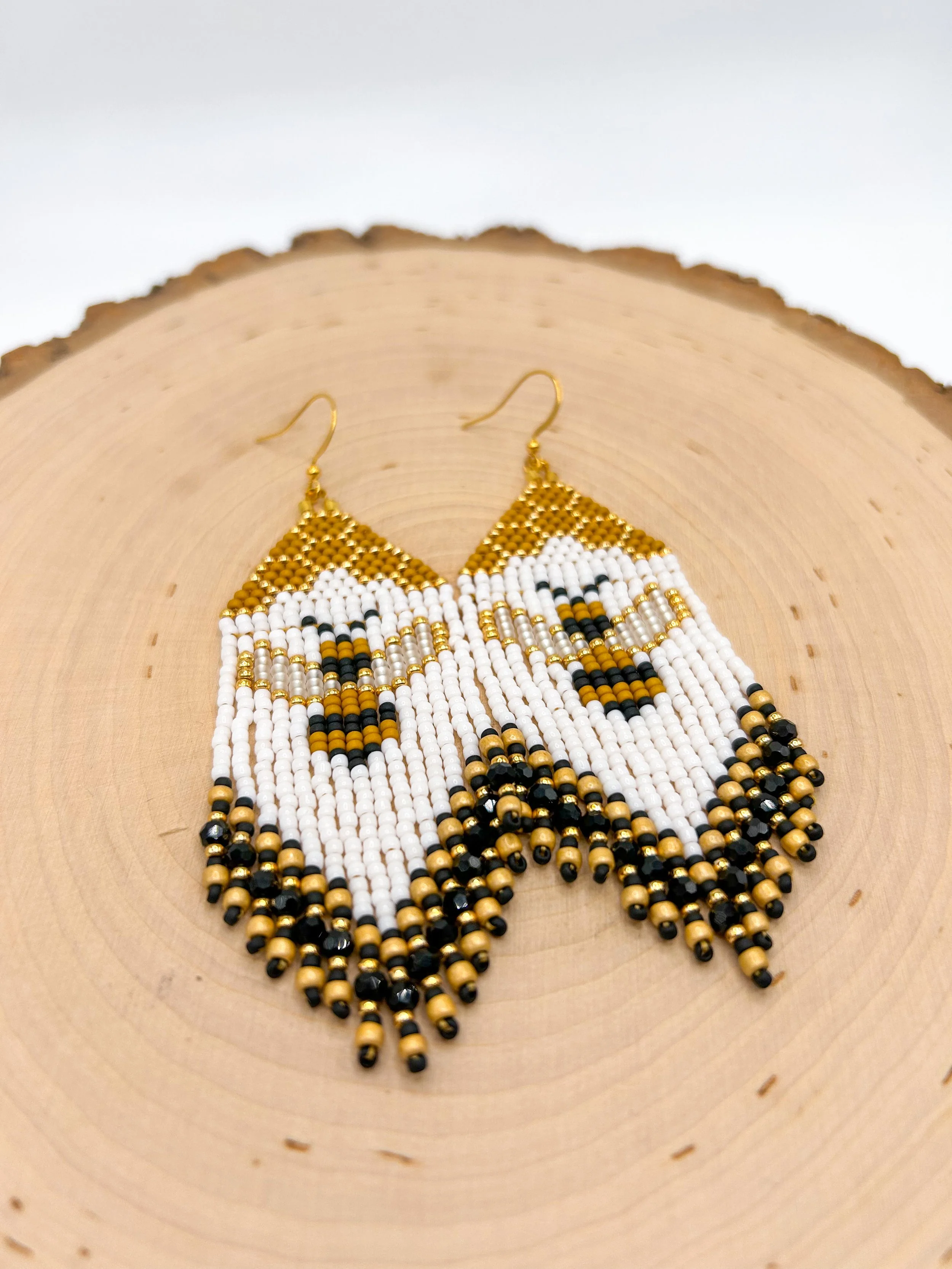
MEDIUM: Jewelry, Beadwork
BIOGRAPHY
Kat studied in several dimensions at the Institute of American Indian arts (IAIA) in Santa Fe, New Mexico and upon graduating focused on silversmithing, she continued to work in silver until a serious accident made it too difficult to tolerate the strenuousness of the application. Now faced with a life-changing decision, she decided to move back to Maine and eventually settled on Indian Island, where she now resides. During her recuperation Kat considered various mediums to express herself and decided on working with sweetgrass and beadwork.
Being on Indian island brought Kat into contact with Elder artisans who were instrumental in her development of these new mediums. She studied the traditional methods of sweetgrass artistry under Charlene Francis and benefited from the mentorship of Barbara D. Francis. Having survived a near death experience Kat is once again able to create artwork in appreciation of life. She now works daily on various applications creating jewelry, adorning clothing articles with beadwork, and creating miniature articles of sweetgrass.
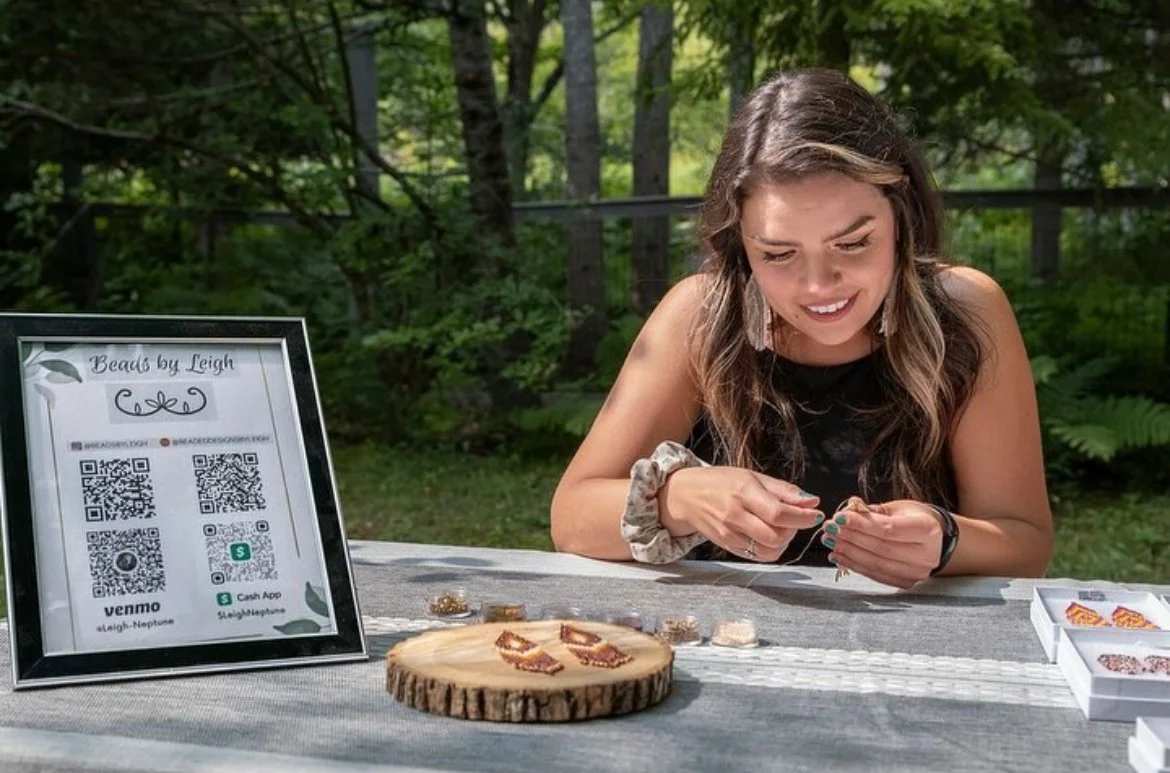
TRIBAL AFFILIATION: Penobscot
MEDIUM: Beadwork
BIOGRAPHY
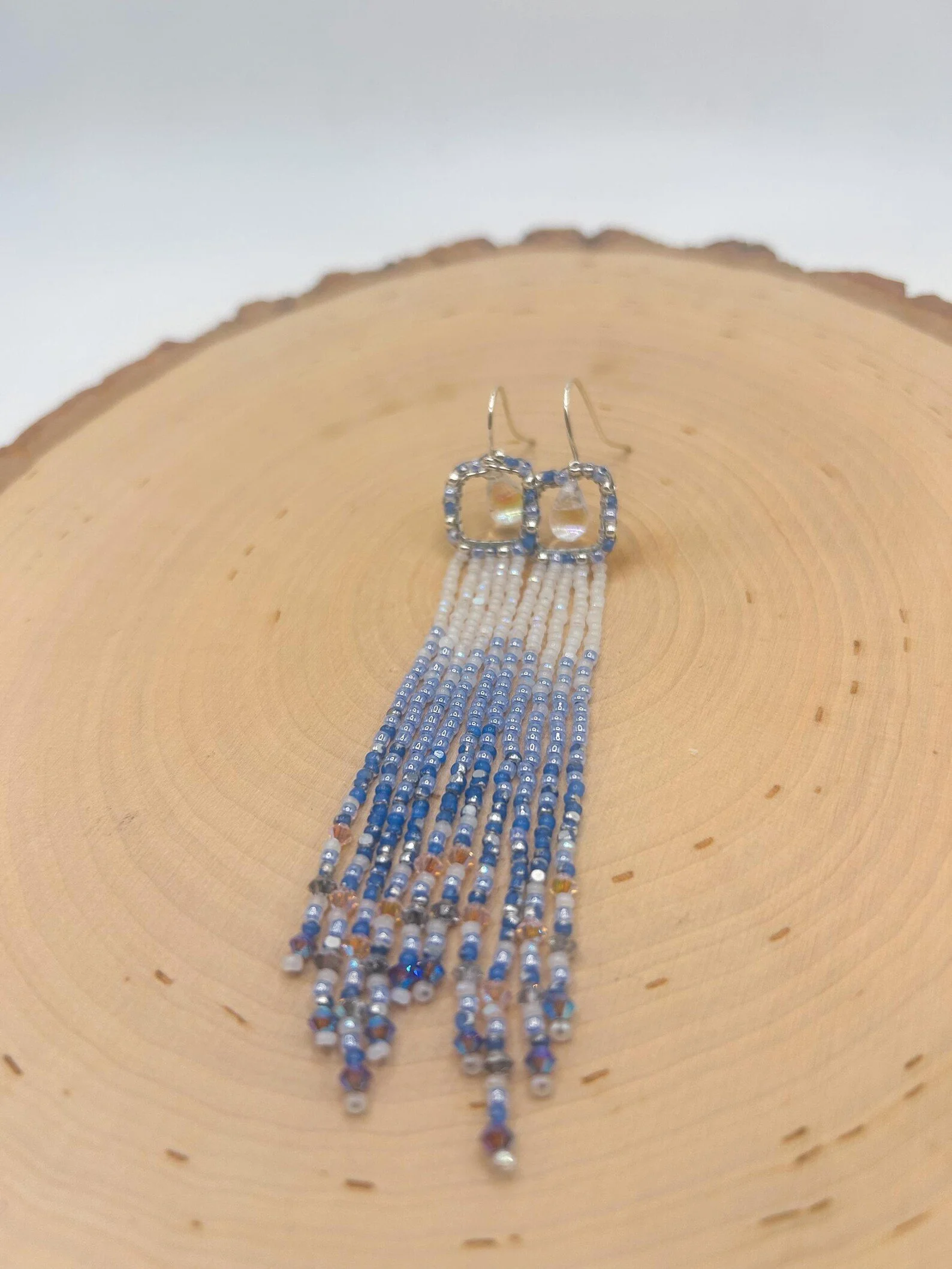
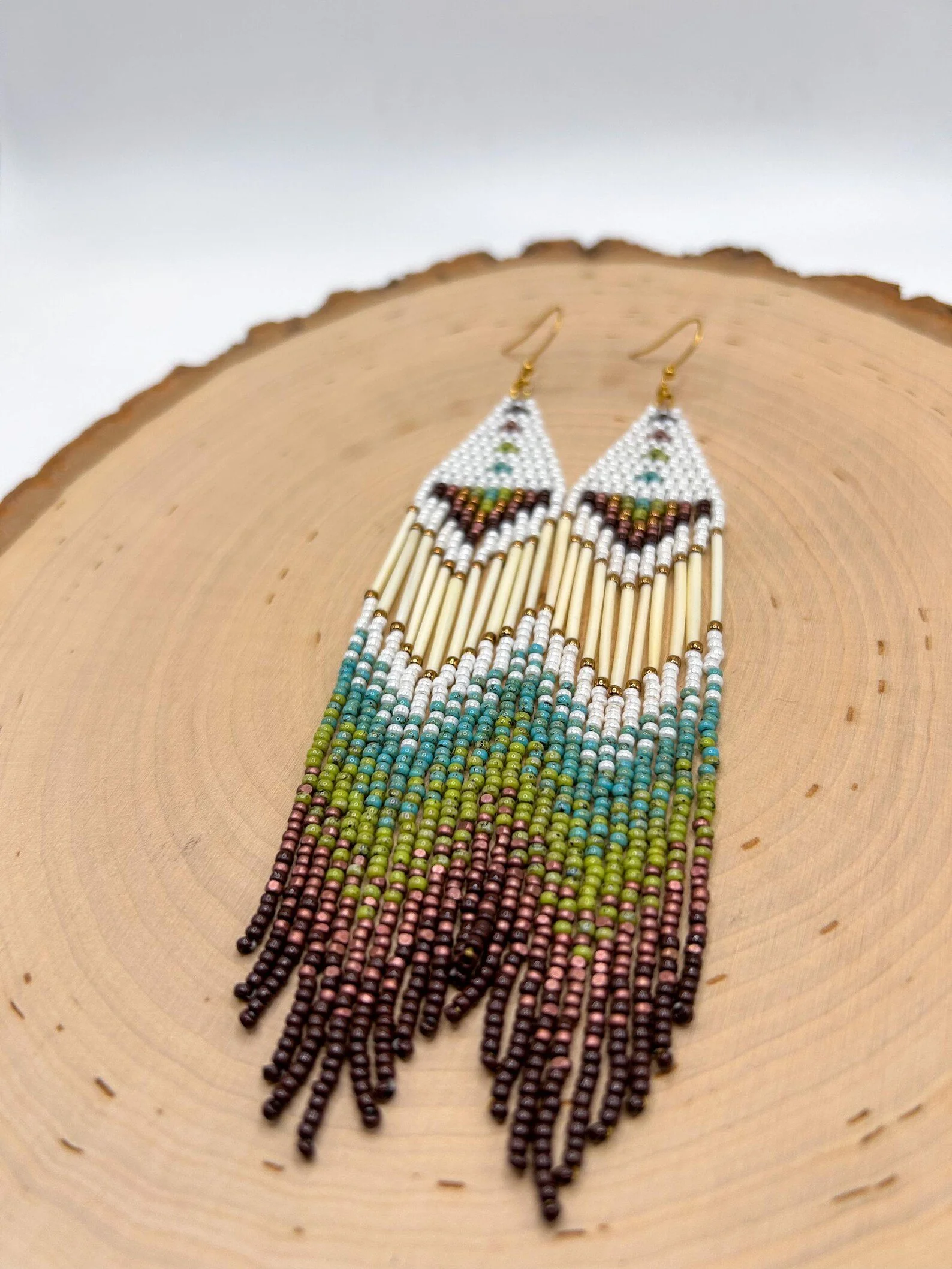
Leigh Neptune is a self-taught Wabanaki beadwork artist from the Penobscot Nation. She has been beading for three years and enjoys curating themed collections of beaded earrings. In addition to her beadwork, Leigh is also a Registered Dietitian and PhD candidate in the Food and Nutrition Sciences program at the University of Maine.
TRIBAL AFFILIATION: Penobscot
MEDIUM: Photography
BIOGRAPHY
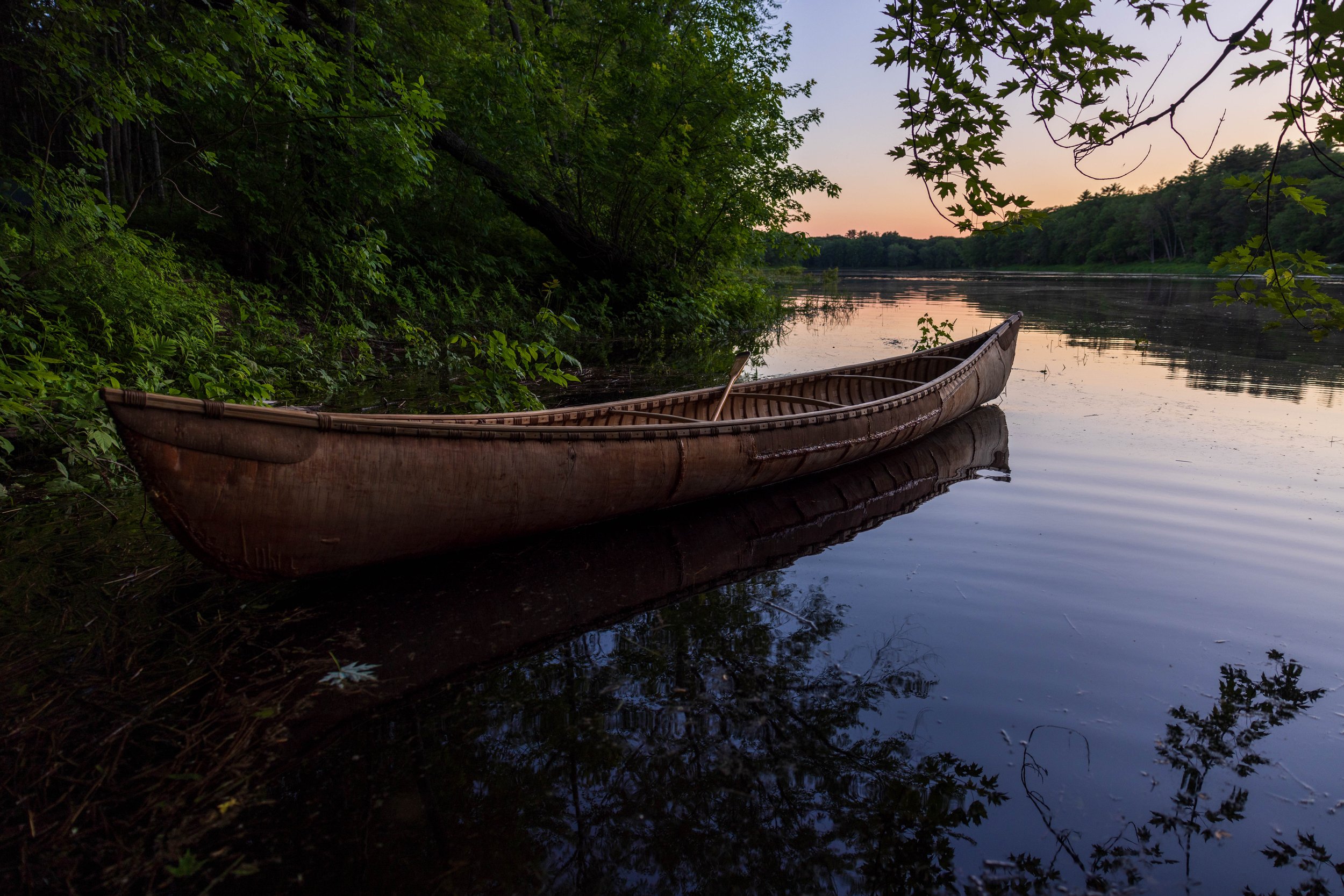
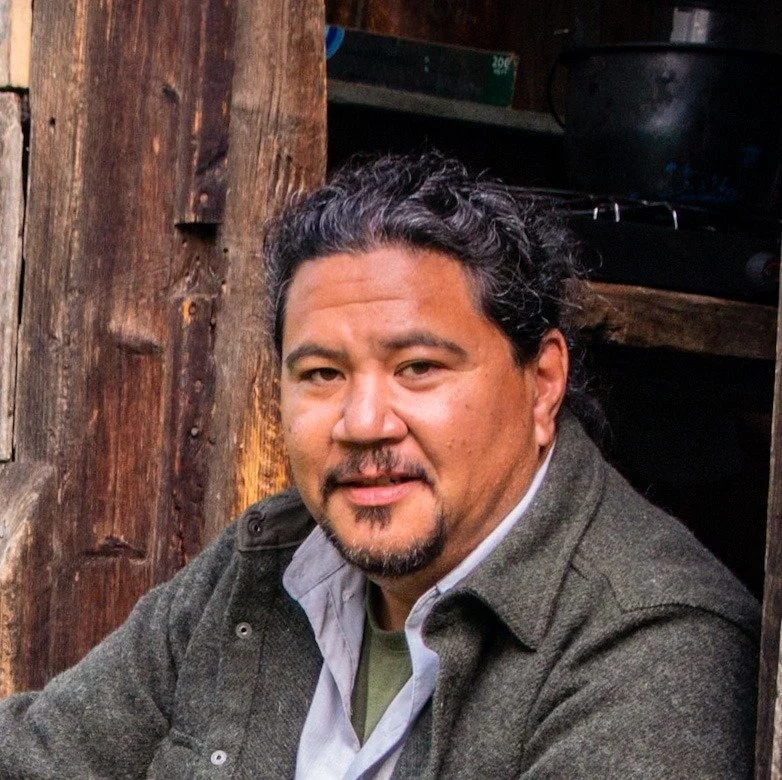
Jason Pardilla is an accomplished outdoorsman, photographer/videographer, wood worker, and councilor. Exploring the Wabanaki Homeland year round, Jason works to round up Wabanaki stories that cause people to contemplate their relationship with nature, while promoting the preservation of wild places everywhere.
Layered by outdoor, travel, adventure, canoeing, and cultural subjects, Jason is known for images that are punctuated by cultural, Wabanaki landscapes. Through the camera lens Jason strives to share his vision of Wabanaki homeland with all people, and inspire them to explore for themselves.
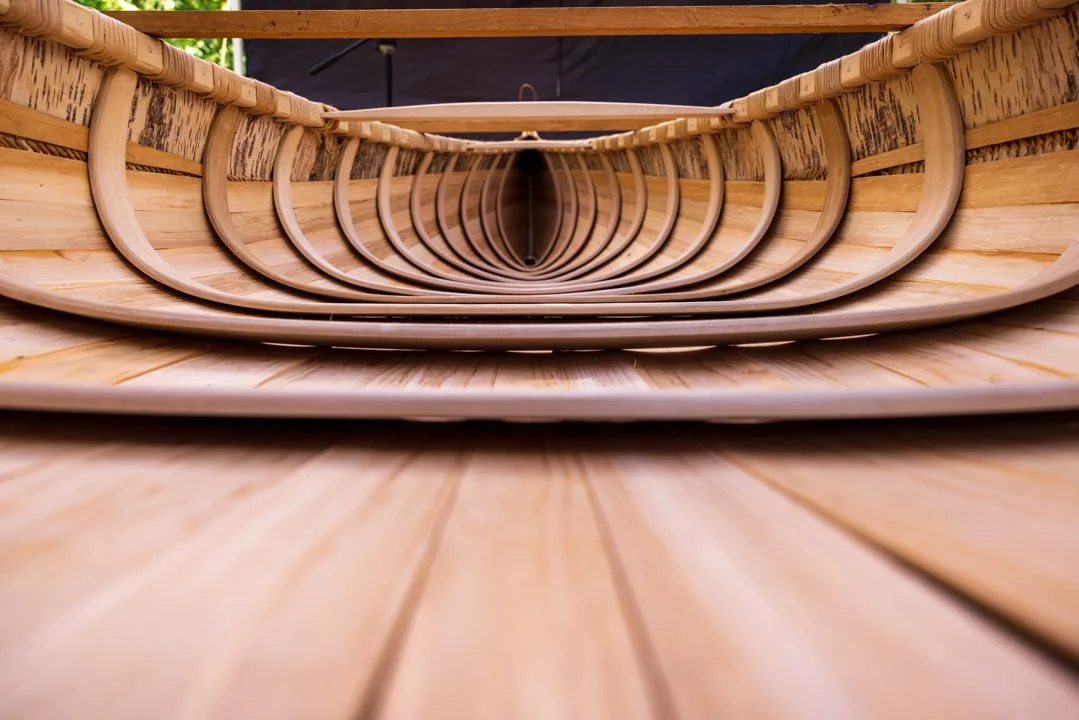
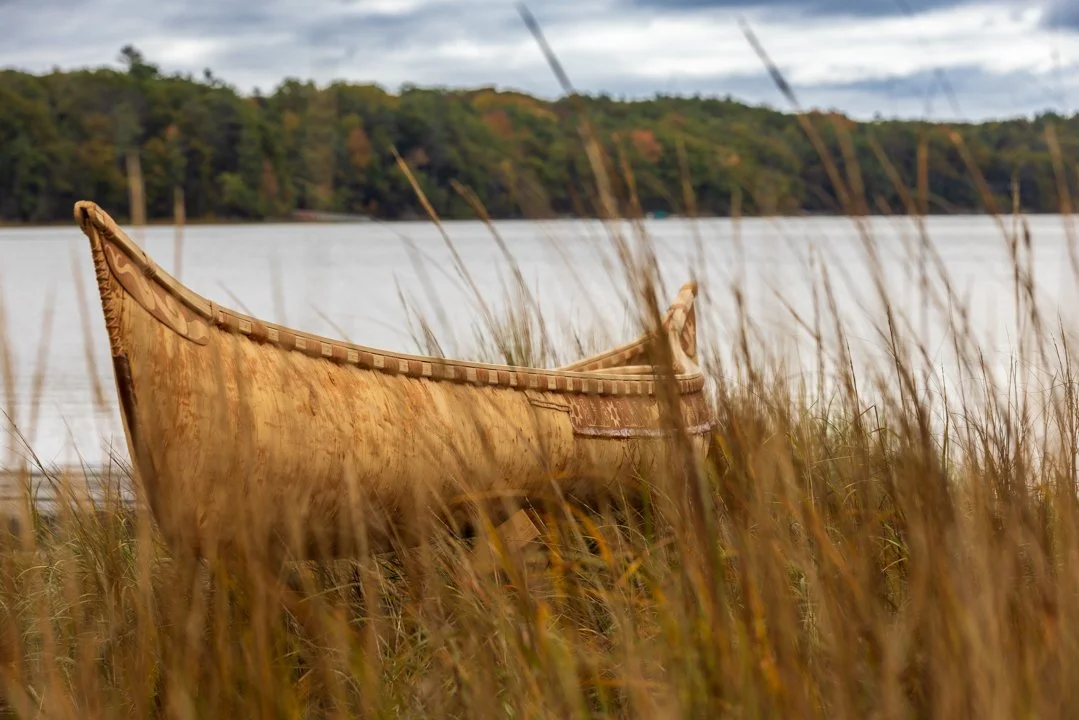
His perspective has earned him opportunities to work with exceptional people, build a birchbark canoe, and represent his tribe as a Penobscot Nation Tribal Councilor. Along with his tribe, Jason lives in his homeland in the Penobscot River Valley.
Jason has established himself as a river guide and creative. He is happiest with his family spending time on the Penobscot River.
TRIBAL AFFILIATION: Penobscot Nation
MEDIUM: Painter, Home & Body
ARTIST STAMENT
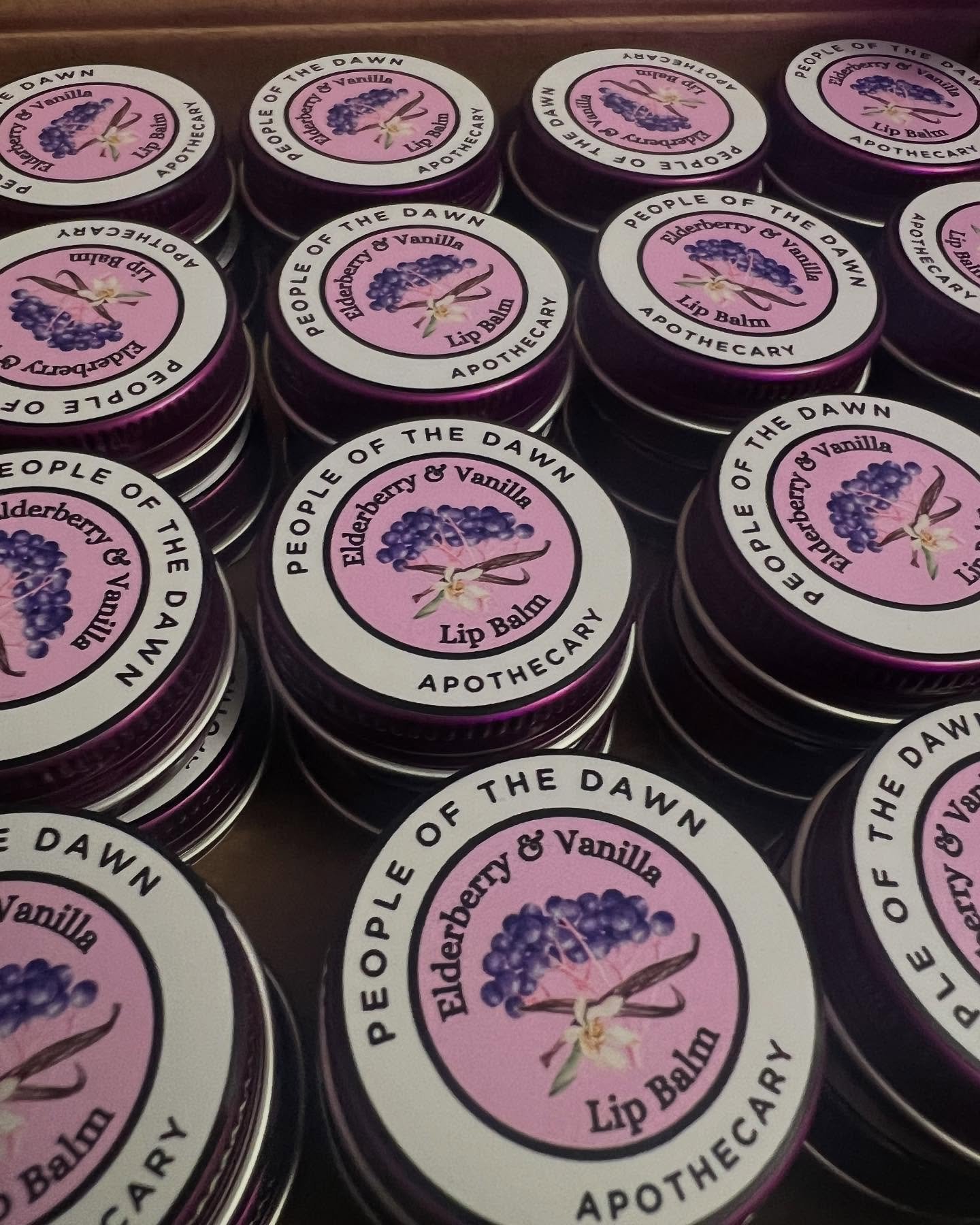
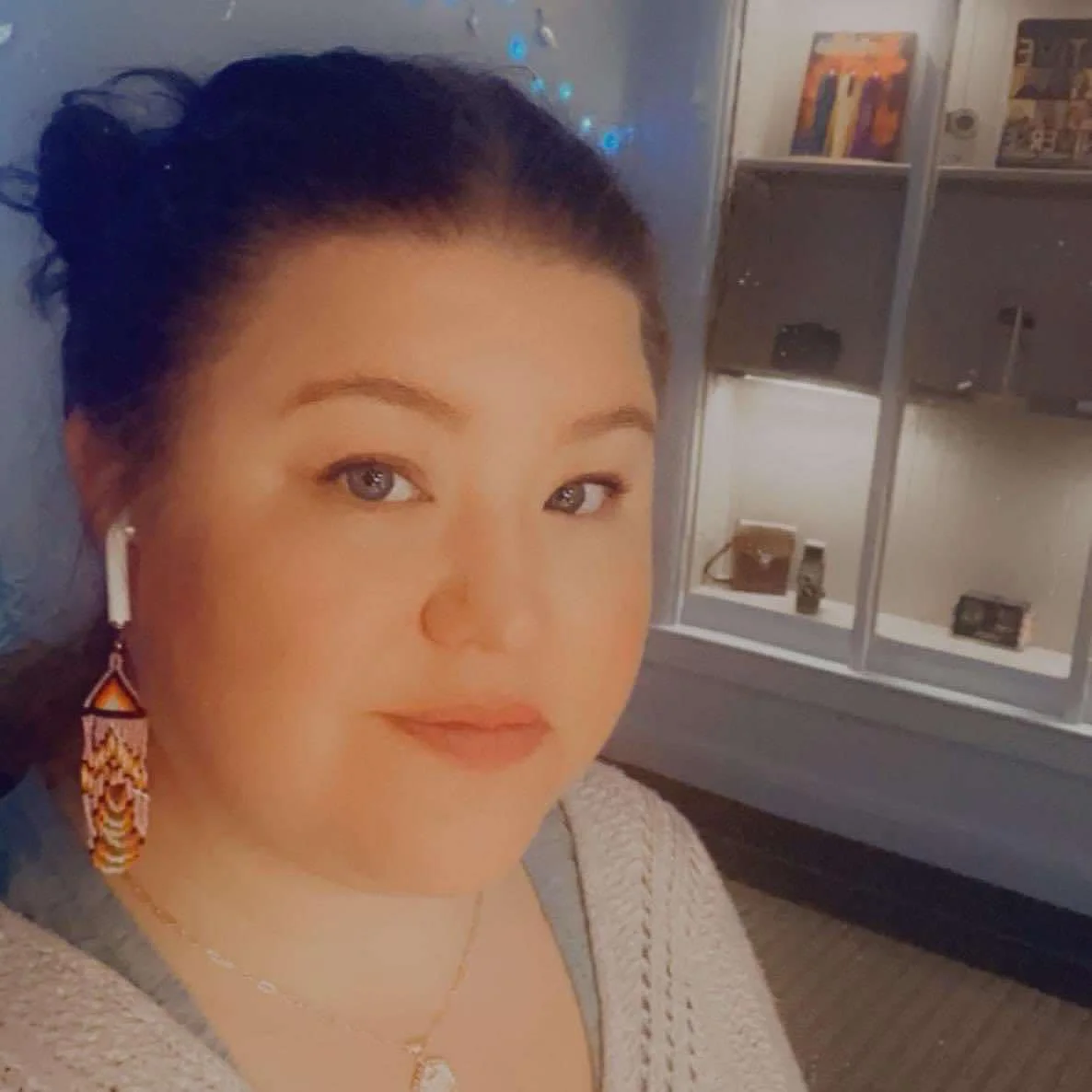
I am a Penobscot artist, healer, and mother dedicated to revitalizing traditional medicine and Indigenous knowledge. With deep ancestral roots and a passion for holistic healing, My son Kaden and I founded People of the Dawn Apothecary, committed to helping others with traditional and all-natural remedies. Our work combines art, medicine, and cultural preservation, honoring our ancestors' wisdom while providing sustainable, earth-based healing solutions for the modern world. Our small business has enabled me to help out the Wabanaki community of elders by gifting them products throughout the past few years, we are honored to be doing this work.
All of our products are plastic-free and have holistic properties, please make sure to stop to say hello!