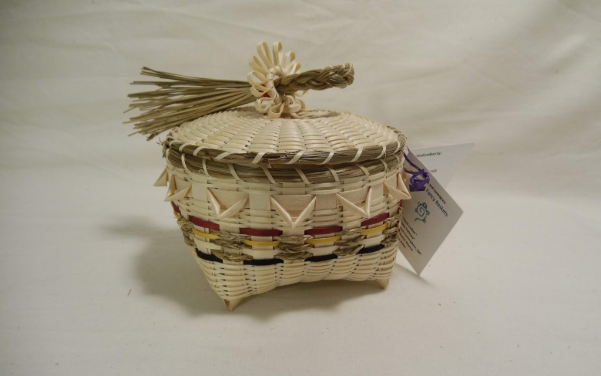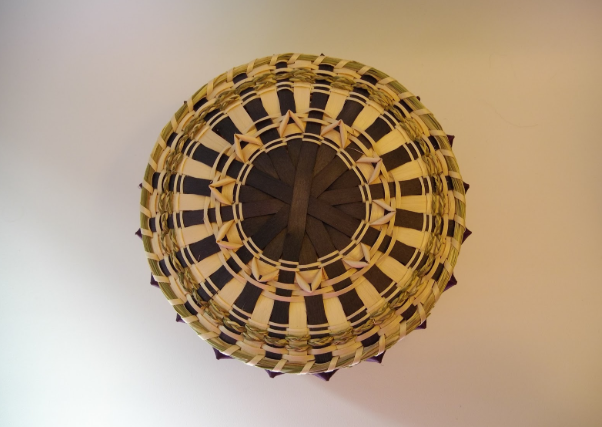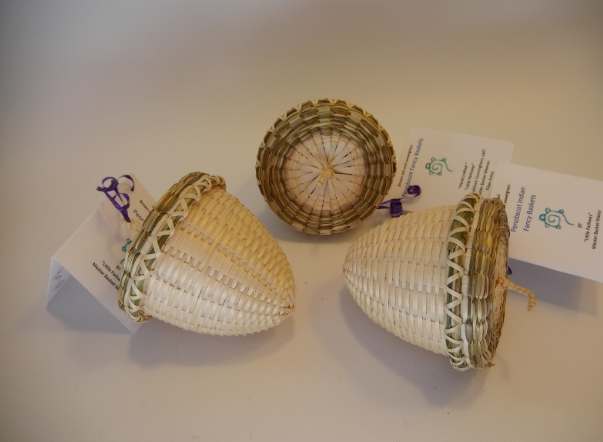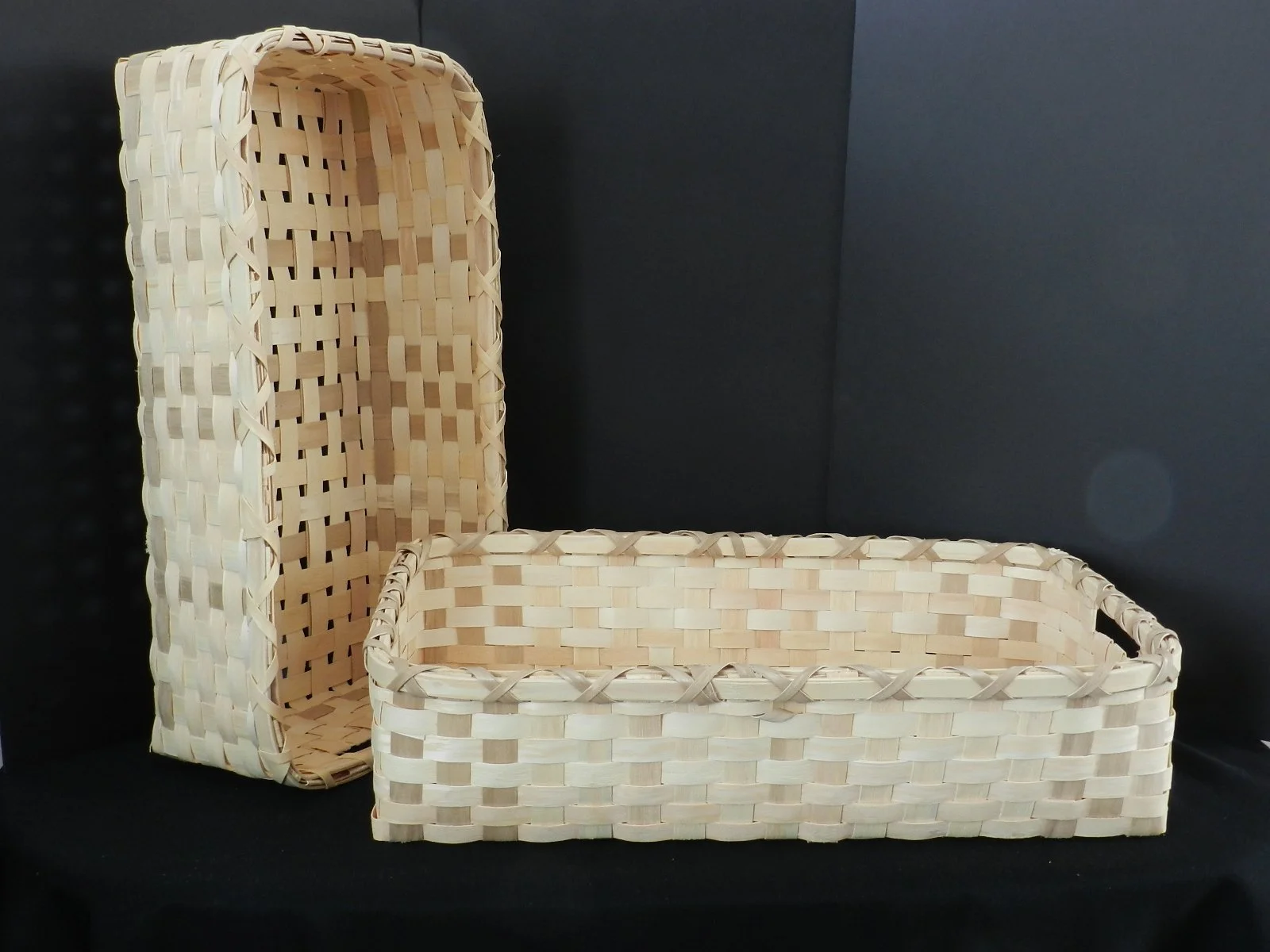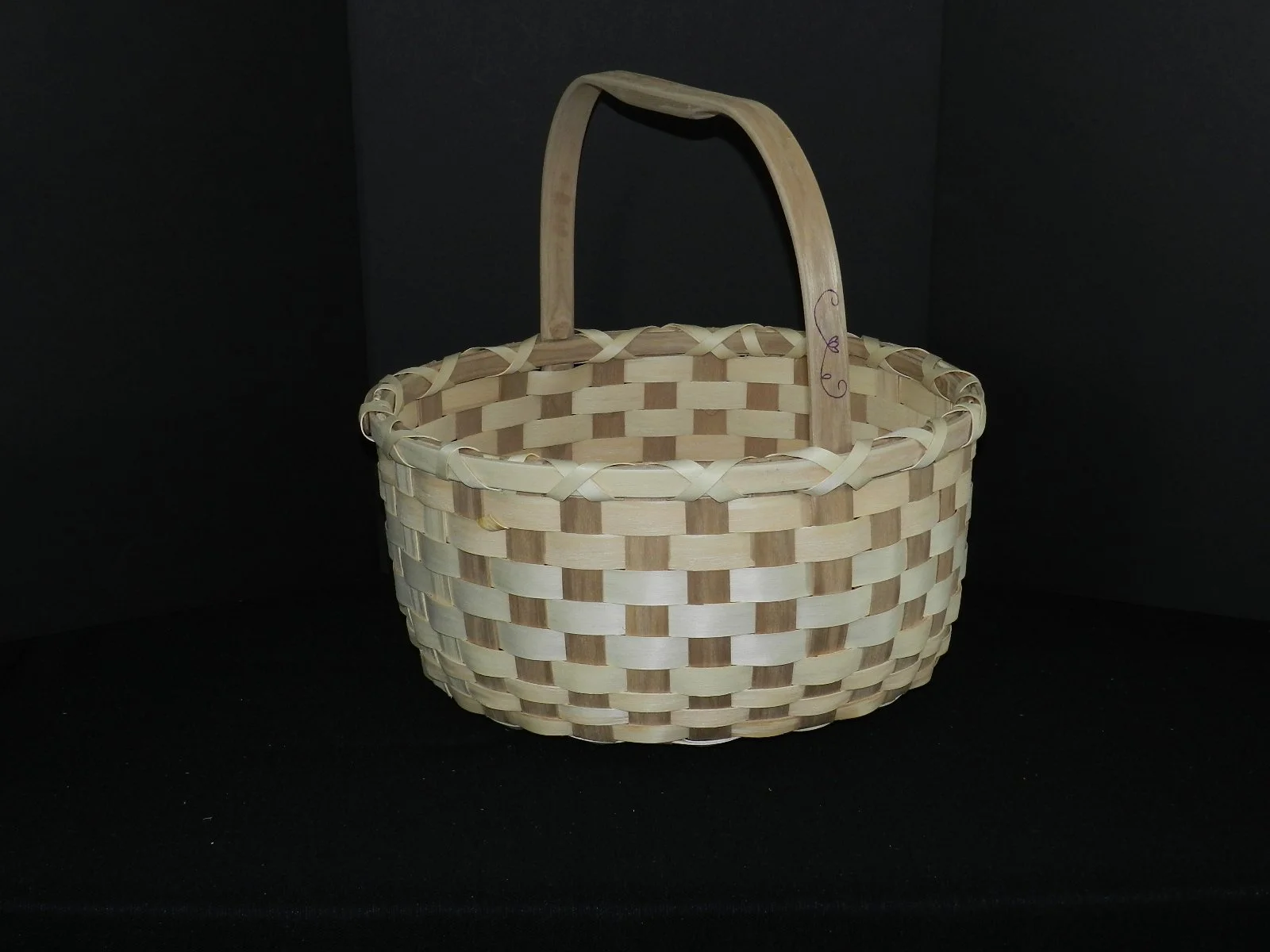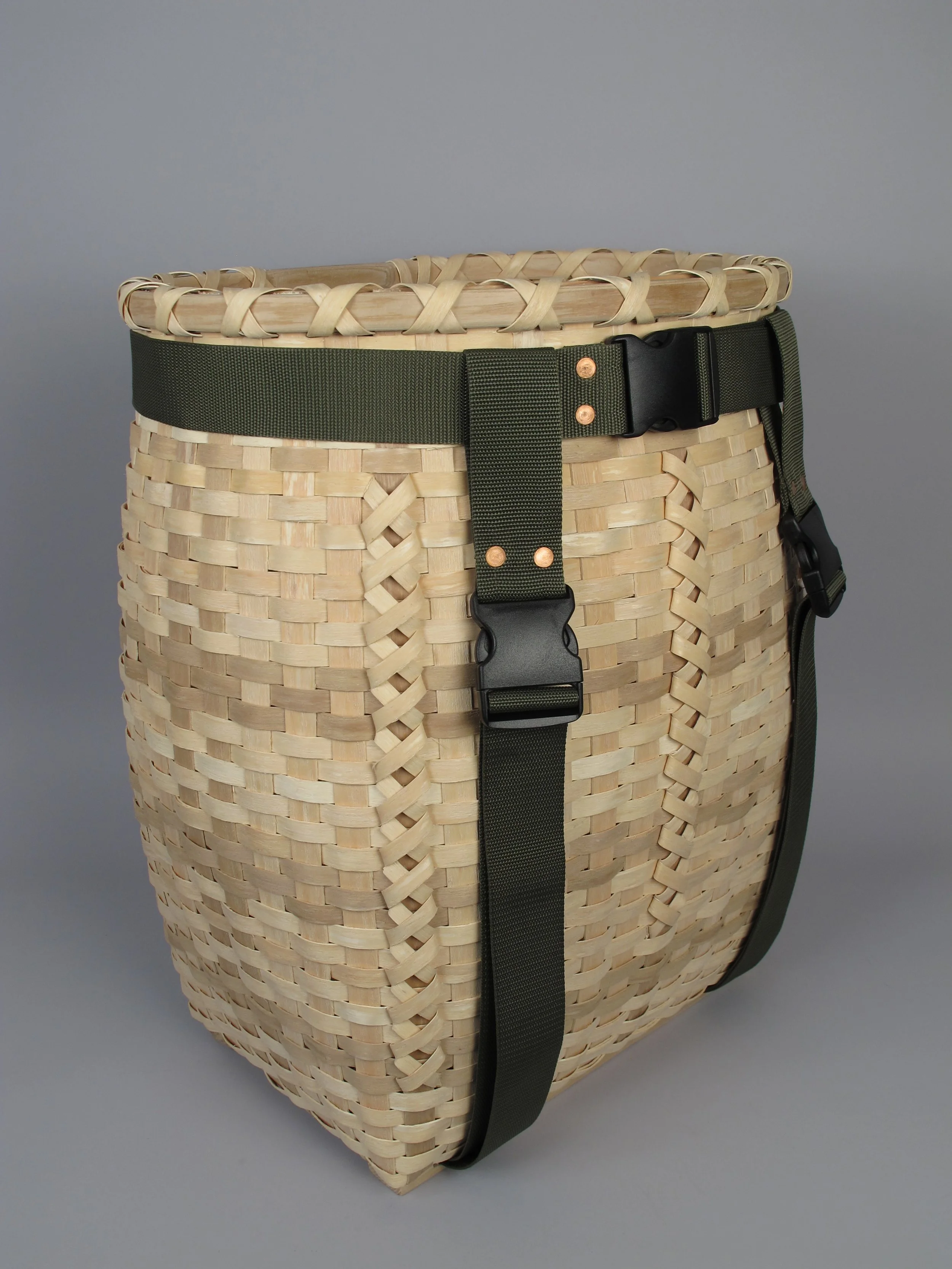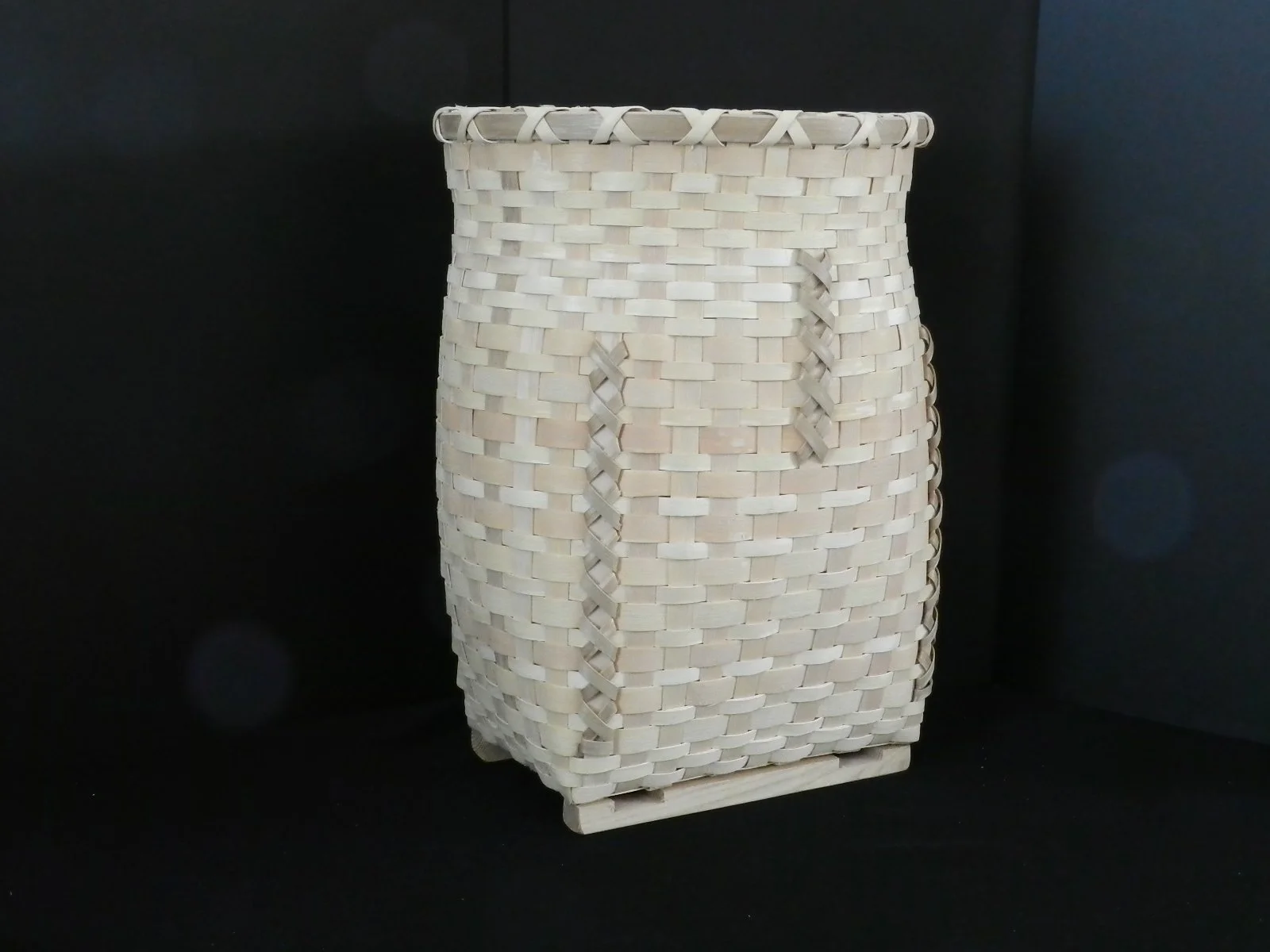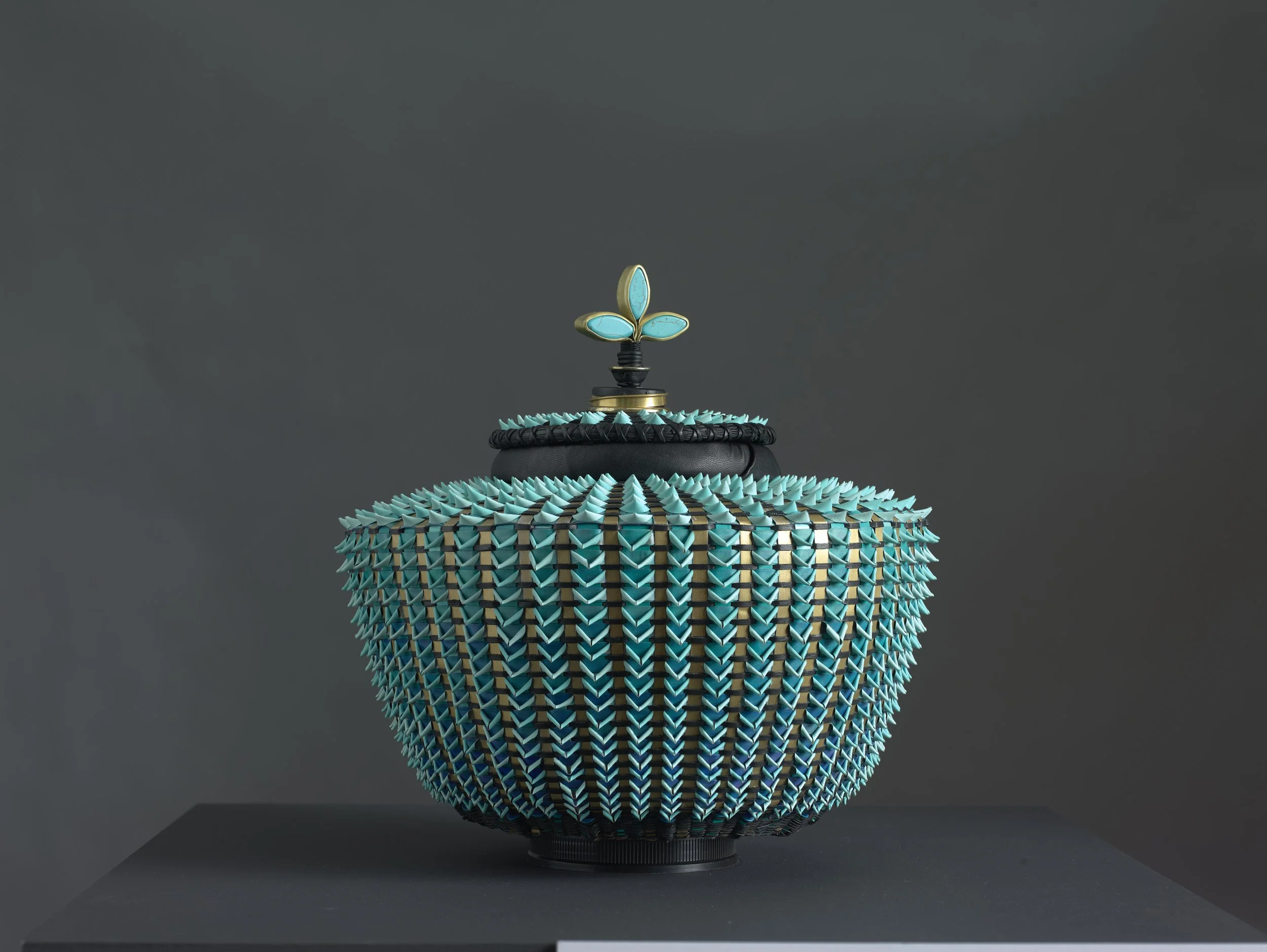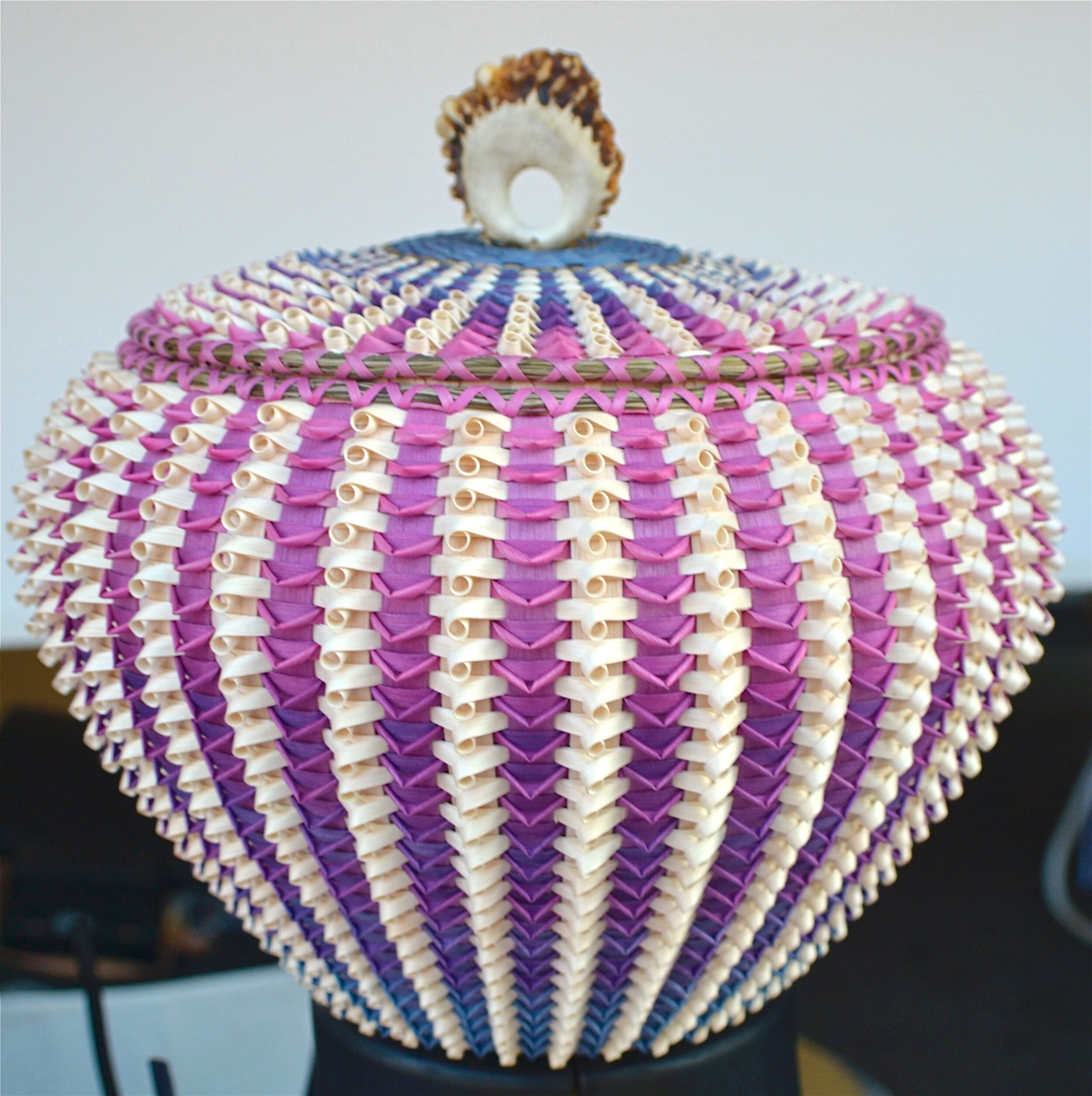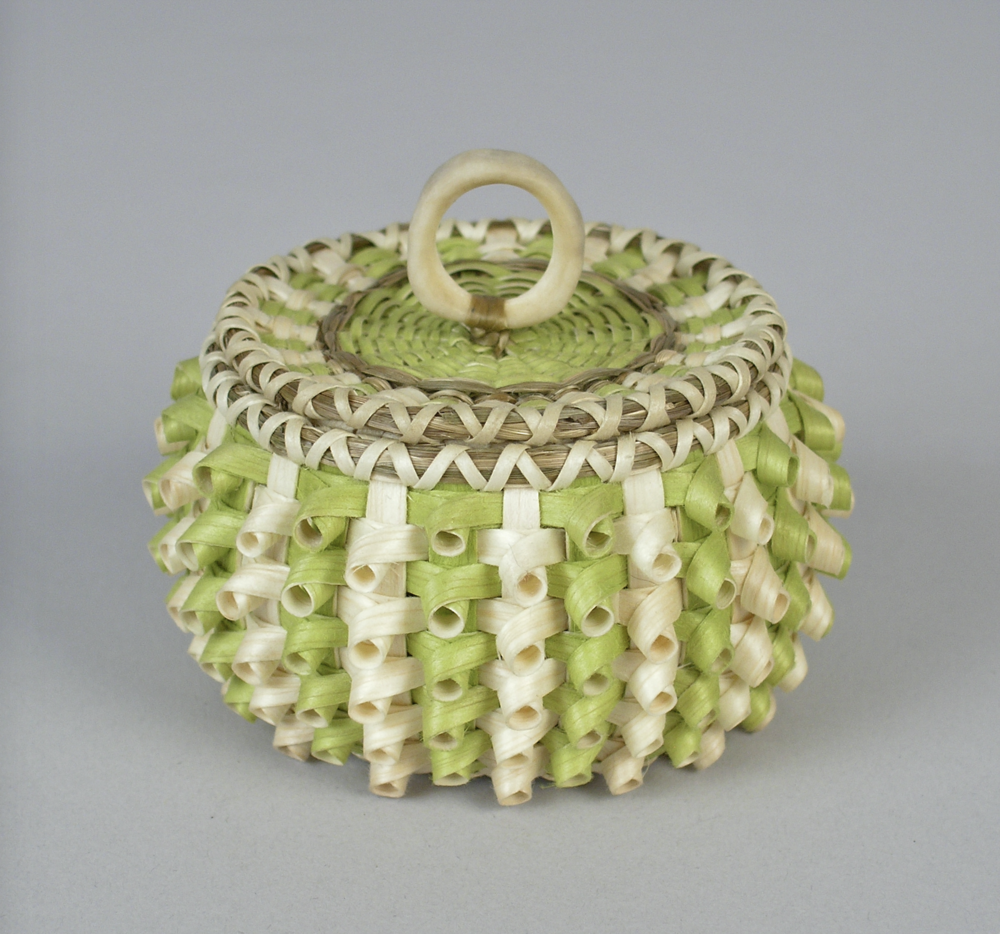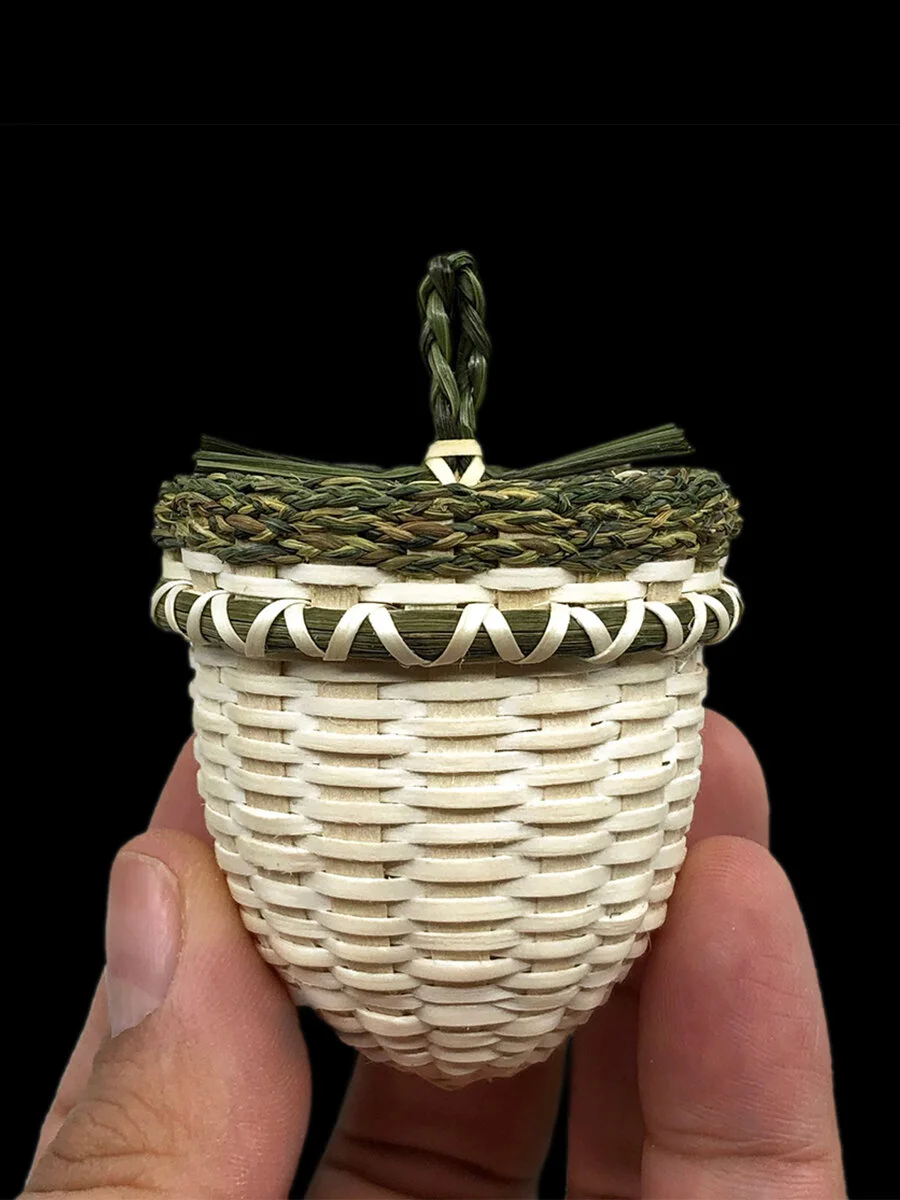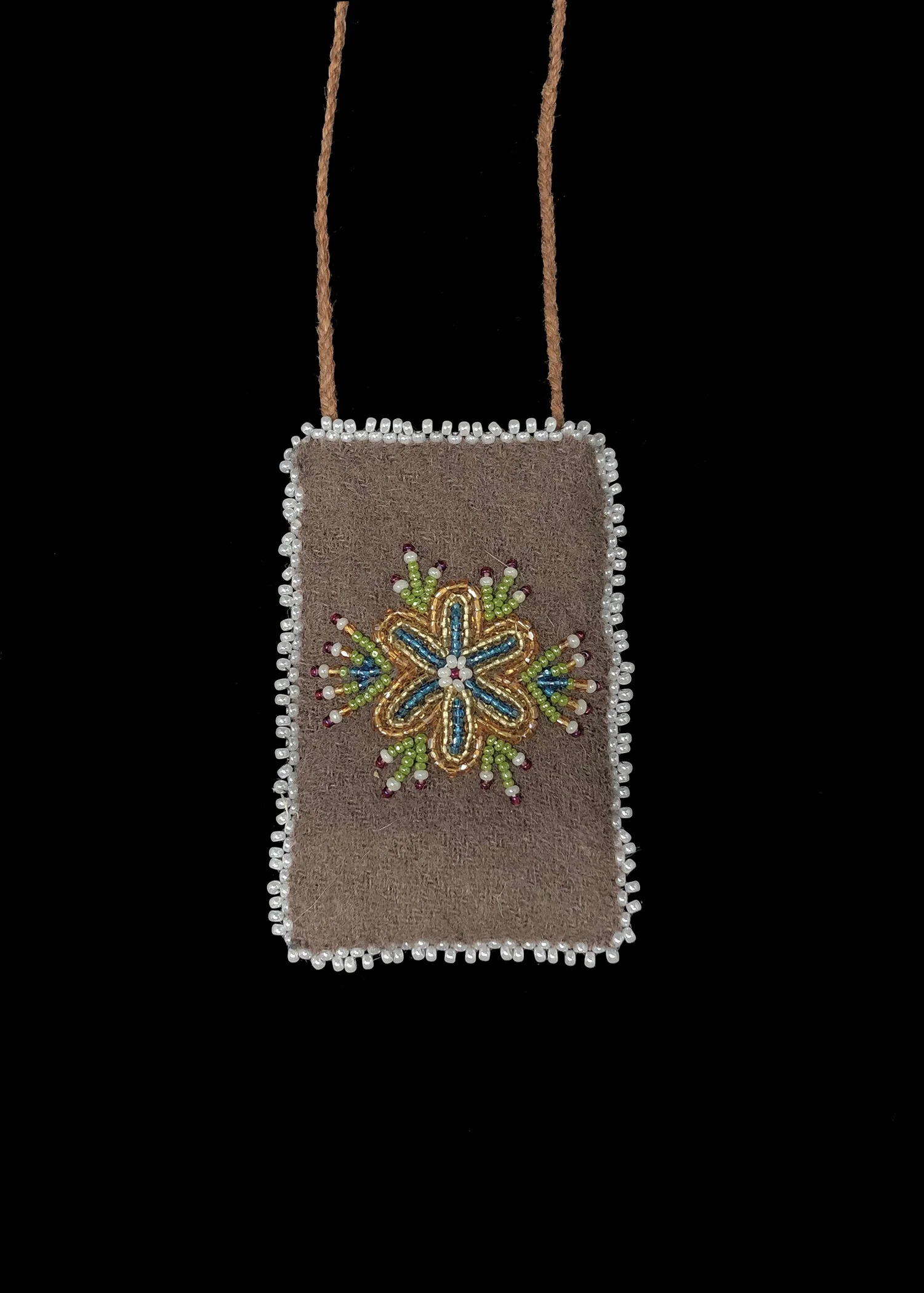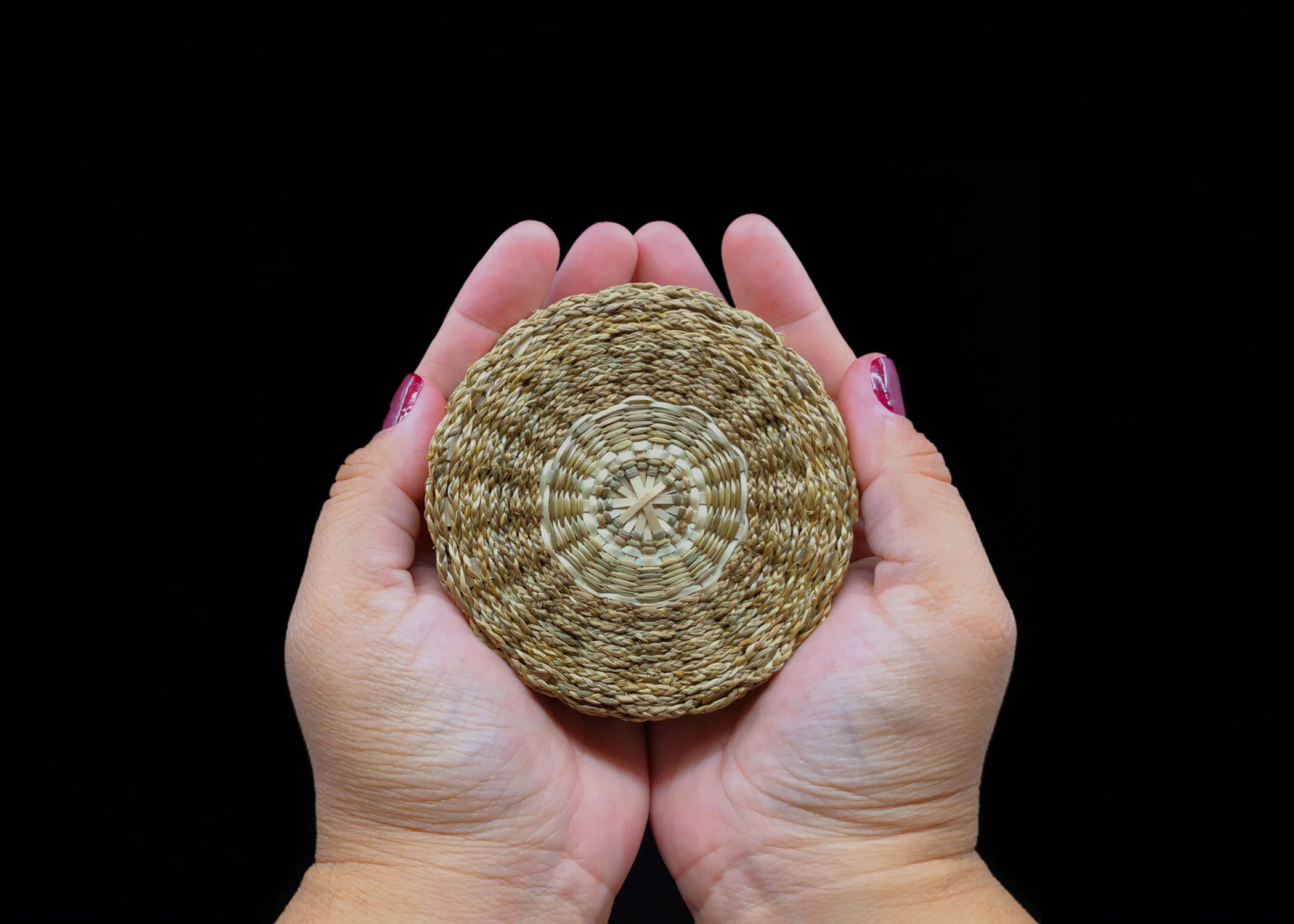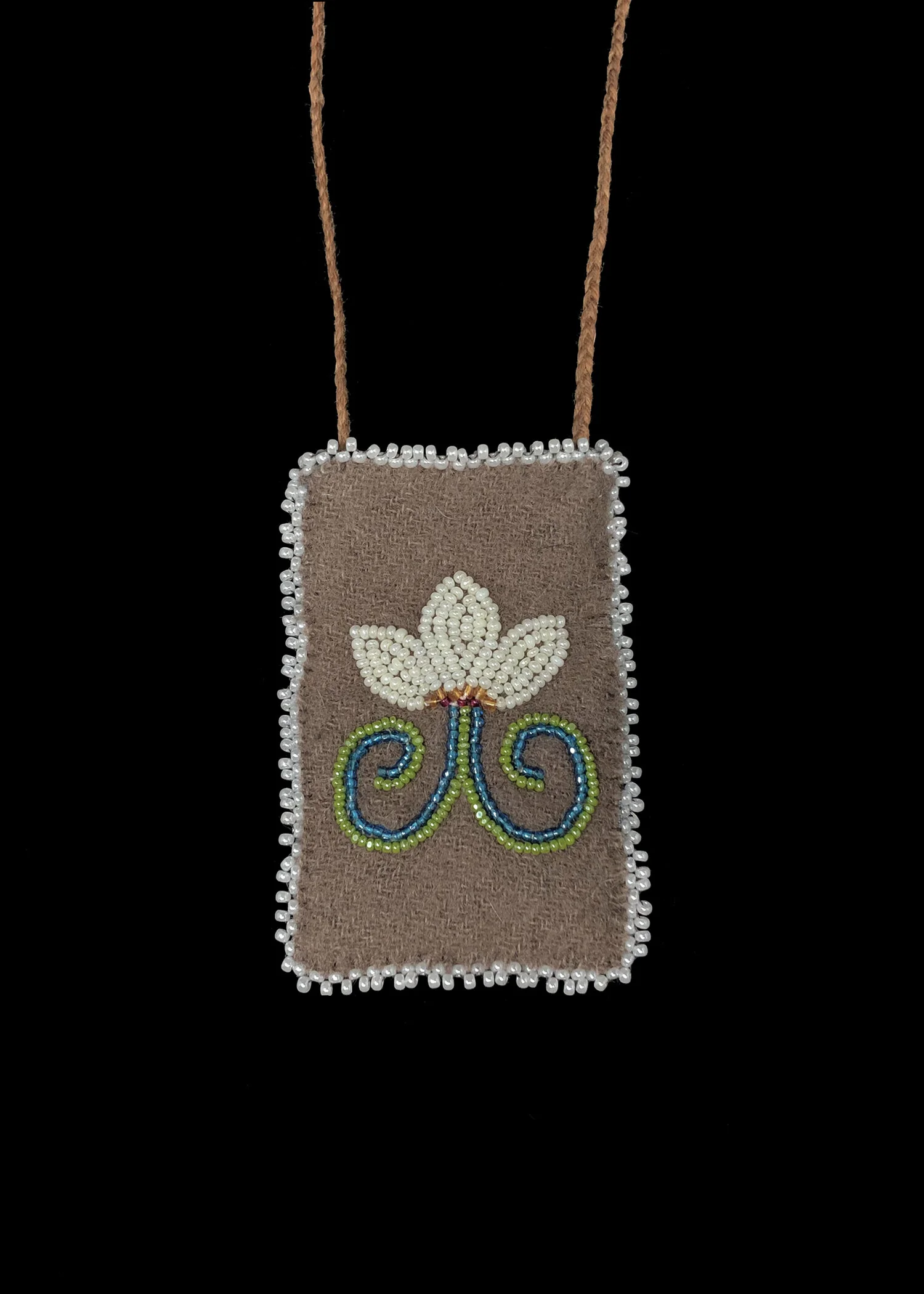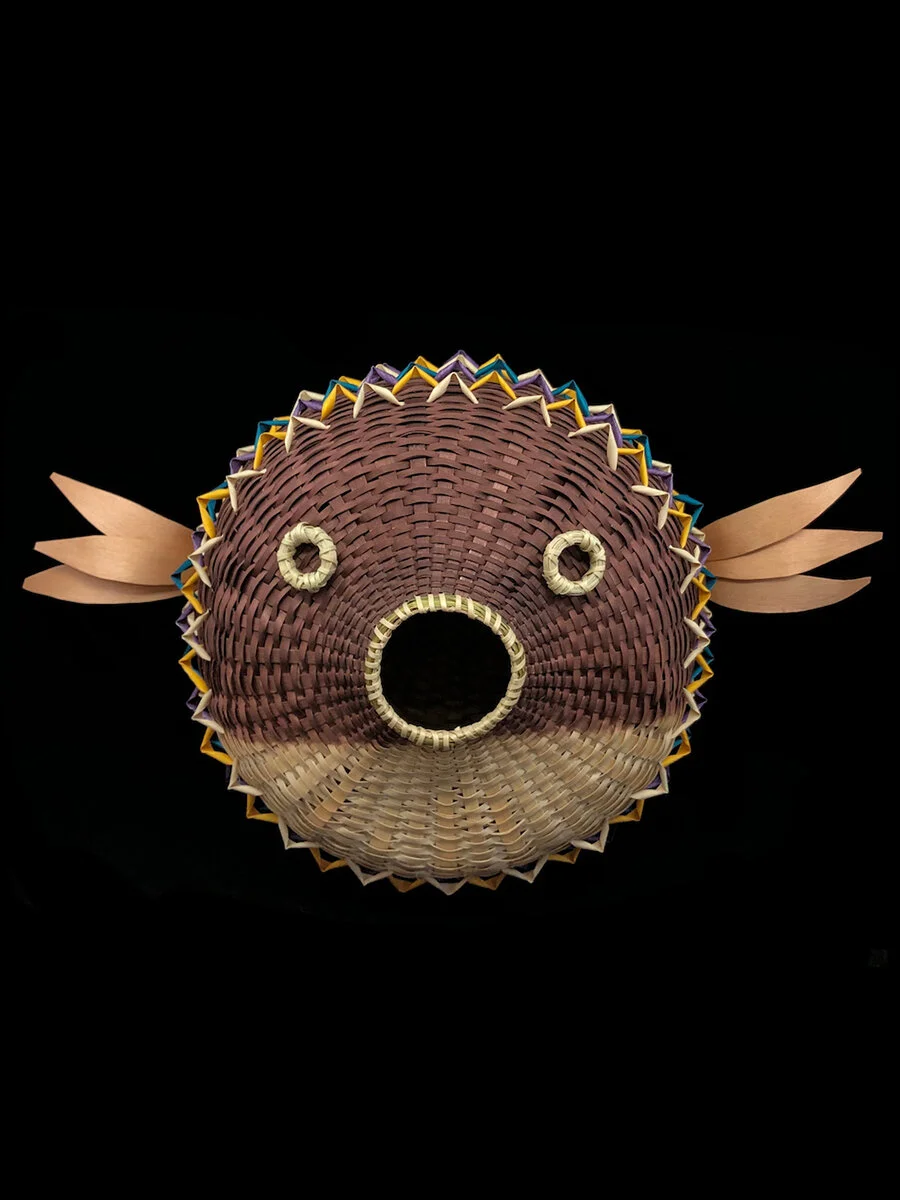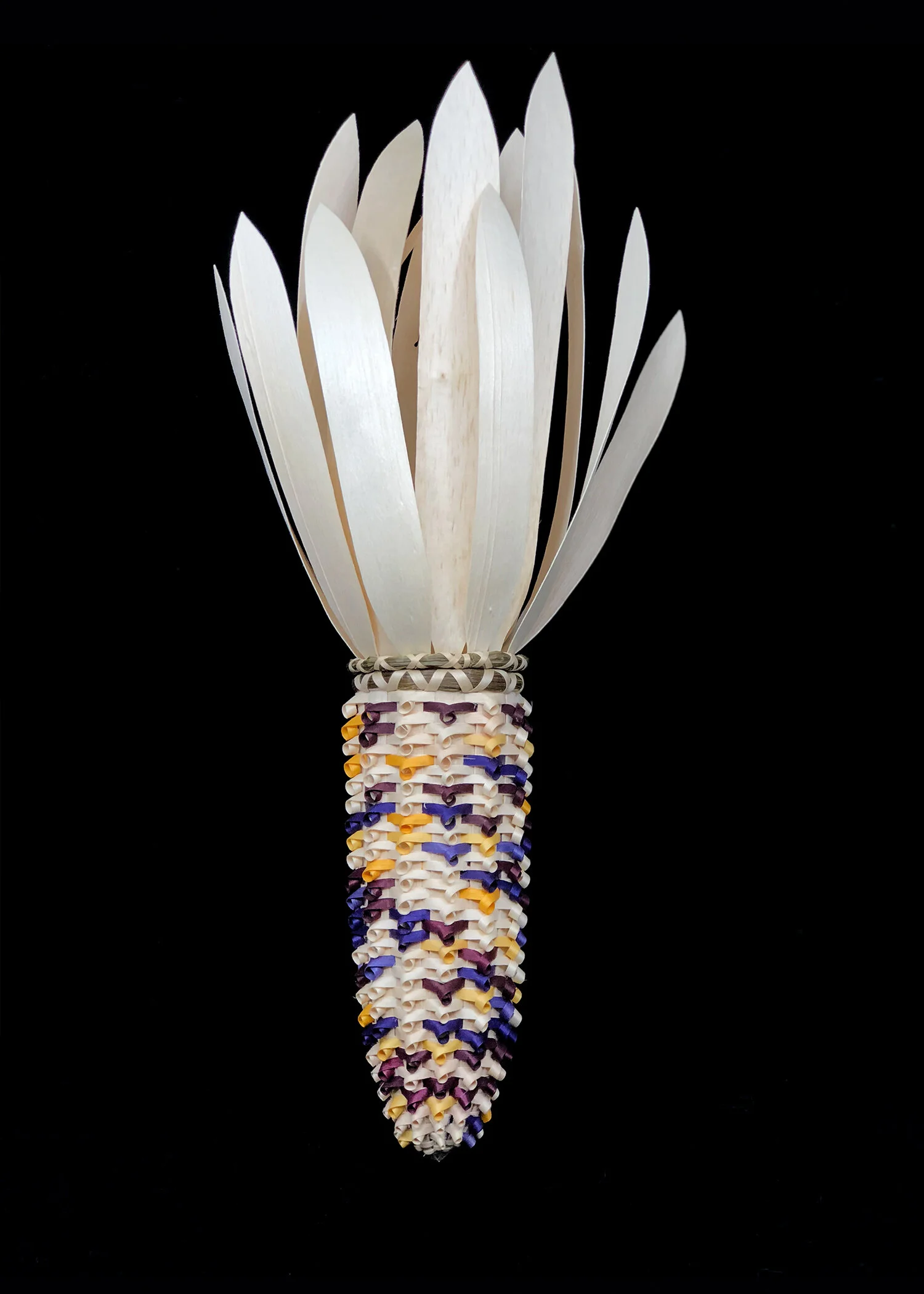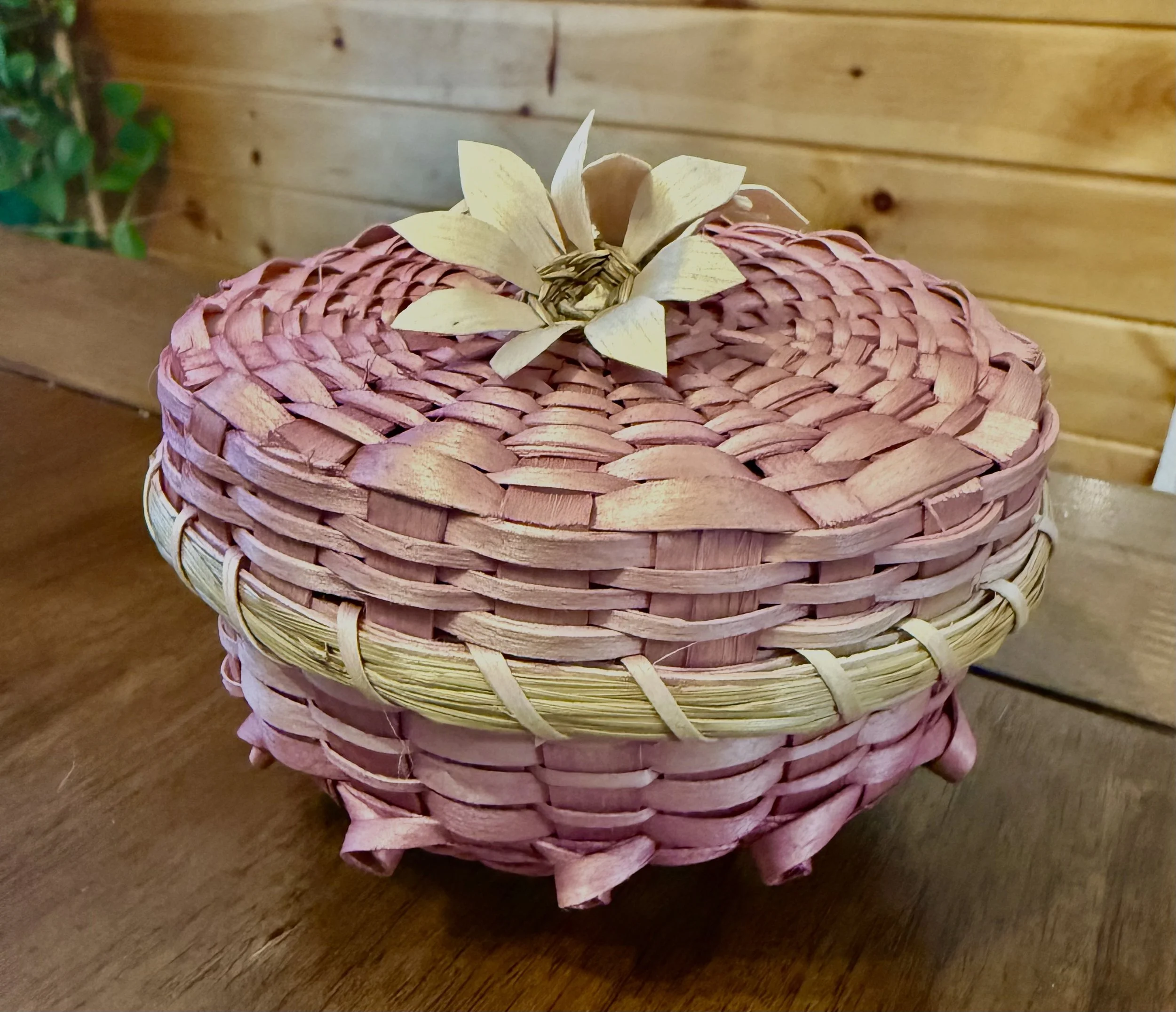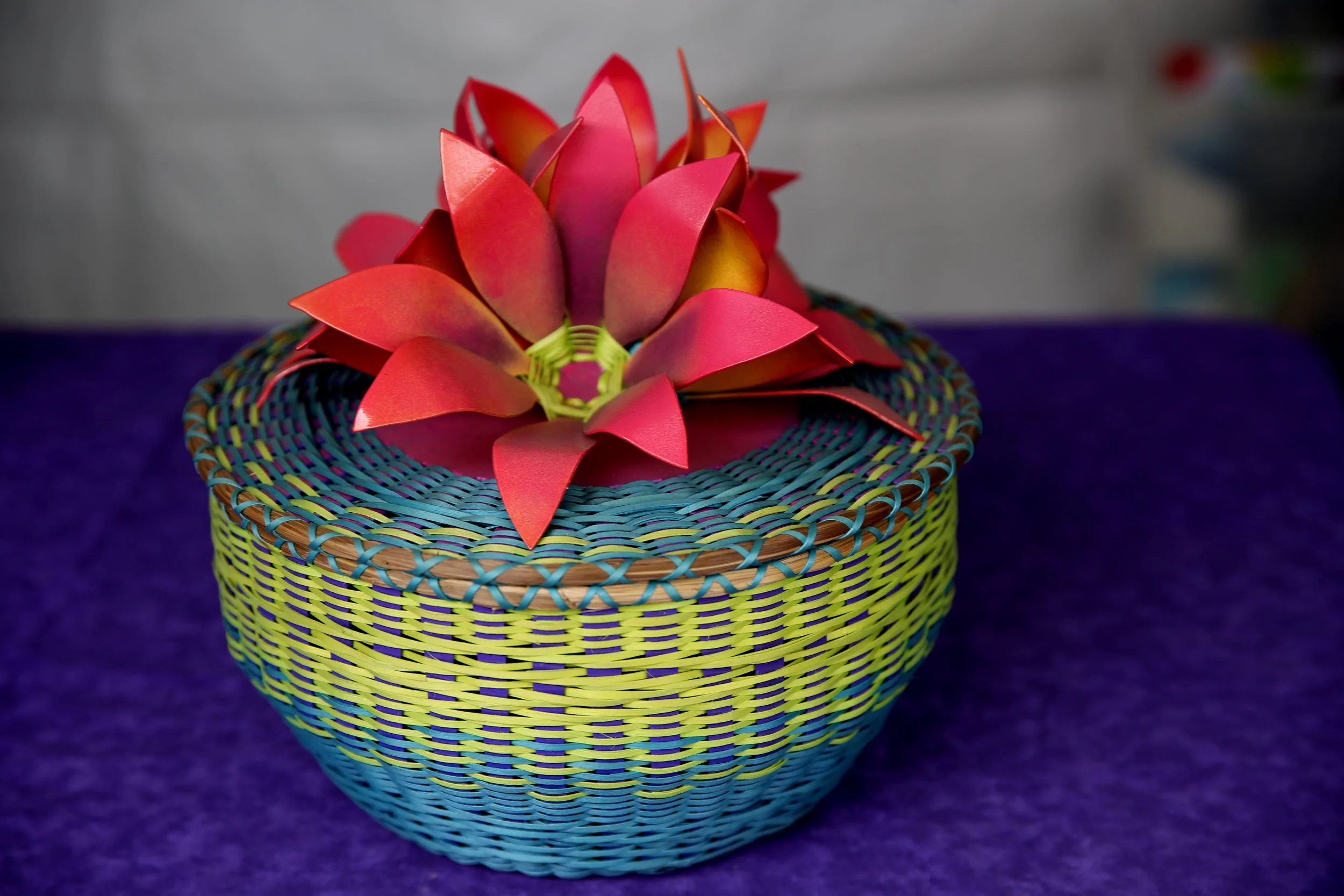
Pamela Outdusis Cunningham
/TRIBAL AFFILIATION: Penobscot
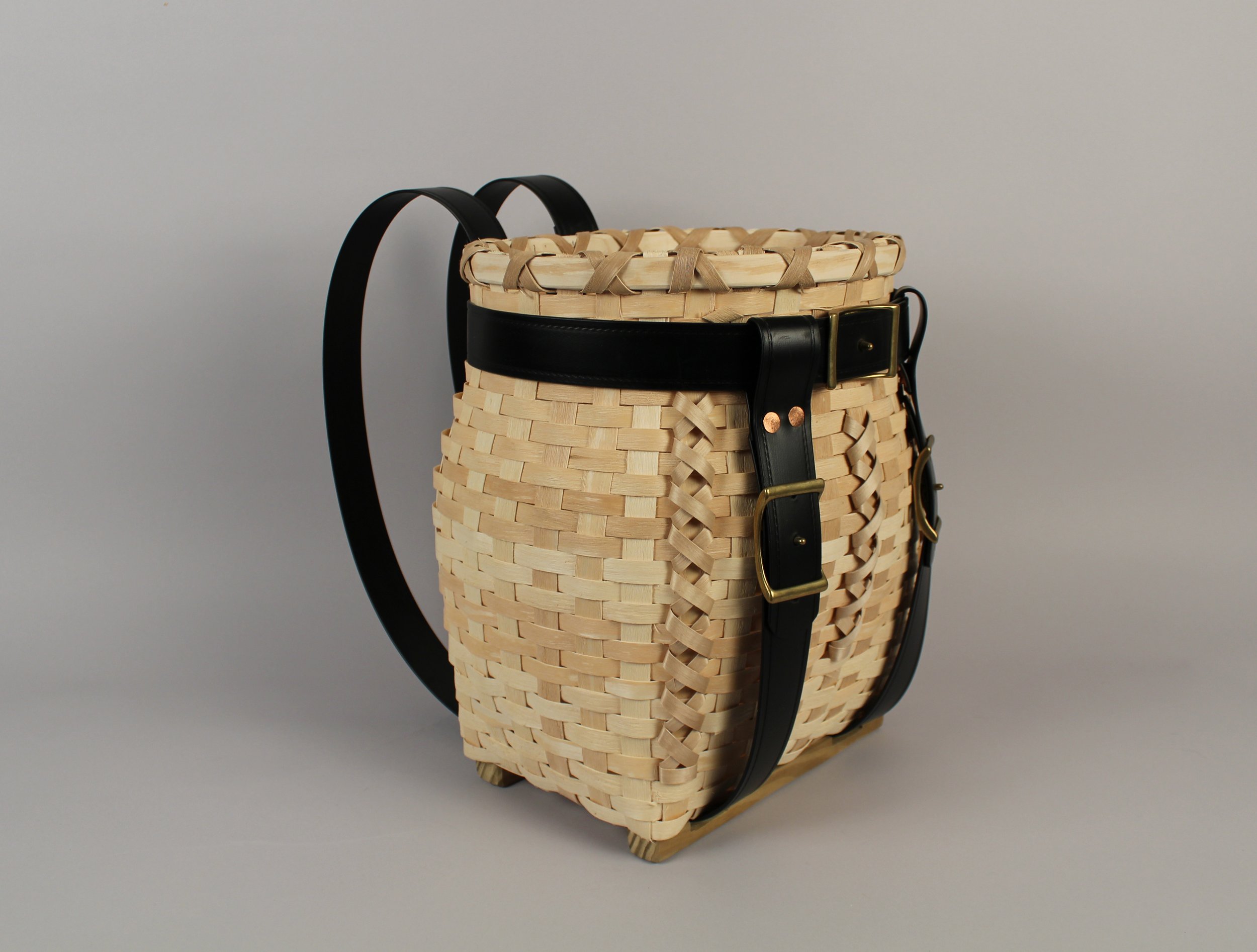
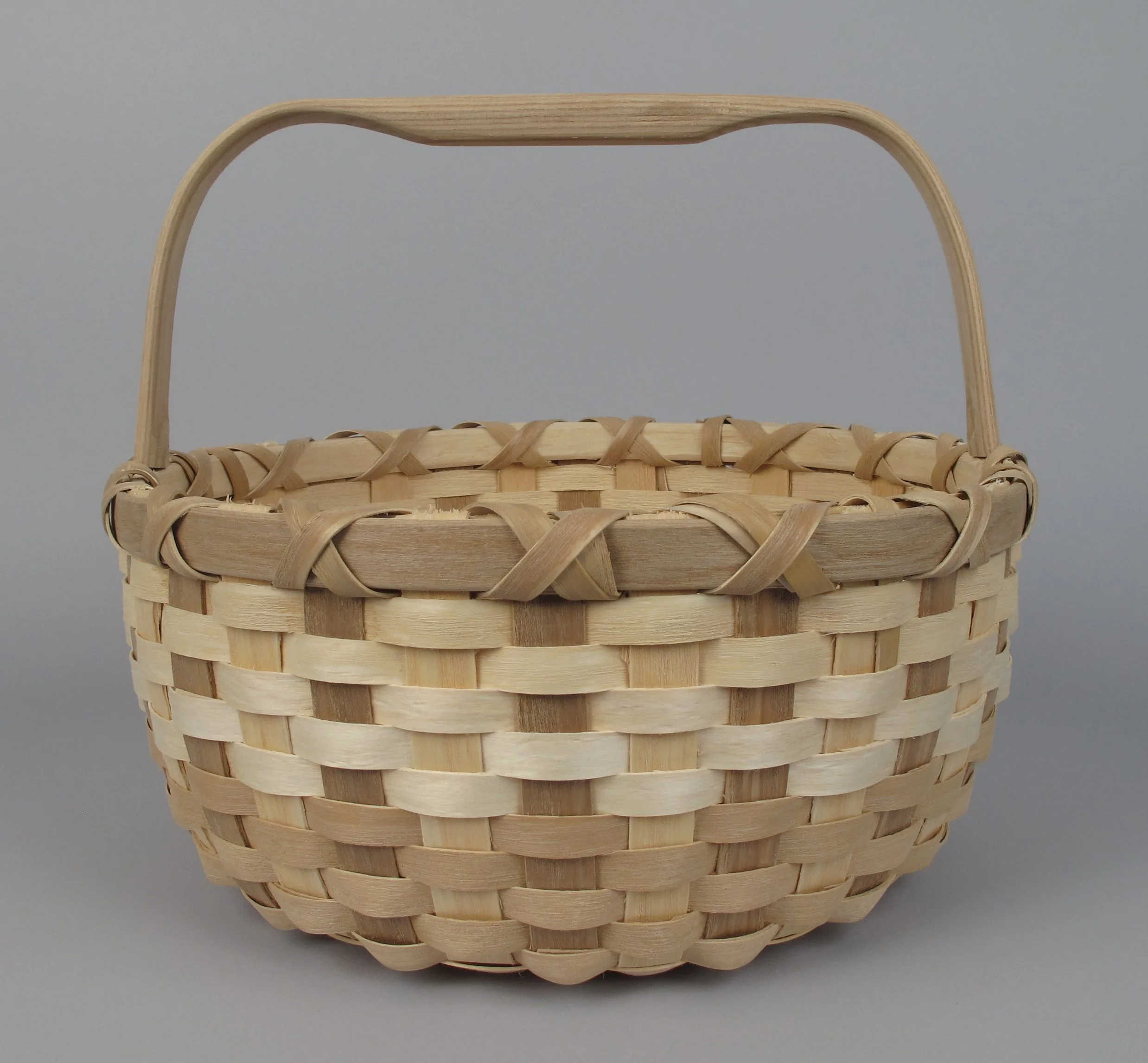
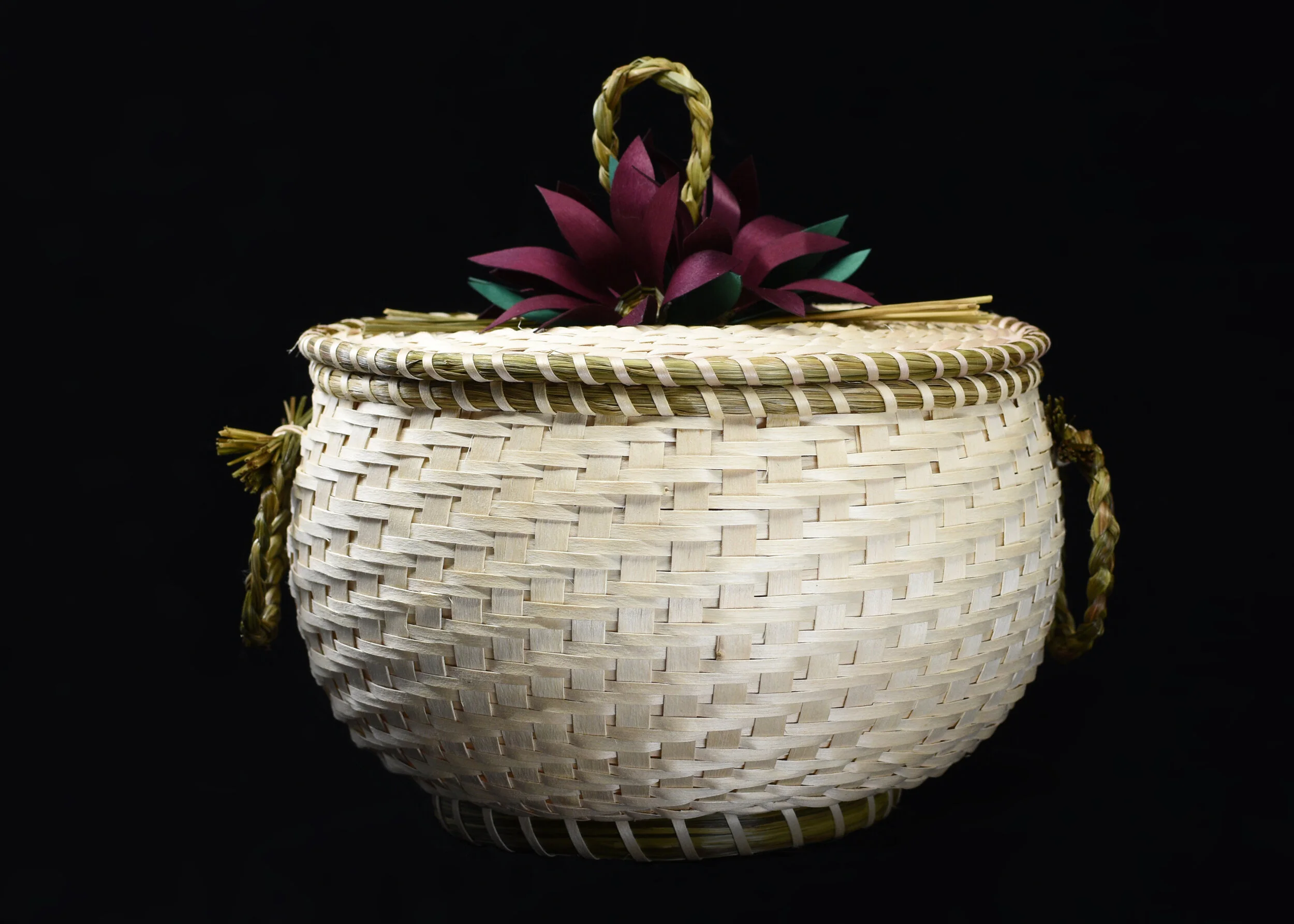
MEDIUM: Basketry - Ash
Panelists | Performers | Market Artists
Find market artists and participants another way:
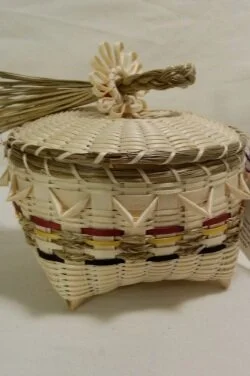
TRIBAL AFFILIATION: Penobscot
MEDIUM: Basketry - Ash
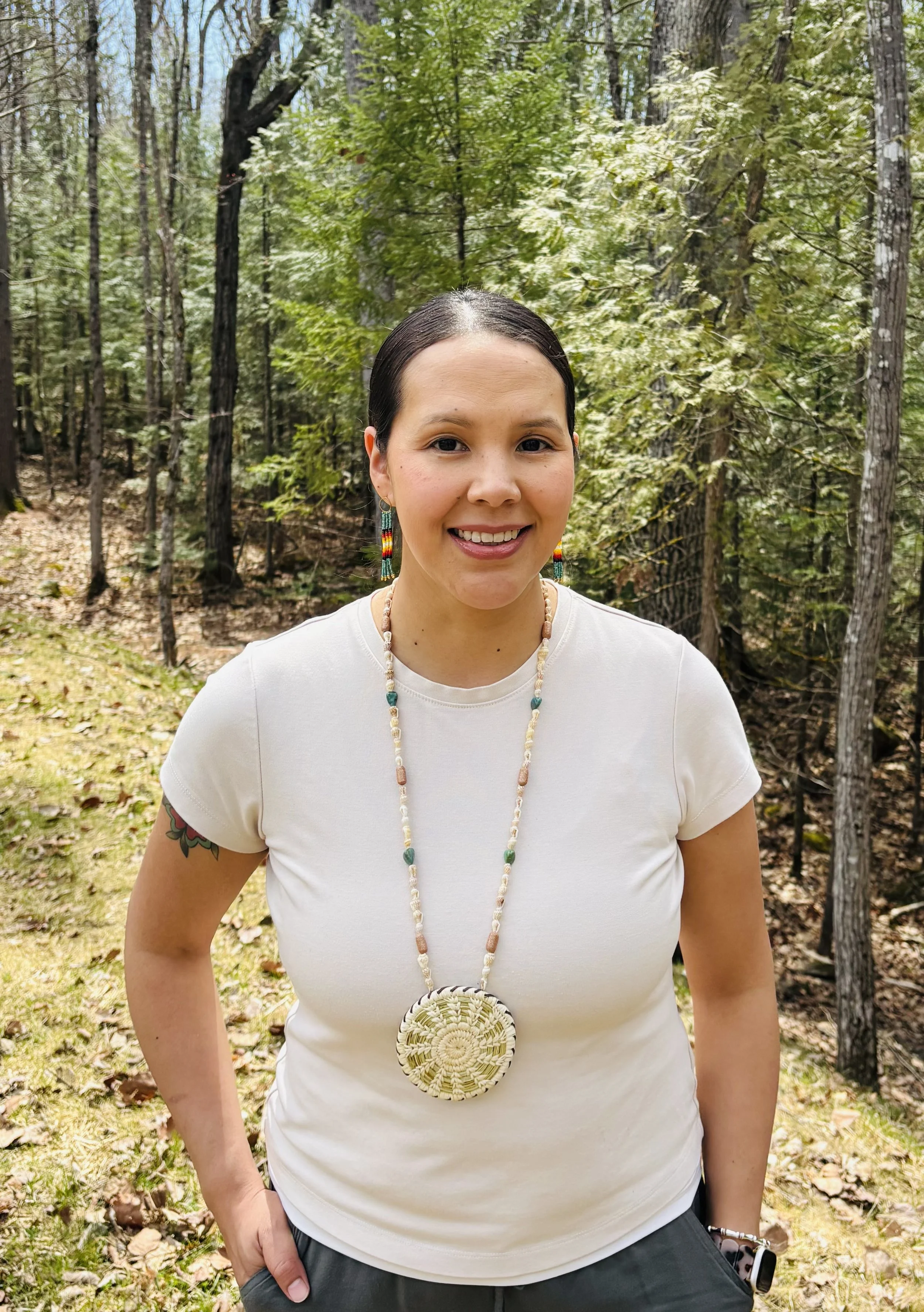
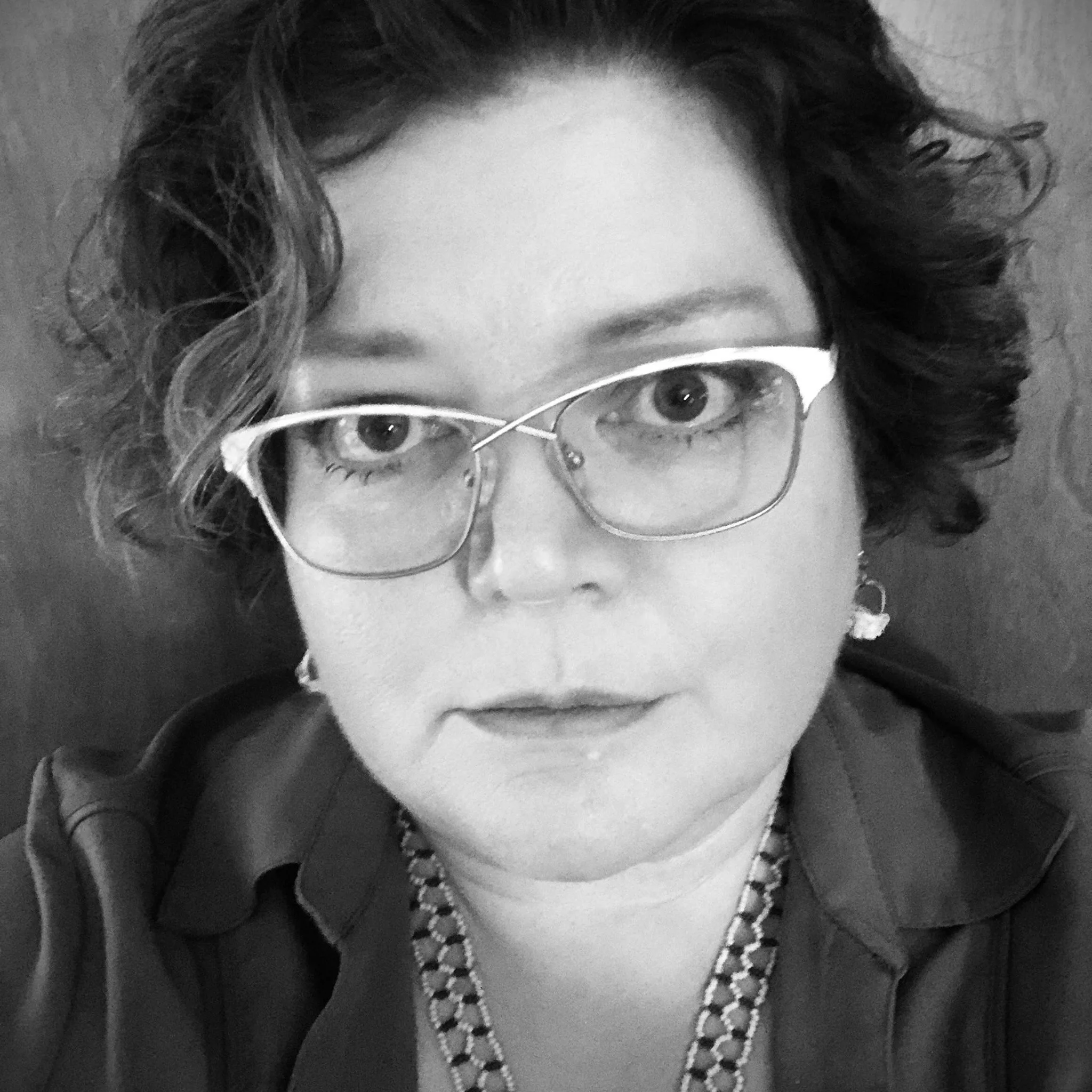
TRIBAL AFFILIATION: Passamaquoddy
MEDIUM: Home & Body
BIOGRAPHY
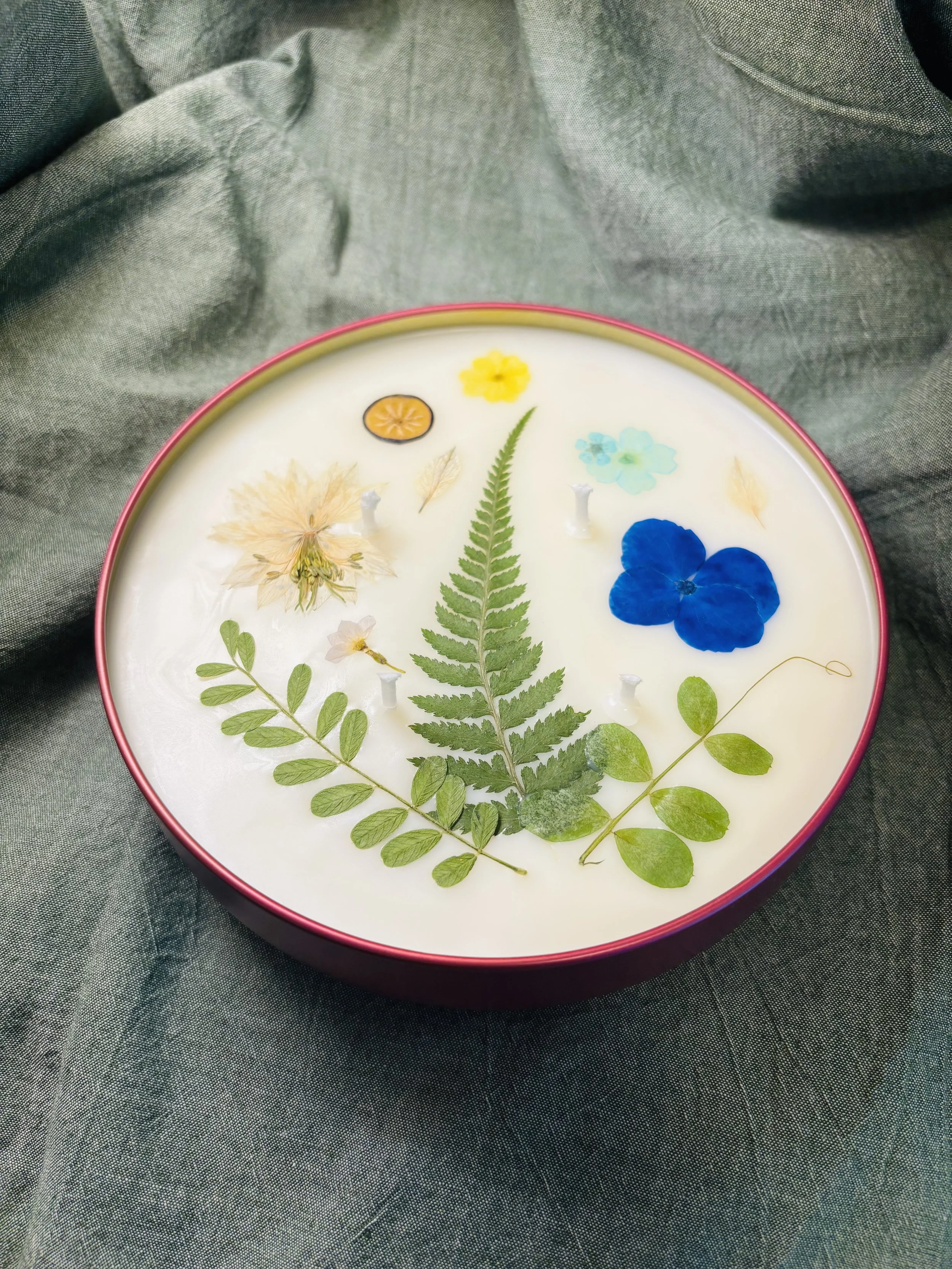
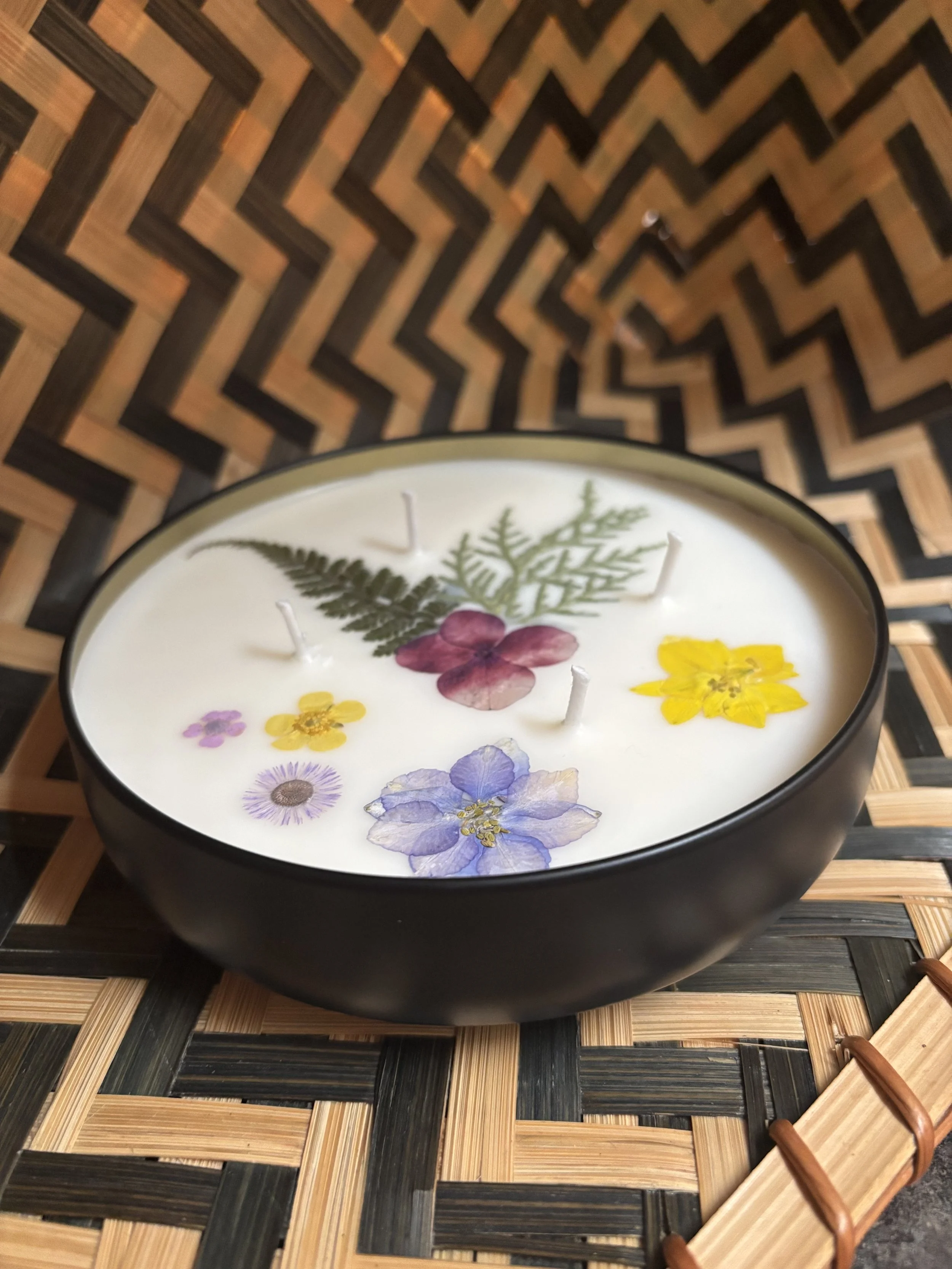
Nicole works with pressed botanicals to create floral motifs to adorn soy wax candles and sachets. She also creates jewelry with natural fibers and materials. An avid language learner, you can find touches of the Wabanaki languages throughout her work, connecting scents to both place and indigenous humor.
TRIBAL AFFILIATION: Mi’kmaq Nation
MEDIUM: Diverse Arts
PERFORMANCE: Storytelling - Saturday, July 12 at 11 am on the Market Stage
PERFORMER BIO
Jennifer Pictou, a citizen of the Mi'kmaq Nation, is a traditional storyteller and artist with a diverse background as a museum director, tribal historic preservation officer, and historian. Her true passion lies in sharing stories that connect people to Maine's landscape and Wabanaki cultures. She is the founder of Bar Harbor Ghost Tours, which has been recognized by USA Today as one of the top ten ghost tours in the country for seven years. Most recently, she co-authored the book Haunted Bar Harbor, published in May 2025.
ARTIST STATEMENT
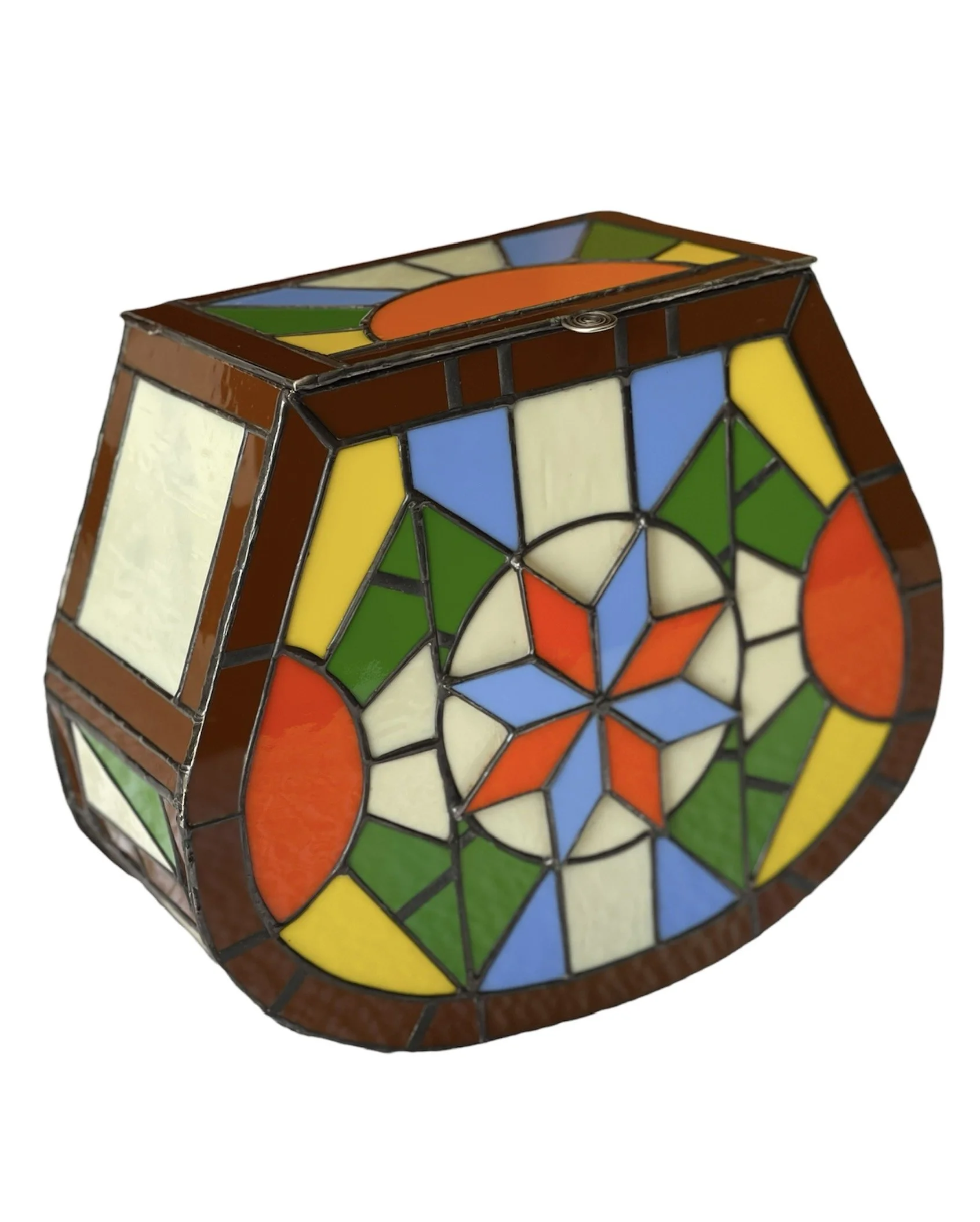
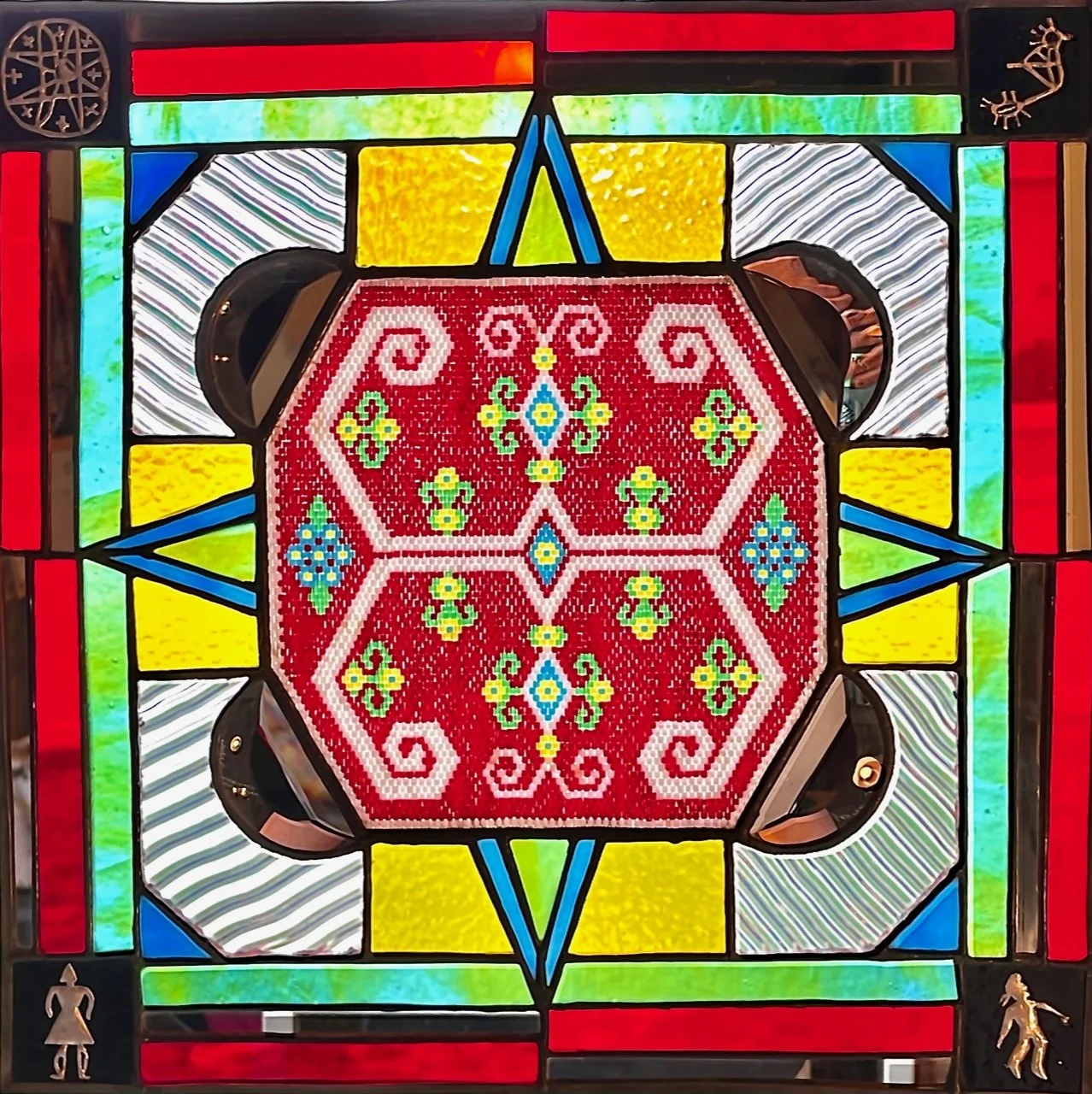
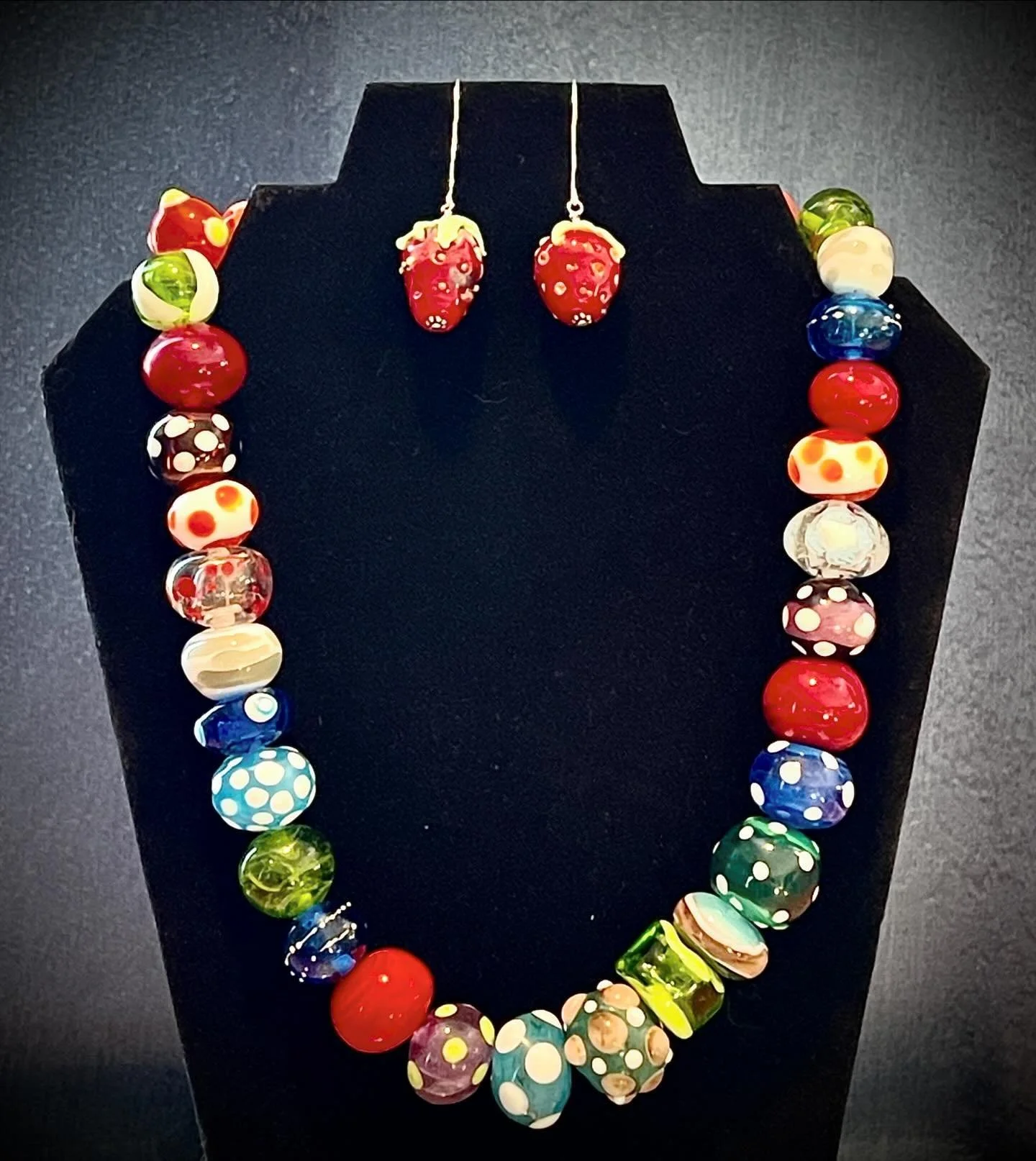
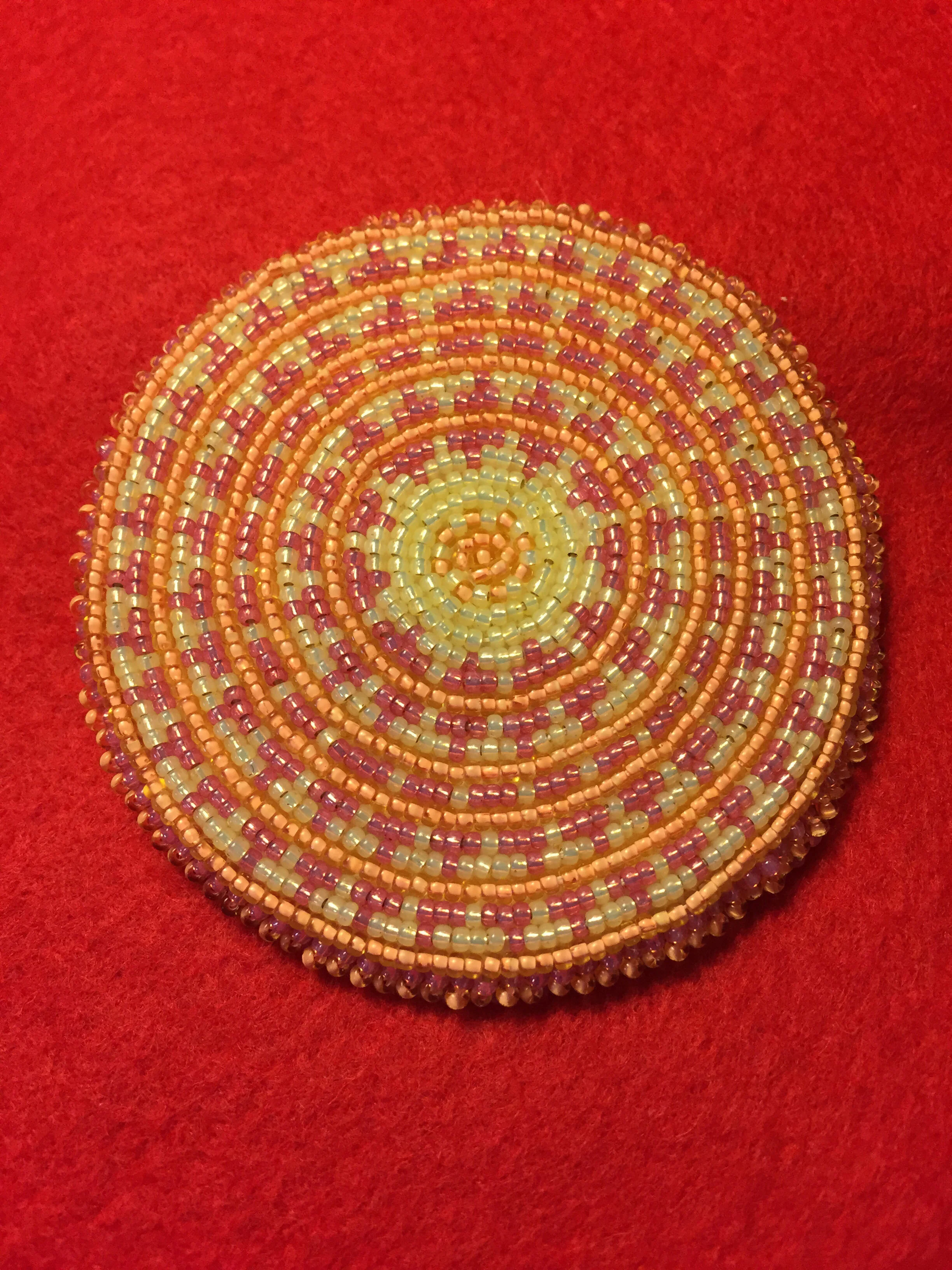
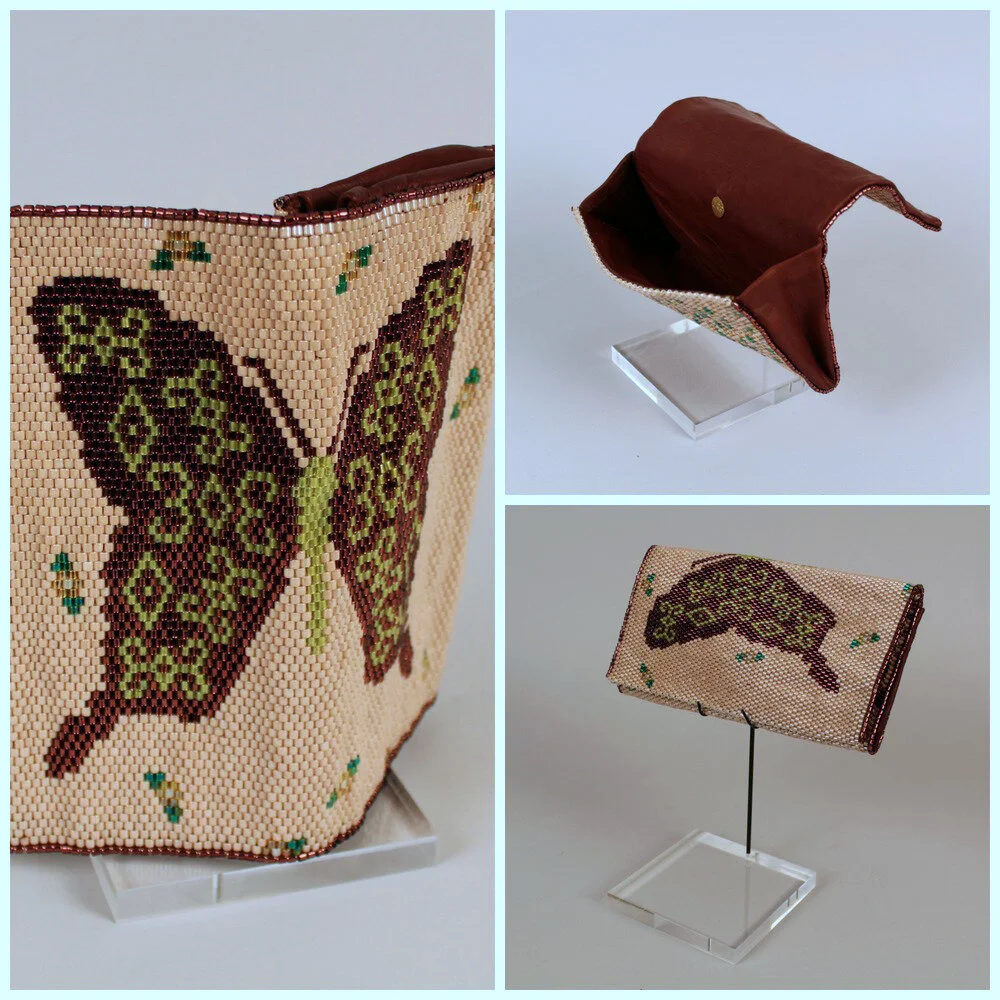
As an artist deeply connected to my Mi’kmaq heritage, I draw inspiration from the rich cultural tapestry of my ancestors’ resistance and survival, infusing my work with elements of tradition and history. Through the ancient techniques of glass beads, lampwork, and stained glass, I reclaim indigenous space and weave a contemporary narrative that honors the resilience and beauty of Mi’kmaq people in my homeland.
In the fiery torch, I mold molten glass into statements of today’s enduring issues and passions. Each bead and sculpture tell a story of strength and perseverance, reflecting the enduring legacy of my ancestors.
Within the delicacy of stained glass, I draw from the vibrant hues of ancestral objects and the natural world, using the Colonizer’s own medium of religious oppression to tell our story of survival and world views.
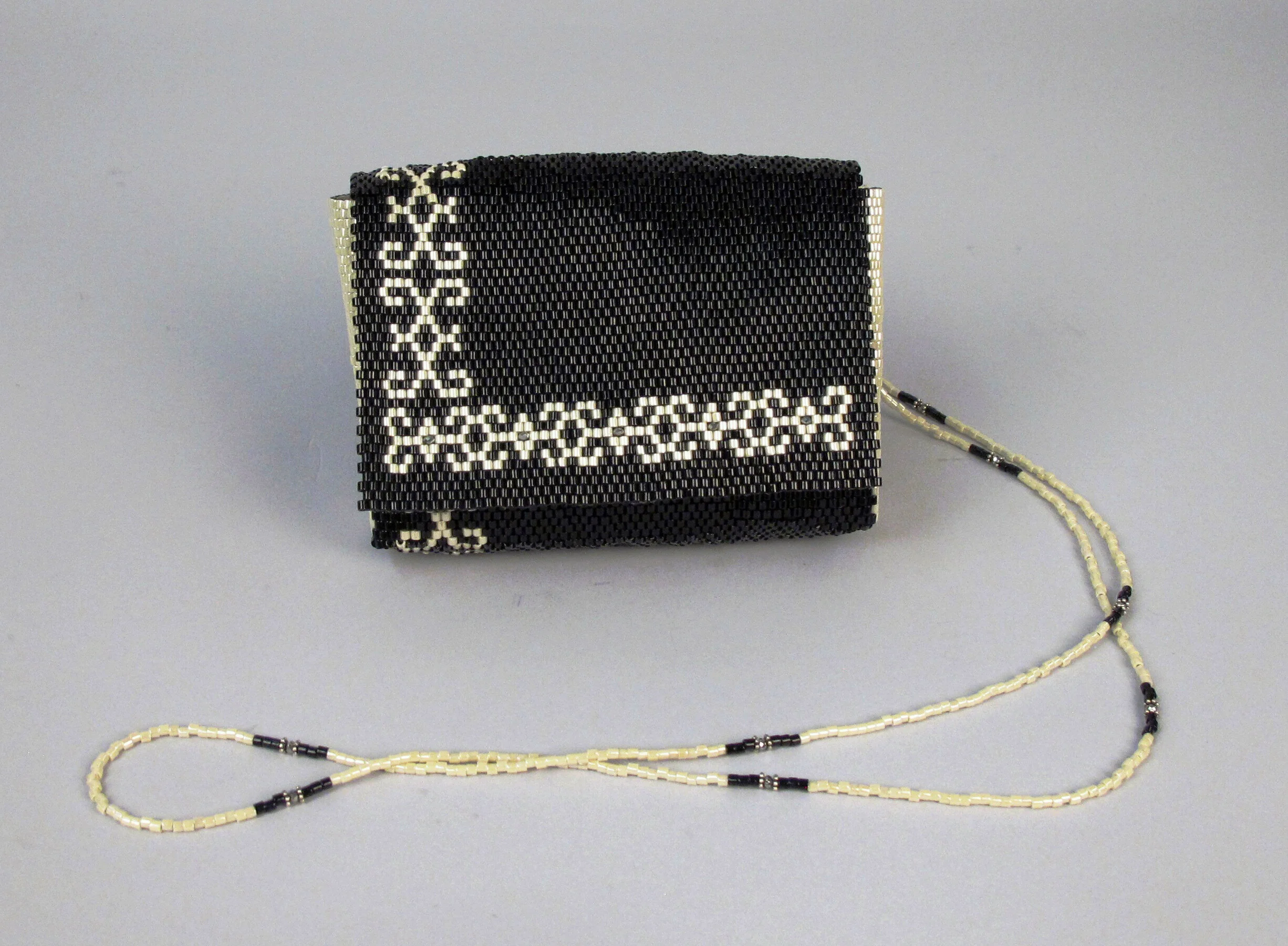
In my beadwork I delve into the cultural resistance of my ancestors to create one-of-a-kind statement pieces of intricate form and function. These represent a claiming of modernity and space within fashion.
Through all of my work I explore the themes of identity and belonging, using the interplay of light and color to reclaim and redefine Mi’kmaq narratives in a contemporary context. Each piece is a rebuttal of the prevalent ideas that we are no longer here, reminding viewers of the importance of preserving and honoring indigenous heritage in an ever-changing world.

TRIBAL AFFILIATION: Mi’kmaq
MEDIUM: Painting; Jewelry; Woodwork
ARTIST STATEMENT
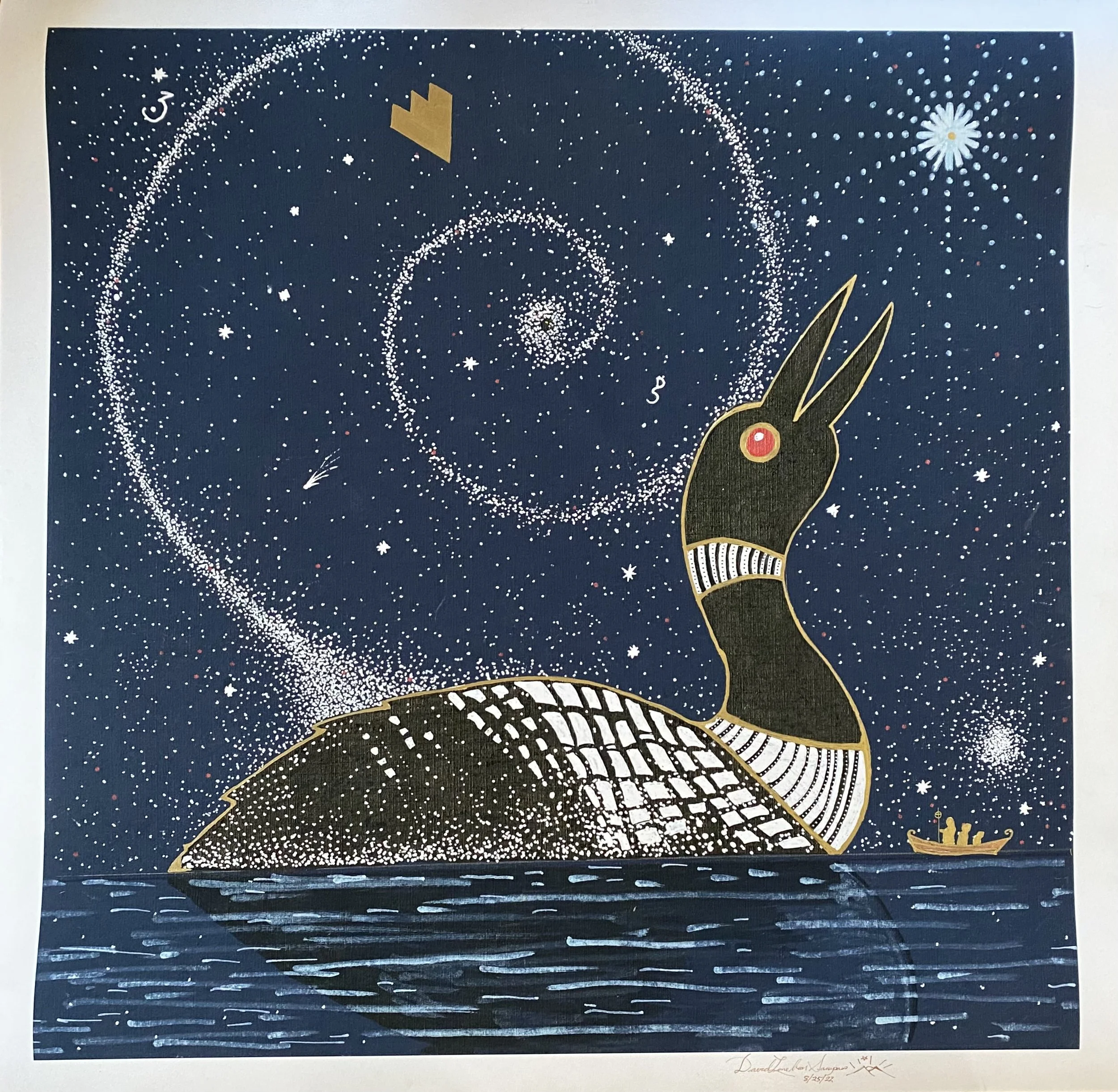
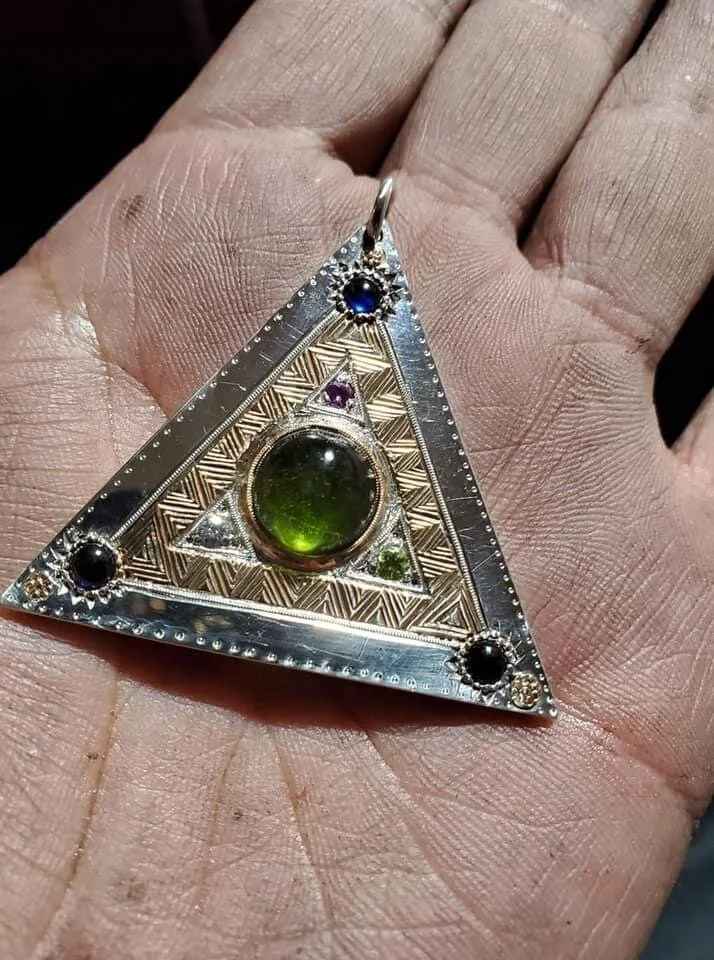
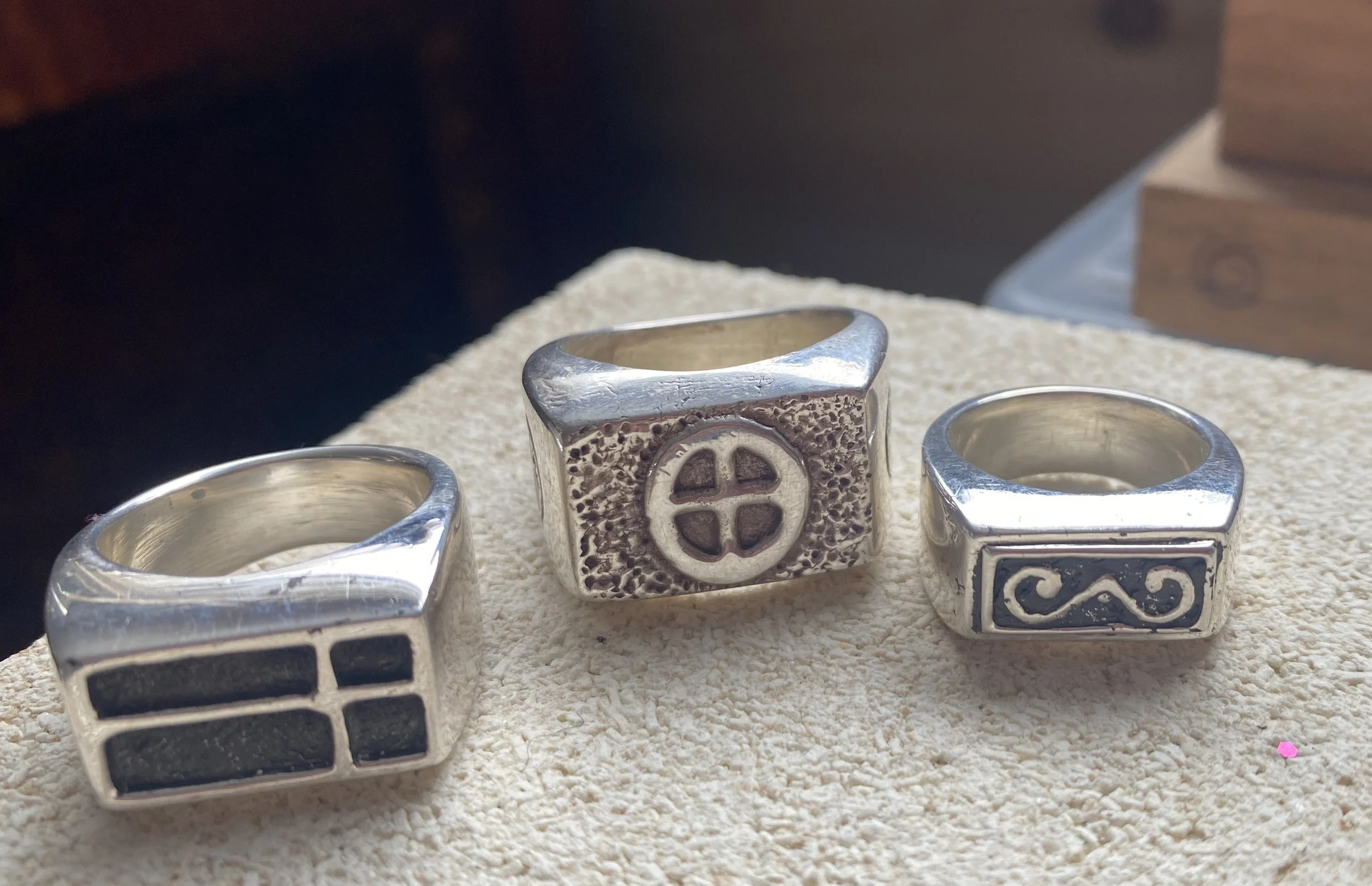
My name is David Lonebear Sanipass, I grew up in northern Maine. I am from the Mi’kmaq Nation. I am a carver, make flutes, I paint and sketch. As an artist you want to be able to represent your art. I find the best way is to be able to talk about what it means. Some of what I do is so intricate you’re not really looking at what it means. The representation has been lost through interpretation. Part of the beauty isn't appreciated because it doesn’t speak to you. We have found a way for my art to speak with you, to come from my spirit, so it can be better appreciated and you will know more where I am coming from.
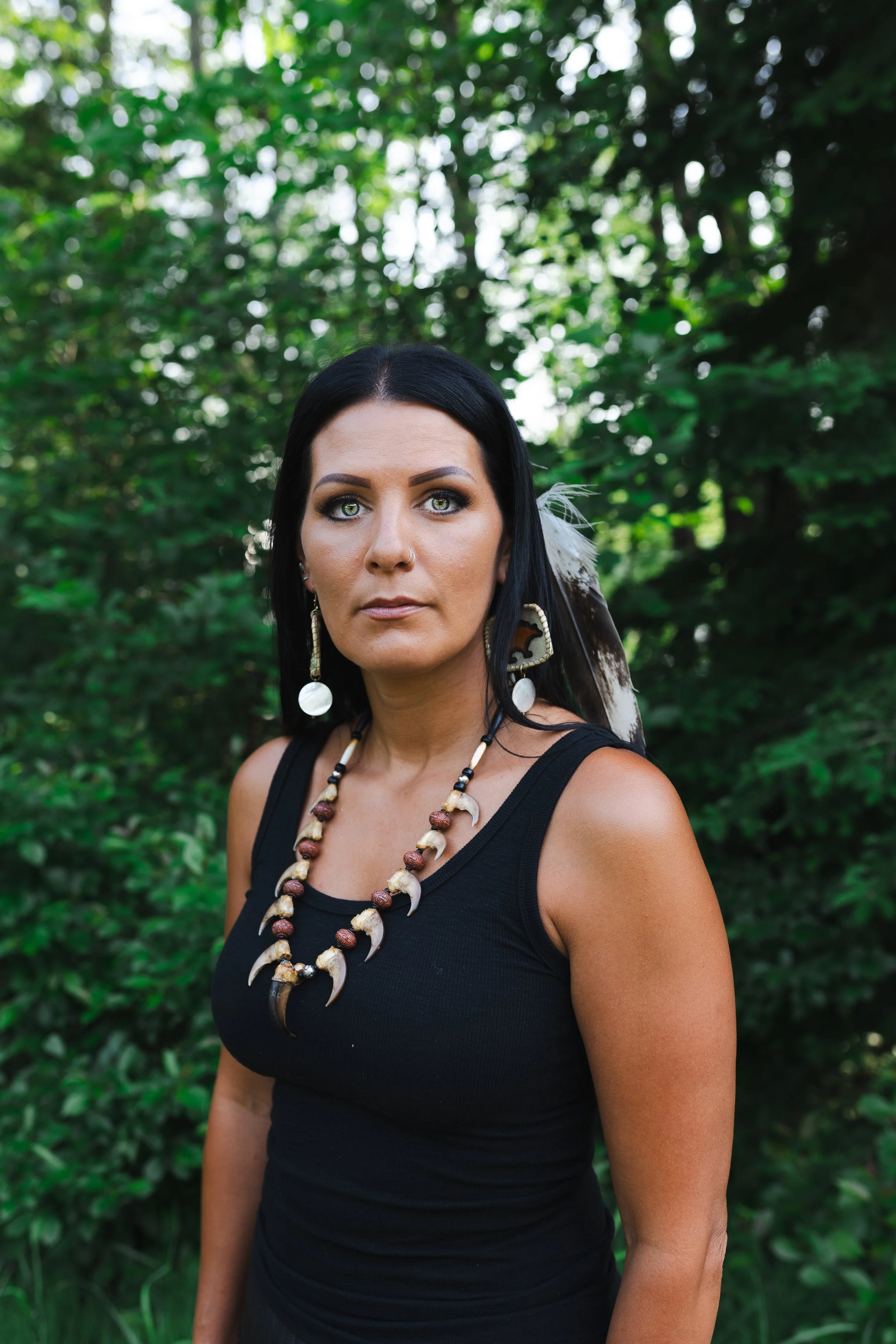
TRIBAL AFFILIATION: Passamaquoddy
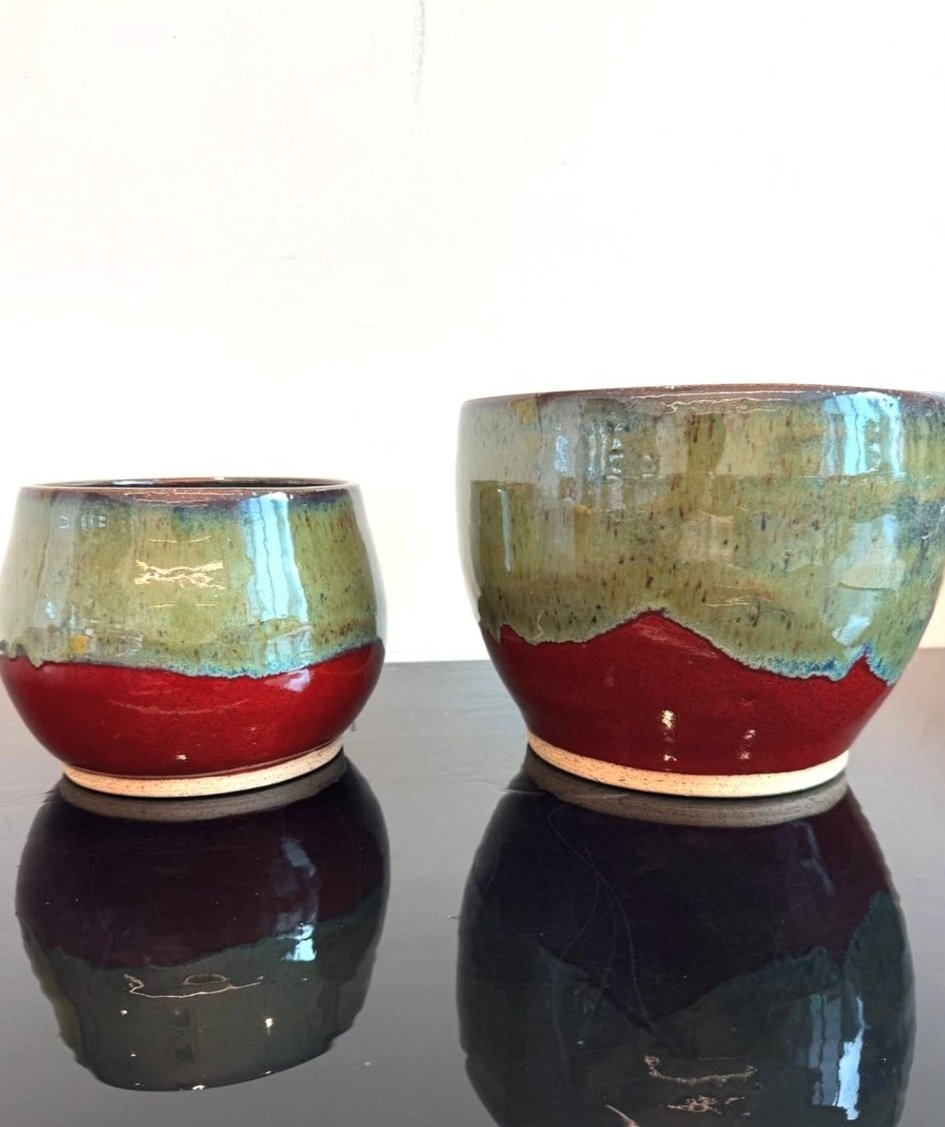
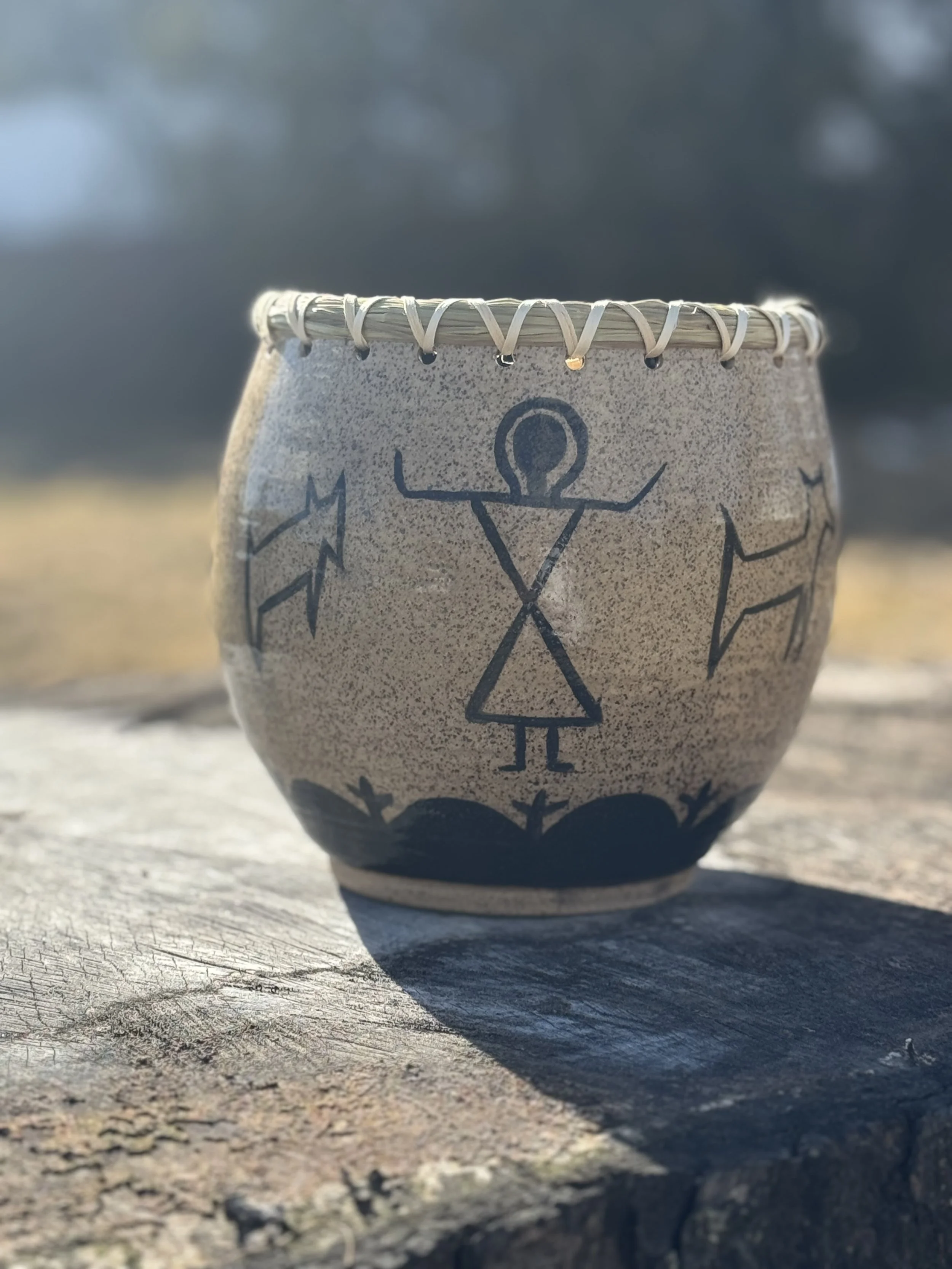
MEDIUM: Pottery, Leatherwork
ARTIST STATEMENT
I am a born and raised Passamaquoddy woman who grew up immersed in Maine’s natural beauty and rich culture. I am a mom to 4 amazing children who are my world. I find peace and The Lord exploring Maine’s majestic outdoors with some of my favorite things being scouting for eagle feathers, exploring the beautiful rocky coastline and soaking up the much waited summer sun. Growing up as a Passamaquoddy child I relish memories of collecting sea glass at Split Rock with my grandmother, picking sweet grass with my mom at Sipayik, harvesting blueberries with my siblings in Downeast Maine and fishing in the Passamaquoddy Bay with my dad.
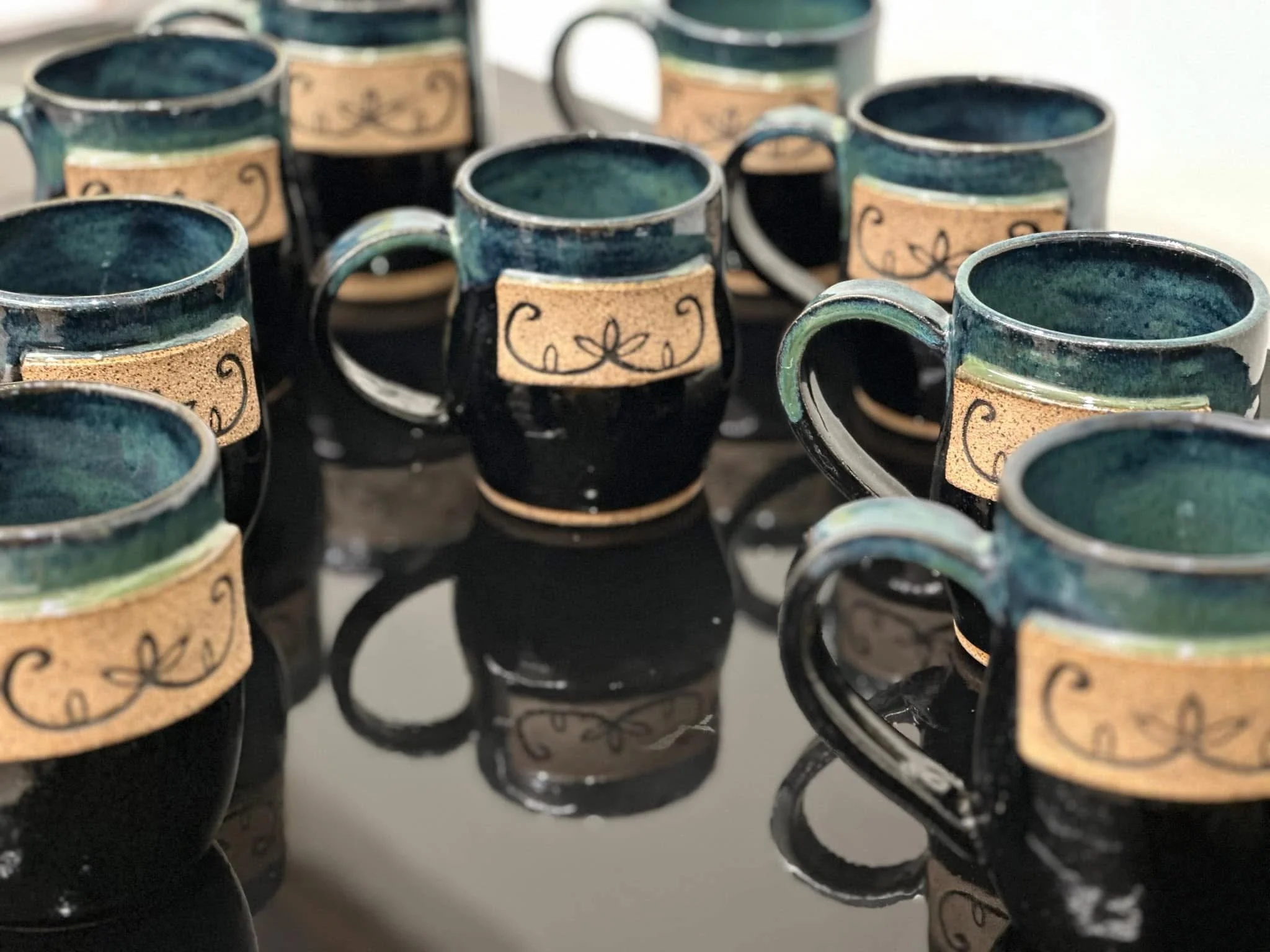
My passion for making was born out of watching my mom create with her hands; from dresses to yummy food to beading I have always wanted to follow in her footsteps. As a proud Passamaquoddy woman I am grateful to be able to share my culture and heritage through leather and clay. My work reflects the many influences I’ve had and is a collective of Maine indigenous culture. I am drawn towards creating pieces that reflect God’s creation and my heritage. For example, my Hazel bag takes a traditional Passamaquoddy medicine bag and transforms it for modern day use. Each bag is hand crafted and tells a story. My signature Nisuwok Wiphunsisok (Two Feather) mug, is glazed with copper and turquoise, symbolic of my love for turquoise jewelry and my heart to support fellow indigenous artisans. I find working with both leather and clay healing and therapeutic; using my hands and reconnecting with the earth and Creator. Each of my pieces are handcrafted with the hope that they will bring joy to your life and can be passed down from generation to generation.
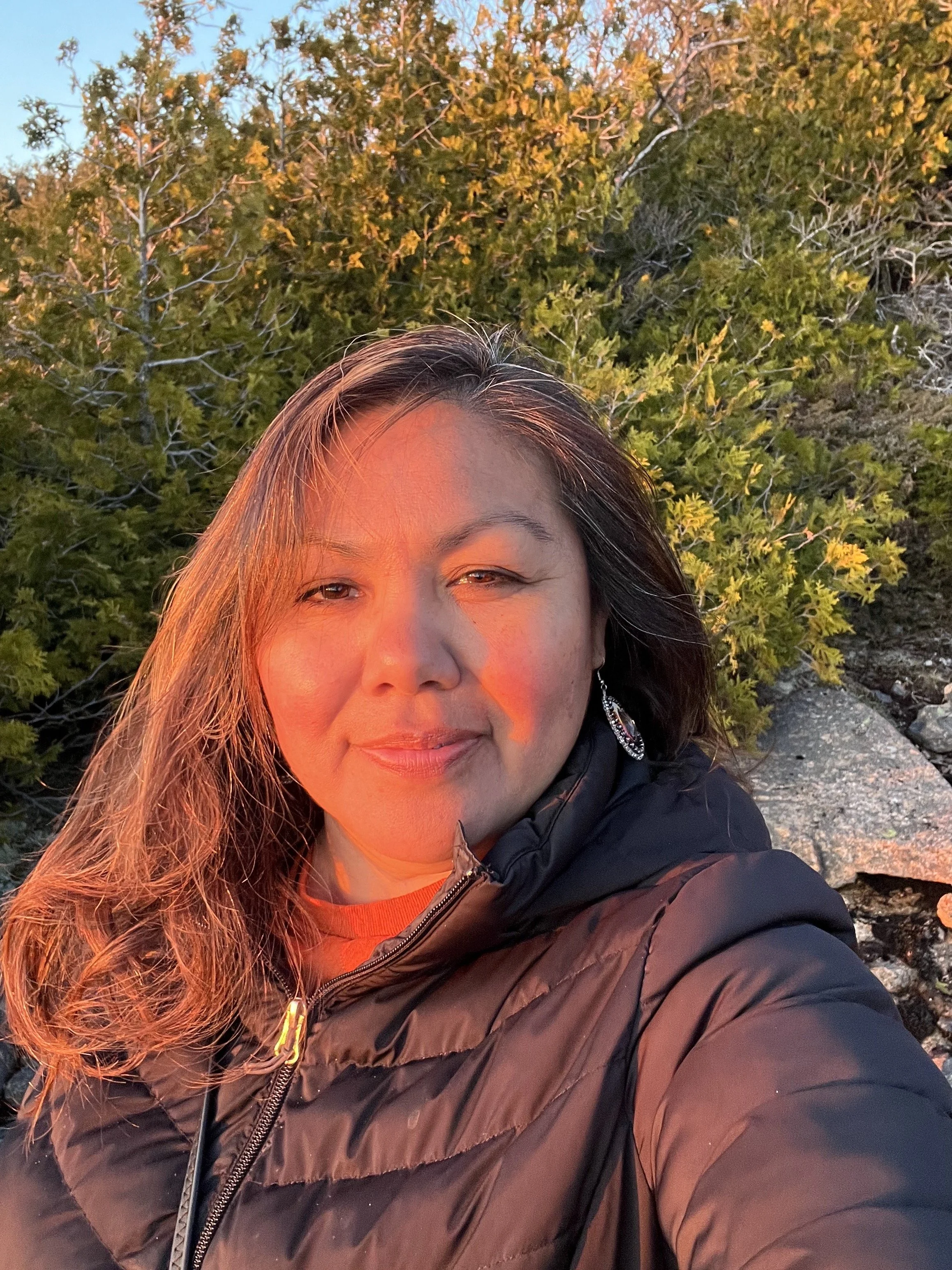
TRIBAL AFFILIATION: Passamaquoddy
BIOGRAPHY
Minquansis Sapiel pronounced (Min-Gwon-sis) is an enrolled member of the Passamaquoddy Tribe from Sipayik, one of the two Passamaquoddy reservations in Maine, a tribe that is a part of the Wabanaki Confederacy. She grew up in Sipayik overlooking the Passamaquoody Bay. She is a published Author of a Children’s Book called “Little People of the Dawn’ She also received her Masters degree in Social Work and has earned her Captains license. She is self employed as a Storyteller, truthteller and Speaker, provides guided tours. The Hope is to connect people to the Passamaquoddy bay and provide people with a better understanding of Wabanaki History and Culture. In the meantime, she has collaborated with many organizations throughout Maine speaking on various topics of Wabanaki history and culture. She is a mother of three daughters and loves photography and nature.
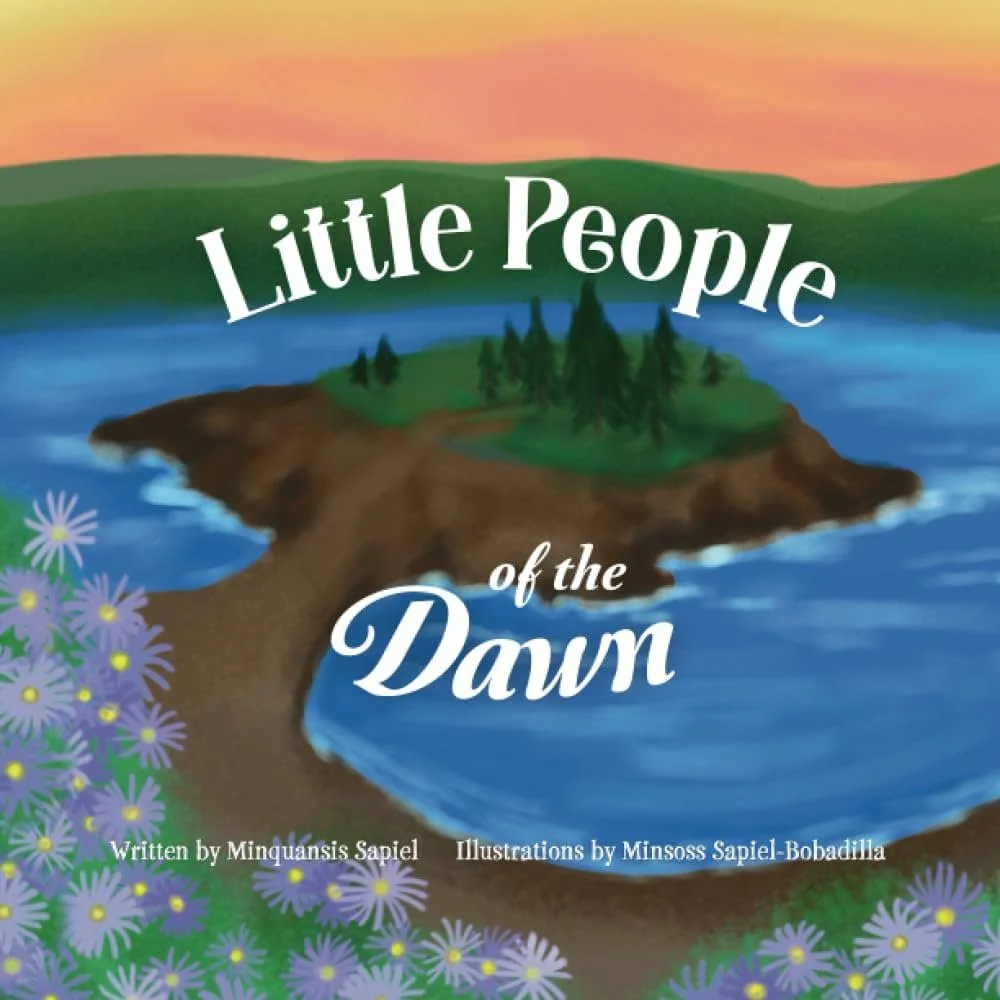
Little People of the Dawn is a beautiful Passamaquoddy story about a girl, Lili, who comes upon the Little People while on a visit to Second Island. The Little People were once friends with the Passamquoddy, but as the people began forgetting their traditional ways, the Little People retreated to the caves, and the Passamaquoddy rarely encountered them. Lili sets out to meet them, and along the way must learn her tribal language and ways if she is to communicate with them. The story reminds us of the importance of knowing our ways and caring for the earth.
Available in the Abbe Museum Gift Shop!
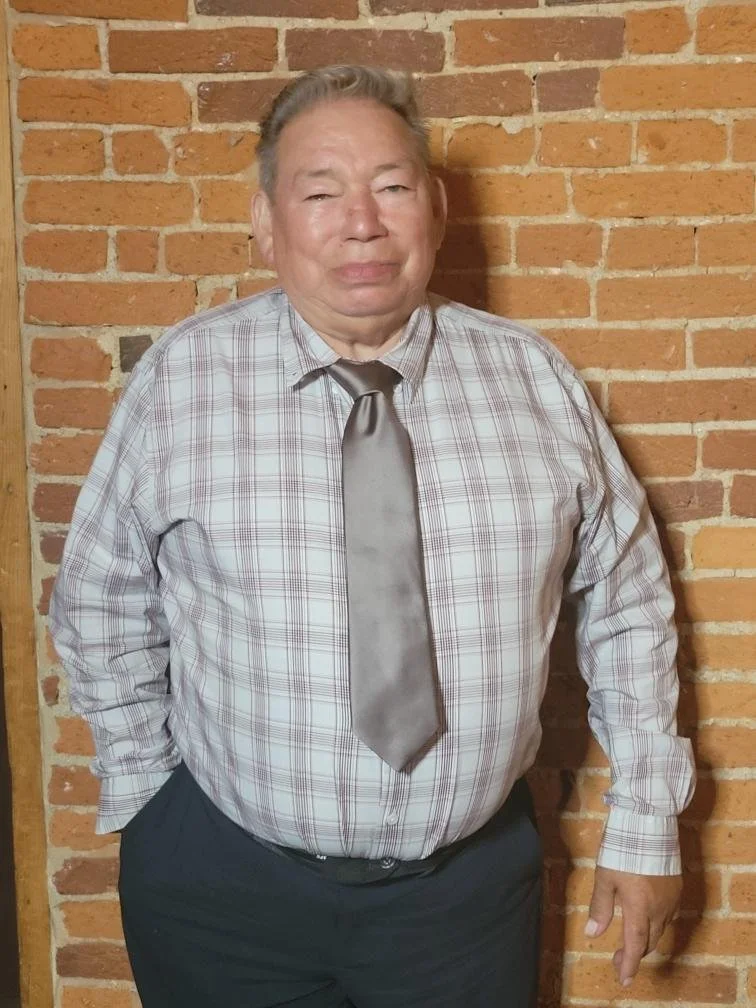
TRIBAL AFFILIATION: Mi’kmaq Nation
MEDIUM: Basketry - Ash
PANEL: Wabanaki Forestry Futures
ARTIST STATEMENT
Richard Silliboy is a Mi’kmaq basketmaker. He has been harvesting ash and weaving potato baskets, pack baskets, and other traditional styles for decades. Growing up in Houlton, Maine, Richard’s mother taught him basketmaking. Richard often conducts workshops on basketry. He served as the President of the Maine Indian Basketmakers’ Alliance for ten years and now serves on the Board of Directors. He also has made presentations at various conferences about the significance of tribal history and traditions. Richard has been invited to attend various conferences. He is highly respected for his knowledge of brown ash and his concern for the threat of the emerald ash borer, an insect that has decimated brown ash trees in the Midwest. He has also been asked by the Maine Arts Commission and the Maine Indian Basketmakers Alliance to take on apprentices to learn brown ash basketmaking. Integral to the Micmac culture is the belief in giving back to the Creator, and there has been a tradition among Micmacs who harvest a natural resource to leave something behind after the harvest, such as tobacco or some other item. Richard continues to harvest brown ash trees, and his giving back has taken on an even broader meaning through his willingness to share his knowledge of brown ash basketry with others.
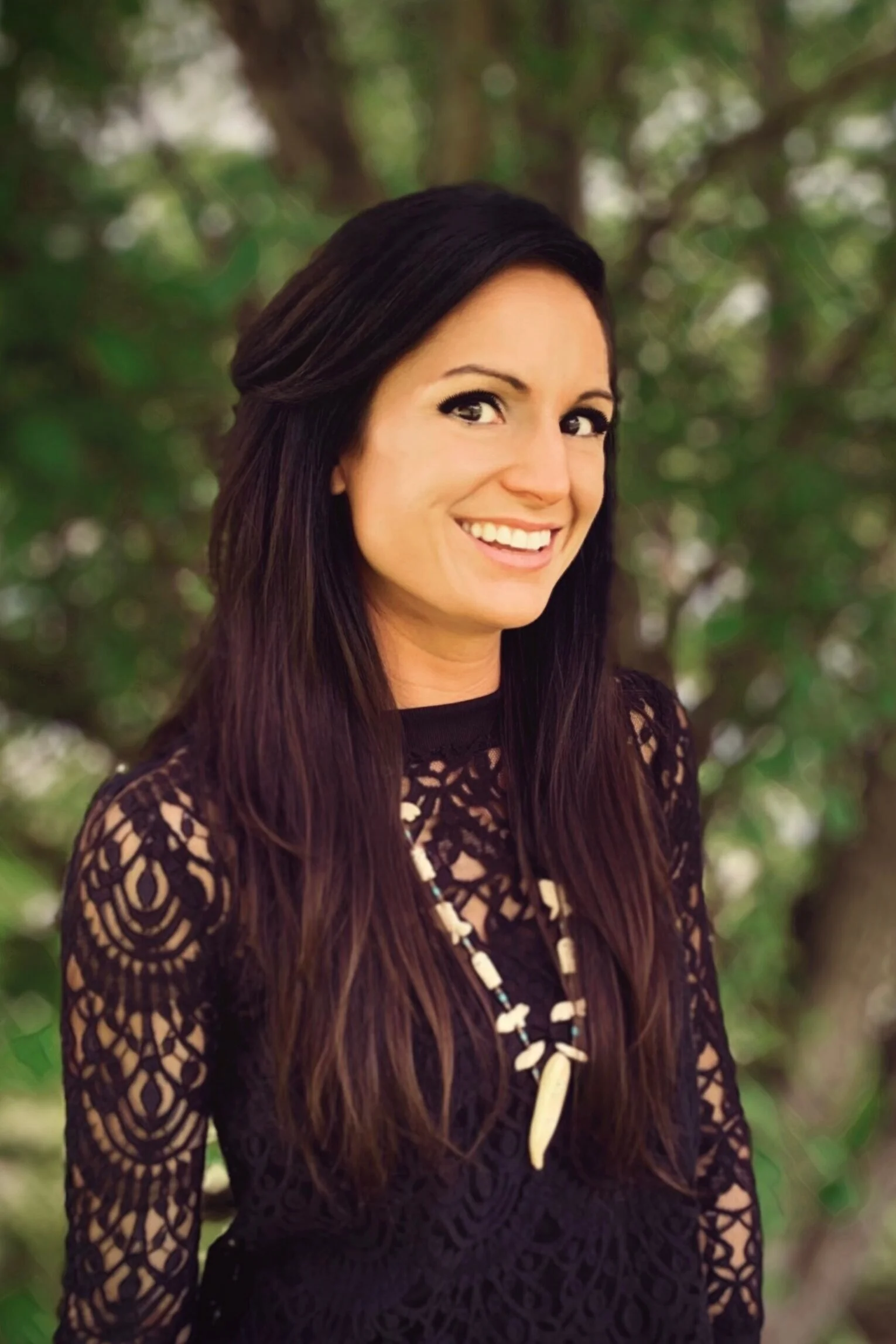
Photo by Robin Farrin
TRIBAL AFFILIATION: Penobscot
MEDIUM: Basketry - Ash, Jewelry
ARTIST STATEMENT
I have been an artist my entire life. Even at a young age, I was intrigued by Native art in particular. Being Penobscot, I had seen baskets in museums and in the homes of my family members and was always fascinated by them. I was also told stories about my great-grandmother who was a basketmaker in the early 1900s. I wanted to be a part of this tradition, but unfortunately, in my family, it was not passed down to my generation. I still found ways to practice art, and in high school I began painting and experimenting with various mediums. I found it was a great outlet for my artistic abilities.
In 2004, I apprenticed with Jennifer Neptune as part of the Maine Arts Commission Traditional Arts Apprenticeship Program. I was honored to have the opportunity to work with a skilled masterweaver, such as Jennifer. She showed me first how to split the ash splints, how to prepare my material, and taught me the traditional techniques necessary to weave ash and sweetgrass baskets. Since then, I have sharpened my skills with each basket woven.
Although I am using traditional material and techniques, my style comes from the place I live today, in this modern society. Basketry, to me, is a fine Art and in order for the tradition to survive, it must evolve. It is important for my work to appeal to a modern audience, while still remaining true to cultural traditions. When creating art, whether it be painting, drawing, basketry, or any medium, my top priority is always quality and attention to detail. I take pride in every project I set out to do, and I am constantly striving to be better at what I do. When I can create something that surpasses my initial vision, it gives me a real sense of accomplishment.
As for my inspiration, I look to the past, present and future. I see it as being vitally important to acknowledge the traditions of the past. I have a responsibility to honor my ancestors that have practiced the art of basketry long before I was alive. It gives me great pride knowing that I am able to perform this tradition in almost every way it was done years ago. To create a work of art out of a raw material such as the ash tree is almost magical. When I look at some of my creations, even I sometimes wonder how they came to be. As I weave, it is almost like having a spiritual connection with the past.
Living in this present day, my goal is to embrace the modern world and combine natural elements with bright innovative colors along with original designs to create a fresh approach to a timeless art form.
Not only do I aspire to create things that are visually appealing and a reflection of myself, but I also strive to preserve Wabanaki basketry to ensure that it is not lost or forgotten. I see it as part of my duty, since obtaining this knowledge, to pass it on. It is personally important to me, not just as an artist, but also as a Native American to create art that will inspire future generations, and keep the tradition of Basketry alive.
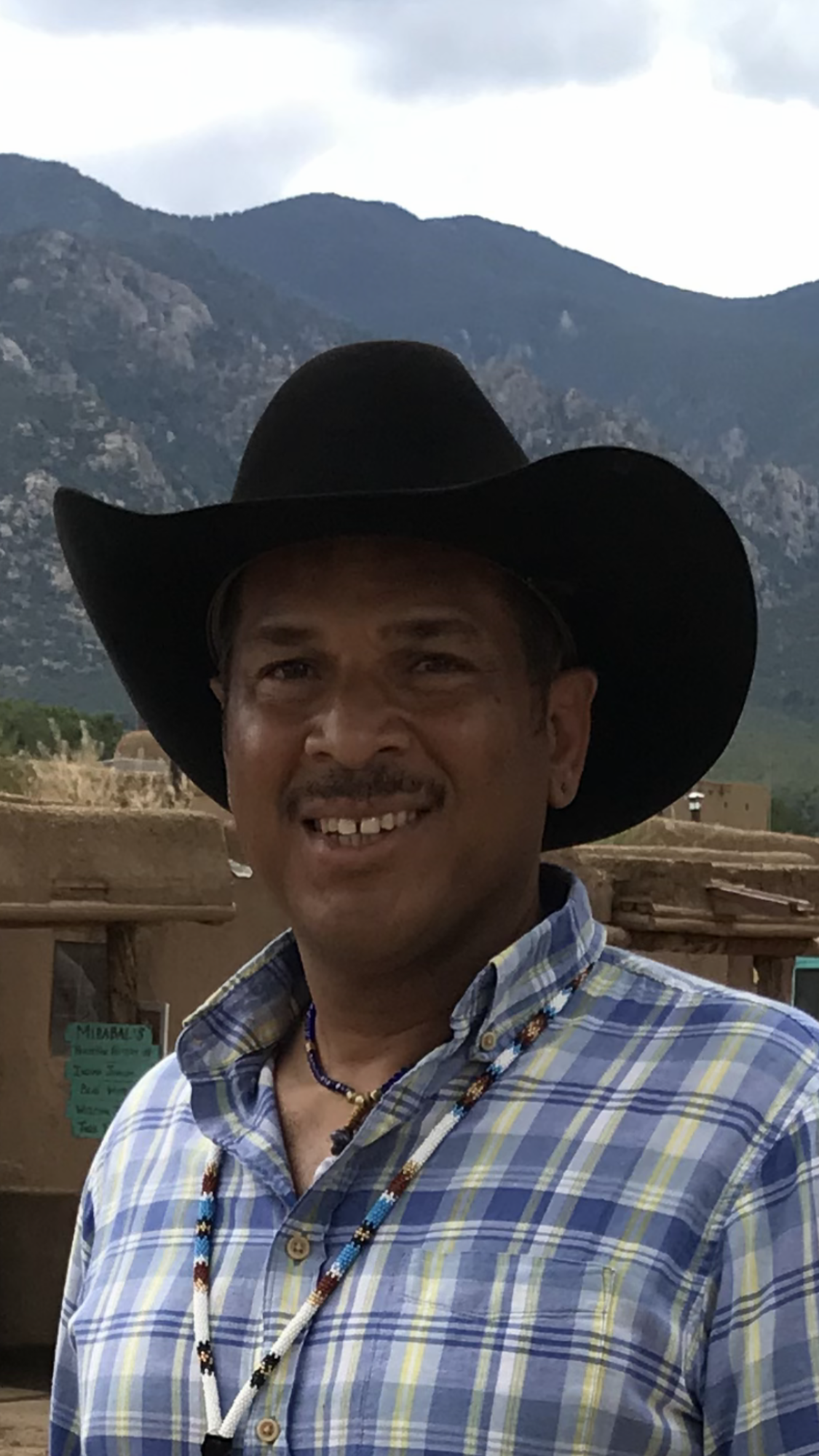
TRIBAL AFFILIATION: Narragansett
PANEL: Indigenous Farm to Table
BIOGRAPHY
Cassius Champlin Spears Sr. has dedicated his life to the preservation of Narragansett culture throughout New England and the world. He has served as Cultural Advisor for numerous educational projects, including the PBS documentary “We Shall Remain – After the Mayflower.” Spears has remained active in the practice of ethnobotany, traditional home building, and has demonstrated eastern woodlands culture at powwows, museums, college campuses, and film sets across North America. In 2014, Cassius and his wife formed the Narragansett Food Sovereignty Initiative, a farm-based organization devoted to reclaiming food and cultural ways for Narragansett people. They currently own and operate Ashawaug Farm in Ashaway, RI.
Spears’ passion for healthy traditional lifeways led to the establishment of the Narragansett Food Sovereignty Initiative in 2014, a farm-based organization with a primary focus on sustaining a healthy community through traditional lifeways and relationships inherent to Tribal people. He currently owns and operates Ashawauf Farm in Ashaway, RI. Spears represented the Narragansett community in Marrakech, Morocco, at the COP22, UNESCO preconference, sharing the effects of climate change from the Narragansett perspective. He was appointed to serve on the Regional Tribal Conservation Advisory Committee(RTCAC) and the National Association Conservation District (NACD) Tribal Policy Group for the Eastern Region. He is a 2017 Intercultural Leadership Institute (ILI) Fellow and a fellow of NACD’s Next Generation Leadership Institute (NGLI). In addition, he also serves on the Native Land Conservancy and is President of Rhode Island Association Conservation District (RIACD).
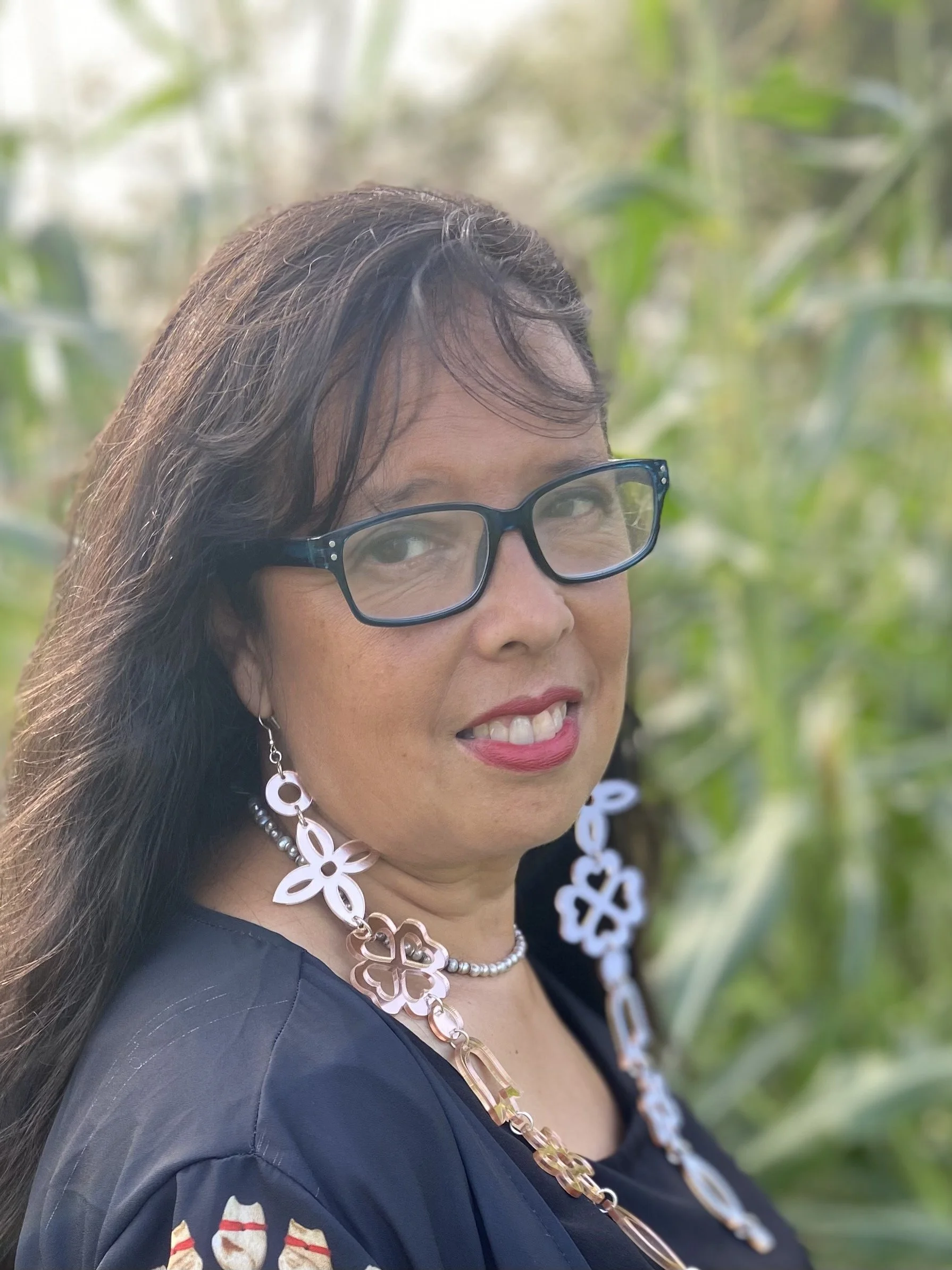
TRIBAL AFFILIATION: Narragansett
MEDIUM: Clothing, Diverse Arts, Painting/Illustration
PANEL: Indigenous Farm to Table
ARTIST STATEMENT
Dawn Spears (Narragansett), the Director of the Northeast Indigenous Arts Alliance (NIAA), is a multimedia artist whose work is infused with cultural symbolism and the vibrant colors of our natural world, and farming is part of her art. She also supports the Indigenous artist community through facilitating art markets and other opportunities that increase the visibility and vitality of Indigenous arts and culture. For more than twenty-five years, Dawn has worked to support Indigenous arts as an artist, educator, demonstrator, and organizer. Dawn produced two of the largest and most significant markets in New England, the Indigenous Fine Arts Market East in 2016 and the inaugural Abbe Museum Indian Market in 2018. She returned to the production area in 2024 with the Abbe Museum’s inaugural event, the Dawnland Festival of Arts & Ideas. She is a 2020 Assets for Artists grantee, a 2015 RI State Council for the Arts (RISCA) Master Apprenticeship grantee, and was the Community Artist in Residence at the New Bedford Art Museum in 2021. Dawn has exhibited at the most prestigious Indian art markets across the country, including the American Indian Arts Marketplace at the Autry Museum in Glendale, CA, the Heard Museum Indian Fair & Market in Phoenix, AZ, and the SWAIA Santa Fe Indian Market in Santa Fe, NM. In 2024, her art was featured on the USDA’s National Native American Heritage Month poster. Dawn currently sits on several advisory’s (Brown University, Yellow Farmhouse, Tomaquag Museum) and serves on her town’s Conservation Commission and the State’s Farm Service Agency County Commission. She continues to work consulting regionally and nationally, supporting arts programming and business training for artists.
An active member of her tribal community, Dawn served as the Narragansett Indian Tribe’s Tribal Secretary for two terms and currently serves as chair of the Narragansett Indian Tribal Election Committee and vice chair for the Economic Development Commission. In 2014, Dawn and her husband formed the Narragansett Food Sovereignty Initiative, a farm-based organization devoted to reclaiming food and cultural ways for Narragansett people. They currently own and operate Ashawaug Farm in Ashaway, RI. Dawn also enjoys her role as mother and grandmother. Dawn's work within her family, community, and in the arts is driven by her belief in the preservation and education of culture and traditions.
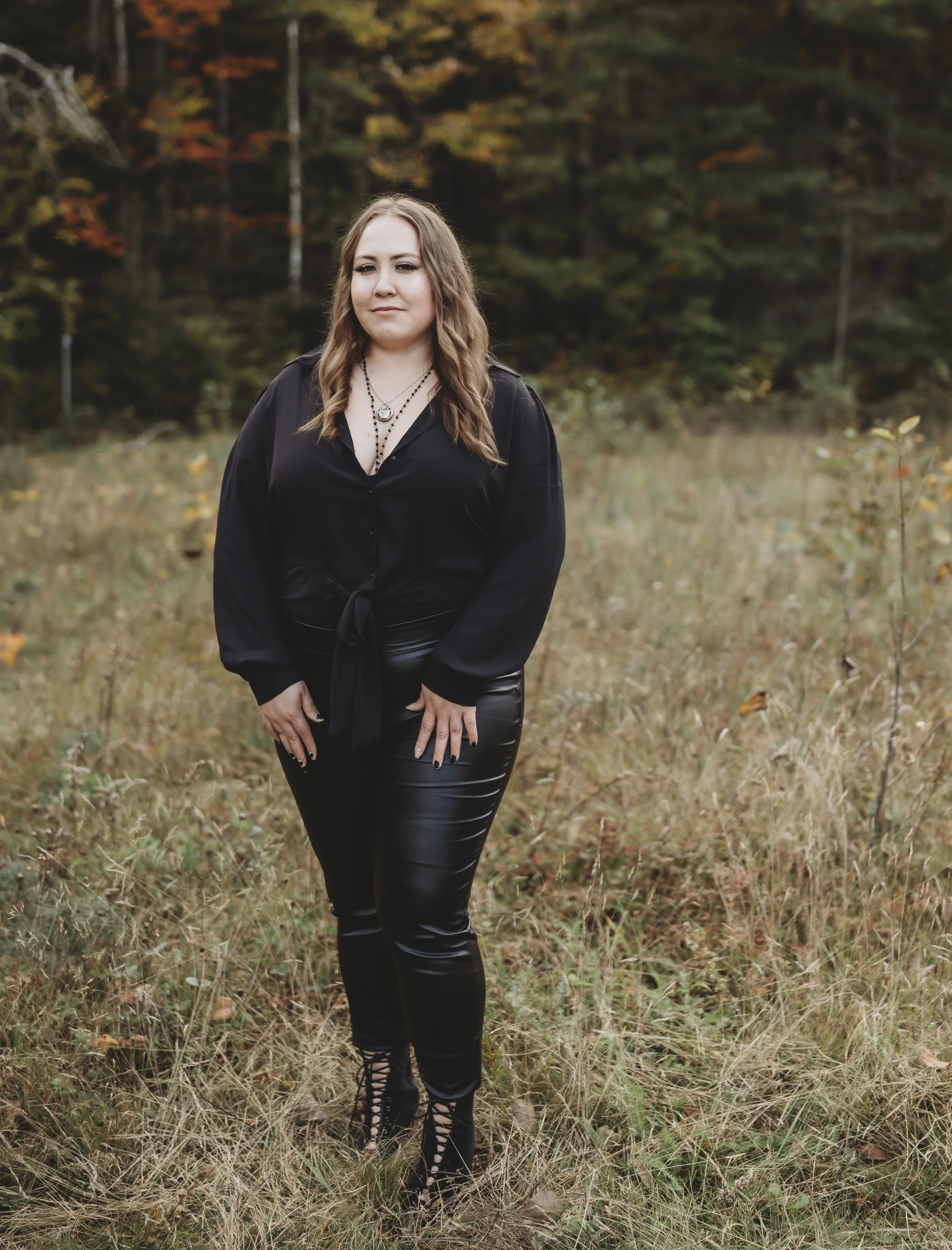
TRIBAL AFFILIATION: Passamaquoddy
MEDIUM: Beadwork
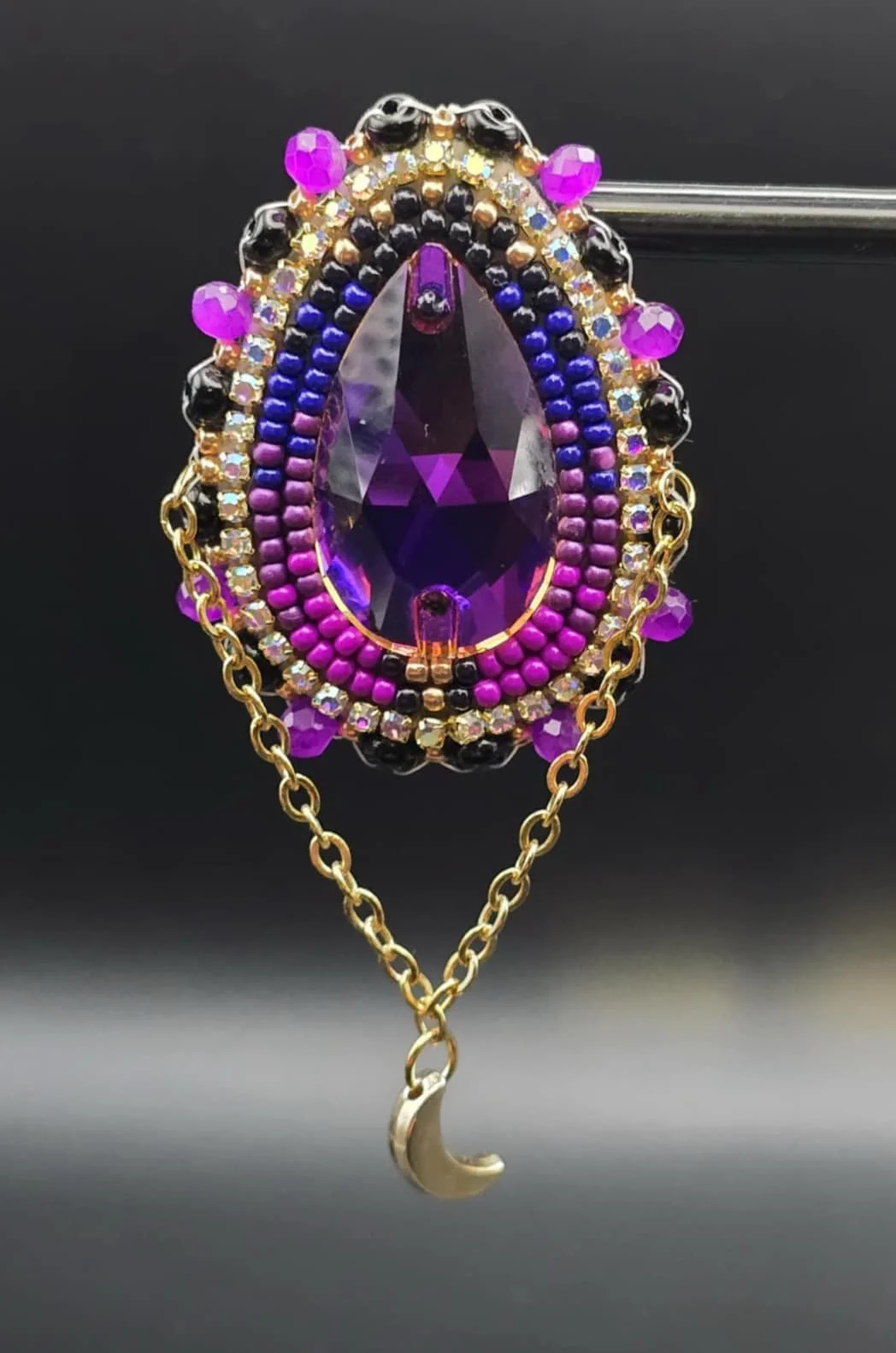
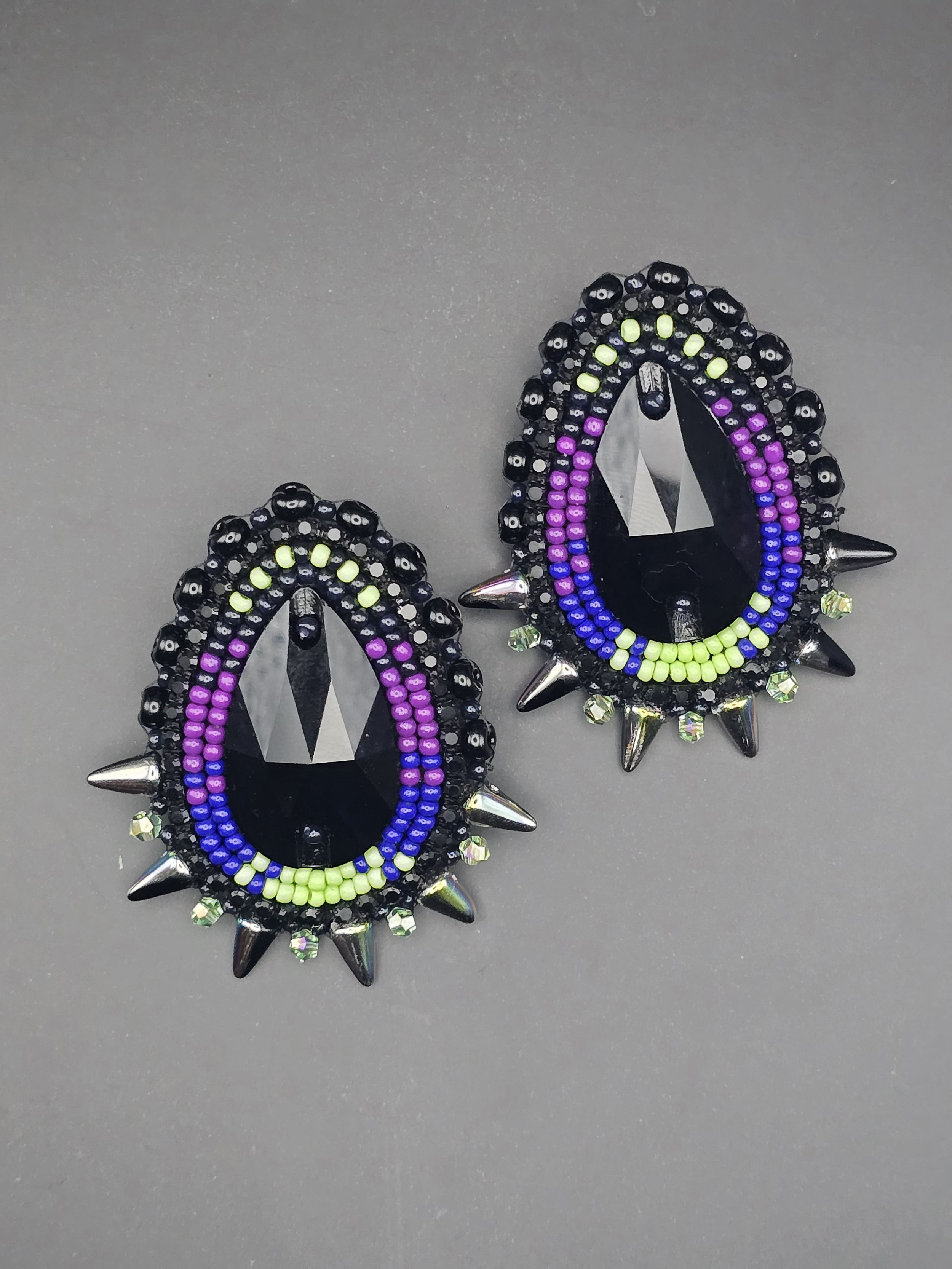
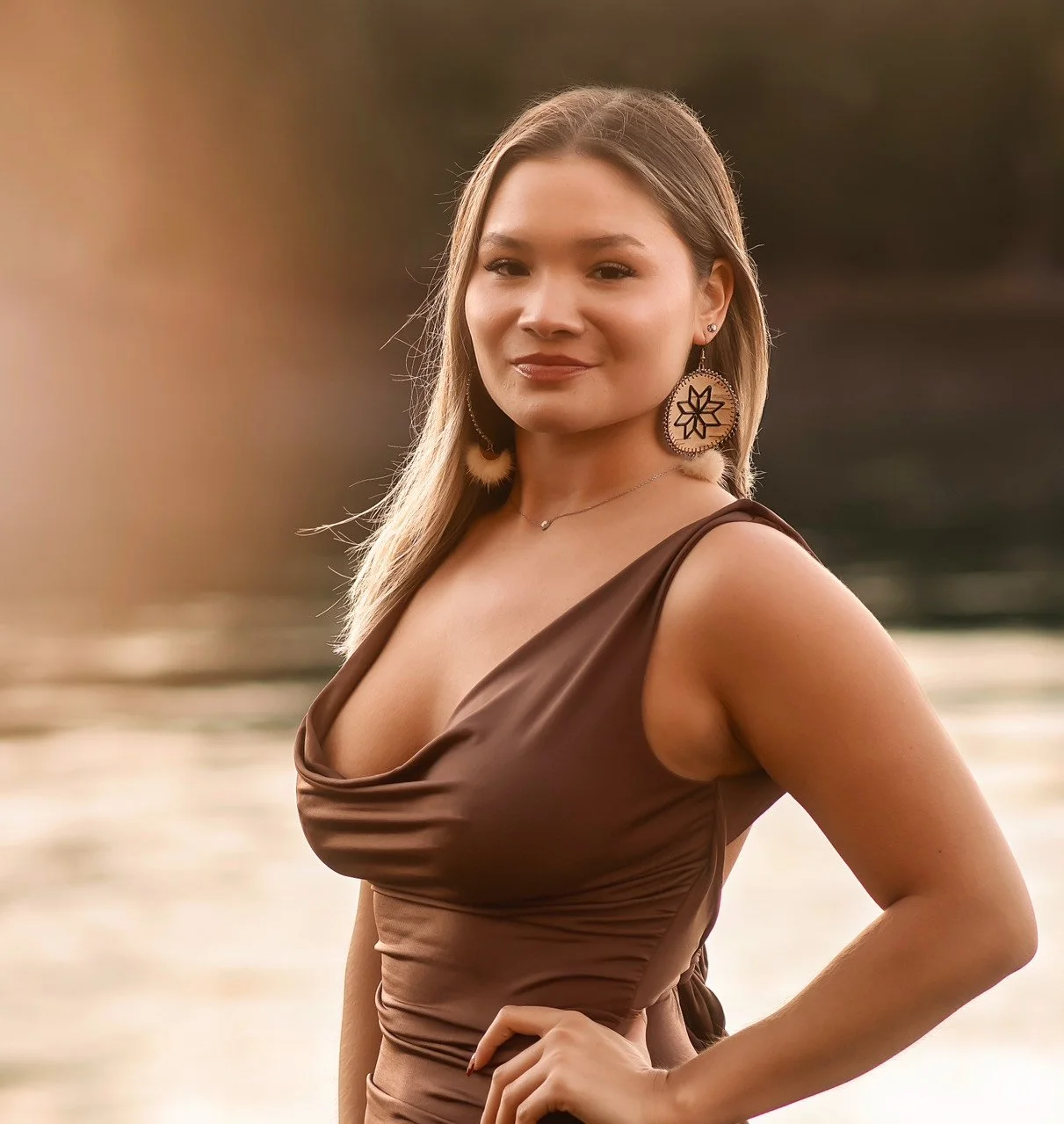
TRIBAL AFFILIATION: Passamaquoddy
MEDIUM: Basketry - Ash
BIOGRAPHY
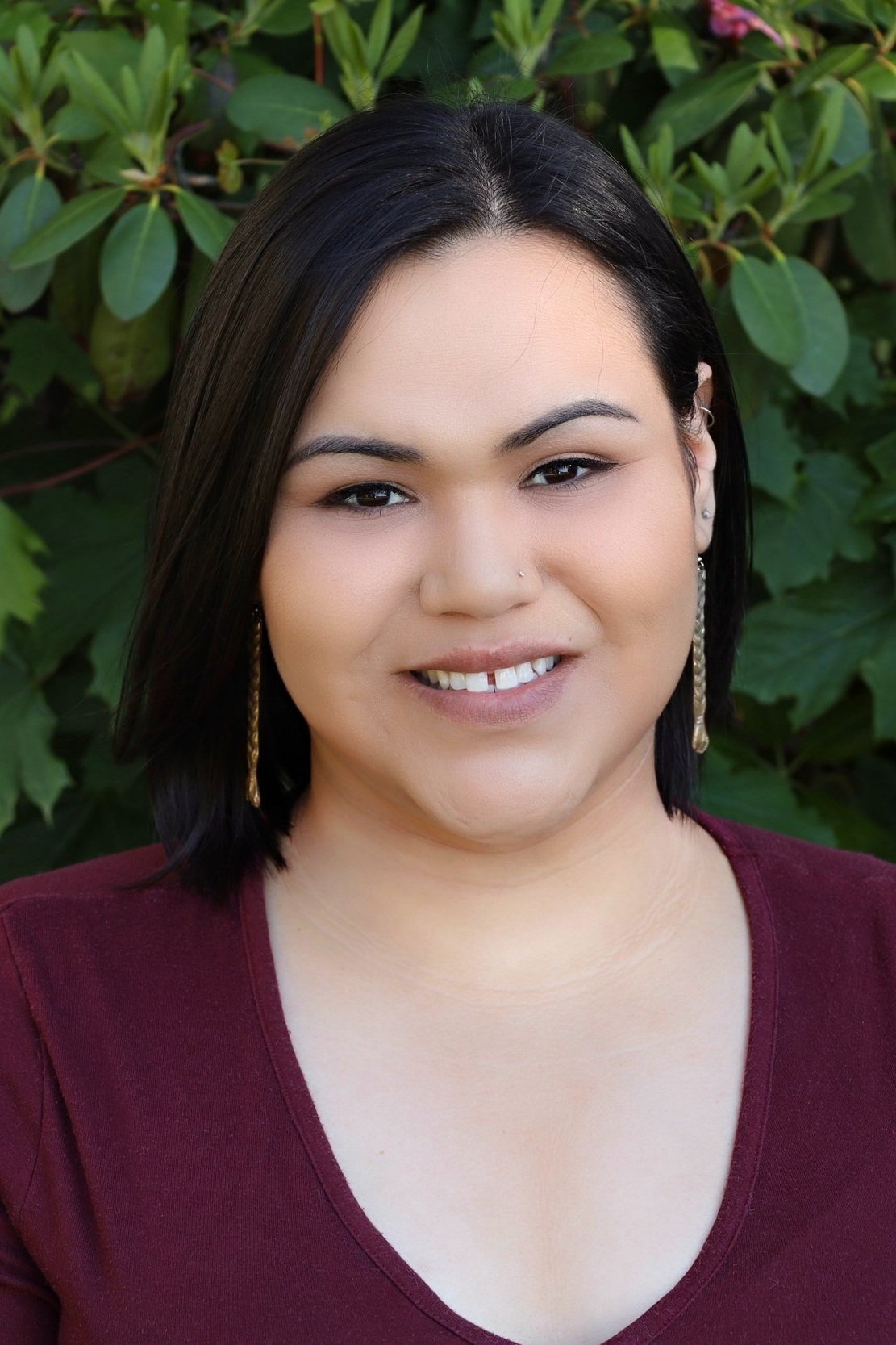
Emma Soctomah, 21, is a Passamaquoddy tribal member from Motahkomikuk. She is the daughter of Donald Soctomah and Elizabeth Neptune as well as the granddaughter of world renowned basket maker Molly Neptune Parker. Emma grew up spending her summers making baskets alongside her sibling and mentor Geo Neptune. She has been awarded numerous first and second place ribbons for her basketry throughout her lifetime. Outside of basketry, she works at her local elementary school providing support to tribal youth navigating their social-emotional skills. As she reenters the craft of basketry after a short hiatus during the mourning of the loss of her grandmother, she hopes to continue her legacy and master the craft in honor of her.
TRIBAL AFFILIATION: Passamaquoddy
PANEL TITLE: Arts Transforming Our Futures
MEDIUM: Basketry - Ash, Beadwork
BIOGRAPHY
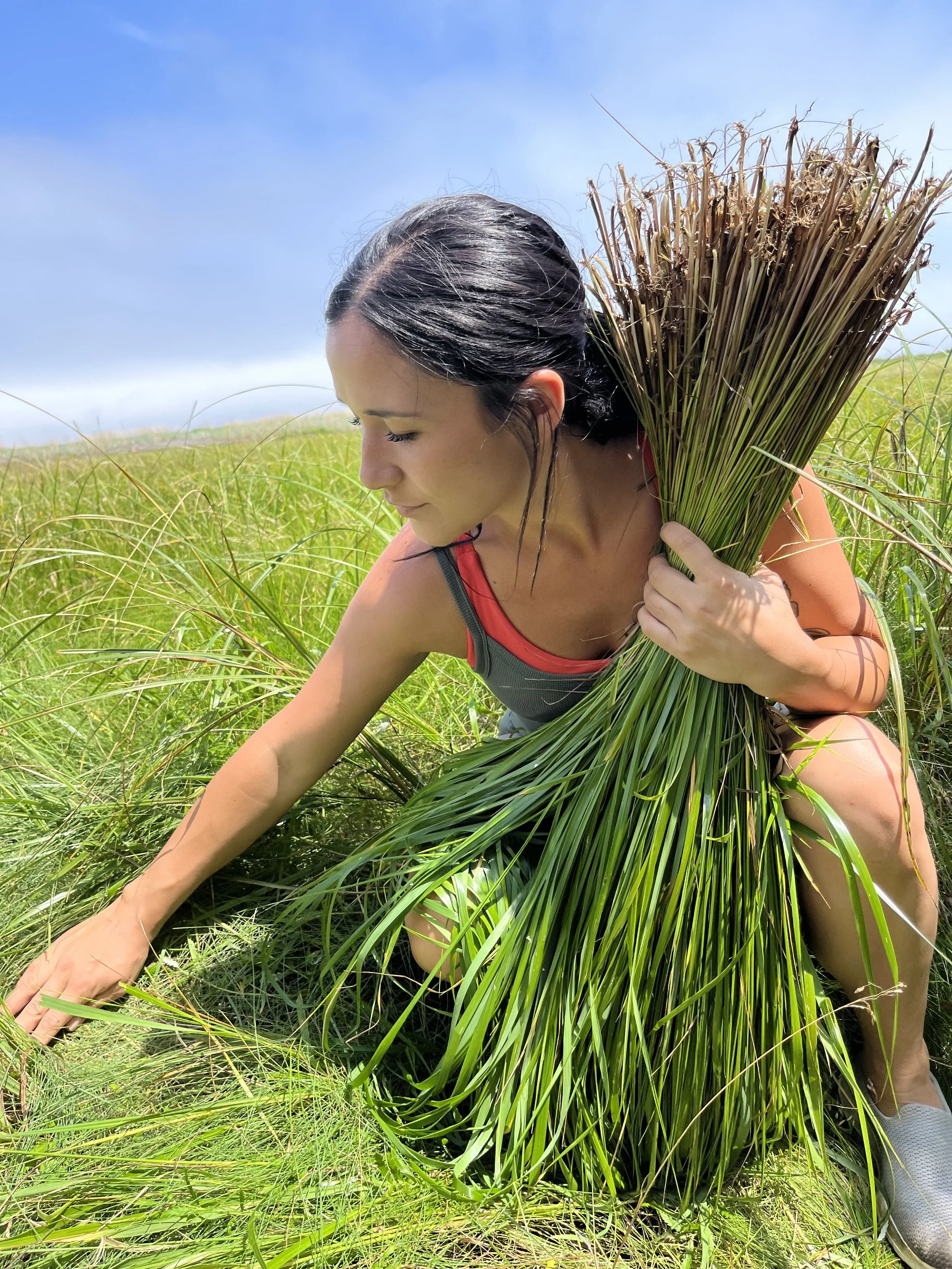
Frances Soctomah (she/her) is a Peskotomuhkati (Passamaquoddy) artist from Motahkomikuk who engages video, audio, animation, graphic art, and traditional Wabanaki arts practices to explore and articulate relationships between people, Mother Earth, and our non-human relatives. Family, memory, responsibility, reciprocity, and interconnection are concepts often woven throughout her work. She grounds her practice in story, incorporating teachings from conversations with her family and community members.
Frances is one of eleven children who come from a long line of Passamaquoddy artistry. She began her journey as an artist at age seven when her late-grandmother Molly Neptune Parker – a renowned basketmaker and matriarch of four generations of weavers – began teaching her to make brown ash and sweetgrass baskets. While learning to weave fancy baskets in styles passed down to her family through generations, Molly shared stories of growing up in Motahkomikuk and the many places she lived. She passed down teachings from their ancestors, often reflecting on how our relationships with each other have shifted through time. The stories of community and connection that were woven during their time together inspired Frances to seek out other teachers in her community. She later apprenticed with Gabriel Frey, a Passamaquoddy cultural knowledge carrier, to expand her knowledge of basketmaking and harvesting practices as well as Jennifer Sapiel Neptune, a Penobscot cultural knowledge carrier, to learn traditional bead embroidery techniques.
Creating in community paved the way for Frances to expand her arts practice to include digital material, centering and amplifying voices from her community and through her work. In 2019 she enrolled in the Intermedia Master of Fine Arts program at the University of Maine. She is expected to complete her studies in December 2022.
In addition to her creative practice, Frances is committed to supporting spaces for Wabanaki artists to create, connect, thrive, and be seen. She is active in art, museum, and nonprofit circles where she advocates for cultivating sustaining relationships with Wabanaki artists.
TRIBAL AFFILIATION: Passamaquoddy
MEDIUM: Basketry - Ash
BIOGRAPHY
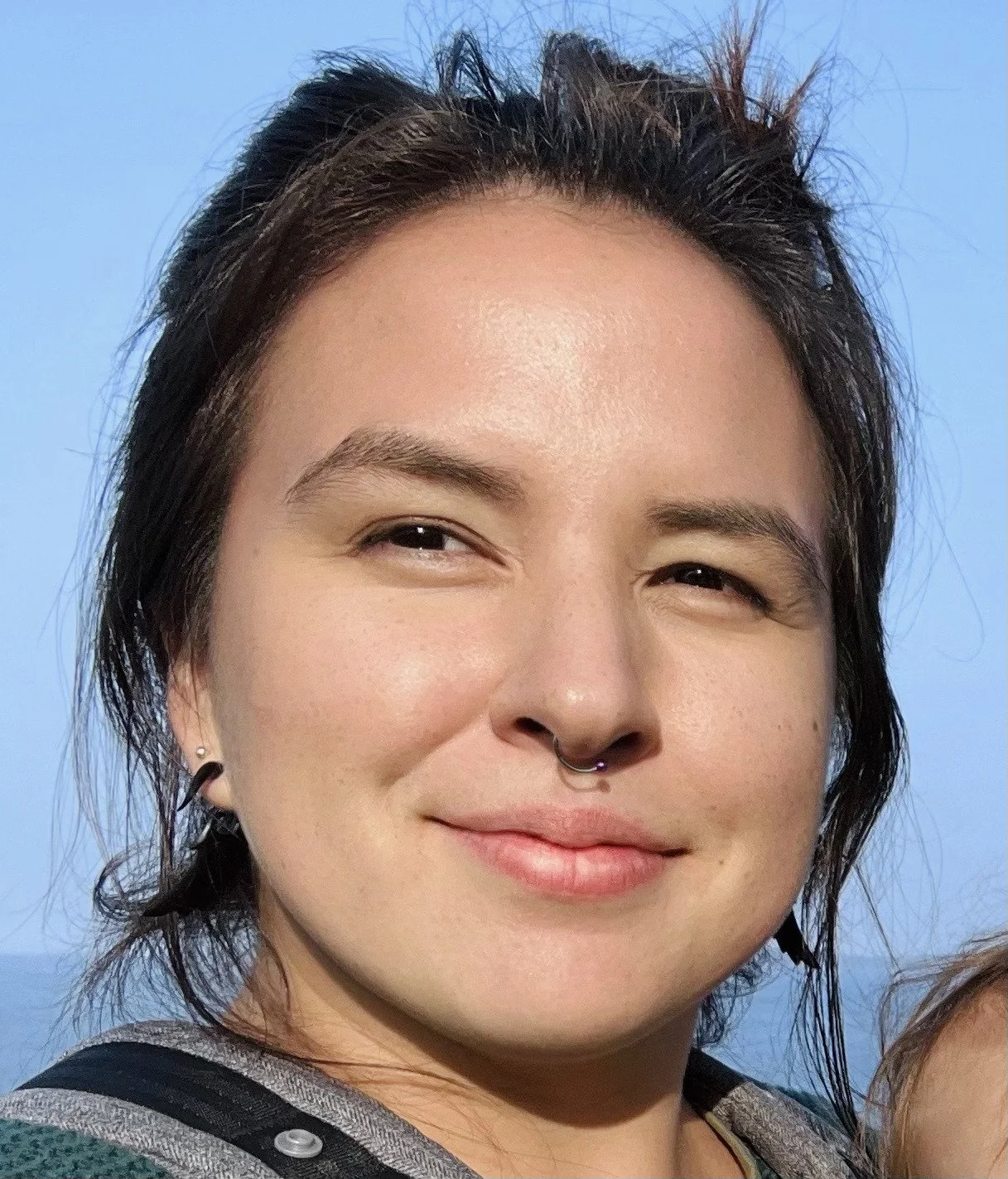
Lydia Soctomah, a Passamaquoddy tribal member from Motahkmikuk where she lives with her two beautiful children. She was taught how to make baskets by her late grandmother Molly Jeannette Parker and assisted at a variety of markets selling baskets. This past year, Lydia has been reintroducing herself to the art of basketry and finds it to bring a sense of peace within herself. Basketry was a major part of her grandmother's life and practicing this art keeps a piece of her alive; along with the ancestors who passed this knowledge down from generation to generation. Preserving the culture comes in many forms, basket making was a way in which her late grandmother preserved her piece. It was her grandmother's wish that we continue her legacy and teach future generations, as it is for all aspects of the culture. There is a sense of healing in practicing our traditions that Lydia hopes she can share with others as she learns them.
Lydia hopes to absorb as much Indigenous Knowledge as possible and carry that knowledge into the generations to come. Her career and education are rooted in the service of guiding the youth in positive directions, whether it be in an educational setting as a teacher or a support in substance abuse prevention and intervention within the Passamaquoddy Youth Wellness Court. Lydia hopes to help identify needs and build bridges for tribal youth to lead positive lives in the modern day world, with the strength of their cultural roots grounding them.
TRIBAL AFFILIATION: Passamaquoddy
PANEL: Indigenous Farm to Table
BIOGRAPHY
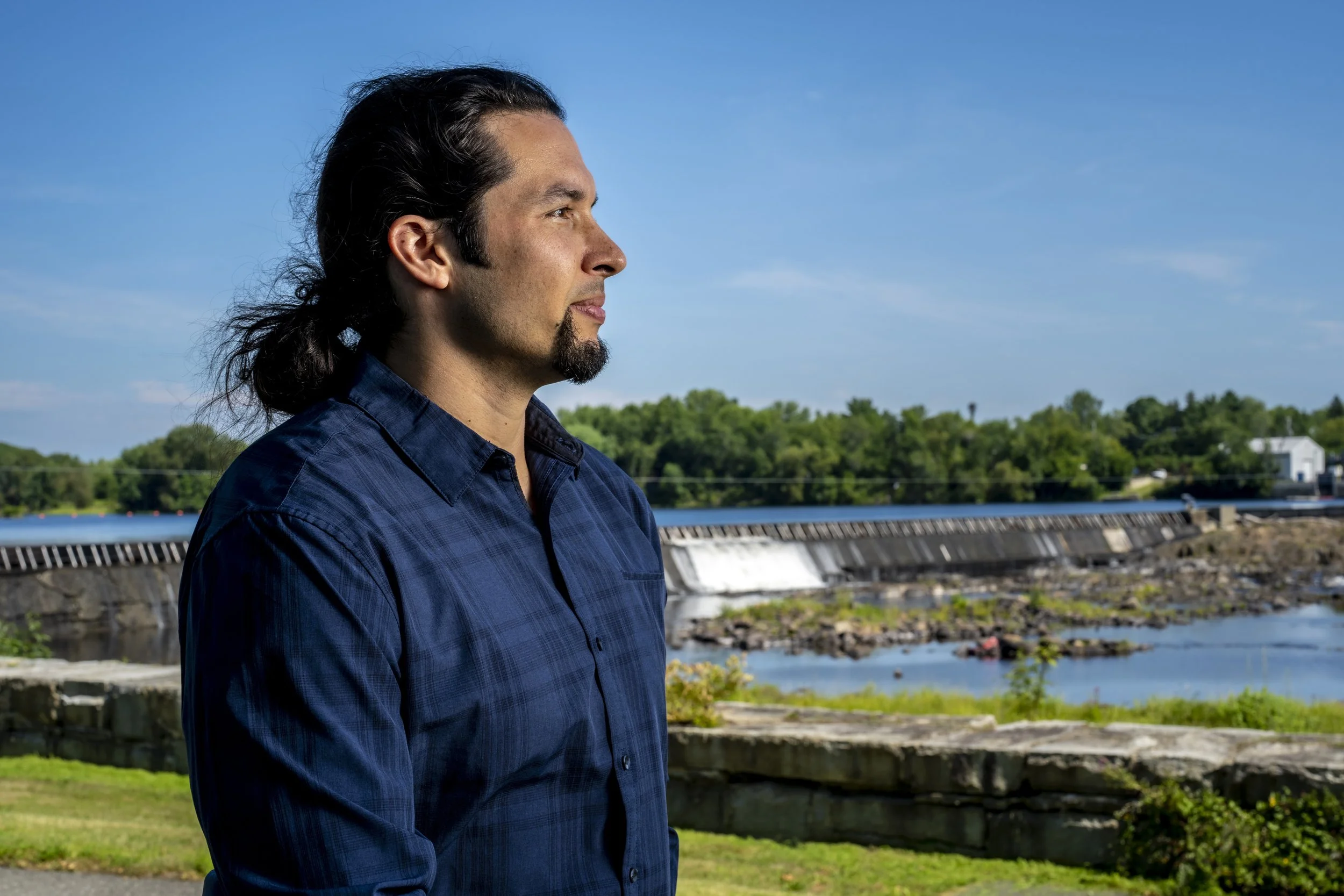
Anthony Sutton, PhD, is Passamaquoddy from Sipayik. He is an Assistant Professor of Native American Studies and Food Systems at the University of Maine and Faculty Fellow at the Mitchell Center for Sustainability Solutions. Tony’s work focuses on historical and contemporary aspects of Wabanaki foodways, both unpacking the histories that have shaped lands, waters, and species central to Wabanaki foodways, to the present by centering Wabanaki visions for the restoration of foodways and fisheries.
TRIBAL AFFILIATION: Penobscot Nation
PANEL: Indigenous Farm to Table
BIOGRAPHY
As a proud citizen of the Penobscot Nation, Jasmine Thompson Tintor is an educator, activist, and enthusiast within food sovereignty across the Wabanaki lands. She first started her work in food sovereignty with Eastern Woodlands Rematriation as well as Nibezun, working in various projects relating to food preservation and culture. Currently, they work alongside Wabanaki Public Health and Wellness as the Food Sovereignty Educator, supporting a variety of Tribal organizations through seed and food projects. As a board member for Niweskok, they collectively create space for decision making and leadership goals.
Jasmine works to create spaces where people can learn about food initiatives, climate action, water rights, nature conservation, education, and equality. Their passion for farmed and foraged organic whole foods extends into their very own 'pop up' restaurant Kathadin Kitchen, that is bringing a mix of traditional and contemporary Indigenous cuisine to the forefront of east-central "Maine." Jasmine believes fostering connections between communities will always be the top priority, no matter the hurdles or red tape. Jazz has made work a lifestyle, balancing family, community, culture, wellbeing, and direct action for a better future for all peoples, for the next seven generations.
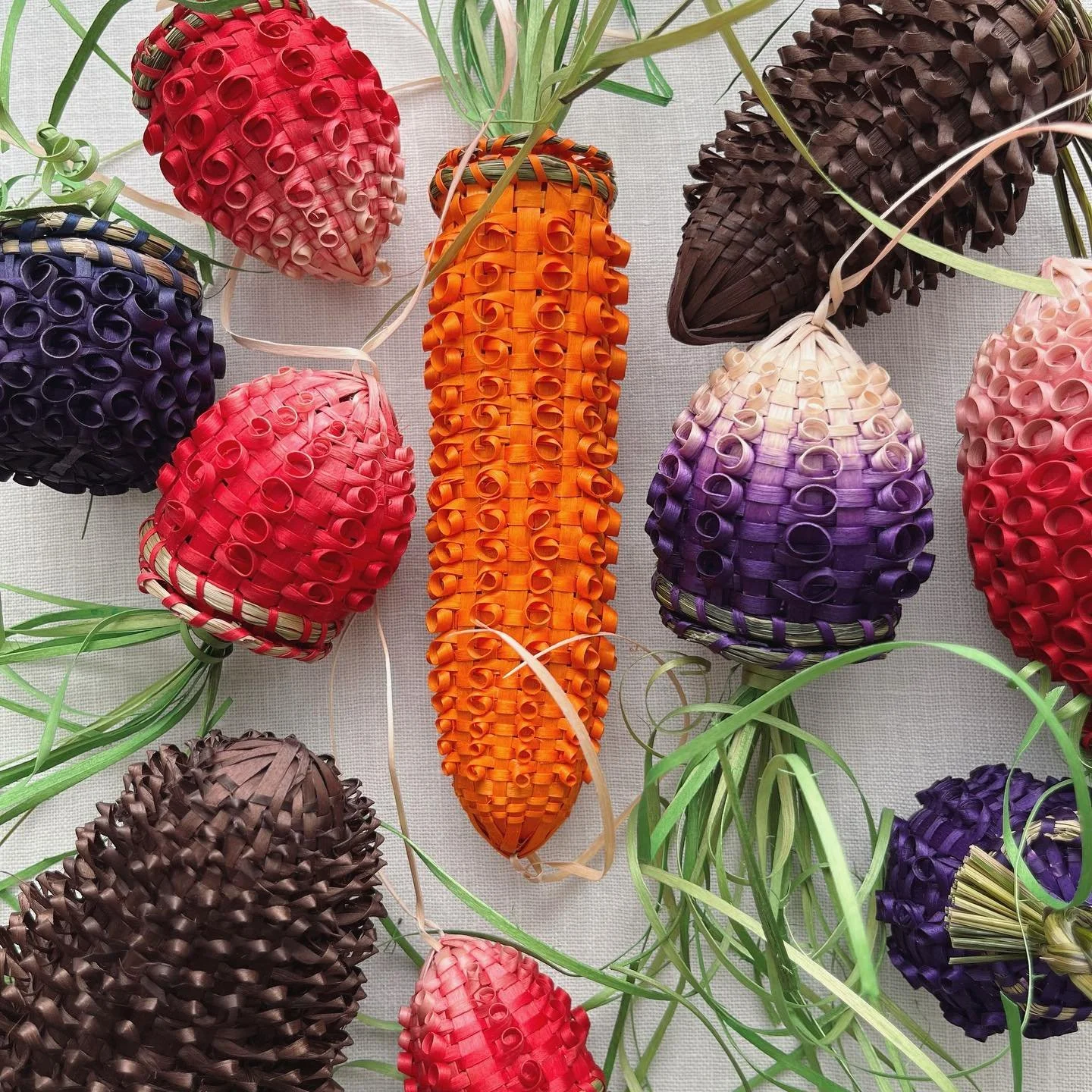
TRIBAL AFFILIATION: Penobscot
MEDIUM: Basketry - Ash
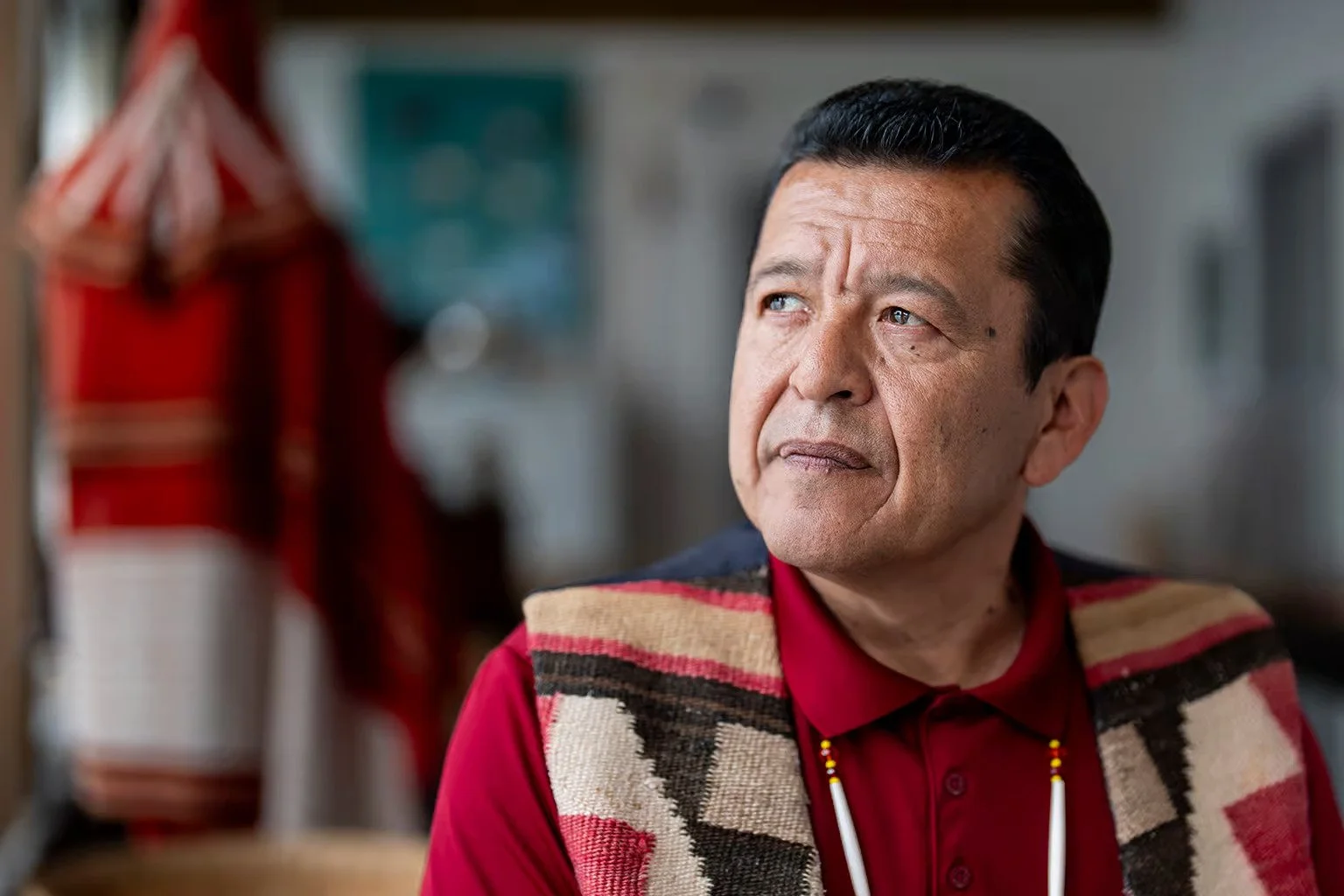
TRIBAL AFFILIATION: Passamaquoddy
PANEL: Native Arts, Culture, & Technology
BIOGRAPHY
Dwayne Tomah is a Language Keeper, he is a teacher of the Passamaquoddy language and culture. He is the youngest fluent speaker of the Passamaquoddy Tribe and has served on the Tribal Council.
He has also worked with Animal Planet on a segment called Winged Creatures, highlighting the history of the Thunderbird. His life has been dedicated to working on the language and culture preservation, he has edited the Passamaquoddy dictionary and worked to help create the Apple ~ Passamaquoddy Language App. He shares Native legends through song and dance.
Dwayne is currently working with the Library of Congress on translating the Passamaquoddy Wax Cylinders. These recordings are the first recordings in the world of Native languages. They were recorded in 1890 by Jesse Walter Fewkes, who borrowed the device from the inventor Thomas Edison. Dwayne has also been involved in repatriation and Land Back issues. He shares historical truth regarding The Doctrine of Discovery by an Indigenous perspective.