Norma Randi Marshall
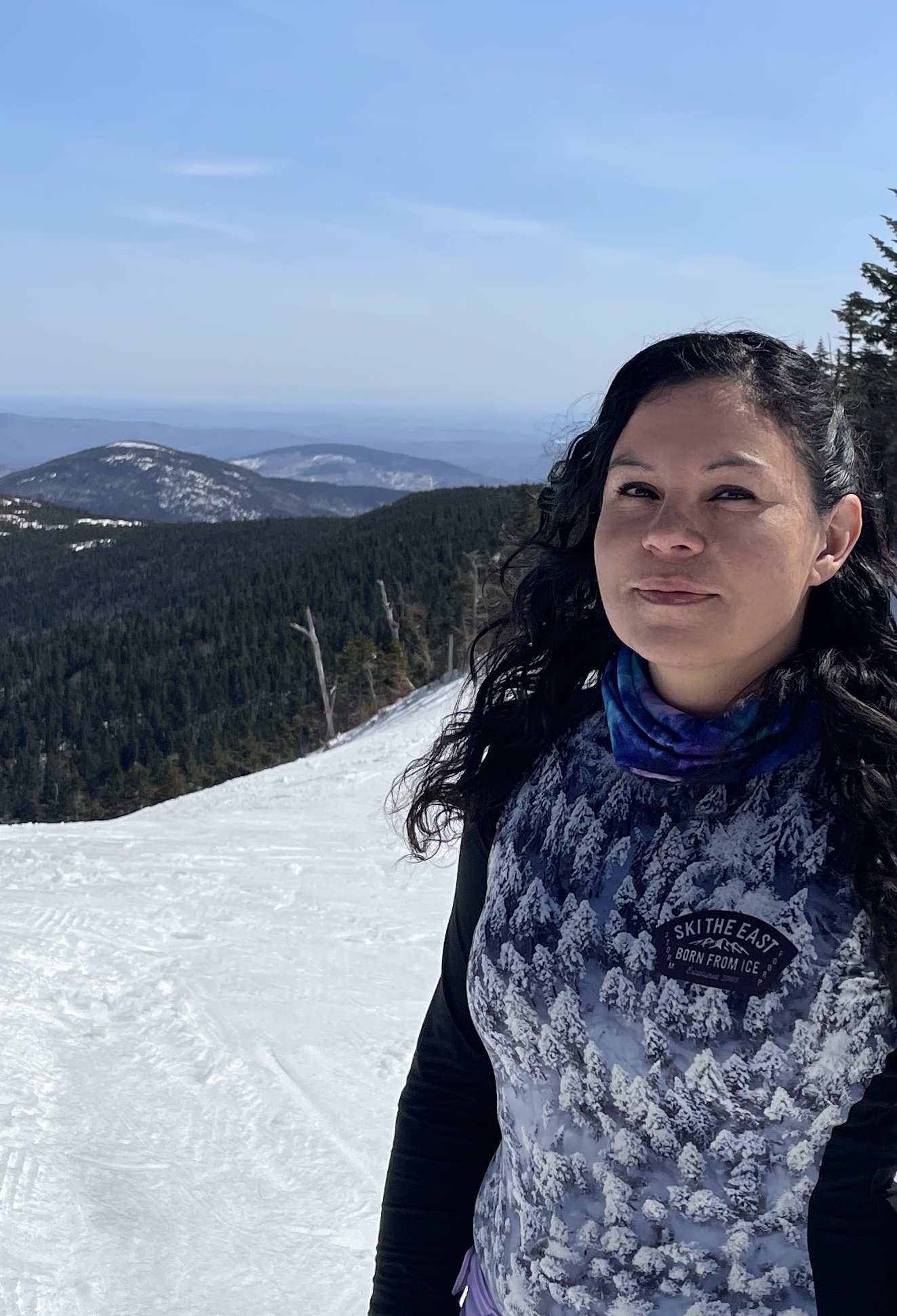
TRIBAL AFFILIATION: Passamaquoddy Tribe
MEDIUM: Painting/Illustration
BIOGRAPHY
Norma Randi Marshall is a Passamaquoddy artist from Sipayik, where she grew up on the eastern coastal edge of Maine, Peskotomuhkatikuk, and still lives in this rural area to this day.
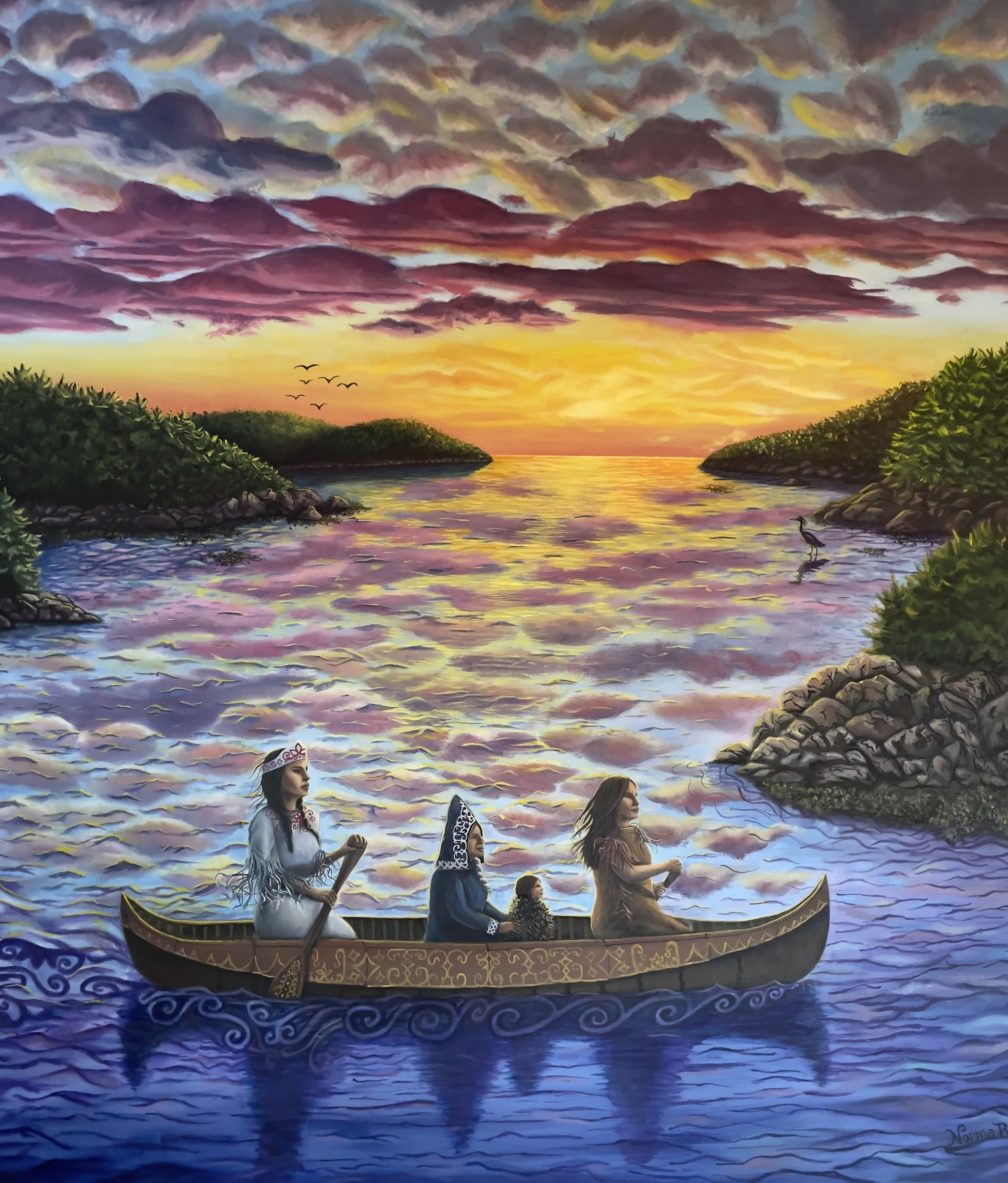
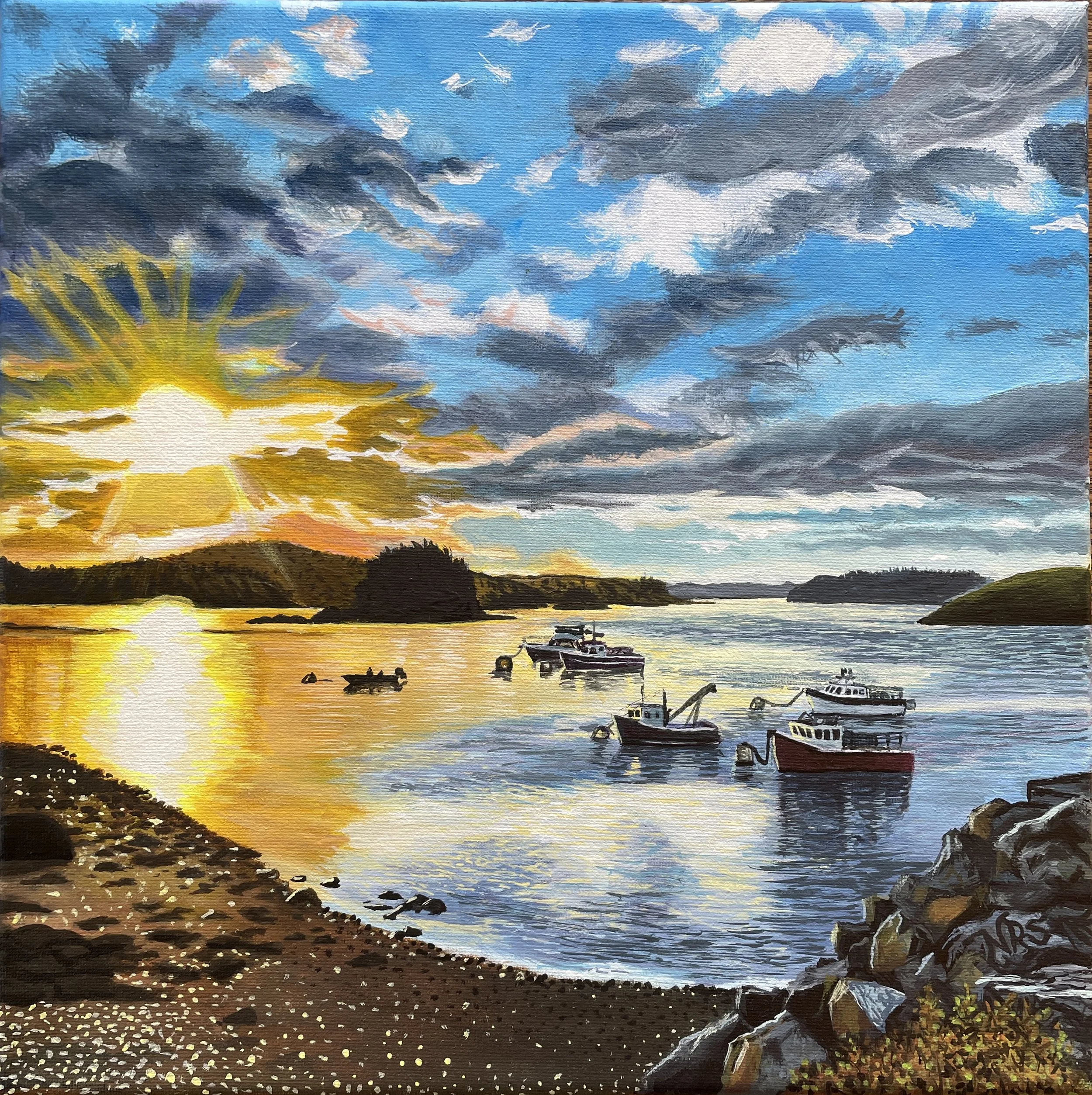
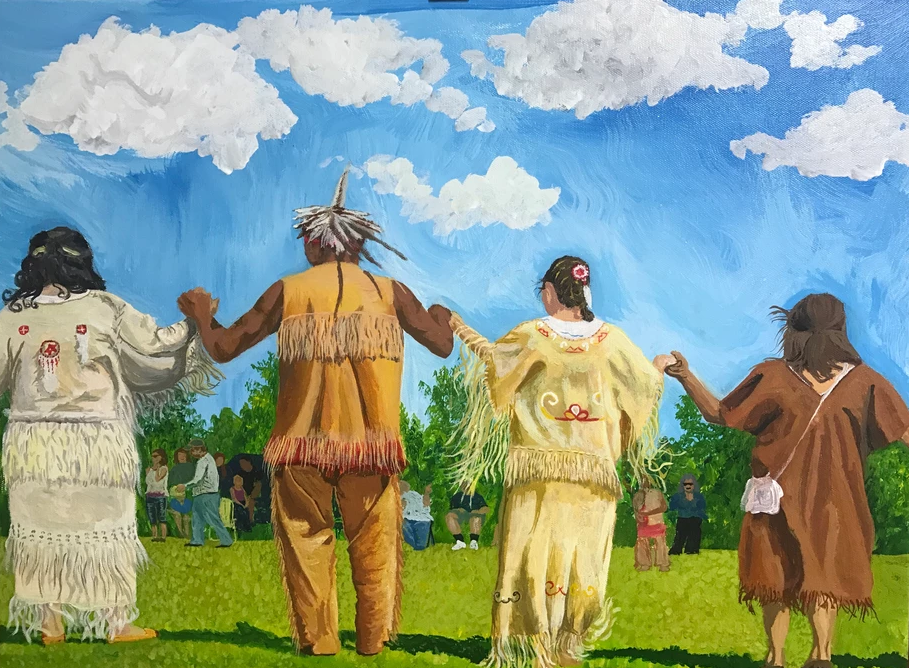
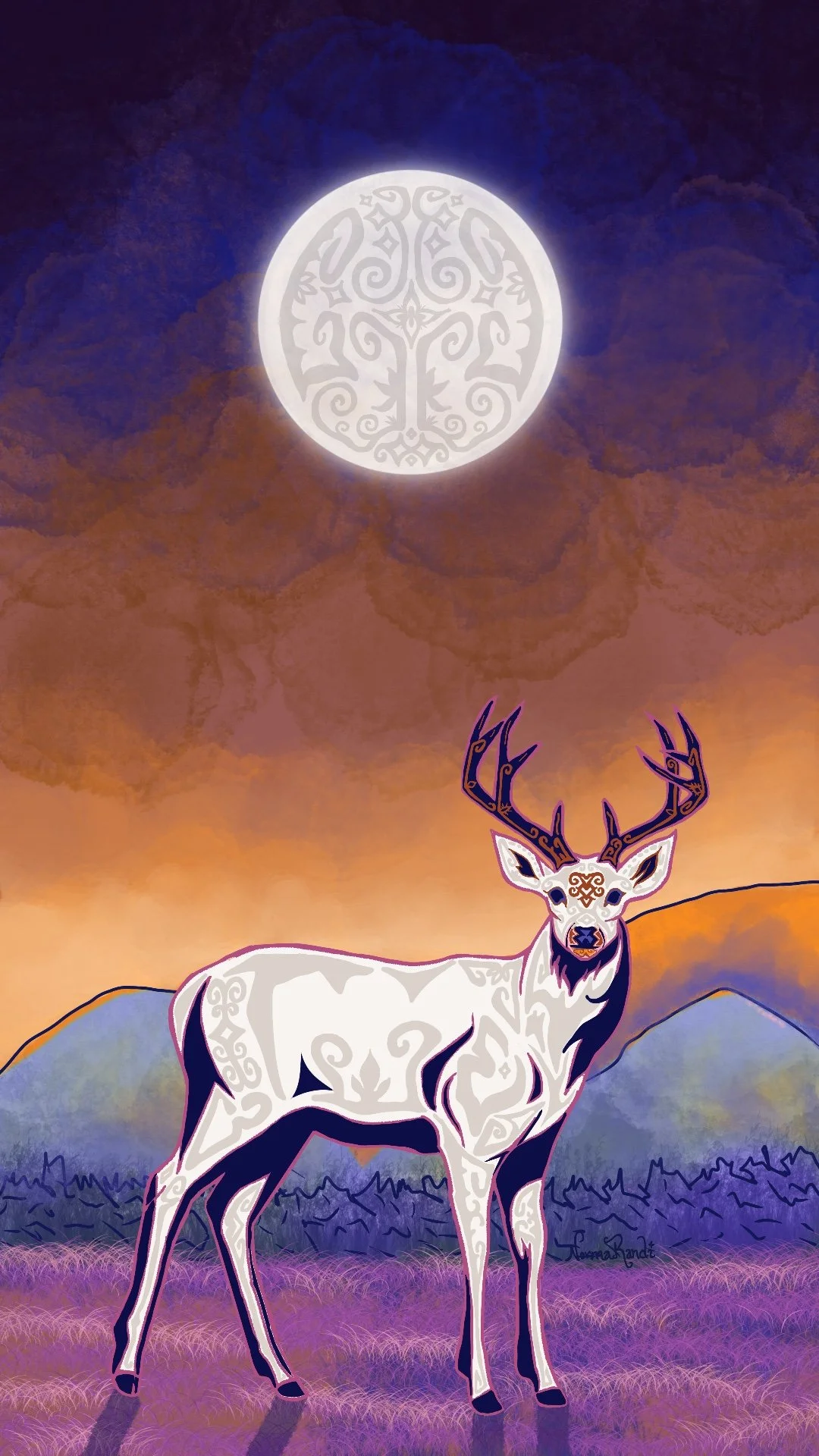
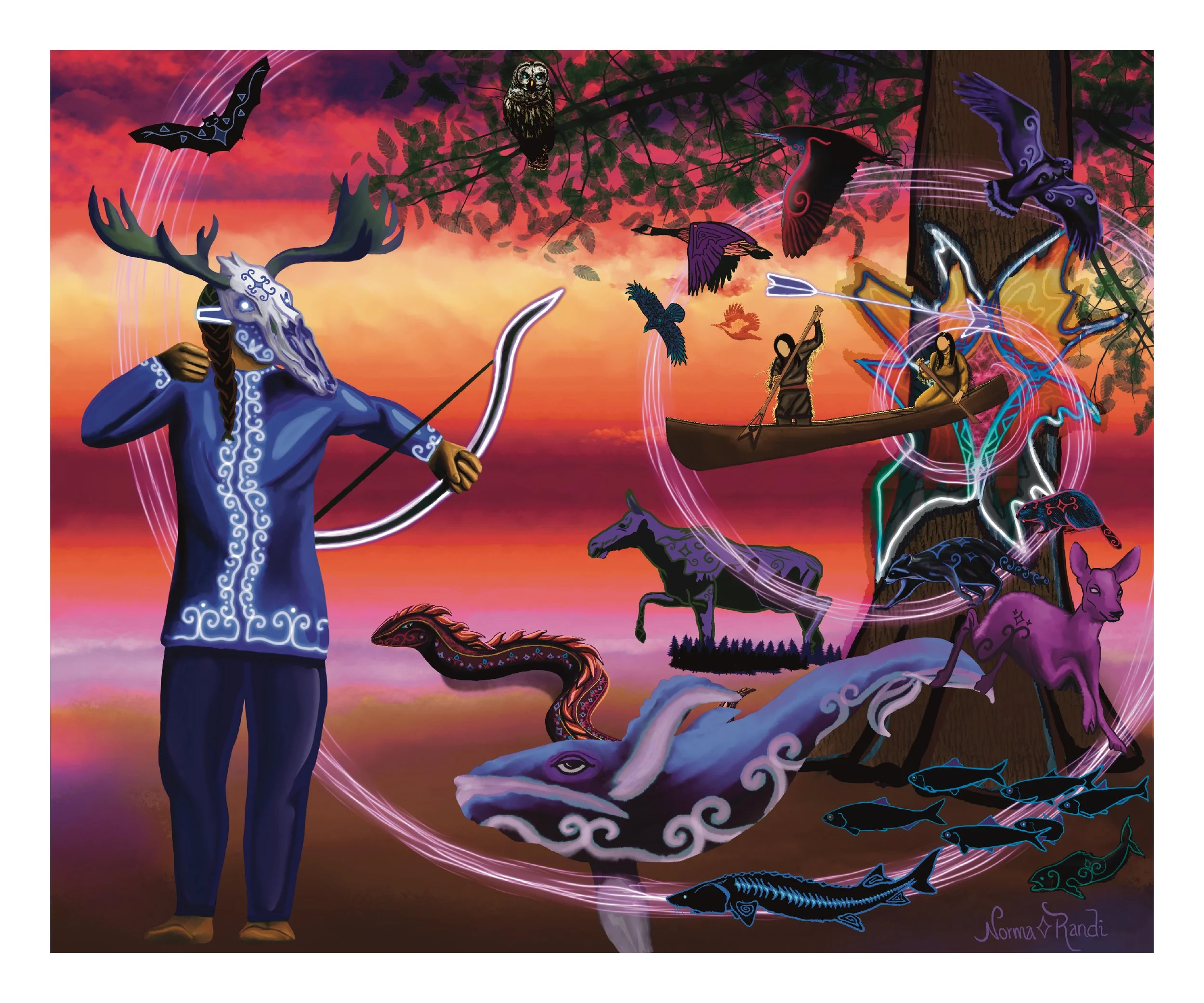
She is known for her large oil landscapes that depict the rugged beauty of downeast, her digital artwork, and other creations that reflect her life, heritage, and connections to Wabanakik.
Norma attended the University of Maine at Machias where she received her Bachelor’s Degree in Interdisciplinary Fine Arts with a focus on painting. Her style is inspired by traditional art found within her culture, contemporary Northeastern Indigenous artists, and Western realism.
Her artwork has been featured at the Farnsworth Museum in Rockland, Maine, the Coastal Maine Botanical Gardens, The Maine State Capitol and more. She has works in the Abbe Museum’s permanent collections in Bar Harbor. She illustrated the children’s book “Gluskabe and the gift of Maple Trees”. One can also see her collaborative signage work highlighting Wabanaki history and values where it is connected to the land at the Erickson Fields in Rockport as part of the Maine Coast Heritage Trust sites, the Town of Yarmouth at their Sipuhsisuwi Kcihq - Riverfront Woods Trails, at Hog Island in Bremen and at the Puffin Project Visitor Center in Rockland, Maine.
Artist Statement
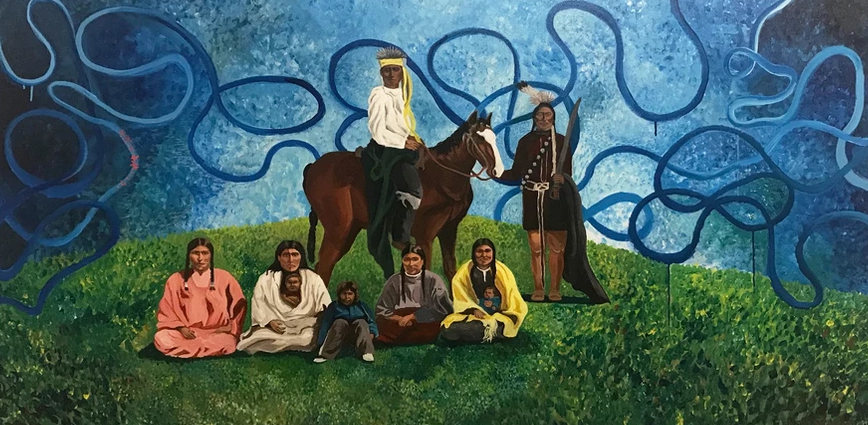
Norma Randi’s rich indigenous heritage background is the foundation for her artwork. With deep connections to the rugged coast and interior landscapes of Wabanakik around her, she paints the lands her ancestors traversed for many millennia while also considering the the lives they lived, culturally, spiritually, and physically as they navigated and coexisted with the natural world around them.
She uses her art as a form of connection and learning about her heritage, researching history that has been buried by oppression and assimilation while also learning through her kin and community. Her landscapes have a spiritual connection, providing the presence that this land once knew of her people.
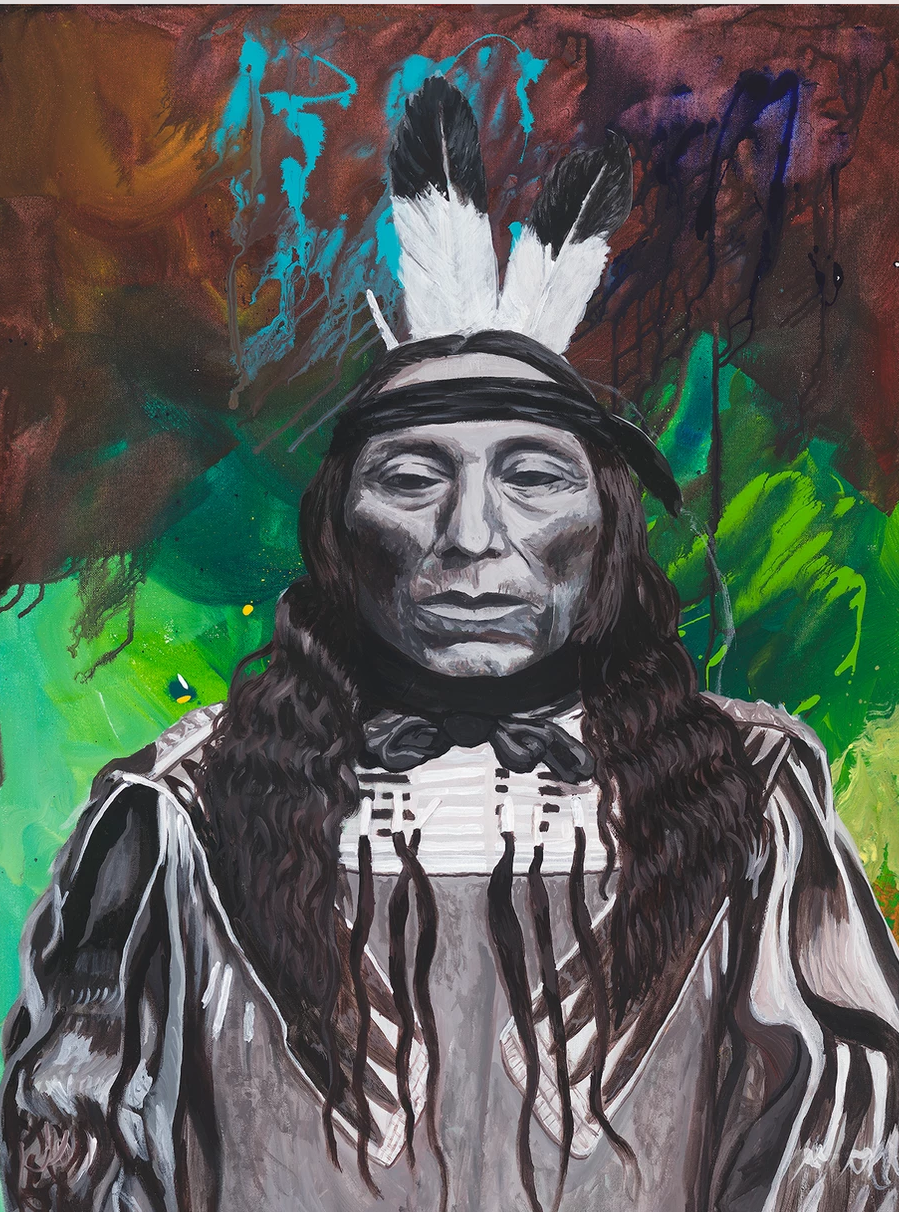
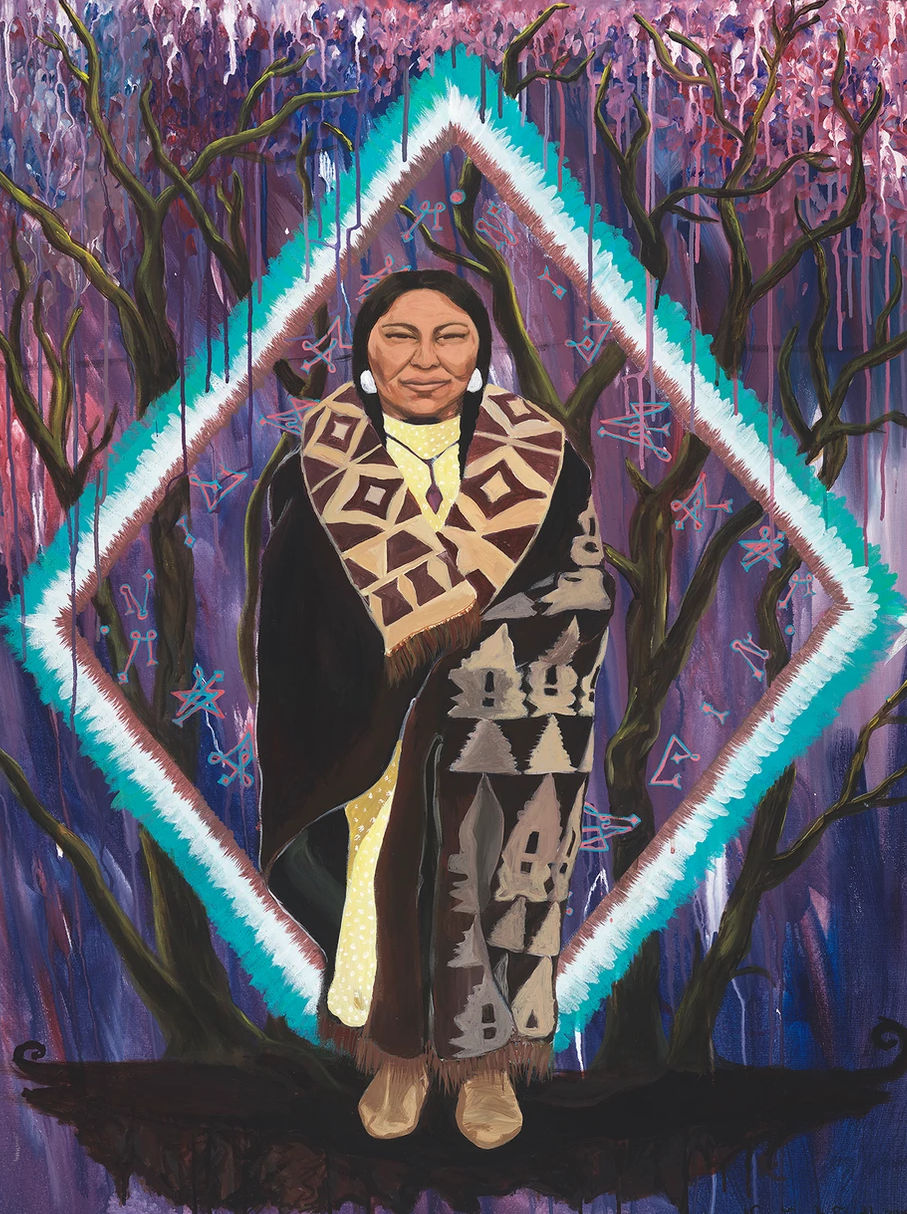
Her other artwork is also used for teaching people about the Wabanaki Nations; their cultural connections to the land they’ve always inhabited and the shared responsibilities to the beings, waterways, and land we all call home. Overall, her artwork provides a healing effect to overcome the genocidal and traumatic experiences in her ancestral genetic code while also bringing pride and inspiring optimism contemporarily for those who who feel the weight of colonialism within her communities.