Panelists | Performers | Market Artists
Find market artists and participants another way:
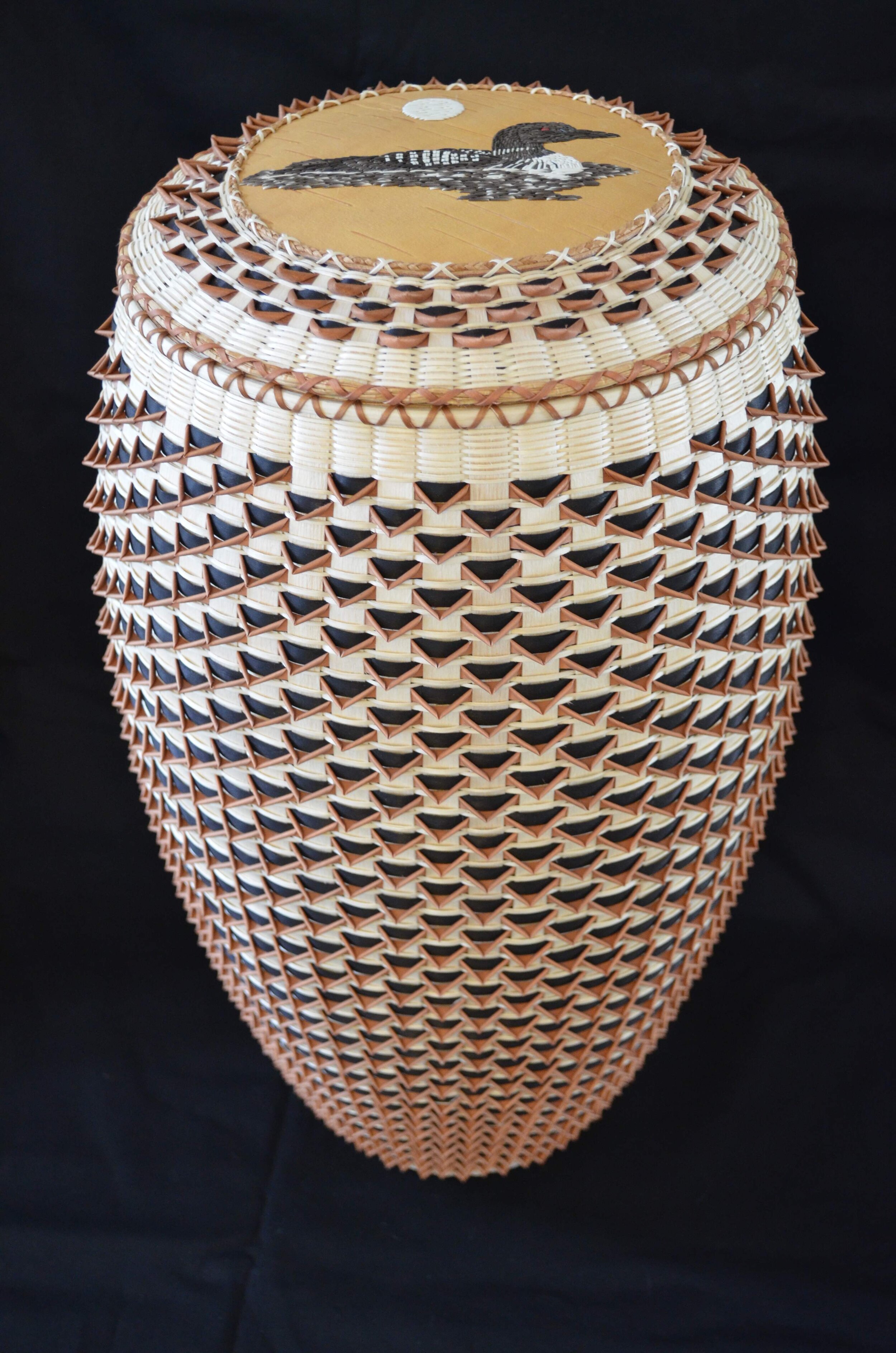
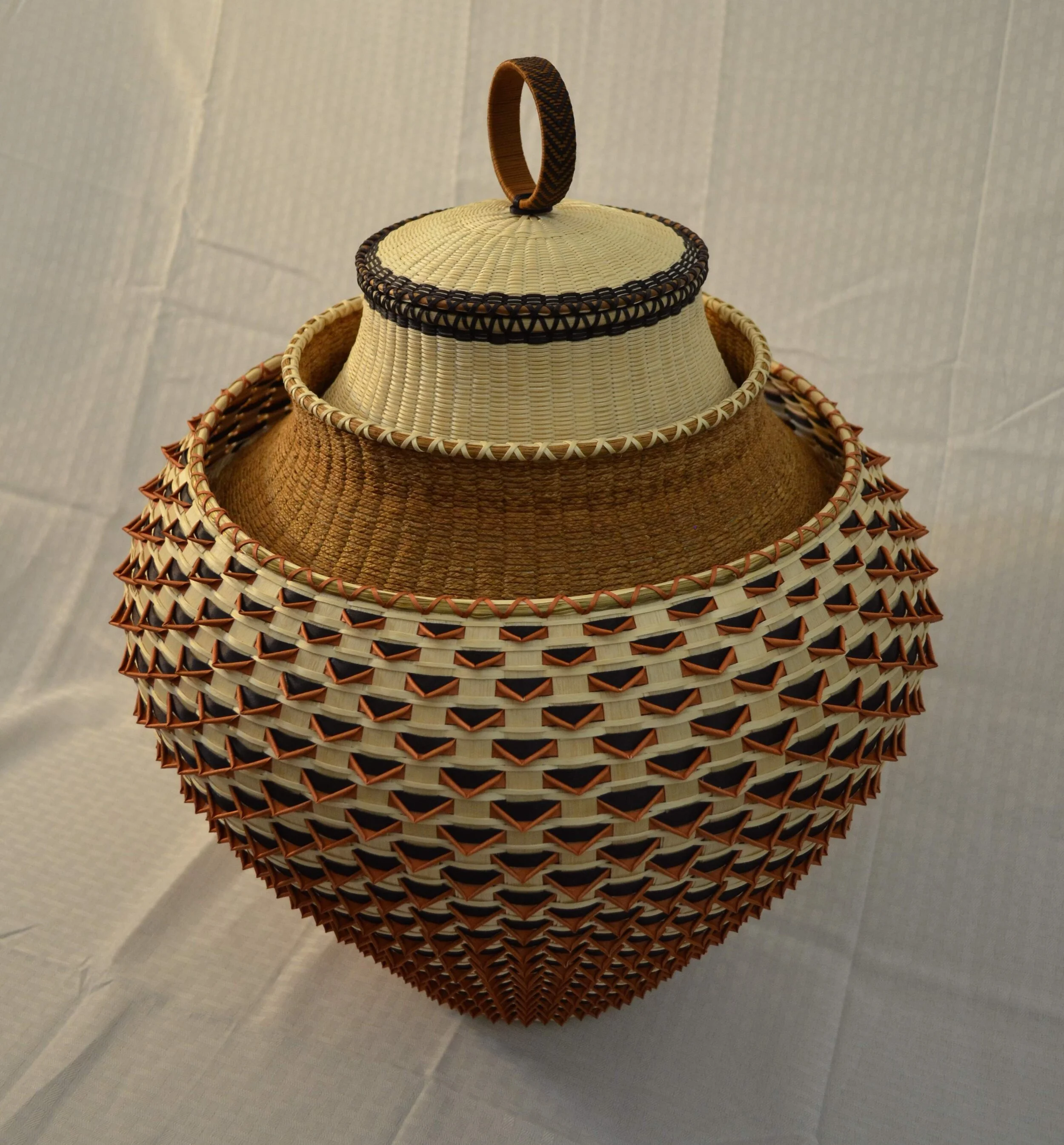
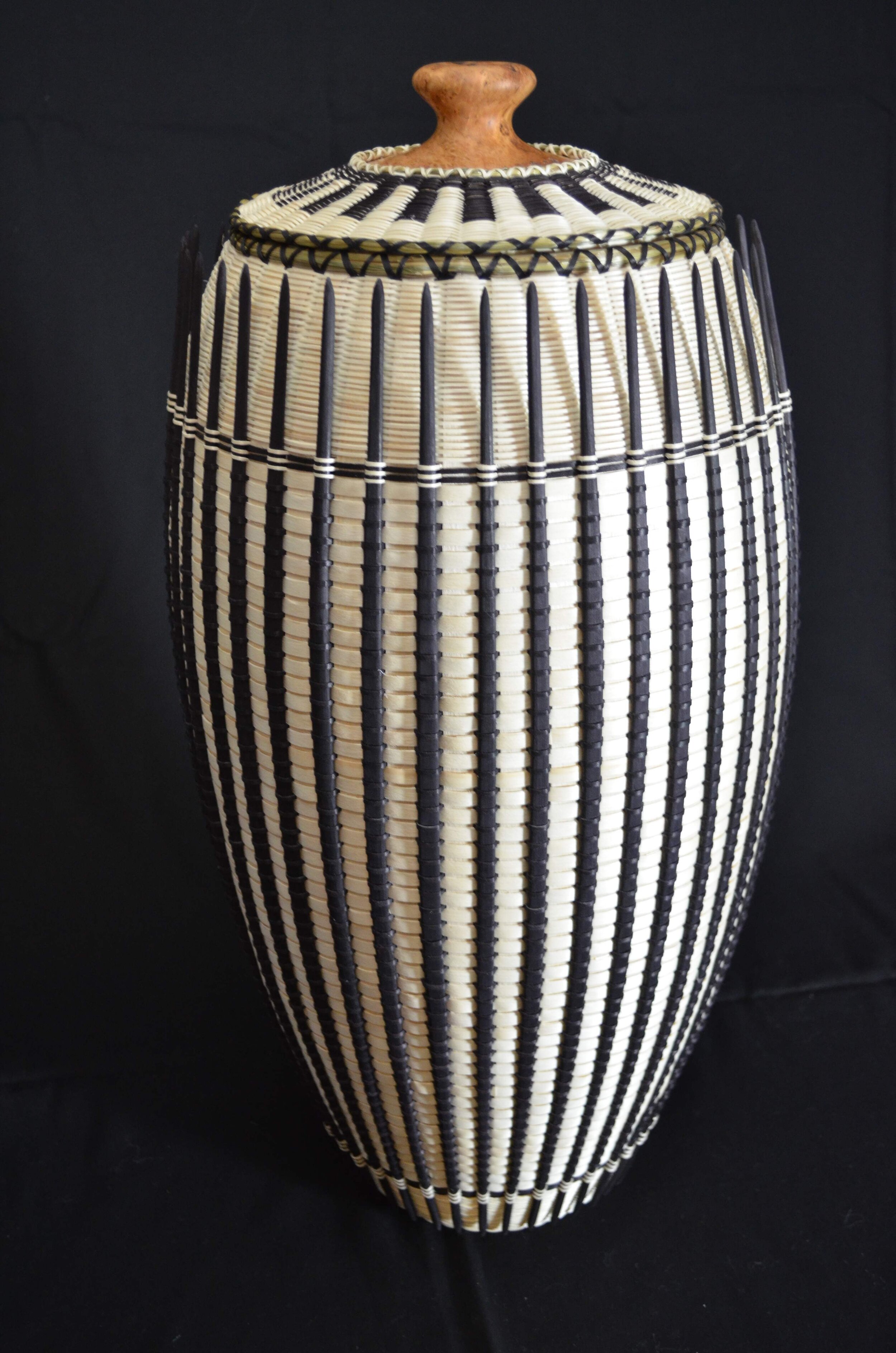
Jeremy Frey
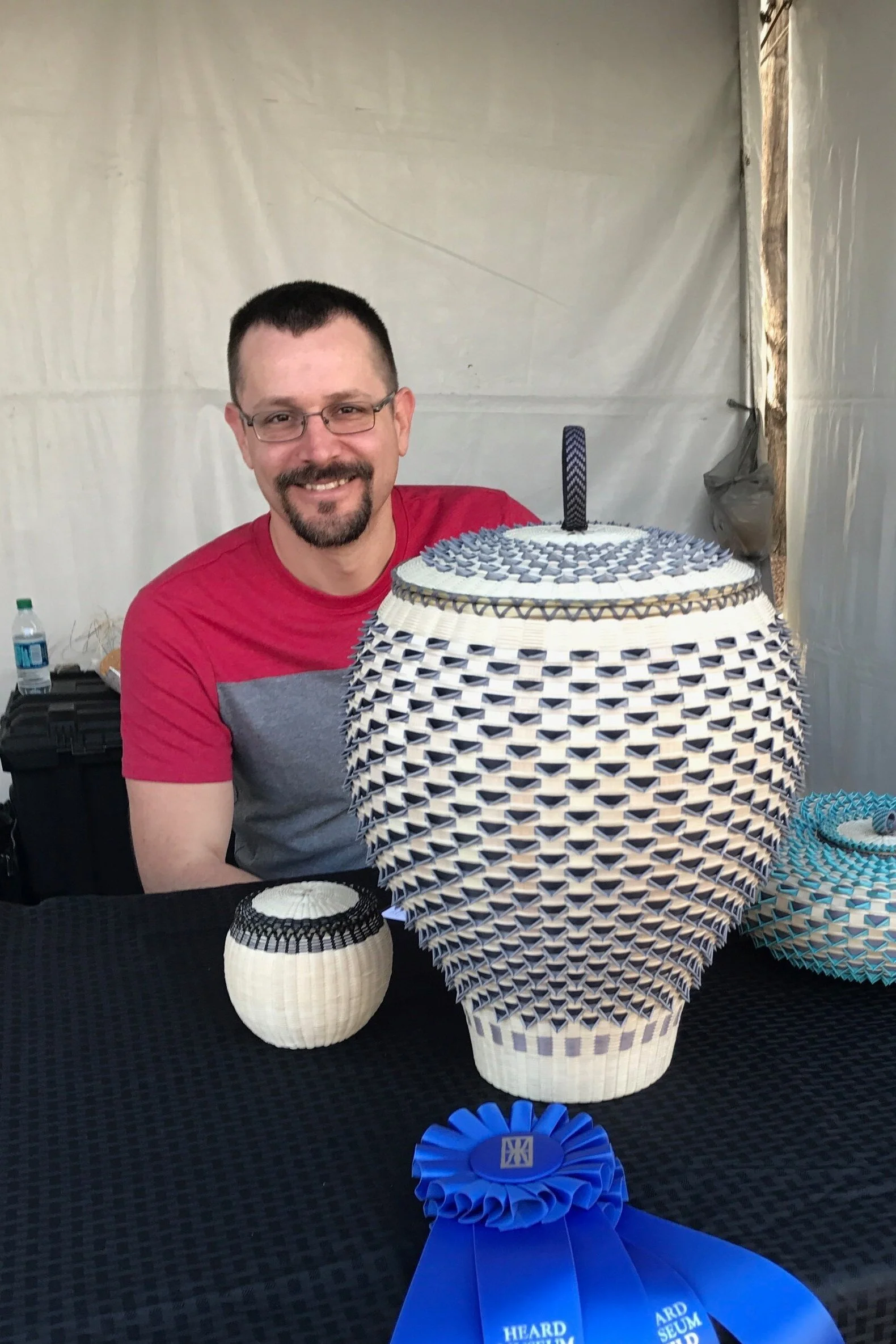
TRIBAL AFFILIATION: Passamaquoddy
MEDIUM: Basketry - Ash
BOOK SIGNING: Saturday, July 11, 10 a.m. - 1 p.m.
ARTIST STATEMENT
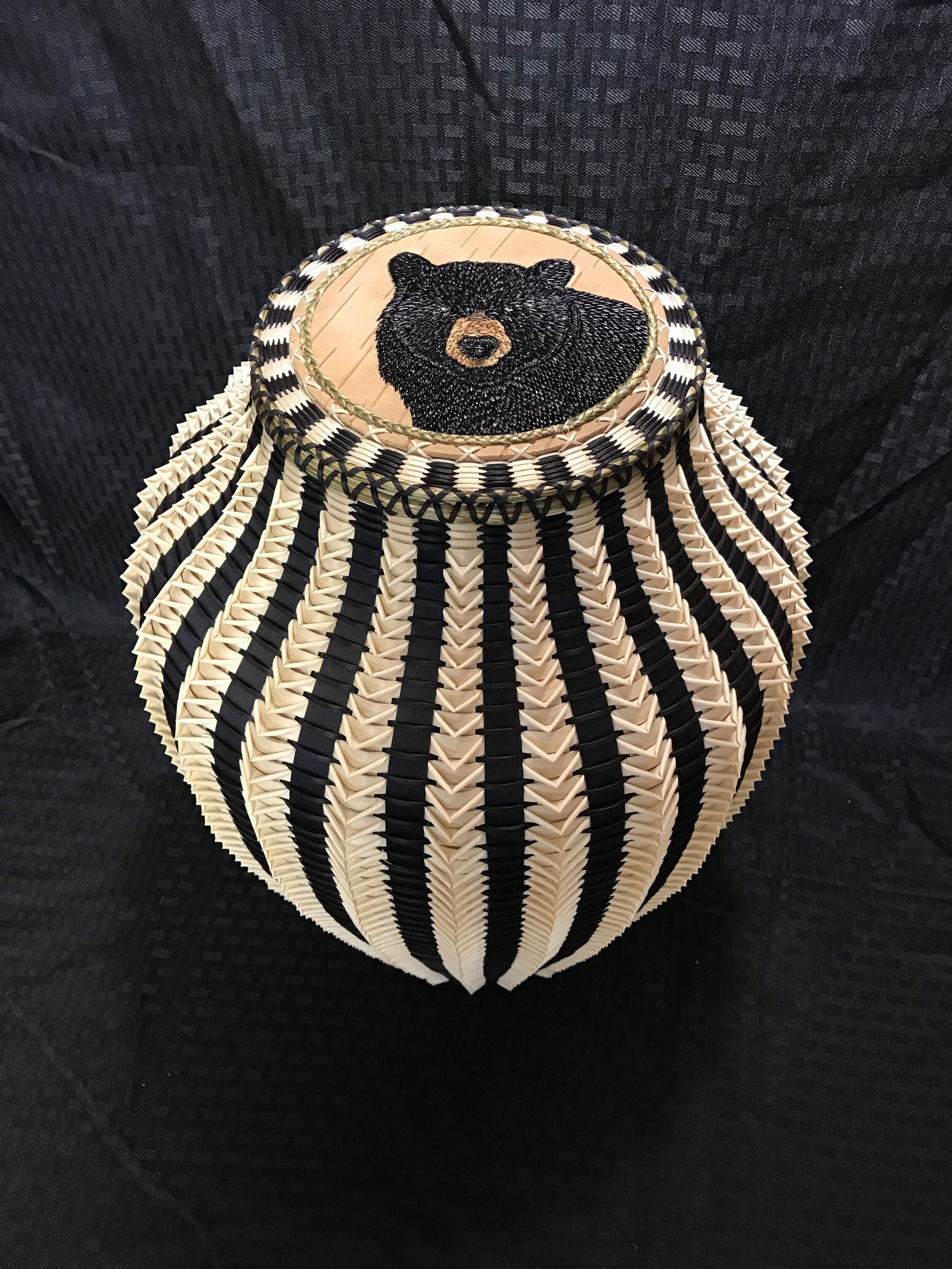
I am a Passamaquoddy artist. I have been creating art since I was a child. My mother always nurtured this creativity in me; she did this by supplying me with any and all art supplies she could afford. My family has been weaving baskets for more than eight generations. However, as a child I didn’t have much contact with the art of basket weaving. It wasn’t until my early twenties that I become infatuated with the creation of these baskets. From the day I wove my first basket I have never stopped.
Basketry is an art form that I can relate to in many ways. It is a part of my heritage, an art form that connects me to my relatives both living and past. For me to weave is a way of honoring my ancestors. However, it is also a way to honor future generations both through my teachings and though my personal carrying on of the art form. My work is always evolving; I try to create a newer and more elaborate version of my work each time I weave. I have refined the teaching of my mother beyond anything I would have considered possible.
CONNECT WITH JEREMY
Geo Soctomah Neptune
TRIBAL AFFILIATION: Passamaquoddy Tribe
MEDIUM: Basketry - Ash, Clothing, Diverse-Arts
MARKET PERFORMER: Sunday, July 12, 10-10:30 a.m. on the Market Stage
ARTIST STATEMENT:
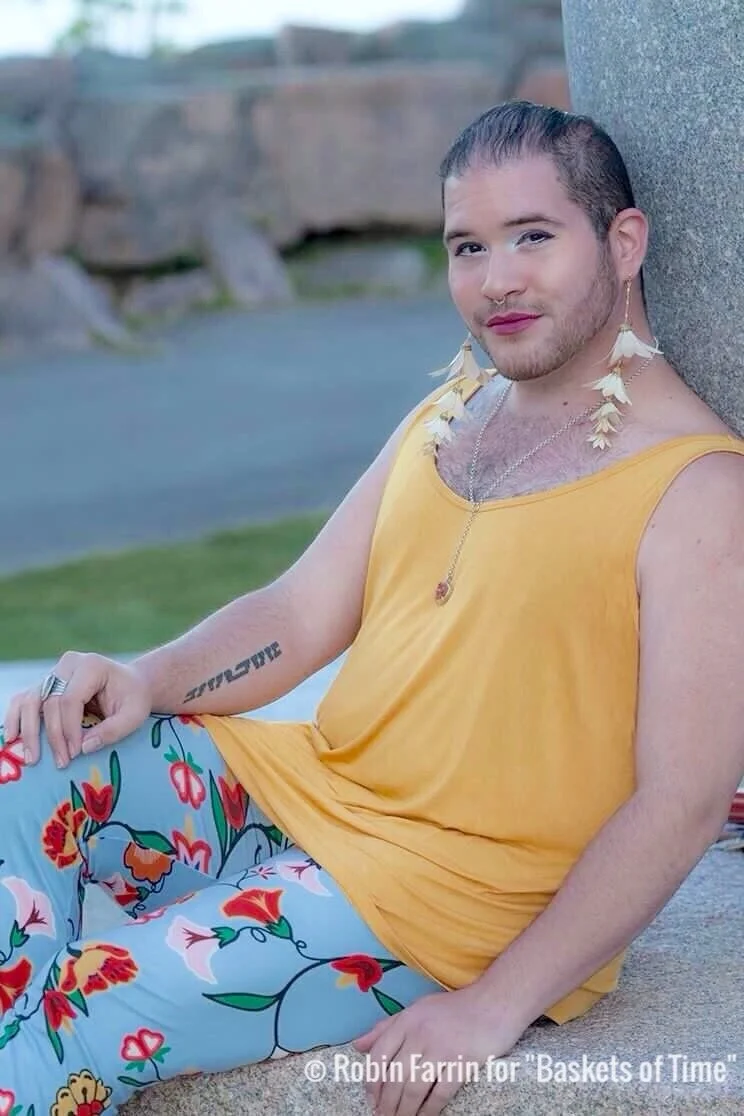
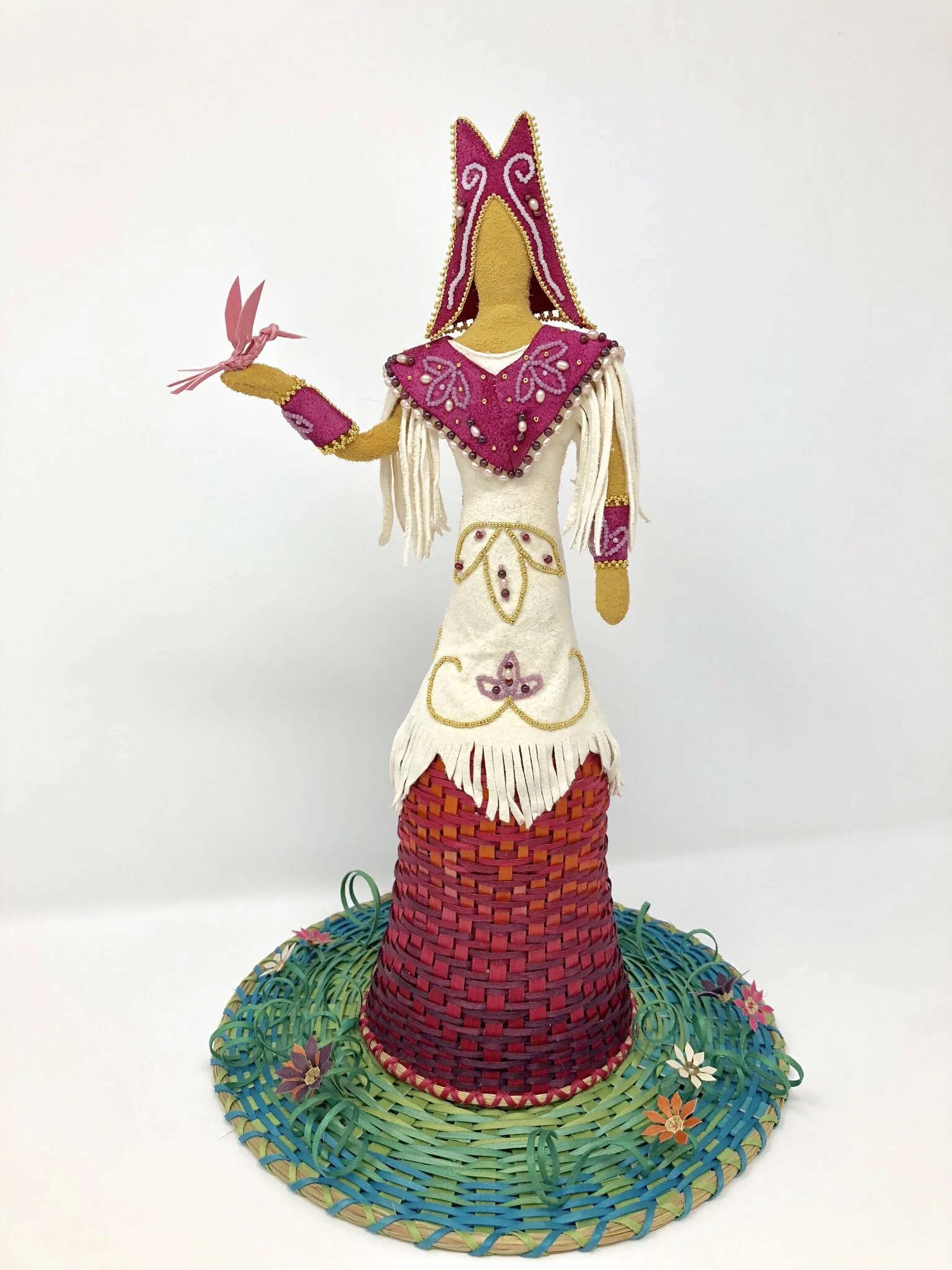
Geo Neptune is a member of the Passamaquoddy Tribe from Indian Township, Maine, and is a Master Basketmaker, a Drag Queen, an Activist and an Educator. As a person who identifies as a two-spirit, an indigenous cultural gender role that is a sacred blend of both male and female, Geo uses they/them gender-neutral pronouns.
At four years old, Geo had already been asking their grandmother Molly Neptune Parker to teach them how to weave baskets; after being told to wait until they were older, Geo found another elder that would teach them, and presented their grandmother with their first completed basket. Later that year, after turning five years old, Geo wove their first basket with their grandmother, beginning a lifelong apprenticeship.
After graduating from eighth grade at the Indian Township School, Geo attended Gould Academy in Bethel, Maine, where they were able to explore more artistic outlets before becoming a member of the Dartmouth College Class of 2010. Proficient in Spanish and a performing arts major, Geo studied abroad in both Barcelona and London during their time at Dartmouth.
When Geo graduated from Dartmouth College and returned to the Indian Township reservation, they began to focus heavily on their weaving, and developing their own individual artistic style. Experimenting with their family's signature woven flowers mixed with natural elements of twigs and branches, Geo began forming what would eventually be known as their signature sculptural style of whimsical, elegant, traditionally-informed basketmaking. During their time at home, Geo was also the Cultural Activities Coordinator and Drama Instructor for the Indian Township After School and Summer Programs, and eventually went on to serve as the Unit Director for the Passamaquoddy Boys and Girls Club. In 2012, Geo attended the Santa Fe Indian Market for the first time, accepted the position of Museum Educator at the Abbe Museum, and watched their grandmother receive the National Endowment for the Arts National Heritage Fellowship before moving to Bar Harbor.
Living in Bar Harbor, Geo maintained a life as a basketmaker, actor, drag queen, and activist in addition to serving as the Museum Educator. Participating in Idle No More protests here in Maine, Geo was invited as the first Indigenous youth delegate to the World Summit of Nobel Peace Laureates in Capetown, South Africa in 2014. After attending the Summit again in 2015, returning to Barcelona, Geo was then invited to attend a PeaceJam conference in Winchester, England, where they met Rigoberta Menchu Tum, the first and only Indigenous woman to win the Nobel Peace Prize. In 2016, Geo was the first drag queen on the cover of Native Peoples Magazine, with their story featured in the magazine's first official LGBTQ Pride issue. In late 2016, Geo decided to pursue their art and activism full time, and they now live back in their community at Indian Township. At home, they are able to spend more time with their apprentice and youngest sister Emma--who, at thirteen years old, has won numerous more awards for her basketry than Geo has--and with their grandmother, keeping the family and cultural tradition of basketry alive. Geo hopes to be able to work to embrace the sacred role of the two-spirit, truly becoming a keeper of tradition and a teacher and role model for Passamaquoddy and other Wabanaki youth. Most importantly, Geo hopes to inspire other two-spirits from across turtle island to accept their truth and embrace their sacred responsibility, and travels across the state and country educating learners of all ages about Wabanaki history and culture, the art of basketmaking, and what it means to them to be a Two-Spirit.
Connect with Geo
Theresa Secord

TRIBAL AFFILIATION: Penobscot Indian Nation
MEDIUM: Basketry
ARTIST STATEMENT
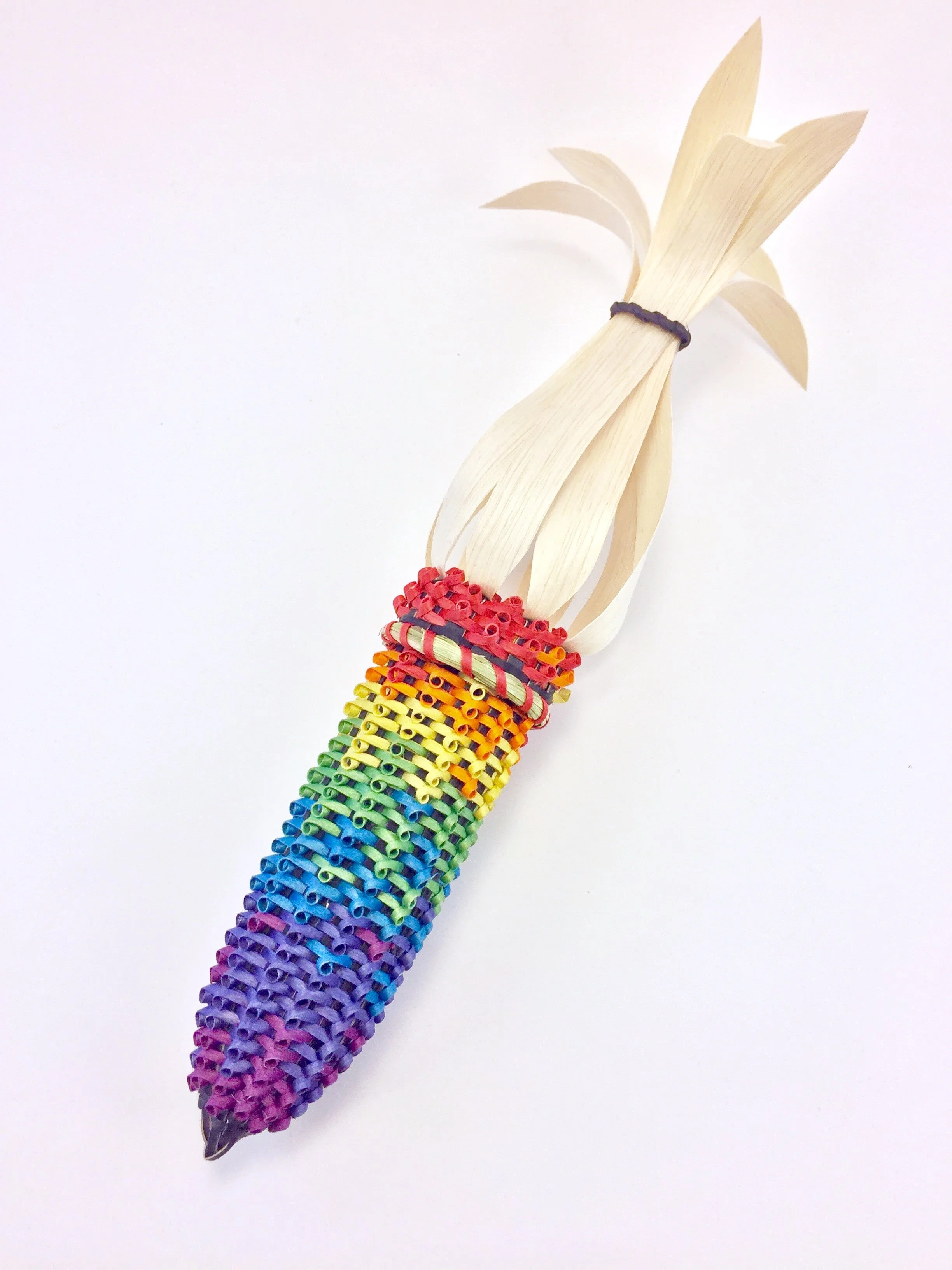
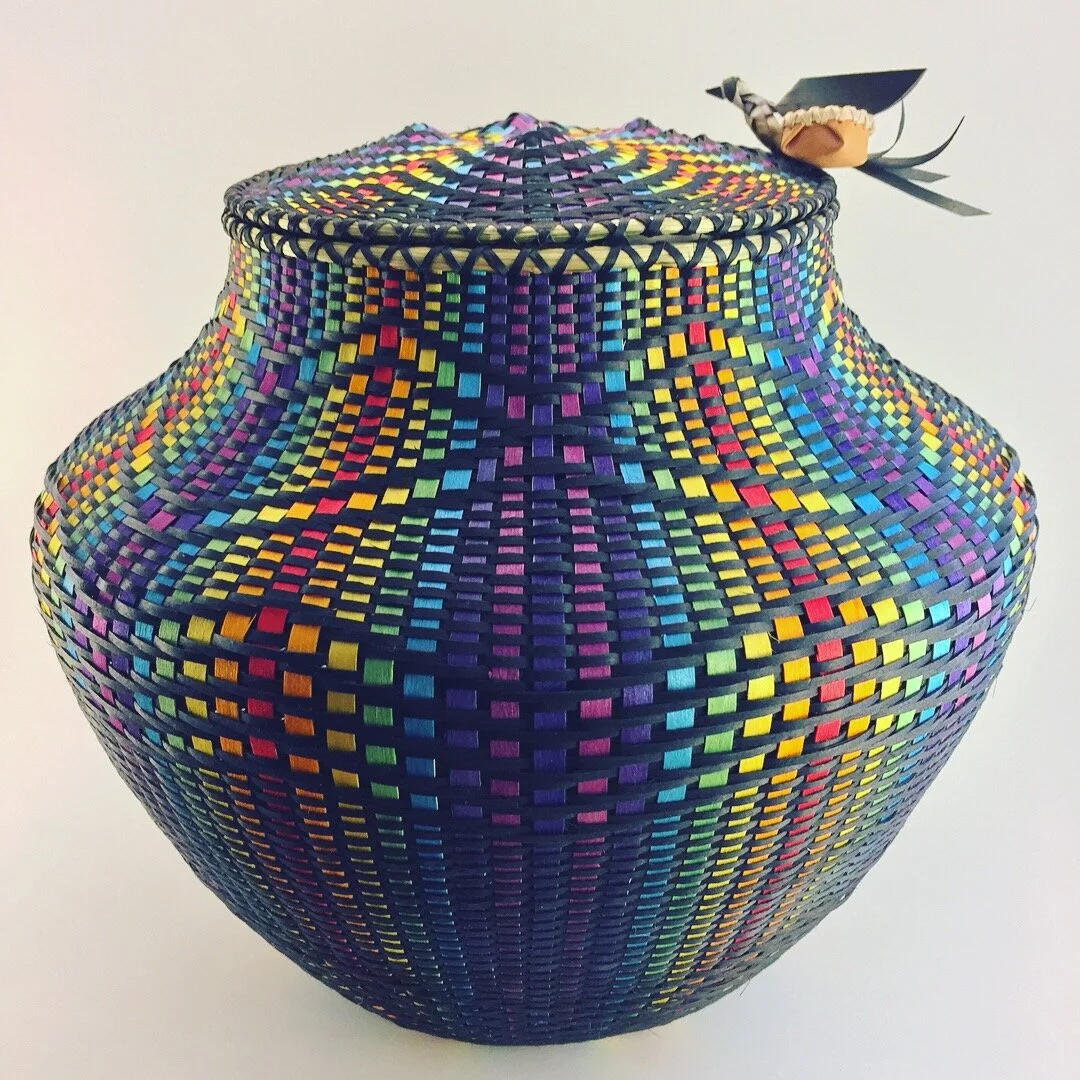
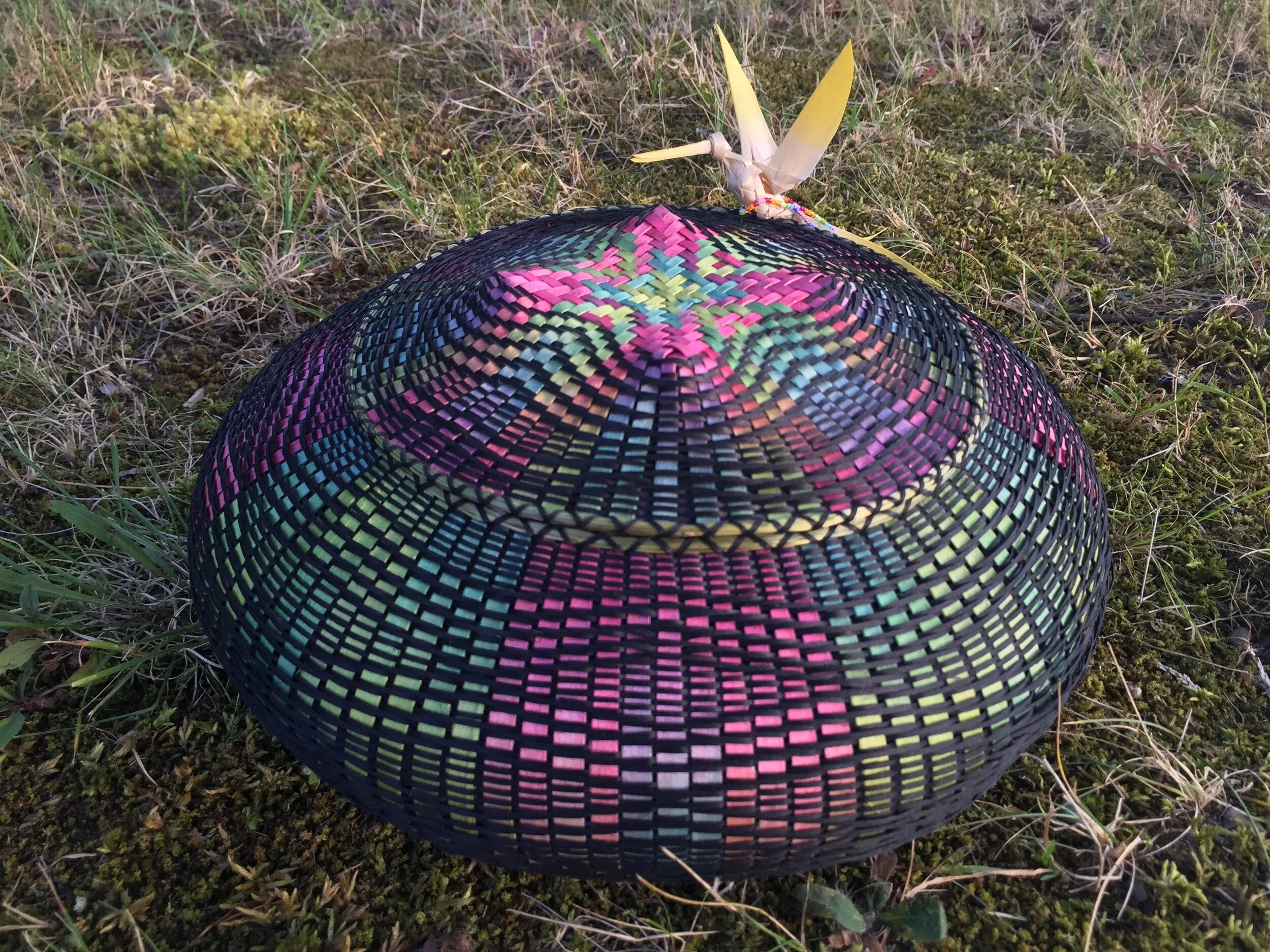
Theresa Secord (born 1958, Portland Maine) is a traditional Penobscot basket maker and the founding director of the Maine Indian Basketmakers Alliance (MIBA). After earning a Master’s degree in geology and working for an oil company in the early 1980s, she returned to Maine to work for her tribe, heading up a mineral assessment program on 300,000 acres of Penobscot and Passamaquoddy lands.
Soon after, in 1988 Secord learned to weave on Indian Island—the village where her mother was born—from an elder in the community, Madeline Tomer Shay. During her 21 years of leadership, MIBA was credited with saving the endangered art of ash and sweet grass basketry in the Maliseet, Micmac, Passamaquoddy and Penobscot tribes.
Theresa has won a number of awards for her artistry and community work, including the Best of Basketry in the Santa Fe Indian Market twice, a National Heritage Fellowship from the National Endowment for the Arts and an honorary doctorate from Colby College. Her work is featured in private collections and museums throughout the nation, including recent acquisitions (2026) by the Fuller Craft Museum, (2024) by the Metropolitan Museum of Art in New York and (2023) and the Art Institute of Chicago.
In 2021, she was named a Luce Indigenous Knowledge Fellow and in 2024, an inaugural Taproot Fellow. In 2025, she was honored with a Ruth Arts Fellowship, a United States Artist Fellowship and a Cultural Capital Fellowship (First Peoples Fund). Theresa has mentored many to weave baskets and lives and works in Maine.
Sarah Sockbeson
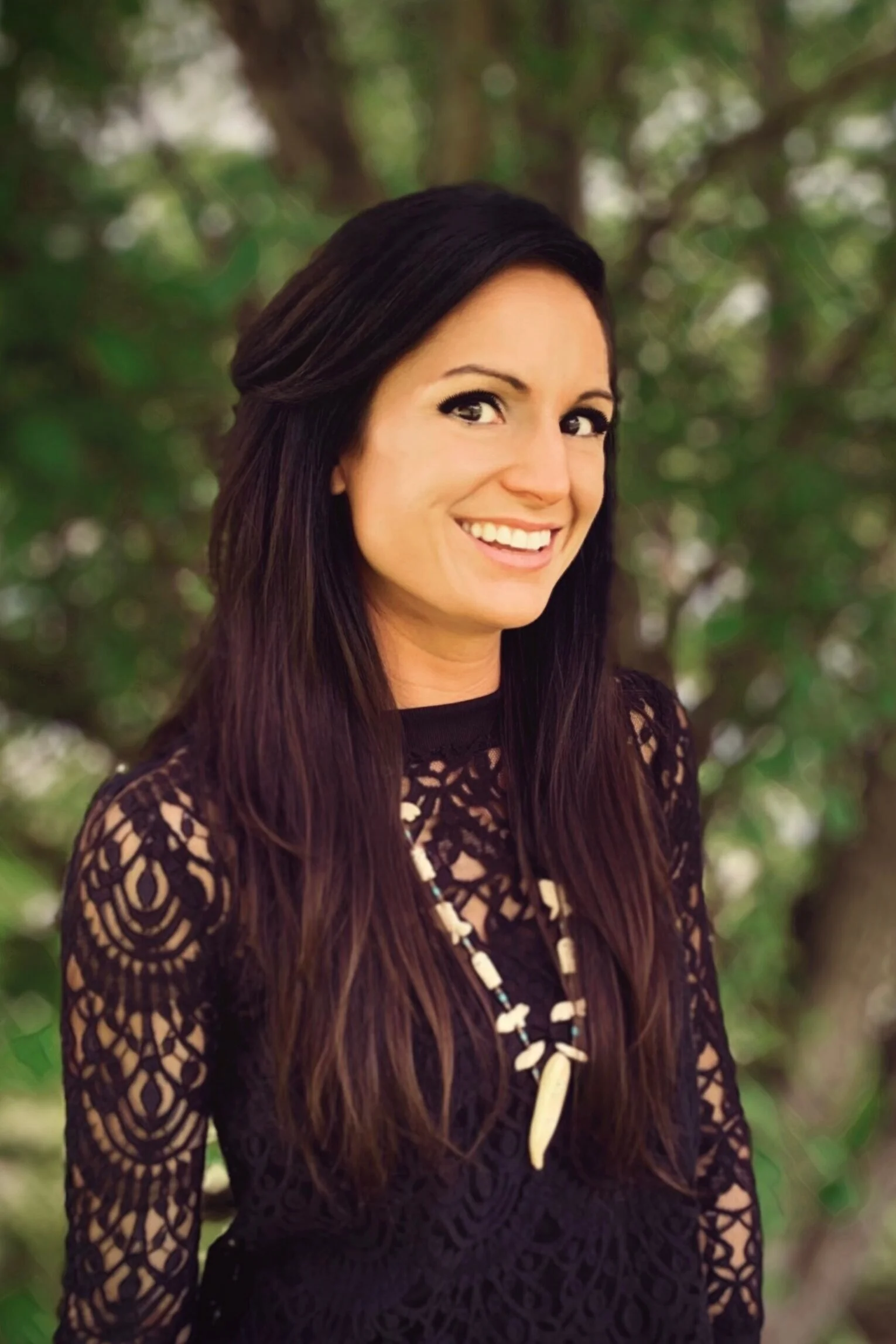
Photo by Robin Farrin
TRIBAL AFFILIATION: Penobscot Indian Nation
MEDIUM: Basketry - Ash, Jewelry
ARTIST STATEMENT:
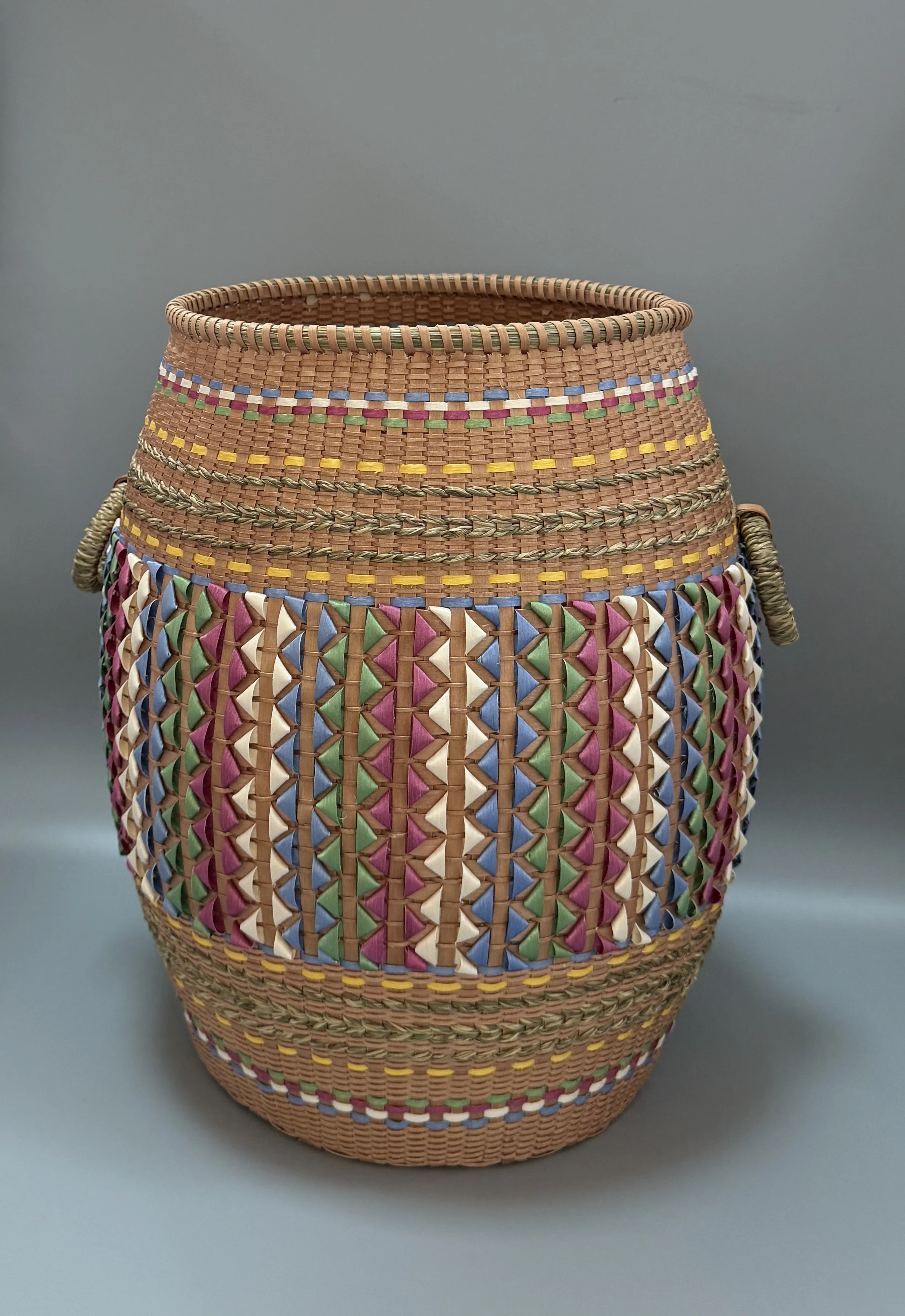
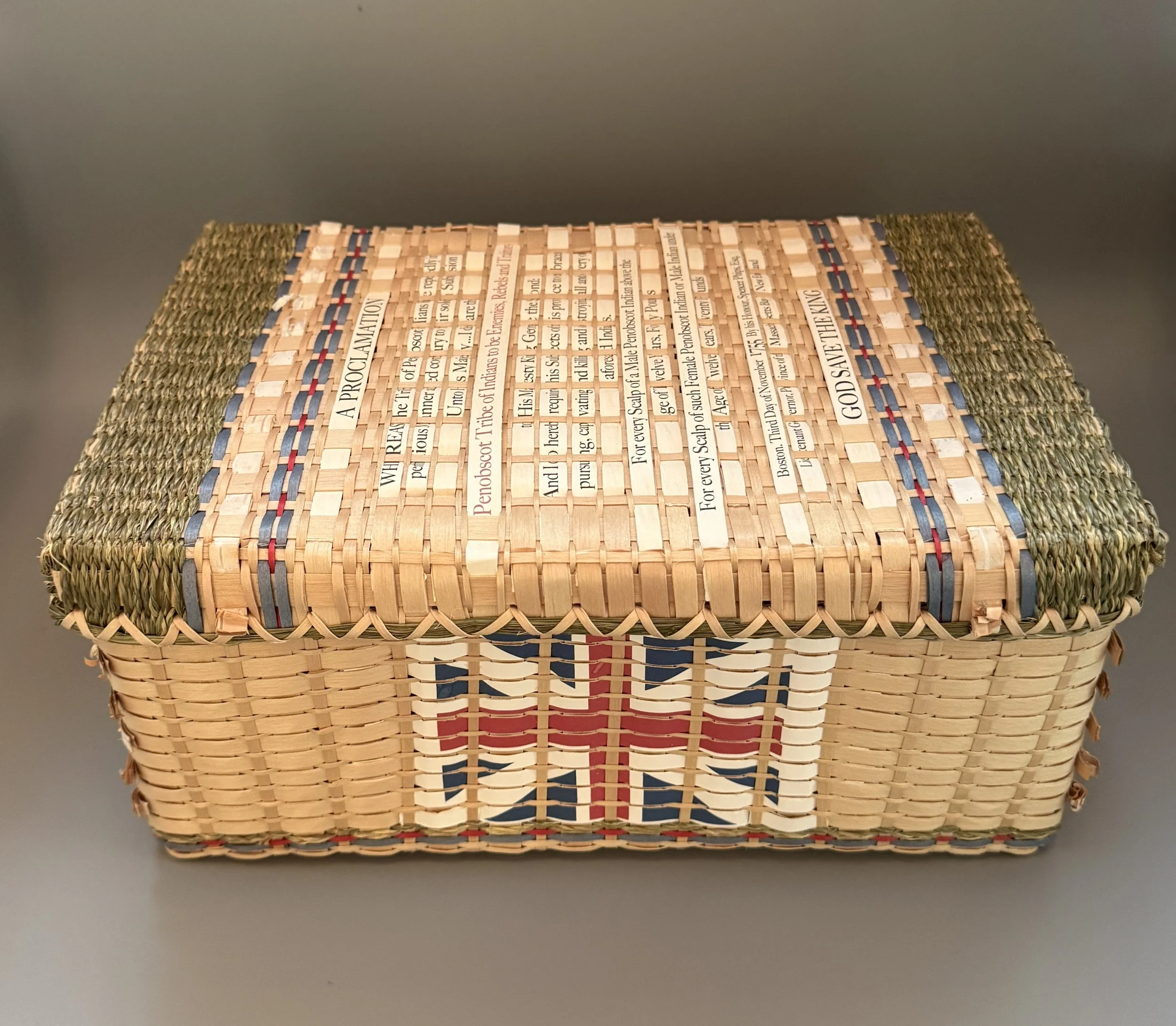
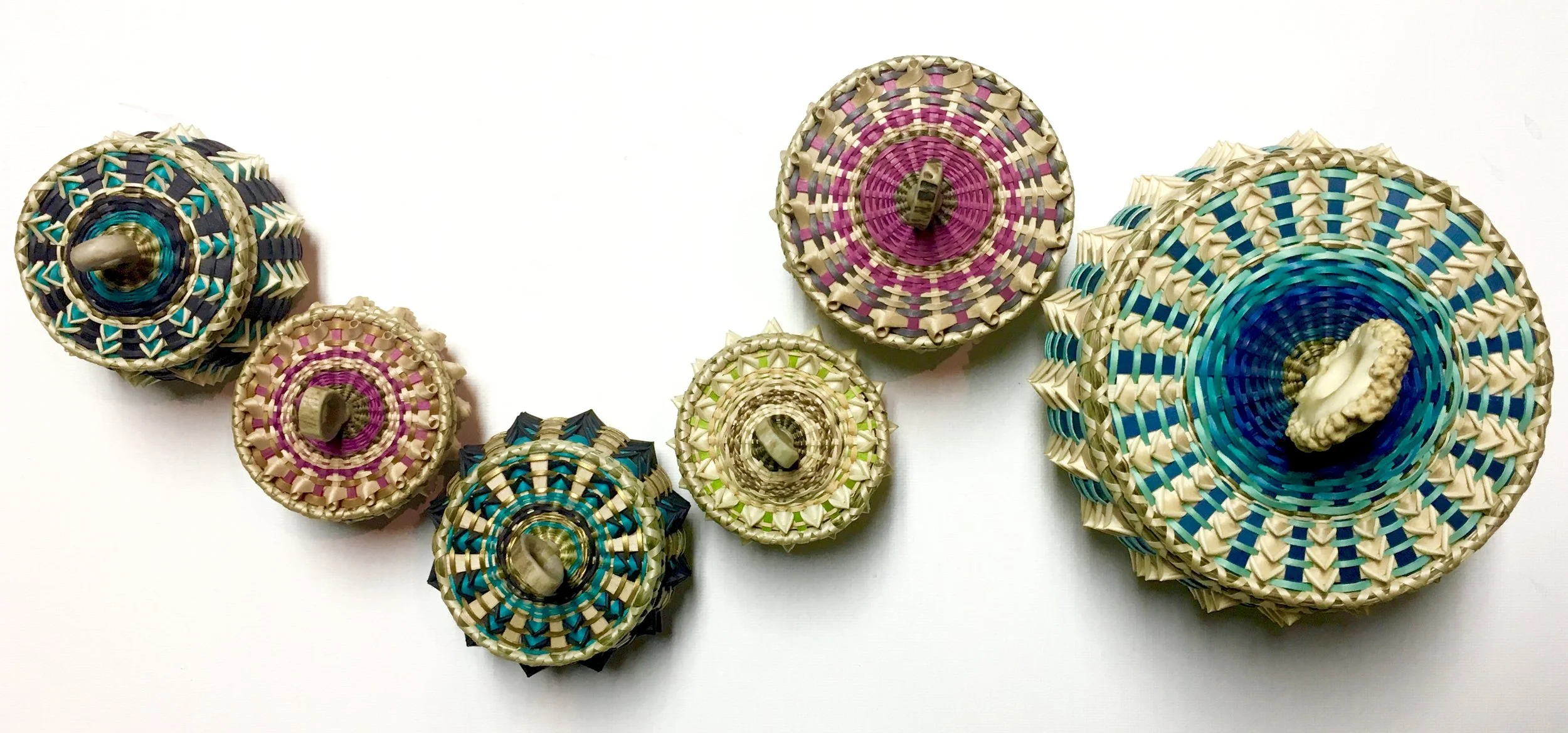
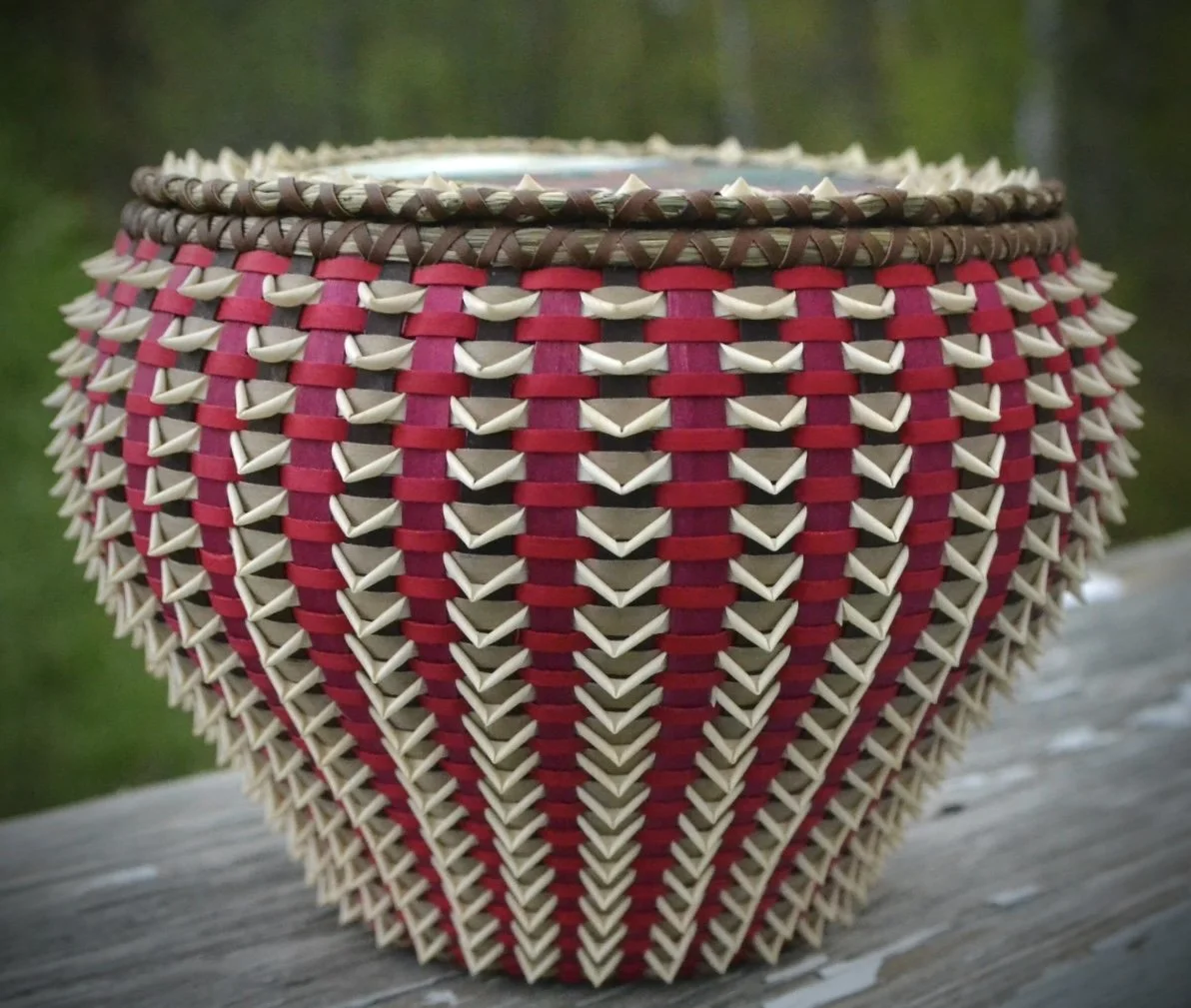
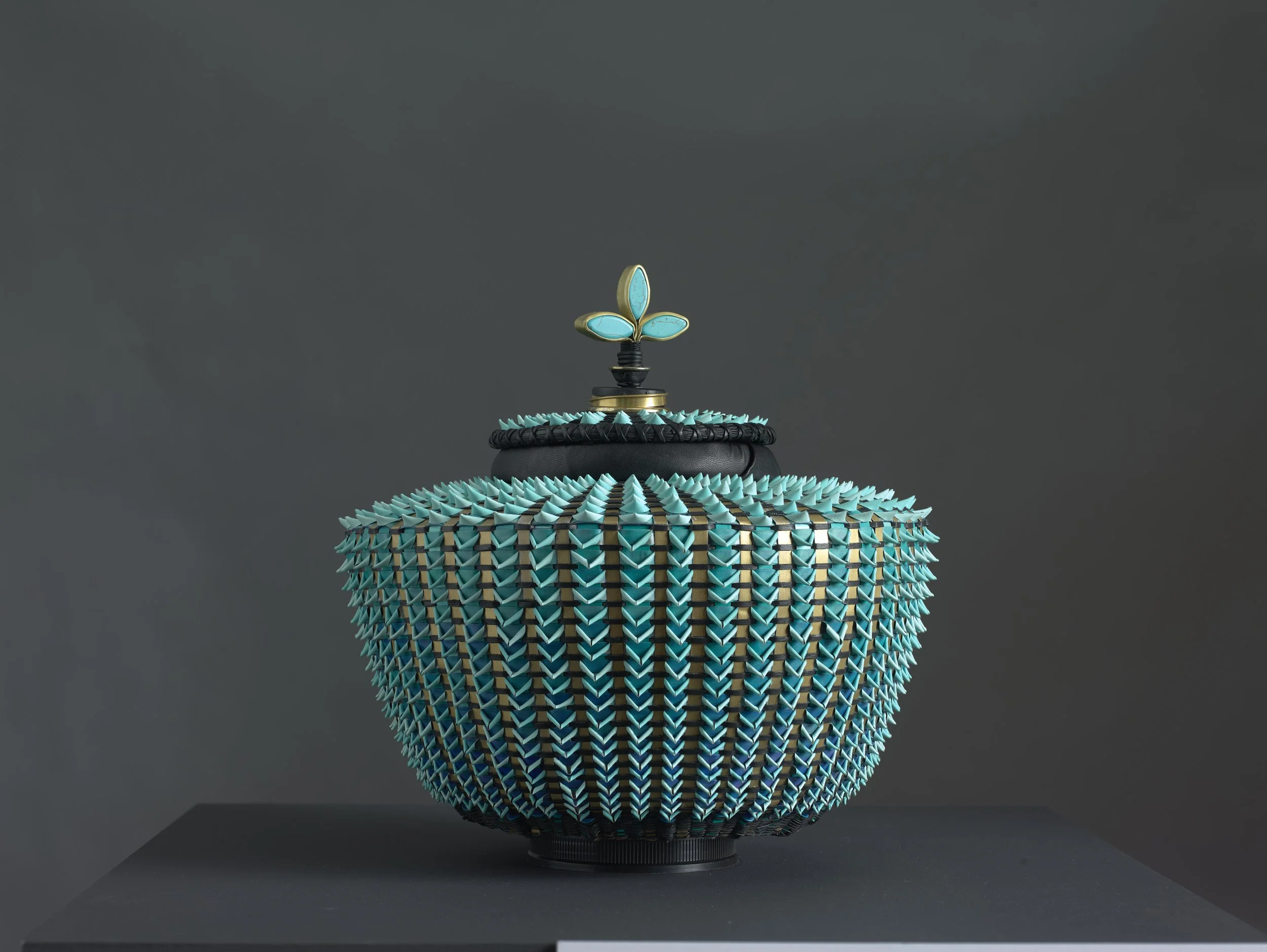
Sarah Sockbeson is an award-winning Native American Artist, culture bearer, and member of the Penobscot tribe, creating traditional yet contemporary brown ash and sweetgrass baskets. She is part of a new generation of basketmakers who've pushed the boundaries of Wabanaki cultural art to an exciting new level.
Growing up within the homelands of the Penobscot, Sarah always had a deep appreciation for traditional art, baskets in particular. Coming from a long line of basketmakers, it was unfortunate that the line of knowledge stopped when her great-grandmother passed away before teaching her generation.
In 2004, Sarah was introduced to the Maine Indian Basketmakers Alliance, an organization dedicated to preserving cultural knowledge, and it was then that she had the opportunity to apprentice with renowned basketmaker Jennifer Sapiel, Penobscot.
Since then, Sarah has honed her skills with each basket woven, becoming an integral part of the Wabanaki arts community. She continues to serve as an active participant, teacher/ mentor, and innovator among her tribe and the national Indigenous arts community. While her work is undeniably tied to cultural tradition, she infuses a style all her own, in the hopes that her work will serve as an inspiration to future generations of Native American artists.
Connect with Sarah


Lydia Soctomah
TRIBAL AFFILIATION: Passamaquoddy Tribe
MEDIUM: Basketry - Ash
ARTIST STATEMENT:
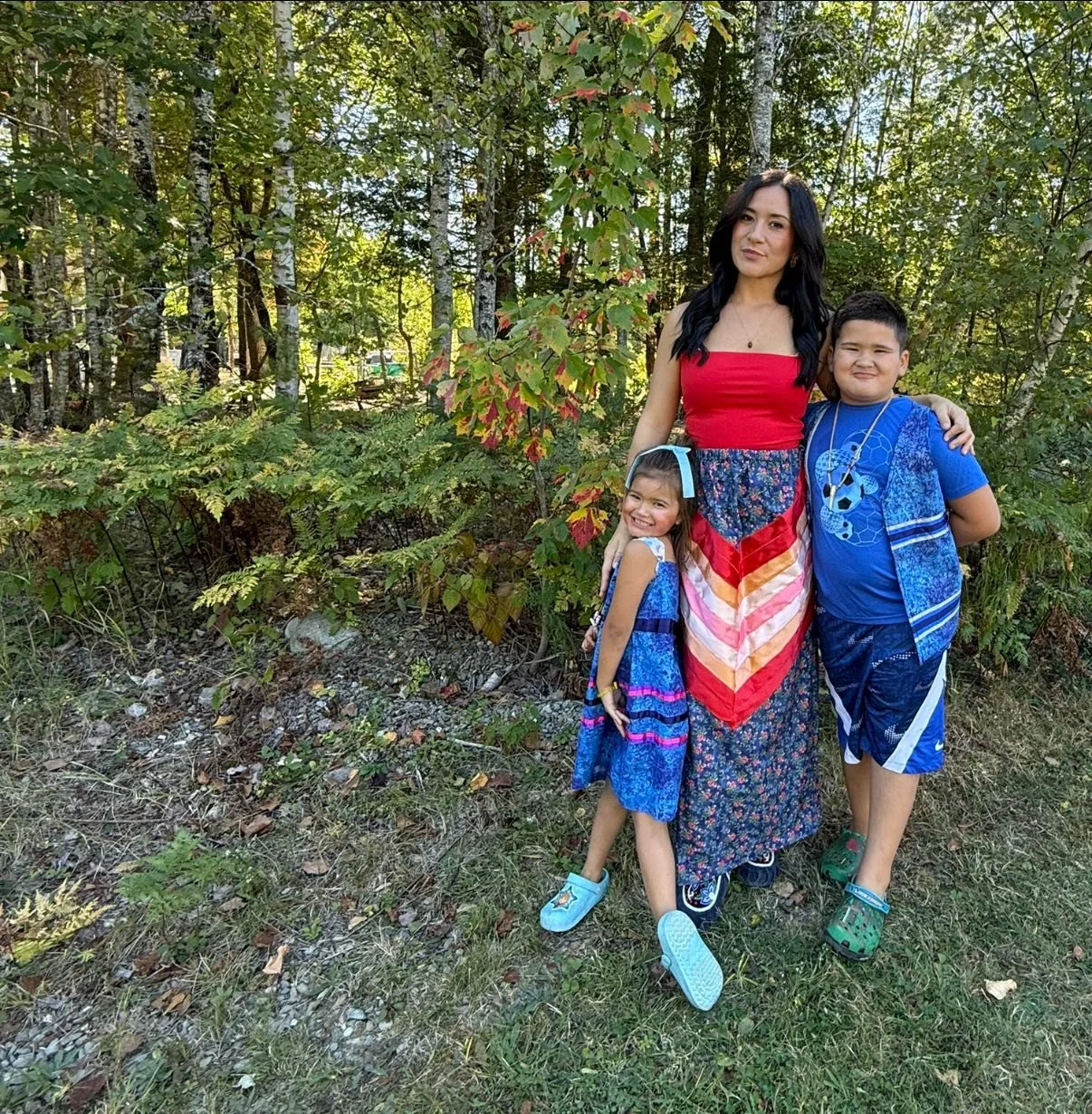
Lydia Soctomah, a Passamaquoddy tribal member from Motahkmikuk where she lives with her two beautiful children. She was taught how to make baskets by her late grandmother Molly Jeannette Parker and assisted at a variety of markets selling baskets. This past year, Lydia has been reintroducing herself to the art of basketry and finds it to bring a sense of peace within herself. Basketry was a major part of her grandmother's life and practicing this art keeps a piece of her alive; along with the ancestors who passed this knowledge down from generation to generation. Preserving the culture comes in many forms, basket making was a way in which her late grandmother preserved her piece. It was her grandmother's wish that we continue her legacy and teach future generations, as it is for all aspects of the culture. There is a sense of healing in practicing our traditions that Lydia hopes she can share with others as she learns them.
Lydia hopes to absorb as much Indigenous Knowledge as possible and carry that knowledge into the generations to come. Her career and education are rooted in the service of guiding the youth in positive directions, whether it be in an educational setting as a teacher or a support in substance abuse prevention and intervention within the Passamaquoddy Youth Wellness Court. Lydia hopes to help identify needs and build bridges for tribal youth to lead positive lives in the modern day world, with the strength of their cultural roots grounding them.
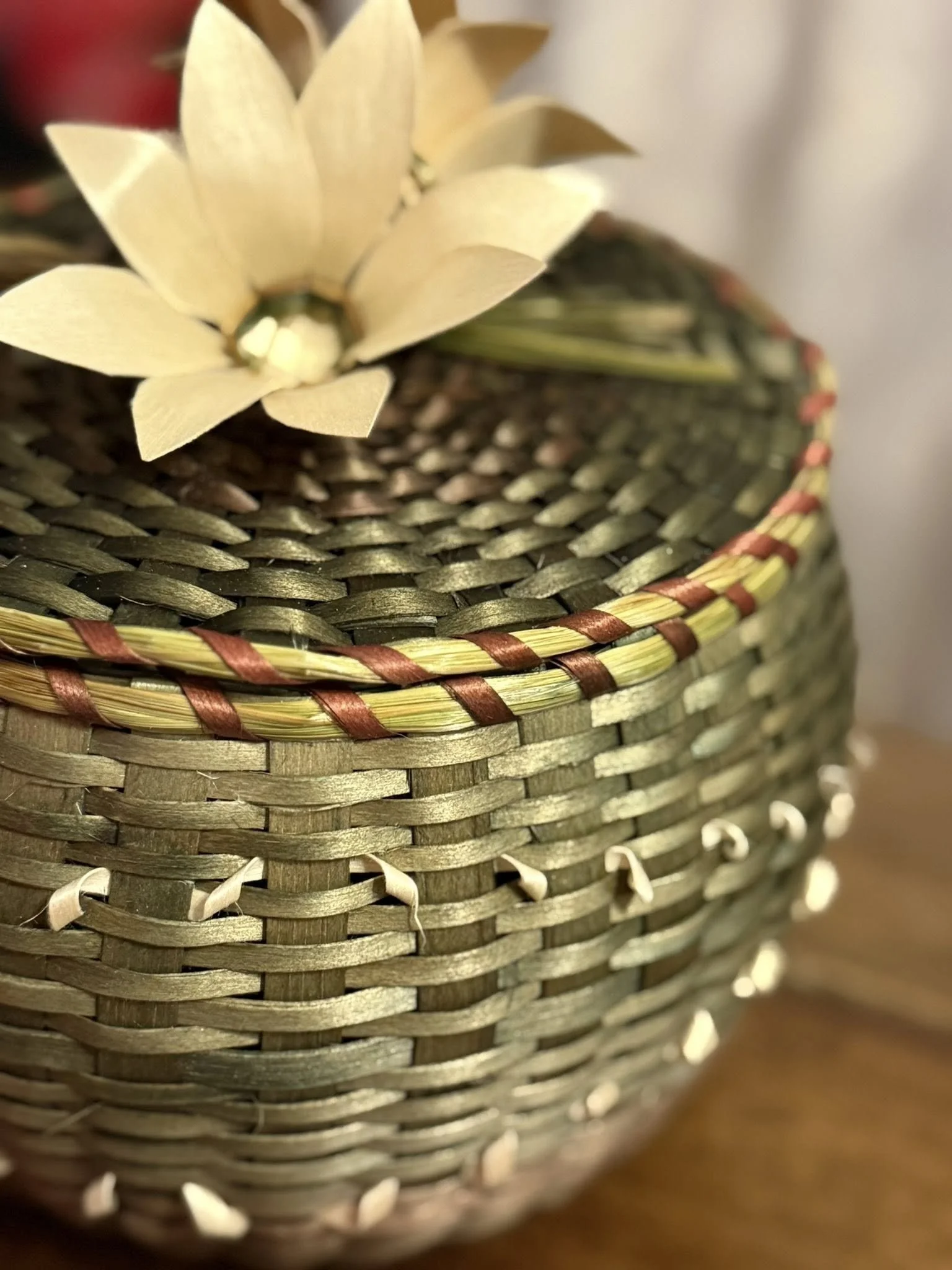
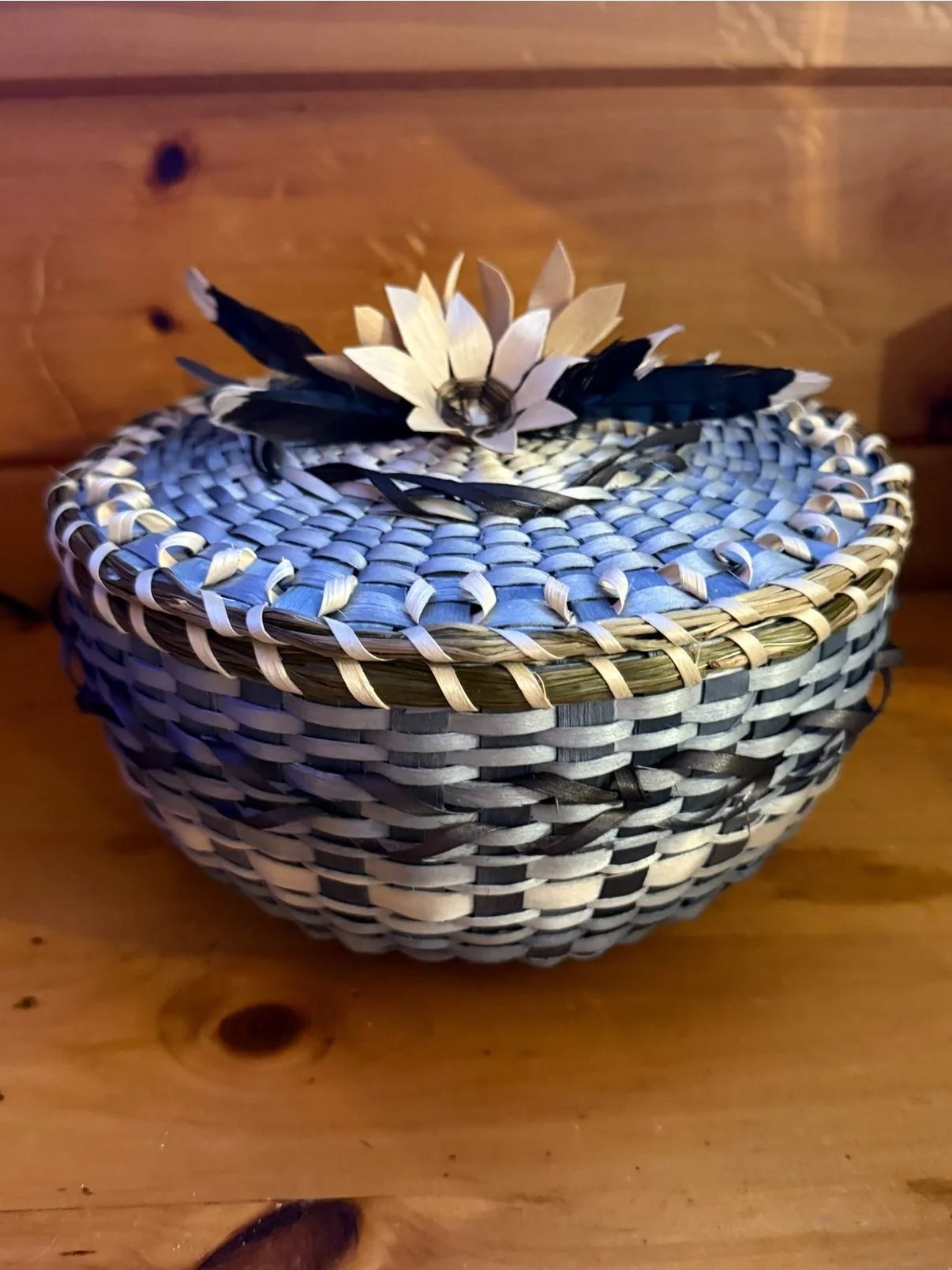
Frances Soctomah
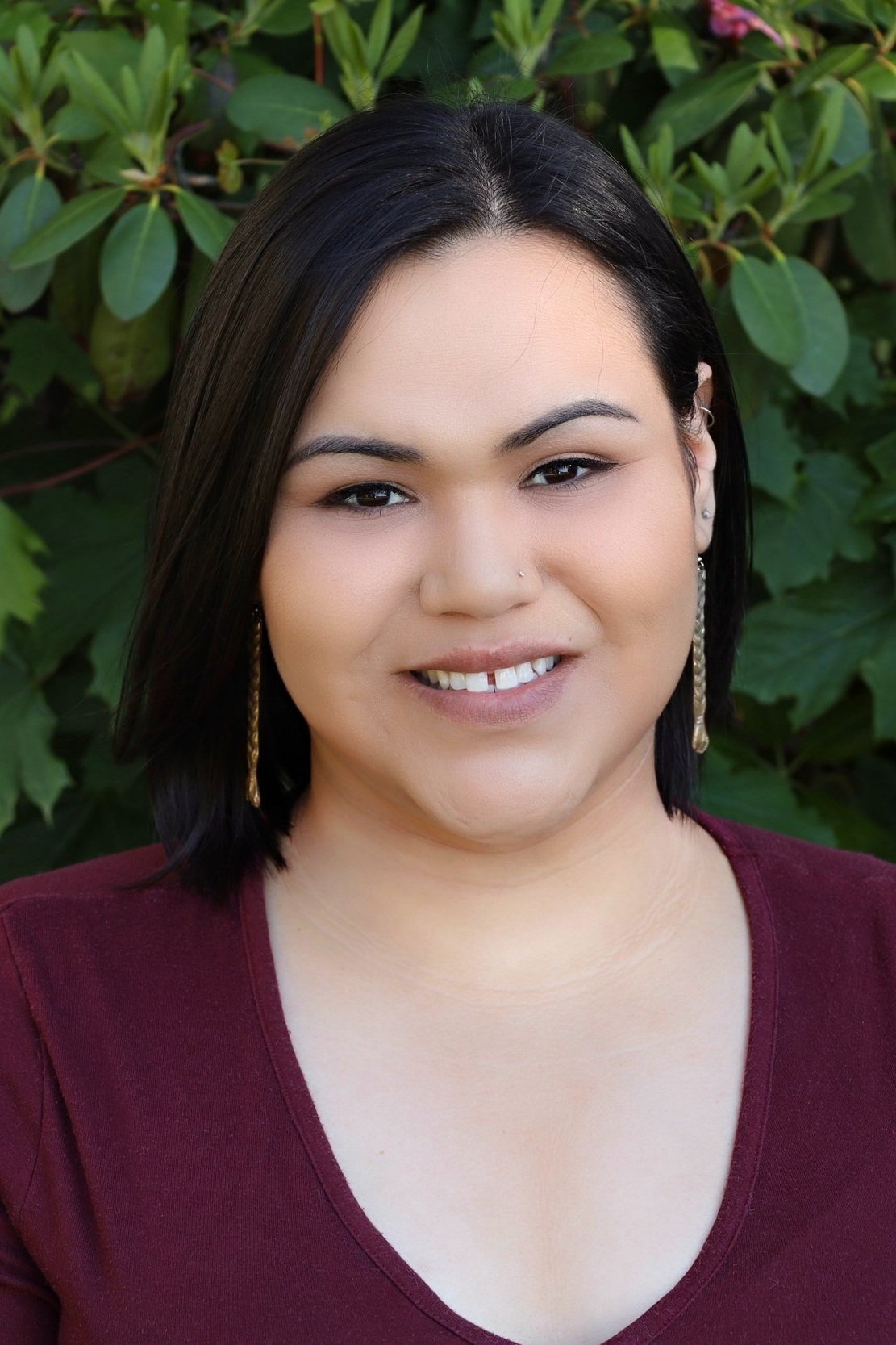
TRIBAL AFFILIATION: Passamaquoddy Tribe
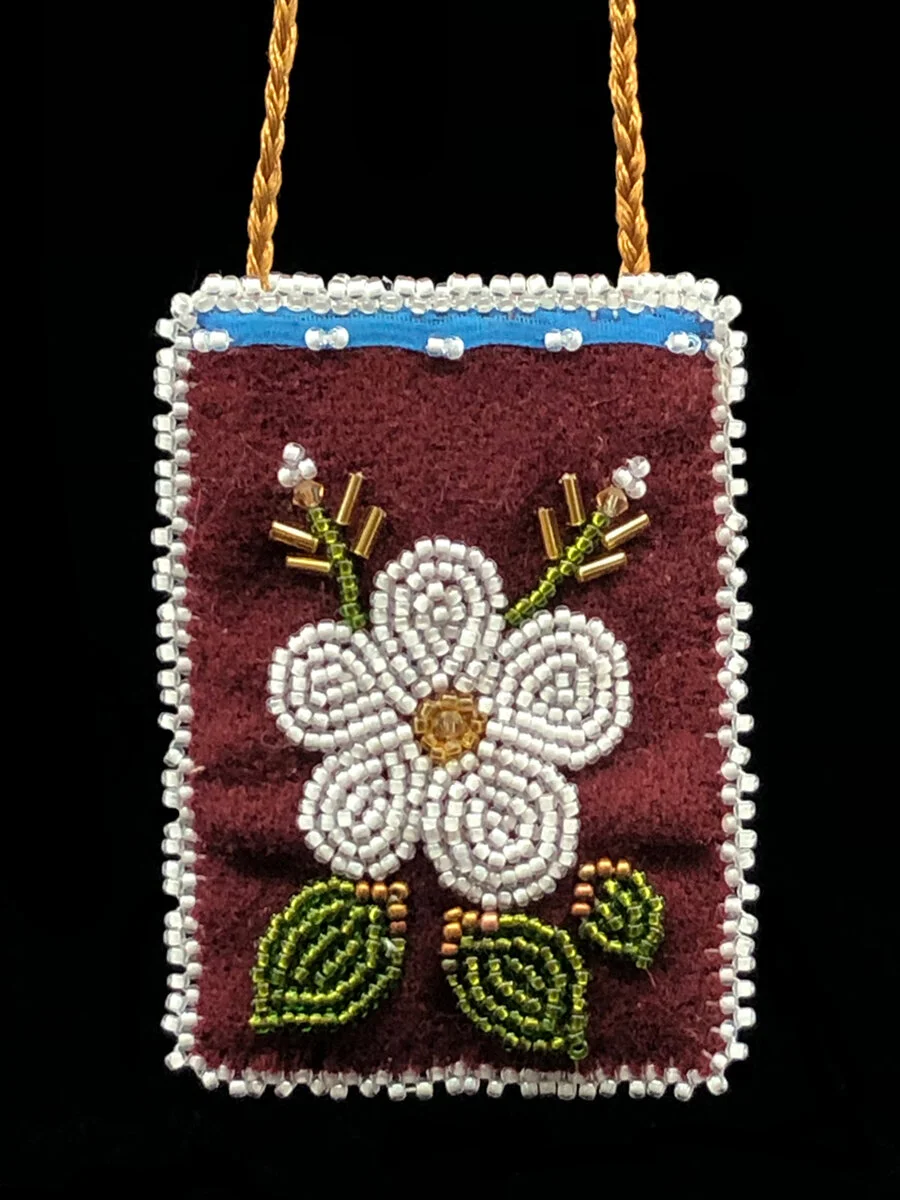
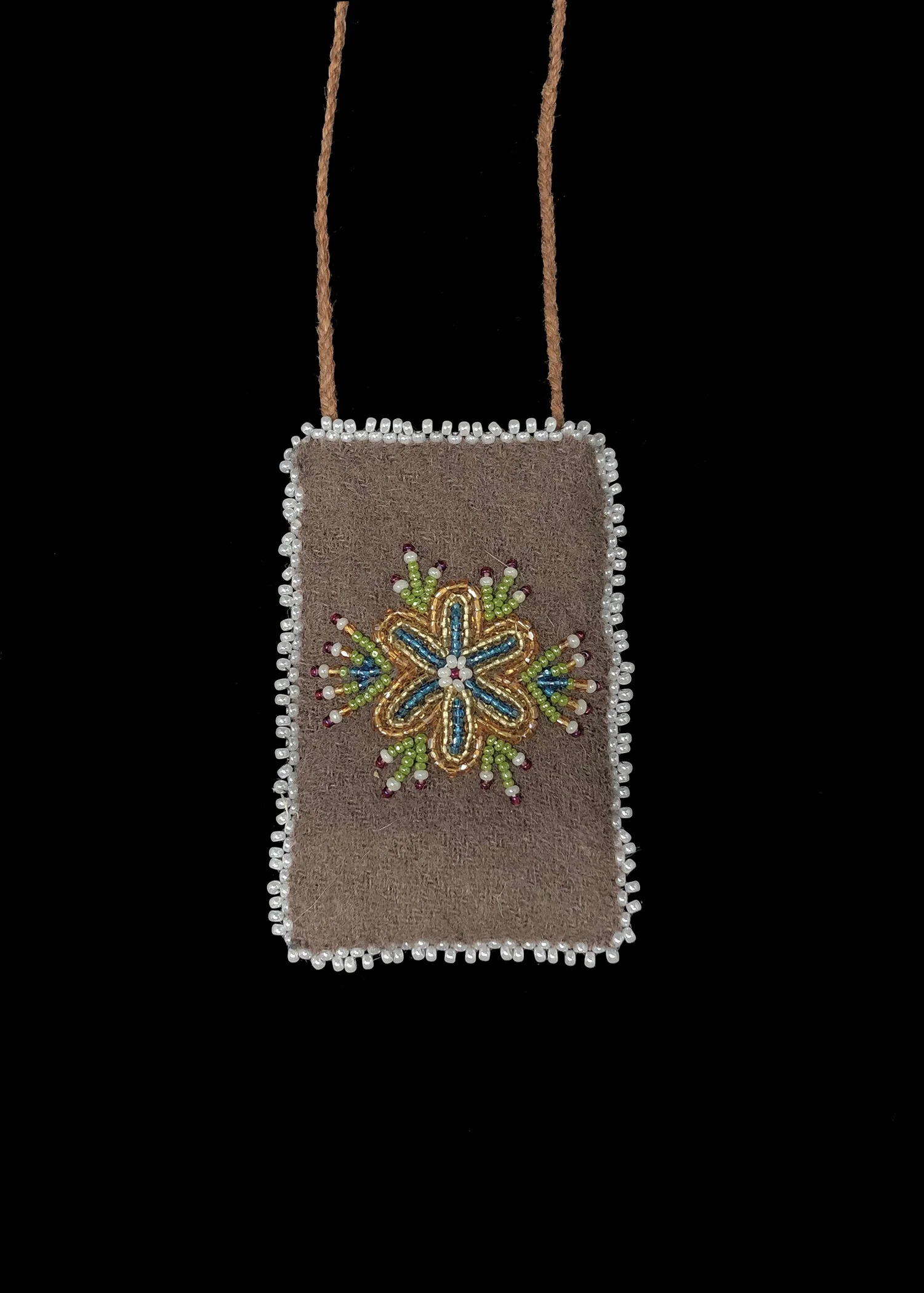
MEDIUM: Basketry - Ash, Beadwork
ARTIST STATEMENT:
Frances Soctomah (she/her) is a Peskotomuhkati (Passamaquoddy) artist from Motahkomikuk who engages video, audio, animation, graphic art, and traditional Wabanaki arts practices to explore and articulate relationships between people, Mother Earth, and our non-human relatives. Family, memory, responsibility, reciprocity, and interconnection are concepts often woven throughout her work. She grounds her practice in story, incorporating teachings from conversations with her family and community members.
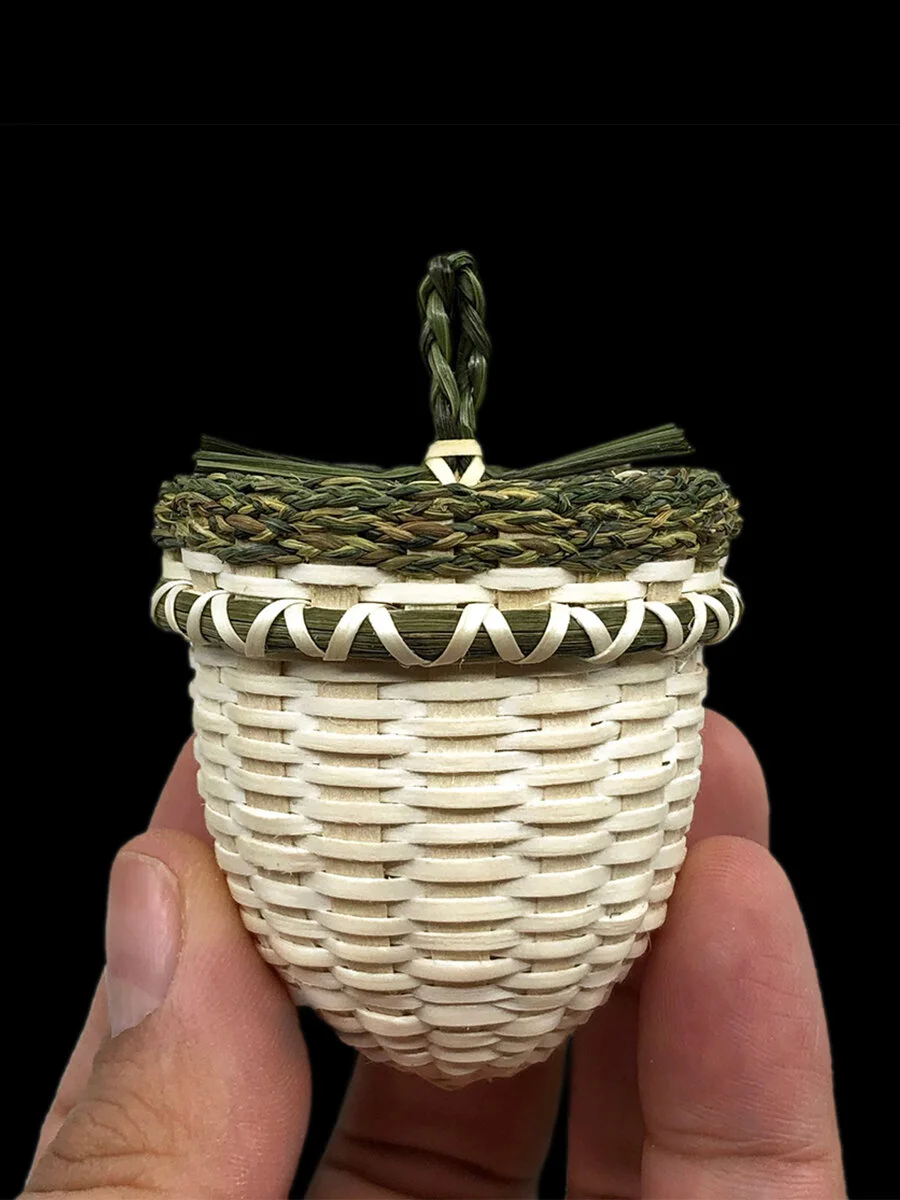
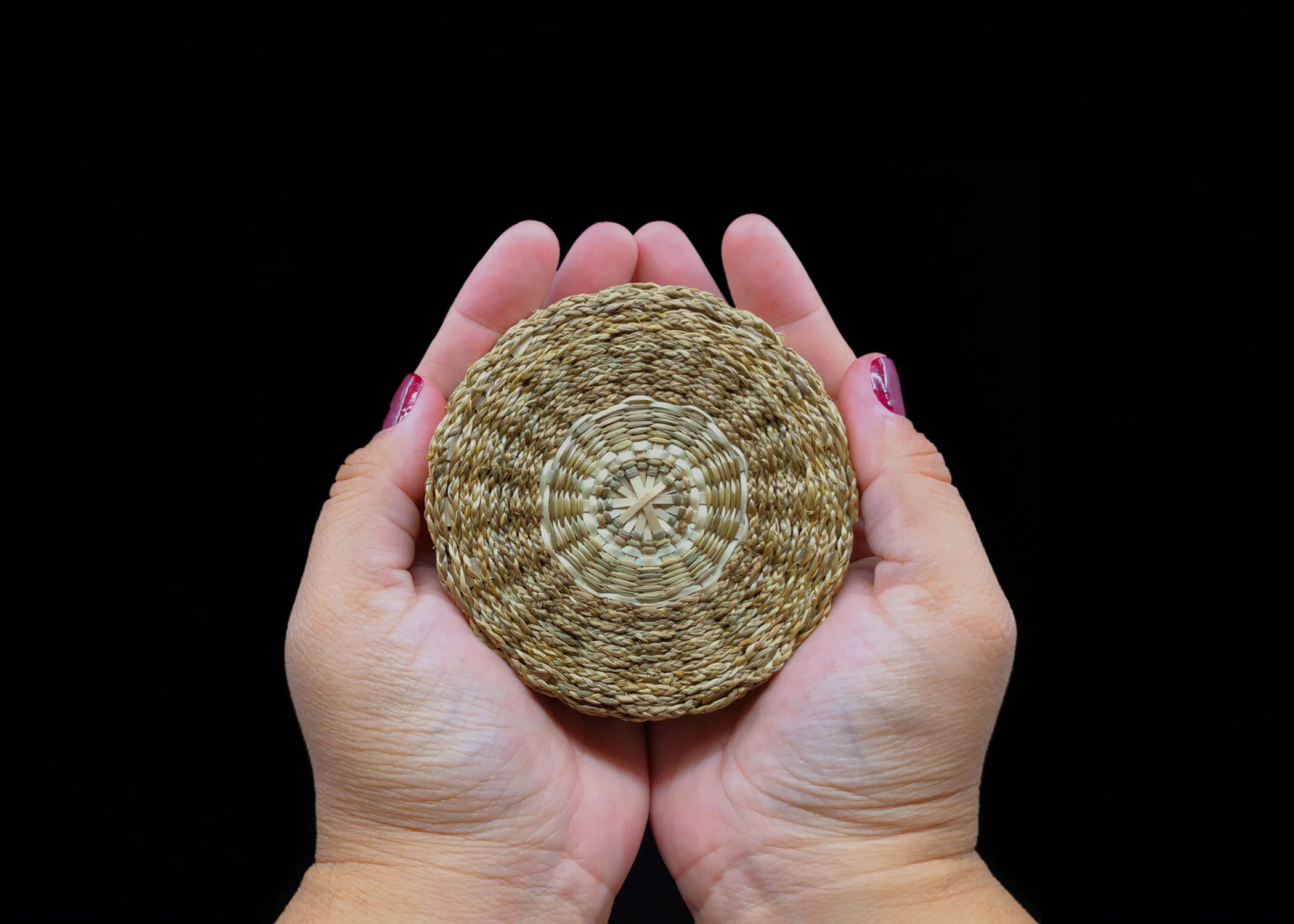
Frances is one of eleven children who come from a long line of Passamaquoddy artistry. She began her journey as an artist at age seven when her late-grandmother Molly Neptune Parker – a renowned basketmaker and matriarch of four generations of weavers – began teaching her to make brown ash and sweetgrass baskets. While learning to weave fancy baskets in styles passed down to her family through generations, Molly shared stories of growing up in Motahkomikuk and the many places she lived. She passed down teachings from their ancestors, often reflecting on how our relationships with each other have shifted through time. The stories of community and connection that were woven during their time together inspired Frances to seek out other teachers in her community. She later apprenticed with Gabriel Frey, a Passamaquoddy cultural knowledge carrier, to expand her knowledge of basketmaking and harvesting practices as well as Jennifer Sapiel Neptune, a Penobscot cultural knowledge carrier, to learn traditional bead embroidery techniques.
Creating in community paved the way for Frances to expand her arts practice to include digital material, centering and amplifying voices from her community and through her work. In 2019 she enrolled in the Intermedia Master of Fine Arts program at the University of Maine. She is expected to complete her studies in December 2022.
In addition to her creative practice, Frances is committed to supporting spaces for Wabanaki artists to create, connect, thrive, and be seen. She is active in art, museum, and nonprofit circles where she advocates for cultivating sustaining relationships with Wabanaki artists.
Connect with Frances
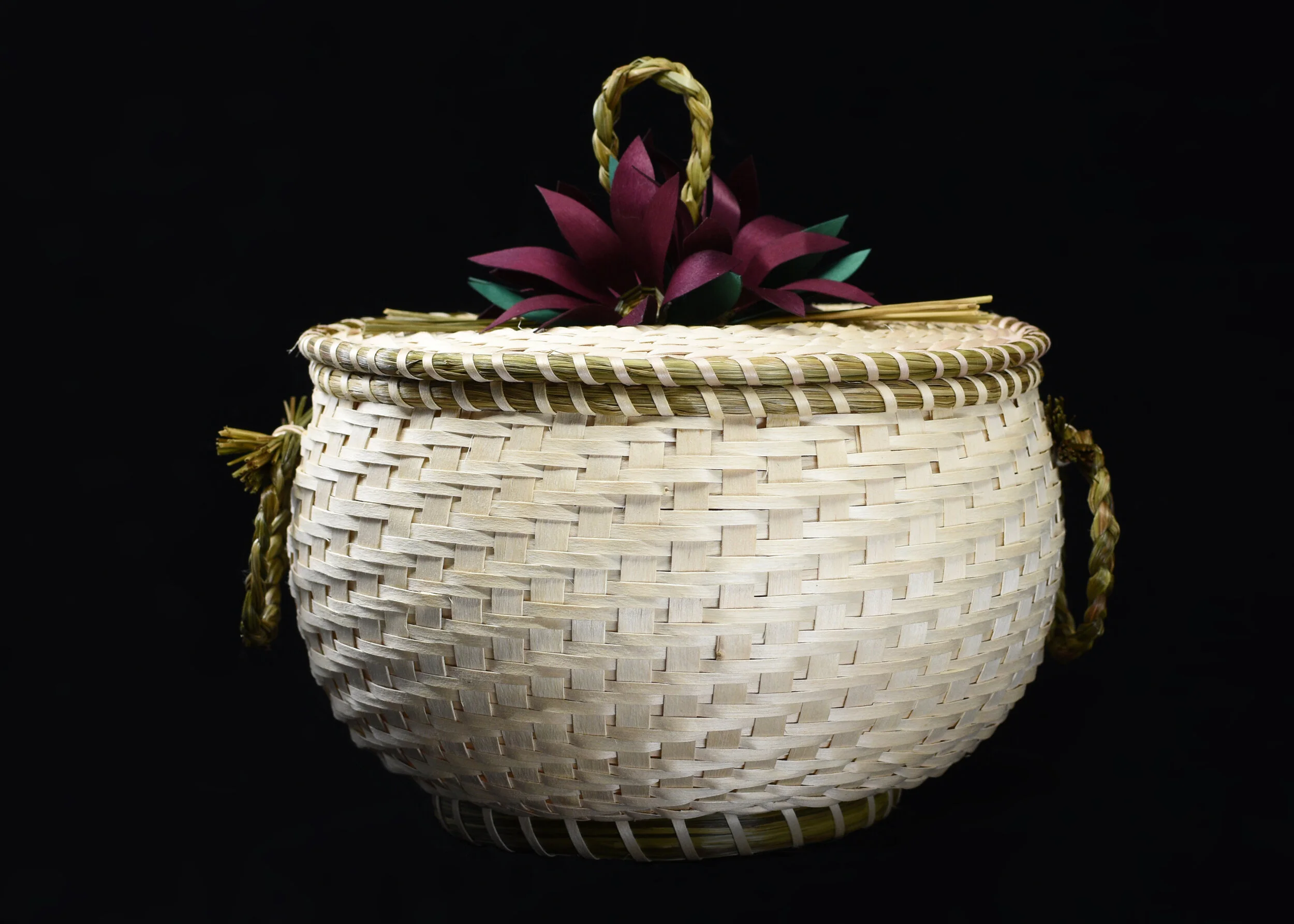
Erica Nelson Menard
TRIBAL AFFILIATION: Penobscot Indian Nation
MEDIUM: Basketry
ARTIST STATEMENT
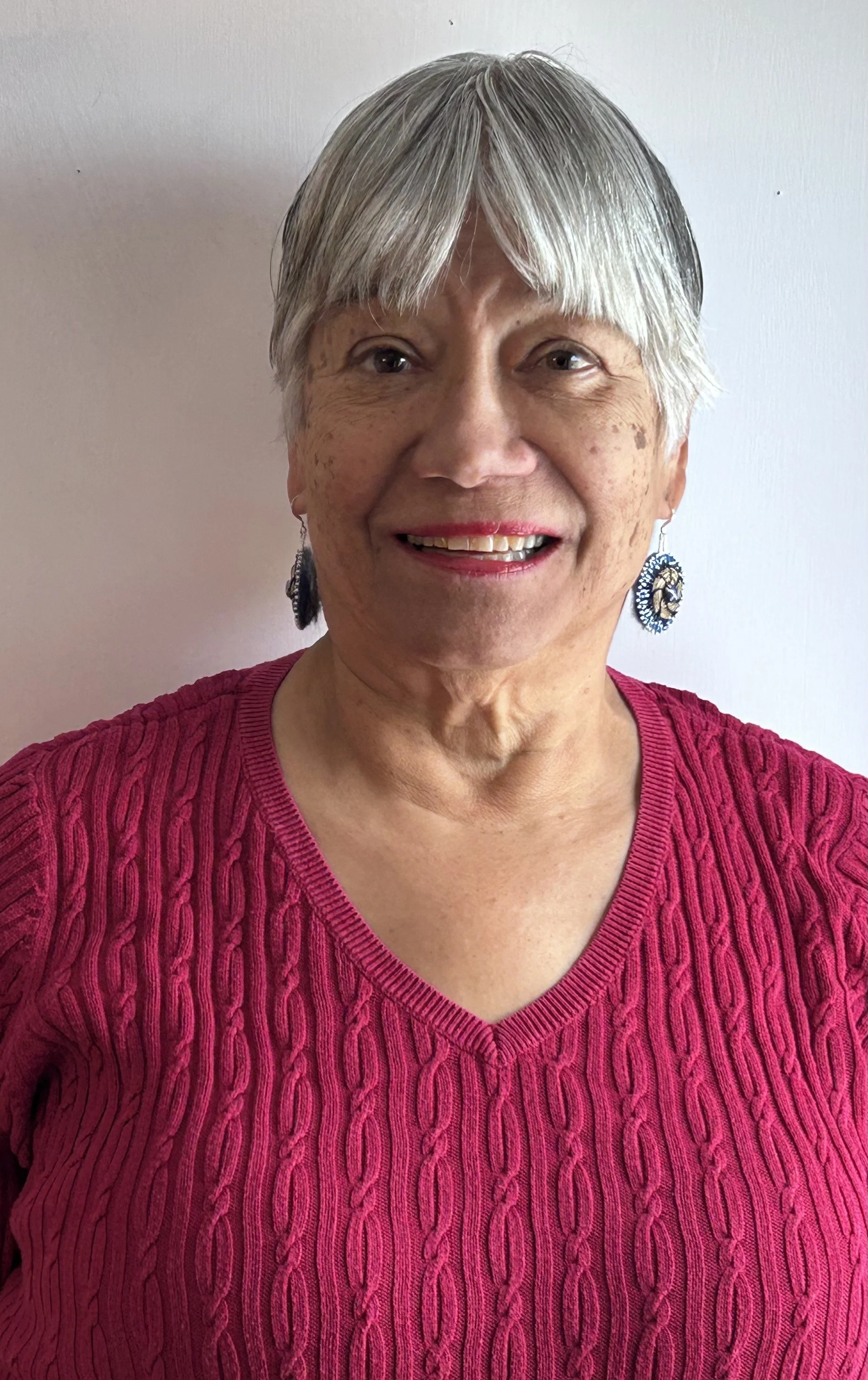
I am a traditional Penobscot basket maker. As a young child, I observed my grandmother, Philomene Saulis Nelson, preparing materials for her ash and sweetgrass baskets. I loved the vibrant colors she dyed her ash; her color combinations were stunning! When I was in college I asked her to teach me how to make baskets, but it was not meant to be at that time.
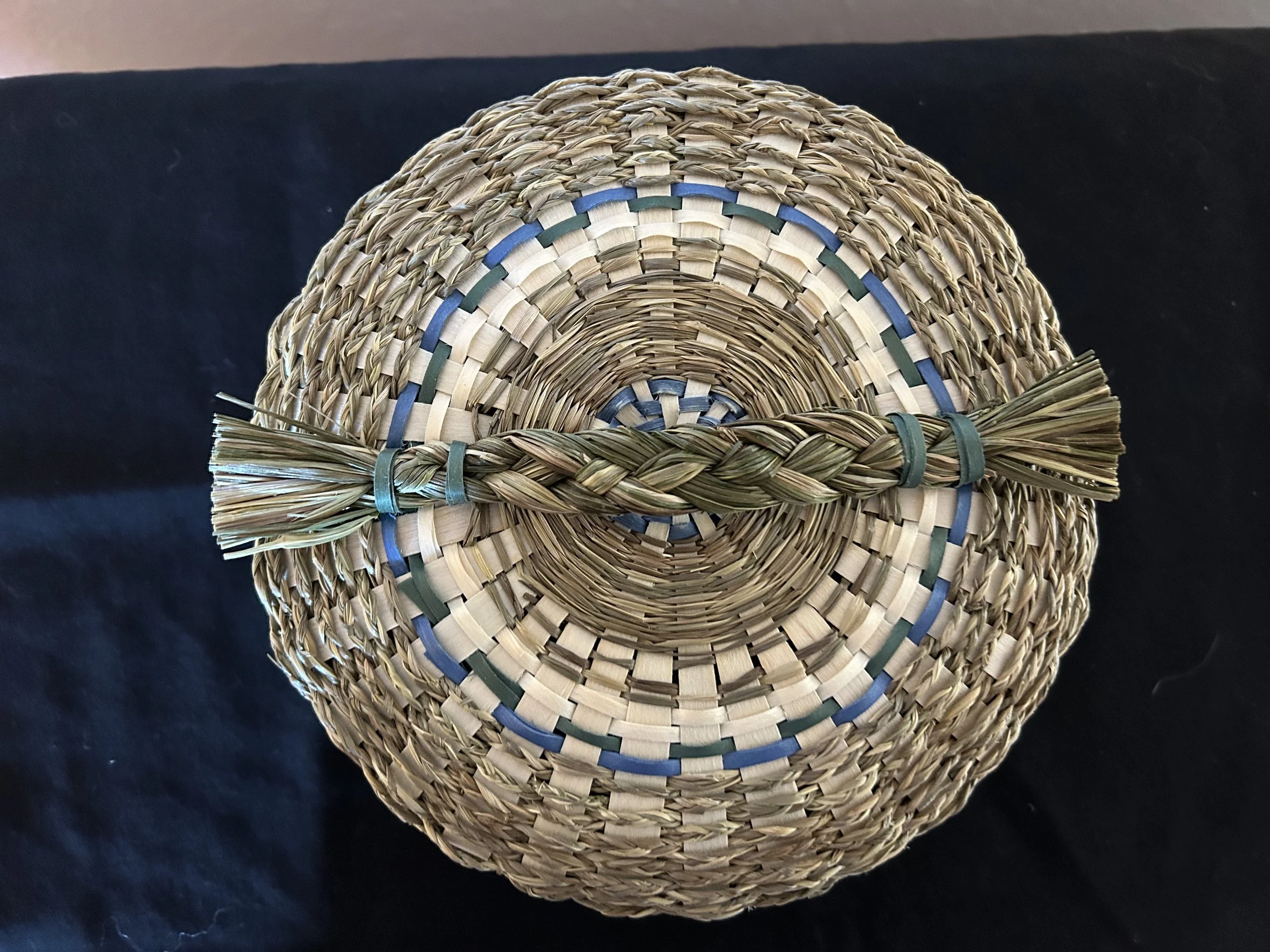
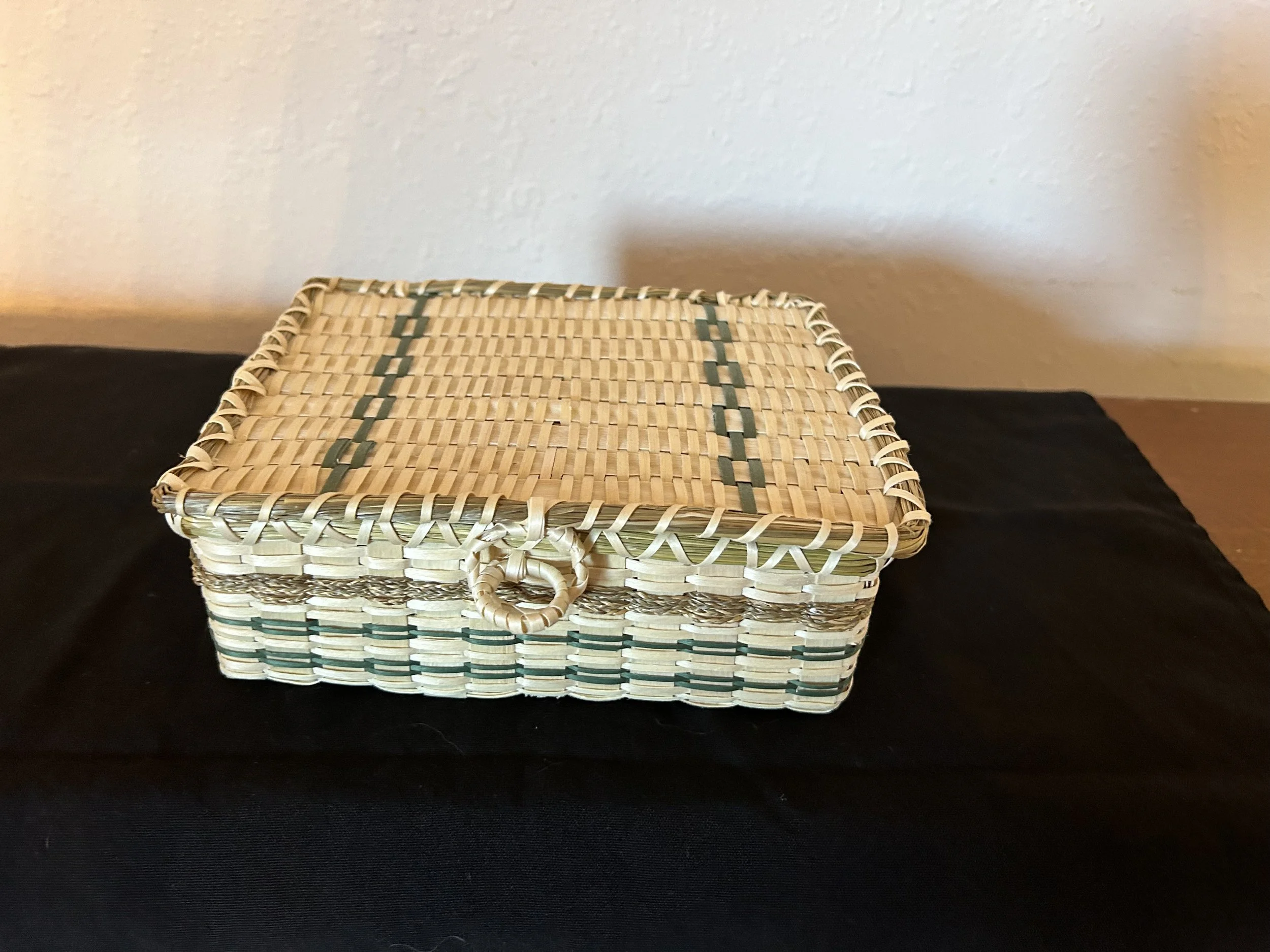
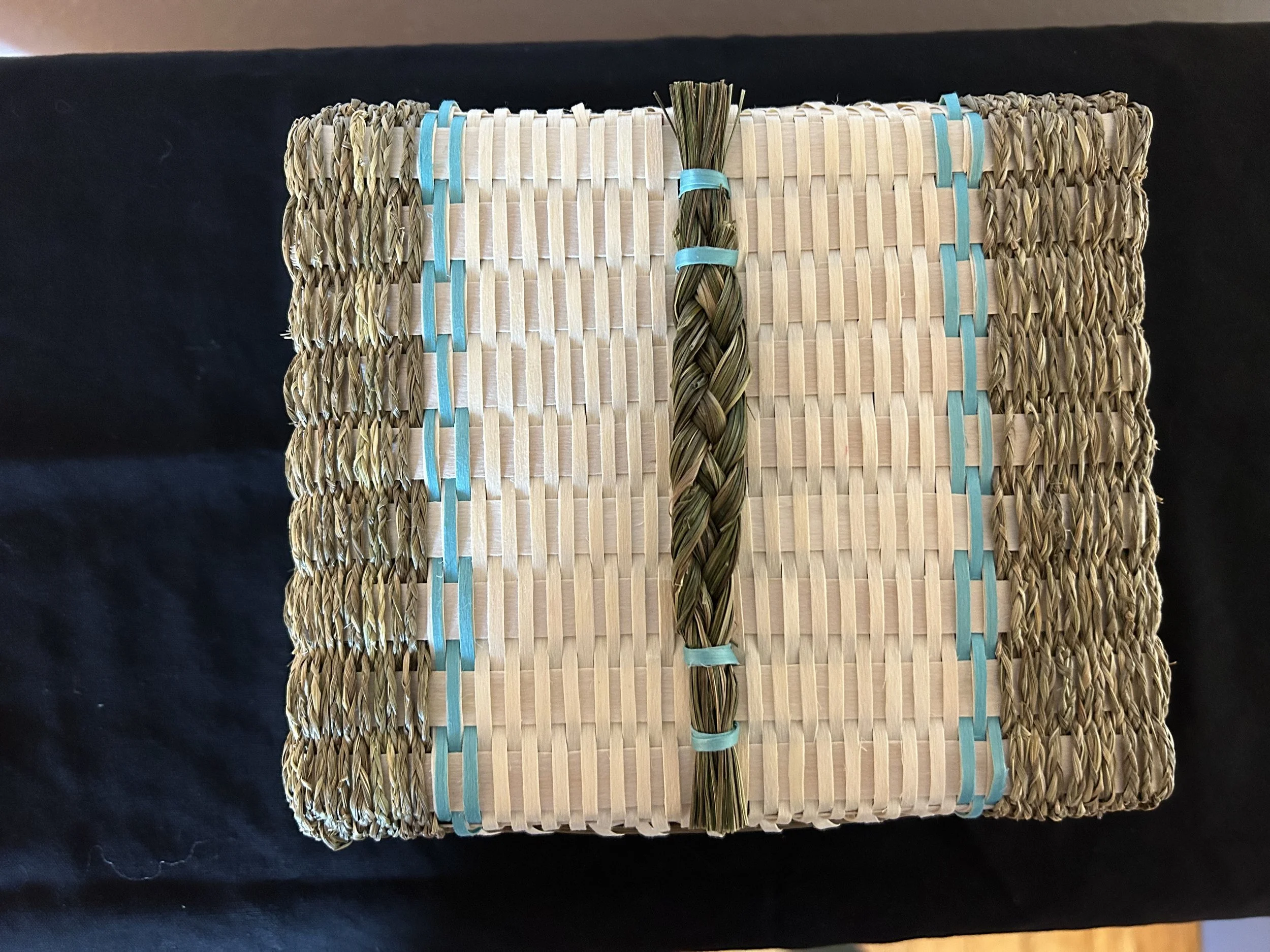
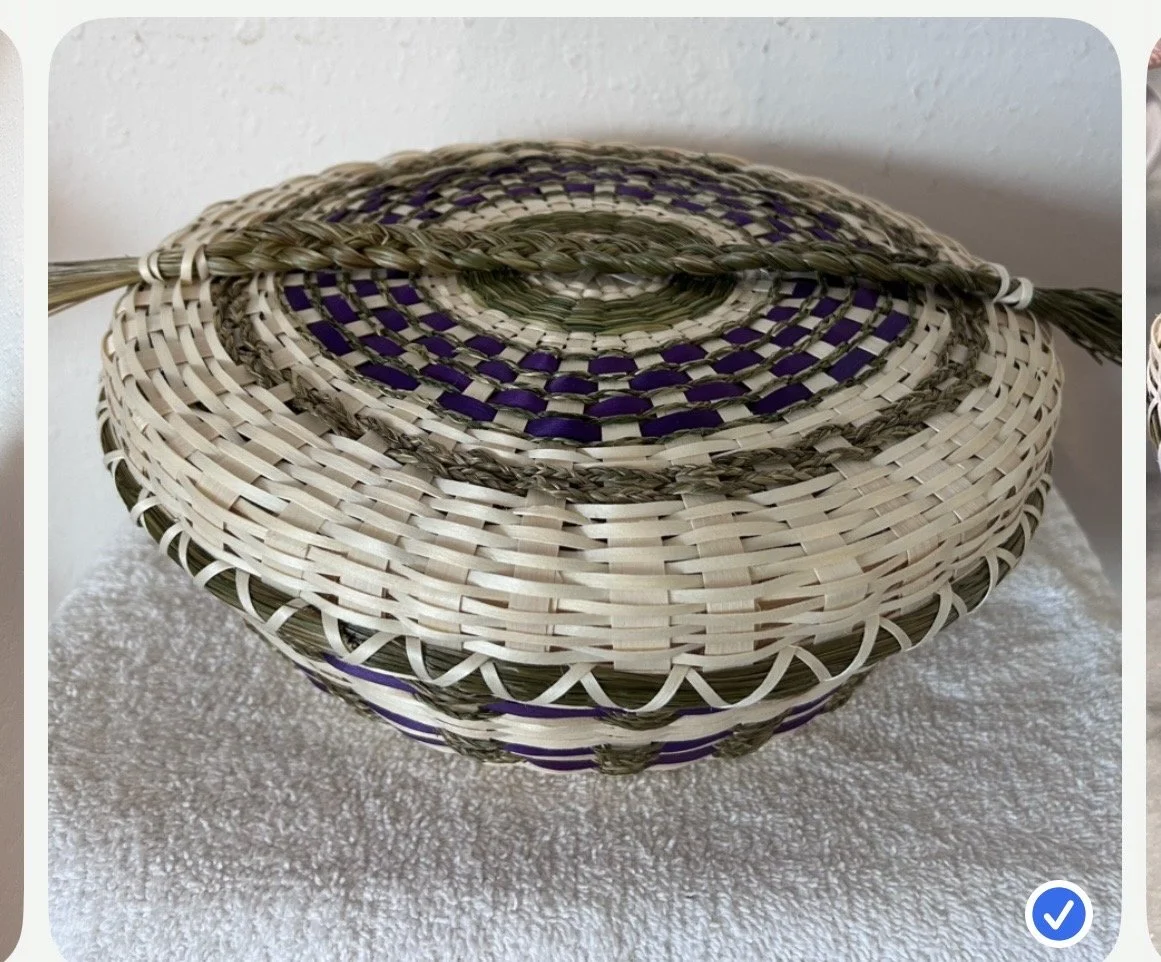
It wasn’t until my late 40s that I had the unique and unexpected opportunity to apprentice with my mentor and cousin, Theresa Secord. As part of my apprenticeship I had the opportunity to use my grandmother's molds and could feel her guiding presence. My inspiration and ancestral designs come from Penobscot-style baskets produced by my grandmother, Philomene, and my cousin, Theresa. I like to weave ash and sweetgrass boxes, sweetgrass flats, and other baskets with braided sweetgrass in the family style. Continuing my family's traditional art form is an honor and privilege. I am also mentoring my daughter and granddaughter so other generations of basket weavers will continue the ancestral tradition. Plus, we are learning Wabanaki language terms associated with traditional basketry.
Eric Otter Bacon
TRIBAL AFFILIATION: Passamaquoddy Tribe
MEDIUM: Basketry, Woodwork
ARTIST STATEMENT
As a young child, my mother mentioned that I constantly created hand-drawn copies of sneakers and boots, particularly focusing on the tread patterns.
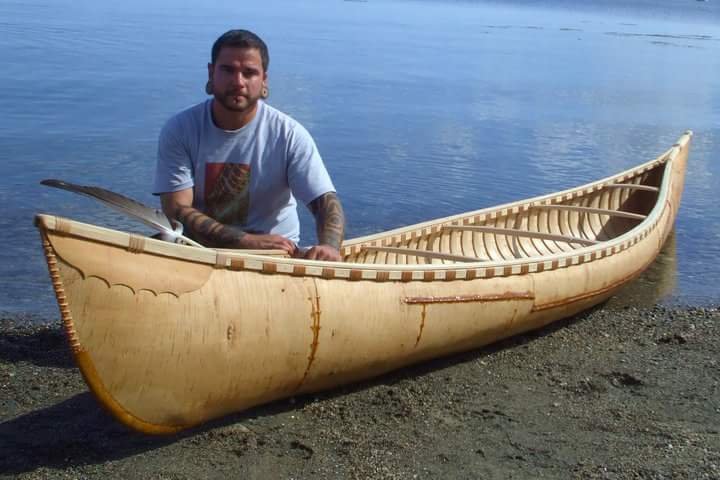
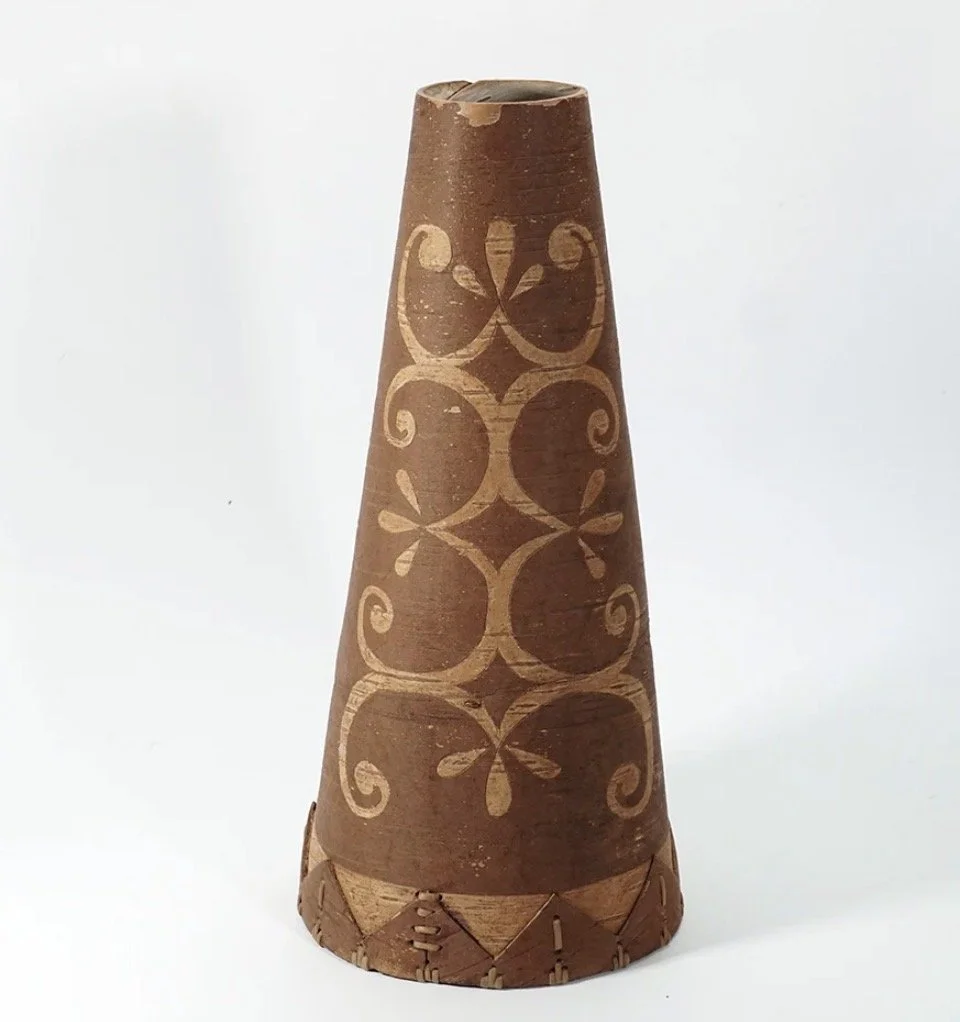
Woodworking and basket making soon followed at around age five or so, influenced by several family members, including my maternal grandfather, a Grand Lake wood strip canoe builder, my father, a wood and bone/antler carver, and my uncle who steam bent wood into dog sleds. I also was inspired by many basket makers on the reservation.
At the age of 16, I started working with Loyd Owle, a renowned Cherokee artist at the Unity Youth Treatment Center in North Carolina. I learned leatherwork, stone carving, and other Native arts. While receiving treatment there, I discovered the value of life, and it was where my first pieces of Native art were sold.
For many years, I pursued a tattoo apprenticeship, focusing my artwork on the industry. I also conducted extensive research on indigenous patterns and designs from around the world.
In 2004, I started making baskets professionally. And during my first decade, I began participating in and winning art competitions at various Native art markets. My work was also featured in the collections of major museums across the country.
During this period, I collaborated closely with birch bark canoe builders David Moses Bridges and Steve Cayard, constructing five different bark canoes with various Native communities to acquire and exchange knowledge of traditional canoe construction and material gathering/preparation.
In the future, I want to keep sharing and teaching the traditional arts knowledge I've gained. My goal is to inspire others to find value and hope within themselves so they have the tools to lead a positive and meaningful life.
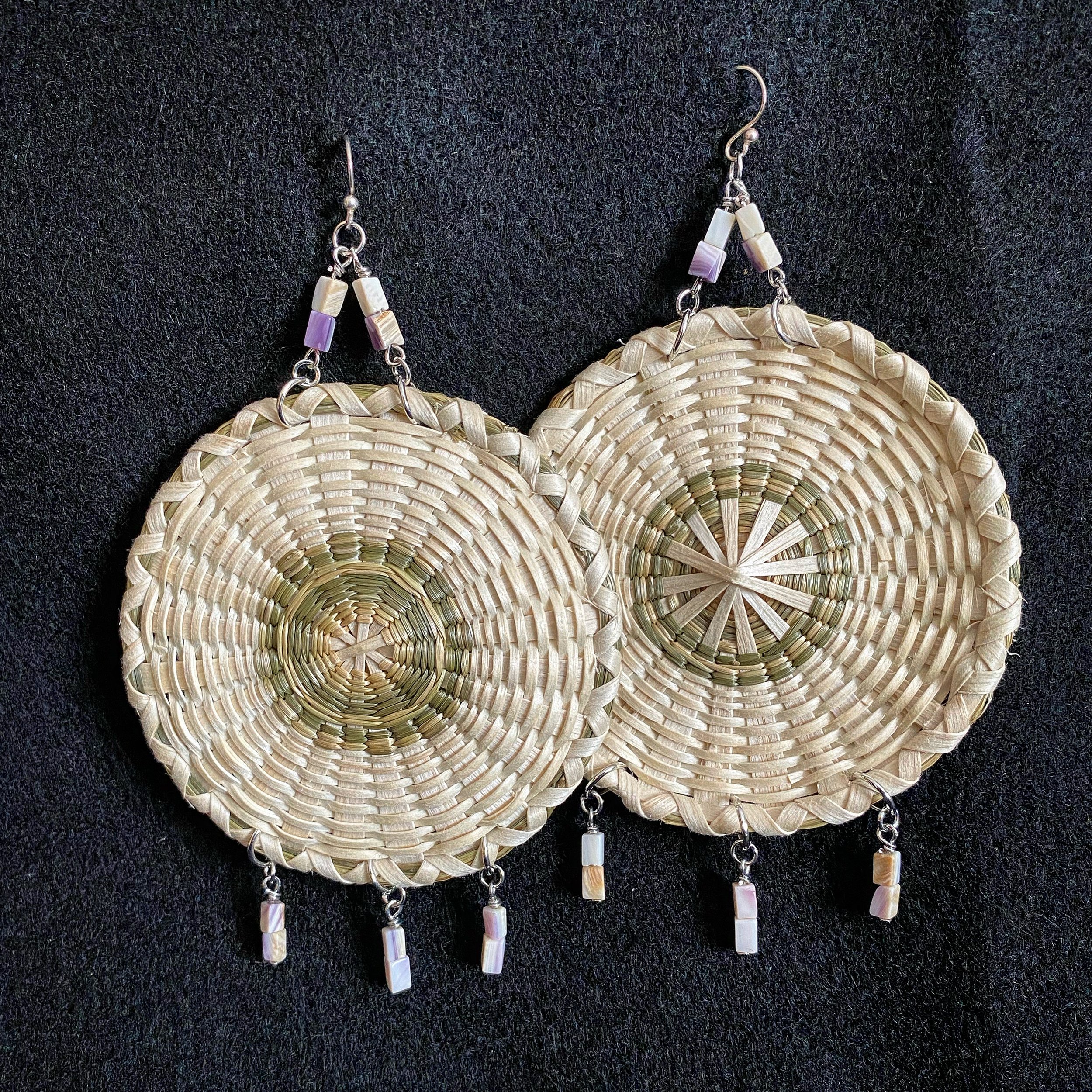
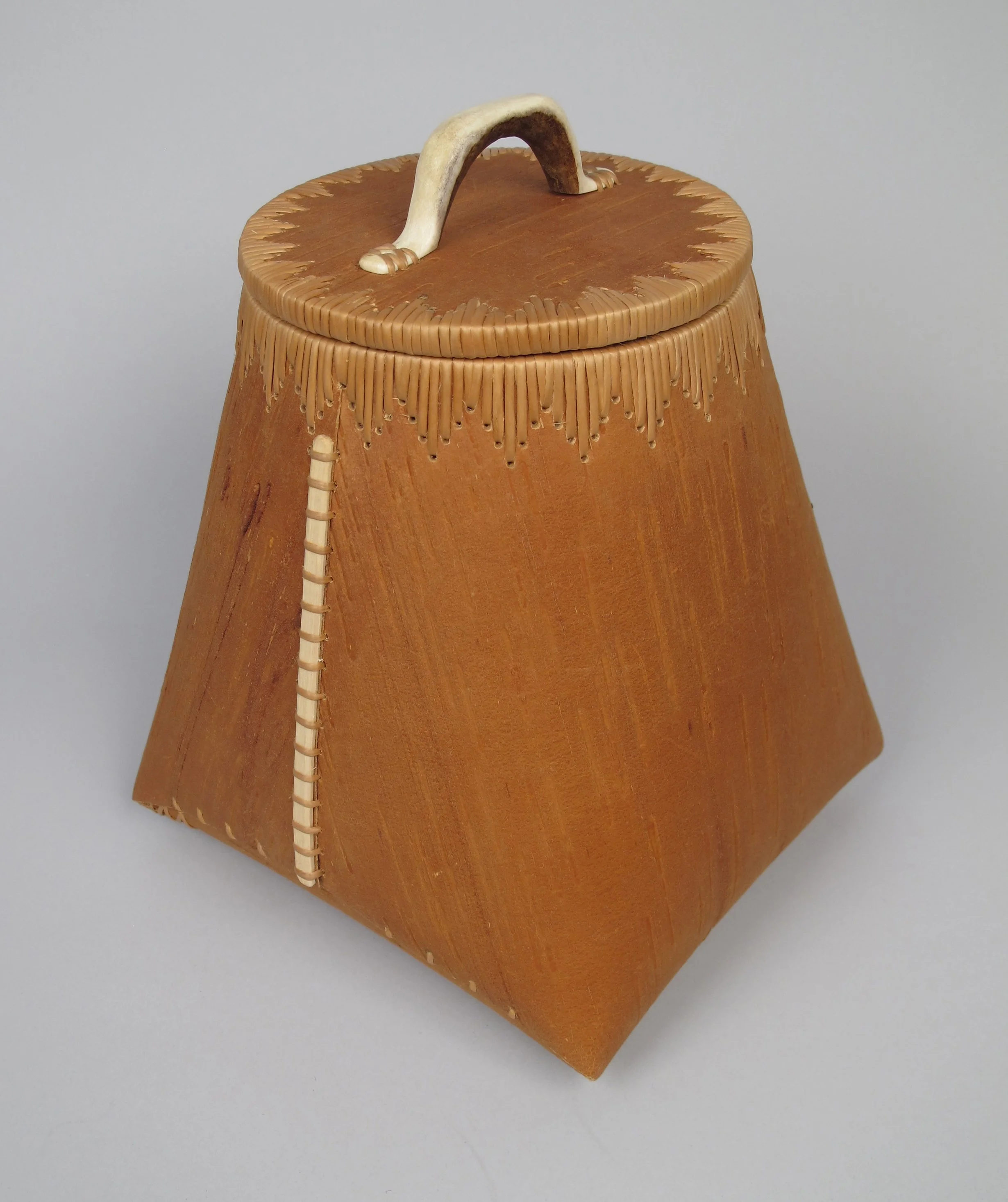
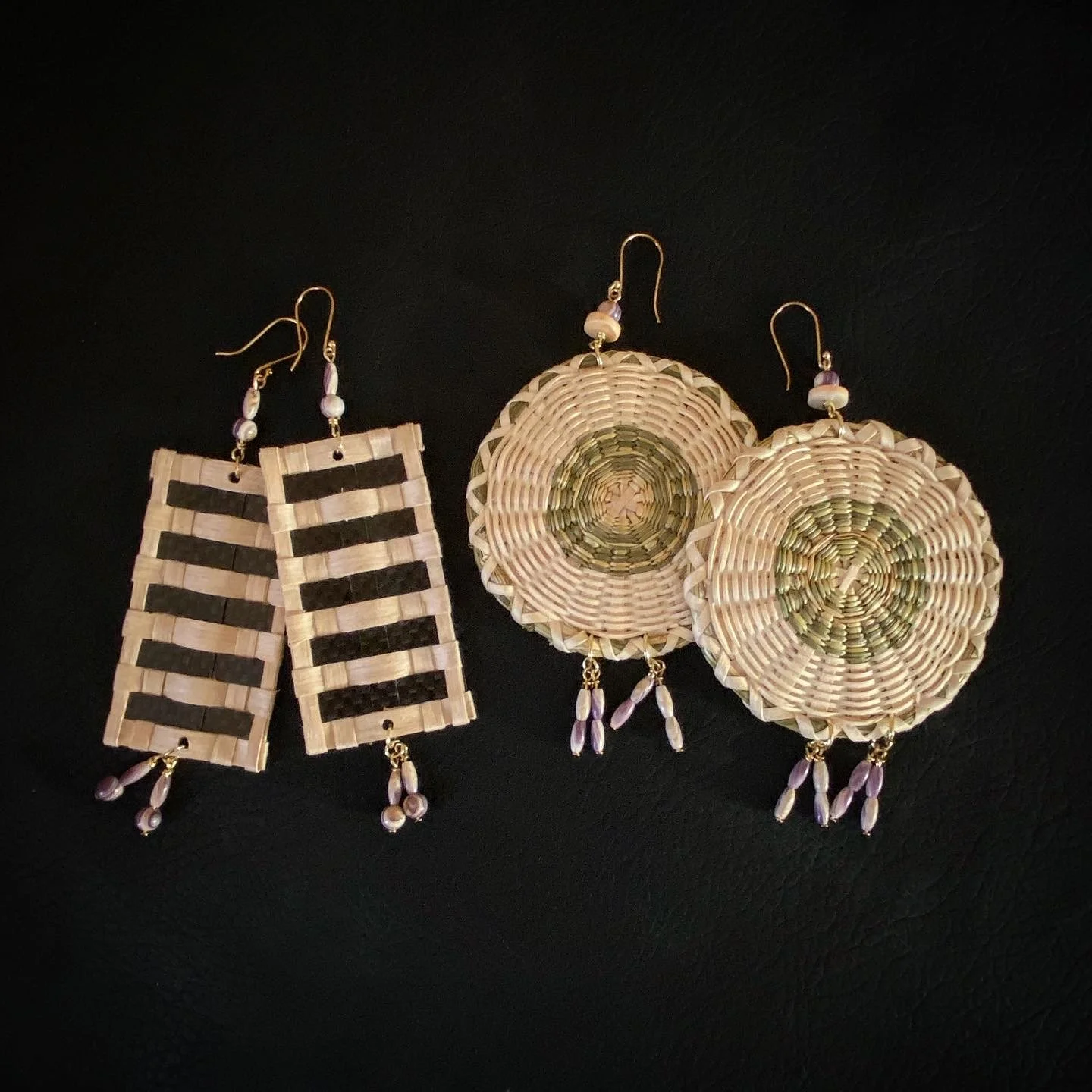
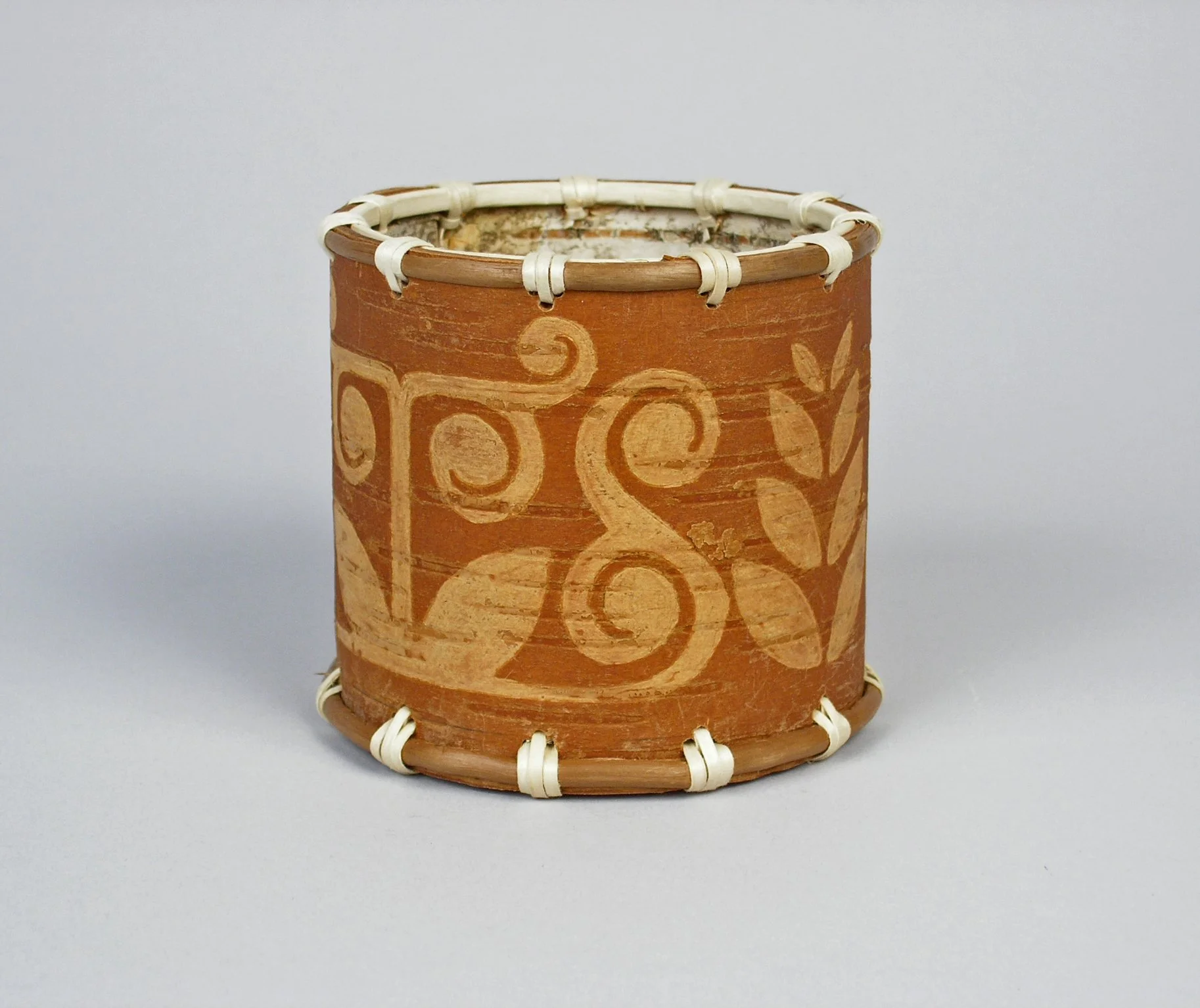
Emma Soctomah
TRIBAL AFFILIATION: Passamaquoddy Tribe
MEDIUM: Basketry - Ash
ARTIST STATEMENT:
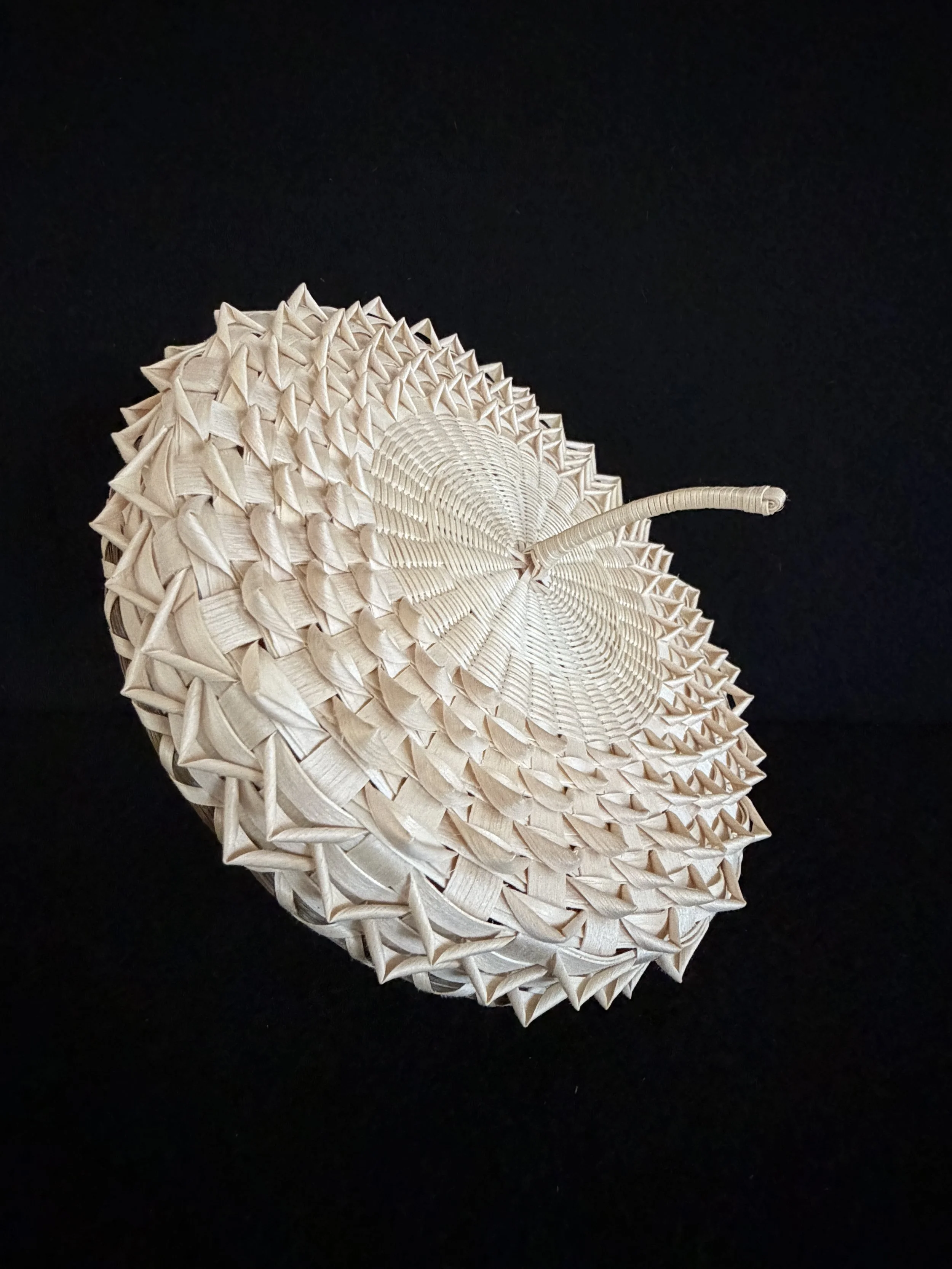
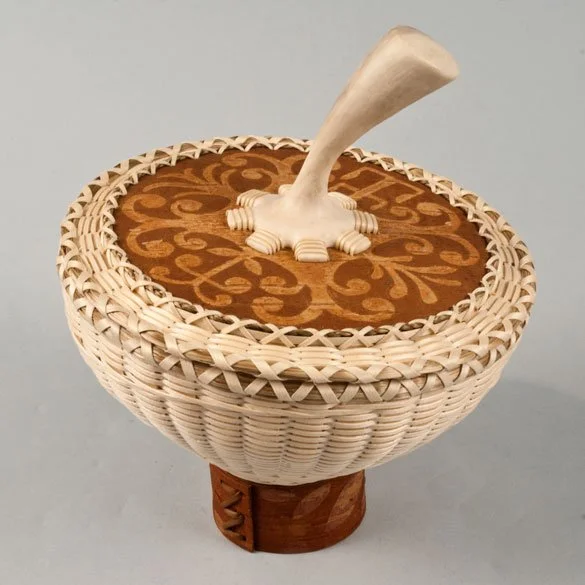
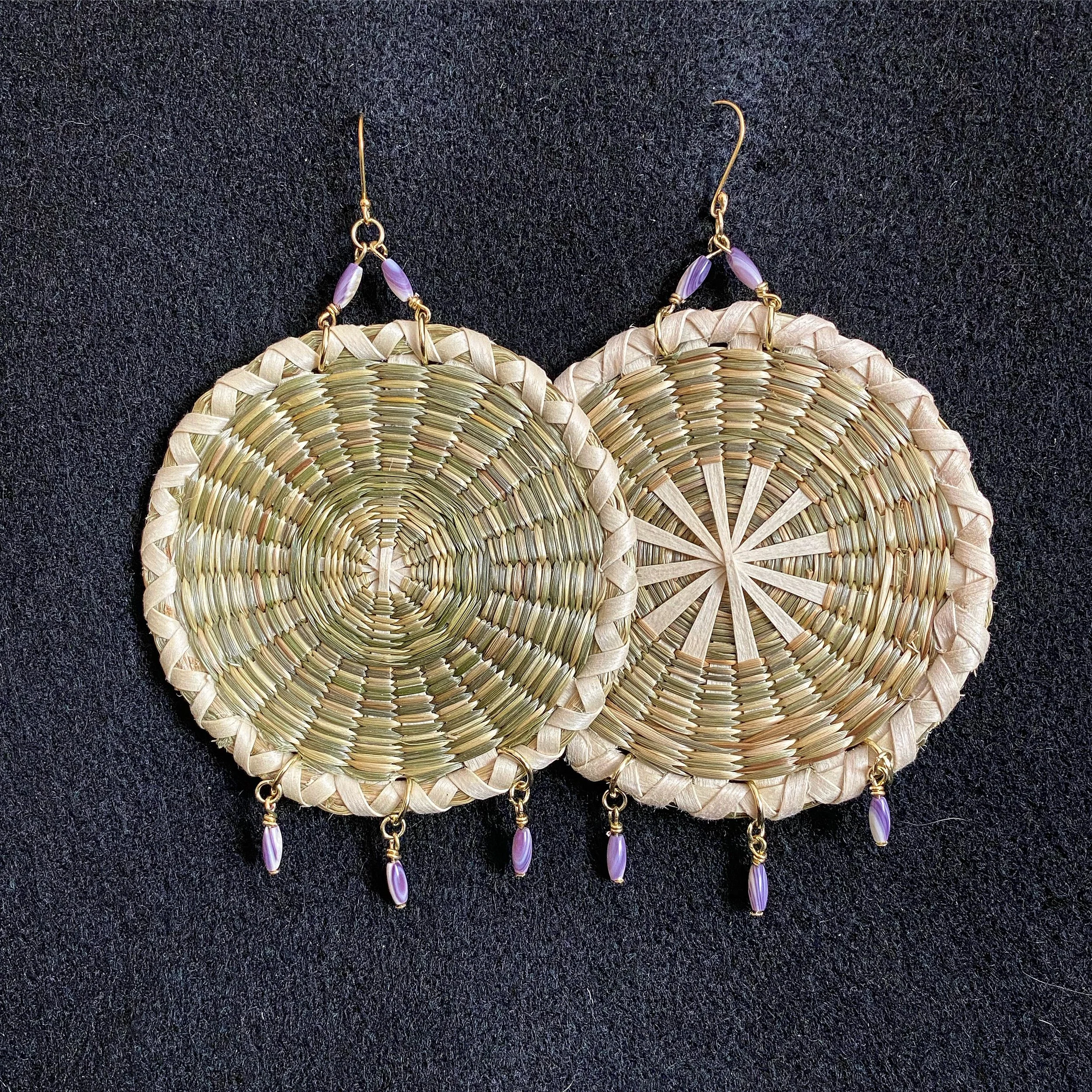
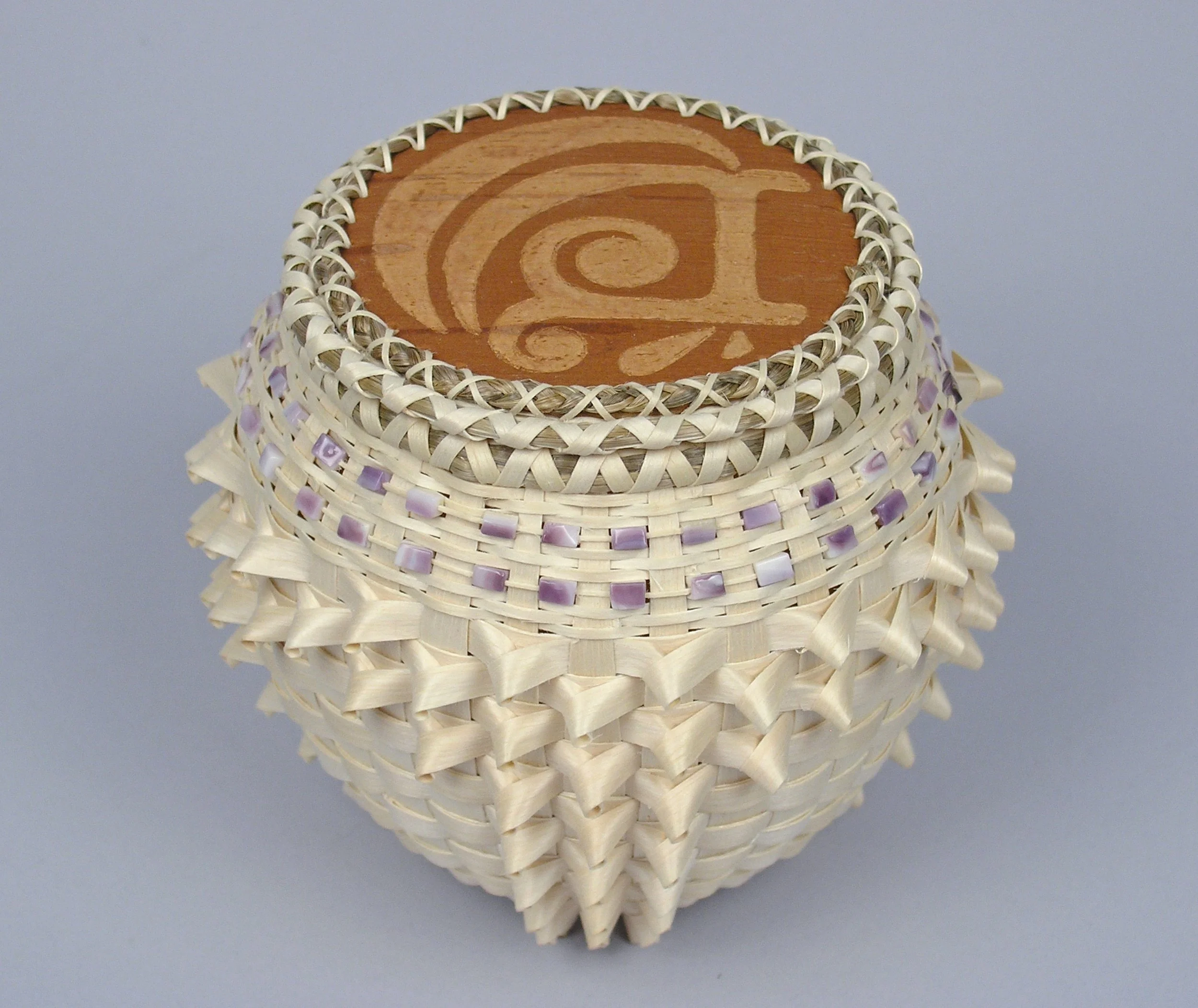
Emma Soctomah is a proud Passamaquoddy citizen from Motahkomikuk who comes from a distinguished lineage of basketmakers; more specifically, her grandmother, Molly Jeanette Parker. Through Molly’s leadership and example, Emma has continued to be inspired to carry on their family tradition of the creation of brown ash baskets. Emma spent many years as an apprentice of her older sibling, Geo Neptune. Over the years, she has won numerous awards multiple years in a row, including 1st place, 2nd place, and Best in Division at the Santa Fe Indian Market and Heard Museum Indian Market.
She seeks to honor the strength and legacy of the women who shaped her, as well as those who came before them, by contributing to the advancement and overall well-being of the Wabanaki.
Caleb Hoffman
TRIBAL AFFILIATION: Cherokee Nation
MEDIUM: Basketry
ARTIST STATEMENT
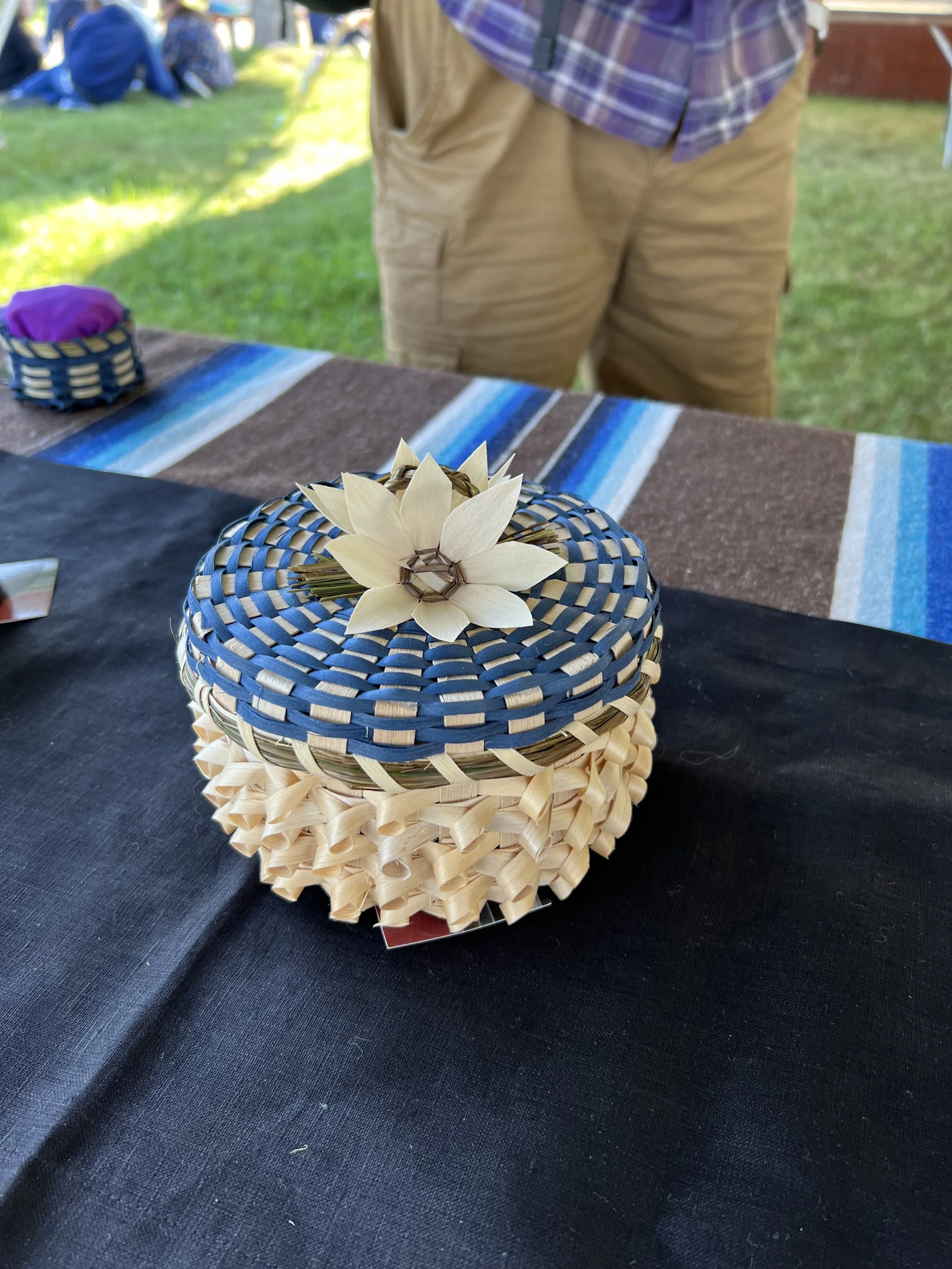
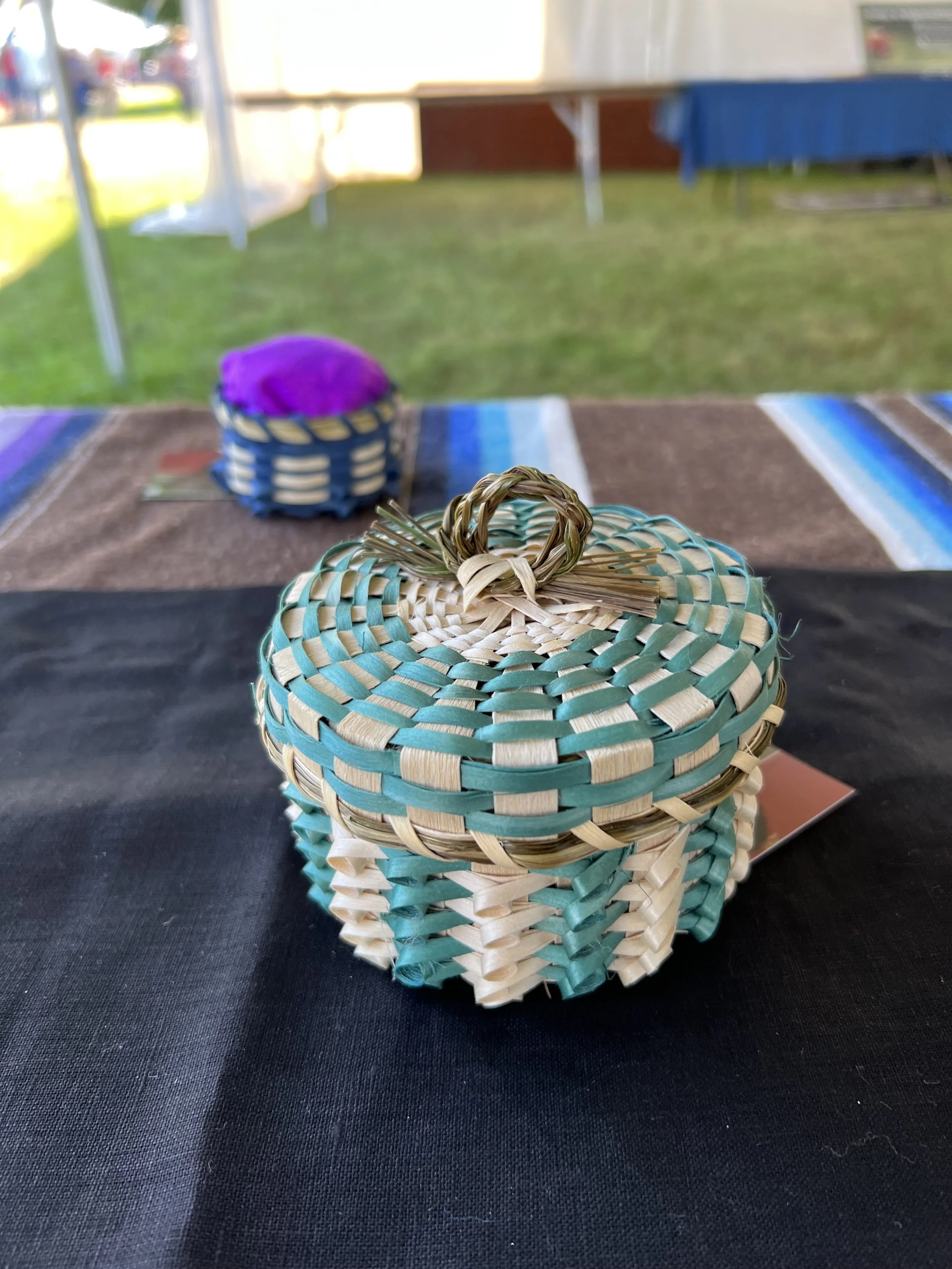
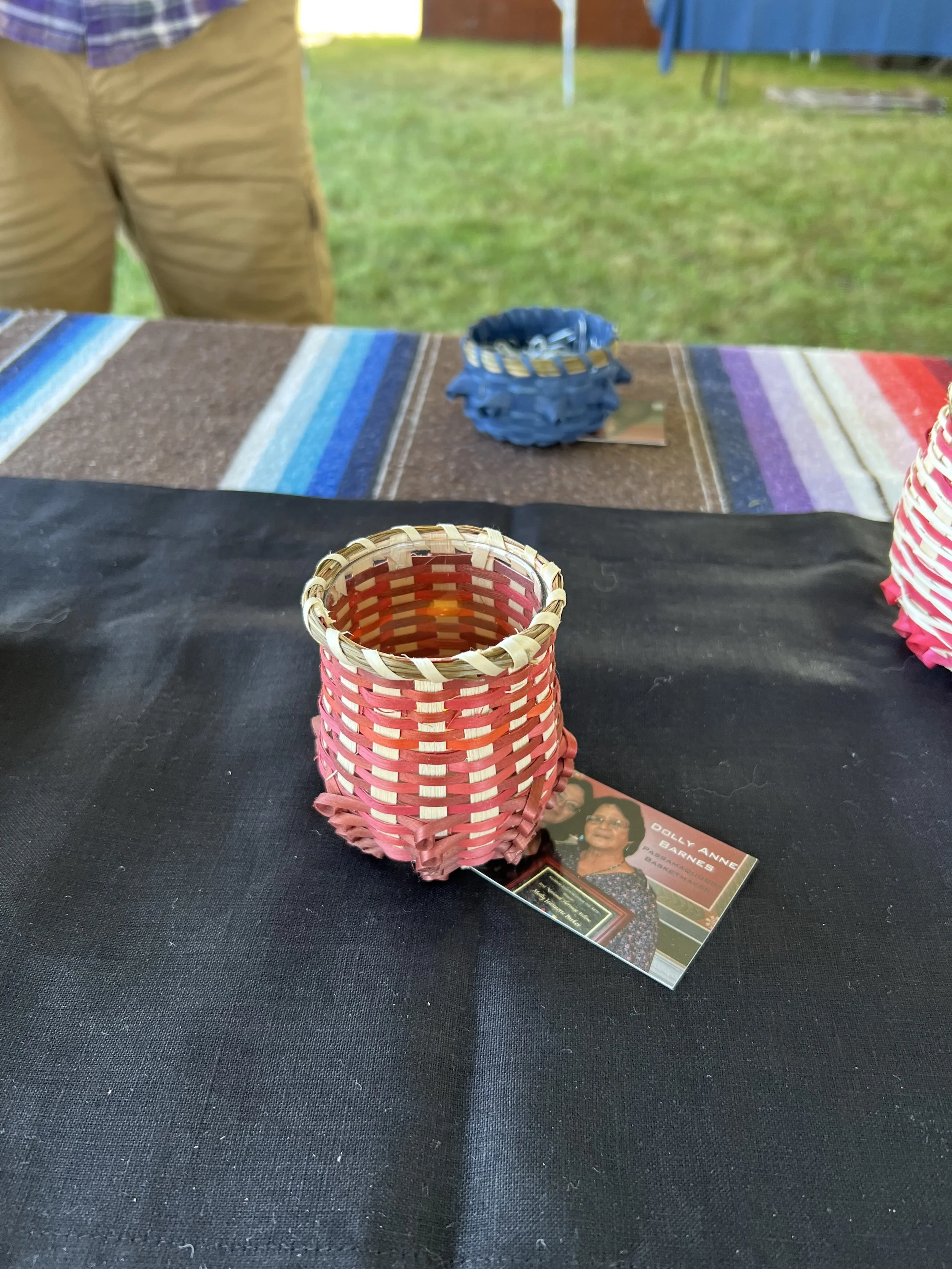
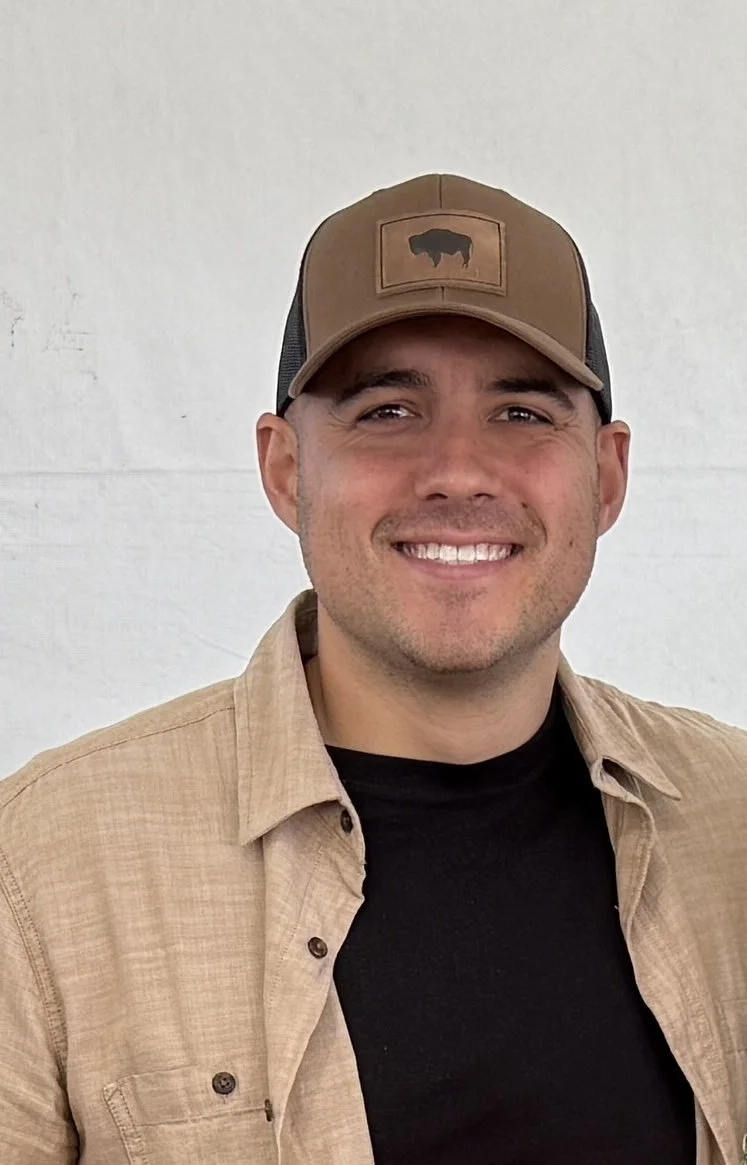
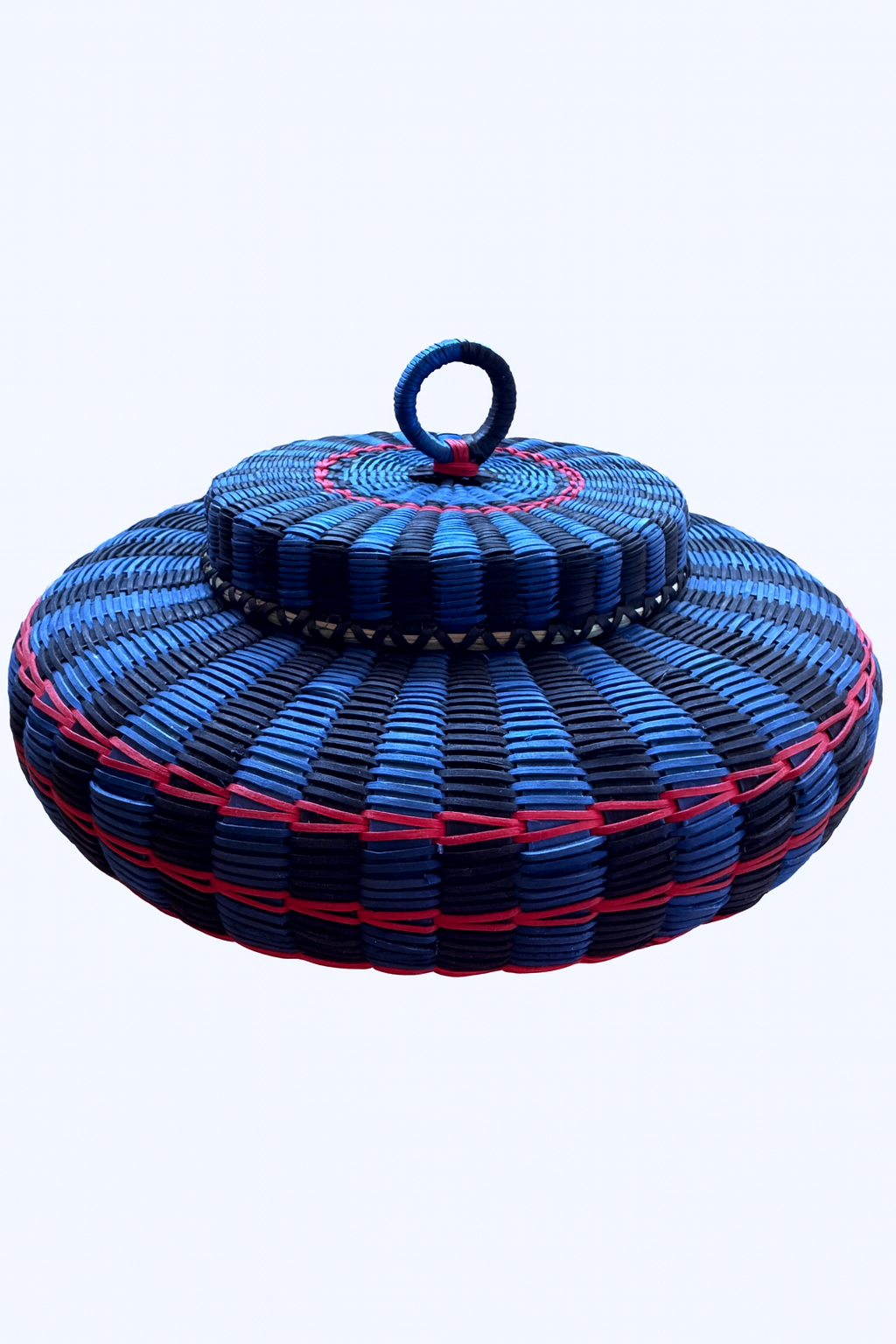
Caleb Hoffman (Cherokee/Penobscot born 1991) has been making baskets since he was 8 yrs old and represents the 7th generation of Wabanaki basketmakers in his family. He first learned to weave from his Penobscot mother, Theresa Secord. As a youth, he attended many Maine Indian Basketmakers Alliance (MIBA) community basketry workshops, festivals, and markets over 20 yrs, and had access to a number of Wabanaki artists and teachers. In 2023, he became an apprentice to Jeremy Frey, a Passamaquoddy basketmaker and recent MacArthur Genius Fellow. Caleb is also a studio worker, helping to prepare weaving materials; including cutting down ash trees, pounding the logs, splitting, scraping and gauging the wood. Caleb participated in his f irst Santa Fe Indian Market in August 2024, as an adult juried artist and was honored to win the Best of Basketry award. Since then, he has won awards for his basketry in Santa Fe in 2025 and in the Heard Museum Guild Indian Fair and Market in Phoenix in 2026. He also weaves baskets for significant museum collections and exhibitions and for private collections.
Brenda Moore-Mitchell
TRIBAL AFFILIATION: Passamaquoddy Tribe
MEDIUM: Basketry
ARTIST STATEMENT
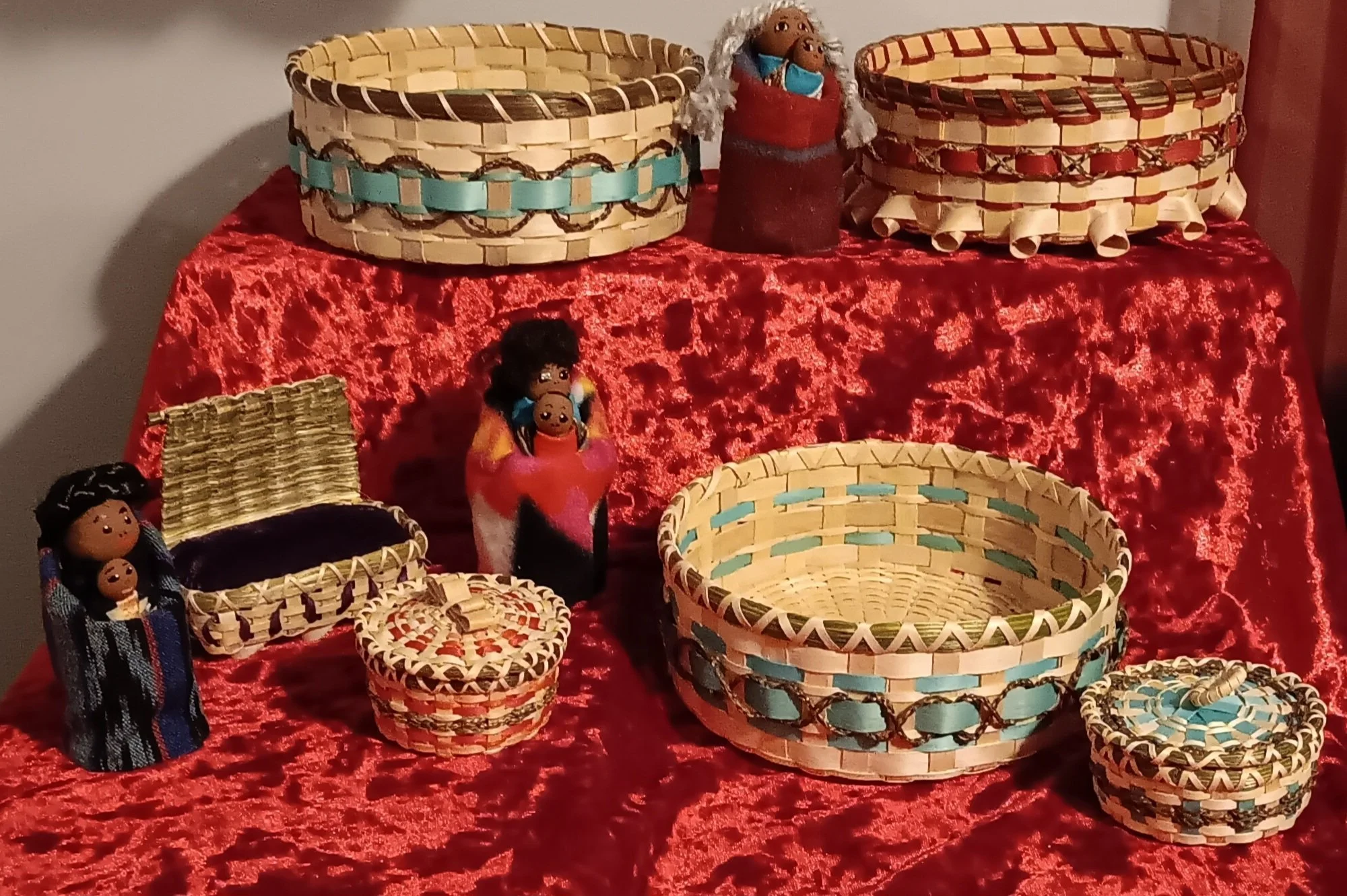
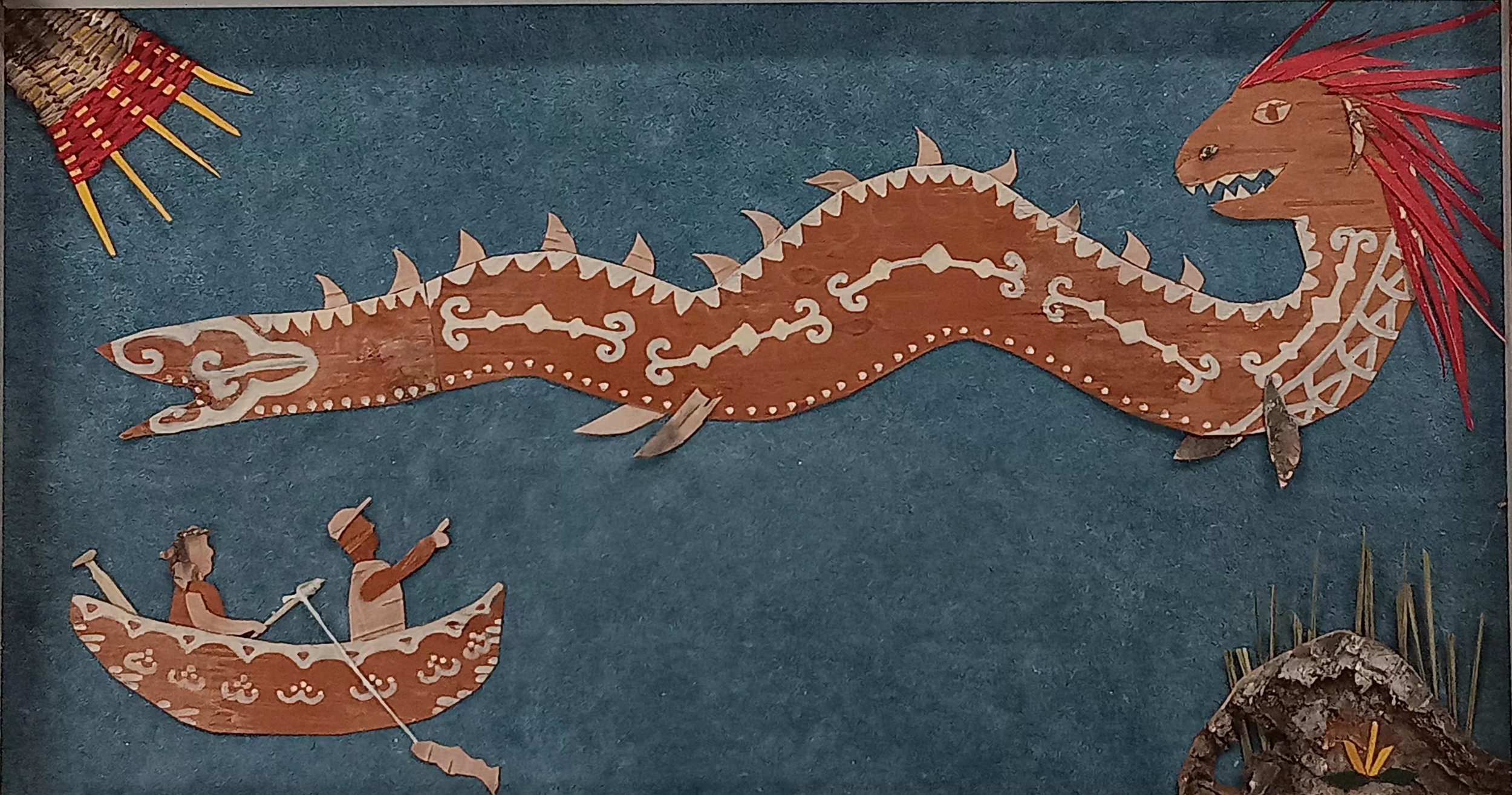
I was taught basketry by Gal Frey. My focus is teaching art classes at Woluhke, a Makers Space through the Indian Health Services at Pleasant Point. I currently create many art forms at my shop, Wabanaki Natural, in Sipayik, which I created in 2019.
Gal Frey
TRIBAL AFFILIATION: Passamaquoddy Tribe
MEDIUM: Basketry - Ash
ARTIST STATEMENT
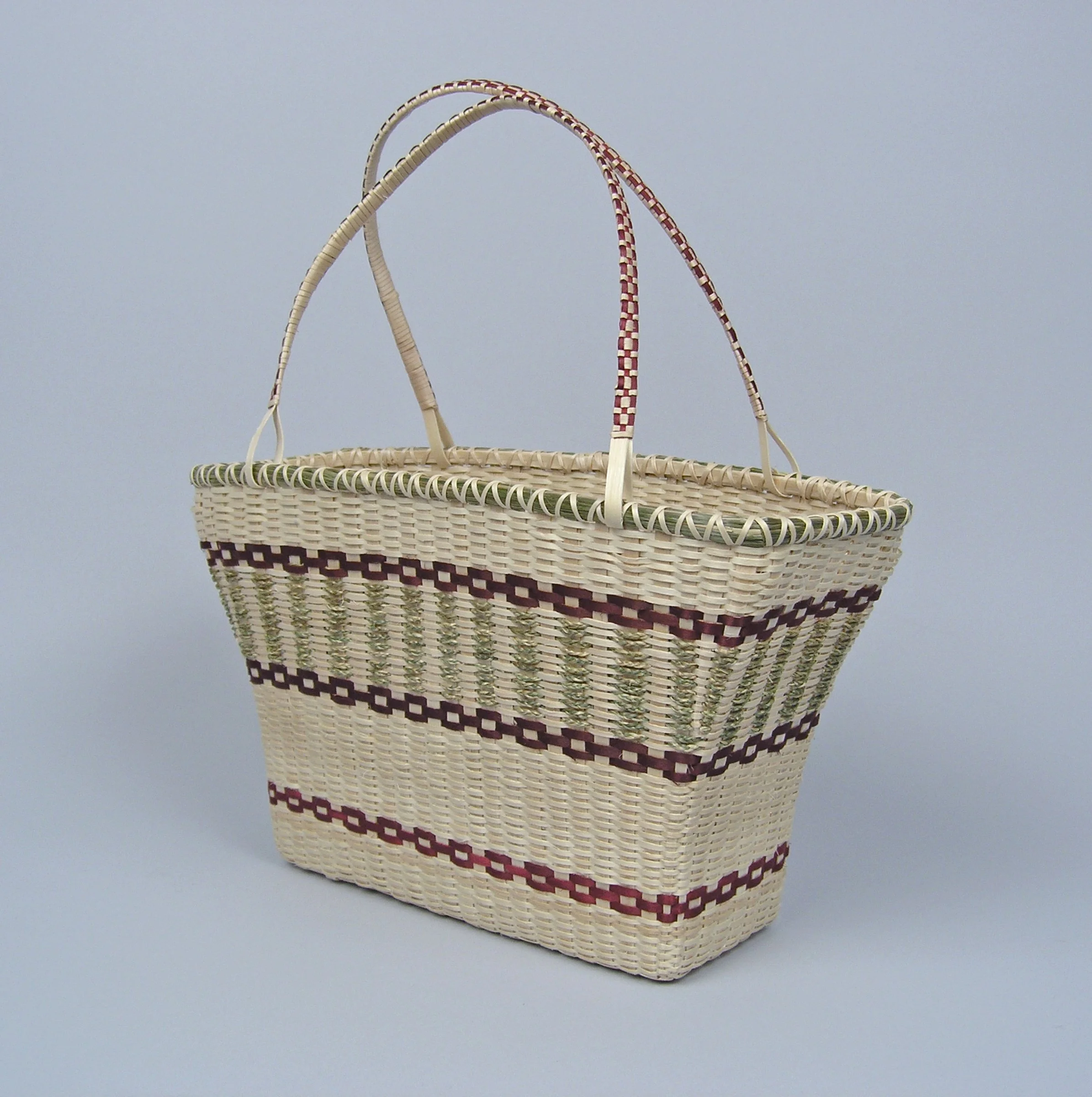
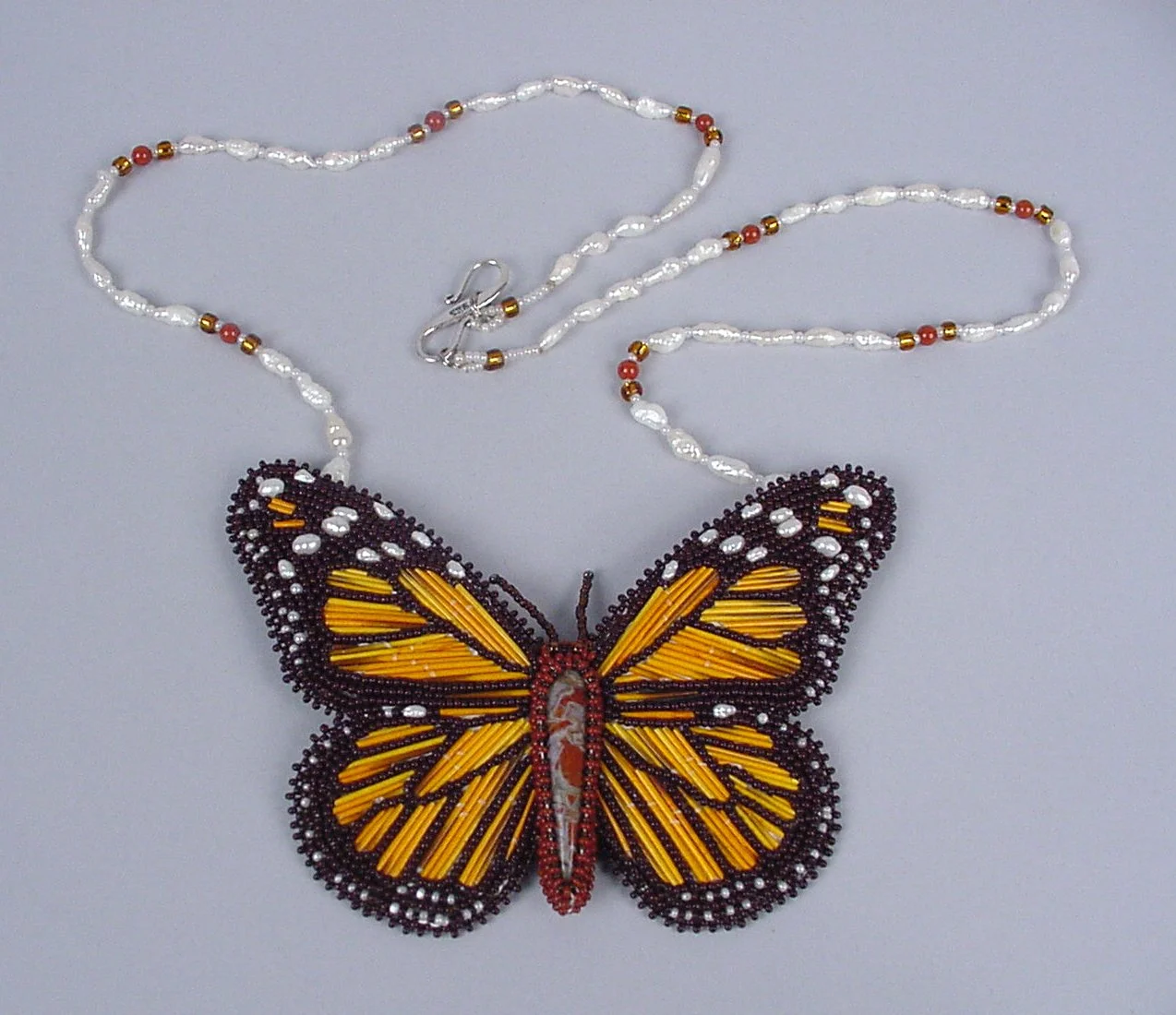
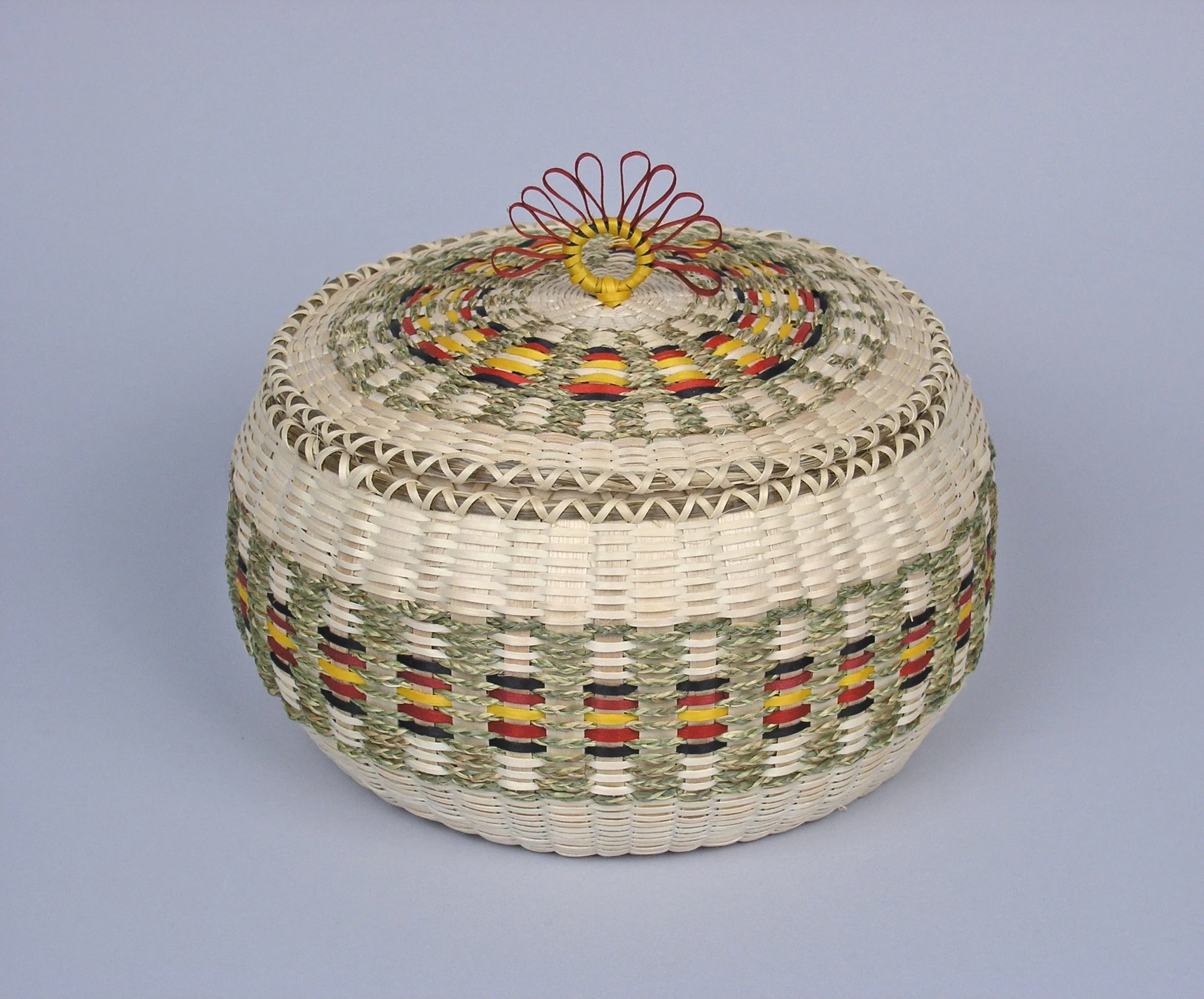
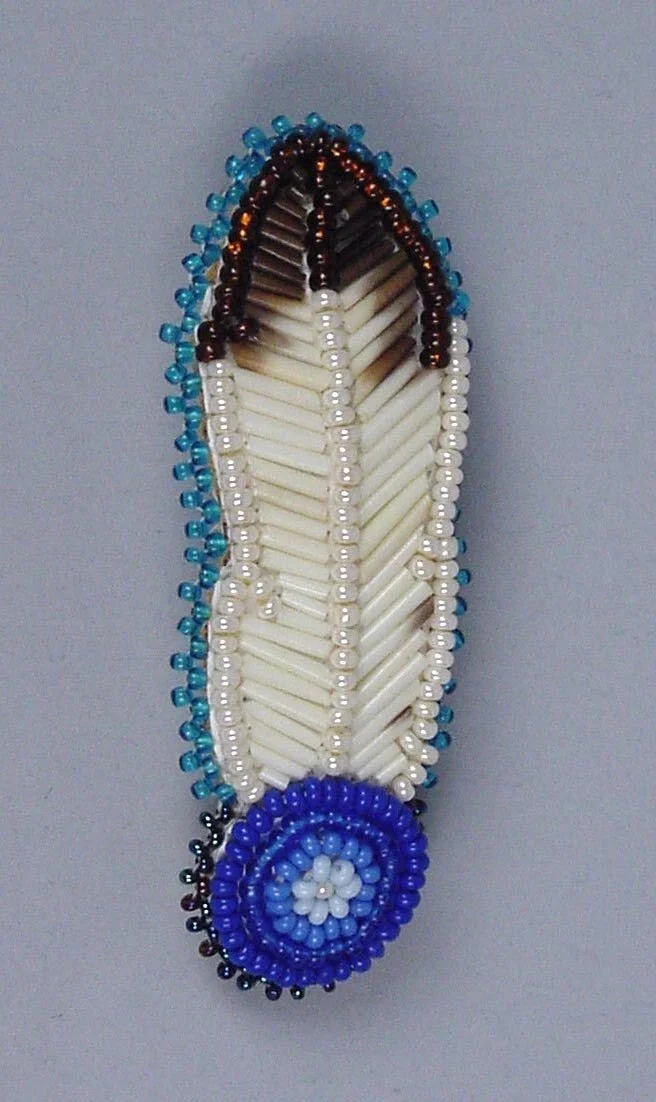
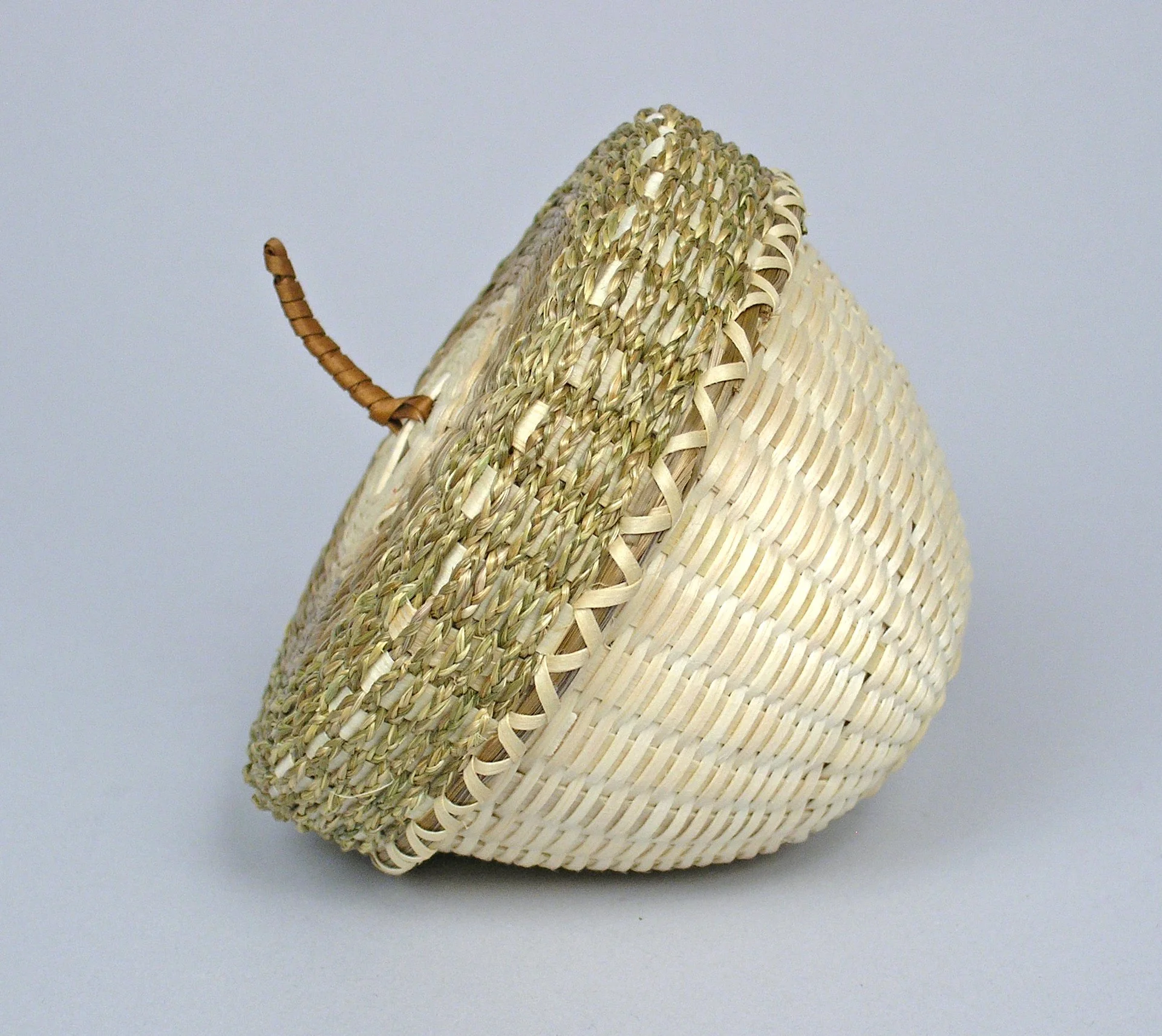
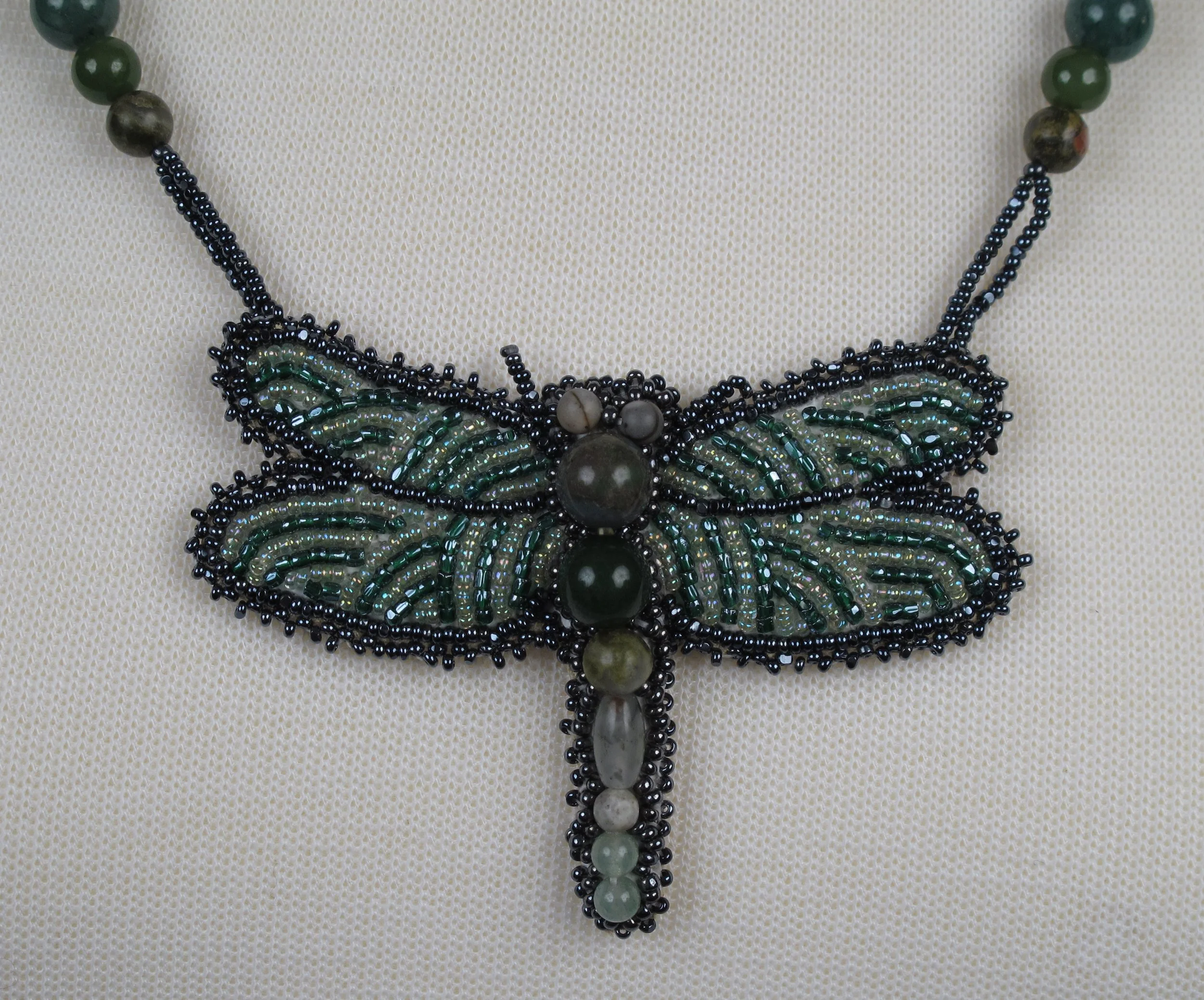
Gal Frey (Passamaquoddy) makes ash sweetgrass baskets and beadwork. She is from Passamaquoddy reservation in Indian township. She grew up in a basket making family and joined the family in making utility baskets as a weaver. As an adult she apprenticed with Sylvia Gabriel through the basket makers alliance learning to process material and the finer points of basketry.
Eldon Hanning
TRIBAL AFFILIATION: Mi’kmaq Nation
MEDIUM: Basketry - Ash
ARTIST BIOGRAPHY
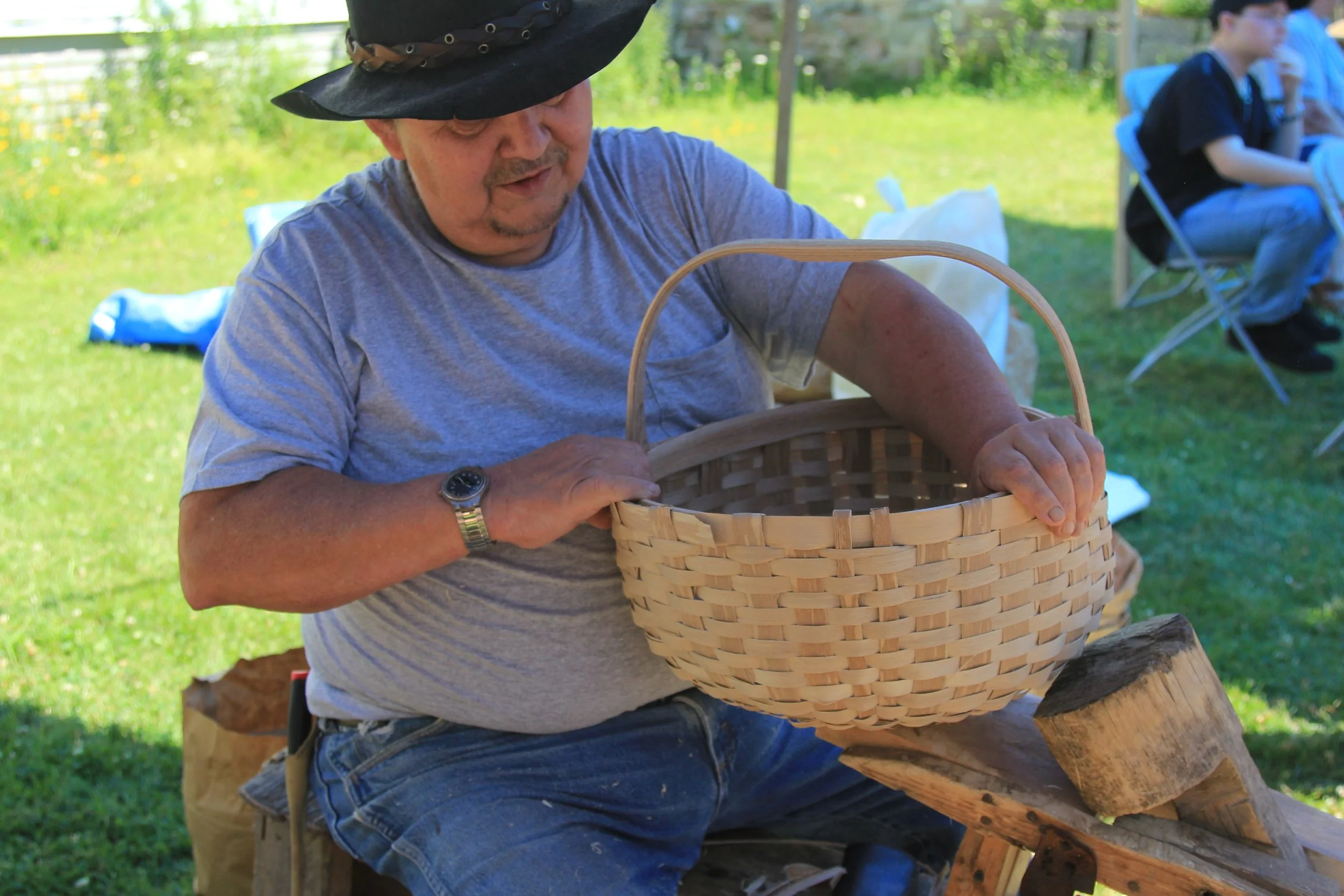
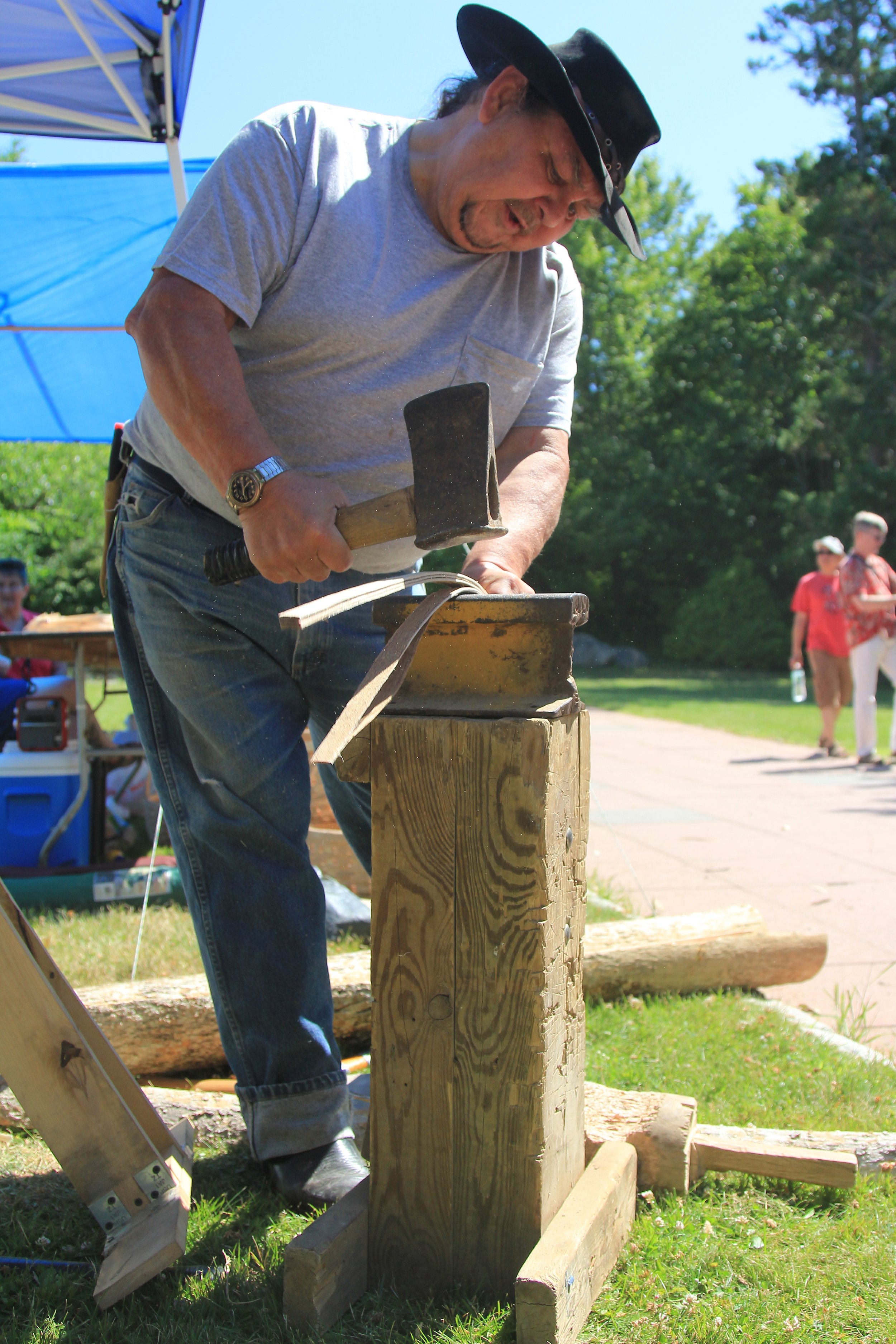
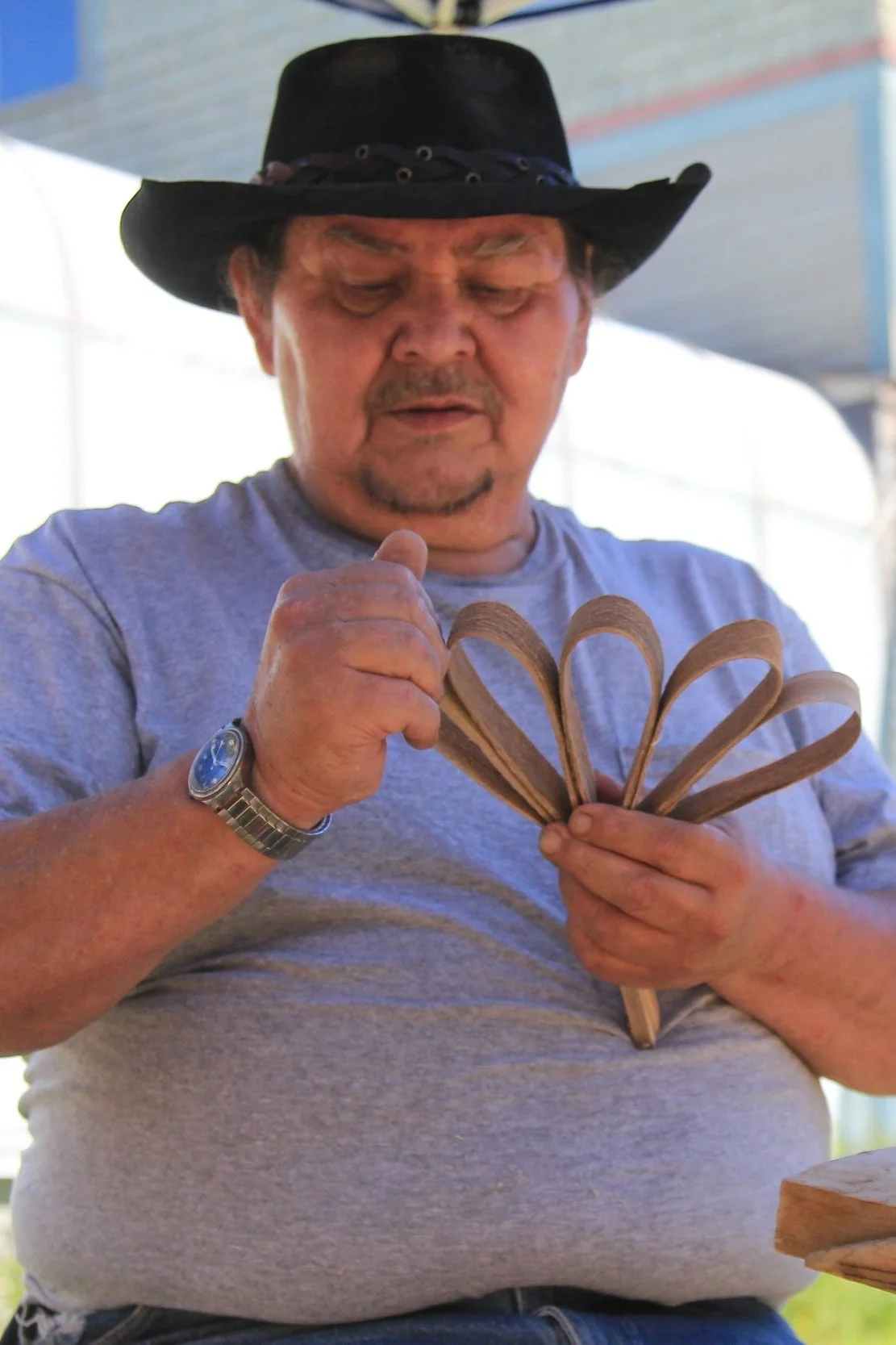
Eldon Hanning of Mi’kmaq Nation is well known for his utility baskets. A master of ash preparation, Eldon will demonstrate the traditional Micmac method of pounding and splitting ash, which differs greatly from the techniques of the Penobscot and Passamaquoddy ash-pounders. A board member of the Maine Indian Basketmakers Alliance, Eldon has taught hundreds of members of each of the Wabanaki Tribes how to weave potato baskets—a basket which the Wabanaki are well known for.