Tyler Everett

TRIBAL AFFILIATION: Mi’kmaq

PANEL: Wabanaki Forest Futures

BIOGRAPHY
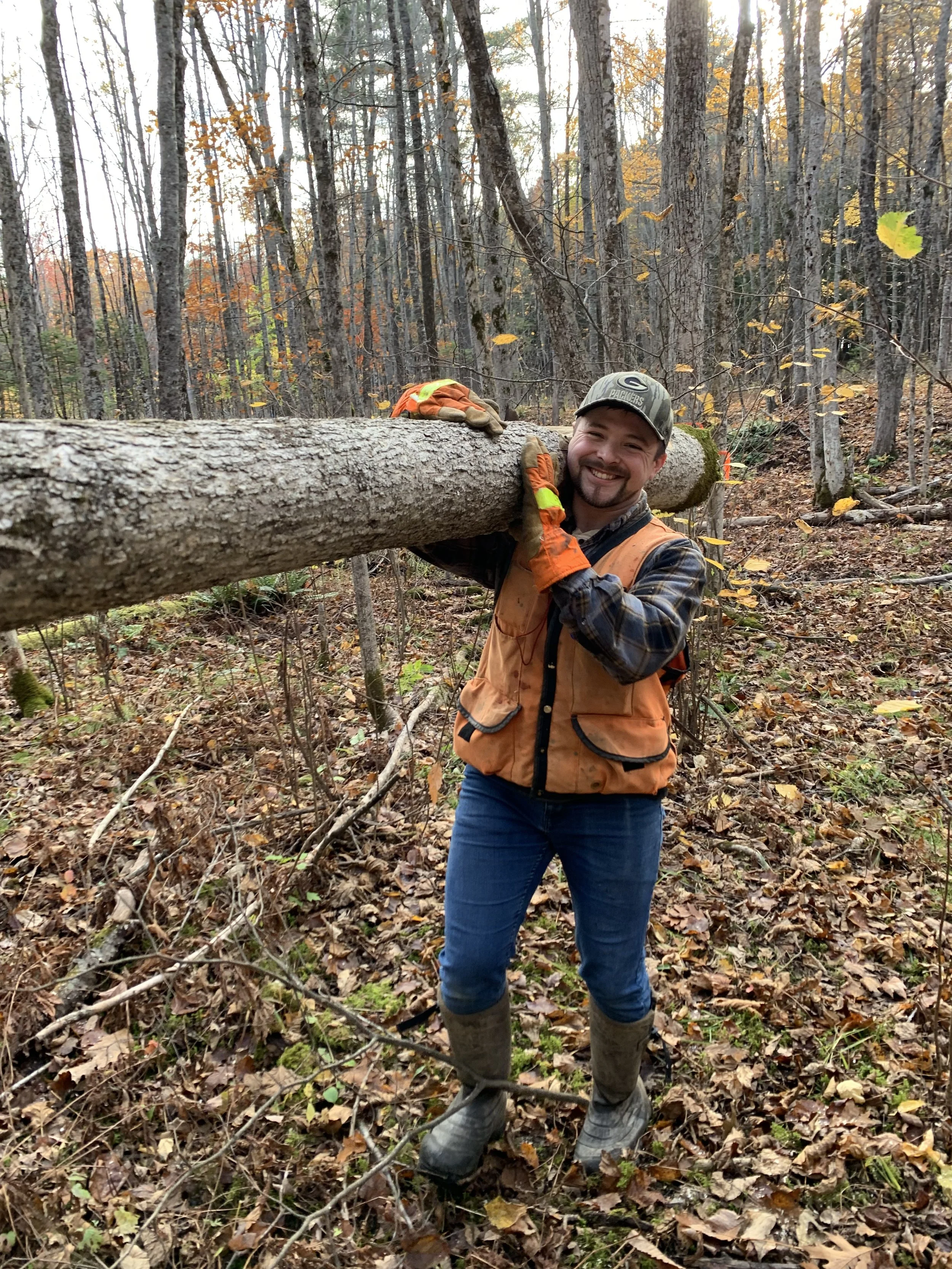
Tyler is a citizen of Mi’kmaq Nation and a PhD Candidate in the Ash Protection Collaboration Across Wabanakik (APCAW) lab at the University of Maine in Orono. His research prioritizes methodologies that result in Tribal led science. He is a PhD student in the School of Forest Resources here at the University of Maine and his current research focuses on the impacts of emerald ash borer (EAB) on Tribal ash resources and identifying innovative management and mitigation strategies for this forest health issue that Tribal Nation partners support and have interest in better understanding. This includes developing a Tribal supported integrated pest management strategy for EAB; one that considers silviculture and other adaptive management strategies, climate change, and most importantly Tribal cultural values.
 

Chuck Loring

TRIBAL AFFILIATION: Penobscot Nation

PANEL: Wabanaki Forest Futures

BIOGRAPHY
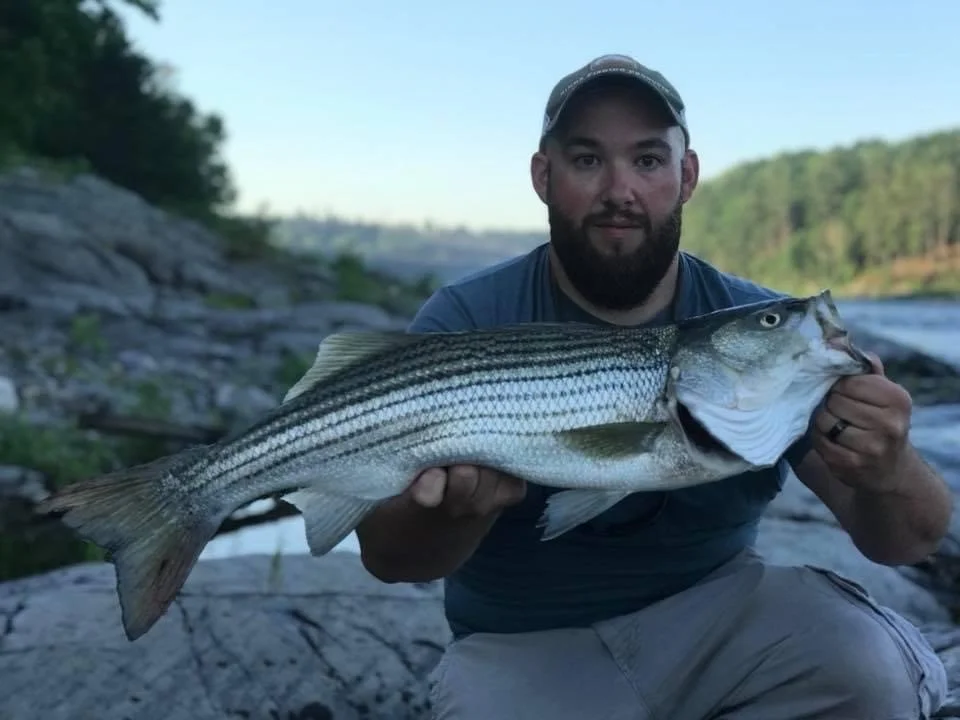
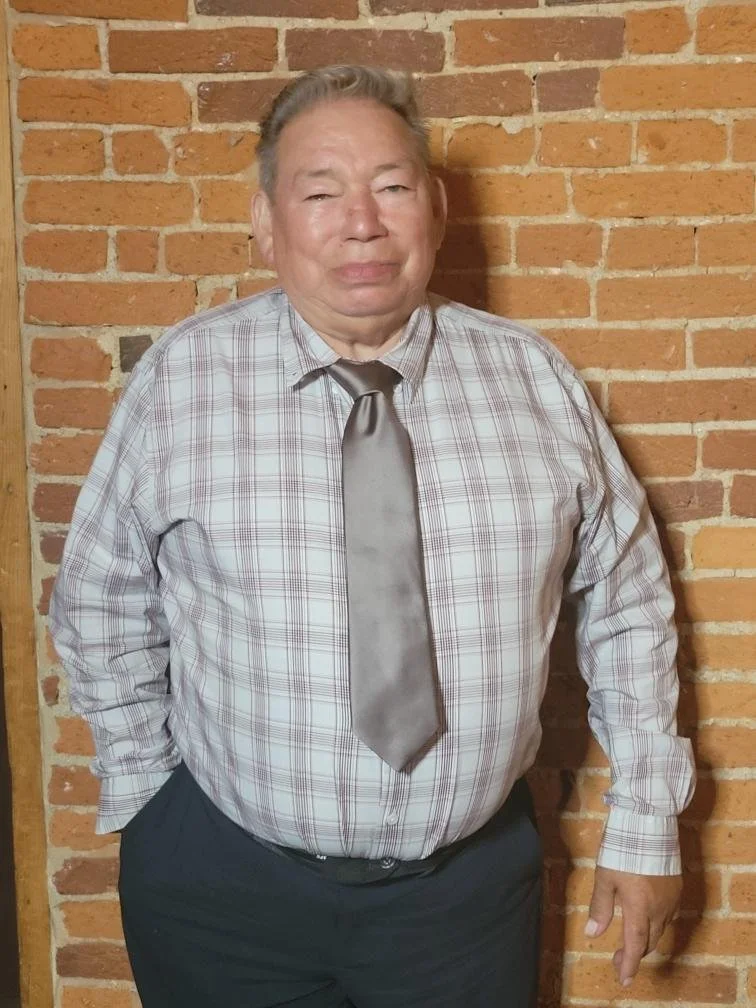
Chuck is a citizen of the Penobscot Nation. In his work duties, he provides oversight to the Nation’s natural resources department.  His background is in Forestry, and he is a UMaine alum who graduated in 2012.  He has worked for the Nation’s natural resources department in various capacities since then.  Though his path has been through forestry, Chuck feels a deep connection to not only the forest, but the animals within it.  When he isn’t in the office you can find him on any one of the various Penobscot territories with his daughter doing anything from collecting shed antlers to hunting moose.

Richard Silliboy

TRIBAL AFFILIATION: Mi’kmaq Nation

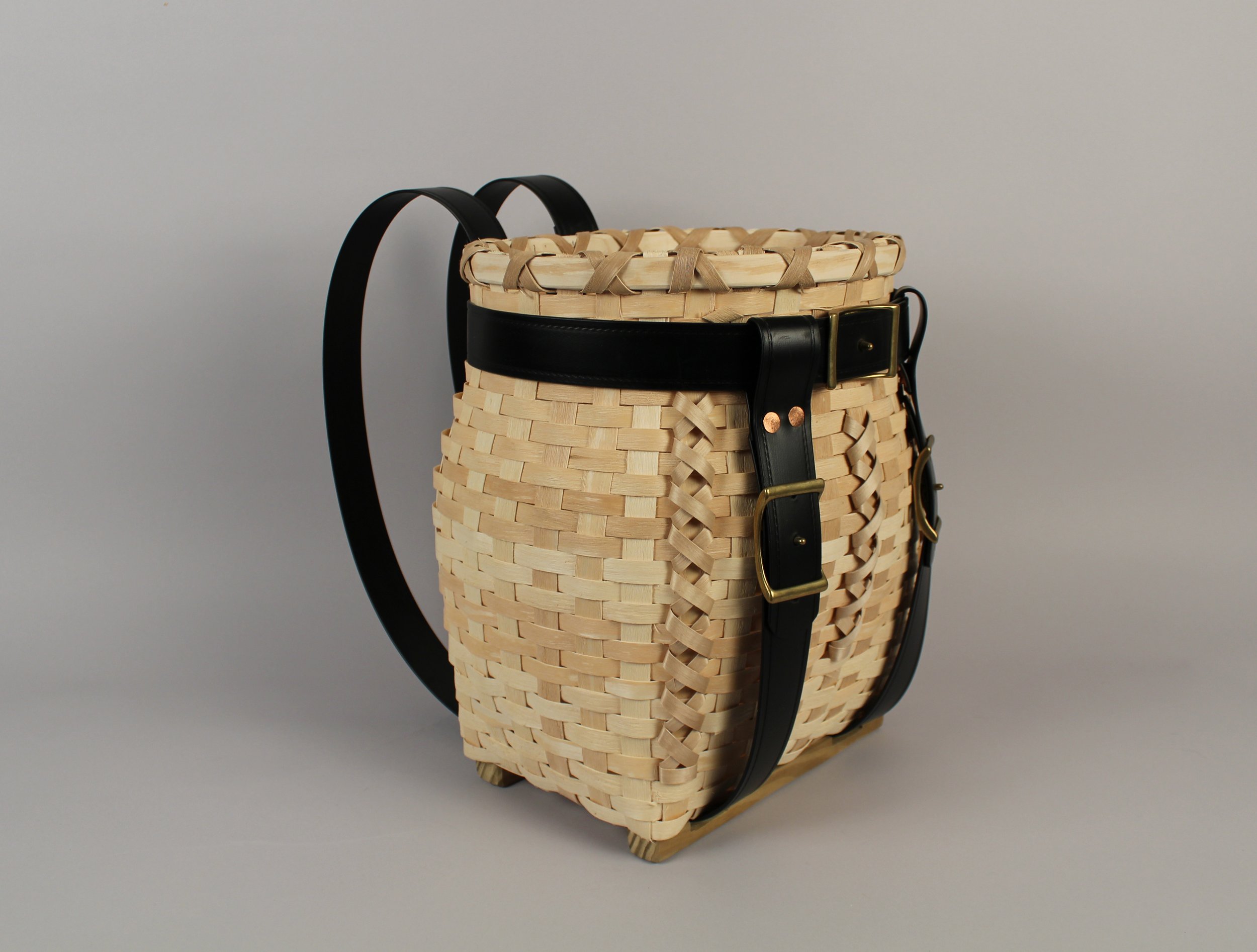
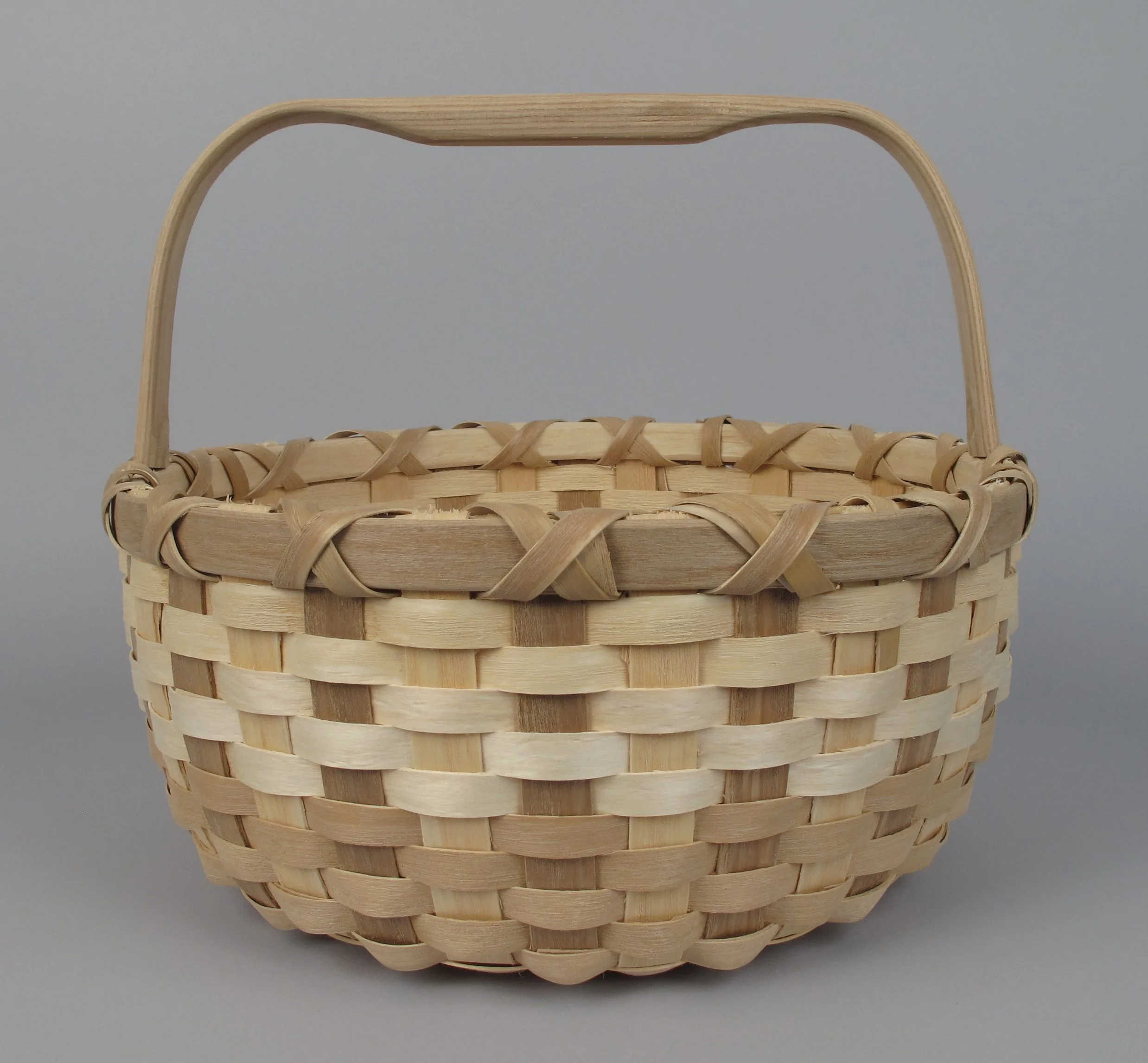
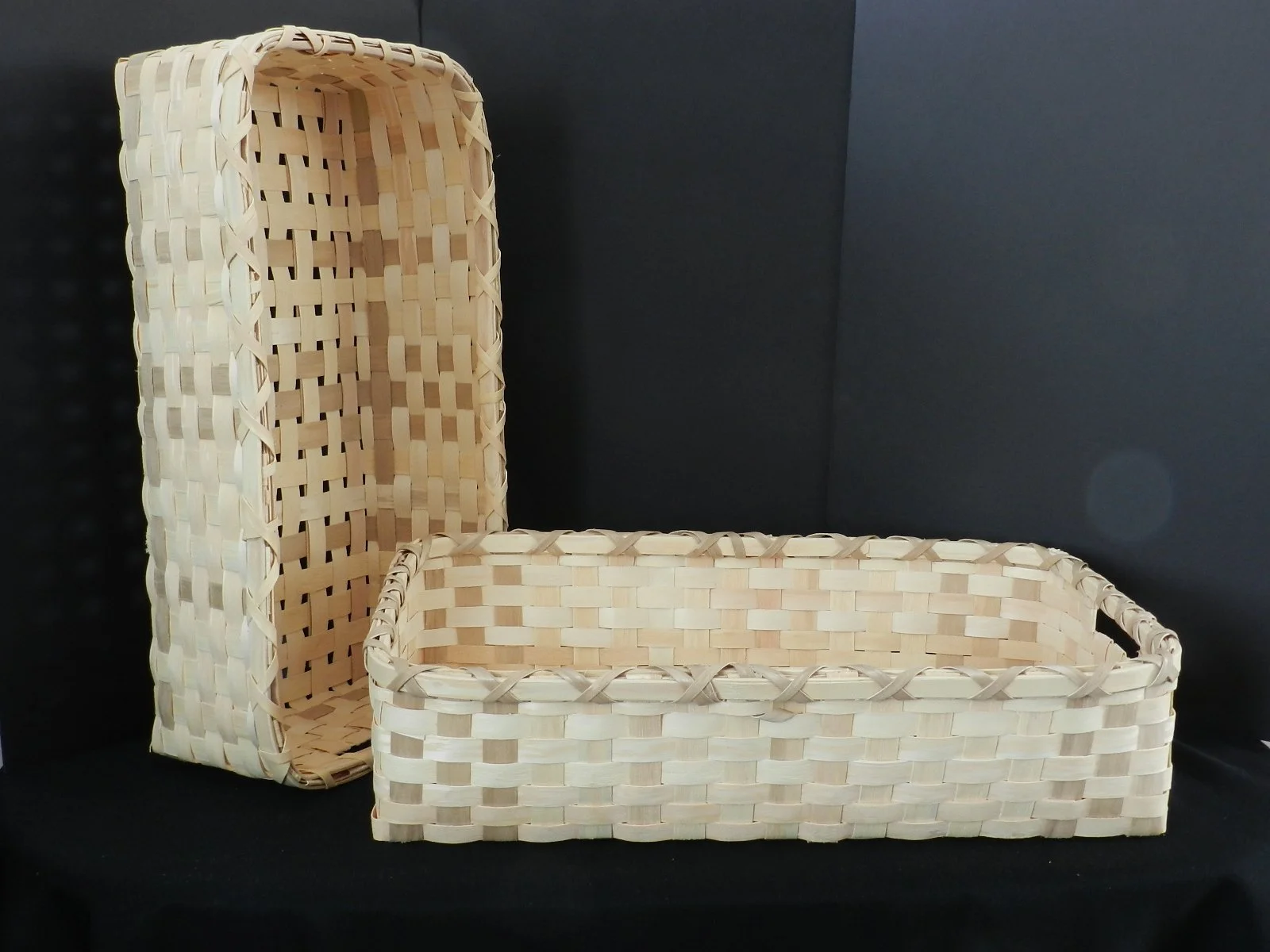
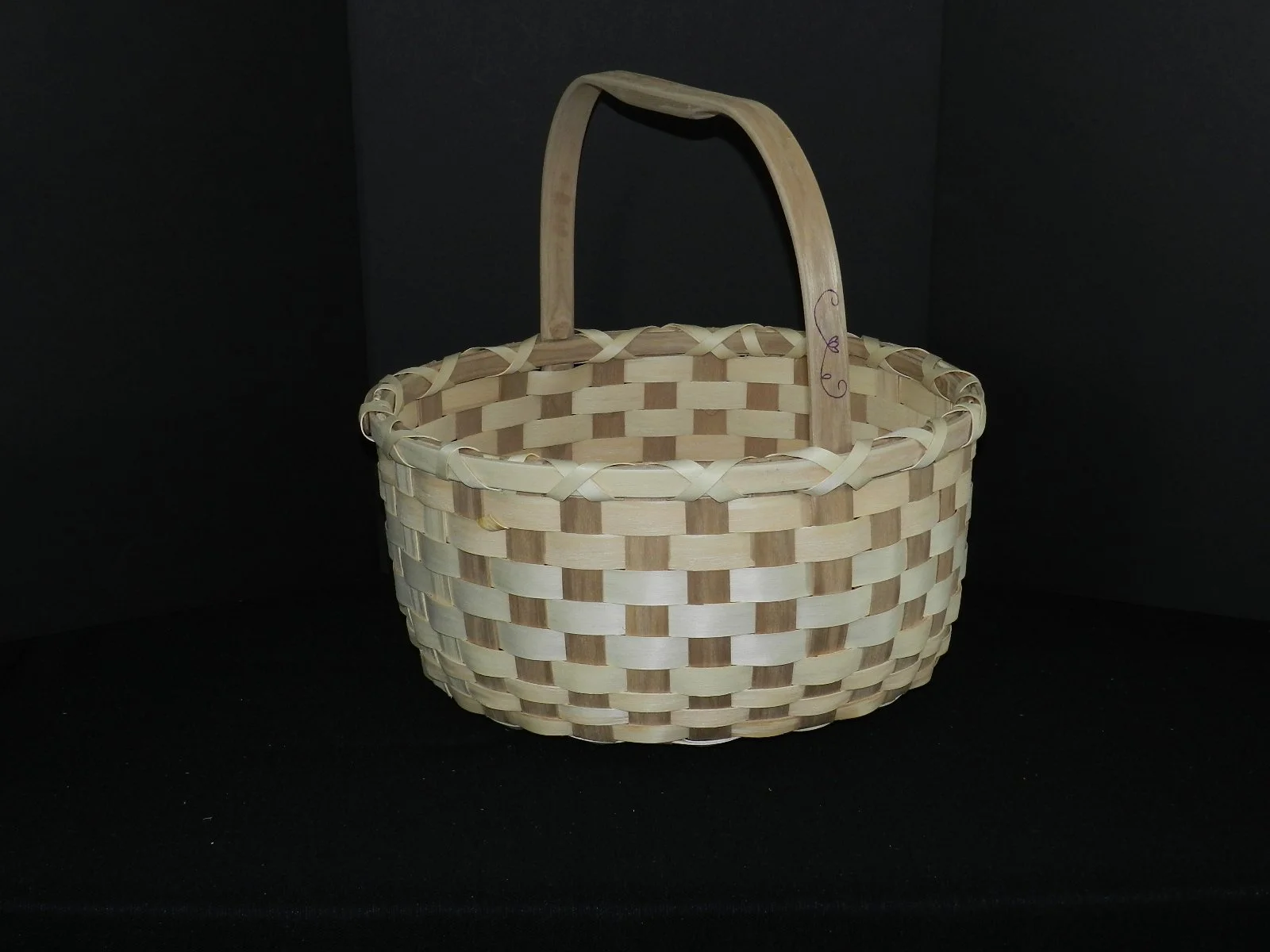
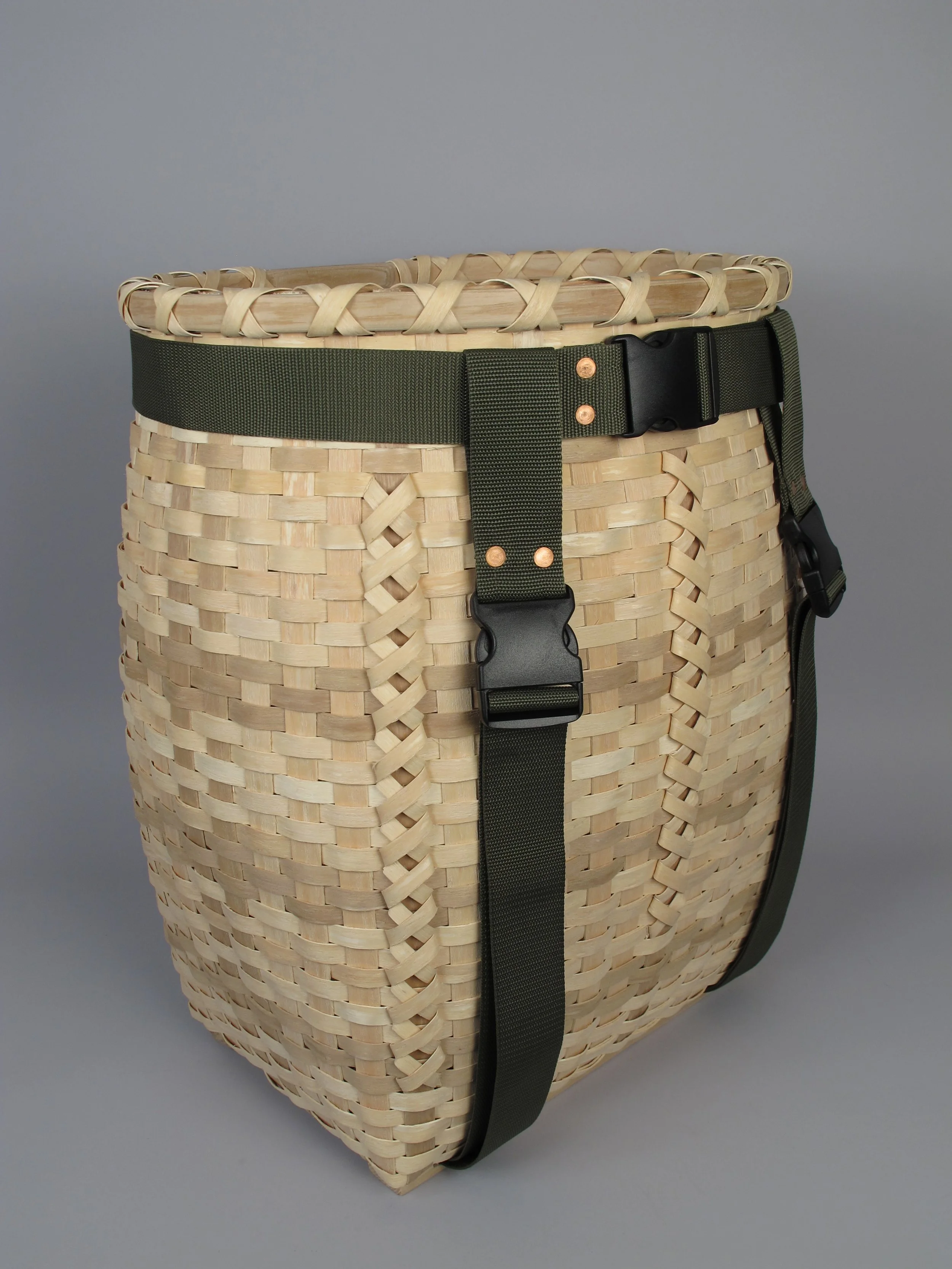
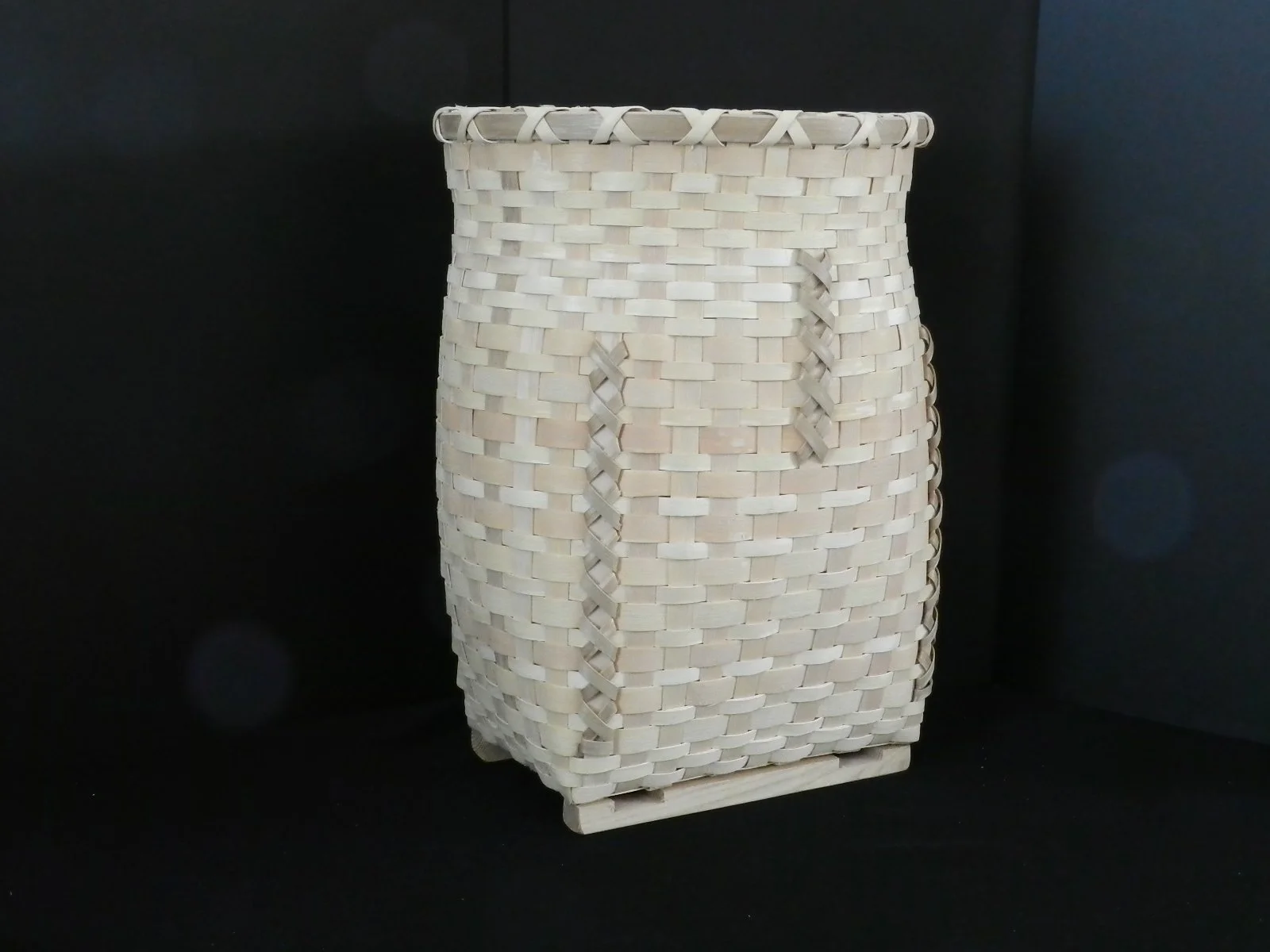
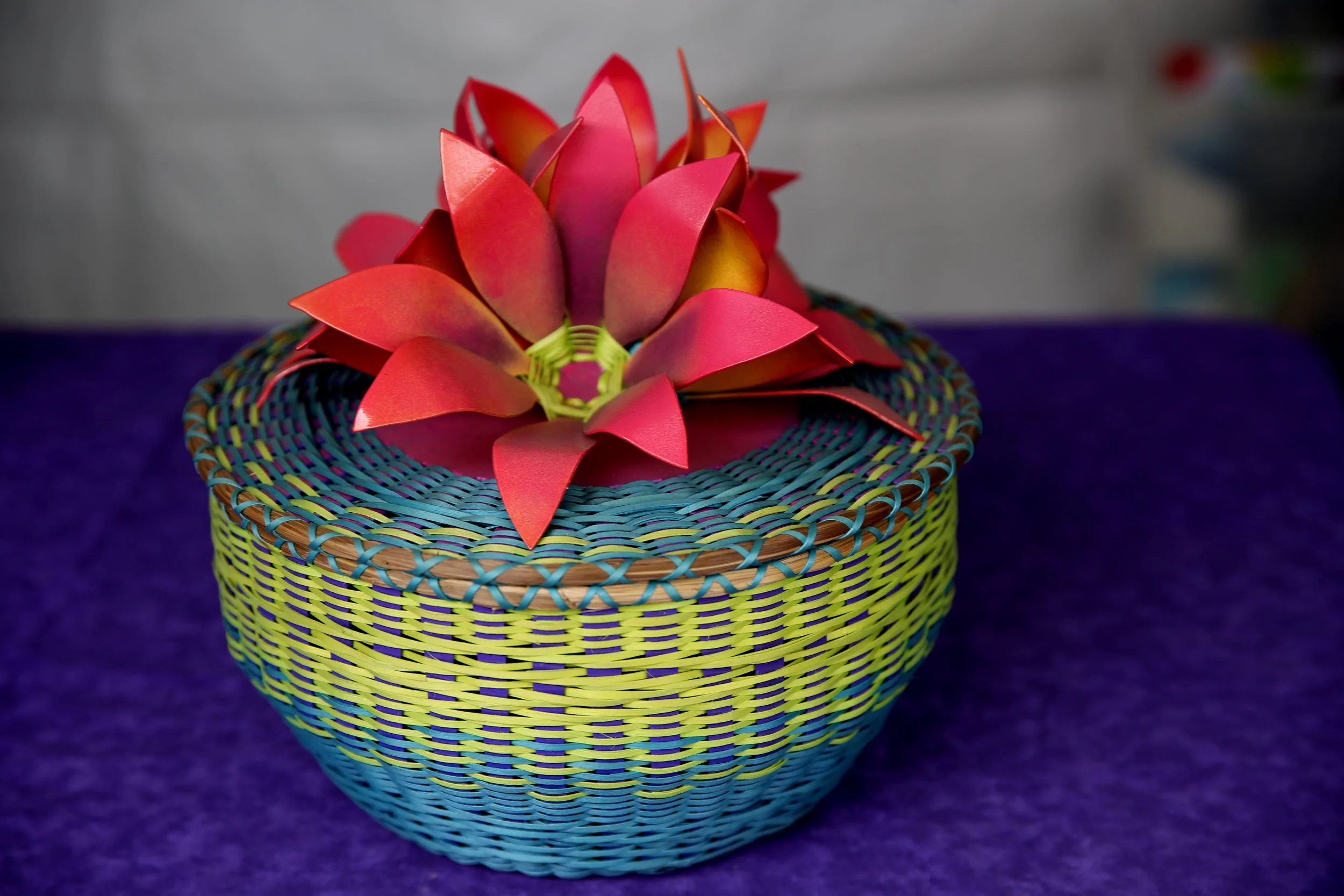
MEDIUM: Basketry - Ash

PANEL: Wabanaki Forestry Futures

ARTIST STATEMENT
Richard Silliboy is a Mi’kmaq basketmaker. He has been harvesting ash and weaving potato baskets, pack baskets, and other traditional styles for decades. Growing up in Houlton, Maine, Richard’s mother taught him basketmaking. Richard often conducts workshops on basketry. He served as the President of the Maine Indian Basketmakers’ Alliance for ten years and now serves on the Board of Directors. He also has made presentations at various conferences about the significance of tribal history and traditions. Richard has been invited to attend various conferences. He is highly respected for his knowledge of brown ash and his concern for the threat of the emerald ash borer, an insect that has decimated brown ash trees in the Midwest.  He has also been asked by the Maine Arts Commission and the Maine Indian Basketmakers Alliance to take on apprentices to learn brown ash basketmaking. Integral to the Micmac culture is the belief in giving back to the Creator, and there has been a tradition among Micmacs who harvest a natural resource to leave something behind after the harvest, such as tobacco or some other item. Richard continues to harvest brown ash trees, and his giving back has taken on an even broader meaning through his willingness to share his knowledge of brown ash basketry with others.