Panelists | Performers | Market Artists
Find market artists and participants another way:
Norma Randi Marshall
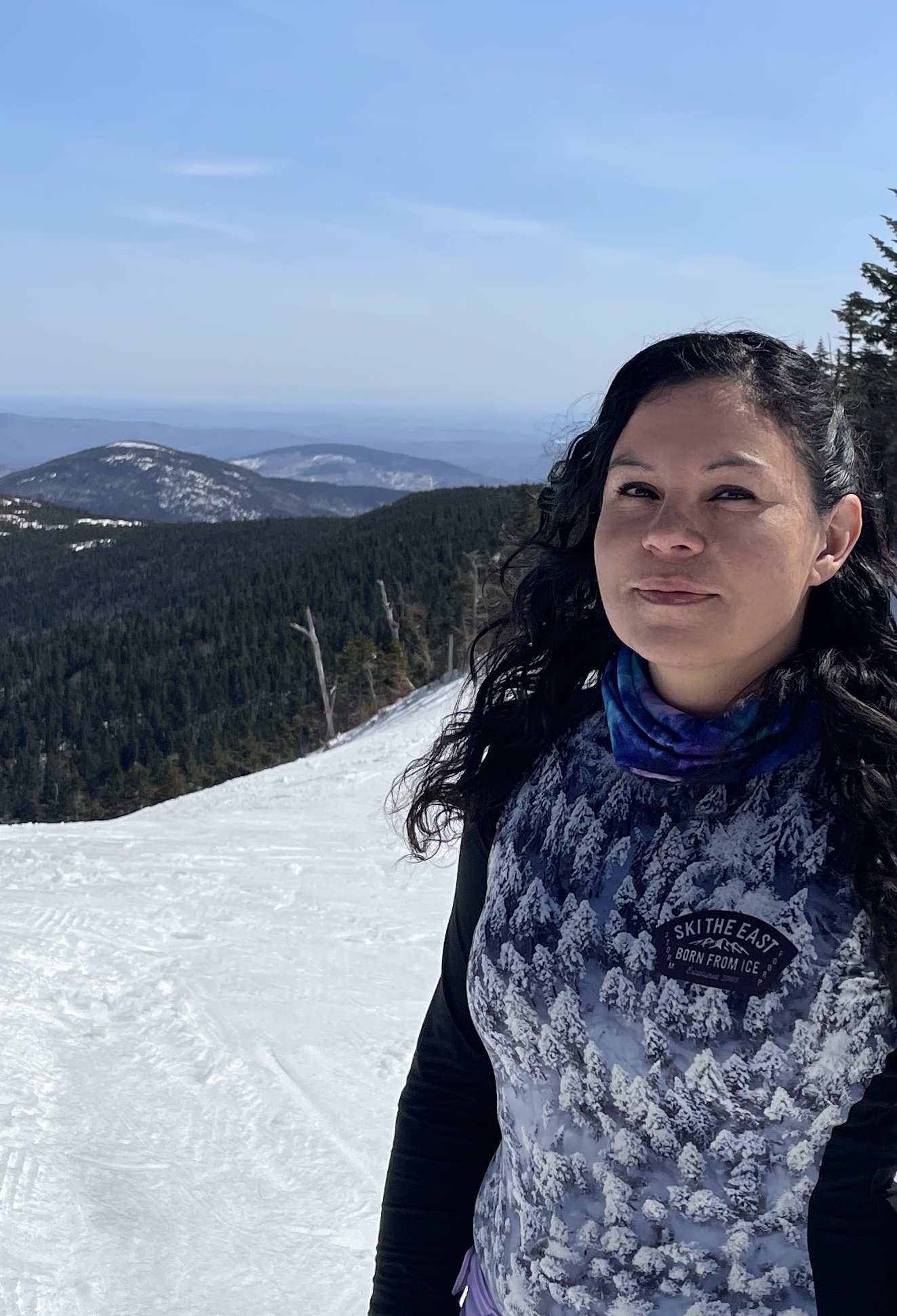
TRIBAL AFFILIATION: Passamaquoddy Tribe
MEDIUM: Painting/Illustration
BIOGRAPHY
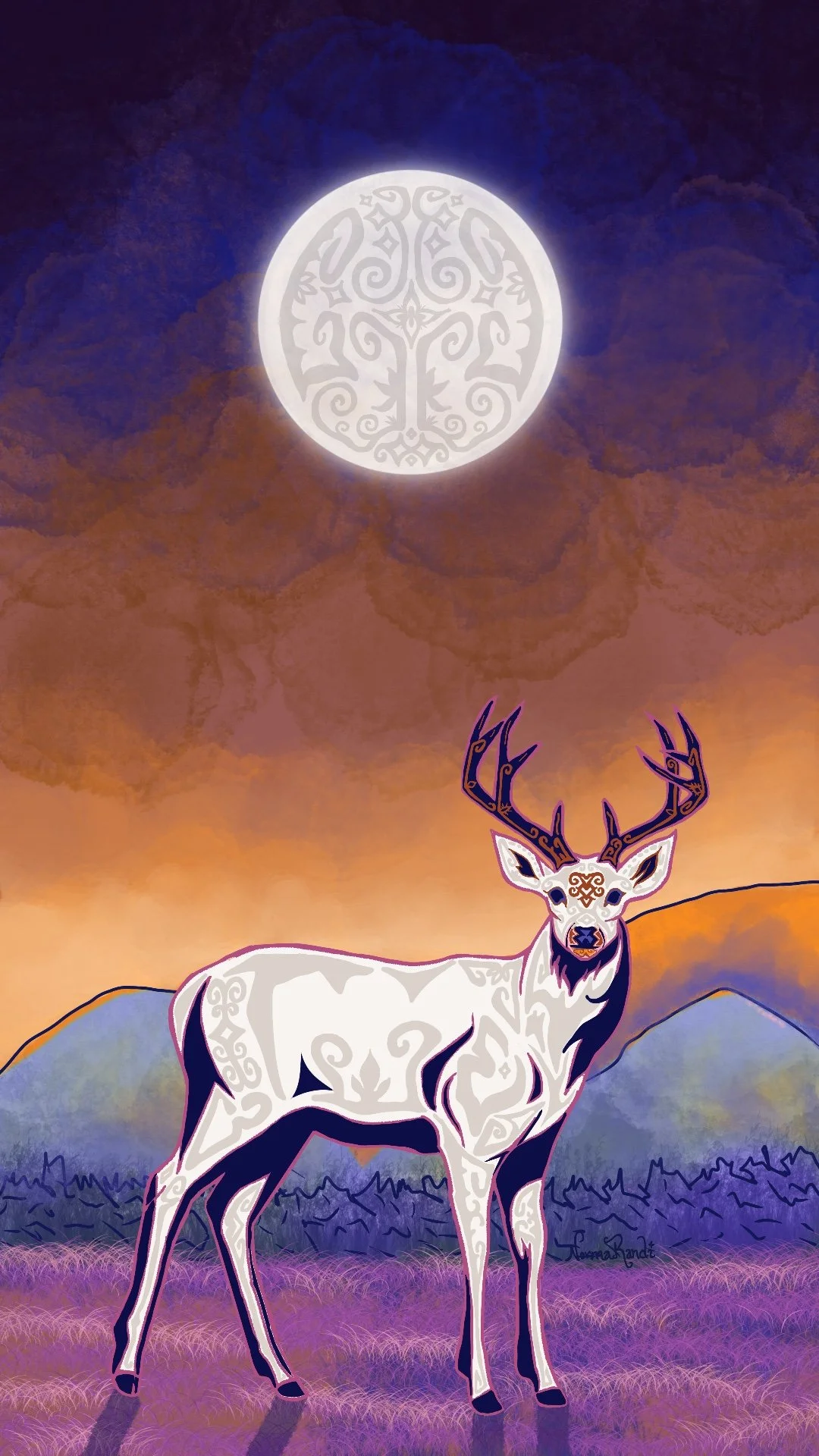
Norma Randi Marshall is a Passamaquoddy artist from Sipayik, where she grew up on the eastern coastal edge of Maine, Peskotomuhkatikuk, and still lives in this rural area to this day.
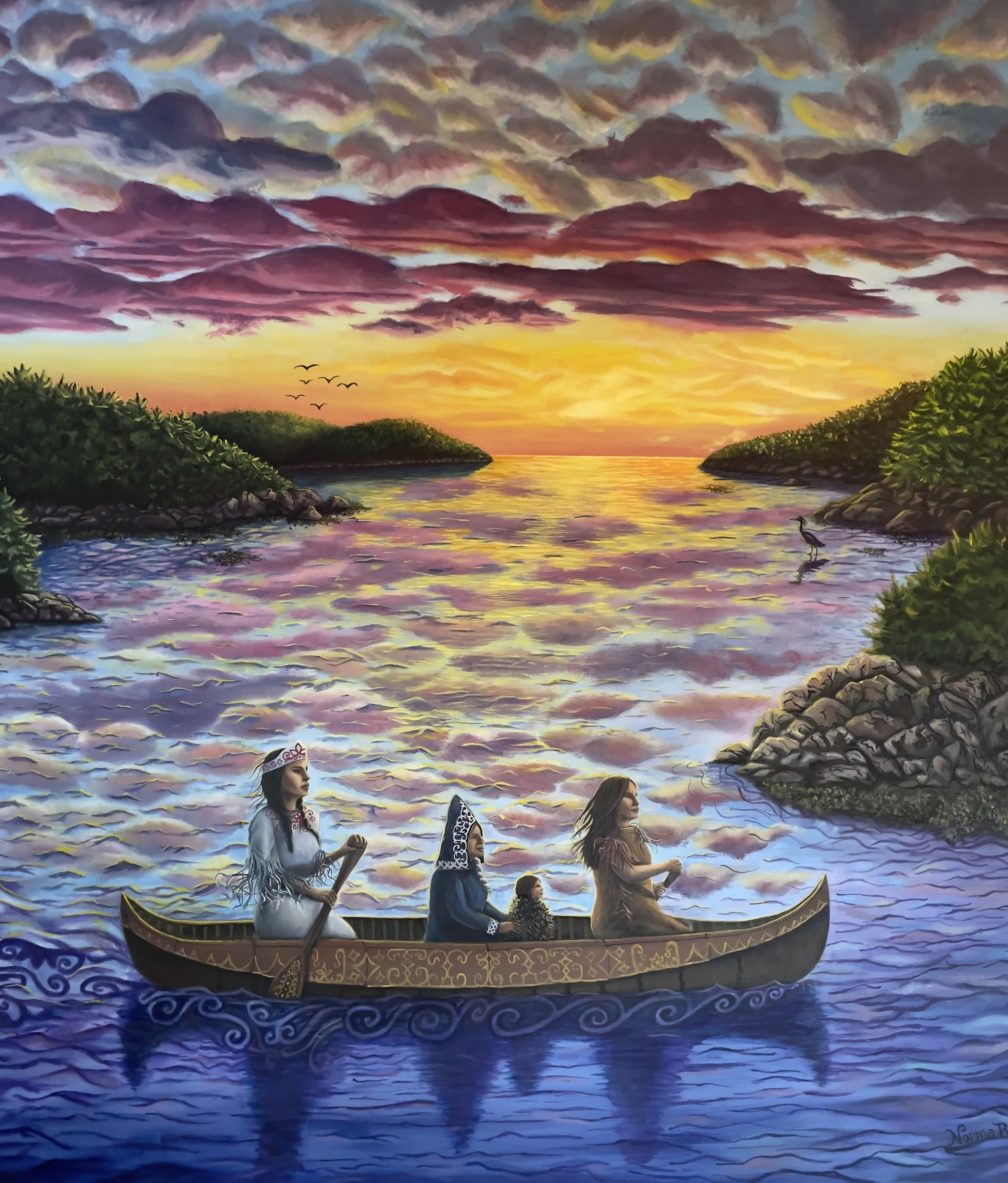
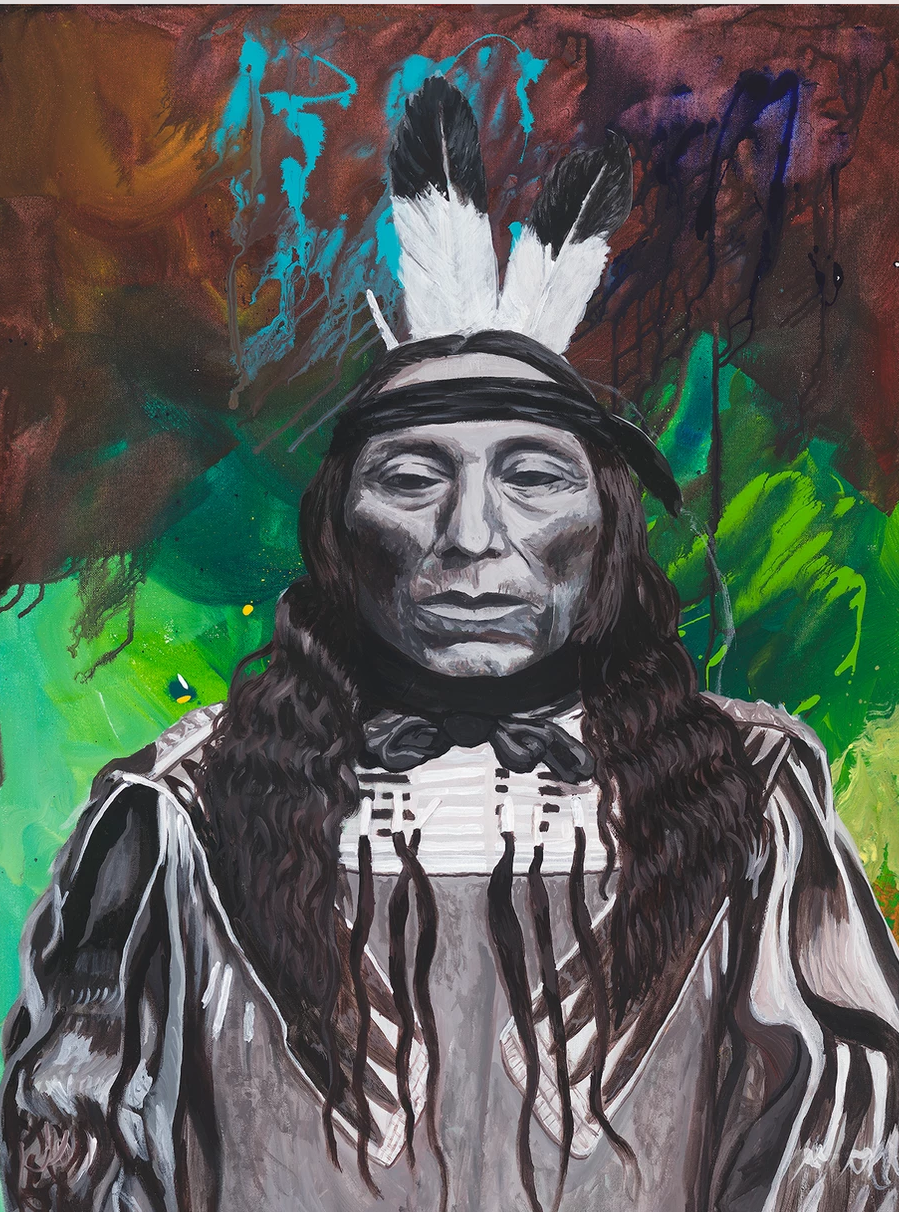
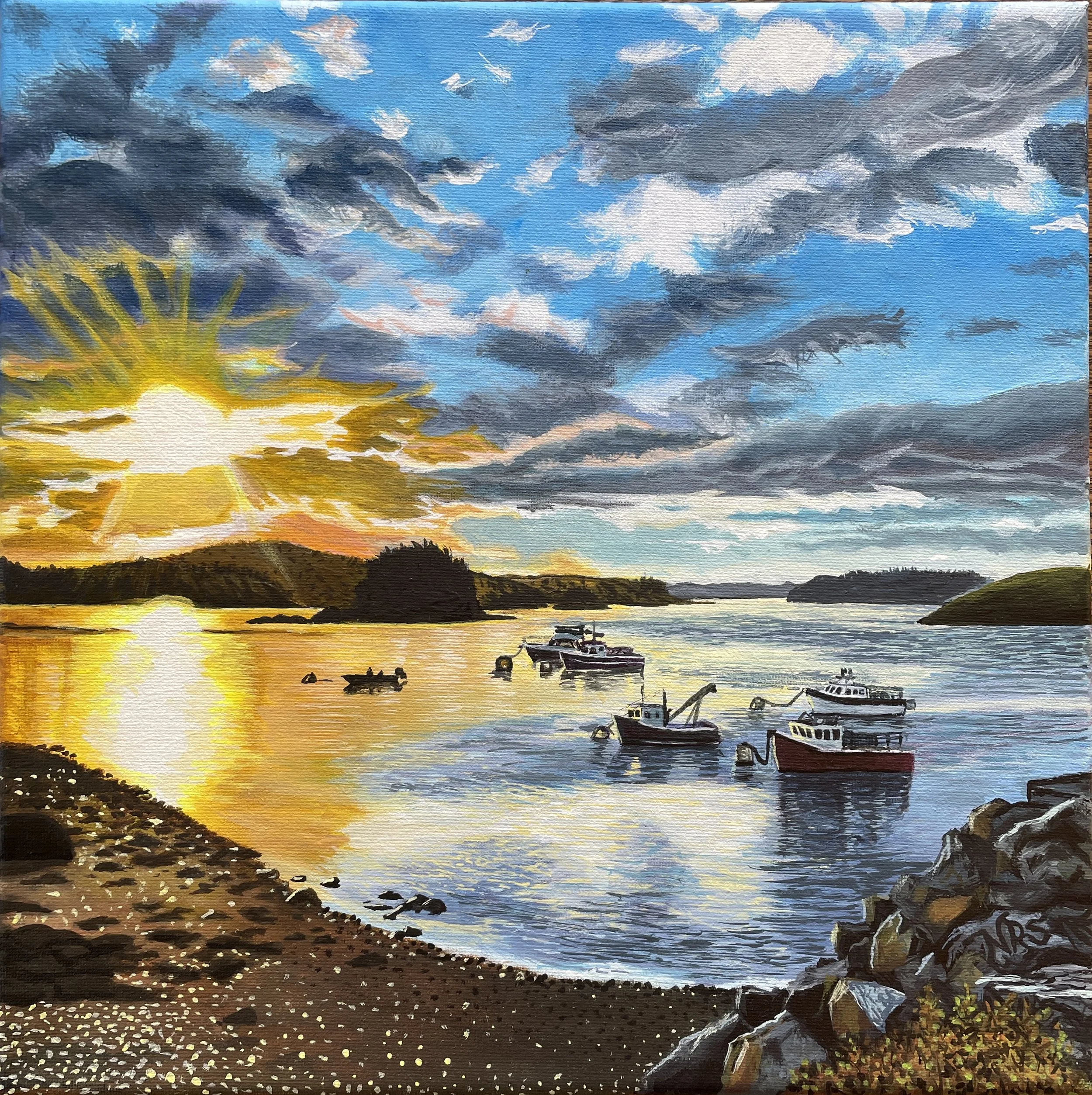
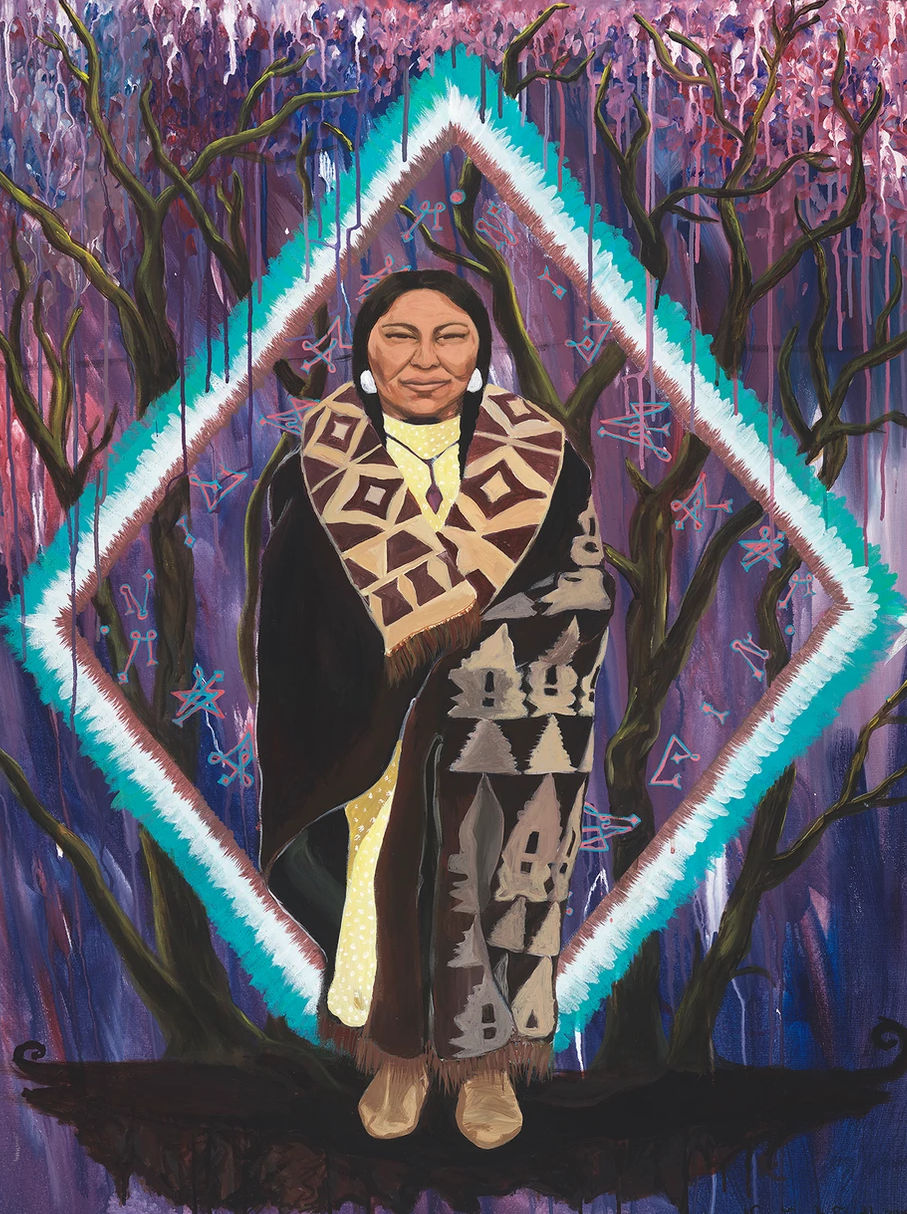
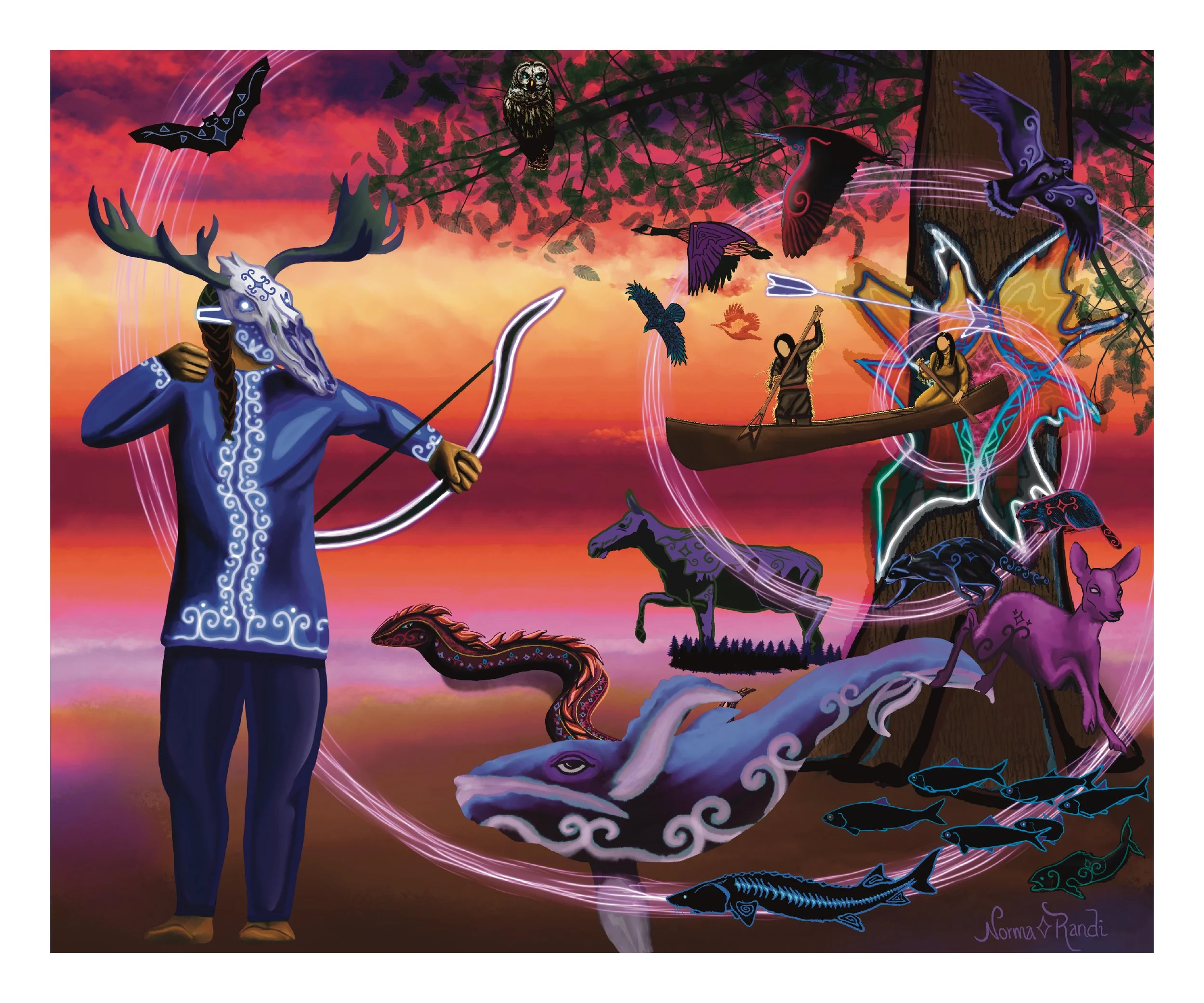
She is known for her large oil landscapes that depict the rugged beauty of downeast, her digital artwork, and other creations that reflect her life, heritage, and connections to Wabanakik.
Norma attended the University of Maine at Machias where she received her Bachelor’s Degree in Interdisciplinary Fine Arts with a focus on painting. Her style is inspired by traditional art found within her culture, contemporary Northeastern Indigenous artists, and Western realism.
Her artwork has been featured at the Farnsworth Museum in Rockland, Maine, the Coastal Maine Botanical Gardens, The Maine State Capitol and more. She has works in the Abbe Museum’s permanent collections in Bar Harbor. She illustrated the children’s book “Gluskabe and the gift of Maple Trees”. One can also see her collaborative signage work highlighting Wabanaki history and values where it is connected to the land at the Erickson Fields in Rockport as part of the Maine Coast Heritage Trust sites, the Town of Yarmouth at their Sipuhsisuwi Kcihq - Riverfront Woods Trails, at Hog Island in Bremen and at the Puffin Project Visitor Center in Rockland, Maine.
Artist Statement
Norma Randi’s rich indigenous heritage background is the foundation for her artwork. With deep connections to the rugged coast and interior landscapes of Wabanakik around her, she paints the lands her ancestors traversed for many millennia while also considering the the lives they lived, culturally, spiritually, and physically as they navigated and coexisted with the natural world around them.
She uses her art as a form of connection and learning about her heritage, researching history that has been buried by oppression and assimilation while also learning through her kin and community. Her landscapes have a spiritual connection, providing the presence that this land once knew of her people.
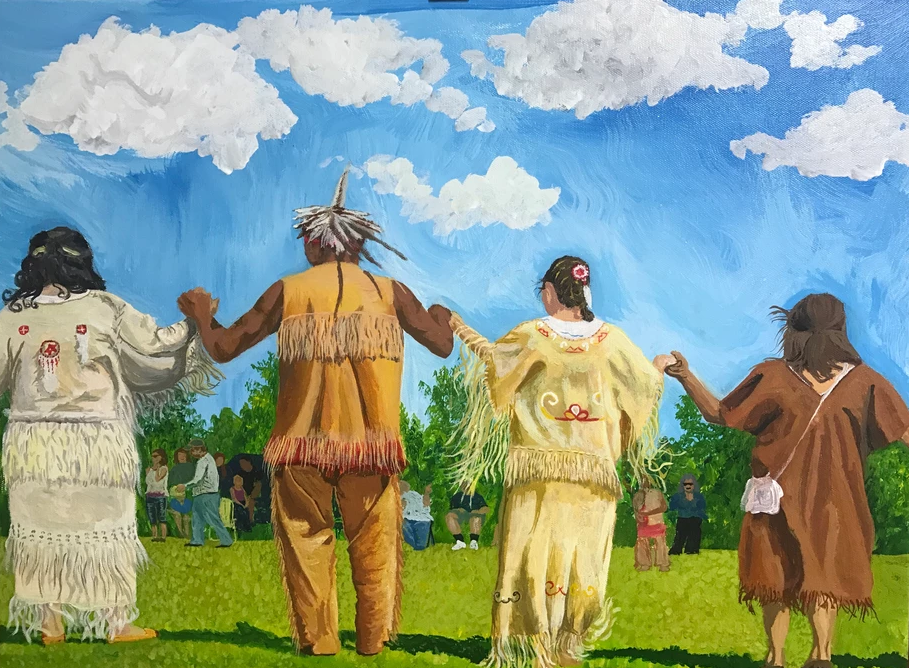
Her other artwork is also used for teaching people about the Wabanaki Nations; their cultural connections to the land they’ve always inhabited and the shared responsibilities to the beings, waterways, and land we all call home. Overall, her artwork provides a healing effect to overcome the genocidal and traumatic experiences in her ancestral genetic code while also bringing pride and inspiring optimism contemporarily for those who who feel the weight of colonialism within her communities.
Connect with Norma
Deborah Spears-Moorehead
TRIBAL AFFILIATION: Seaconke Pokanoket Wampanoag Tribal Nation
MEDIUM: Painting, music,
ARTIST STATEMENT
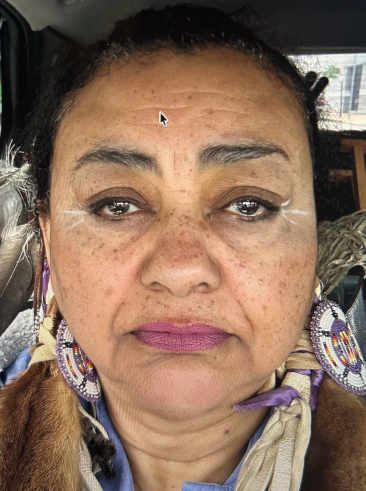
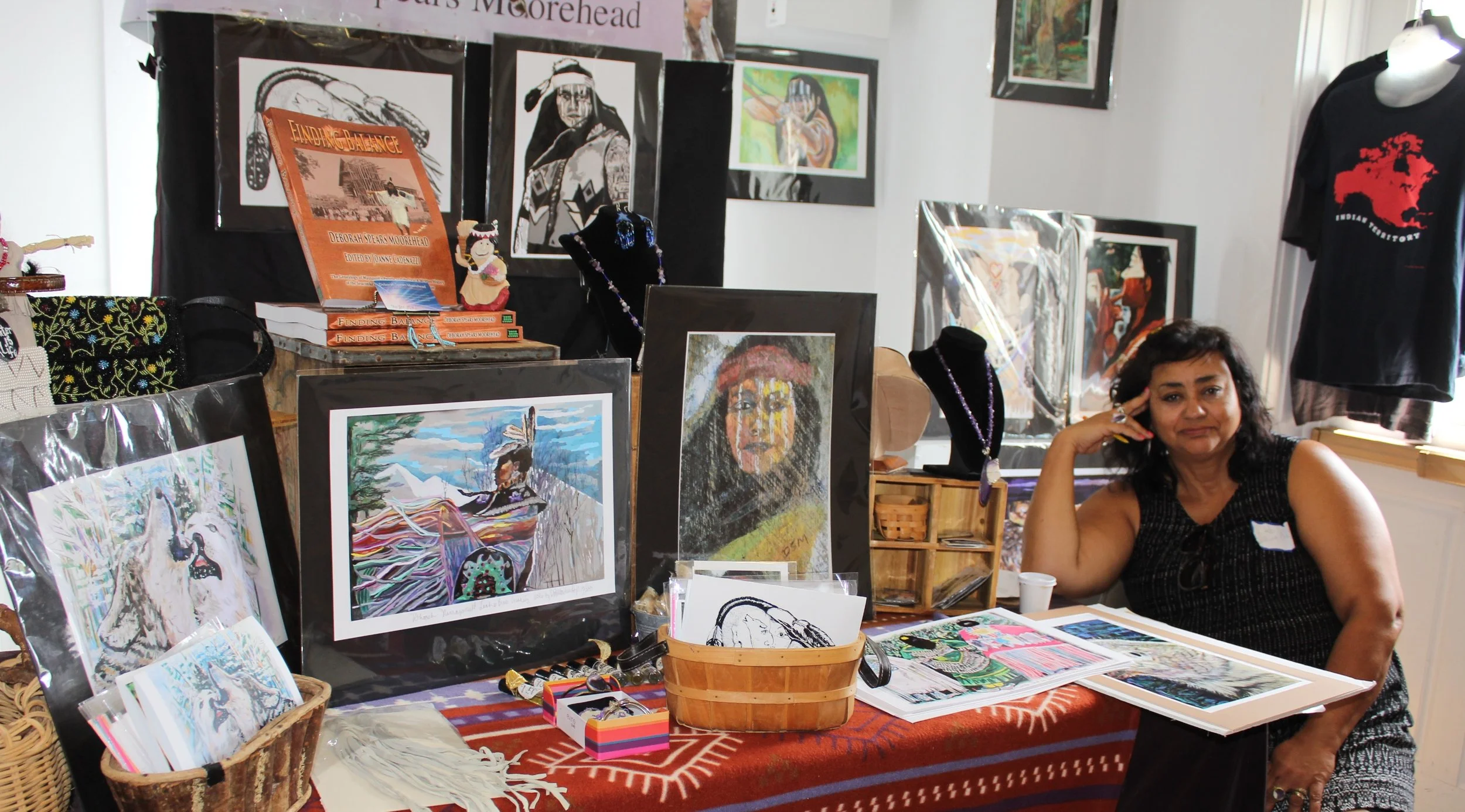
Deborah Spears Moorehead is an award-winning, internationally recognized Native American Fine Artist. She earned a Master of Arts in Cultural Sustainability from Goucher College in 2013 and a Bachelor of Fine Arts in Painting and Sculpture from the University of Massachusetts in 1981. She also attended continuing education courses at Rhode Island School of Design, Brown University and Rhode Island College. .Deborah is a published Author and Cultural Bearer of Traditional Storytelling and Eastern Woodland Native American Music.
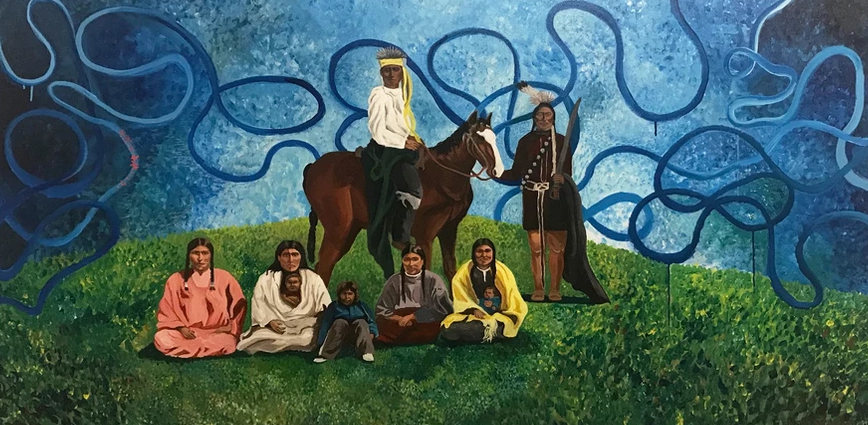
She is the owner and Director of Painted Arrow Studio, Talking Water Productions, and a founding member of Nettukkusqk Singers. All of her artistic expressions, literature, and music performances serve to recover, educate, assert, promote, value, and validate the identity of the past, present, and future generations of Eastern Woodland Tribal Nations. Her creative expressions, which include paintings, murals, music, lectures, sculptures, clothing, and greeting cards, have been featured in museums, magazines, and galleries all over the world. Each piece I create tells a unique story. inspired by my people, our culture, and our homelands. In 2014, Deborah authored the books "Finding Balance: The Oral and Written History and Genealogy of Massasoit's People,” published by Blue Hand Books, and "Four Directions at Weybossett Crossings.” In 2019, her book “Finding Balance” is a Native American-inspired reflective recovery of the systematic erasure of Eastern Woodland Native American people. It emphasizes and responds to the unbalanced, overly biased version of educational curricula taught as the History of the United States. In 2025, the International Society of Ethnology and Folklore invited Deborah to present her paper at their conference at the University of Aberdeen. Scotland..” Currently, Deborah is a”2022-2026 “Distinguished Scholar and Artists in Residency"at Bunker Hill Community College, Boston.
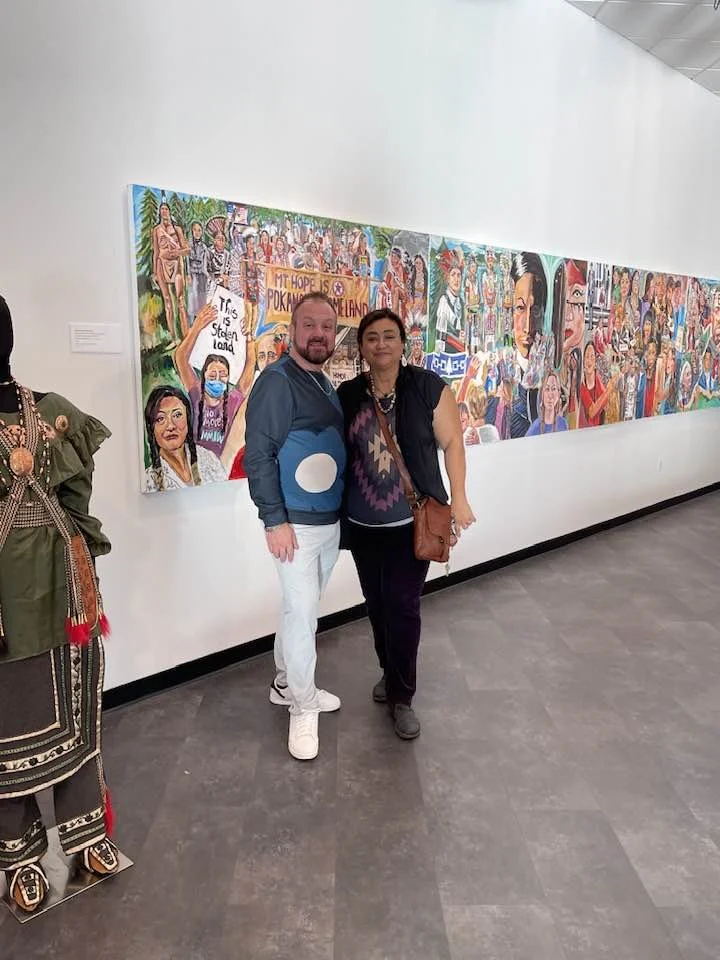
Debrah Spears Moorehead is a Massachusetts State Recognized Enrolled Member of The Seaconke Pokanoket Wampanoag Tribal Nation. She is a direct descendant of many Eastern Woodland Native American tribal leaders. One notable ancestor is Ossamequin, who was the Massasoit (Great Leader) of the Pokanoket Wampanoag Confederation in the seventeenth century. His significant role in U.S. history includes entering into a peace agreement and treaty in 1620 with the lost and starving Pilgrim colonists, with whom he saved their lives. Additionally, this connection extends to Roger Williams, the founder of Rhode Island. Her most recent project, titled "Fighting For Freedom,” commemorates the contributions of Native Americans, African Americans, and men of mixed ethnicities, who saw enlisting on the colonists' side in the Revolutionary War as an opportunity to gain their freedom from the men and society that enslaved them. The “Fighting For Freedom Project” includes a mural, a coloring book, panel discussions, and a music composition. Also in 2025, the US Department of Fish and Wildlife Service Northeast Regional Office in Hadley, MA. exhibited Moorehead’s solo art show. Gather Rhode Island commissioned Deborah for two portraits for their gallery’s permanent collection. In 2024, Deborah retired from working for the Mashantucket Pequot Tribal Nation, where she had been employed for over thirty years. Her original painting, “Granny Squant, “won the 13 Moon exhibit, Art Award from the Mashantucket Pequot Tribal Nation. “ The Quinnipiac Museum of Guilford, Connecticut, at Dudley Farm, procured two paintings from Moorehead in 2022, and the Pocumtuck Memorial Museum purchased an original mural titled "Fifty Mishoonash " for their permanent collection. The image of Fifty Mishoonash traveled to forty-nine educational institutions to educate on the history of the region. In 2024, Deborah illustrated the cover design for Dr. Drew Lopenzina's forthcoming book about a historic Pequot Wampanoag named William Appes. In 2022/23, Deborah was the Fitts Family Grant recipient and Artist in Residency at The John Nicholas Brown home, which houses the Humanities Department of Brown University. During the 2021 pandemic, she created two murals: a community mural for the Collective Museum in Wakefield, R.I., and another for the Nolumbeka Project in Turner Falls, MA. In 2020, the Tomaquaug Museum honored her with a Princess Redwing Art Award. Also, in 2020, she collaborated with Artist Alison Newsome on a sculpture for the Culture and Tourism Department for the City of Providence, PVD festival. "The Three Sisters Sculpture" was procured by the New England Historical Society. and make its permanent home at Casey Farm in Narragansett, R.I.
In 2018-2021. Moorehead was also awarded a Folk Art Master Apprentice Grant through the Rhode Island State Council for the Arts to teach a mentee traditional Native American music. At this time, she painted two murals in Providence: a 16-foot Land Acknowledgment Mural on the bridge on Cypress Street, commissioned by a Community Health Initiative Grant through Brown University, and the Providence Preservation Society funded the second mural. Her rendered color pencil drawing " Whoosh " won the Art Contest award for the National Congress of American Indians in 2015. The Rhode Island State Council for the Arts honored Moorehead with a Community Leadership Award. In 2013.-her painting, Good Energy, was displayed in Congressman David Ciciline's office. In 2012, the University of Rhode Island honored her as a "Woman of Distinction. In 2005, she won the "Youth Mural Award "from the National Museum of the American Indian Smithsonian Institute.
David Lonebear Sanipass

TRIBAL AFFILIATION: Mi'kmaq Nation
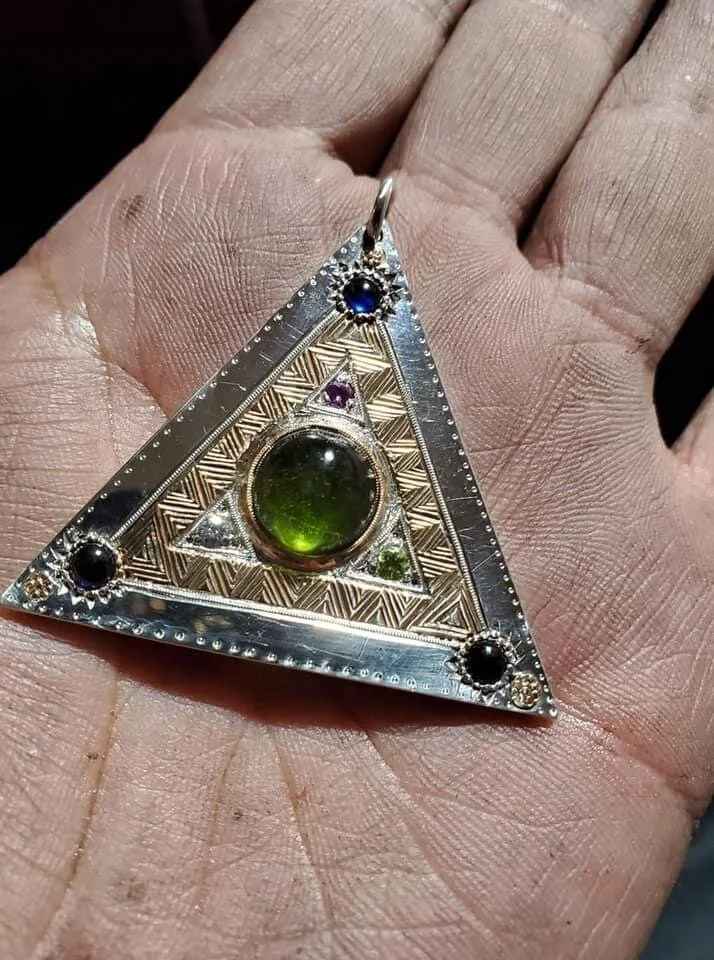
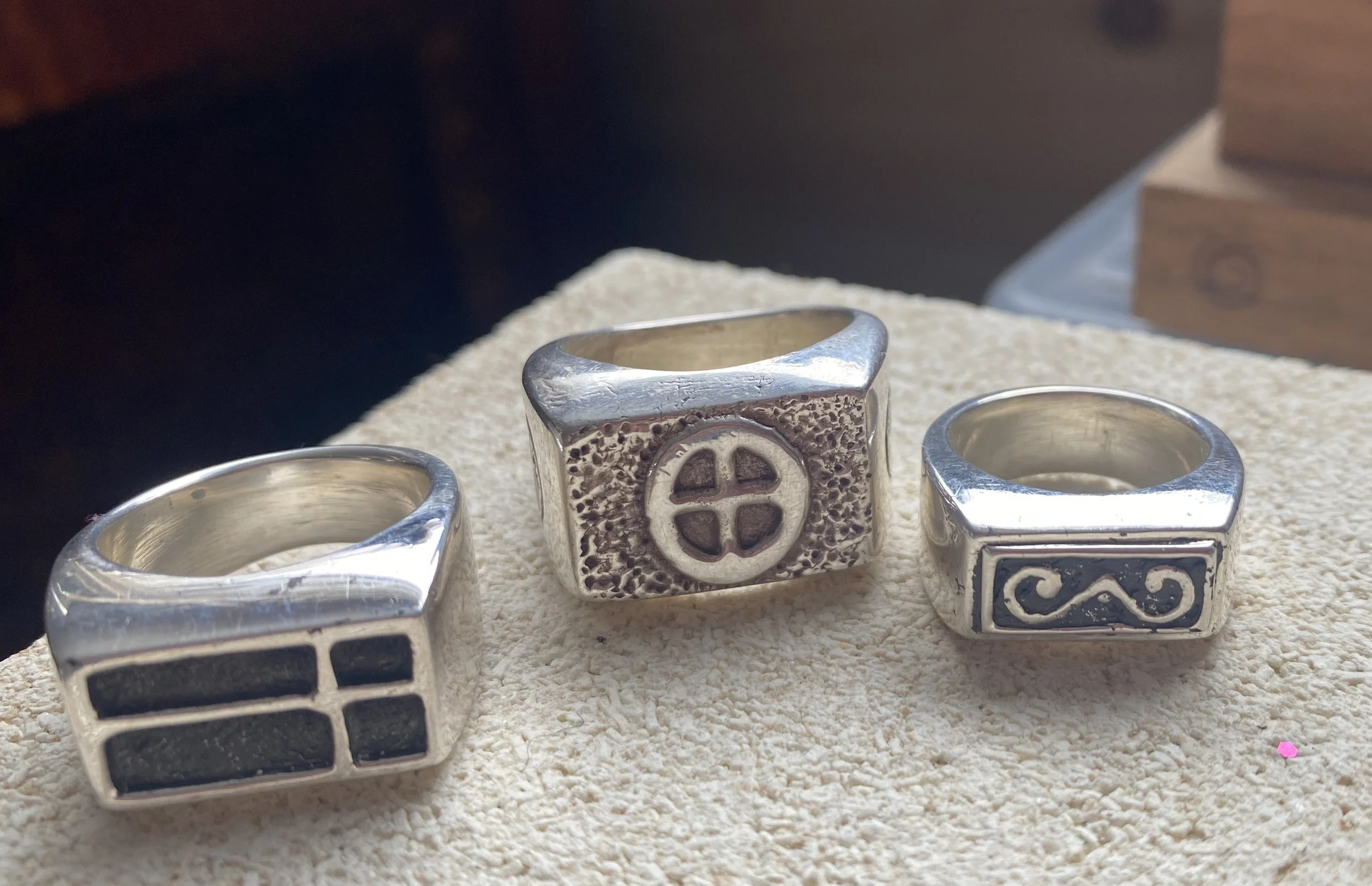
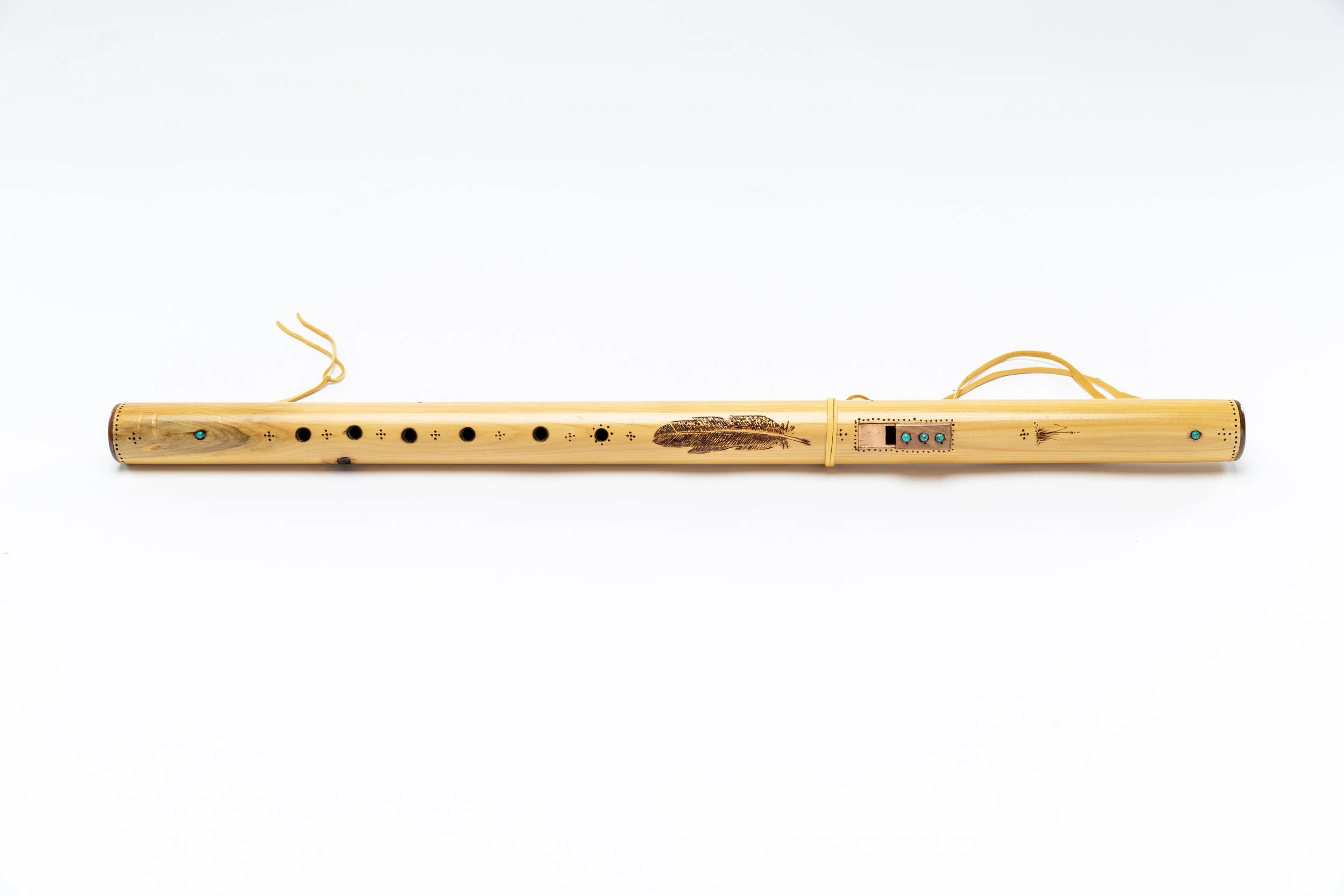
MEDIUM: Painting; Jewelry; Woodwork
ARTIST STATEMENT
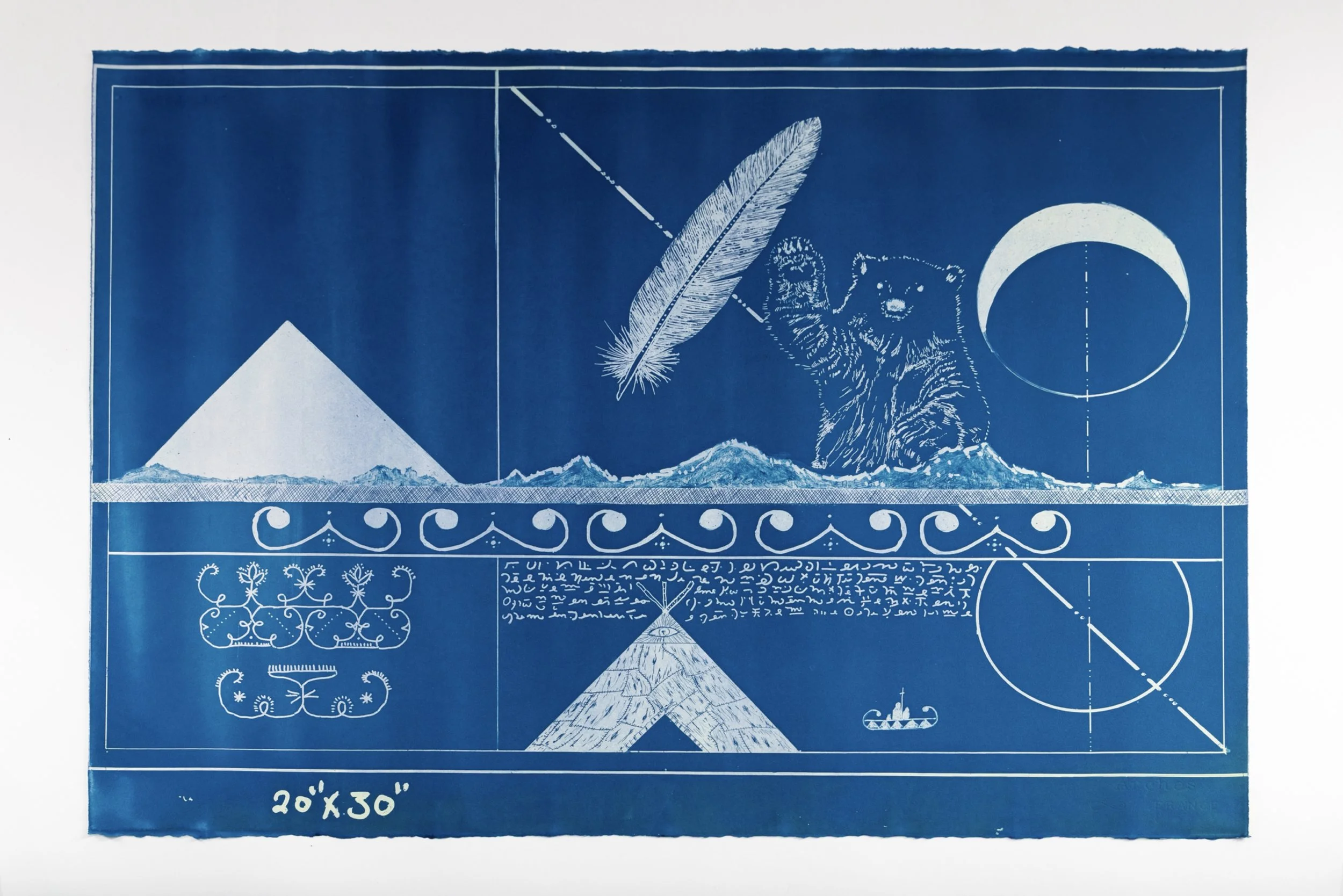
My name is David Lonebear Sanipass, I grew up in northern Maine. I am from the Mi’kmaq Nation. I am a carver, make flutes, I paint and sketch. As an artist you want to be able to represent your art. I find the best way is to be able to talk about what it means. Some of what I do is so intricate you’re not really looking at what it means. The representation has been lost through interpretation. Part of the beauty isn't appreciated because it doesn’t speak to you. We have found a way for my art to speak with you, to come from my spirit, so it can be better appreciated and you will know more where I am coming from.
Connect with David


Carolyn Anderson
TRIBAL AFFILIATION: Houlton Band of Maliseet Indians
MEDIUM: Painting/Illustration
ARTIST STATEMENT:
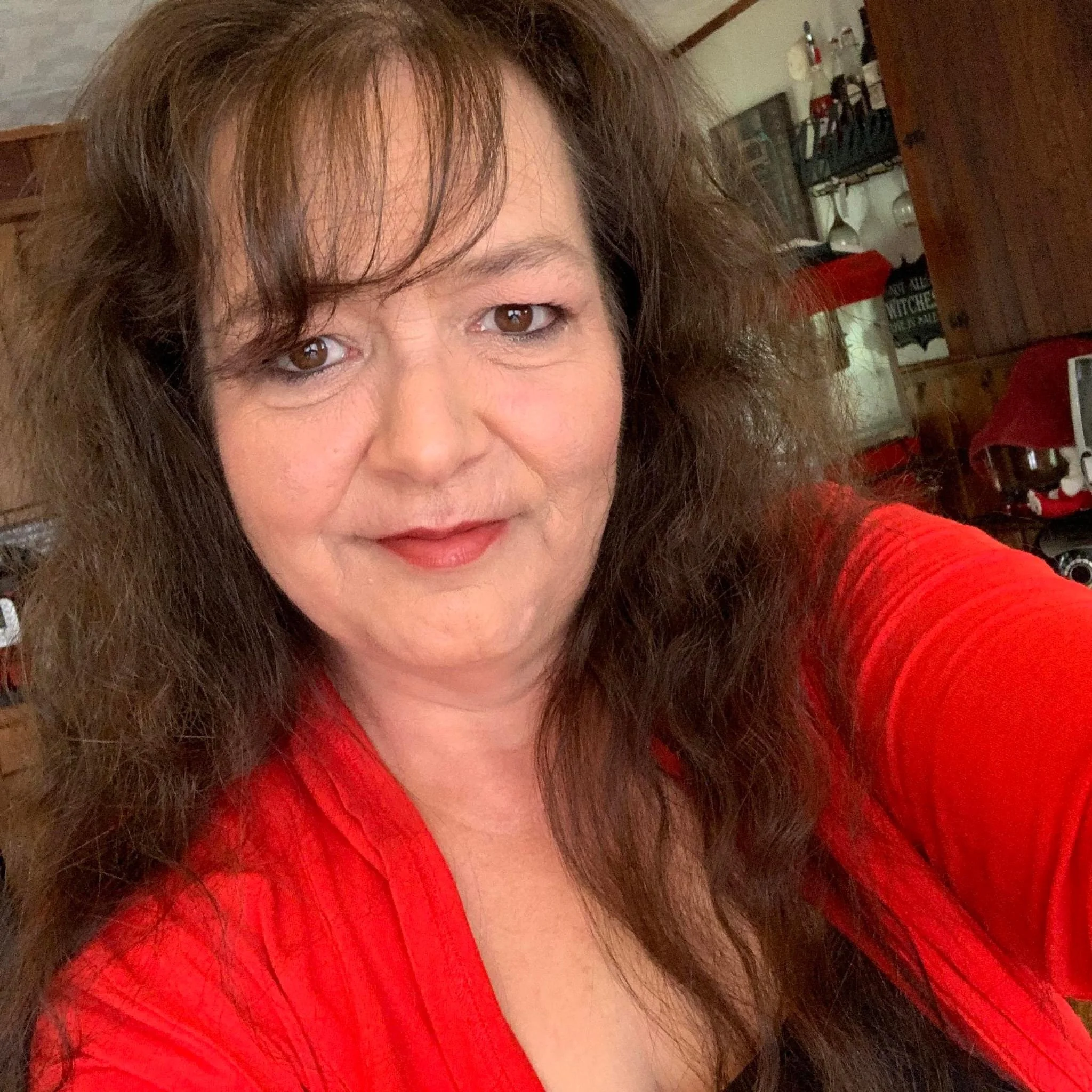
Carolyn is a visual artist living in Houlton, Maine. Carolyn is a 2013 graduate from the University of Maine at Presque Isle where she received a Bachelor of Fine Arts with painting and photography concentrations, as well as a Bachelor of Arts in Art Education.
Carolyn started out with a desire for photography and fell into a love for painting. Her medium of choice is acrylics but at times using other mediums as well. Inspiration for her work comes from her hometown, nature and her tribe The Houlton Band of Maliseet Indians.
Carolyn currently has work available for sale at the Abbe Museum, Bar Harbor, The Pines Grill in Monticello and The Wolastoq Inn in Houlton.