Panelists | Performers | Market Artists
Find market artists and participants another way:
Benjamin Labobe
TRIBAL AFFILIATION: Mi'kmaq Nation
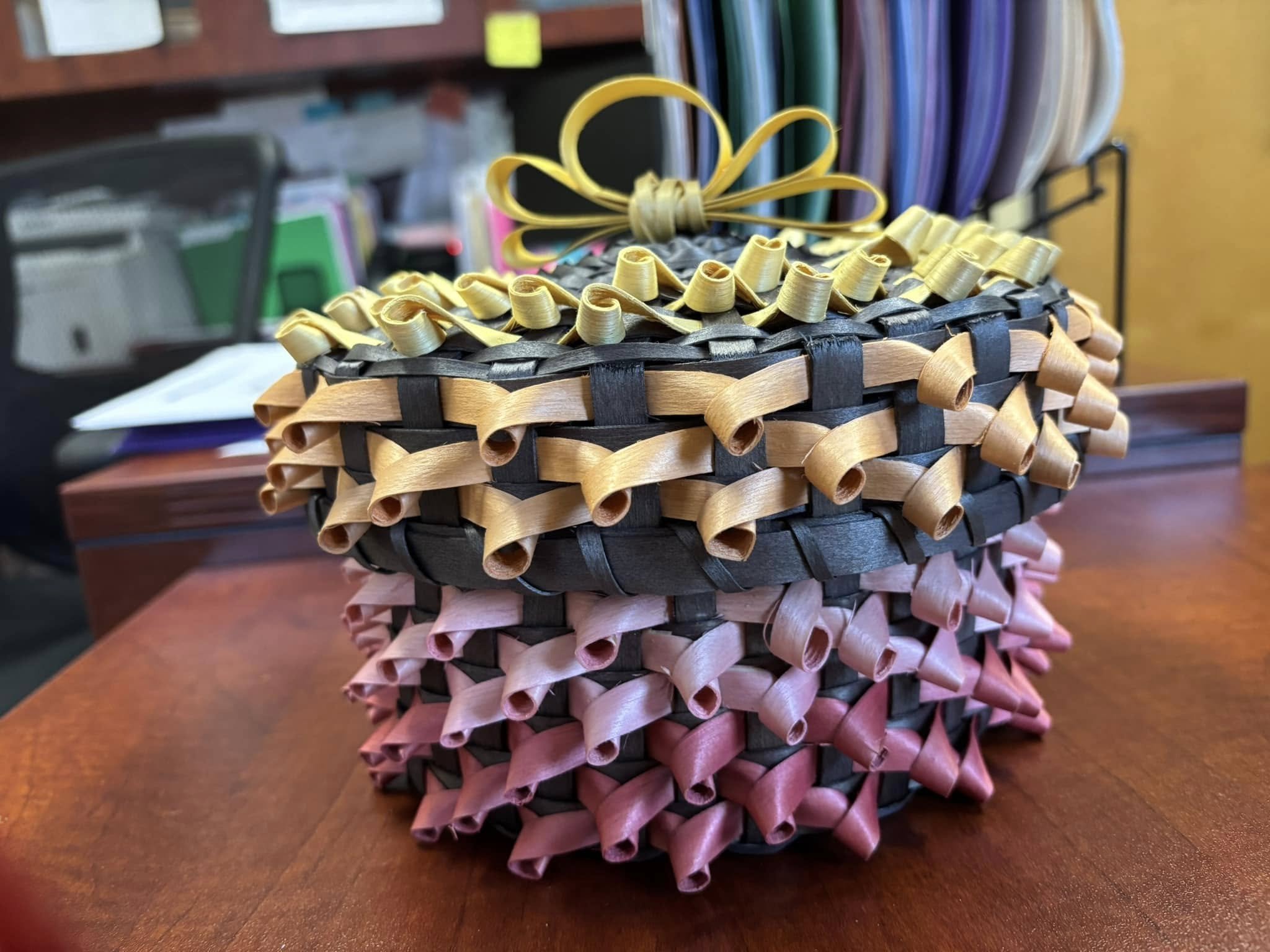
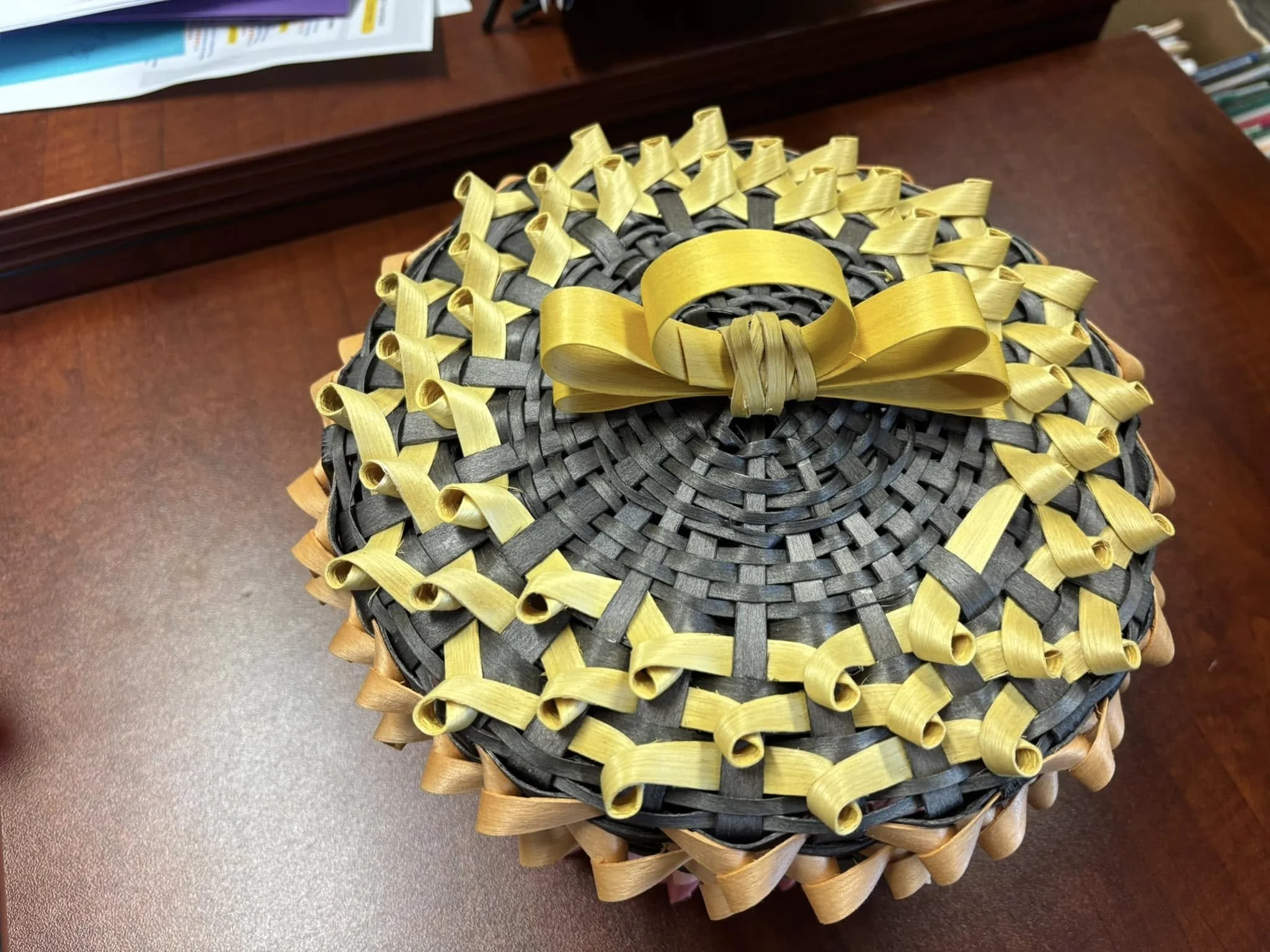
MEDIUM: Ash Basketry
ARTIST STATEMENT
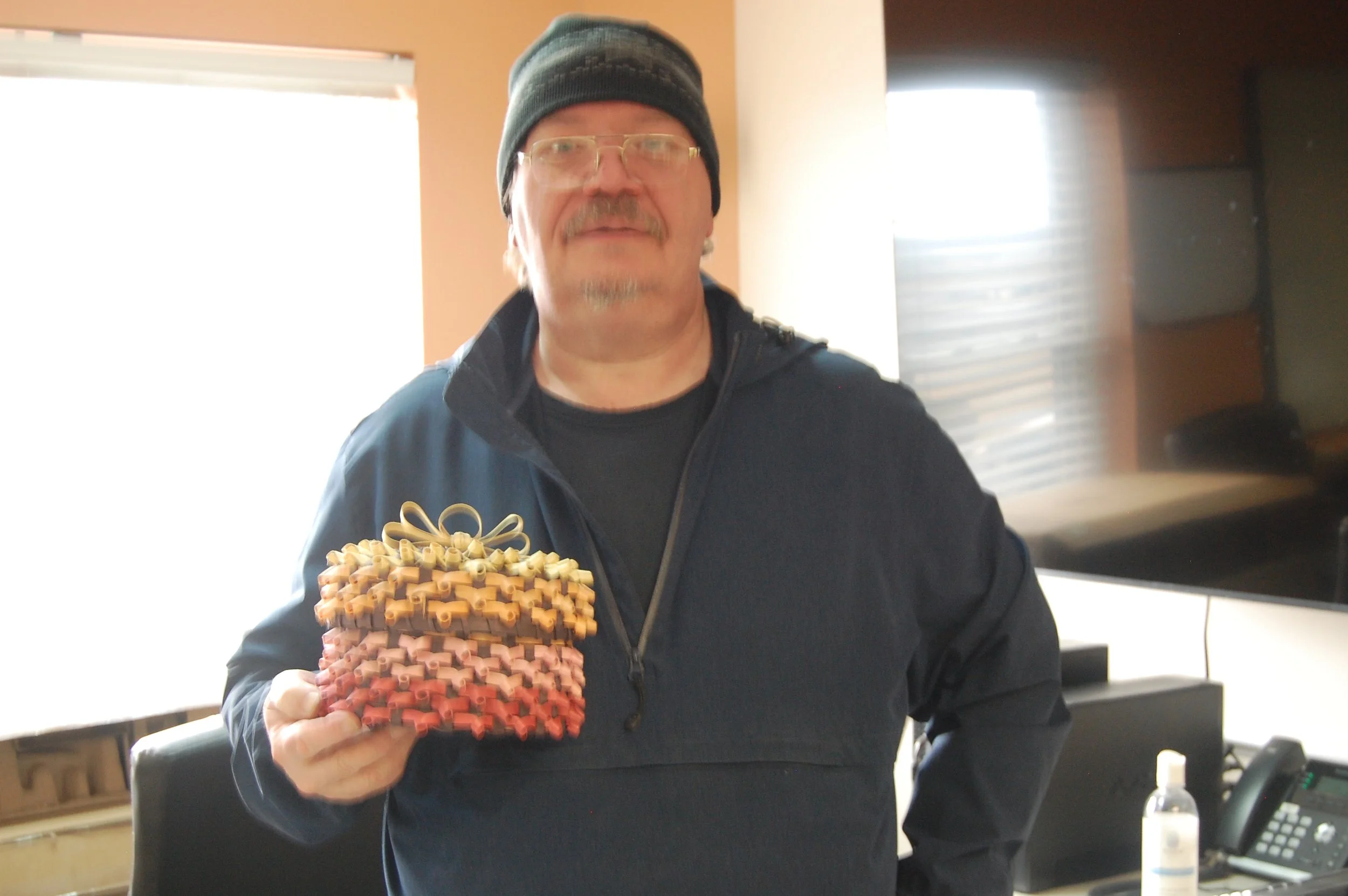
I grew up in Houlton in the basket-making family of the Hannings and Labobe's. As a small child, the years went by, and I found myself interested in my grandmother's baskets. She had gifted our family with a whole set of fancy baskets in the 70's. I began the 25-year journey of basket making that I am still on. I just wanted to be as good at this as she was. Now, at the beginning of 2027, I'm starting the videotaping of the baskets for a web show coming in the years to follow. My plan is to not only film the baskets but also the events.
Lee DeCora Francis
TRIBAL AFFILIATION: Penobscot Indian Nation
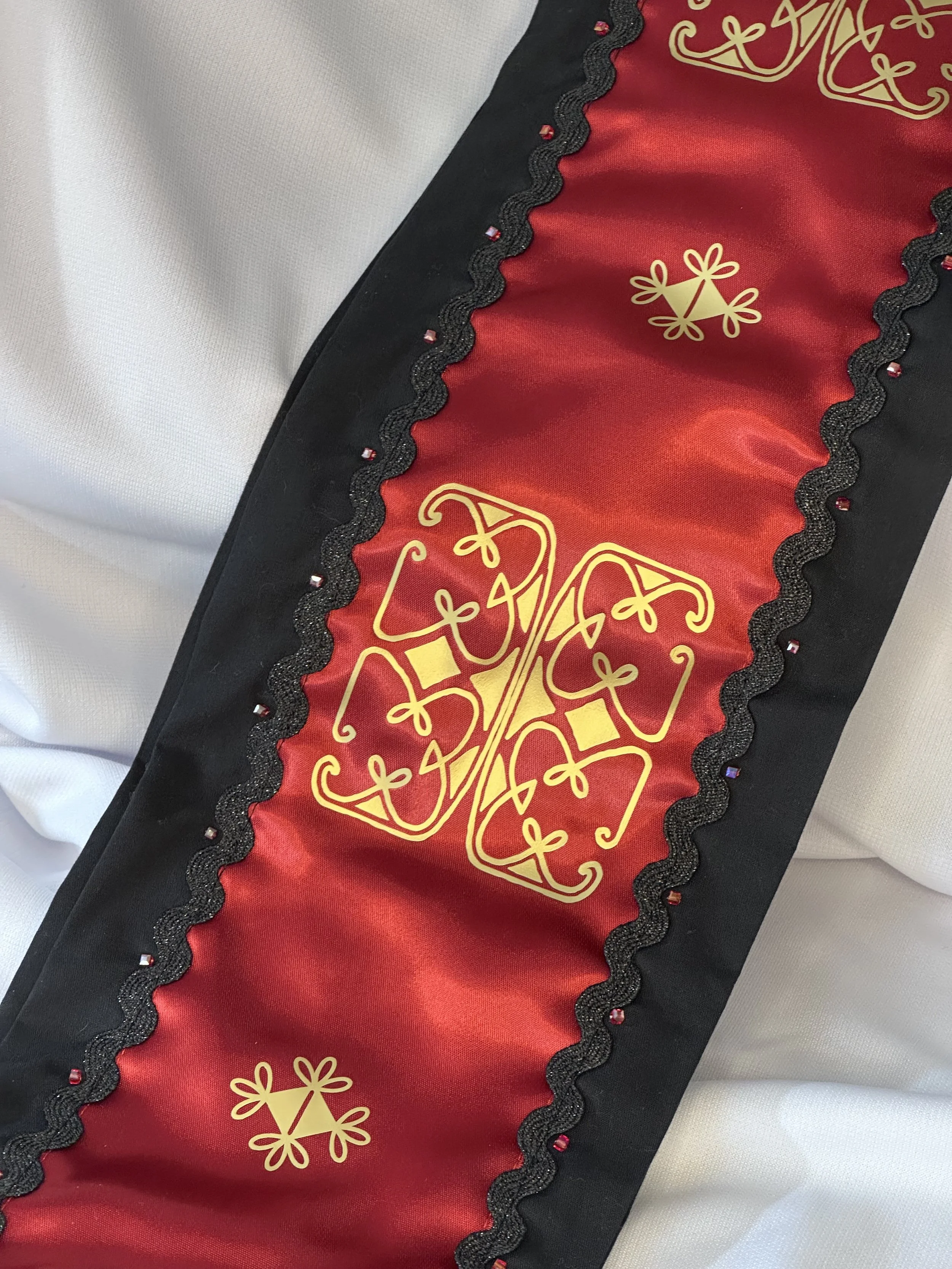
MEDIUM: Clothing
ARTIST STATEMENT
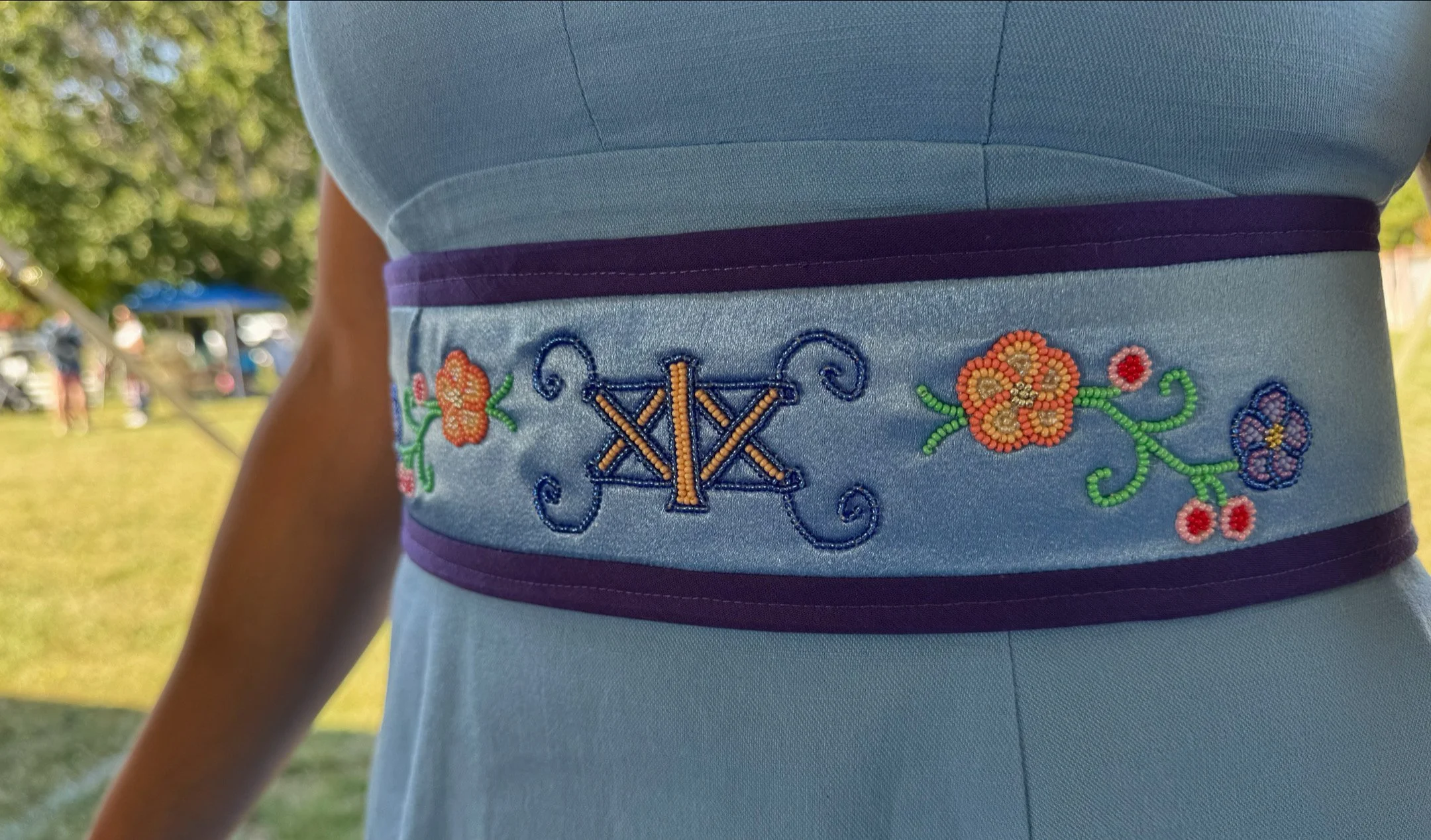
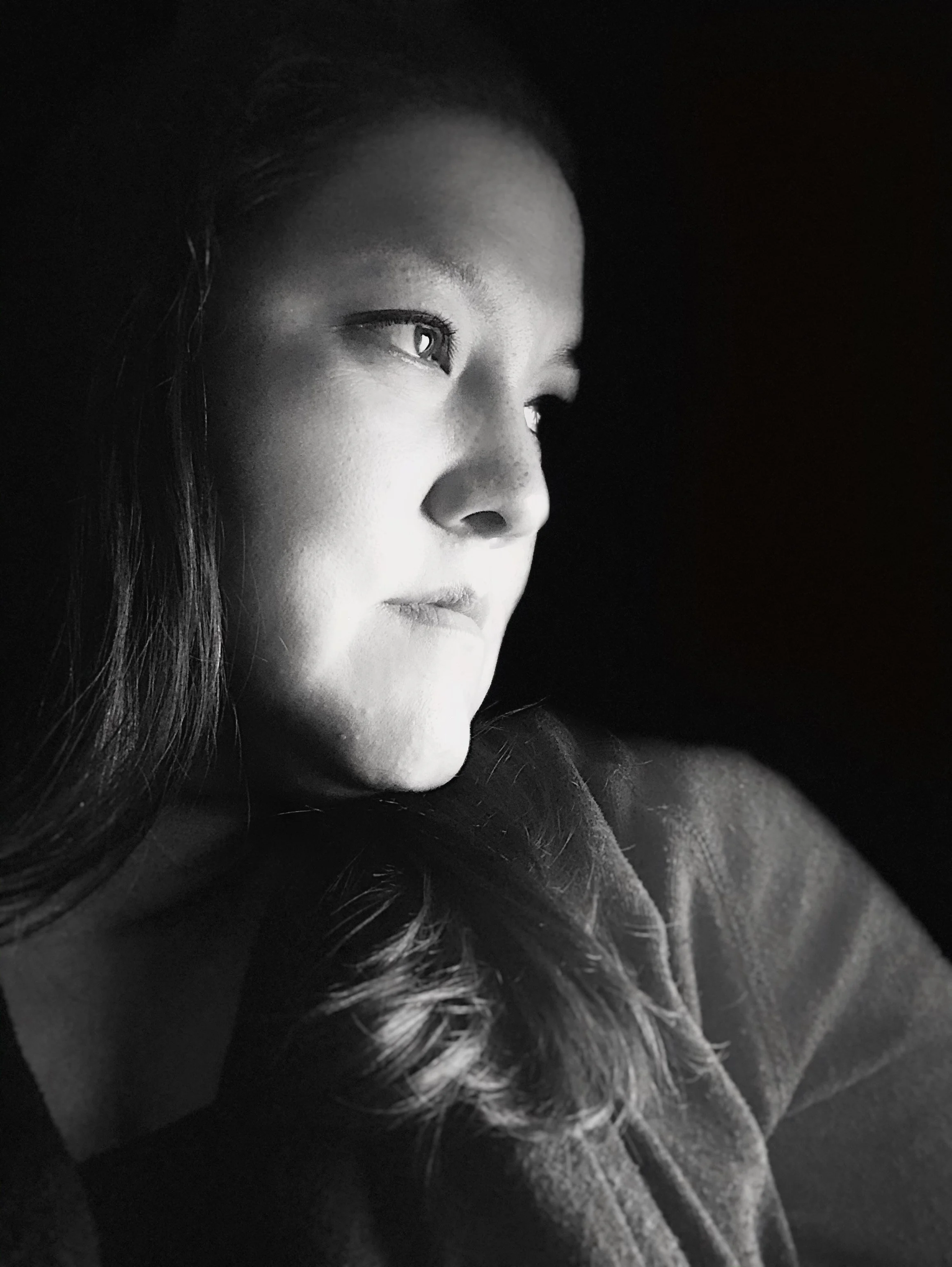
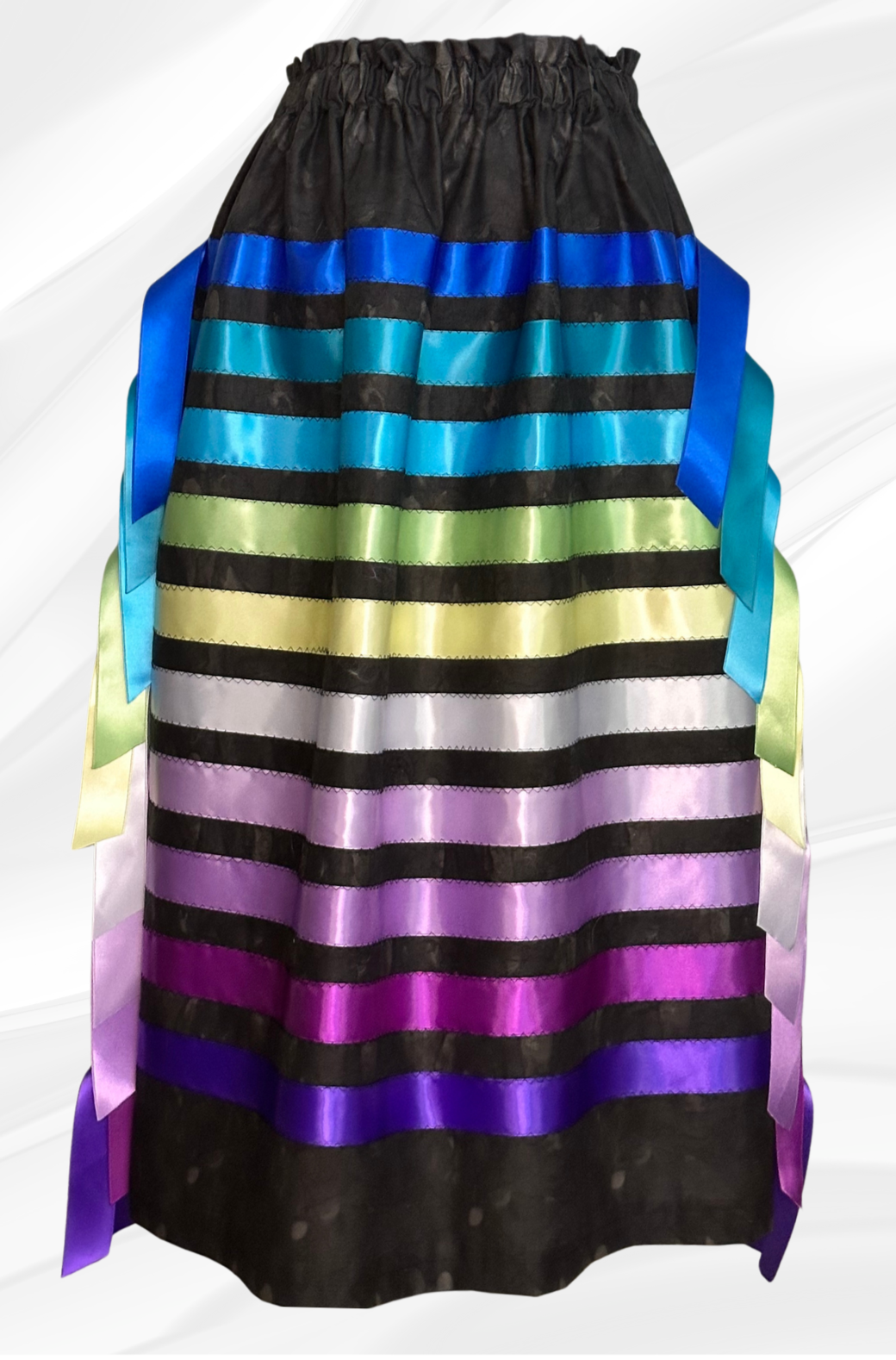
Lee DeCora Francis (Penobscot and Ho-Chunk) is an educator, artist, author, and community leader whose work is grounded in Indigenous education, cultural revitalization, and service to her people. Over the past two decades, she has served as a teacher, school leader, Tribal Councilor, and advocate for Native communities while working to strengthen relationships between culture, identity, and learning. Through Sokolaponsis Designs, Lee brings those same values into her artistic practice. Drawing inspiration from ribbonwork traditions, Wabanaki artistry, and the lands and waters of her homelands, she creates contemporary Indigenous pieces that blend traditional influences with modern design. Her work explores themes of resilience, beauty, belonging, and connection across generations. Guided by the teachings of her ancestors, Lee creates pieces that honor those who came before, celebrate those with us today, and carry stories forward for future generations.
Renae Al-Fdeilat
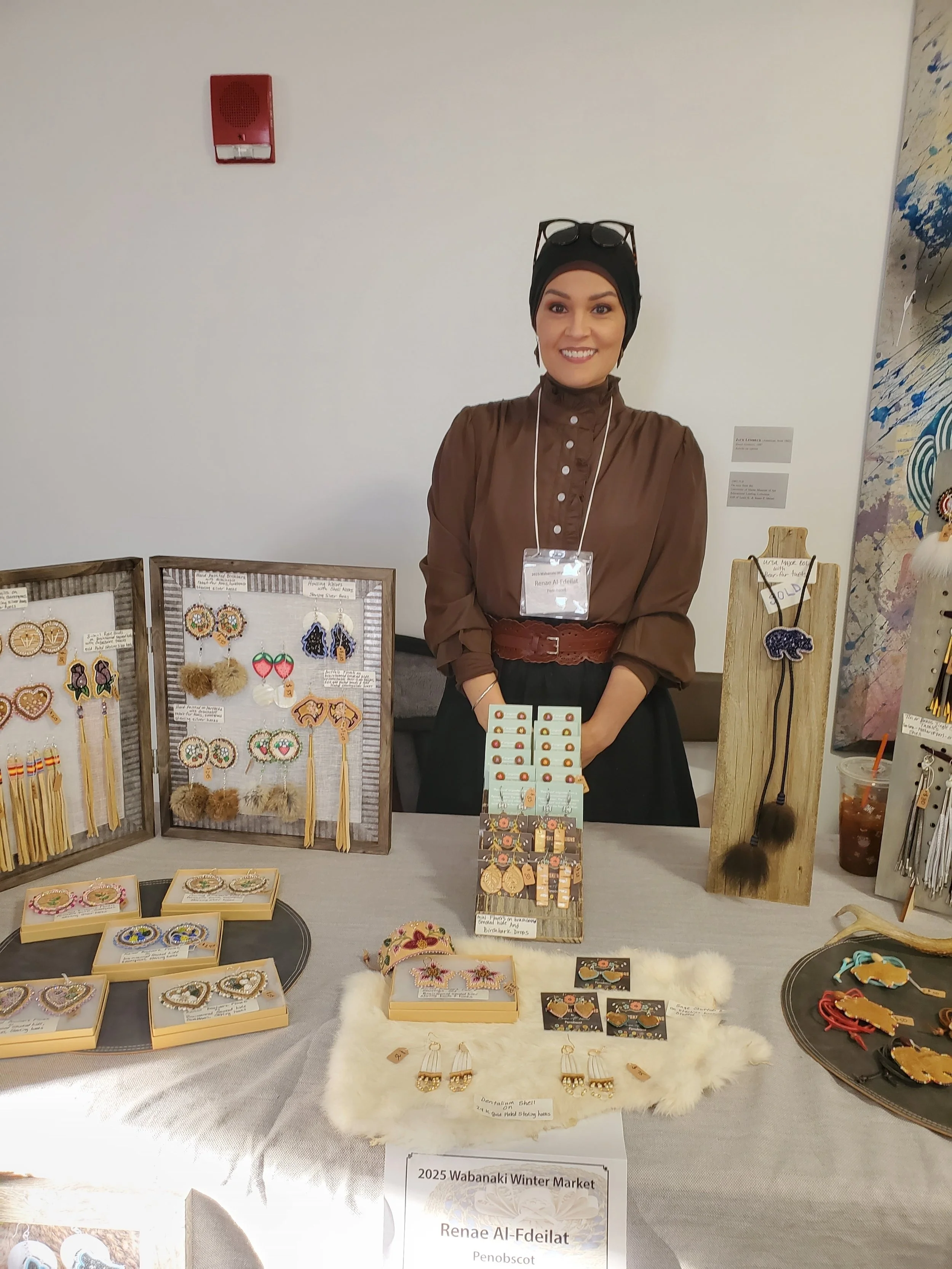
TRIBAL AFFILIATION: Penobscot Indian Nation
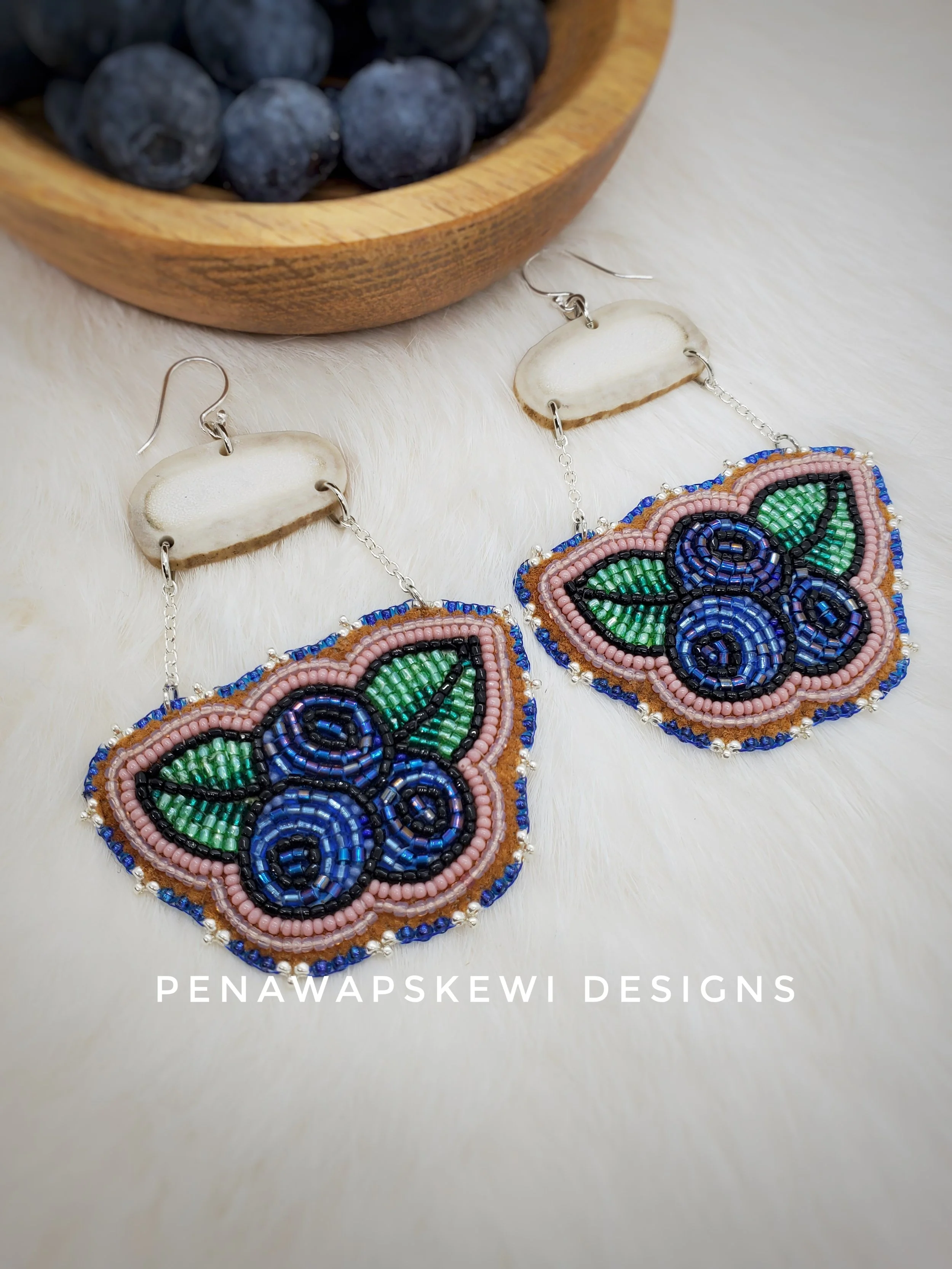
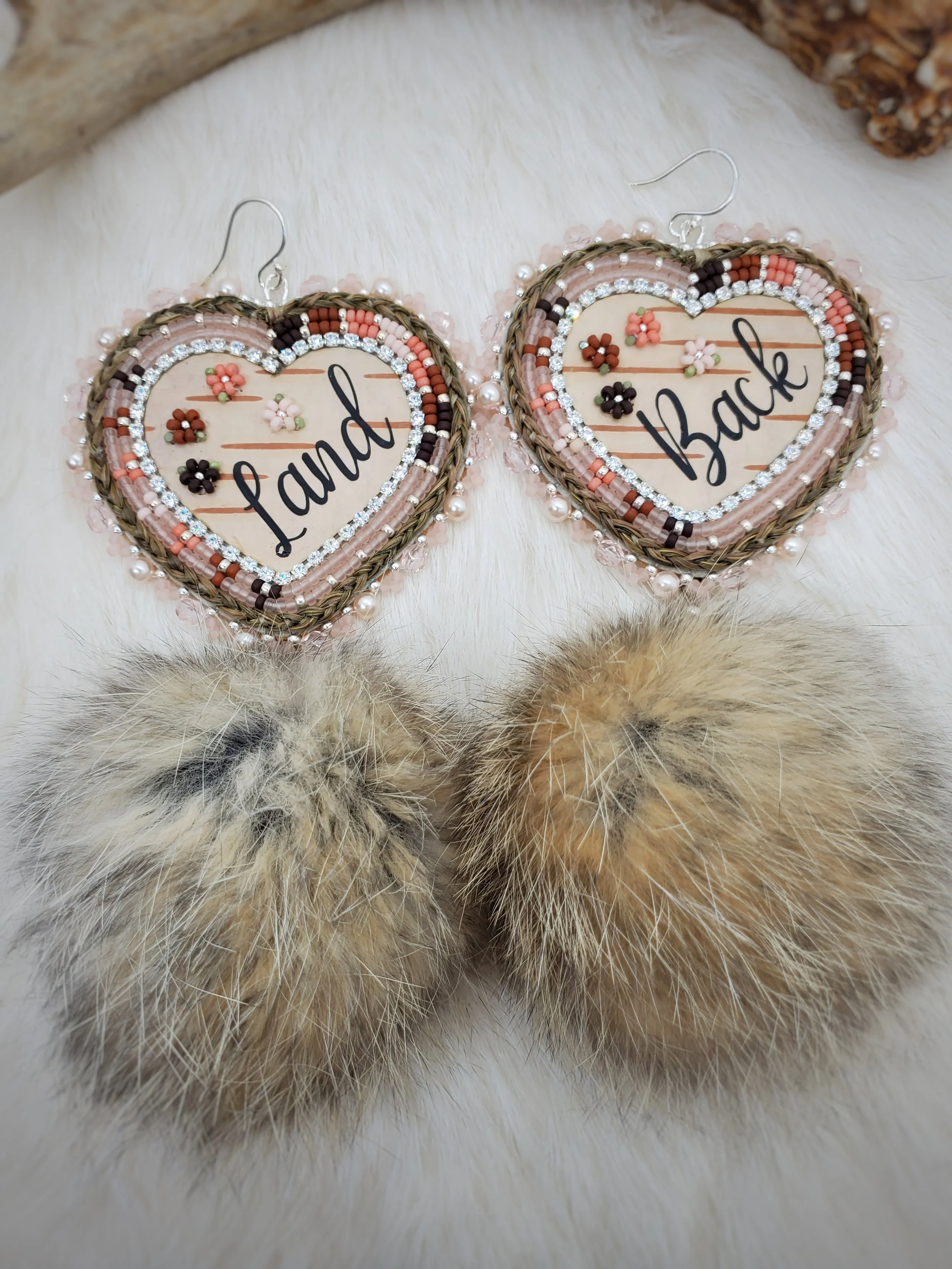
MEDIUM: Jewelry, Beadwork
ARTIST STATEMENT
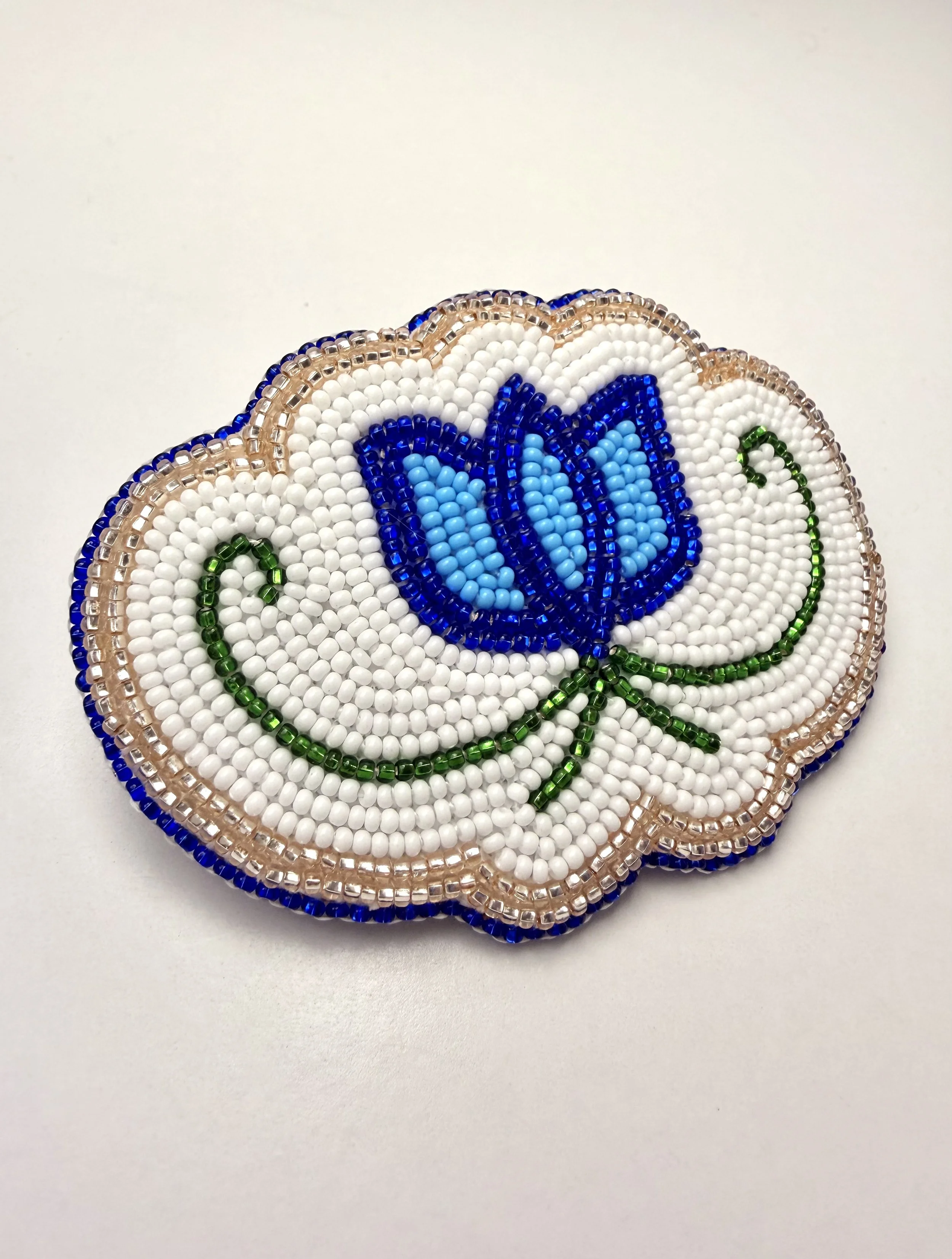
Renae Al-Fdeilat is a Penobscot beadwork artist from Maine. She is the owner of Penawapskewi Designs, where she creates traditional and contemporary beadwork inspired by her Penobscot heritage. Her work explores themes of identity, culture, family, and Indigenous resilience, with a particular interest in the ways communities preserve and pass on knowledge through beadwork.
As a Native woman and the wife of a Palestinian, Renae brings a unique perspective to conversations about Indigenous identity, displacement, and cultural survival. She is an advocate for both Native and Palestinian communities, drawing connections between histories of land loss, genocide, resilience, and the ongoing importance of maintaining culture, community, and belonging. Her work is grounded in creating pieces that allow people to express their identities, tell their stories, and visibly carry the causes they care about, including Indigenous sovereignty, Land Back, and a Free Palestine.
Sarah Alley
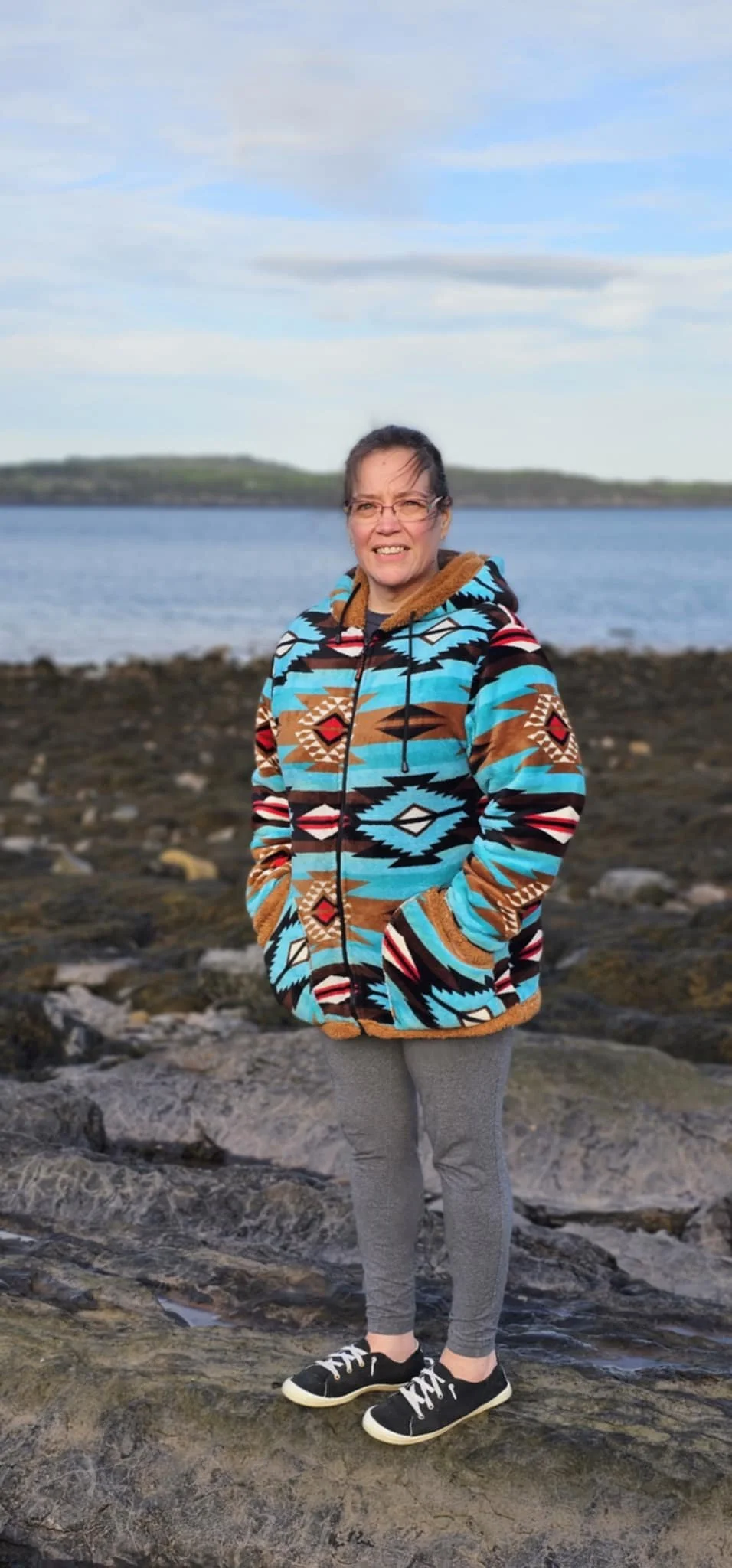
TRIBAL AFFILIATION: Passamaquoddy Tribe
MEDIUM: Wood burning, beadwork, leather
ARTIST STATEMENT
I am Passamaquoddy from Sipayik. I am a co-founder of Creations by 2 Feathers, which is a family-run business that focuses on Native American art.
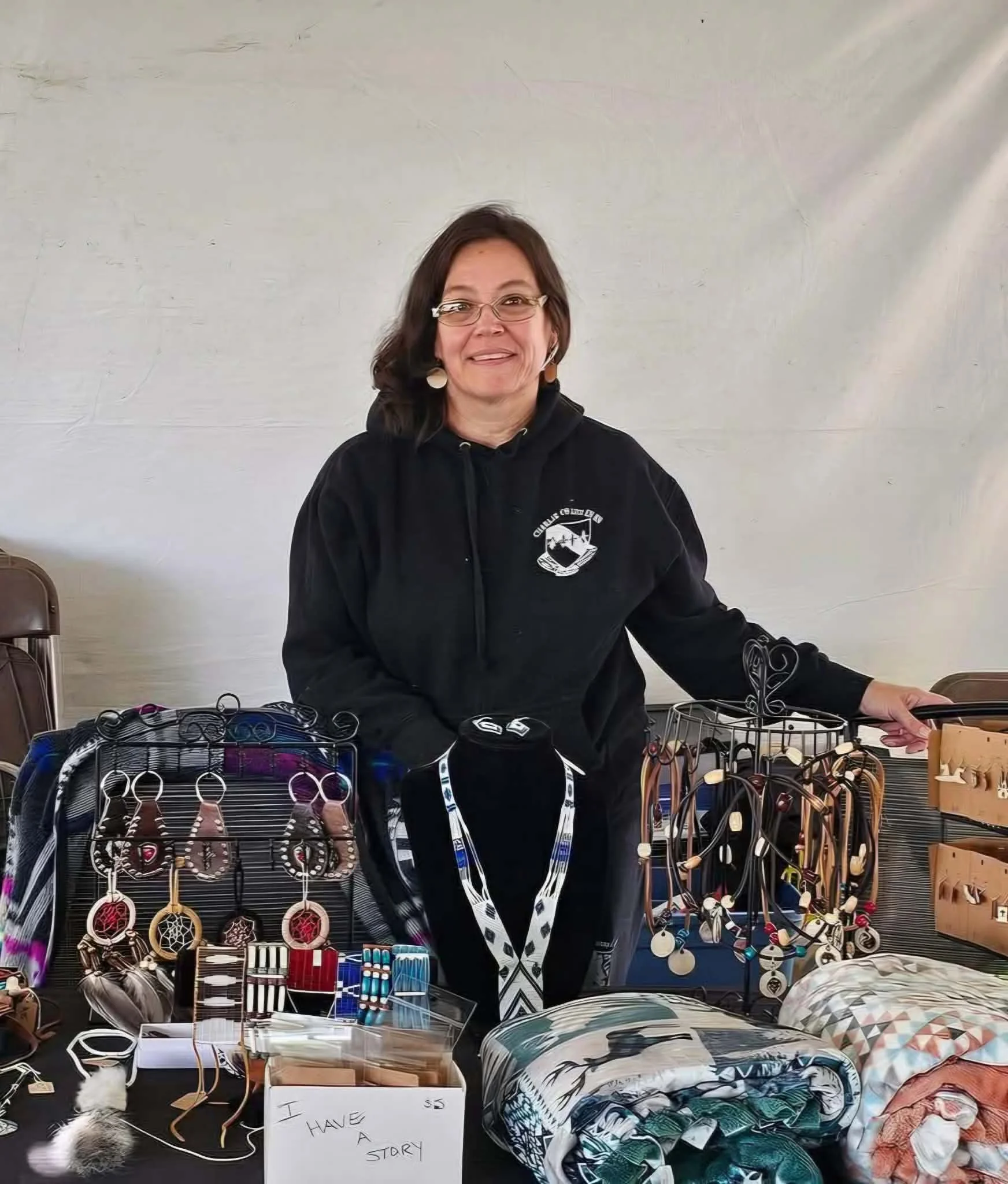
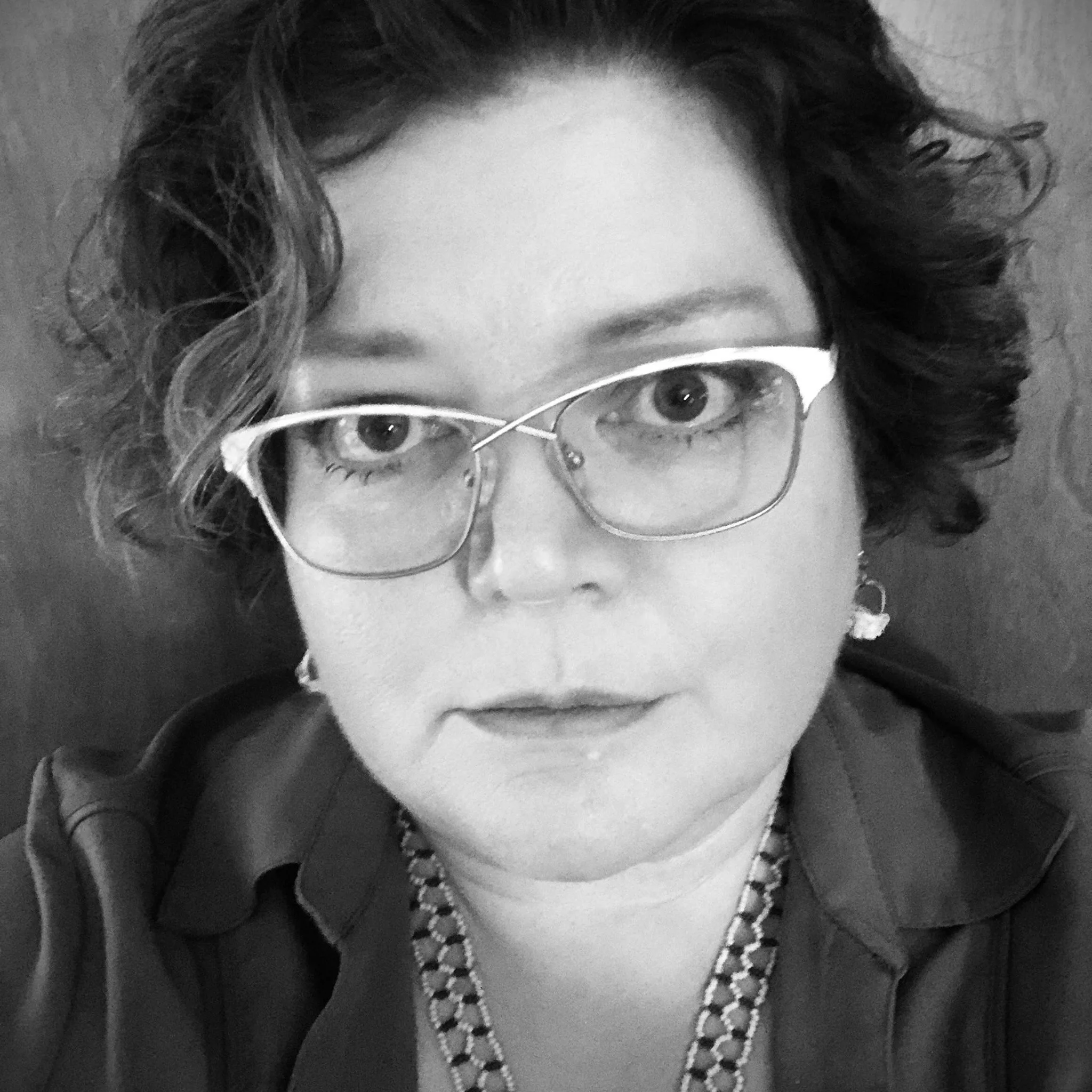
Jennifer Pictou - Storyteller
TRIBAL AFFILIATION: Mi’kmaq Nation
MEDIUM: Diverse Arts
PERFORMANCE: Featured Performer - Sunday 1-1:45 p.m. on the Main Stage
ARTIST STATEMENT
Jennifer began her storytelling journey when she was eight years old at an indigenous summer camp for Wabanaki children in Northern Maine. There she was exposed to traditional stories in skit format, which ignited a deep desire to know more. As she paid more attention to them, she began to realize differences between stories told at home, those told in professional storytelling spaces, and those told casually among tribal members in everyday settings. These observations were key to providing her with a lifelong love of oral history and an understanding of nuances, structure, and cultural context.
As an adult, Jennifer has enjoyed many opportunities to share her tribe’s traditional stories with broad audiences, from school groups to stage work to international tour groups. Jennifer states, “There is a value in storytelling that goes beyond merely listening to a good tale, as I have used stories as a form of currency, been gifted with stories in return, and debated the veracity of story translations written down hundreds of years ago with other storytellers. I am not a folklorist in the academic sense but a culture keeper in a broader context, sharing oral traditions that have been passed through thousands of generations.”
In addition to live storytelling, Jennifer is an award-winning glass artist and co-author of Haunted Bar Harbor. She received her Bachelor of Fine Arts Degree from the University of Maine at Presque Isle, later getting a B.S. in Anthropology, and her Master’s in American and New England Studies from the University of Southern Maine.
Connect with Jennifer
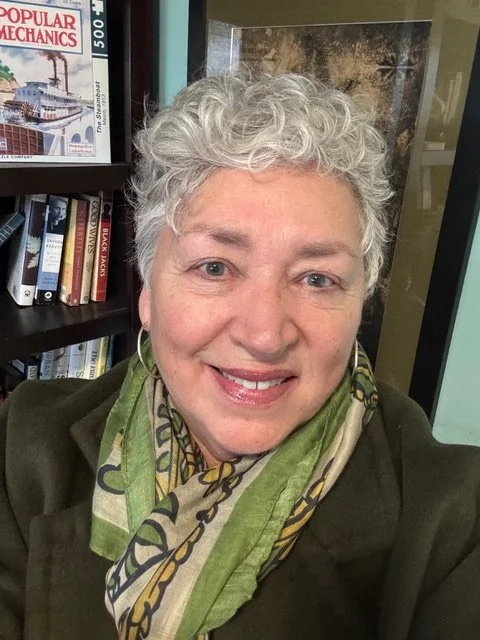
Mihku Paul
TRIBAL AFFILIATION: Kingsclear
PANEL: Native Freedom of Expression
BIOGRAPHY:
Mihku Paul is a Maliseet Elder who was raised on a wild Maine river. She is enrolled at
Kingsclear First Nation, N.B. Canada and holds a BA in Human Development and Communication,as well as an MFA from Stonecoast. Her background is in Early Childhood Ed, and she has spent decades presenting Waponahki culture and history in Portland Public Schools. Her poetry is published internationally and has been translated to French and Spanish. Mihku now works in Food Sovereignty and serves on the board of Maine Writers and Publishers. She lives and works in Portland.
Penobscot NDN Beadwerks
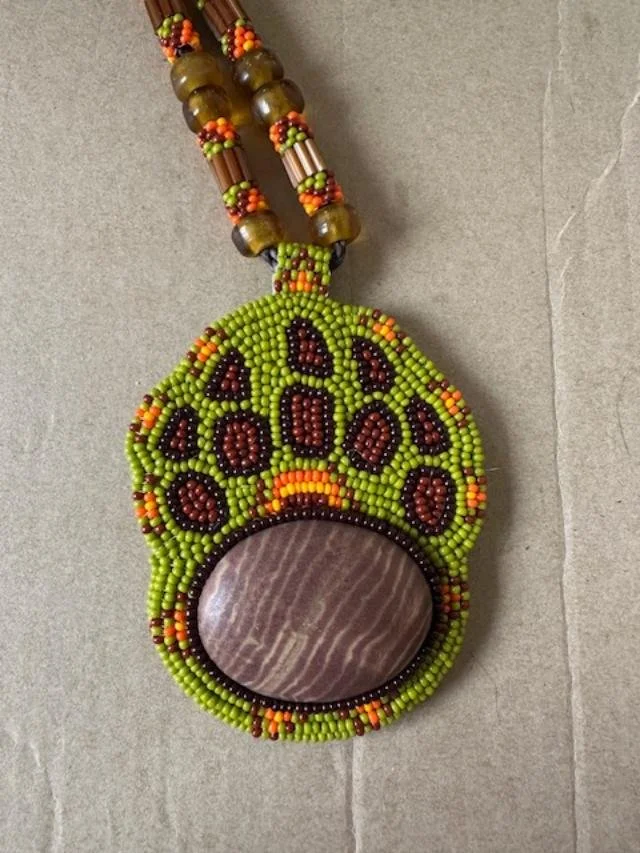
TRIBAL AFFILIATION: Penobscot Indian Nation
MEDIUM: Beadwork
ARTIST STATEMENT
Penobscot NDN Beadwerks is an art collective from the Penobscot Nation, consisting of siblings Mary Lee Stewart, Patty McMurphy, and Marvin McMurphy. They create unique pieces such as beaded jewelry, dreamcatchers, and turtle rattles, reflecting their creativity and cultural heritage
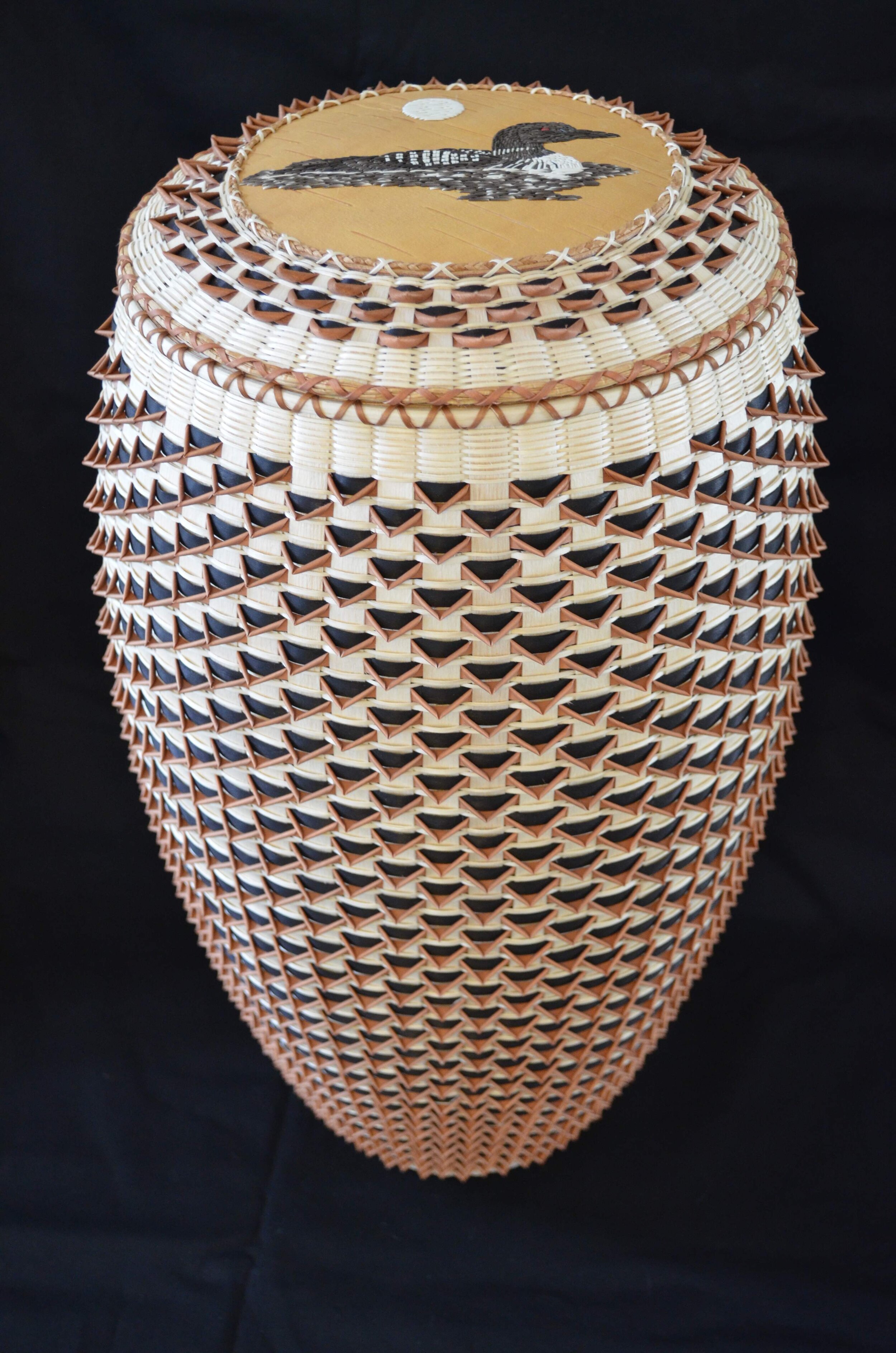
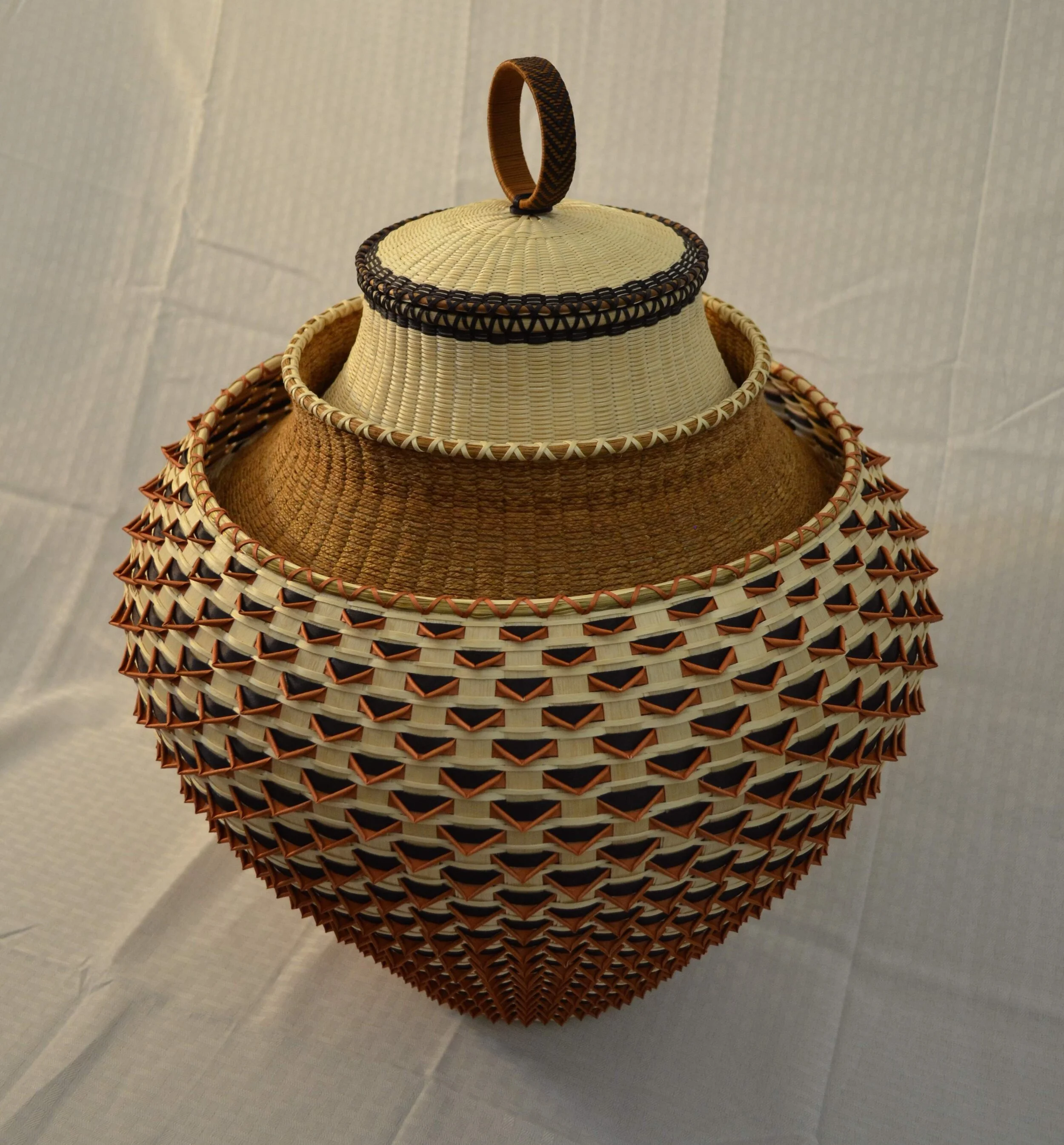
Jeremy Frey
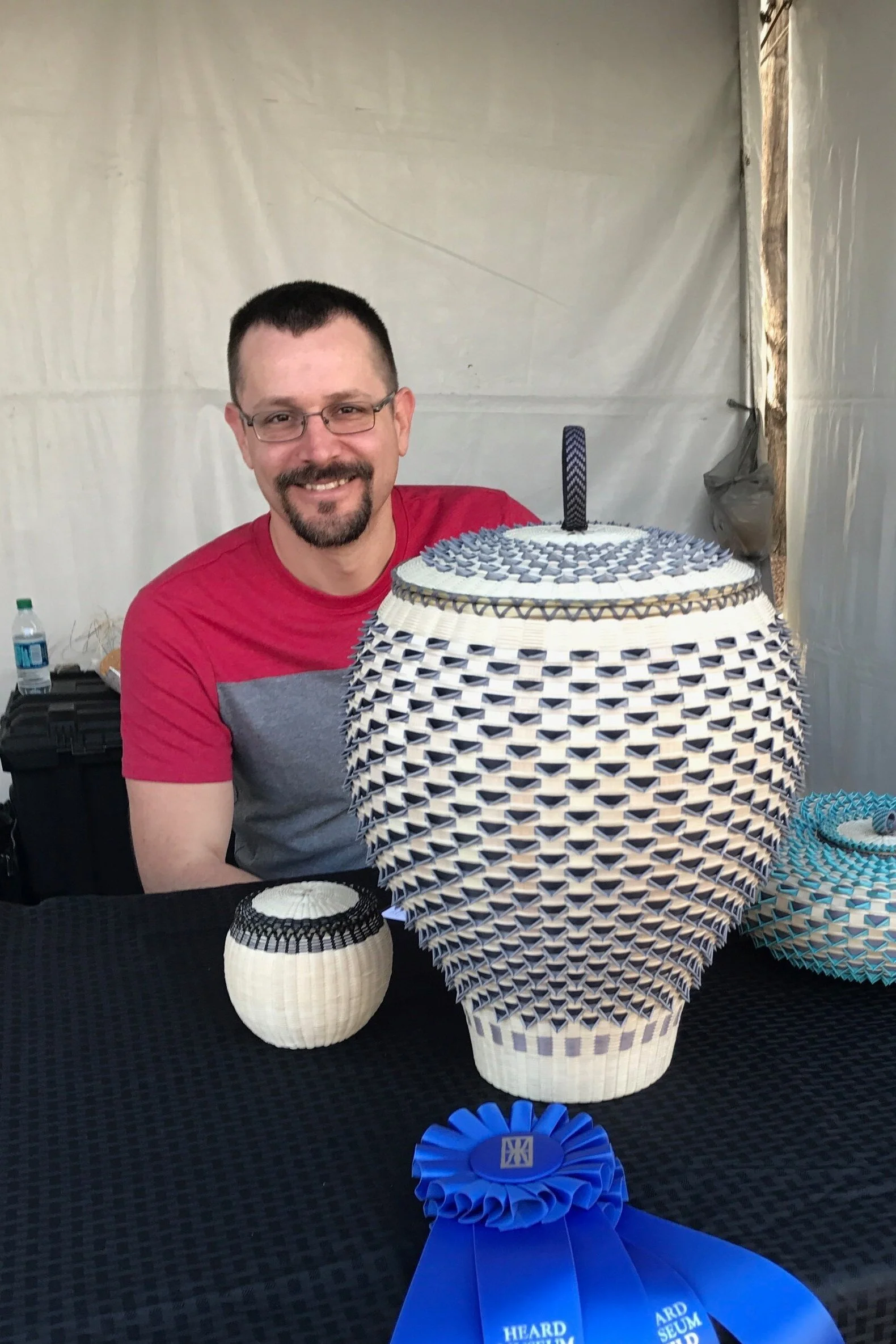
TRIBAL AFFILIATION: Passamaquoddy
MEDIUM: Basketry - Ash
BOOK SIGNING: Saturday, July 11, 10 a.m. - 1 p.m.
ARTIST STATEMENT
I am a Passamaquoddy artist. I have been creating art since I was a child. My mother always nurtured this creativity in me; she did this by supplying me with any and all art supplies she could afford. My family has been weaving baskets for more than eight generations. However, as a child I didn’t have much contact with the art of basket weaving. It wasn’t until my early twenties that I become infatuated with the creation of these baskets. From the day I wove my first basket I have never stopped.
Basketry is an art form that I can relate to in many ways. It is a part of my heritage, an art form that connects me to my relatives both living and past. For me to weave is a way of honoring my ancestors. However, it is also a way to honor future generations both through my teachings and though my personal carrying on of the art form. My work is always evolving; I try to create a newer and more elaborate version of my work each time I weave. I have refined the teaching of my mother beyond anything I would have considered possible.
CONNECT WITH JEREMY
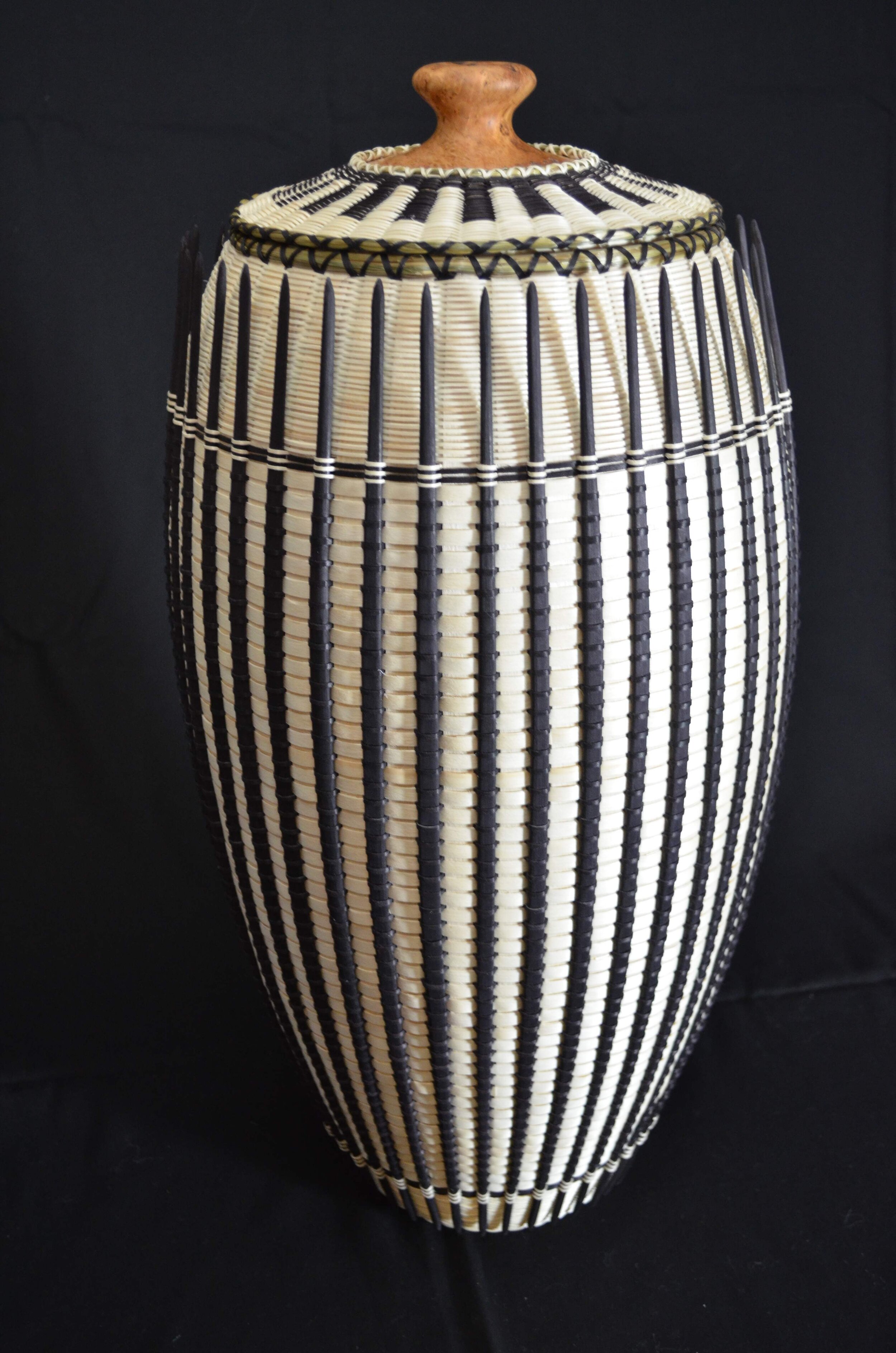
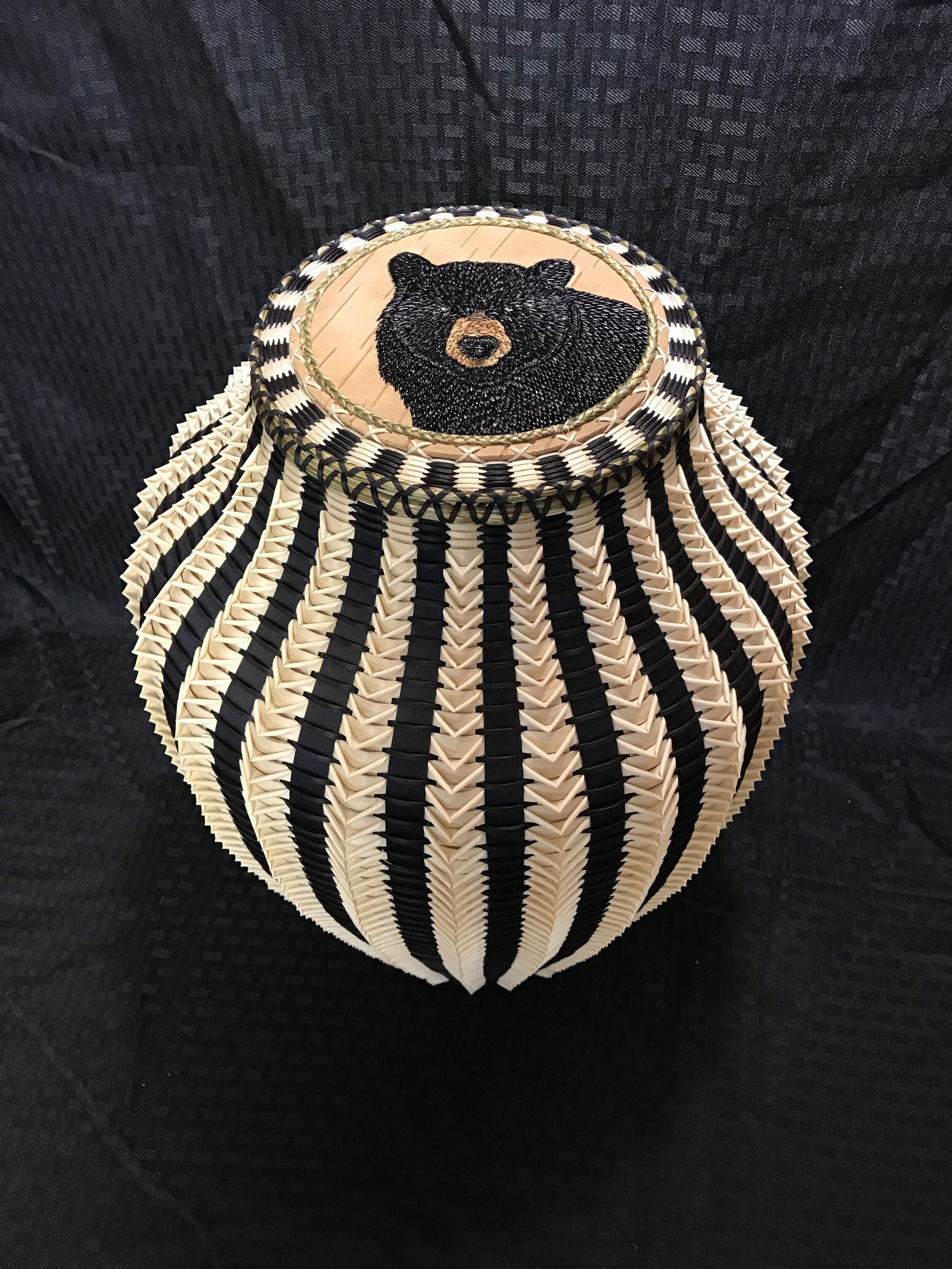
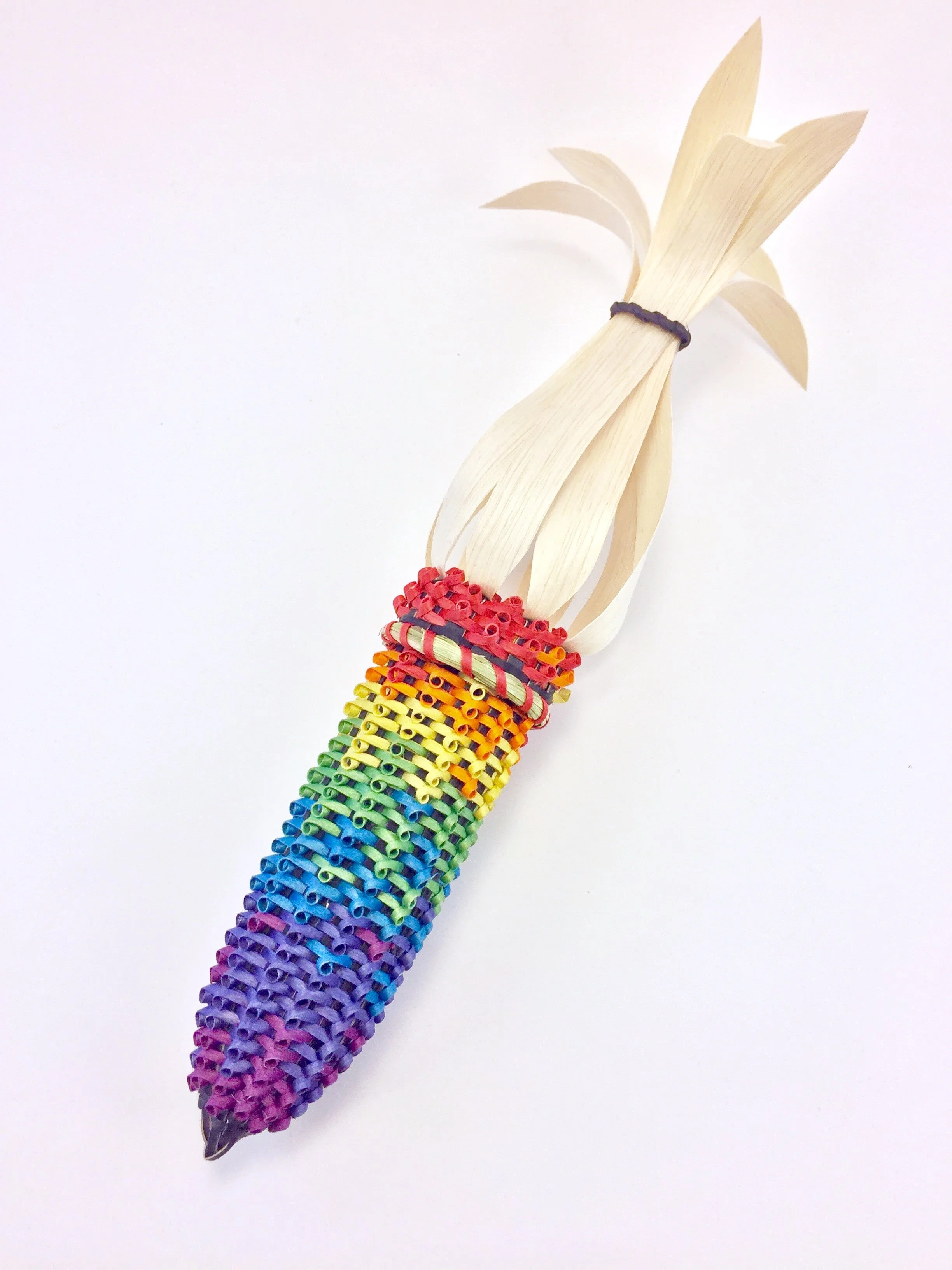
Geo Soctomah Neptune
TRIBAL AFFILIATION: Passamaquoddy Tribe
MEDIUM: Basketry - Ash, Clothing, Diverse-Arts
MARKET PERFORMER: Sunday, July 12, 10-10:30 a.m. on the Market Stage
ARTIST STATEMENT:
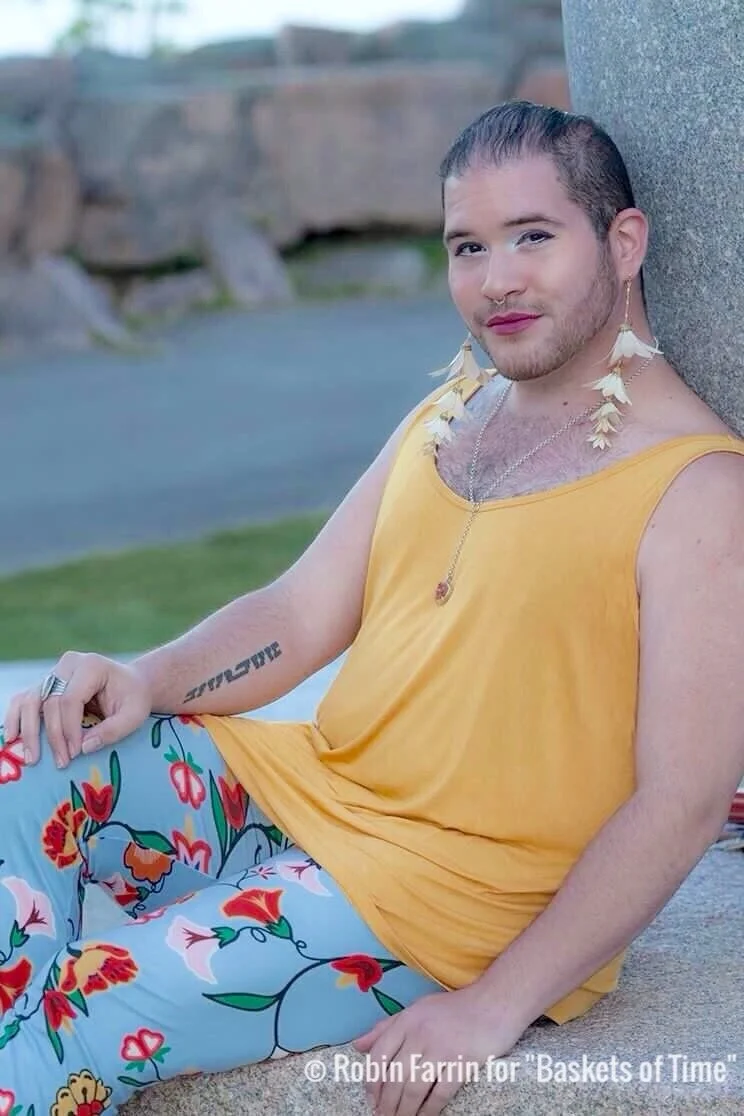
Geo Neptune is a member of the Passamaquoddy Tribe from Indian Township, Maine, and is a Master Basketmaker, a Drag Queen, an Activist and an Educator. As a person who identifies as a two-spirit, an indigenous cultural gender role that is a sacred blend of both male and female, Geo uses they/them gender-neutral pronouns.
At four years old, Geo had already been asking their grandmother Molly Neptune Parker to teach them how to weave baskets; after being told to wait until they were older, Geo found another elder that would teach them, and presented their grandmother with their first completed basket. Later that year, after turning five years old, Geo wove their first basket with their grandmother, beginning a lifelong apprenticeship.
After graduating from eighth grade at the Indian Township School, Geo attended Gould Academy in Bethel, Maine, where they were able to explore more artistic outlets before becoming a member of the Dartmouth College Class of 2010. Proficient in Spanish and a performing arts major, Geo studied abroad in both Barcelona and London during their time at Dartmouth.
When Geo graduated from Dartmouth College and returned to the Indian Township reservation, they began to focus heavily on their weaving, and developing their own individual artistic style. Experimenting with their family's signature woven flowers mixed with natural elements of twigs and branches, Geo began forming what would eventually be known as their signature sculptural style of whimsical, elegant, traditionally-informed basketmaking. During their time at home, Geo was also the Cultural Activities Coordinator and Drama Instructor for the Indian Township After School and Summer Programs, and eventually went on to serve as the Unit Director for the Passamaquoddy Boys and Girls Club. In 2012, Geo attended the Santa Fe Indian Market for the first time, accepted the position of Museum Educator at the Abbe Museum, and watched their grandmother receive the National Endowment for the Arts National Heritage Fellowship before moving to Bar Harbor.
Living in Bar Harbor, Geo maintained a life as a basketmaker, actor, drag queen, and activist in addition to serving as the Museum Educator. Participating in Idle No More protests here in Maine, Geo was invited as the first Indigenous youth delegate to the World Summit of Nobel Peace Laureates in Capetown, South Africa in 2014. After attending the Summit again in 2015, returning to Barcelona, Geo was then invited to attend a PeaceJam conference in Winchester, England, where they met Rigoberta Menchu Tum, the first and only Indigenous woman to win the Nobel Peace Prize. In 2016, Geo was the first drag queen on the cover of Native Peoples Magazine, with their story featured in the magazine's first official LGBTQ Pride issue. In late 2016, Geo decided to pursue their art and activism full time, and they now live back in their community at Indian Township. At home, they are able to spend more time with their apprentice and youngest sister Emma--who, at thirteen years old, has won numerous more awards for her basketry than Geo has--and with their grandmother, keeping the family and cultural tradition of basketry alive. Geo hopes to be able to work to embrace the sacred role of the two-spirit, truly becoming a keeper of tradition and a teacher and role model for Passamaquoddy and other Wabanaki youth. Most importantly, Geo hopes to inspire other two-spirits from across turtle island to accept their truth and embrace their sacred responsibility, and travels across the state and country educating learners of all ages about Wabanaki history and culture, the art of basketmaking, and what it means to them to be a Two-Spirit.
Connect with Geo
Kontiwennenha:Wi
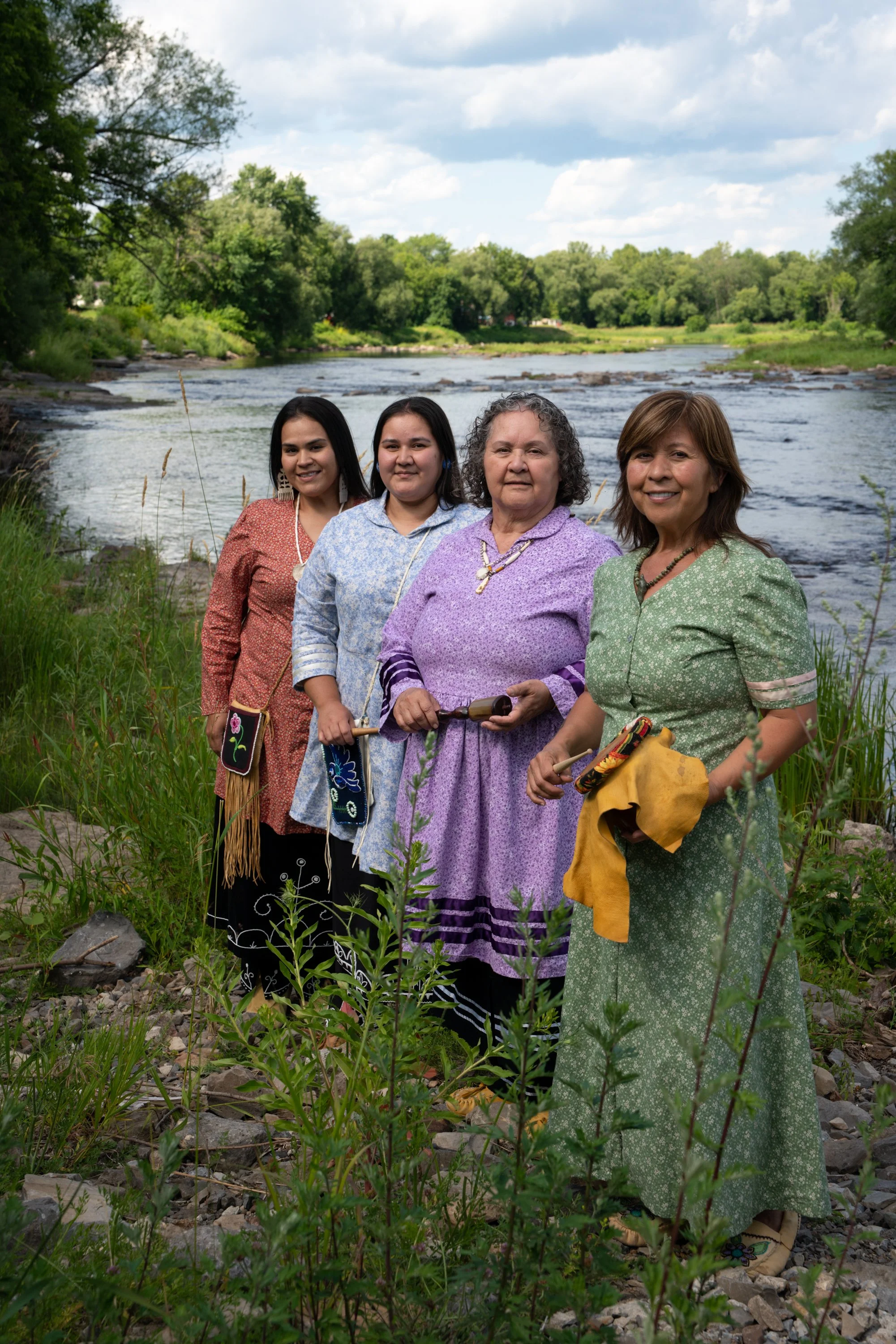
TRIBAL AFFILIATION: Mohawk
FEATURING: Bear Fox, Iawentas Nanticoke, Tekonwakwenni Nanticoke, and Elizabeth Nanticoke
PERFORMANCE: Market Performer - Saturday 12-1 p.m. on the Market Stage
ARTIST STATEMENT:
Sisters, aunties, daughters, mothers, and grandmothers from the Wolf Clan family of the Kanienkehaka Nation. Women holding a great responsibility of sharing traditional teachings and the protection and preservation of the language and the stories of past generations through their songs.
Kontiwennenha:wi; (pronounced: goon dee wa na ha wee), are from Ahkwesahsne, which is located where present-day Ontario, Quebec, and New York State intersect, settling in their territory on the St. Lawrence River. They are Kanienkehaka, People of the Flint, but are more commonly known as Mohawk.
Kontiwennenha:wi formed as a singing group in 1997, at a time when their children were learning the songs and dances of the Kanienkehaka at the Ahkwesahsne Freedom School. The school played an important part in holding on to the language and traditions that would have otherwise been lost if the children continued to learn in government-run public schools. Two of the women in the group, Iawentas and Tekonwakwenni, were students at the Ahkwesahsne Freedom School and are now teachers of the language. The women share social songs of the Six Nations and have created some verses of the Women’s Dance.
A water drum and horn rattles are used by the women when they perform.
Bear Fox is a singer/songwriter of folk songs that are shared with the accompaniment of the women’s voices. Many of the songs incorporate the Mohawk language and some of Bear’s songs were written and performed in English. The women have been recipients of the Native American Music Awards, as a group and Bear Fox, as a solo artist, too. The women are proud to share their songs and their lives as traditional women at this moment in time.
Burnurwubskek Singers
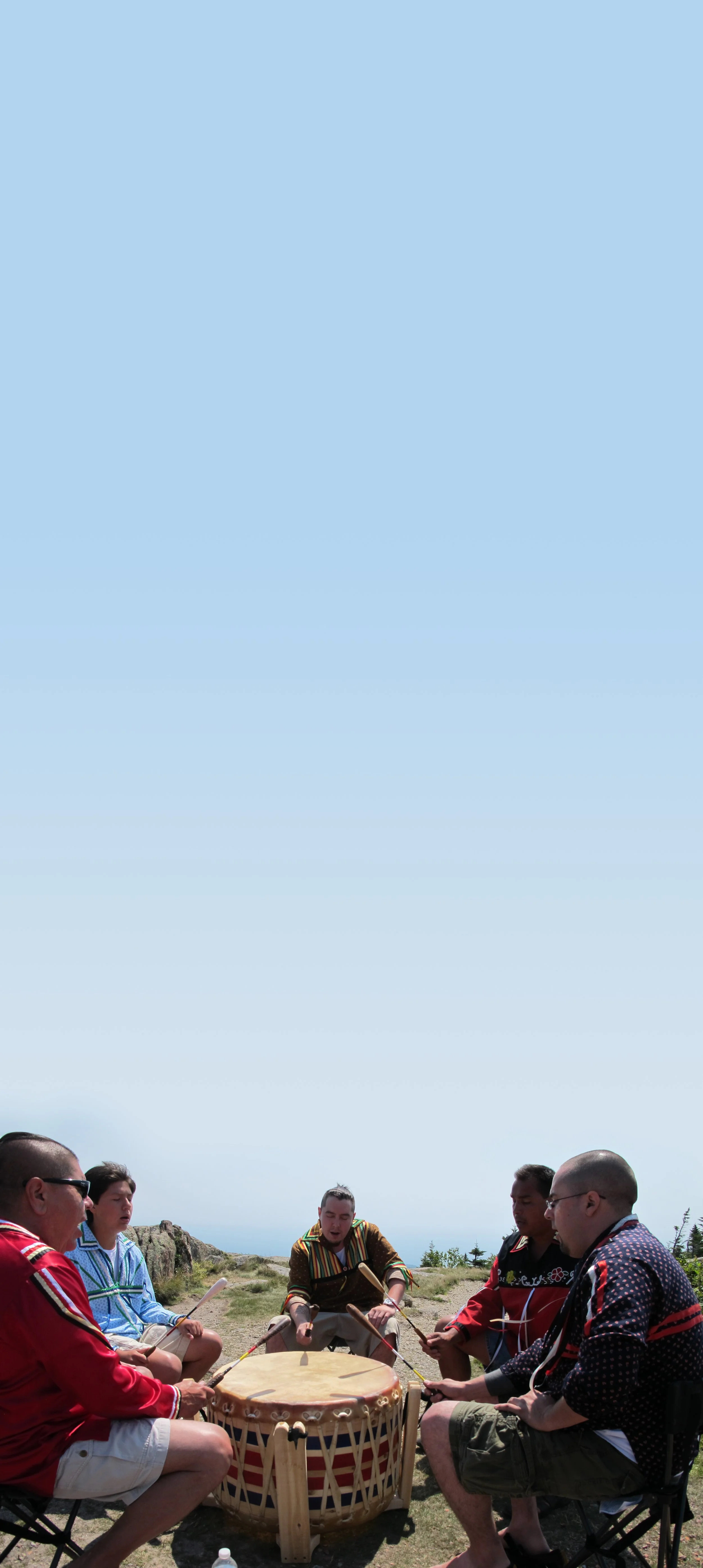
TRIBAL AFFILIATION: Penobscot
PERFORMANCE: Market Performer - Saturday 11-11:45 a.m. on the Market Stage
Donna Loring
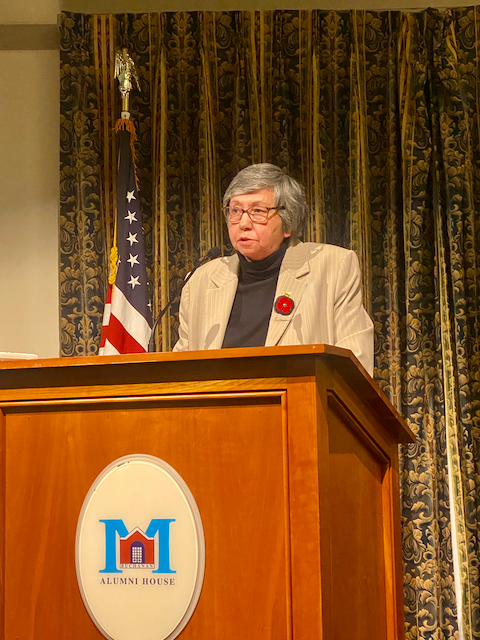
TRIBAL AFFILIATION: Penobscot
PANEL: Honoring 250 Years of Wabanaki Veterans
BIOGRAPHY:
Donna M. Loring is a Penobscot Nation Tribal Elder, author, and veteran of the U.S. Army Women’s Army Corps. She served during the Vietnam War as a communications specialist, including during the Tet Offensive. Loring later served as the Penobscot Nation Tribal Representative to the Maine State Legislature and is a longtime advocate for Wabanaki sovereignty, education, and cultural preservation. She is the author of In the Shadow of the Eagle and continues her work through writing, public speaking, and cultural leadership.
Viola Francis
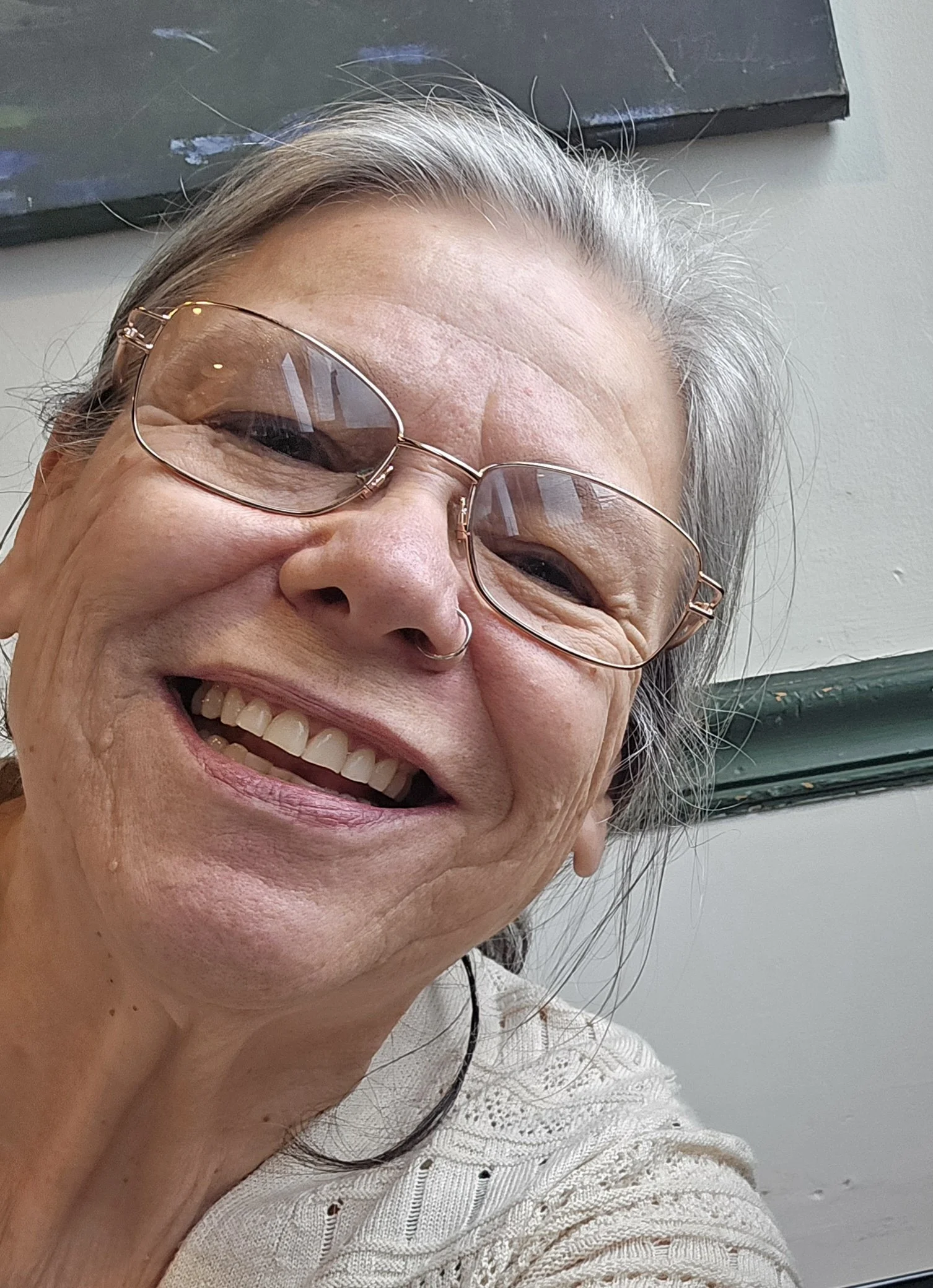
TRIBAL AFFILIATION: Passamaquoddy Tribe
MEDIUM: Basketry, Beadwork, Painting
ARTIST STATEMENT
A talented and dedicated Wabanaki Artist from the Passamaquoddy Tribe in Sipayik, Viola Francis excels in an array of artistic pursuits, including basket making, regalia design, drum making, crafting, beadwork, painting, and dreamcatcher artistry. Viola's aesthetic is traditional with a contemporary modern mix. With a lifelong commitment to her craft, having started beading at the age of 12, Viola now mentors the next generation of artists and participates in charitable initiatives, utilizing her talents to benefit her community.
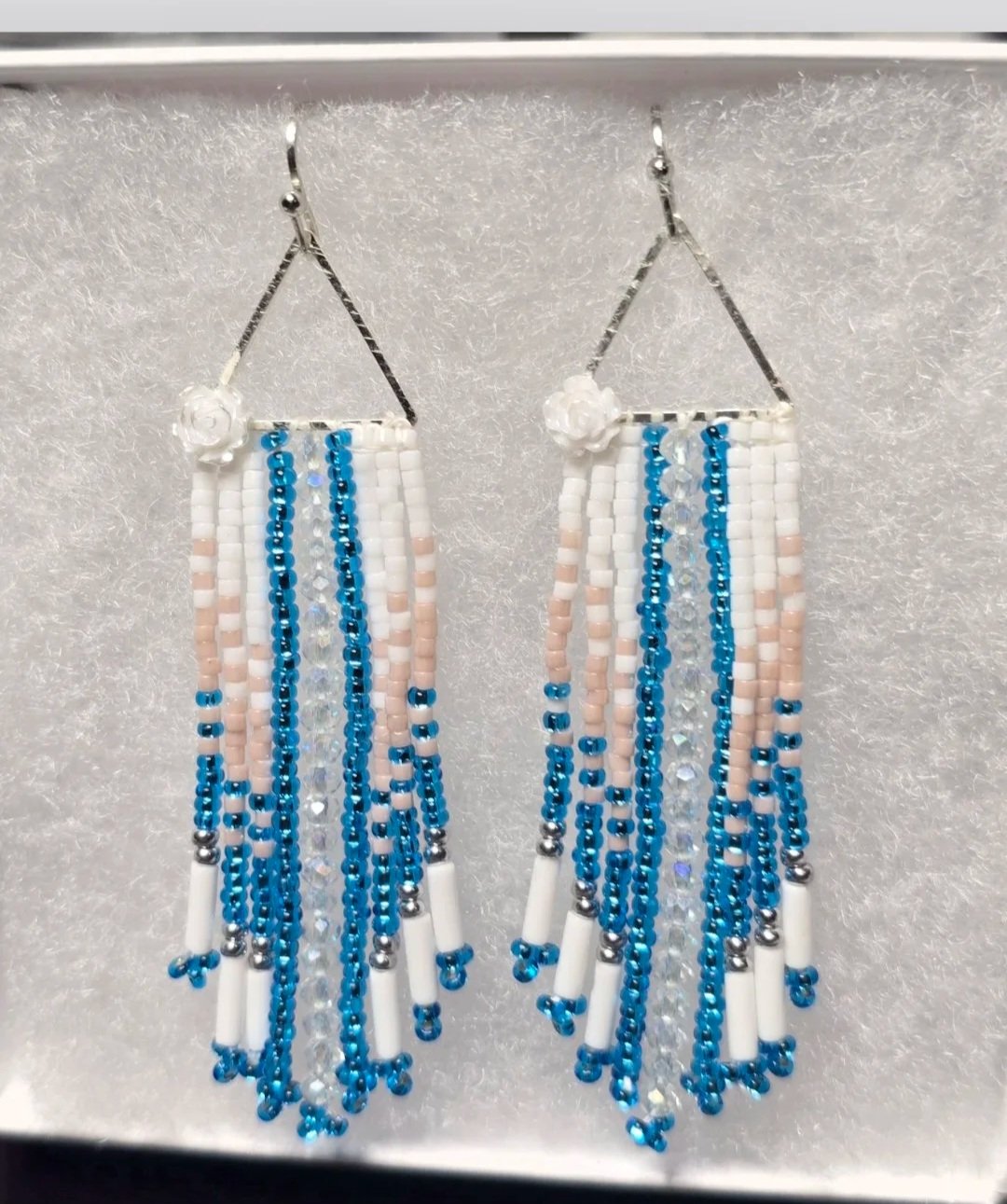
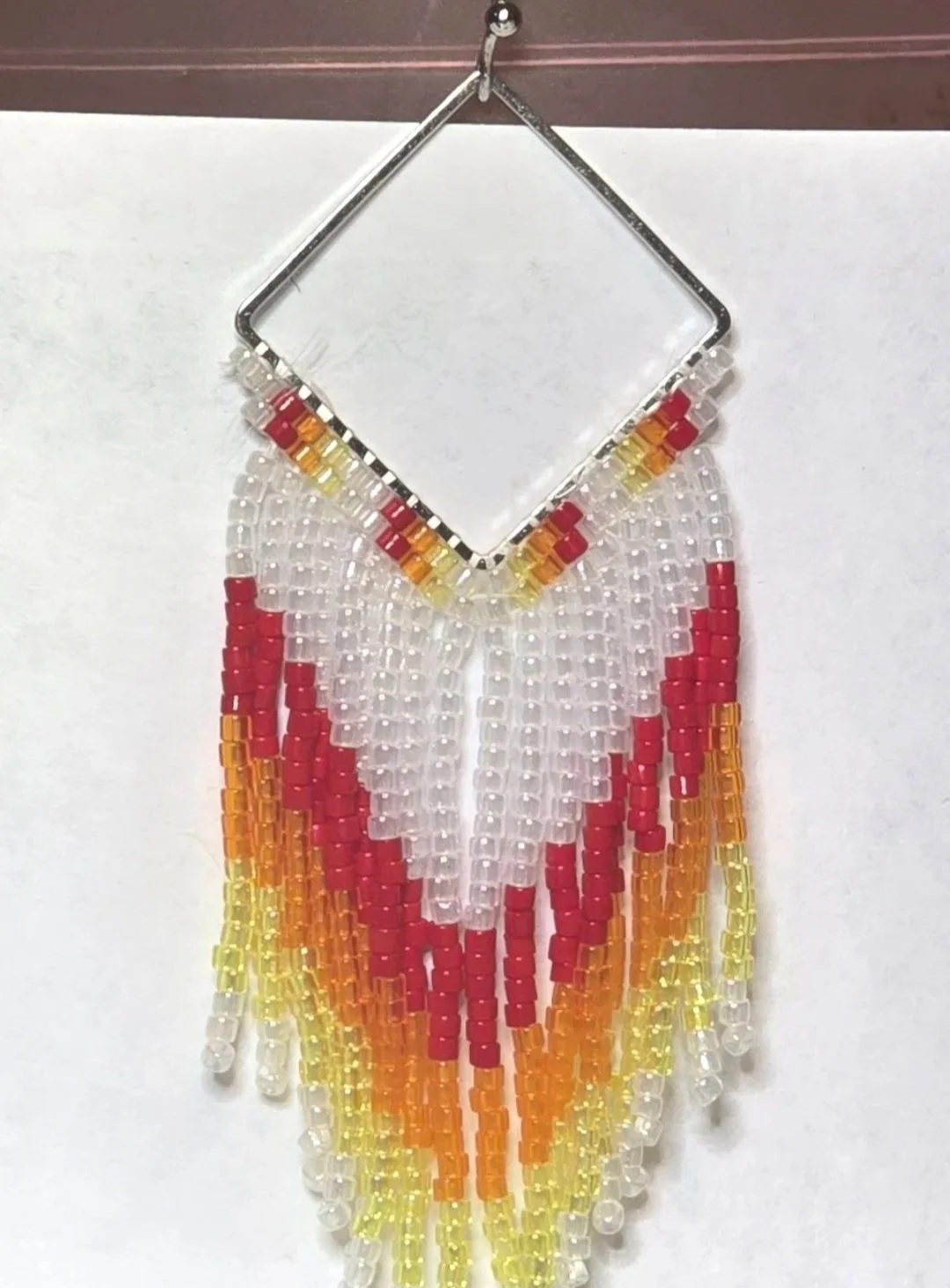
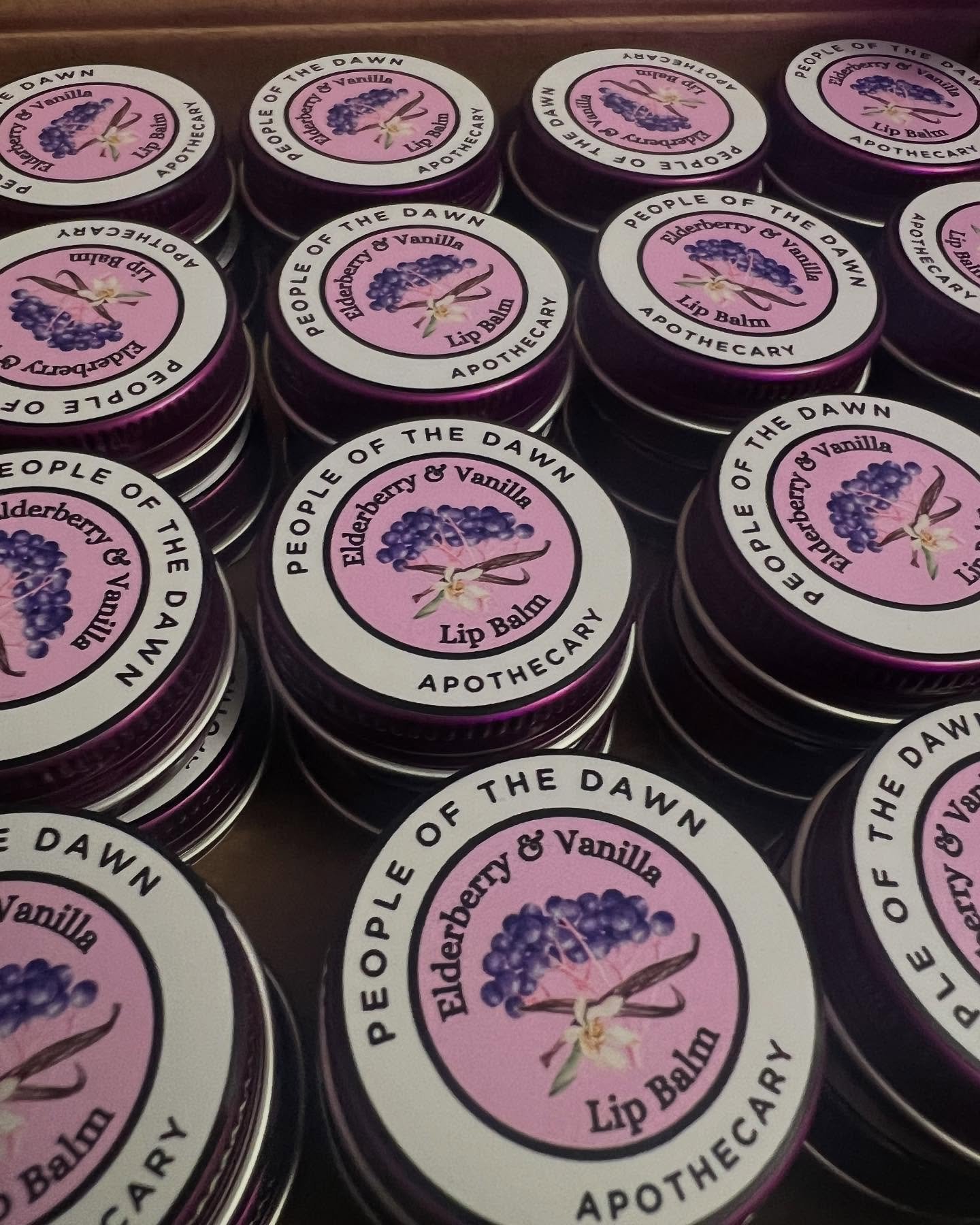
People of the Dawn Apothecary - Tiana Aurelio
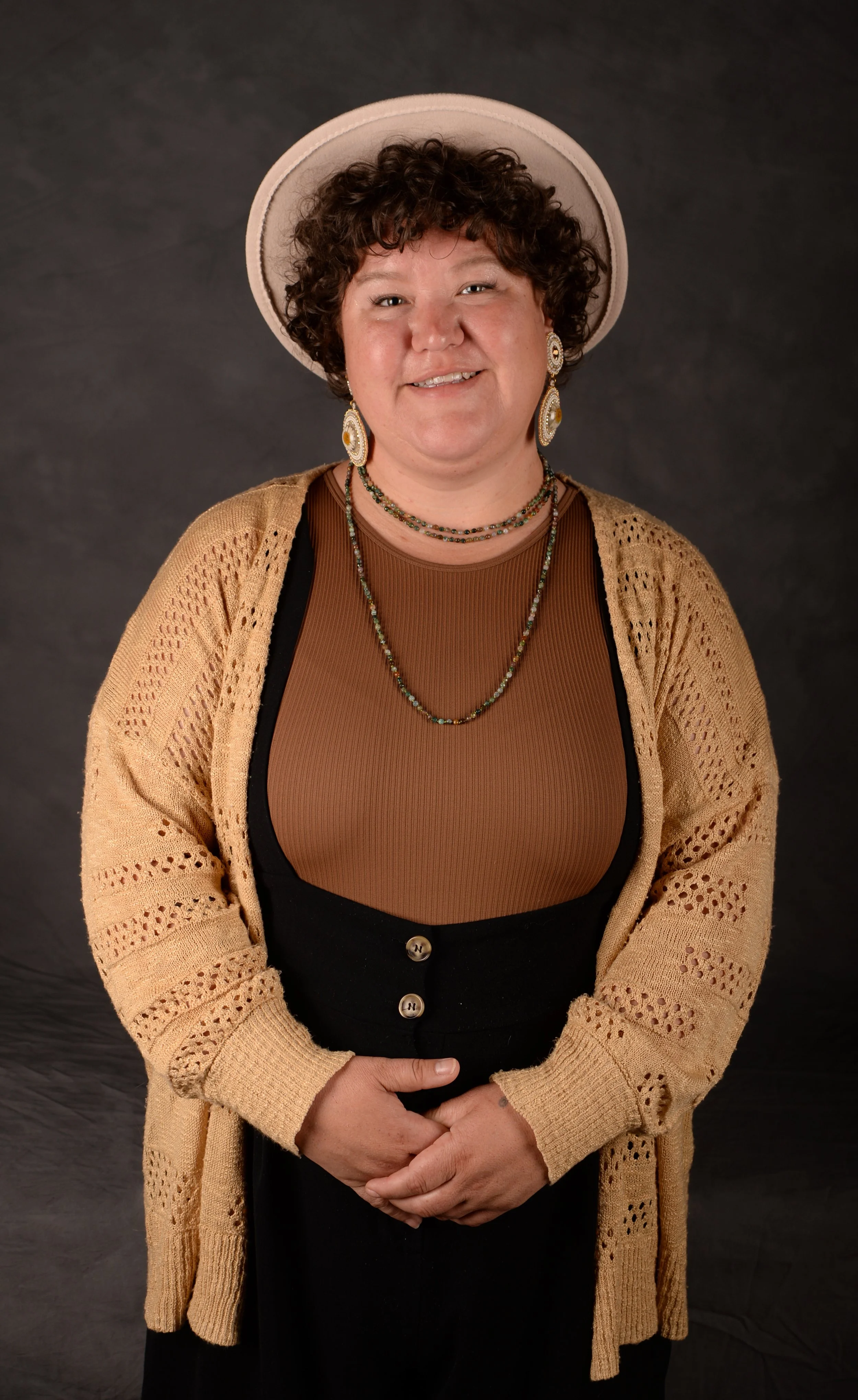
TRIBAL AFFILIATION: Penobscot Indian Nation
MEDIUM: Painter, Home & Body
ARTIST STATEMENT
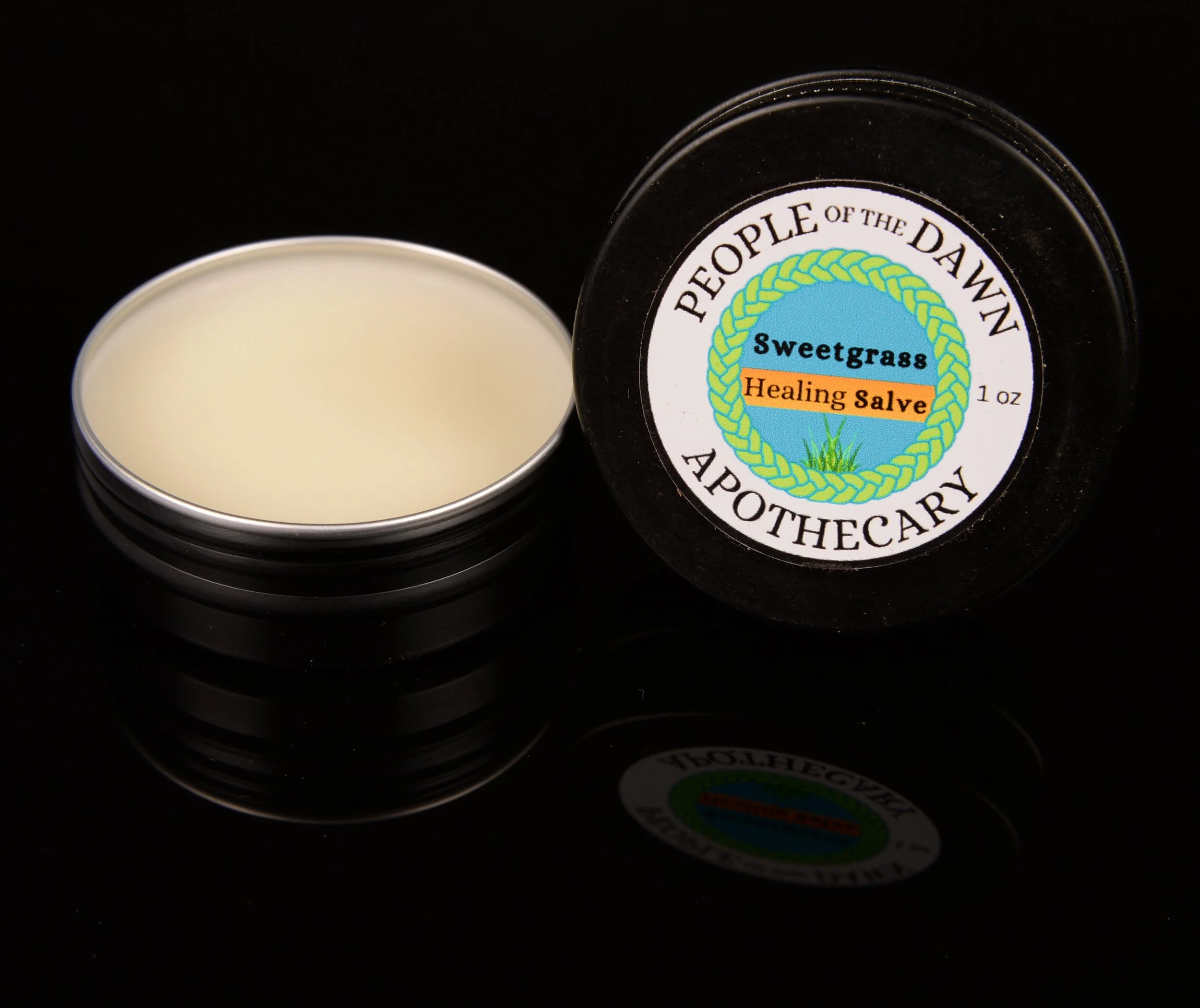
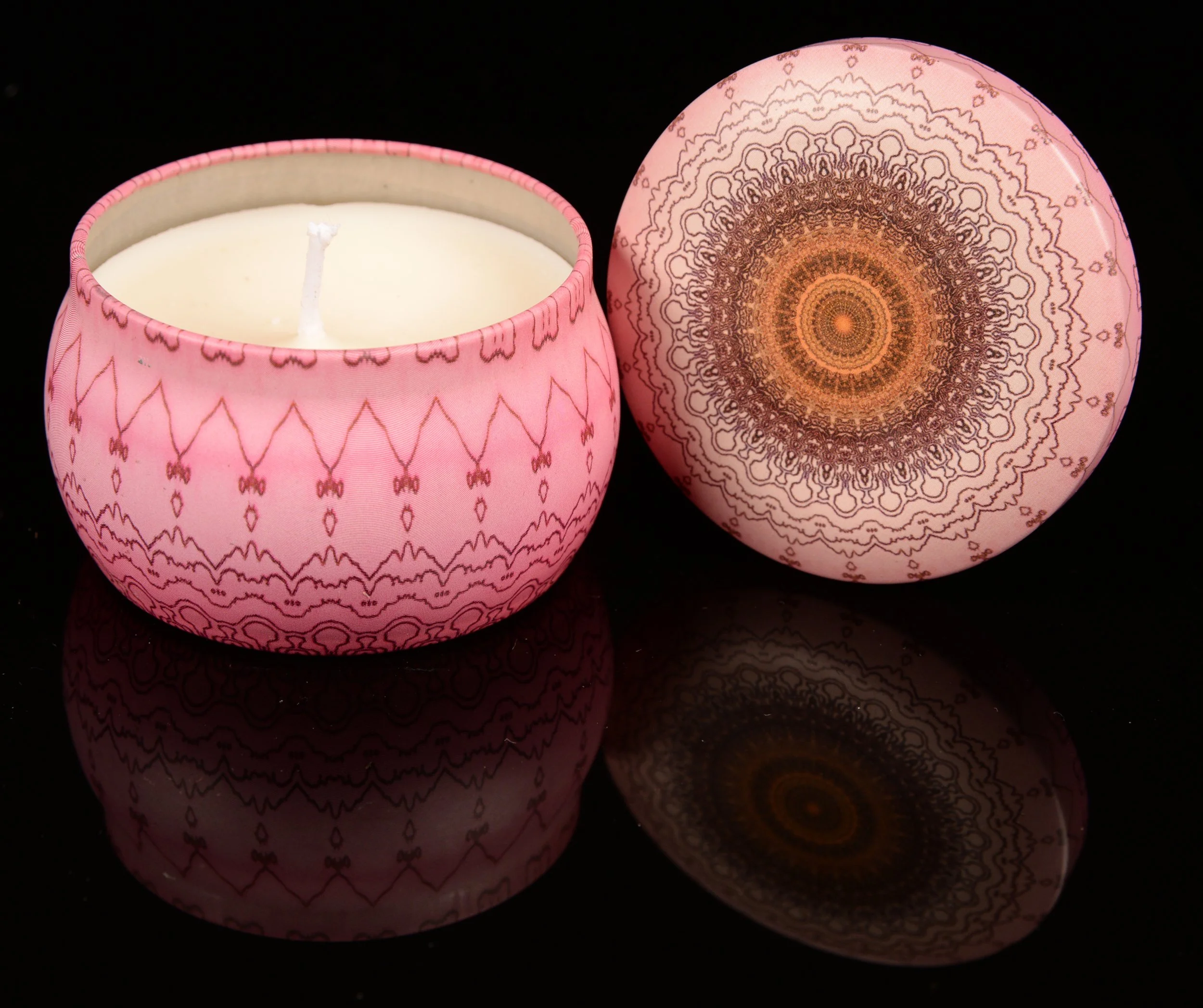
I am a Penobscot artist, healer, and mother dedicated to revitalizing traditional medicine and Indigenous knowledge. With deep ancestral roots and a passion for holistic healing, My son Kaden and I founded People of the Dawn Apothecary, committed to helping others with traditional and all-natural remedies. Our work combines art, medicine, and cultural preservation, honoring our ancestors' wisdom while providing sustainable, earth-based healing solutions for the modern world. Our small business has enabled me to help out the Wabanaki community of elders by gifting them products throughout the past few years, we are honored to be doing this work.
All of our products are plastic-free and have holistic properties, please make sure to stop to say hello!
Connect with Tiana
Theresa Secord

TRIBAL AFFILIATION: Penobscot Indian Nation
MEDIUM: Basketry
ARTIST STATEMENT
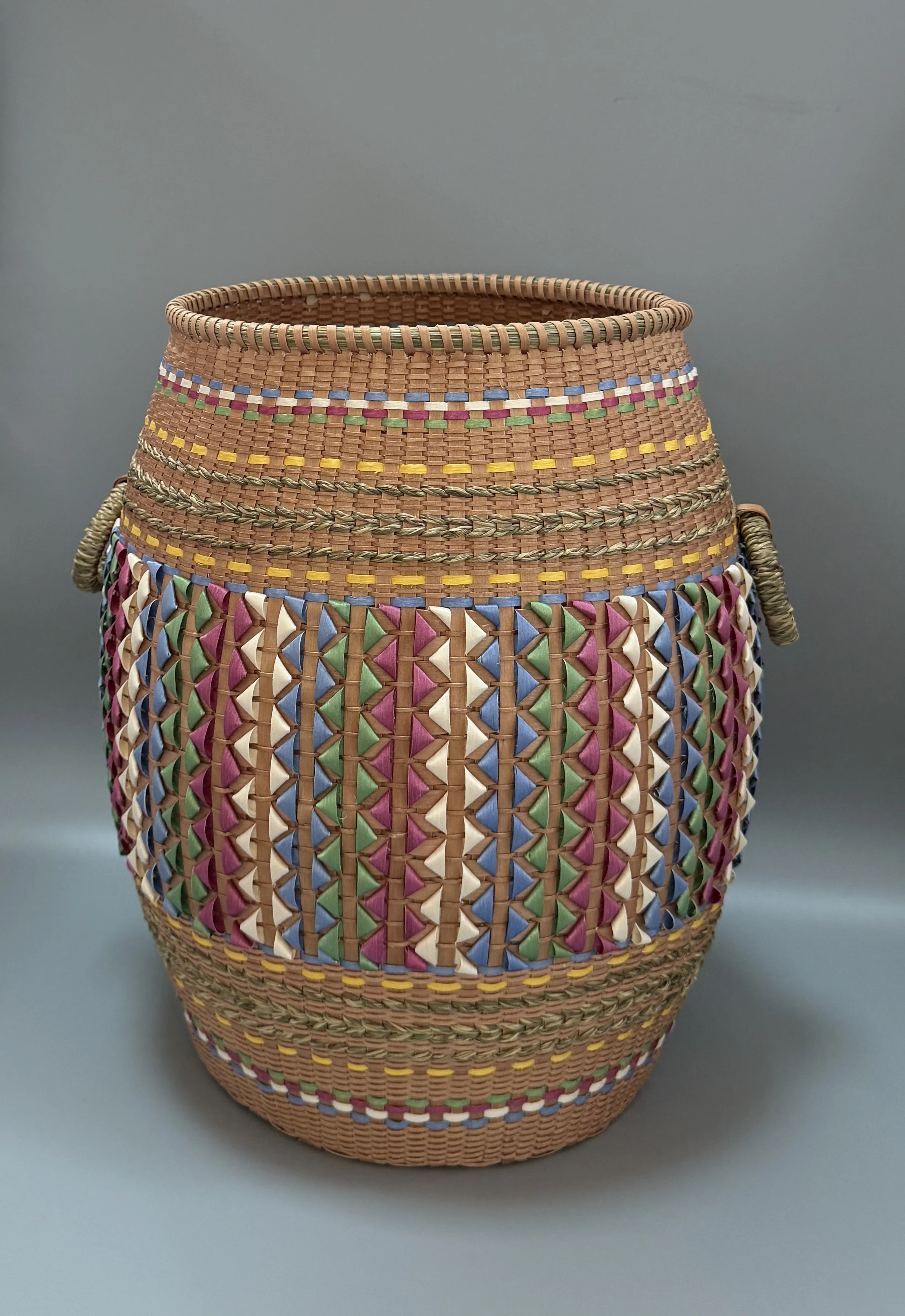
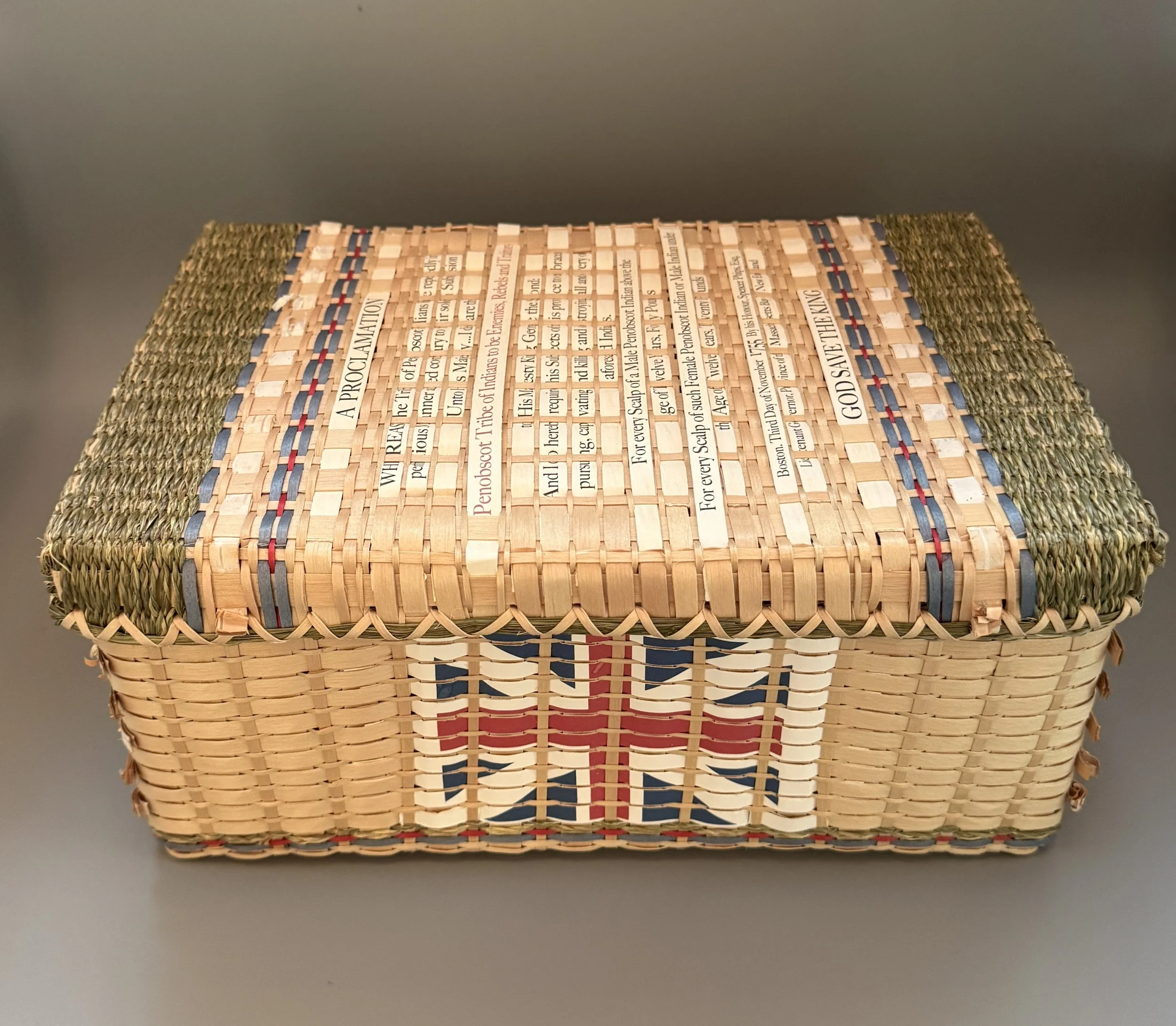
Theresa Secord (born 1958, Portland Maine) is a traditional Penobscot basket maker and the founding director of the Maine Indian Basketmakers Alliance (MIBA). After earning a Master’s degree in geology and working for an oil company in the early 1980s, she returned to Maine to work for her tribe, heading up a mineral assessment program on 300,000 acres of Penobscot and Passamaquoddy lands.
Soon after, in 1988 Secord learned to weave on Indian Island—the village where her mother was born—from an elder in the community, Madeline Tomer Shay. During her 21 years of leadership, MIBA was credited with saving the endangered art of ash and sweet grass basketry in the Maliseet, Micmac, Passamaquoddy and Penobscot tribes.
Theresa has won a number of awards for her artistry and community work, including the Best of Basketry in the Santa Fe Indian Market twice, a National Heritage Fellowship from the National Endowment for the Arts and an honorary doctorate from Colby College. Her work is featured in private collections and museums throughout the nation, including recent acquisitions (2026) by the Fuller Craft Museum, (2024) by the Metropolitan Museum of Art in New York and (2023) and the Art Institute of Chicago.
In 2021, she was named a Luce Indigenous Knowledge Fellow and in 2024, an inaugural Taproot Fellow. In 2025, she was honored with a Ruth Arts Fellowship, a United States Artist Fellowship and a Cultural Capital Fellowship (First Peoples Fund). Theresa has mentored many to weave baskets and lives and works in Maine.
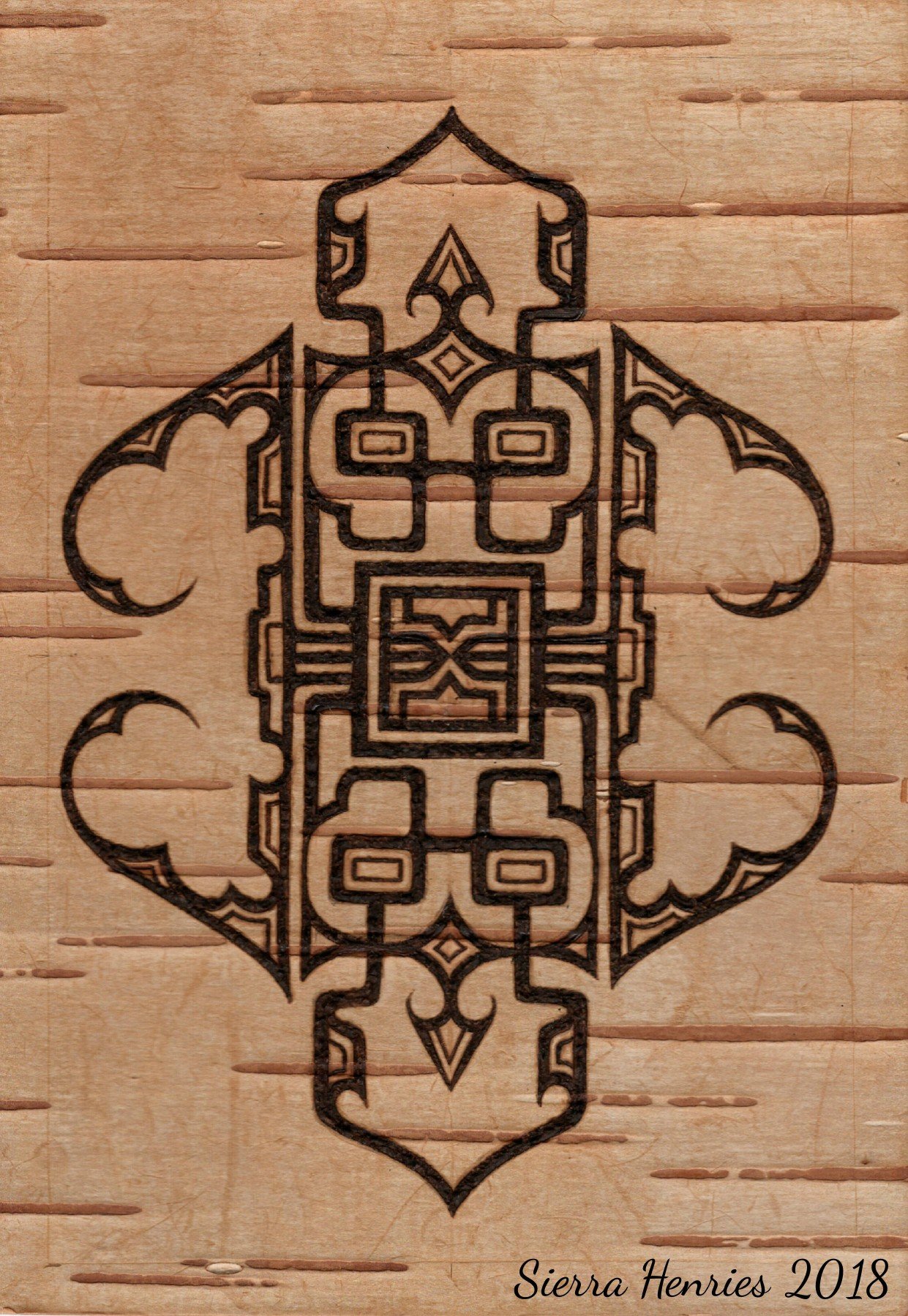
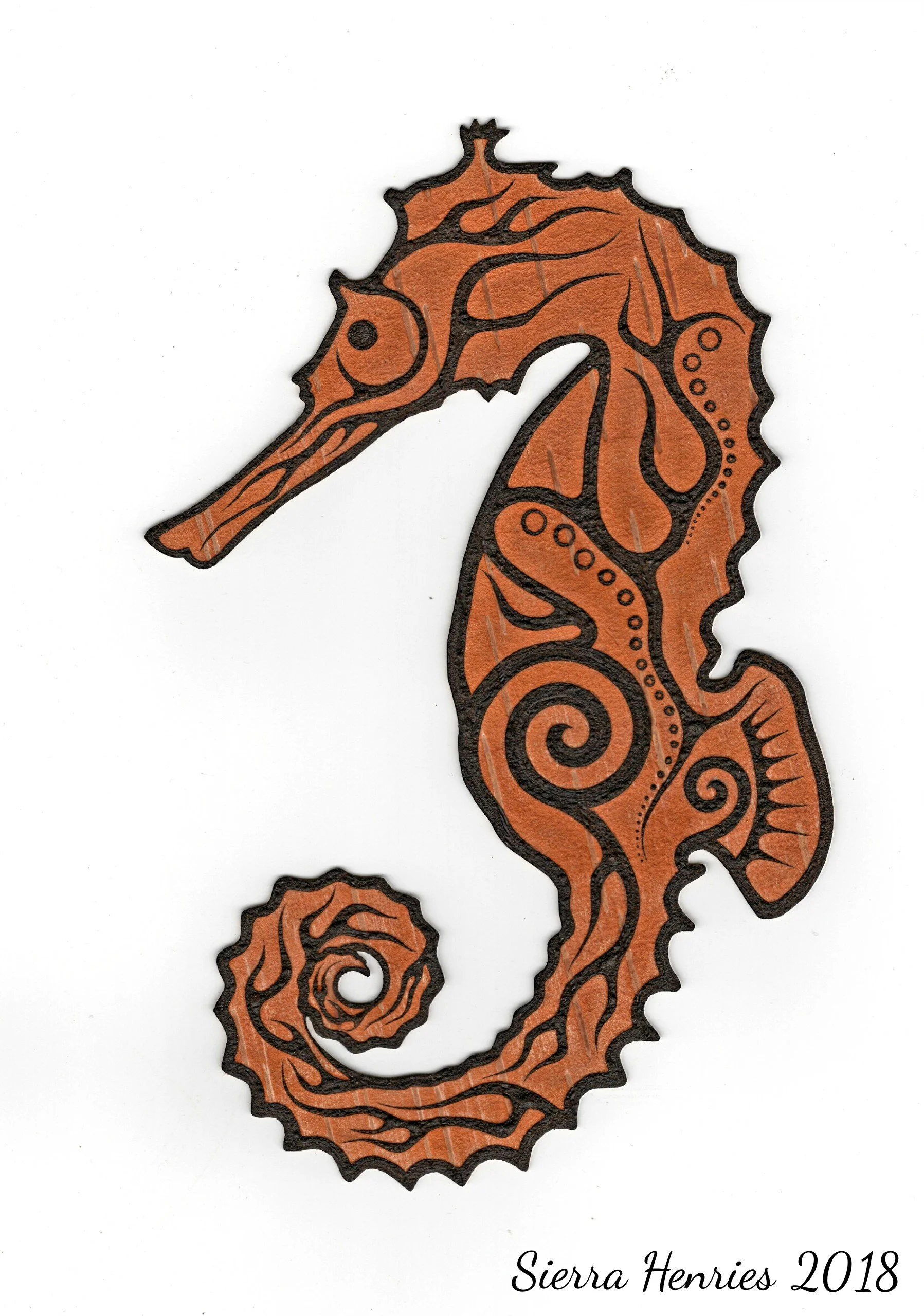
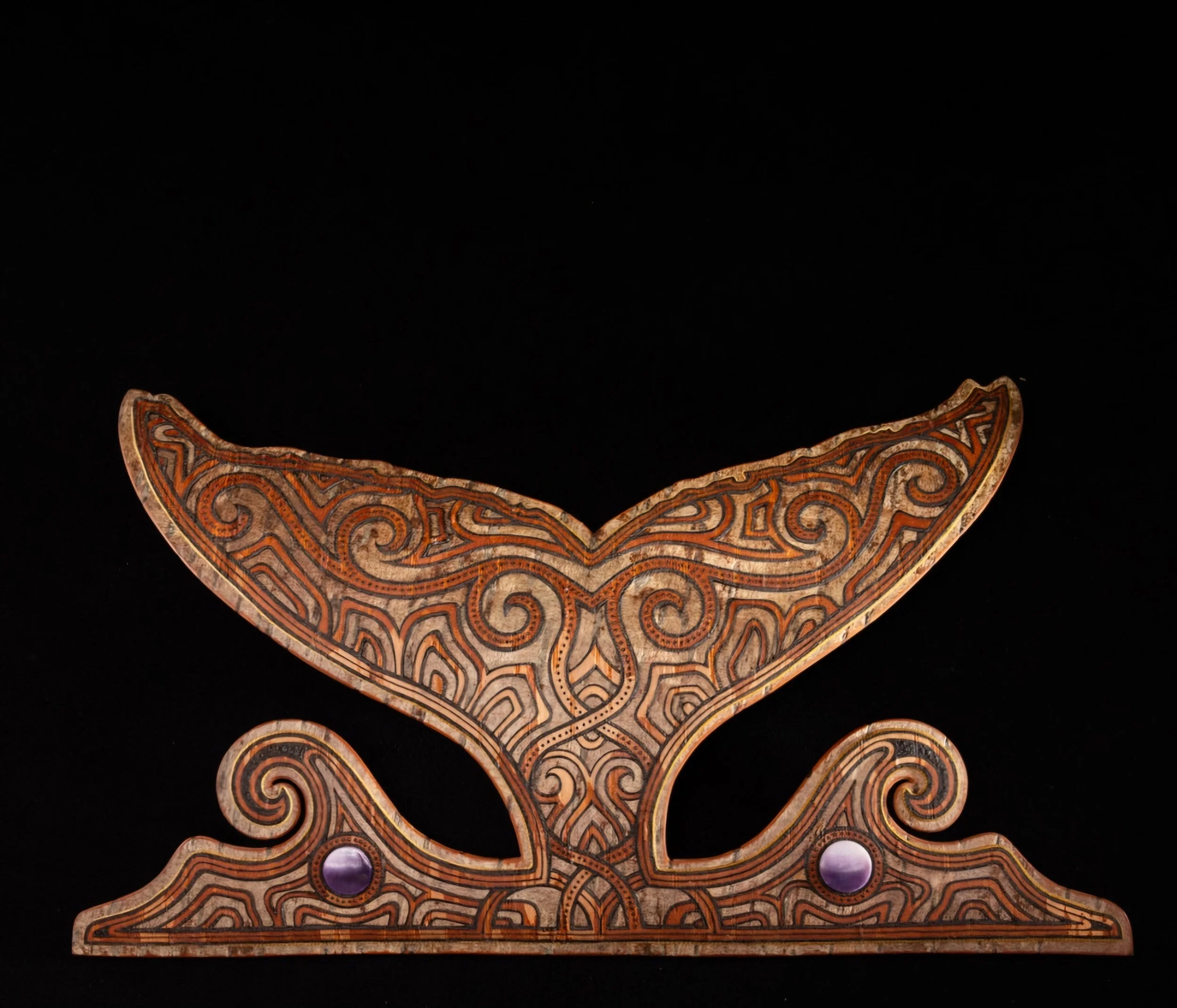
Sierra Henries
TRIBAL AFFILIATION: Chaubunagungamaug Band of Nipmuck
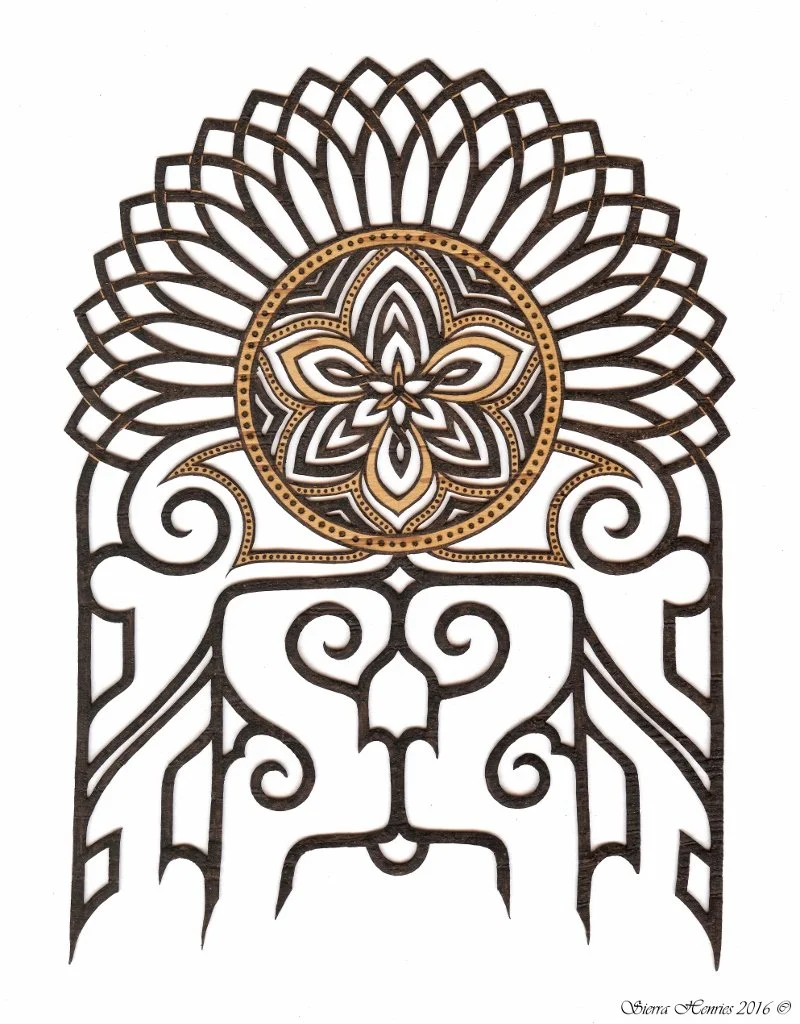
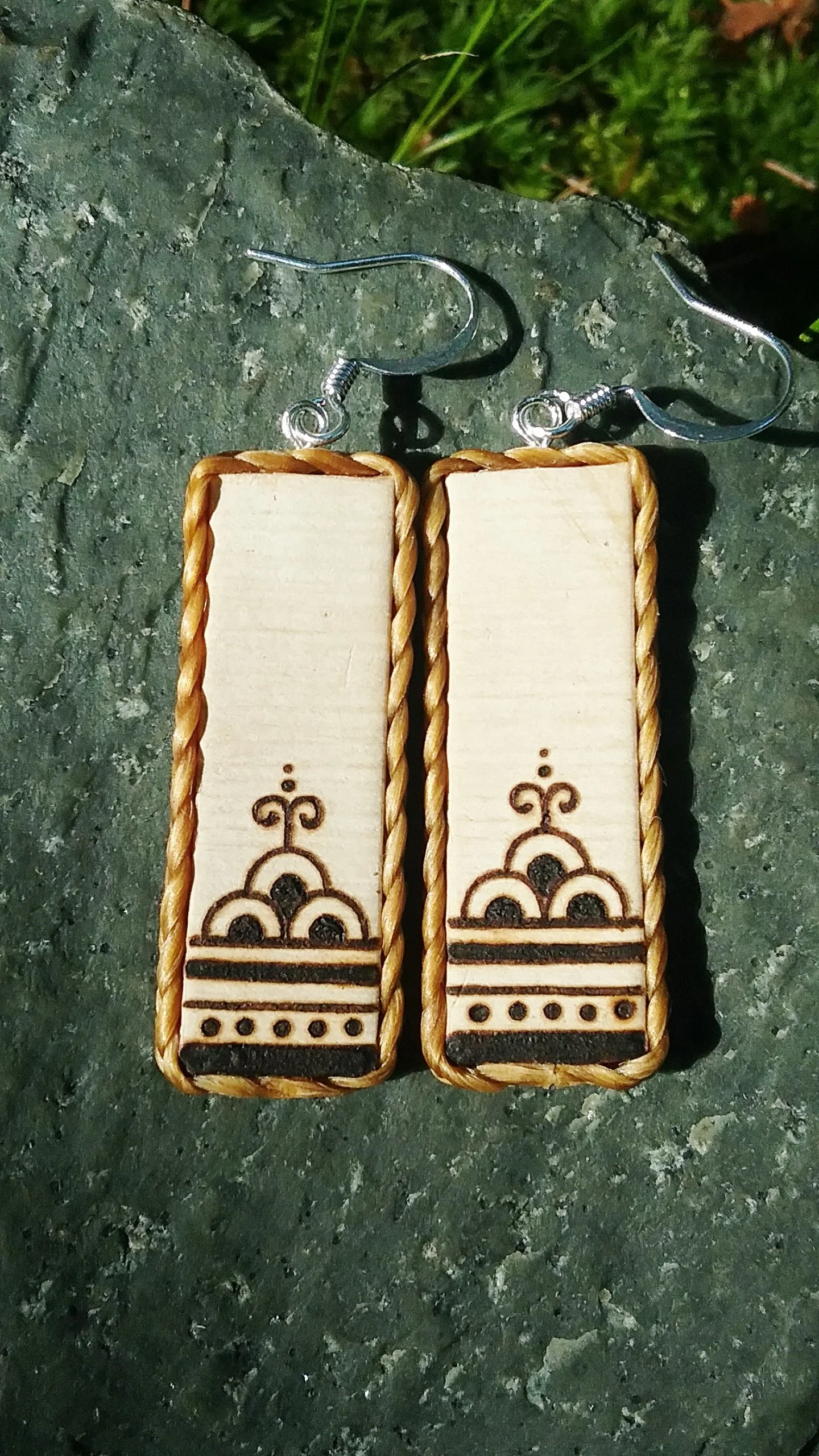
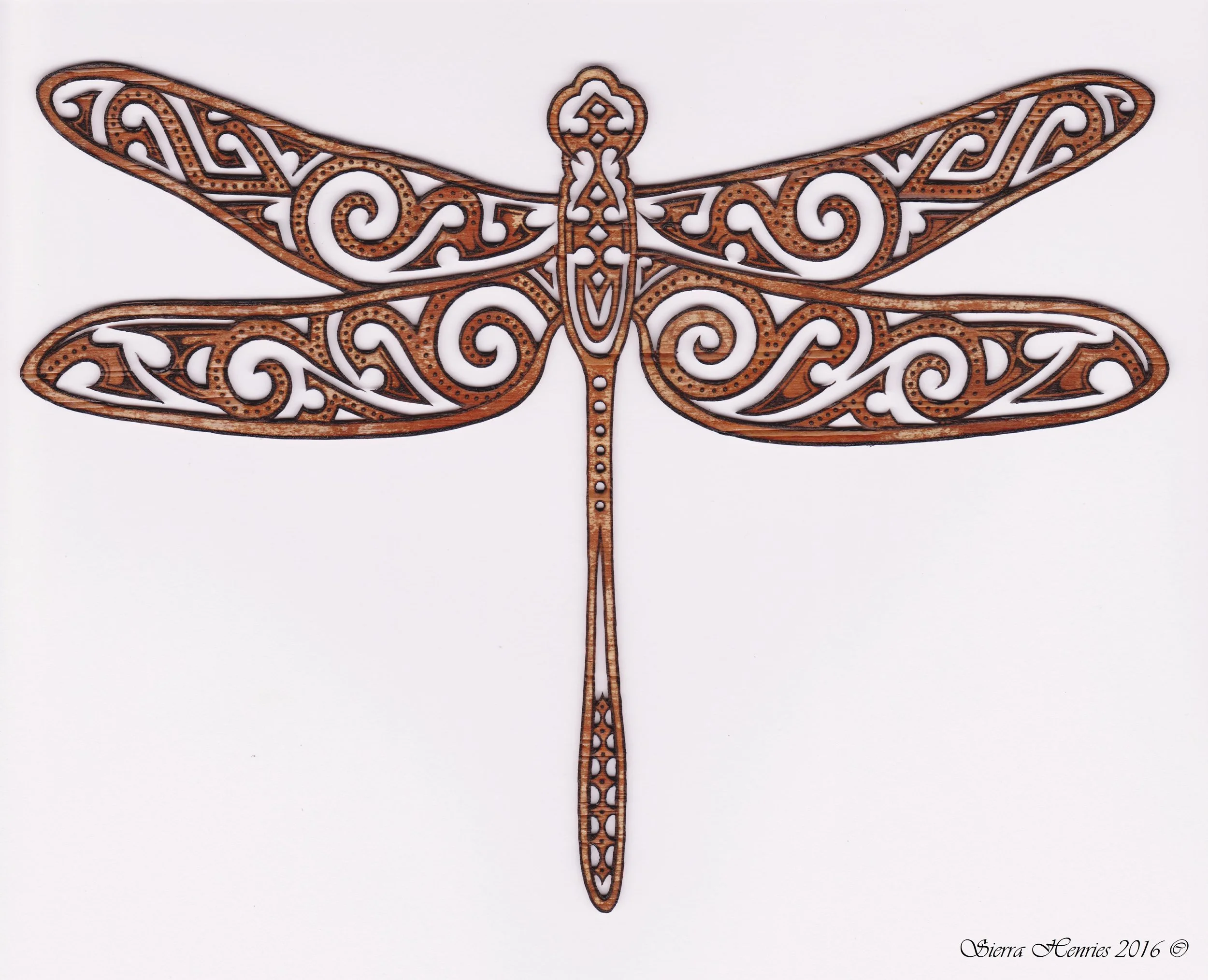
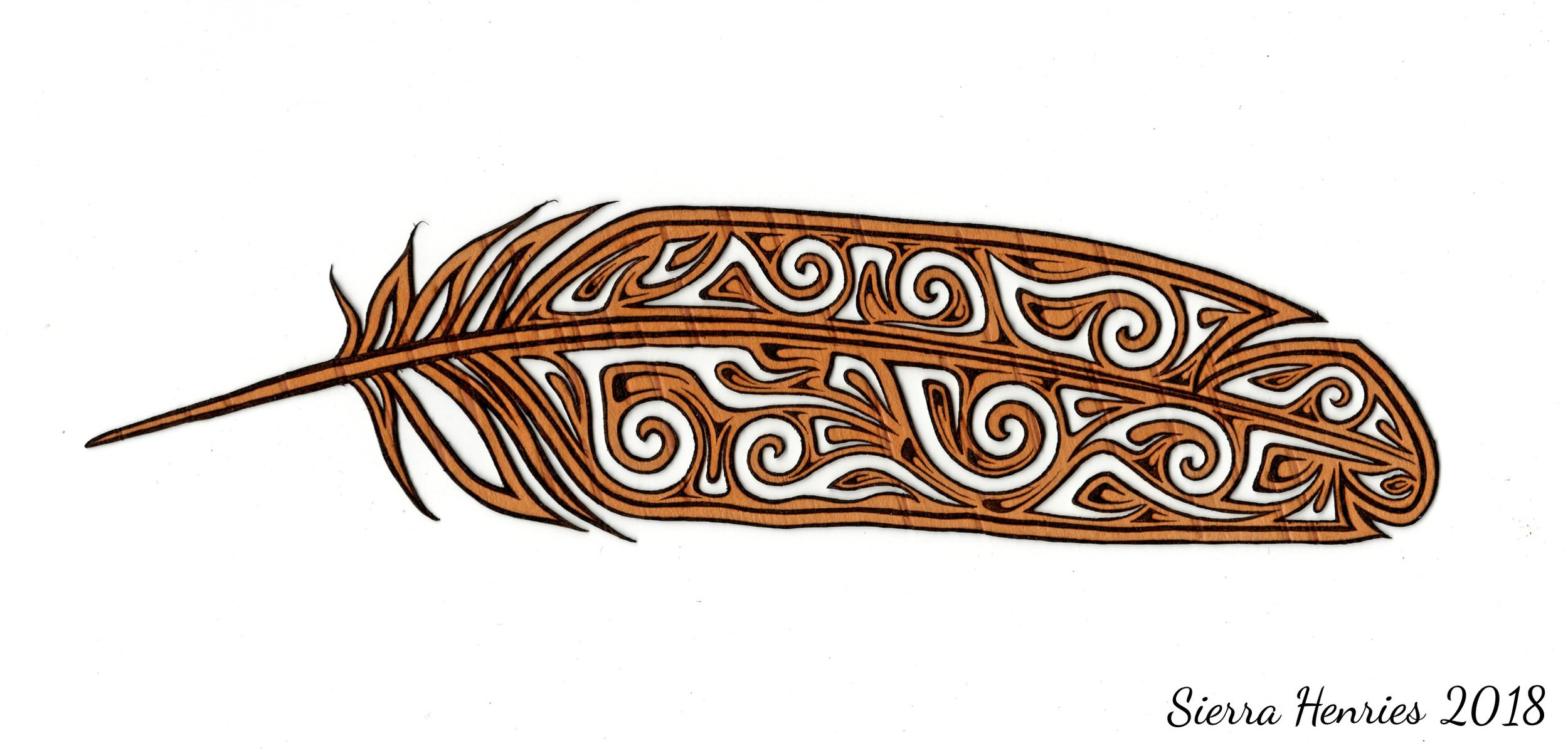
MEDIUM: Pyrography, Birchbark
ARTIST STATEMENT:
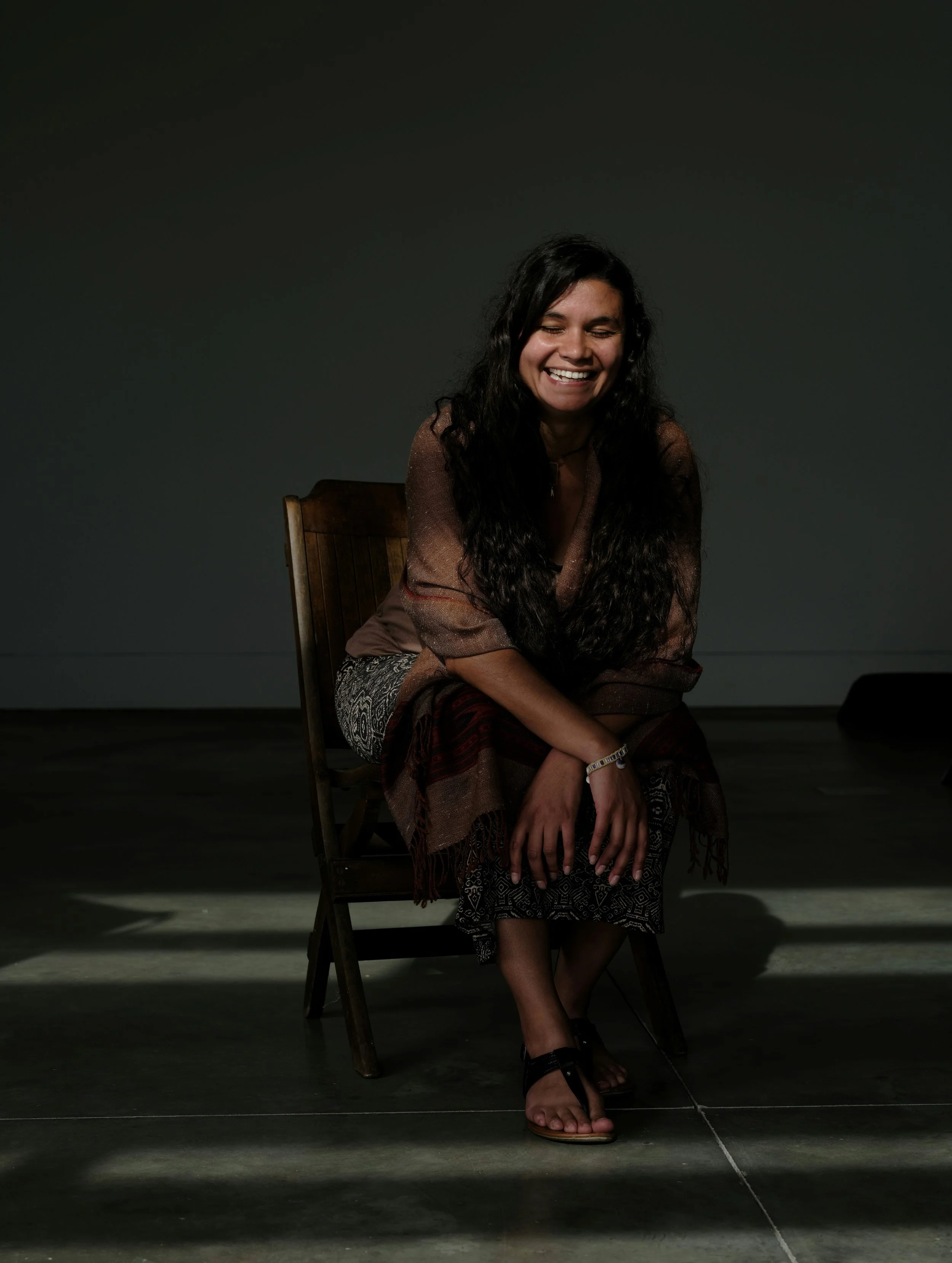
Sierra Autumn Henries has been a multimedia artist for over thirty years and is a member of the Chaubunagungamaug band of Nipmuck (MA) living at the intersection of Passamaquoddy and Penobscot homelands. She and her family care for land and their home in a place that rests at the feet of both Schoodic and Black mountains, and sits alongside Flanders stream, which flows only a short distance to the ocean waters of Flanders Bay.
Consisting primarily of pyrography and birch bark, her art endeavors to honor the beauty of natural color and form while incorporating line work that lives harmoniously with the material. Her Eastern Woodlands culture plays a role in all aspects of her artistic process - from mindset and approach while gathering bark, to the creation and completion of a design. Each piece is meticulously cut, sketched, and burned free-hand, no stencils are used. Every piece of art is unique and comes into being with their own story.
Through intentional process and a reflection of her relationship with land and community (both human and otherwise), Sierra hopes that her art will foster conversation and connection with nature, as well as sparking an interest in others to explore their own creative-self expression.
Her parents are Lisa and Hawk (flutemaker), her sister is Sequan, and her grandparents are Jayne, and Donald who journeyed 2023; Carol, and Little Crow who journeyed 2012; and Theresa Coates.
Connect with Sierra
Sherry Soctomah
TRIBAL AFFILIATION: Tobique
MEDIUM: Beadwork
ARTIST STATEMENT
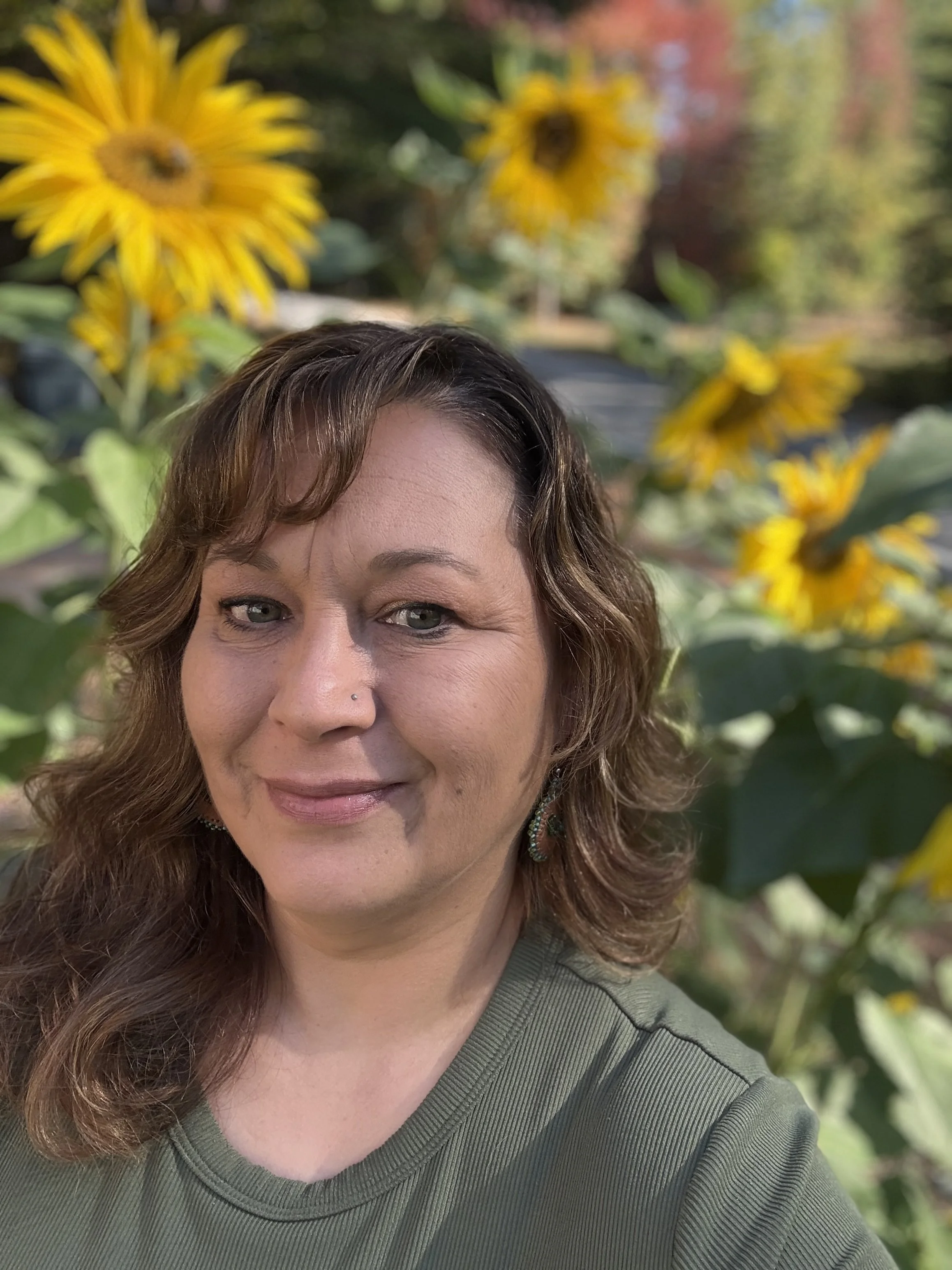
Sherry is descended from Maliseet and Passamaquoddy grandparents and is a member of the Tobique First Nations living in Argyle, Maine.
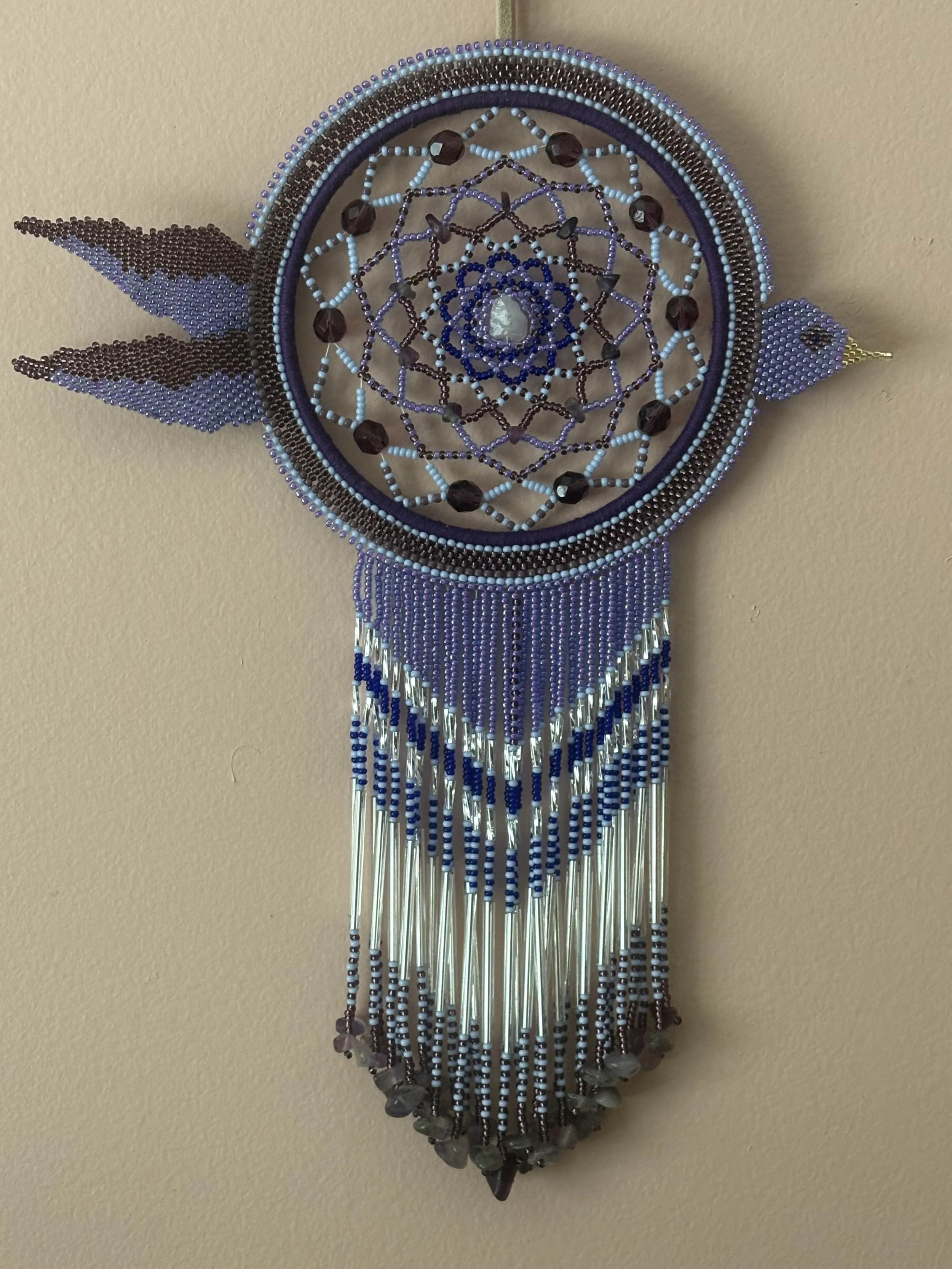
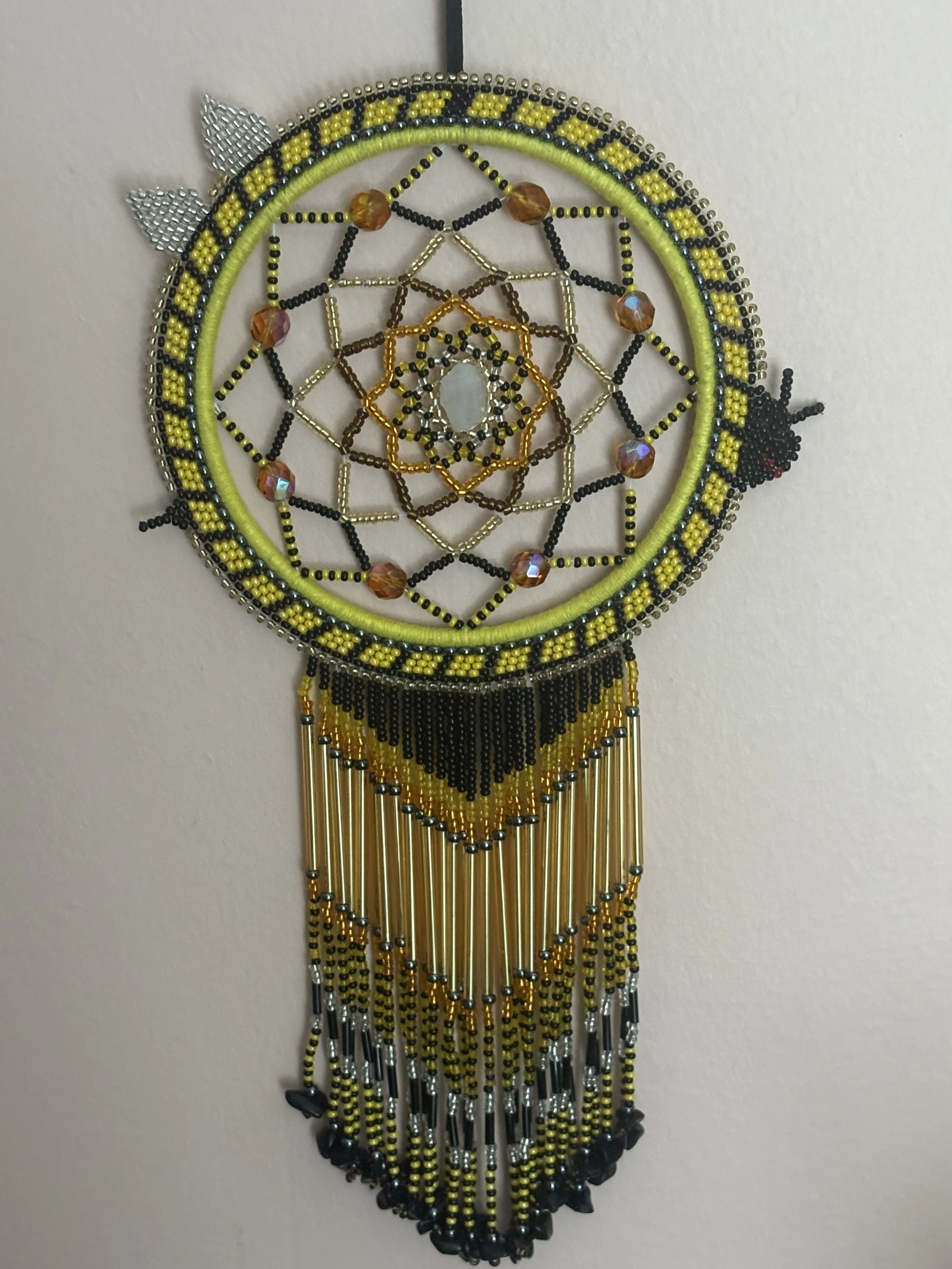
She grew up in the United States away from her culture and community in Canada. As an adult, Sherry went home to Tobique territory to reclaim what was lost to her. She learned how to make her first dreamcatcher from her cousin’s wife, Terri-Ann Sappier, and with this she found her Medicine. She describes the process of making each dreamcatcher as feeling like remembering.
Sherry’s dreamcatchers are one-of-a-kind heirlooms; none are exactly the same. She incorporates healing stones and crystals in her signature web.
Sarah Sockbeson
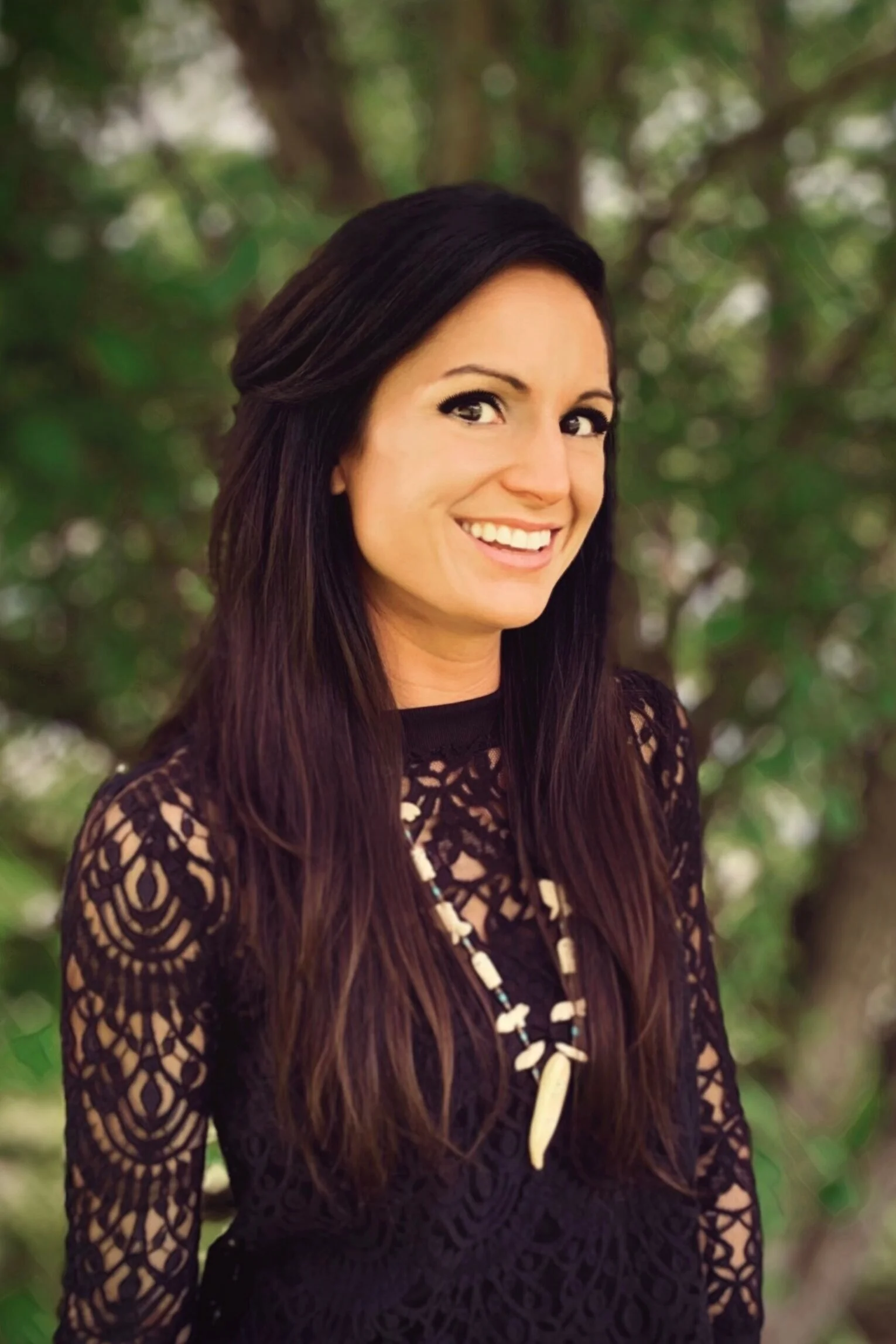
Photo by Robin Farrin
TRIBAL AFFILIATION: Penobscot Indian Nation
MEDIUM: Basketry - Ash, Jewelry
ARTIST STATEMENT:
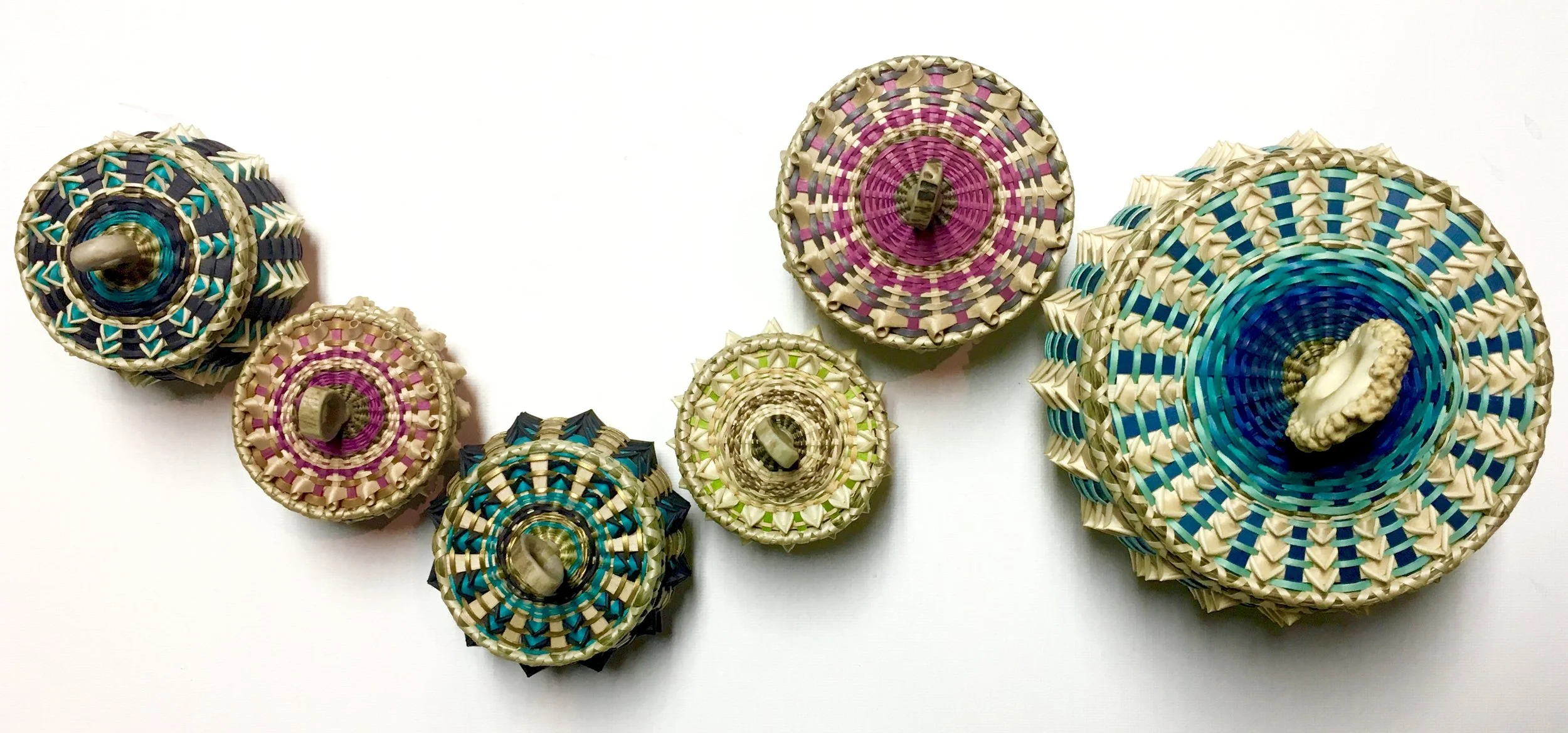
Sarah Sockbeson is an award-winning Native American Artist, culture bearer, and member of the Penobscot tribe, creating traditional yet contemporary brown ash and sweetgrass baskets. She is part of a new generation of basketmakers who've pushed the boundaries of Wabanaki cultural art to an exciting new level.
Growing up within the homelands of the Penobscot, Sarah always had a deep appreciation for traditional art, baskets in particular. Coming from a long line of basketmakers, it was unfortunate that the line of knowledge stopped when her great-grandmother passed away before teaching her generation.
In 2004, Sarah was introduced to the Maine Indian Basketmakers Alliance, an organization dedicated to preserving cultural knowledge, and it was then that she had the opportunity to apprentice with renowned basketmaker Jennifer Sapiel, Penobscot.
Since then, Sarah has honed her skills with each basket woven, becoming an integral part of the Wabanaki arts community. She continues to serve as an active participant, teacher/ mentor, and innovator among her tribe and the national Indigenous arts community. While her work is undeniably tied to cultural tradition, she infuses a style all her own, in the hopes that her work will serve as an inspiration to future generations of Native American artists.
Connect with Sarah


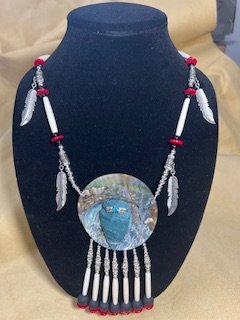
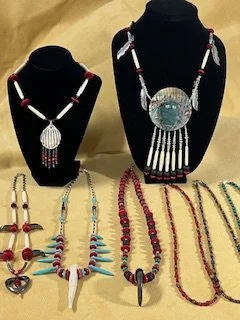
Navaquoddy Crafts - Sanora Isaac and Wilfred Neptune Sr.
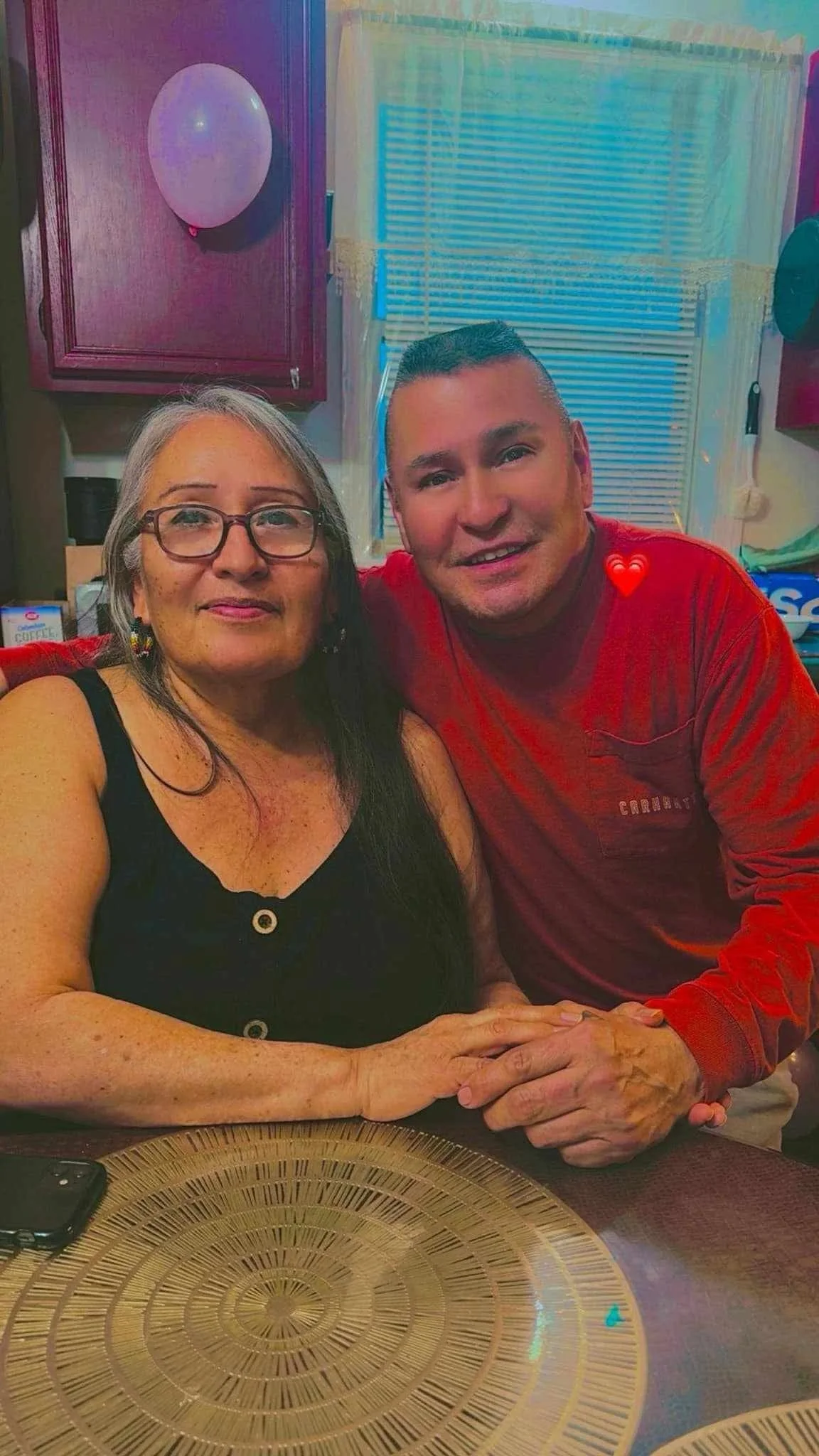
TRIBAL AFFILIATION: Navajo Nation and Passamaquoddy Tribe
MEDIUM: Beadwork, Jewelry
ARTIST STATEMENT
Wilfred J. Neptune Sr., Passamaquoddy from Pleasant Point, Maine, a descendant of the hereditary Chief Neptunes. Sanora Isaac, Navajo from Arizona, comes from a line of artist/educator.
Our crafts originate from our cultural upbringing of Navajo and Passamaquoddy backgrounds. Together, we create a combination of unique, genuine handmade jewelry of beaded earrings, necklaces, bracelets, rings with semi-precious/shell/stones using our natural materials from local nature byproduct and resources. Antler necklaces with seed beads, peyote stitched on leather and War Clubs from Maine rocks & wood handles. Dreamcatchers made from Maine red willow with sinew & feather.
The greatest form of crafting is remembering the tool given to us to express and create by our parents, our ancestors.


Sage Phillips
TRIBAL AFFILIATION: Penobscot Indian Nation
MEDIUM: Beadwork
ARTIST STATEMENT
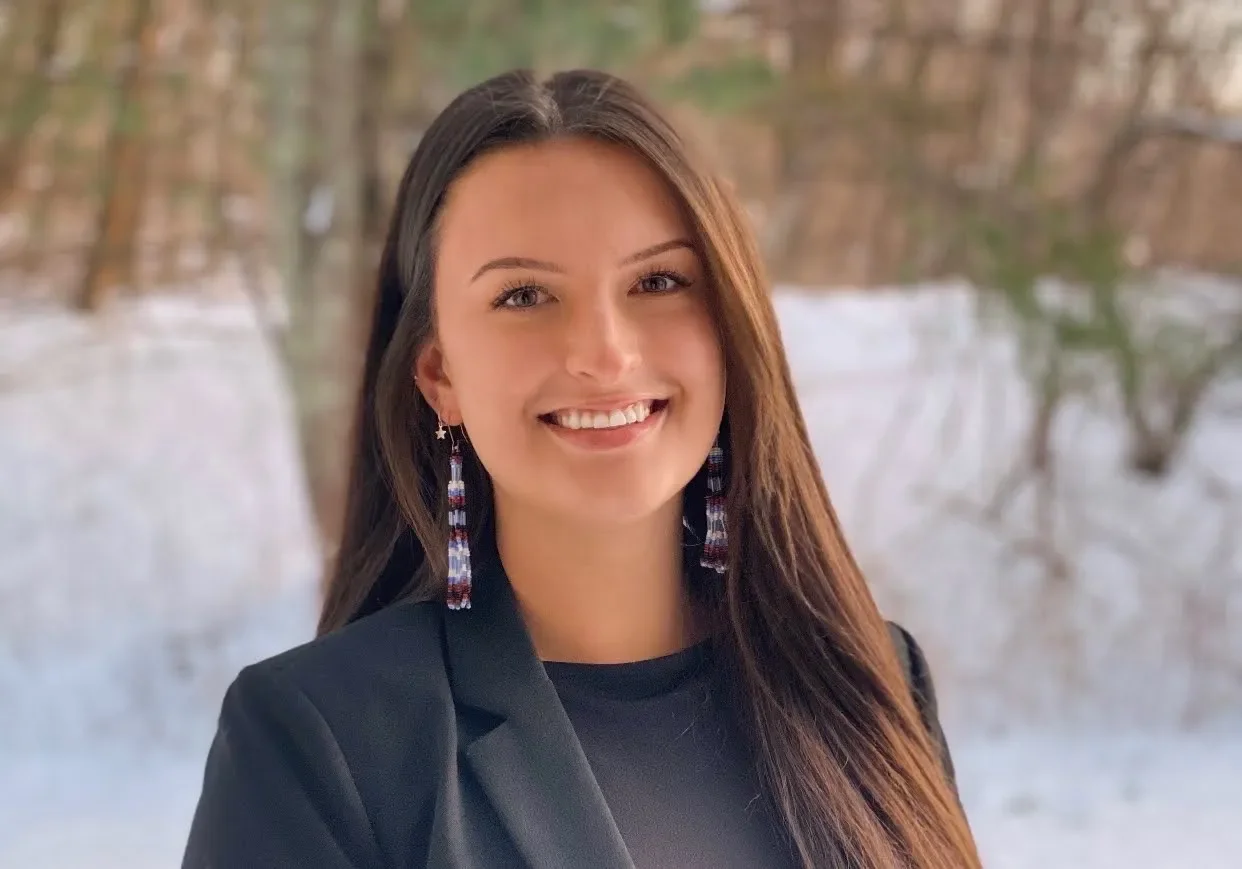
Sage Phillips (she/her) is a proud citizen of the Penobscot Nation. Her inspiration for her beadwork comes from her Grandmother, the late Linda Phillips and her Aunt, the late Lorraine Dana. Both were very talented Penobscot artists who were always incorporating double curves and florals into their work—oftentimes in their family’s regalia pieces. As such, Sage has decided to carry their legacy forward through beading earrings, medallions, and belts that represent her Wabanaki culture. She is sure to include double curves whenever she can, pulling inspiration from birch bark baskets created by her grandfather Butch Phillips who passed away in July.