
Annual Meeting Highlights
The Abbe's 2015 Annual Meeting was held on Wednesday, August 12th and we covered a lot of ground as we reported on fiscal year 2014, as well as our plans for the future. There were demonstrations by four Native artists, a sneak peek at our new strategic plan, and we honored an outgoing Trustee with the highest award bestowed by the Abbe.

Back in July, the Abbe named its 2015 Wabanaki Artist Fellows, recognizing three exceptionally creative individuals with a track record of achievement and the potential for significant artist contributions in the future: Donna Brown, Penobscot; Ganessa Frey, Penobscot; and Emma Soctomah, Passamaquoddy. These fellowships were made possible through support from Dawnland, LLC, the concessioner in Acadia National Park, who was in attendance at the Annual Meeting. All three Fellows gave demonstrations during the Annual Meeting, delighting guests with their art and answering any questions.

Ganessa Frey discussed basketmaking with Abbe supporters Joe and Cathy Gerstner.

Emma Soctomah admitted that artwork is very important to her, and she spends much of her time outside of school making baskets. She's off to the Santa Fe Indian Market this month to try and win some more awards.

Donna Brown discussed her traditional beadwork with Abbe Trustee Sandy Wilcox.
The fellowships awarded are intended to provide support for travel, lodging, and other costs associated with exhibiting at Indian art markets in Maine and New Mexico. Emma and Ganessa will attend the 2015 Southwestern Association for Indian Art’s Santa Fe Indian Market (SWAIA), and Donna attended the 2015 Native American Festival and Basketmakers Market last month.
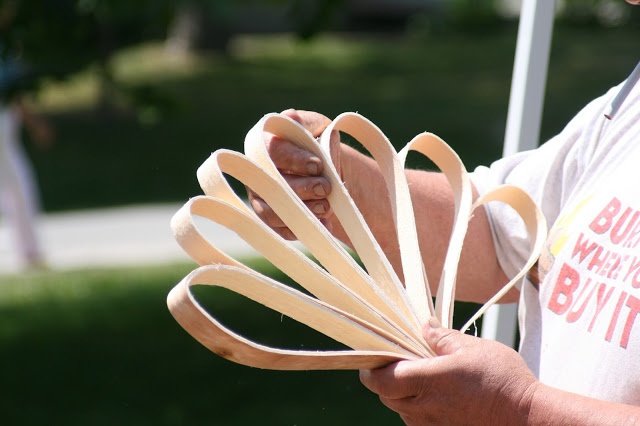
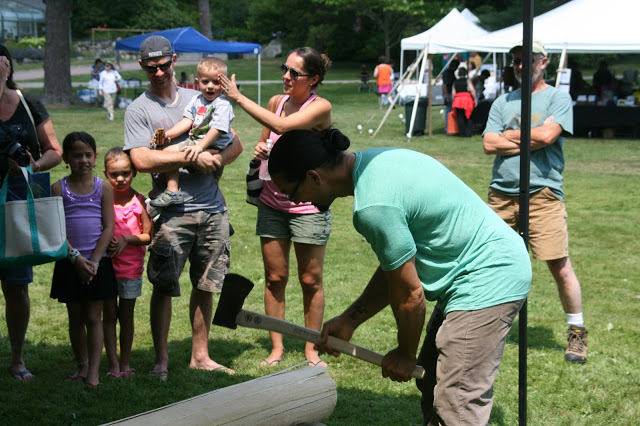
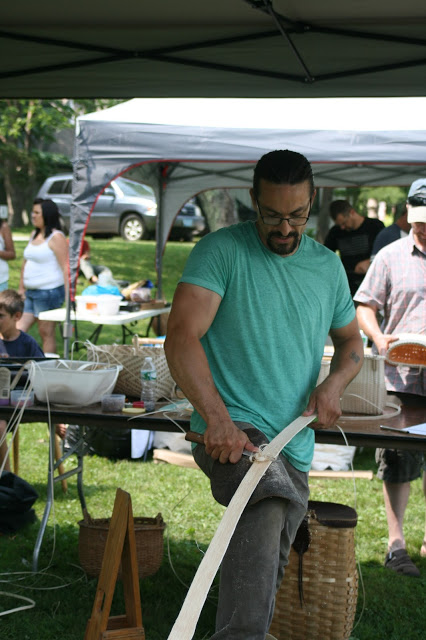
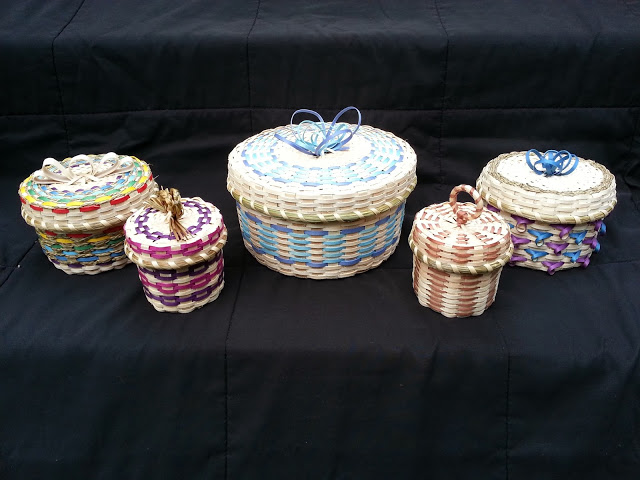
Gabriel Frey, Passamaquoddy, also gave a basketmaking demonstration. A utility basketmaker, Gabe uses his family's traditional knowledge and style to create beautifully woven, sturdily built utility baskets that can be used for a variety of purposes.
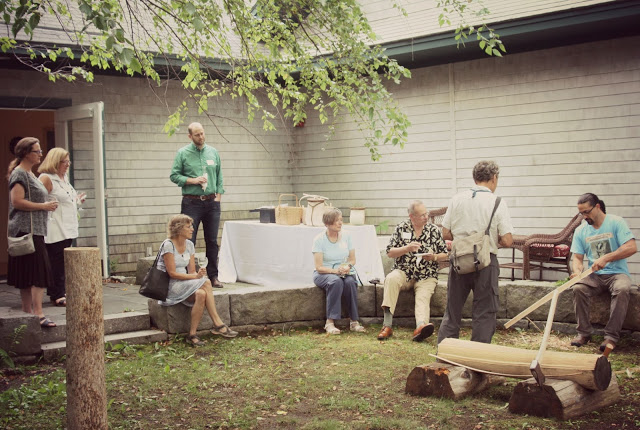
Gabe Frey (far right) carries on the tradition, high quality, and style of his grandfather who taught him, while incorporating his own individual aesthetic, forms, and decorative weaves.
The Golden Trowel Award, the highest award bestowed by the Abbe, was presented to Art Spiess for his invaluable contributions in making the Abbe Museum's annual Field school happen. This school has been an integral part of the Abbe’s archaeological work since the 1980s, and is one of the most significant ways we teach about archaeology and engage people in this important way of learning more about Wabanaki history and culture. The success of the field school over the years has been due in large part to the outstanding contributions of archaeologists, anthropologists, historians, and educators from around Maine. And for the past nine years, nobody has been as essential to that success at Art Spiess.
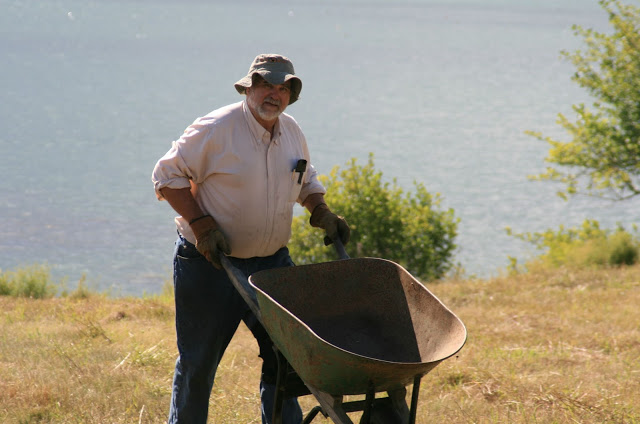
Art received his PhD in Anthropology from Harvard University in 1978, and he began his career at the Maine Historic Preservation Commission that same year. Art has been on the Board of The Maine Archaeological Society for more than 20 years, and he serves as the Editor of Archaeology of Eastern North America for the Eastern States Archaeological Federation.
Art has generously given his time and expertise to the field school, leading this outstanding annual learning experience. He has also been key in helping the Abbe keep our practices and policies around archaeological research and collections up-to-date with current standards and legal requirements. He has guided archaeology in Maine for over four decades of work at the Maine Historic Preservation Commission, and his depth of knowledge has been essential to the success of the field school.
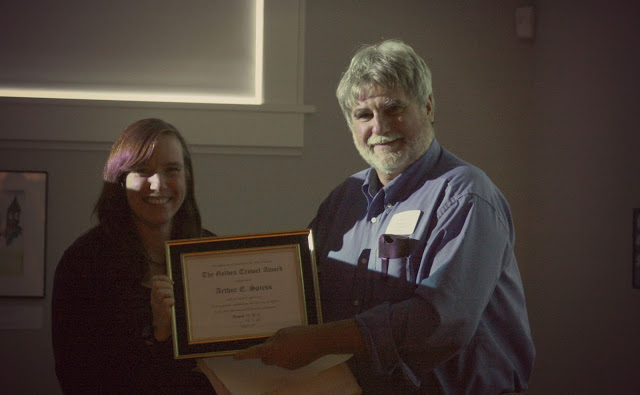
Abbe's Director of Collections & Interpretation presented Art with the Golden Trowel Award.
The night ended on an exciting note: the Abbe's new strategic plan. This plan will guide the next phase of the Museum’s growth and development, from its adoption in 2015, through the next five to seven years. Our mission hasn’t changed, but our vision has a new focus:
The Abbe Museum will reflect and realize the values of decolonization in all of its practices, working with the Wabanaki Nations to share their stories, history, and culture with a broader audience.
There are three phases to the plan, and phase one will kick-off very ambitiously this fall. The Abbe's President & CEO, Cinnamon Catlin-Legutko, gave a sneak peek of each goal, which will include a permanent exhibit, new and improved web presence, expansion of our dialogue-based programming, development of an archaeology advisory committee, an online collections database, and producing the Abbe Museum Indian Market. An official plan will be rolled out very soon!
A very big thank you to all those who came to the Museum on Wednesday to celebrate with us! We can't wait to see what happens next!
Meet a Wabanaki Artist Fellow: Emma Soctomah
Emma Soctomah is 11 years old and a member of the Passamaquoddy Tribe living at Indian Township. She is an Honor Roll student who skipped the 4th grade, and will be in the 7th grade this fall.
Artwork is very important to her, and she spends much of her time outside of school making baskets. She has attended the Santa Fe Indian Market twice and has returned with top awards each time.
"My inspiration would definitely be my Gram, Molly Neptune Parker. She is always working on baskets and stopping to help me or my cousins. I am very thankful to have my Gram because she always helps me when I need it. She also makes very beautiful baskets. I am my brother George Neptune's apprentice, so I go to markets with him. He helps me work as hard as I can, but sometimes too hard, but that's okay. He just wants me to do as good as I can."
Here she is (in the pony tail), teaching Franklin Delano Roosevelt's great grandchildren how to weave a basket. Roosevelt was good friends with Tomah Joseph, who was from Indian Township, and a family relation to Emma and George.

As a Wabanaki Artist Fellow, Emma is off to the Santa Fe Indian Market this month to see what other awards she can win. But, it's not just about winning awards; making baskets is about keeping a tradition alive and well.
"I want to be sure that basketmaking keeps going so that we don't lose the tradition. At one point we started losing the tradition but my Gram started teaching more and more people. I want to be just like her and teach people to make baskets and keep it going. I will teach all of my children that I have in the future."
The Wabanaki Artist Fellowships were made possible through support from Dawnland, LLC, the concessioner in Acadia National Park.
A Pop Up Program at the Abbe will focus on one of the first transoceanic ships

The Abbe Museum will host a Pop Up Program by Xabier Agote from the ALBAOLA, Basque Maritime Heritage Foundation on Thursday, August 20 from 7 – 9 pm. The discussion will focus on 16th century Basque whalers in North America and the San Juan whaleship replica currently being built in Spain. The program is free and open to the public.
“We are really just beginning to get a better understanding of how important the interactions between the Wabanaki and the Basque were, and how they shaped the longer history of interaction and colonization,” said Julia Clark, director of collections & interpretation at the Abbe Museum. “This program is a great opportunity to learn more about the Basque side of the story.”
Built in Pasaia - which is located in the Basque Autonomous Community of northern Spain - in 1563, the San Juan whaling ship is an example of the first transoceanic ships that set sail from the Basque Country to Newfoundland. It reflects the splendor and worldwide domination of the Basque maritime industry. It sank off the coast of Canada, in Red Bay, in 1565.

Over 400 years later in 1978, the Canadian archaeological team from Parcs Canada found the wreck of the San Juan and investigated it in an exemplary underwater excavation for the maritime archaeological world. After studying it for more than thirty years, it is the best known 16th century ship and has become an icon symbolizing UNESCO Underwater Cultural Heritage.
The Nao San Juan reconstruction began in 2013 in Pasaia within the Donostia/San Sebastián European Capital of Culture 2016, and is backed by the Canadian Government. Just as it joined Europe with North America in the 16th century, the Nao San Juan will allow these two countries to sail into the future together working from their joint past.


Xabier Agote is a shipwright and specializes in the construction of traditional and historical boats. He is the Founder and Director of ALBAOLA, where he has developed a research and education program that includes the construction of Nao San Juan; built a school for boat-building and seamanship; and generated a revival of public awareness of the long and rich Basque relationship with the sea. He is a graduate of the apprentice program at the Maine Maritime Museum, built several gigs for the Atlantic Challenge International Seamanship Program for The ApprenticeShop, Rockland, and has led several open boat expeditions along the coasts of Canada, Ireland, and Spain.
2015 Abbe Field School
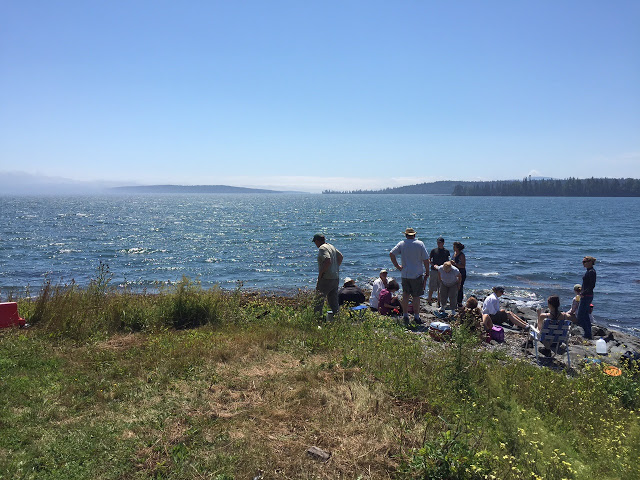
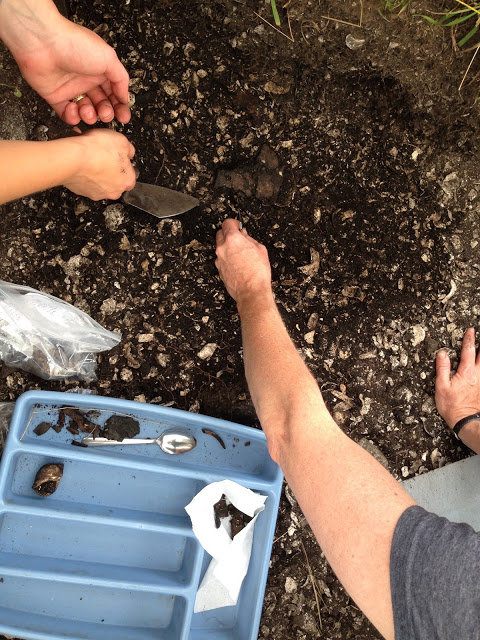
The 2015 Abbe Field School kicked off on Sunday, August 2, offering a first-hand experience in an archaeological dig. This year's dig is excavating the Tranquility Farm Site, first explored by the Abbe Museum in the 1930s, and again during a series of field school excavations in the 1990s.
This year's excavations will build on previous exciting discoveries from the farm's site, which include a house floor and hearth feature with a radiocarbon date of 1240 ± 70 BP; the identification of burned plant remains from the hearth including raspberry, chenopodium, smartweed, wild rye and dewberry; and an assemblage of dentate-stamped pottery assigned to the Middle Ceramic Period, 2,100 - 800 years ago.
Fieldwork is complemented by lab sessions and lectures that give participants a broad understanding of archaeology and Maine's Native American heritage.
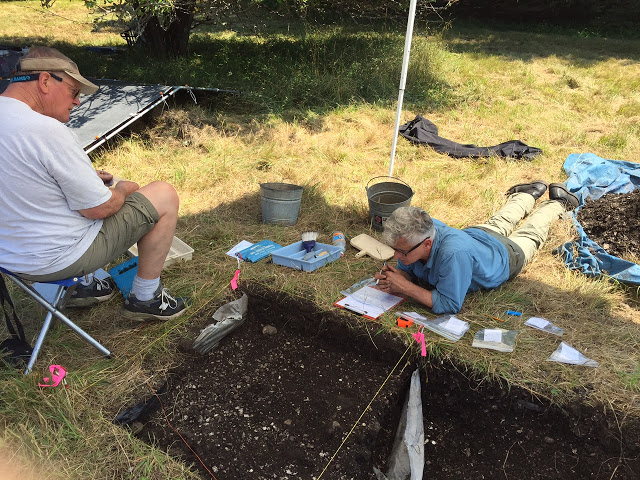
Dave Halliwell and Tim Spahr checking their paperwork.
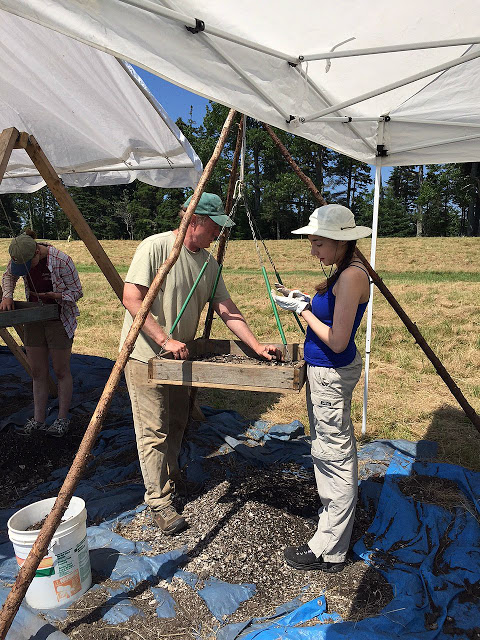
Field School participants, Doug Sharpe and Anju Roy, examine their screen.

Abbe Museum Educator Jen Heindel uncovered some impressive pot shards on her first day!
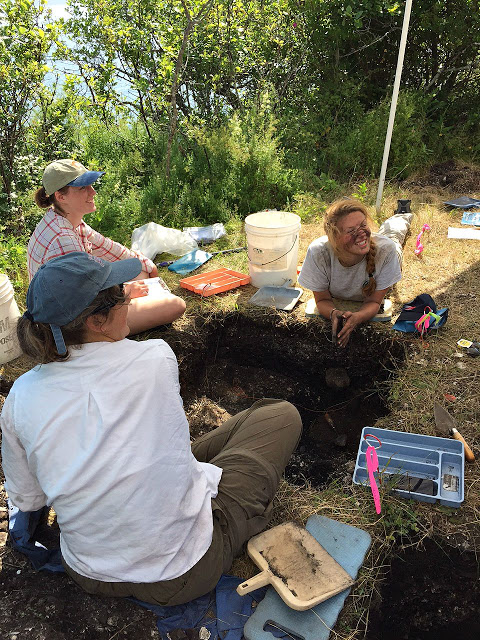
Some participants get more into their work than others. Mary Ellen Sharp is learning what happens when you scratch your face while digging. She beats out Team Supervisor Kate Pontbriand (far left), who was our dirtiest face winner last year.

Michele Kirchner found a gem of a spear point on Day 2.
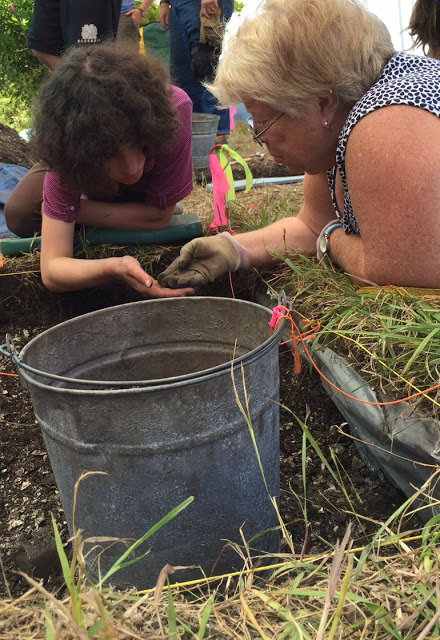
Tess Lichtmam consults with field school super volunteer Dee Lustusky on what she is uncovering.

Kate Pontbriand, field supervisor-in-training, consults with Art Spiess about the stratigraphy in the pit she is overseeing.

Kate Pontbriand shared her various archaeological field experiences with participants on Day 3.
Birchbark Wikuwam Demo with David Moses Bridges

David Moses Bridges, Passamaquoddy, has spent the past three days out at Sieur de Monts in Acadia National Park reconstructing a traditional wikuwam. David is an award winning birchbark artist who has received national recognition for his work. From splitting spruce root to collecting birchbark, David has spent the past few days demonstrating his craft to more than 750 visitors, sharing stories of his childhood and career as an artist, and answering questions about this labor intensive process.


This program is part of the Cultural Connections in the Park series, which
in and around Acadia National Park. All of these programs are sponsored by Dawnland, LLC, are offered in partnership with Acadia National Park, and are free and open to the public.
Abbe Museum Receives Grant to Lower Energy Costs
The Abbe Museum recently received a grant from Grants to Green Maine to provide an energy efficiency audit for the Abbe’s historic downtown Bar Harbor location. This grant complements the Museum’s Greening the Abbe Initiative, and the near completion of the National Endowment for the Humanities (NEH) funded projects that have helped reduce the Abbe's carbon footprint and operating costs.
“The Grants to Green Maine grant will enable the Abbe to complete an energy efficiency audit of our building and provide a report with priorities for energy efficiency improvements,” said Abbe Museum President/CEO Cinnamon Catlin-Legutko. “Higher heating bills have decreased the amount of money we can put towards our mission of preserving and exhibiting the regional history of the area and it is important to make our building more efficient, which will in turn make our organization more sustainable.”The Greening the Abbe initiative was launched in 2012 with the over-arching goal to make the Abbe environmentally responsible and sustainable. Thanks to 43 generous donors and a grant from the NEH, funds were contributed to “Green the Abbe Museum” in three phases, and efforts immediately resulted in lowering energy consumption by 20%, saving about $500 per month. Greening initiatives included:
- Replacement of the system control software that regulates the heating and cooling in the Abbe Museum downtown.
- Installed ultraviolet filters in one of the Museum’s galleries, which now allows use of this space for exhibits.
- The Abbe’s 2013 exhibit, Wabanaki Guides, was built with 80% of materials from a prior exhibit, 10% was repurposed to improve storage organization in the exhibit prep space, and 2% was recycled, leaving only 8% for disposal.
- High wattage incandescent lighting in the Abbe’s Main Gallery was replaced with efficient LED lighting that not only means substantial electricity savings, but is also safer for the fragile objects on exhibit and provides a better quality of lighting.
- A shift from printed material to electronic communications with our members and the community wherever possible, to reduce the use of paper.
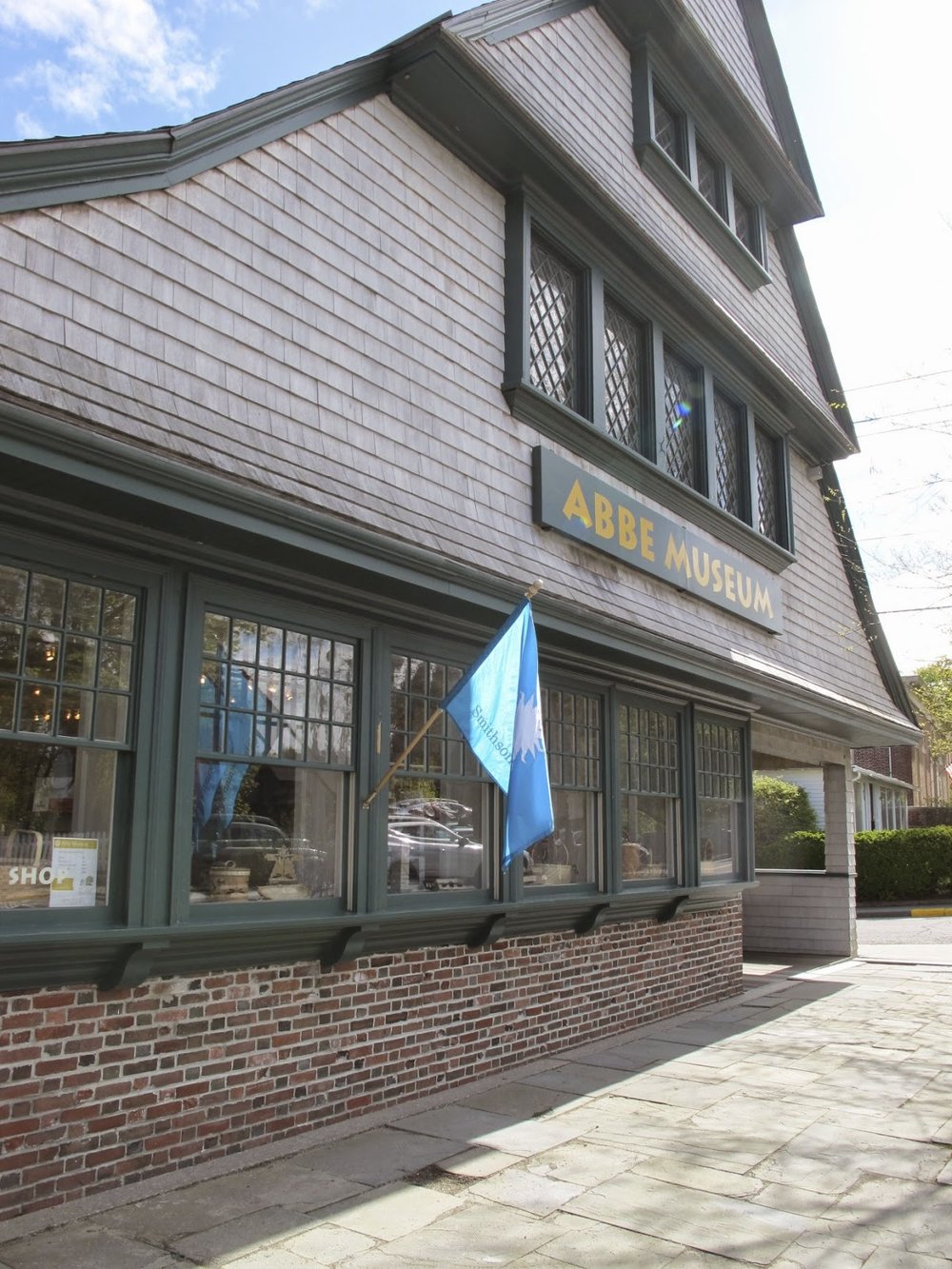
The Abbe Museum’s downtown Bar Harbor location at 26 Mount Desert Street is an 1893 landmark. In 1997, the Abbe purchased the former YMCA building and renovated and expanded it to create a 17,000-square-foot museum with spacious exhibition galleries, indoor and outdoor program spaces, a research lab, and state-of-the-art collections storage.
Interested in supporting the Greening the Abbe campaign? Contact Heather Anderson, director of advancement at (207) 288-3519 or by email at heather@abbemuseum.org.
About Grants to Green Maine
Grants to Green Maine provides environmentally focused knowledge and funding to strengthen nonprofits located in historic buildings in downtowns in Maine. Grants to Green Maine is a partnership between the Maine Development Foundation’s Maine Downtown Center, Efficiency Maine and the Maine Community Foundation, and is funded by Kendeda Fund of The Community Foundation for Greater Atlanta.
About the Abbe Museum
The mission of the Abbe Museum, now Maine’s first Smithsonian Affiliate, is to inspire new learning about the Wabanaki Nations with every visit. The Abbe has a collection of over 50,000 archaeological, historic and contemporary objects including stone and bone tools, pottery, beadwork, carved root clubs, birch bark canoes, and supporting collections of photographs, maps, and archival documents. It holds the largest and best-documented collection of Maine Native American basketry in any museum. Its collections conservation program is recognized nationally as a model for museums. The Abbe’s two locations - downtown Bar Harbor and at Sieur de Monts Spring in Acadia National Park - are now open daily from 10 am – 5 pm. www.abbemuseum.org
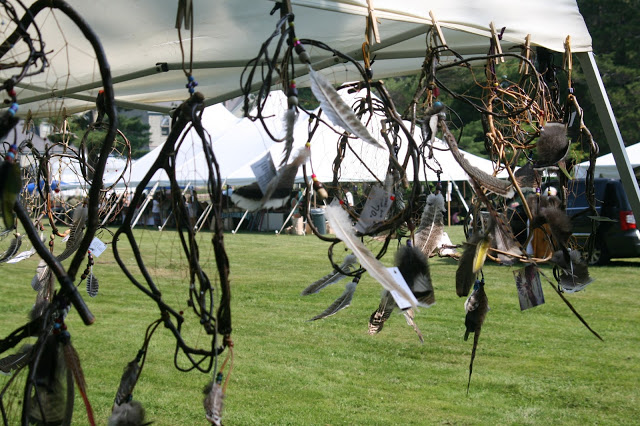
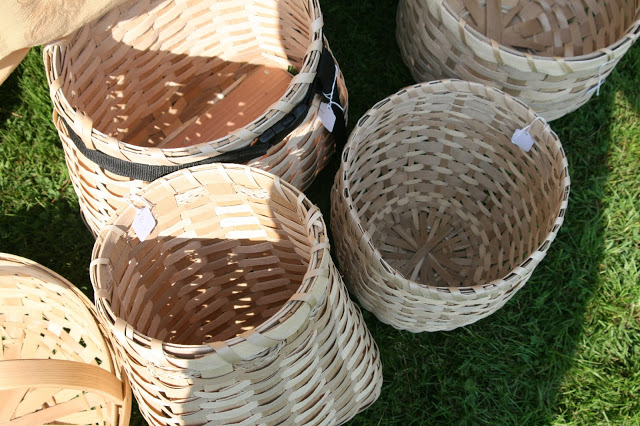
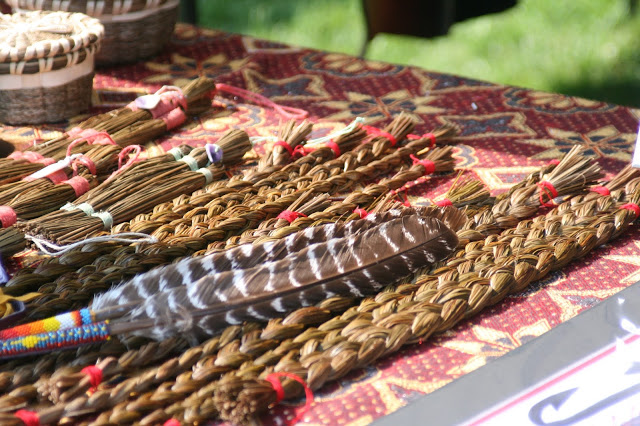
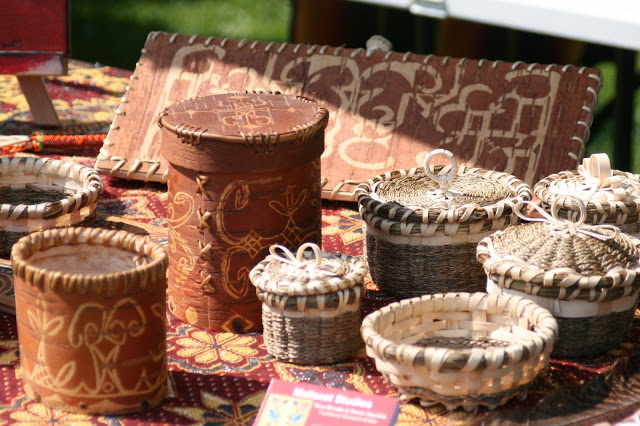
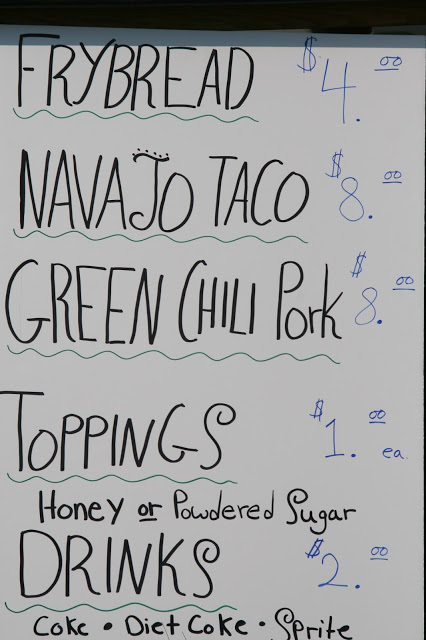
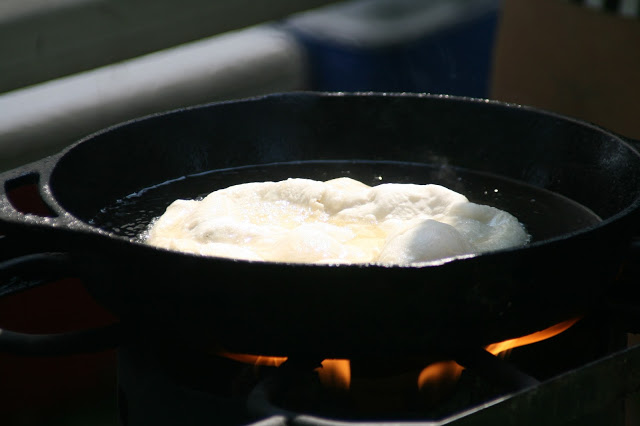
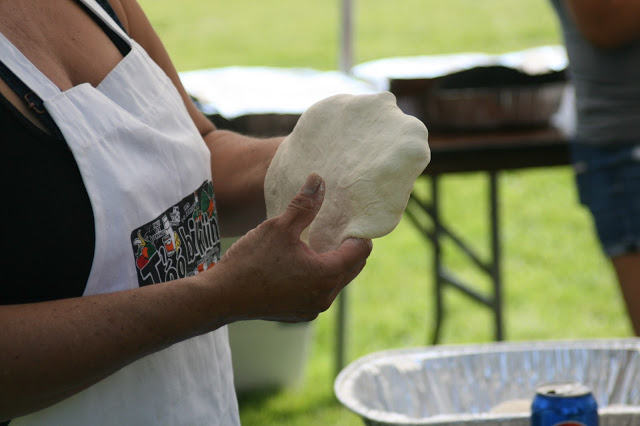
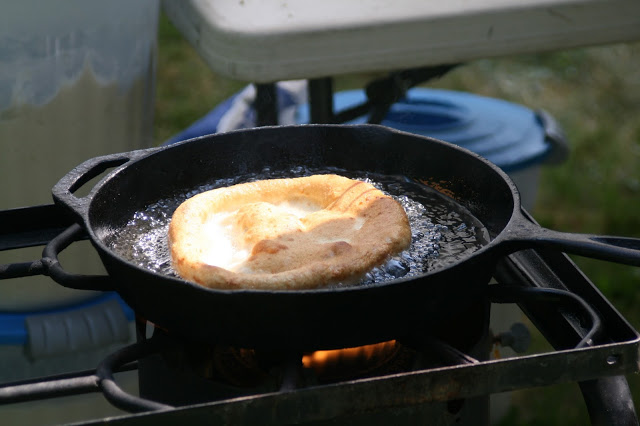
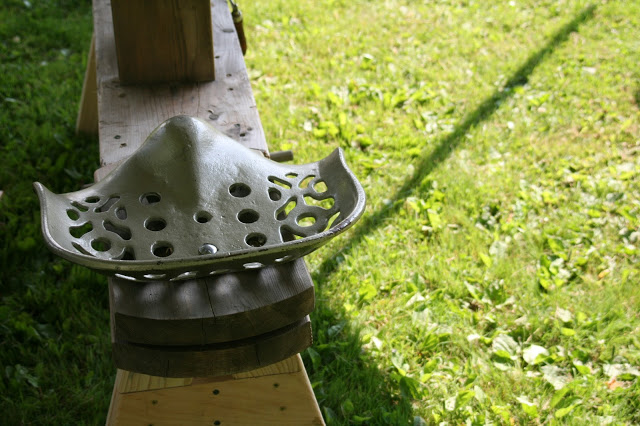
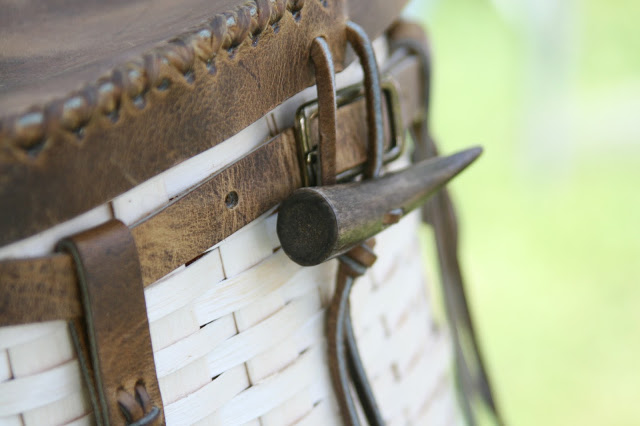
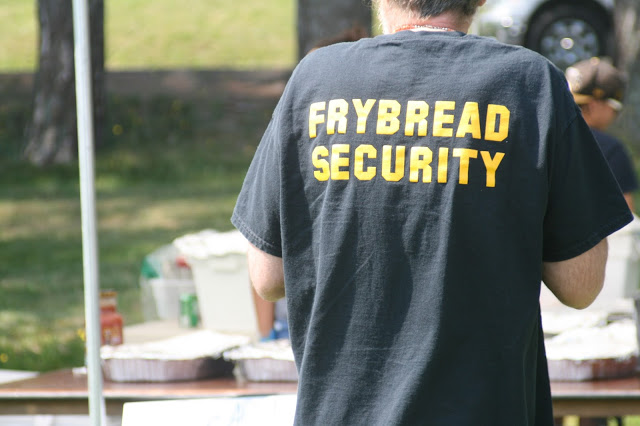
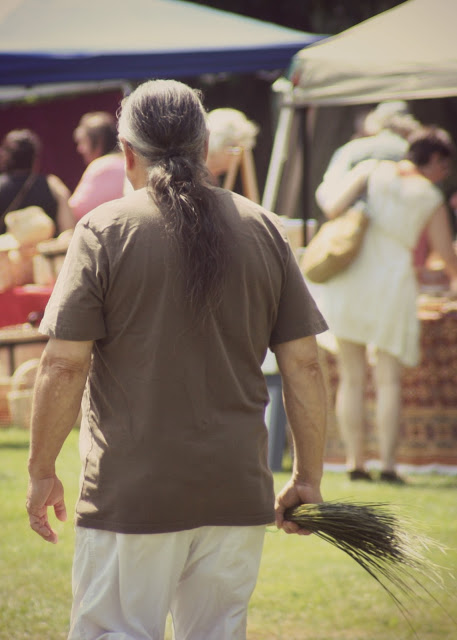
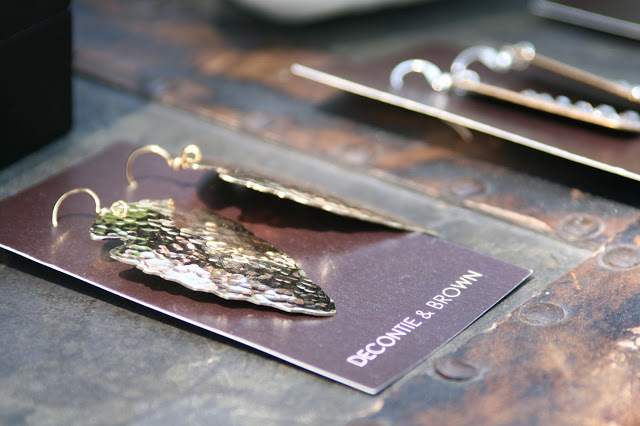
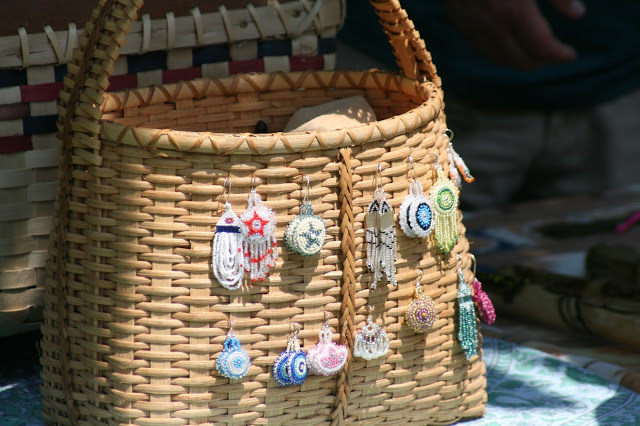
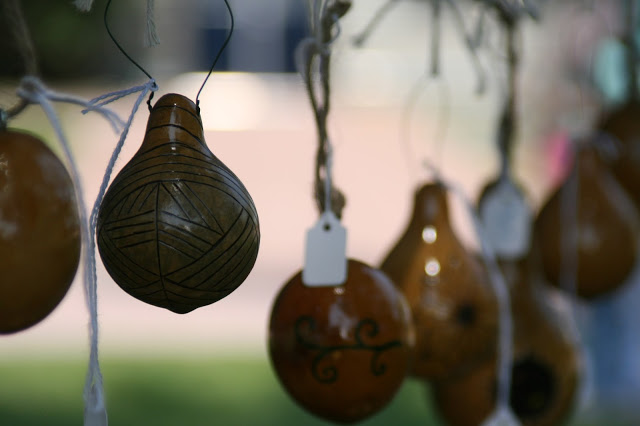
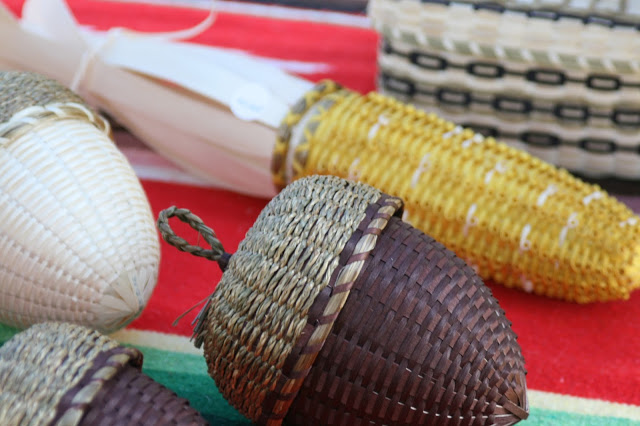
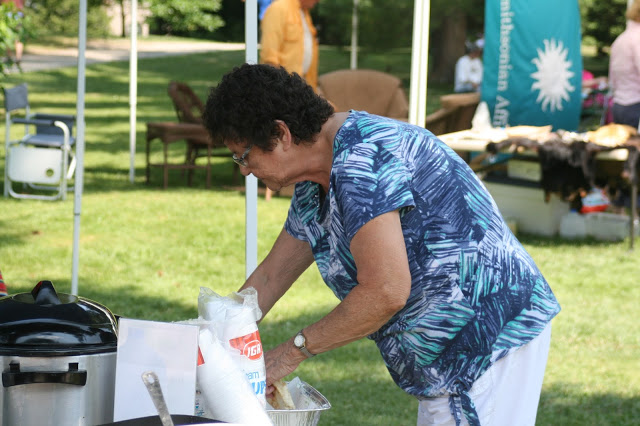
2015 Native American Festival
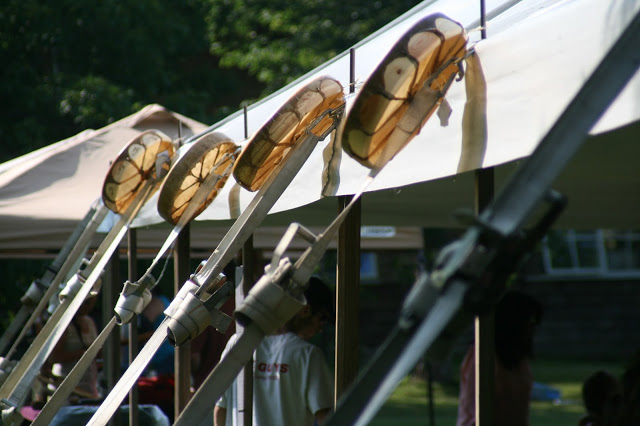
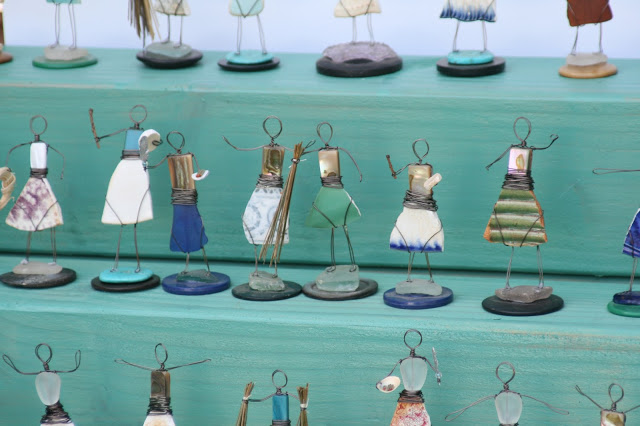
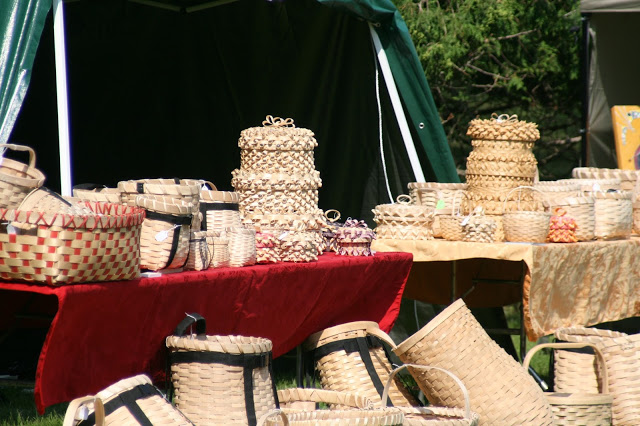
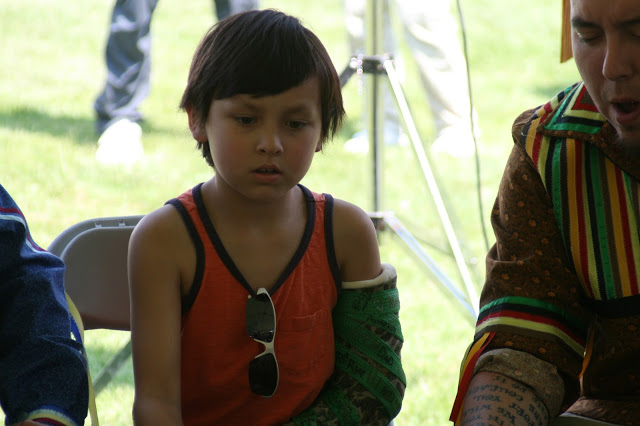
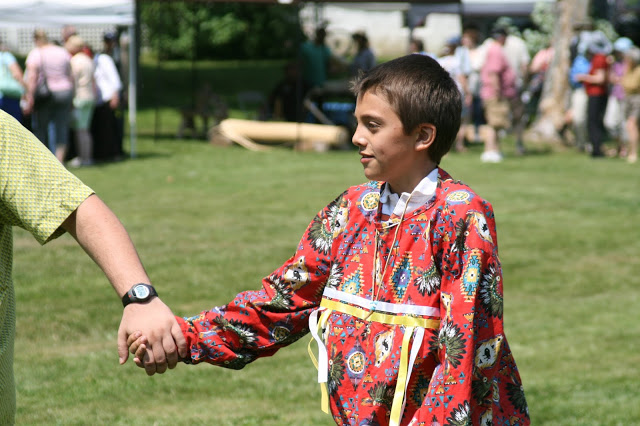
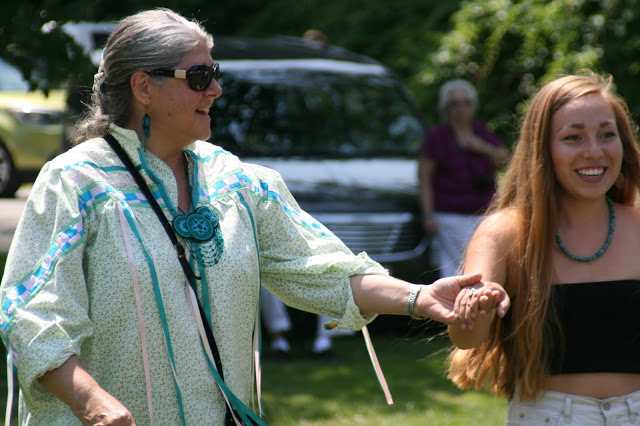
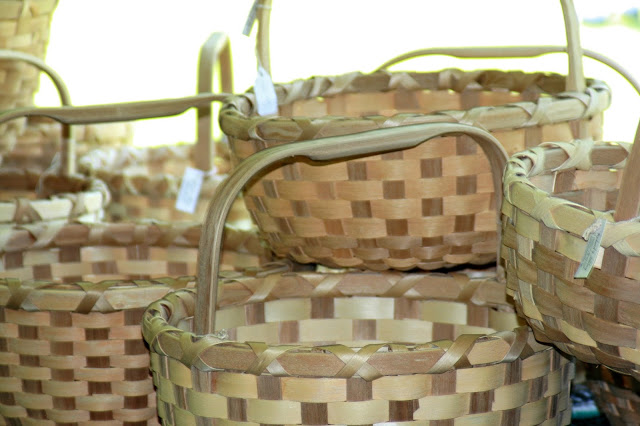
Thanks to everyone who made this year's Festival such a huge success!










Abbe Museum Celebrates 87 Years with Annual Gathering Gala
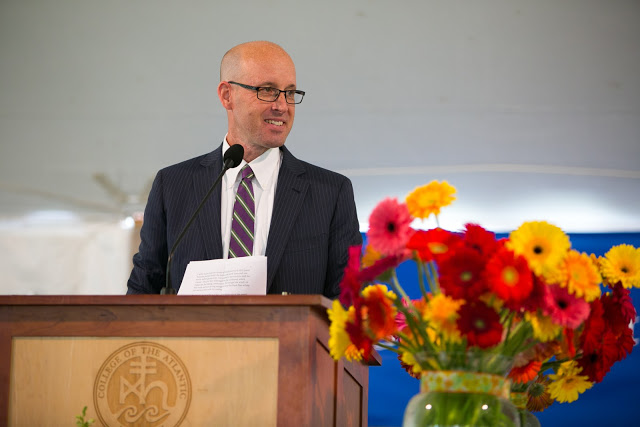
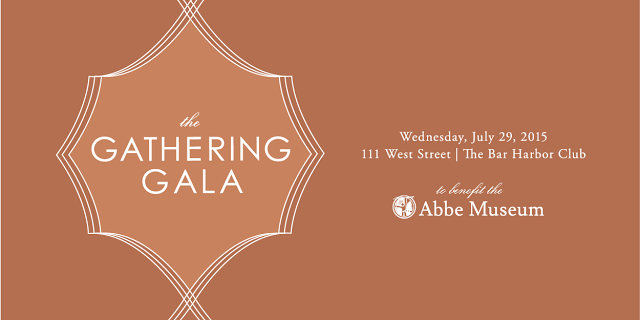
On July 29, 2015 at 5 pm the Abbe Museum will host their signature annual fundraiser at the Bar Harbor Club. The Gathering Gala benefit dinner and auction has become a summer tradition on Mount Desert Island, celebrating the work of the Abbe Museum with an elegant evening of food and drink, friendship, and philanthropy. This year’s event will celebrate the importance of outreach – the myriad of educational experiences offered outside the Museum that further the Abbe’s mission to inspire new learning about the Wabanaki Nations – and College of the Atlantic President Darron Collins will host the live auction.
“I’m excited to be a part of the Abbe’s largest annual fundraiser,” said Collins. “The Museum is innovative in its intellectually sophisticated approach to understanding and celebrating the cultural matrix of Native Americans. Supporting the Abbe's mission benefits MDI, the Native Peoples of Maine, and Native communities all over the world.”The silent and live auctions will feature original artworks from Native and local artists, collections of items donated by local businesses, and a variety of unique experiences. Among the more than eighty-five items available at auction that night are custom-made jewelry, hand-knit accessories and clothing, decorative paddles, Wabanaki basketry by nationally-recognized and award-winning artists, high quality artwork and photography, and much more. All artworks, items, and experiences available at auction are now on exhibit at the Abbe Museum, and can also be viewed online at abbemuseum.org.
The Gathering Gala begins with cocktails and passed hors d’ouevres during the silent auction, followed with entertainment by the Burnurwurbskek Singers, a presidential-style dinner, dessert, and a live auction. The event begins at 5:00 PM, and tickets for the evening are $150 per person. To RSVP, please email the Abbe Museum at gala@abbemuseum.org or call 207-288-3519. Absentee bidding and underwriting opportunities are also available for those who cannot attend.
“We are so grateful to the many guests, sponsors, underwriters, auction item donors, and volunteers that make this event an annual success!” said Abbe President/CEO Cinnamon Catlin-Legutko.
Abbe Museum and Dawnland, LLC Announce Fellowship Winners
 |
| Dawnland, LLC General Manager Ed Noonan presents Abbe Museum President/CEO Cinnamon Catlin-Legutko with a check to support the 2015 Wabanaki Artist Fellowship. |
The fellowships awarded are intended to provide support for travel, lodging, and other costs associated with exhibiting at Indian art markets in Maine and New Mexico. Soctomah and Frey will attend the 2015 Southwestern Association for Indian Art’s Santa Fe Indian Market (SWAIA), and Brown will attend the 2015 Native American Festival and Basketmakers Market.
“We are delighted to award these fellowships. Their creativity is inspiring and innovative and market participation is critical to an artist’s development and viability,” said Cinnamon Catlin-Legutko, president and CEO of the Abbe Museum. “They expand our view of what is possible, and they inspire us to apply our own talents and imagination. We hope this is the first of many fellowships we offer in the years to come.”Brown handcrafts jewelry and traditional beadwork made from various metals, semi-precious gemstones, and glass beads. “My work is motivated by my desire to create colorful jewelry and regalia that will be passed on to future generations. It gives me great joy to see others enjoy and wear my creations, whether for everyday wear or worn specially for traditional gatherings,” she said.


Abbe Museum Gathering Gala

Abbe Museum Field School Offers First-hand Experience in an Archaeological Dig
 |
| Tranquility Farm |
The Abbe Museum, well known for conducting outstanding archaeology programs, is offering its 24th annual archaeological field school August 2-7, 2015. Participants will work with Maine State Archaeologist Dr. Arthur Spiess on the Tranquility Farm coastal shell midden site in Gouldsboro, Maine, and will conduct excavations, practice mapping the site, and learn about the analysis of artifacts.
“The Abbe Field School is an inspiring way to connect with Native American culture that has been present in Maine for thousands of years,” said Douglas Sharpe, 2014 Field School participant and Abbe Trustee. “It connects me to the land and to the people who have used it far longer than Europeans that have been here for a mere half a millennium. It allows me to imagine what lifeways were like in distant past epochs which in turn allow me to richly appreciate the vibrancy and legacy of modern Wabanaki cultures. I have found the field school to be a cornerstone of my experience and learning with the Abbe, and it has expanded my world view.”The 2015 excavation will build on previous discoveries at the site, including a house floor and hearth feature that date to about 1,200 years ago. Burned plant remains from the hearth include raspberry, chenopodium, smartweed, wild rye, and dewberry. A variety of pottery, stone tools and bone tools, as well as food bone remains, are plentiful at the Tranquility Farm site. Fieldwork will be complimented by lab sessions and lectures to give participants a broad understanding of archaeology and how it can help us learn about Wabanaki history and culture.
Participation in the field school is open to the public, and while no previous archaeological experience is necessary, enrollment is limited. Space is available on a first-come, first-served basis until the field school is full. The cost is $350 for Abbe Museum members and $400 for non-members. You must be 17 or older to participate. Arrangements for lodging and meals must be made by participants, and are not included in the registration fee.
For more information, contact the Abbe Museum’s Director of Collections and Interpretation, Julia Clark, at (207)-288-3519 or julia@abbemuseum.org.
About the Abbe Museum
The mission of the Abbe Museum, now Maine’s first Smithsonian Affiliate, is to inspire new learning about the Wabanaki Nations with every visit. The Abbe has a collection of over 50,000 archaeological, historic and contemporary objects including stone and bone tools, pottery, beadwork, carved root clubs, birch bark canoes, and supporting collections of photographs, maps, and archival documents. It holds the largest and best-documented collection of Maine Native American basketry in any museum. Its collections conservation program is recognized nationally as a model for museums. The Abbe’s two locations - downtown Bar Harbor and at Sieur de Monts Spring in Acadia National Park - are now open daily from 10 am – 5 pm. www.abbemuseum.org
Abbe Museum and Dawnland, LLC Announce Fellowship Program
The Abbe Museum, the first and only Smithsonian Affiliate in the state of Maine, is pleased to announce a new Wabanaki artist fellowship. Thanks to the support of Dawnland, LLC (the concessioner in Acadia National Park), the Museum will be awarding three fellowships intended to provide support for travel, lodging, and other costs associated with exhibiting at Indian art markets in Maine and New Mexico.
“In our efforts to foster and promote contemporary Wabanaki art in both a regional and national context, these fellowships are designed to help Wabanaki artists promote their work within the greater artistic communities,” said Cinnamon Catlin-Legutko, Abbe Museum President and CEO.Two fellowships will be awarded to artists attending the 2015 Southwestern Association for Indian Art’s Santa Fe Indian Market, and one shall be awarded to an artist attending one or more of the four annual Maine Indian Basketmakers Alliance shows:
- Native American Festival and Basketmakers Market in Bar Harbor - July 11, 2015
- Maine Native American Summer Market & Demonstration in New Gloucester - August 22, 2015
- Common Ground Country Fair in Unity - September 25-27, 2015
- Maine Indian Basketmakers Holiday Market in Orono - December 12, 2015.
Visit www.abbemuseum.org/shop for eligibility details, including an application. Fellowship applications received before the deadline of July 1, 2015 at midnight will be added to the pool of applicants. The application will be entered into a lottery system where eligible applications will be pulled randomly from the pool. Award notification will be made on or before July 8, 2015.
Greatest Mountain on Display at the Abbe Museum

The Abbe Museum, the first and only Smithsonian Affiliate in the state of Maine, is pleased to announce the opening of Greatest Mountain, a tribute to Mount Katahdin. Curated by Penobscot artist and historian James Francis, the exhibit is a combination of research, both through Penobscot histories and accounts of non-Native travelers and writers, with images, music, stories, and the Penobscot language, all of which bring this sacred mountain to life. Greatest Mountain will be in the Abbe’s main gallery through August 2015.
“Greatest Mountain is the fascinating and engaging result of James's unique perspective as an artist, historian, guide, and Penobscot tribal member,” said Julia Clark, director of collections & interpretation at the Abbe. “Together, these result in a view of Katahdin unlike any other.”
Katahdin translates from Penobscot to English as “Greatest Mountain.” While some say this reflects the fact that Katahdin is the highest mountain in Maine, Francis points out that when the mountain was given this name by the Penobscot people, Maine and its boundaries did not exist, and the Wabanaki people were certainly familiar with higher mountains in their traditional territory, in what is now New Hampshire.
Images move and flicker across Greatest Mountain, a compilation of time-lapse photographs taken by Francis at night back in November 2014. The images were captured from Millinocket Lake, looking toward Katahdin’s south face. Francis went to the mountain and set up his camera to take repeated 6-second exposures. When he came back to the camera in the middle of the night, he discovered a wonderful, additional gift: the northern lights had come out to frame the mountain. Along with these time-lapse photographs, there is a song composed by Francis, various other video and still imagery, and spoken word pieces of Penobscot people sharing stories.
Greatest Mountain will be in the main gallery of the Museum’s downtown Bar Harbor location through August. Open daily from 10 am to 5 pm, admission is $8 per adult, $7 for senior citizens, $4 for children ages 11 – 17, and children 10 and under are free. Admission is free to Native Americans and Abbe members.

Abbe Trustee Featured in The Bangor Daily News
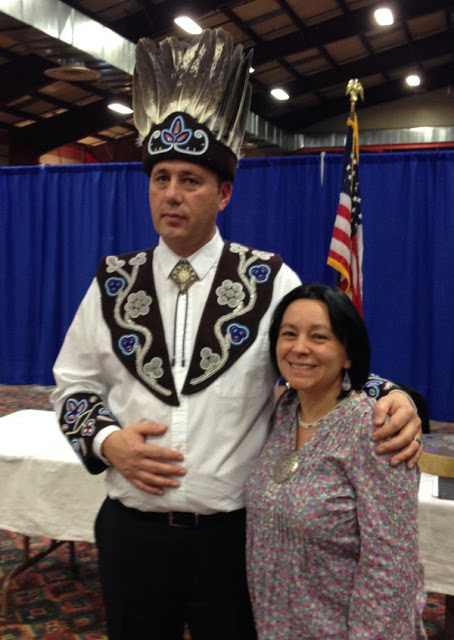 |
| Image courtesy of Matthew Polstein |
Abbe Trustee Jennifer Neptune, Penobscot, is featured in The Bangor Daily News! An excerpt from the article is below.
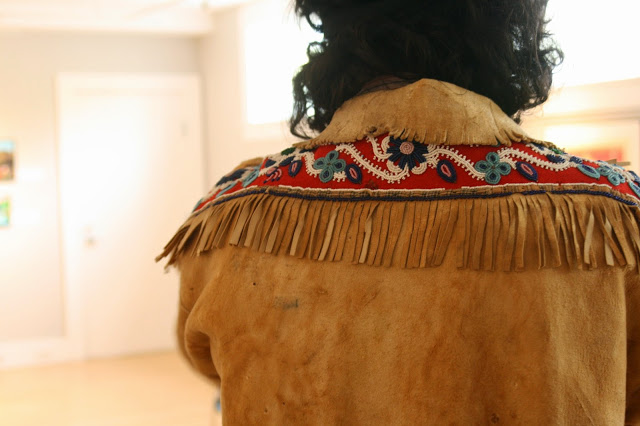
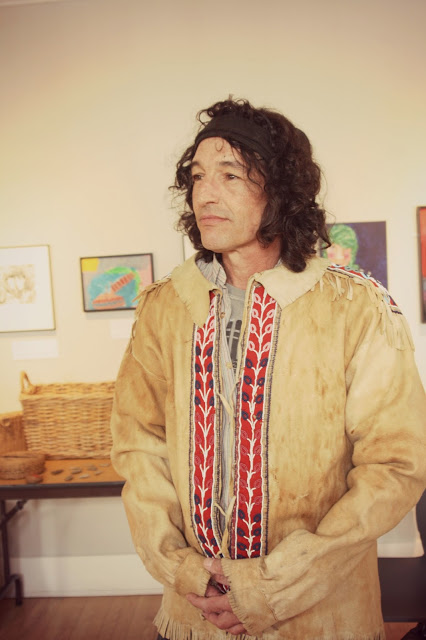
Jennifer Sapiel Neptune — artist, anthropologist, educator and member of the Penobscot Nation — has integrated her myriad skills to intertwine the past and the present, giving life to the future of her community. Her most recent reproduction from Penobscot history was a ceremonial headdress, cuffs and a collar, hand-decorated with intricate beadwork. It took Jennifer hundreds of hours to make the pieces, but the craft was only part of the job. It also was important to infuse the three garments with the spirit of their heritage. So Jennifer embarked upon a journey with them, all over the state of Maine.
I first met Jennifer four years ago, when I wrote a story about her basketry. Jennifer has been interested in artifacts and historic, native craftwork since her youth.
“As a teenager I went to the [University of Maine] library and read Native American books about my tribe and others,” she said. “There were these amazing black-and-white photographs of beadwork and baskets. I wanted to see them in color. I wanted to make them.”
Jennifer enrolled at the University of Maine as an anthropology major with the express purpose of being allowed access to the native artifacts in the collections of the Hudson Museum.
“I could see and touch them and really study them,” she said.
To read the article in its entirety, please visit the Bangor Daily News.
Haunted Bar Harbor Walking Tours

Looking for something to do this weekend? Dawnland Tours, LLC is now offering Haunted Bar Harbor walking tours, and you can purchase your tickets at the Abbe Museum shop! The tours operate seven days a week through Labor Day.
“We are a 100% Native owned company with a staff of all-Wabanaki tour guides," said Jennifer Pictou, President and CEO, and a member of the Aroostook Band of Micmacs. "I’m looking forward to bringing a cross-cultural look to the ghostly side of Bar Harbor’s past, as well as tell some of the more fantastic tales of our Wabanaki heritage.”
Prices are $15 per adult, $10 per child (6-12 years old), and children five and under are free. For tour times and ticketing, please stop by the Abbe Museum or visit www.dawnlandtours.com. Dogs are welcome!

Wabanaki Antiques Expo
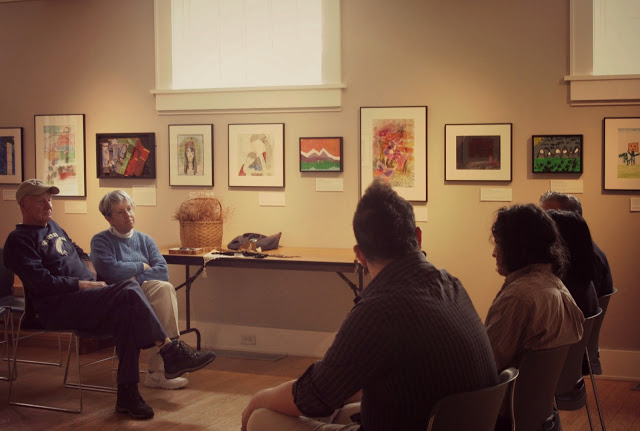
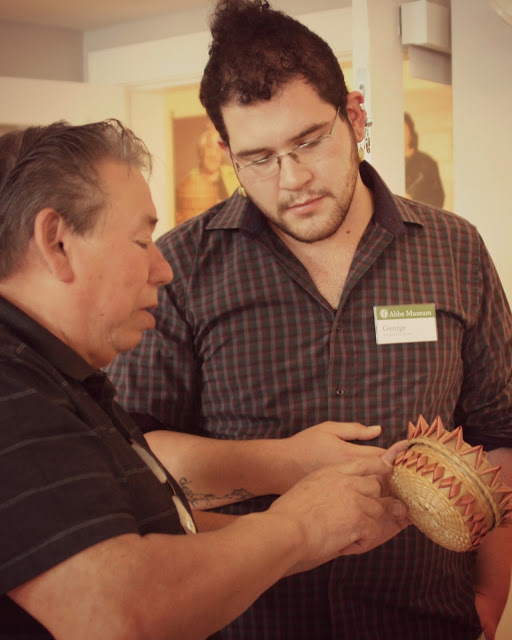
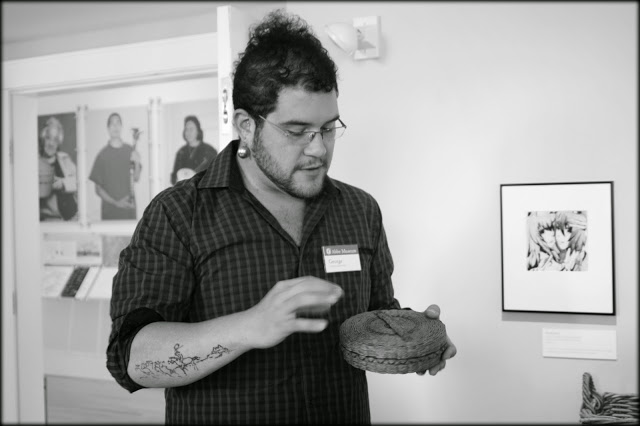
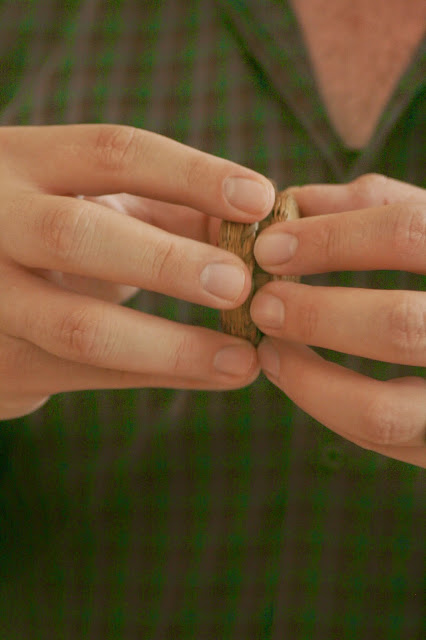
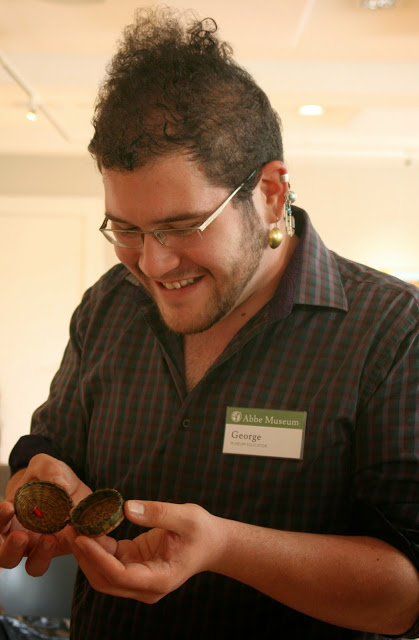
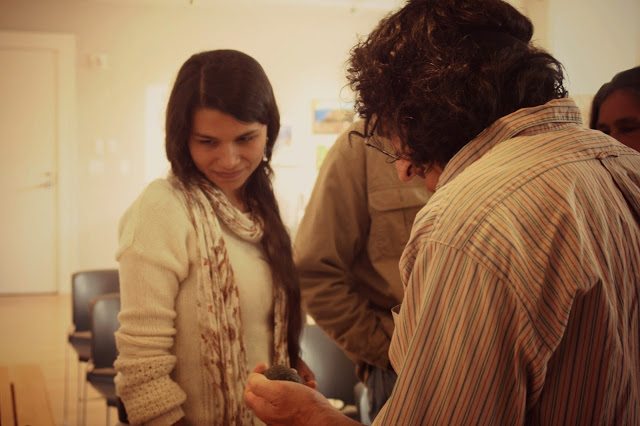
During the Wabanaki Antiques Expo held on Saturday, May 9th, four Master artists from the Wabanaki communities assembled to allow Abbe visitors to pick their brains for knowledge on pieces that were—or in some cases, were not—made by Wabanaki people. The panel included Master Basketmaker and beadworker Jennifer Neptune, Penobscot; Master Basketmaker Richard Silliboy, Micmac; Master Birchbark worker David Moses Bridges, Passamaquoddy; and Master Basketmaker and Museum Educator George Neptune, Passamaquoddy.
A wide range of objects were brought before the panel in hopes of having them identified. Tucked among several beaded "flapper" adornments and a few pieces of southwestern pottery were a few objects that piqued the panels' interest: the first object being a seal-skin belt, likely dating back to the Indian Encampments of Bar Harbor, making it easily one hundred years old.


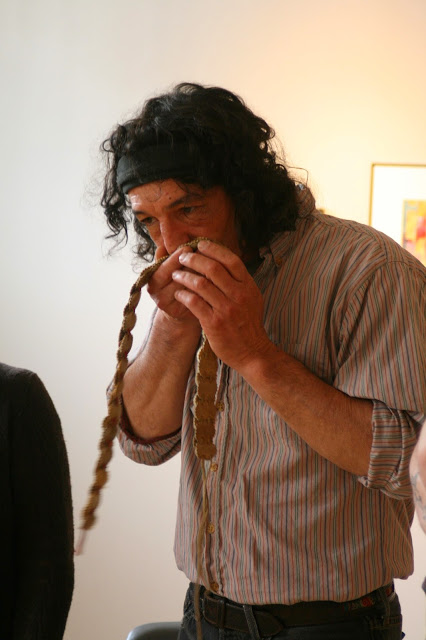
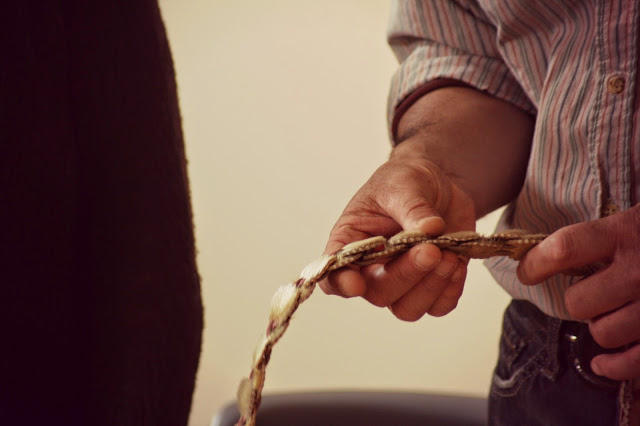
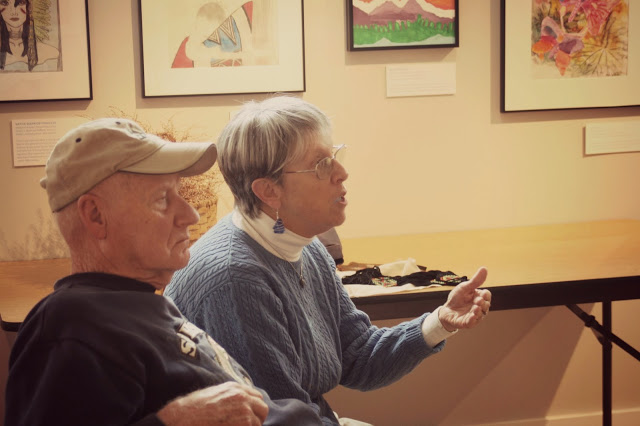
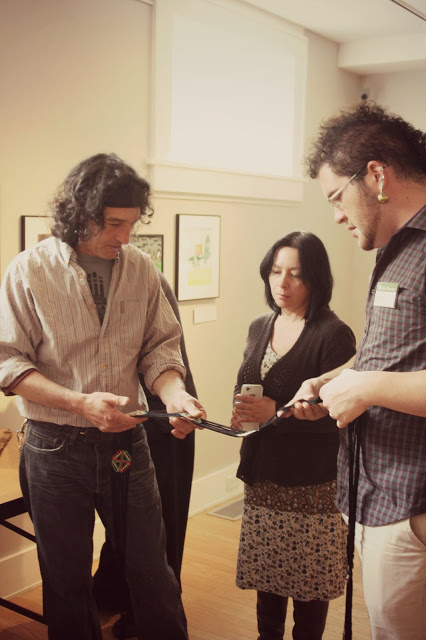

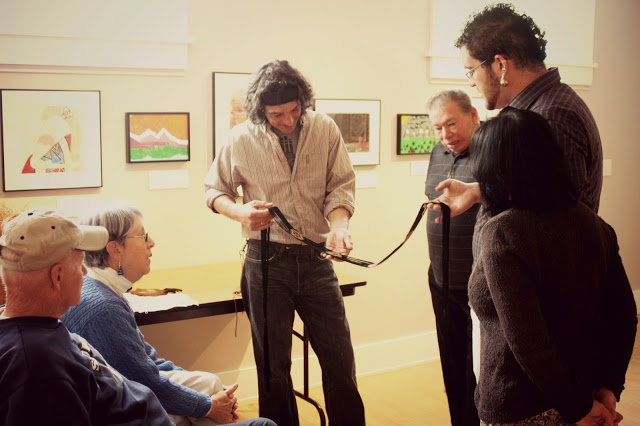
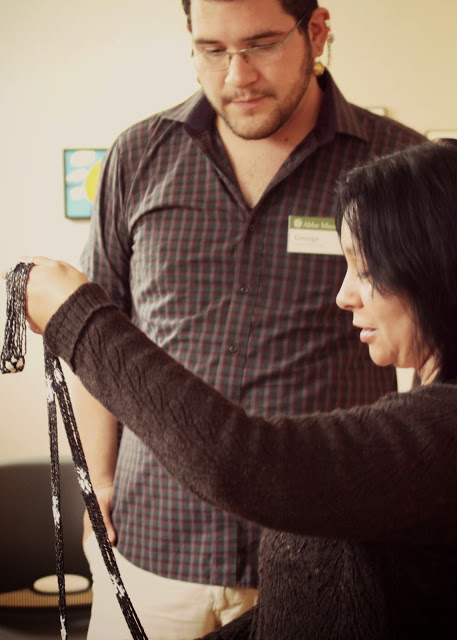
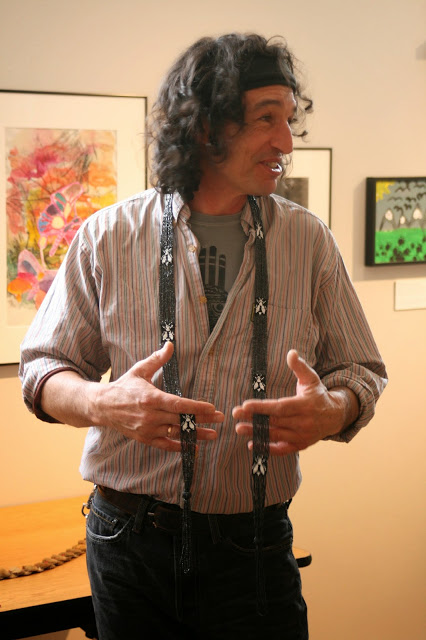

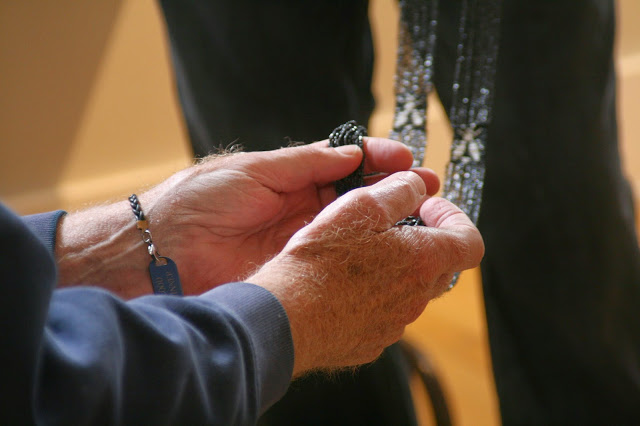
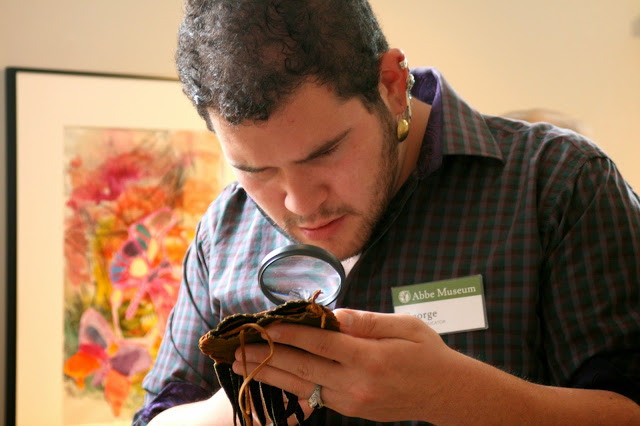
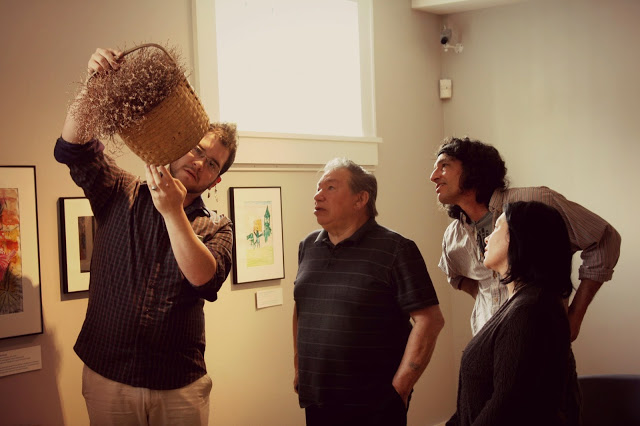
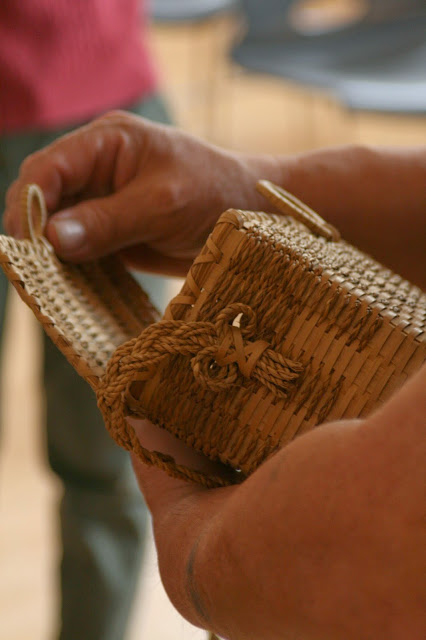
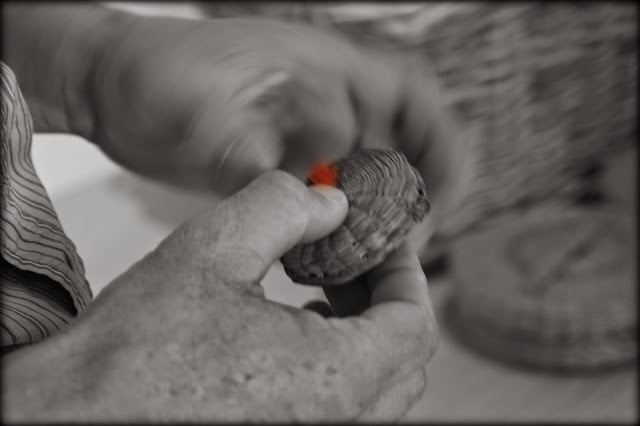
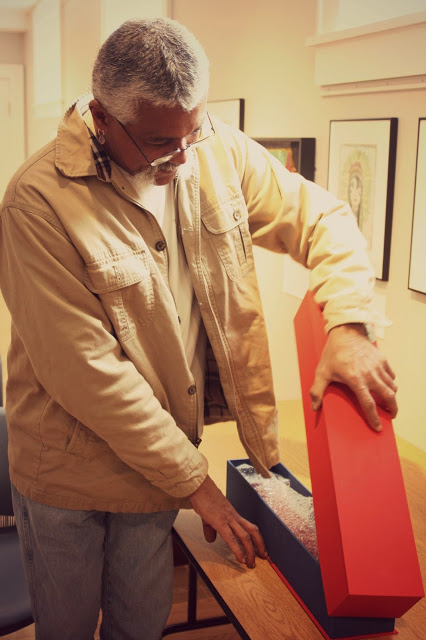
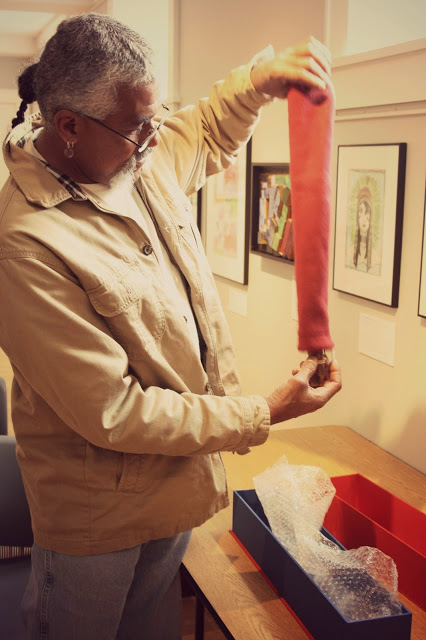
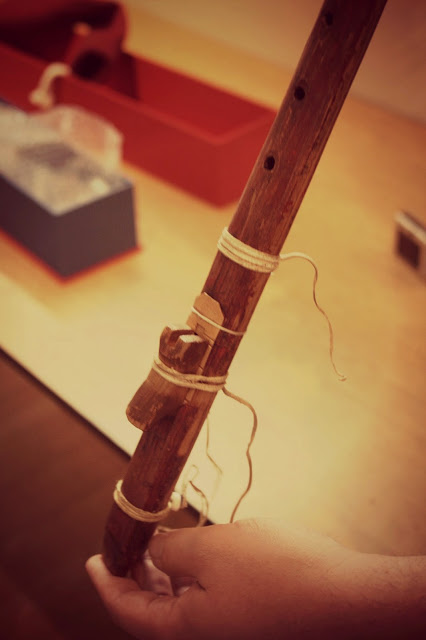
While other objects were identified as "non-Wabanaki," including a shaker-style basket and several pieces of Southwestern pottery, many Wabanaki baskets—both utility and fancy styles—were brought in to be identified. While it's difficult to identify work by specific artists, the panelists were able to identify which tribes the baskets came from based on aesthetic trends from each community. The basket that brought up the most discussion: a red "sweetgrass flat" style purse with woven ash handles. A Potawatomi flute that dates back to the early 1800s also garnered a lot of discussion, and even some playing!

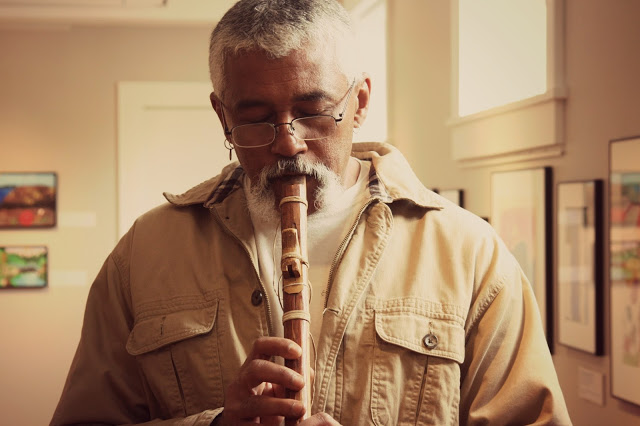 |
| Hawk Henries, a member of the Nipmuck tribe, brought the flute in for the panelists to inspect. Hawk has a lot of experience enchanting audiences with flutes; he also crafts his own eastern woodlands flutes (out of a single piece of wood!). |




Abbe Museum Educator is a Published Author
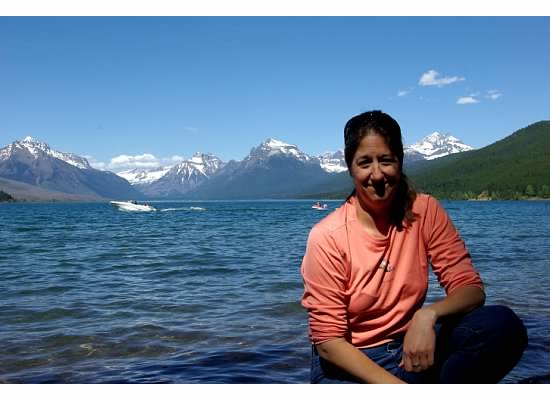
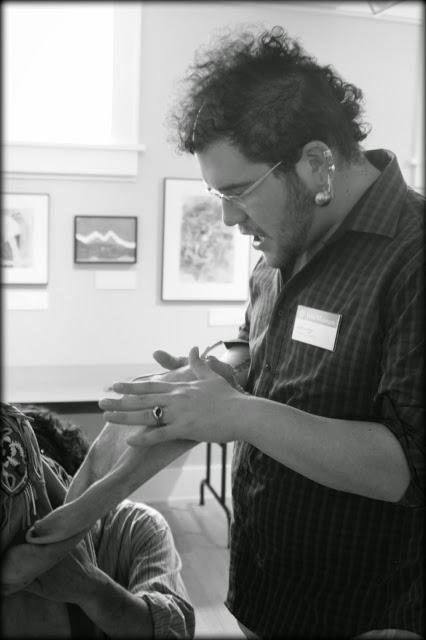
Abbe Museum Educator, Jen Heindel, is a published author! Her article, An Interdisciplinary Approach to Drag Forces: Estimating Floodwater Speed from Displaced Riverbed Boulders, was just published in The Physics Teacher. The article is currently free online for a limited time.
The paper stems from an idea Jen had for an activity to include in the Front Range Flood curriculum she developed for Rocky Mountain National Park. Co-author Kenneth Pestka realized there was an opportunity to expand on the original idea to create an activity for introductory physics students. The outcome is an activity where physics students are asked to examine images of riverbed boulders after a flood and estimate the water velocity needed to carry the boulders downstream. The activity provides an opportunity for students to gain an understanding of the physics of natural phenomena with applications to environmental science and environmental engineering, to gain a stronger appreciation for physical modeling and estimation, and to become environmental detectives!
The Abbe Museum Educators Take to the High Seas

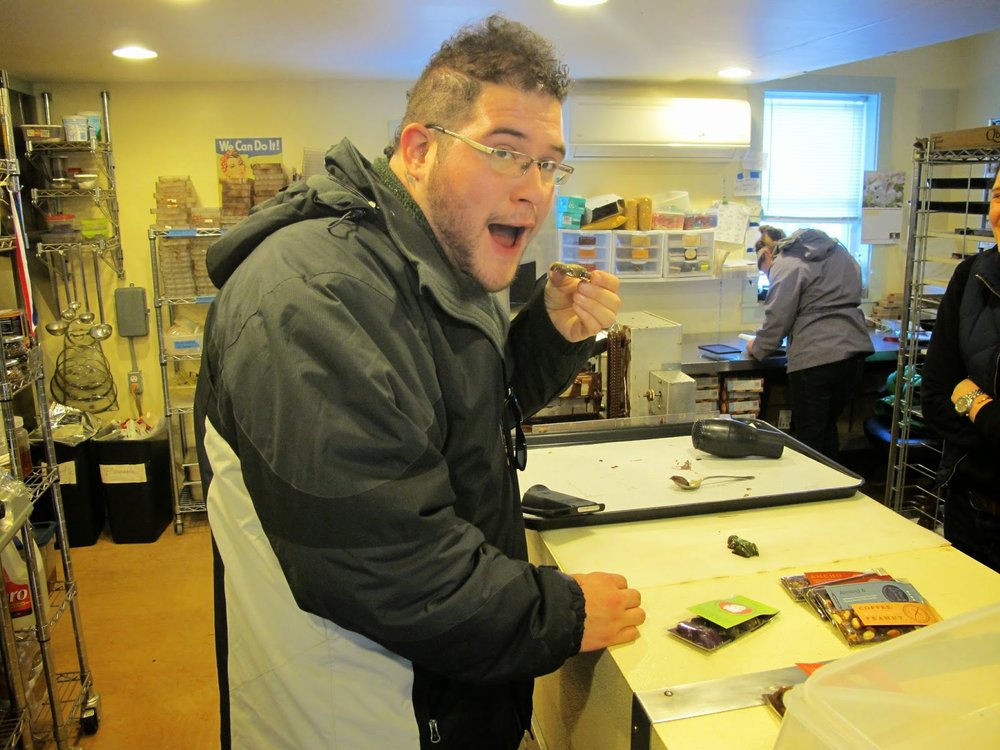
They never expected the huge turnout that greeted them as they set up at the Isle au Haut community center, where George regaled the crowd with legends of Gluskap and how rabbit came to look the way he does today. At the end of the program, Jen and George answered questions about all the objects they brought with them. Later that afternoon, Douglas, George, and Jen searched out the famous Black Dinah Chocolatiers, where they scored some free samples before purchasing some goodies to take home. Isle au Haut residents spent the evening visiting aboard the Sunbeam where Jillian, the ship's steward, cooked a fabulous dinner with help from some eager sous chefs. After visiting well into the night, George and Jen retired to their boat beds.
Early the next morning, George and Jen shoved off for Frenchboro and another great reception at the island's school. They talked about what life was like for the Wabanaki 400 years ago before launching into more storytelling. After George captivated everyone with the feasting song, they all ventured to the Sunbeam for lunch, including cookies for dessert.
Skype-A-Docent Program

Museum Educator George Neptune, equipped with his personal iPad, has now given three tours to close to 50 individuals through the Skype-a-Docent partnership, expanding the Museum's outreach to the southernmost parts of New England. Through visitor feedback, we have learned that our Skype tours are fun, interesting, and provide crystal clear images of our exhibits. We plan to not only continue our partnership with the Fairfield Public Library, but expand our Skype tours to make them available to school groups and other institutions.
The Abbe Museum's new membership program is here!
The Abbe Museum's membership program has received a much needed reboot for 2015.
Thanks to our members, the Abbe Museum is able to fulfill our mission to inspire new learning about the Wabanaki Nations with every visit through education, exhibitions, and innovative programs. Members support the financial well-being of the Abbe Museum, while enjoying exclusive benefits that are renewable each year at various levels of support.
We work closely with tribal communities in Maine, northern New England, and eastern Canada to produce award-winning exhibits, educational programs for students, teachers, and Museum visitors, and collaborative projects. Native people lead programs, serve on our board of trustees, and are staff members. We are also a part of the local Bar Harbor and MDI economy and we have a direct impact on the tribal economies in Maine.
The Abbe Museum:
- Annually hires over 30 Native educators to lead programs and more than 80 Native artists are represented in our shops.
- Is the main repository for archaeological collections from Maine’s midcoast and downeast region.
- Hosts more than 100 schools participating in class trips, serving 60 school districts.
- Cooperates with school districts on curriculum topics that include: Social Studies, Geography, Economics, Science and Technology, English Language Arts, Fine and Performing Arts.
- Serves more than 3,000 schoolchildren each year through field trips to the Museum.
- Hosts more than 200 educators who have participated in our teacher training programs.
- Serves 30,000 visitors each year, locally and from across the globe.
If you are not currently a member of the Abbe Museum, please consider joining or renewing now to enjoy special benefits throughout the year, such as free admission to the Museum, a Smithsonian Affiliate membership, a 10% discount in the shop, and reciprocal benefits at museums and historical sites around the country.
New Membership Structure
Season-Ticket Membership
Curate Your Own Membership
Upgraded Membership Levels
You can visit us to become a member!
Stop by the Abbe Museum during our visiting hours and a Guest Services Associate will help you become a member at the level of your choice. Use your receipt to enjoy the benefits of membership that same day, and your complete membership materials will be mailed to you.
You can call us to become a member!
Call the Abbe Museum at (207) 288-3519 and ask for Jill Sawyer or the Abbe Shop. Please be ready with your Visa or Mastercard.
Questions & Other Membership Info
If you have questions about membership, please ask! Send an email to Jill at jill@abbemuseum.org or call (207) 288-3519.
Memberships are renewable annually and contributions are tax-deductible to the extent allowed by current law. Most Abbe Museum members also choose to further support the museum through volunteering or contributions to the Annual Fund.