
AAM President Ford W. Bell to visit the Abbe
 |
| Photo courtesy of AAM |
American Alliance of Museums (AAM) President Ford W. Bell will visit the Abbe Museum this afternoon to meet with Abbe trustees, staff, and museum professionals from across the state of Maine. Bell, who has served as AAM president since 2007, is retiring on May 31, 2015.
Bell began his tenure at the helm of the AAM in June of 2007, following years working as a veterinarian and an assignment as the CEO and president of the Minneapolis Heart Institute Foundation. He had also served as chair of the board of the Minneapolis Institute of Arts, and was a longtime board member of the Bell Museum of Natural History at the University of Minnesota. Upon retirement, Bell and his wife plan to move back to Minneapolis.
The AAM counts some 3,8000 institutions across the US among its members. Its mandate includes advocating for museums on relevant issues, and establishing operational standards and best practices across the industry. Under Bell's tenure the AAM went through a major restructuring that saw its staff cut by 27 percent. He also oversaw the organization's name-change in 2012, from the American Association of Museums to the American Alliance of Museums.
During his seven years at AAM he has visited more than 450 museums across 46 states! The Abbe is incredibly honored and excited to be one of those museums!
2015 Maryann Hartman Award Recipients Announced
 |
| Photo by Read D. Brugger |
Honoring Kikehtahsuwiw: It Heals during Women's History Month
April marks the final month to see the first exhibit curated by Abbe Museum Educator George Neptune, Passamaquoddy. Kikehtahsuwiw: It Heals is a story about several women in the Passamaquoddy Tribe, residing at both Motahkomikuk (Indian Township) and Sipayik (Pleasant Point). Each of these women shares a common goal: healing their communities.

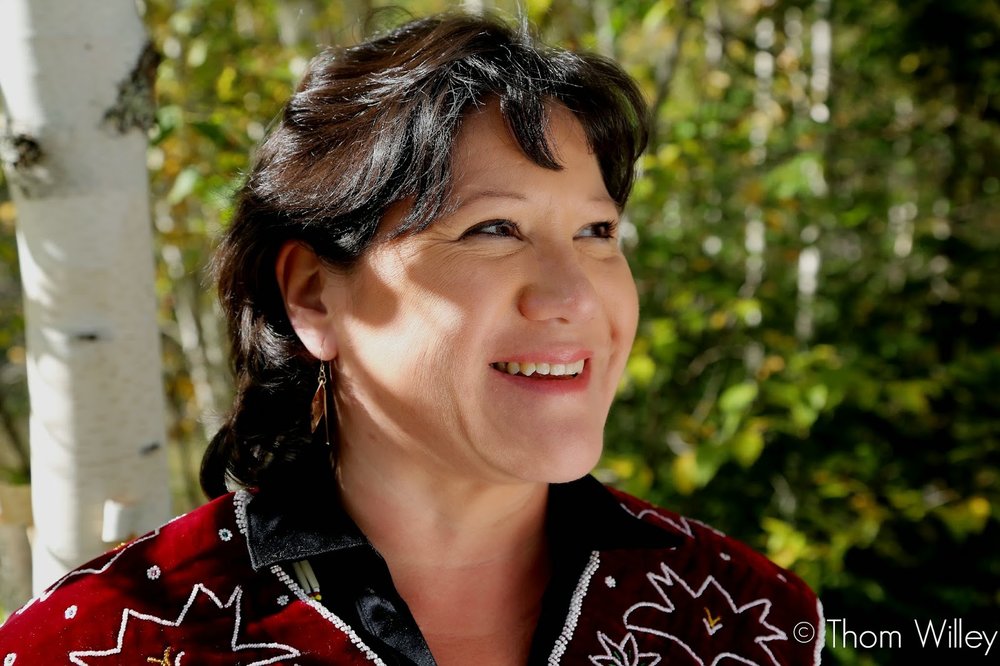

"I grew up at Township for most of my life. I was taken from my mother when I was three months old—I was told that she left me in a crib for three days, with no food or water. My aunt found me, barely alive, and they took me away. That was the first time I went to my foster family. I was nine when I was taken to my biological father’s house, and was there for just a few short months. I went to another foster family, where I suffered a lot of abuse.
I discovered drinking as a teenager—as most teenagers do—but it was never really a problem for me. After my second son was born and passed away, I didn’t care anymore. And after my daughter was born, I got into the drugs. I stayed into the drugs for eleven years, doing anything from snorting to I.V. use. Once my children were living with their fathers, I’d lost everything. I moved in with one of the biggest drug dealers around.
The drum really helped me on my road to recovery. The drum is very powerful medicine in and of itself. My partner said we needed female voices in another group, so I said I would try. I just wanted to be around the drum. They took me to a drum practice on Indian Island, and the power of that drum beat—the music, the vocals that come with drumming—it opened my mind, my spirit to everything around me.
If I didn't have the drum or my partner’s family, I don’t know where I’d be. I always felt the drum at powwows and socials, but I never sat down and learned the songs—the words, and what they mean. The combination of it all was very powerful for me. I owe a lot to that family—they are an amazing family. They’ll help anybody. For them to take an interest in me, and to show me the right way, the right path that I should be on—that was amazing." April Tomah, Passamaquoddy at Indian Township
"I think it’s important for us to remember that we are matriarchal people. That is who we have been for thousands of years. The fact that women’s role has been diminished over the last 500 years is not our way, it’s the Western culture’s way. And if we’re going to truly survive, we need to get to the point where we respect our women, we believe in our women, and we take care of our women. We are the ones who have been entrusted as givers of life. I’m not saying that men’s roles are diminished, we just need to be reflective of and remember who we are. I think that’s important." Elizabeth Neptune, Passamaquoddy at Indian Township
"Women are still the leading force here. We’re a matriarchal society, and people have always followed the women’s lead. I think the women are still pretty strong in that—it’s set in our DNA. Women were the givers of life, we nurtured the children, and today, we’re really still pushing to make our people complete again. We’re the caregivers—if there’s going to be healing, we’re the ones to do it. I’m not saying that men are any less, because we’re all equal, but that’s what our role is. We’ve been given a very special gift, by being able to give life—we’re Life Givers, and with that comes great responsibility. Whenever I go to something having to do with community members voicing concerns, I take a look around, and I always see more women." Plansowes Dana, Passamaquoddy at Sipayik
Donald Soctomah Honored for Contributions
Some of the Abbe staff and trustees had the privilege to celebrate a momentous occasion on March 30, 2015. Donald Soctomah, Passamaquoddy Tribal Historic Preservation Officer, received the 2015 Constance H. Carlson Public Humanities Prize, which is the Maine Humanities Council's highest award.
The Constance H. Carlson Public Humanities Prize honors an individual, institution, or group in recognition of exemplary contributions to public humanities in Maine. Donald has worked to steward and protect native culture and lands through resource management, policy-making, teaching, and the promotion and dissemination of history and language. Thanks to his groundbreaking efforts during his eight years in the Maine State Legislature, Maine K-12 students learn about Maine Native American history in school, and Maine place names now show cultural awareness and sensitivity toward the state’s native populations.
You can read more about Donald's impressive work via the Maine Humanities Council and Indian Country Today.
 |
| Photo courtesy of Donald Soctomah. |
The Constance H. Carlson Public Humanities Prize honors an individual, institution, or group in recognition of exemplary contributions to public humanities in Maine. Donald has worked to steward and protect native culture and lands through resource management, policy-making, teaching, and the promotion and dissemination of history and language. Thanks to his groundbreaking efforts during his eight years in the Maine State Legislature, Maine K-12 students learn about Maine Native American history in school, and Maine place names now show cultural awareness and sensitivity toward the state’s native populations.
You can read more about Donald's impressive work via the Maine Humanities Council and Indian Country Today.
A Look at the Abbe's March Programs
Passamaquoddy Tribal Historic Preservation Officer Donald Soctomah visited the Abbe on March 19th to talk about Tomah Joseph, a famous birchbark worker from the Passamaquoddy community at Indian Township. Often featuring depictions of Passamaquoddy oral histories, Joseph’s work was sought after by museums and private collectors all over the world; even Franklin D. Roosevelt owned some of Joseph’s pieces. Soctomah is an expert on Tomah Joseph’s history and work, and has even written a children’s book about the birchbark worker’s friendship with FDR, called Remember Me.


In the first event of its kind at the Abbe, Museum Educator and Kikehtahsuwiw: It Heals Curator George Neptune, Passamaquoddy, coordinated a Wabanaki women’s dialogue and panel discussion focused on the roles of women in Wabanaki and other cultures. We had an amazing turnout and a great discussion!

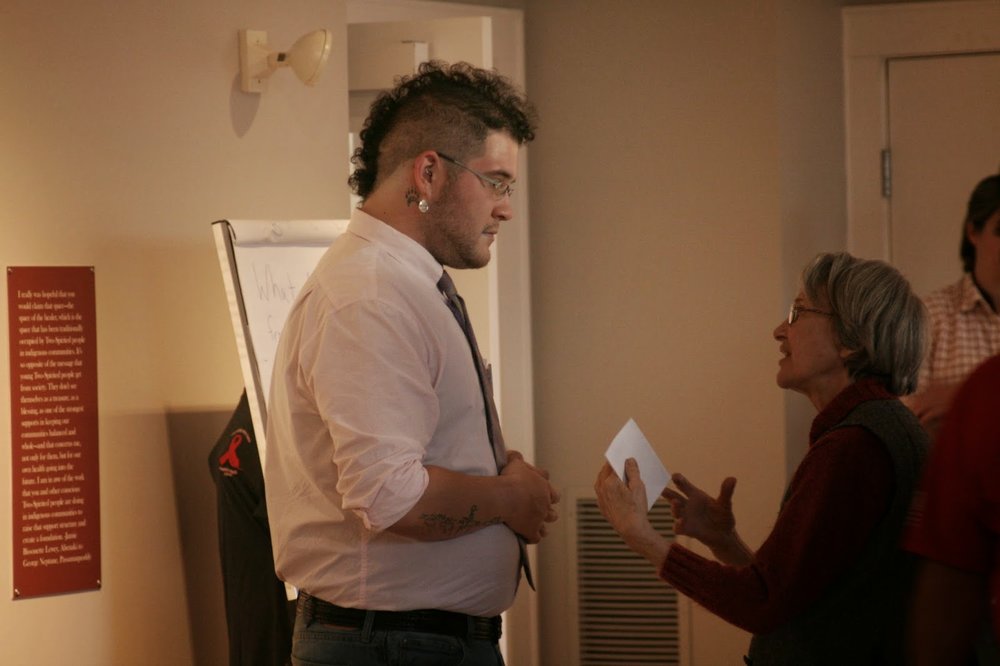


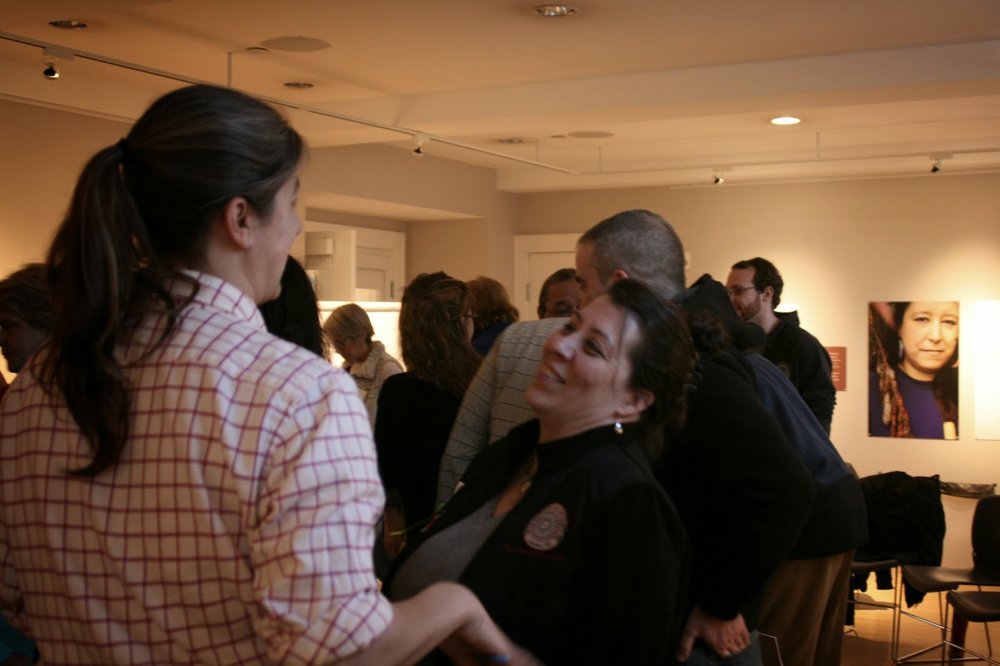
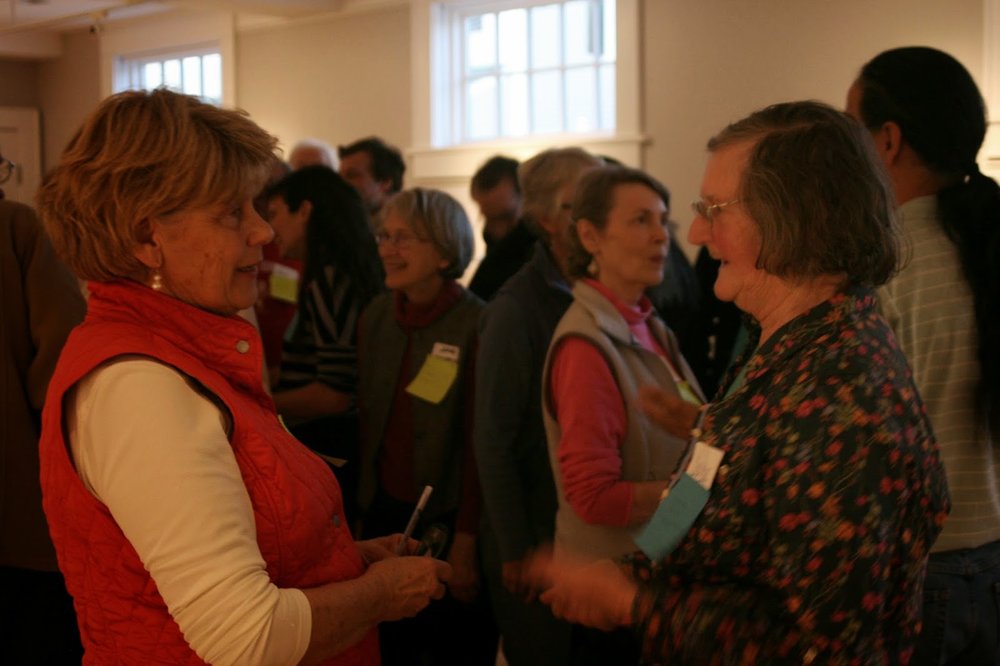

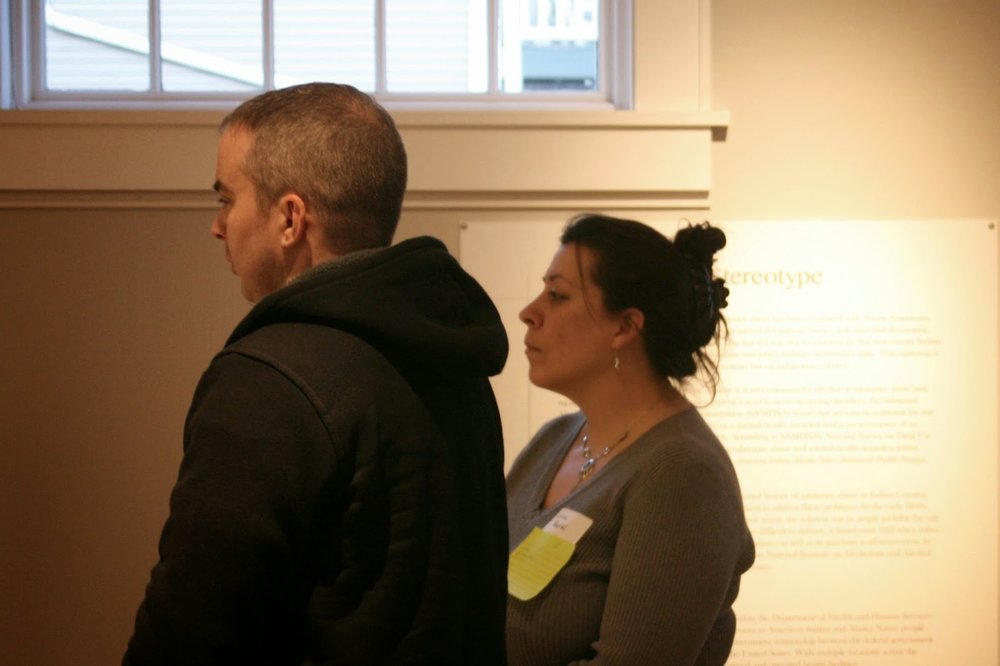
In the first event of its kind at the Abbe, Museum Educator and Kikehtahsuwiw: It Heals Curator George Neptune, Passamaquoddy, coordinated a Wabanaki women’s dialogue and panel discussion focused on the roles of women in Wabanaki and other cultures. We had an amazing turnout and a great discussion!
Honoring Kikehtahsuwiw: It Heals during Women's History Month with Jamie Bissonnette Lewey

My name is Jamie Bissonnette Lewey, and I live in Pembroke, Maine. My mother’s family is from the Abenaki communities in Northern Vermont and Southern Canada. My father’s family was Scottish, from New Brunswick and northern New York.
Currently I chair the Maine Indian Tribal State Commission (MITSC), which is an inter-governmental entity that was created as a result of the negotiations of the Maine Implementing Act—a law that reflects the negotiations of the Maine Indian Land Claims Settlement Act. The Commission was charged with the responsibility to identify what was going wrong within the implementation of the acts, and give recommendations about how to make it right. Ideally, the state departments, administrations, and legislature are accountable to the Commission—we’re supposed to be able to ask for any information from them. I think the fact that those lines of accountability aren't drawn darker and stronger has created a very uncertain and unsafe world for Wabanaki people in the state of Maine. It has resulted in the socioeconomic and health disparities that MITSC argue have constituted a human rights violation. In fact, the United Nations accepted our conclusion that the Settlement Act has resulted in conditions that create a human rights violation.
In my work for the American Friends Service Committee, I am building a center for healing and transformational practices. What I’m focusing on is building a center where people who are really working to heal and transform their communities can come together, share what they’re learning, and build upon their lessons, and in that way, actually create a movement for healing. Taking the time to heal might seem like a luxury, but as I get older I’m more and more convinced that it’s not a luxury, it’s a necessity. Without it, we may not be able to fix the other things that are wrong.
Celebrating Women's History Month with Kate Pontbriand
 |
| Photo courtesy of Rachel Tirrell. |
Kate Pontbriand is a junior at Franklin Pierce University in New Hampshire working towards a BA in Anthropology, with minors in Public History and Environmental Studies. After graduation next May, she plans to attend graduate school and pursue her dream of becoming a professional archaeologist.
Kate was nine years old the first time she visited the Abbe Museum as part of a Girl Scout trip; learning about archaeology through the museum’s exhibits and hands on activities instilled an interest in archaeology that shaped her educational path. Nine years later she participated in the Abbe Museum’s Summer Field School at Tranquility Farm. From then on she was hooked on archaeology.
During her time at Franklin Pierce University, Kate has participated in numerous archaeological excavations throughout southern New Hampshire, and she is currently working on a publication about one of these sites. She is an active member of Franklin Pierce’s Anthropology Club, where she has held leadership roles as secretary and vice president. Next year, Kate will take over as president of the Anthropology Club.
In fall 2013, Kate studied abroad in Vienna, Austria and expanded her cultural horizons. Kate has spent her last four summers in Acadia National Park’s Cultural Resource Management Division as a Museum Assistant. Last summer she attended the Abbe’s Field School a second time and she hopes to use some of the site’s data for her undergraduate thesis. In Kate’s free time, she enjoys being outside skiing, hiking, or finding whatever other adventure the season permits.
Wabanaki Artists Take Top Spots at Prestigious Heard Museum Guild Indian Fair & Market
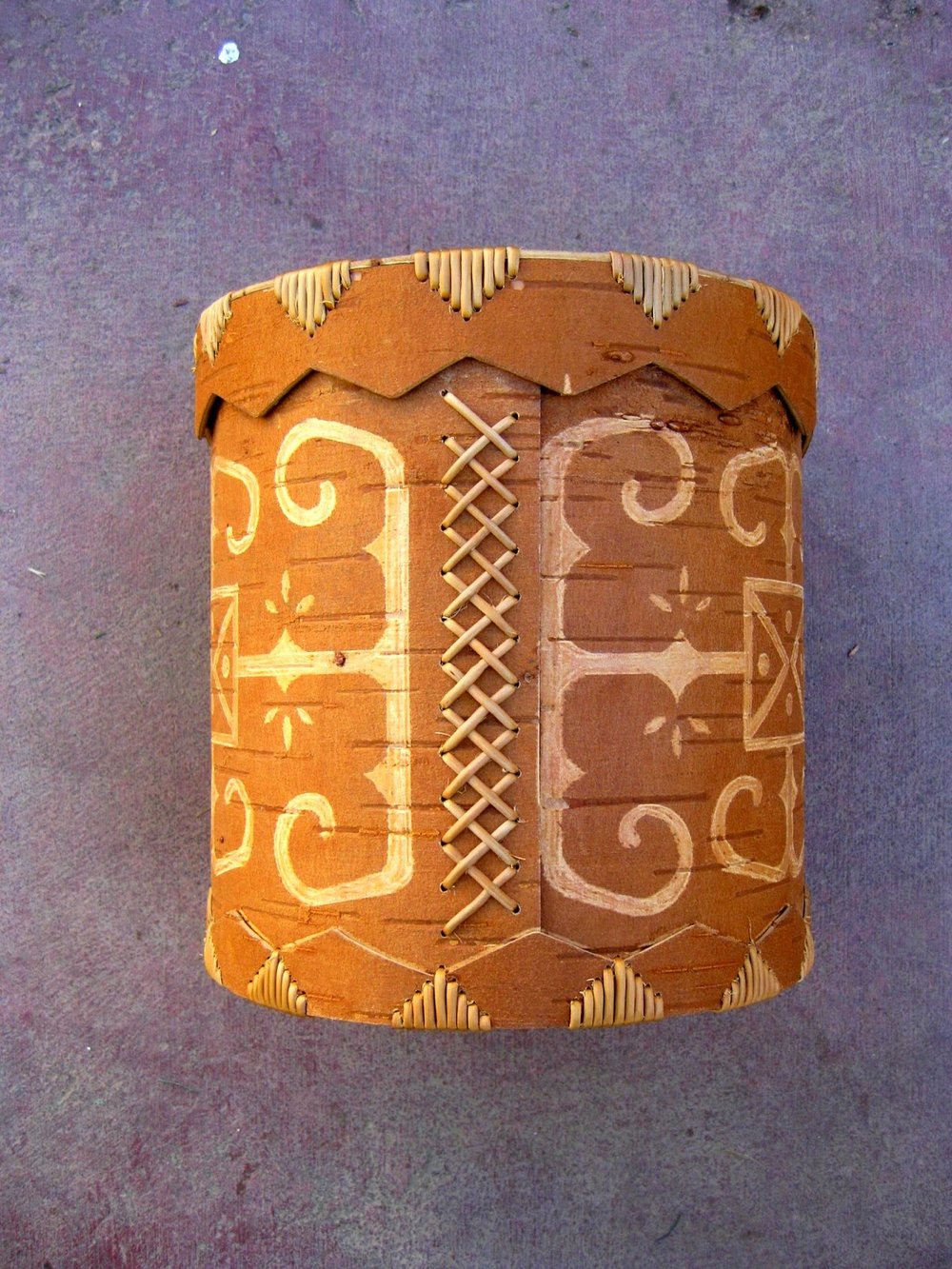
Jeremy Frey (Passamaquoddy), a basket artist from Indian Township, won the 2015 Best of Show Award at the 57th annual Heard Museum Guild Indian Fair & Market, which draws nearly 15,000 visitors and more than 600 of the nation’s most outstanding and successful American Indian artists. David Moses Bridges (Passamaquoddy), a basket artist from Bar Harbor, won first place in Traditional Basketry. Of the 645 artists who participated in the world-acclaimed cultural event, five were Wabanaki artists from the state of Maine.
Frey, who comes from a long line of Native weavers, was honored at the fair’s March 6 awards reception for his winning “Loon” basket. In 2011, Frey won Best of Show at the Heard Museum Guild Indian Fair & Market and the Sante Fe Indian Market, the largest Native American Indian arts market. It is only the second time that someone has won both shows in the same year, and it was the first time in the Sante Fe Indian Market’s 90+ year history that a basket achieved the highest honor. Frey specializes in fancy ash baskets, a traditional form of Wabanaki weaving, and his work has been featured at the Smithsonian, Museum of Art and Design in New York City, and in many other prominent museums around the country.

Other Wabanaki artists invited to attend the fair were Abbe Museum Educator George Neptune (Passamaquoddy), Abbe Museum Trustee Jennifer Neptune (Penobscot), and Theresa Secord (Penobscot). A complete list of winners can be found at http://heard.org/event/fair-2015/.
The Abbe Museum shop features artwork by each of these Wabanaki artists. Winter hours are Thursday through Saturday, 10 am to 4 pm, and admission is free through April thanks to the generosity of Machias Savings Bank.
 |
| Image courtesy of Heard Museum. |
Frey, who comes from a long line of Native weavers, was honored at the fair’s March 6 awards reception for his winning “Loon” basket. In 2011, Frey won Best of Show at the Heard Museum Guild Indian Fair & Market and the Sante Fe Indian Market, the largest Native American Indian arts market. It is only the second time that someone has won both shows in the same year, and it was the first time in the Sante Fe Indian Market’s 90+ year history that a basket achieved the highest honor. Frey specializes in fancy ash baskets, a traditional form of Wabanaki weaving, and his work has been featured at the Smithsonian, Museum of Art and Design in New York City, and in many other prominent museums around the country.
"This is an exciting time for Wabanaki artists working on a national stage, and these wins tell us that northeastern basketry is the one to watch!” exclaimed Cinnamon Catlin-Legutko, Abbe Museum’s president and CEO. “The competition at juried shows is serious, and to place requires extraordinary talent and execution. Congratulations to all of the Wabanaki artists who participated and placed."Bridges, a birch bark basketmaker and Abbe Museum Trustee, won first place for his Etched Winterbark Basket. His work has been exhibited at the Abbe, Eiteljorg Museum of Indians and Western Art, Smithsonian Museum of the American Indian, and internationally. He is renowned for etching traditional double curl patterns in bark, and his stitching with spruce roots along basket seams distinguishes his work from other birch bark artists.
Other Wabanaki artists invited to attend the fair were Abbe Museum Educator George Neptune (Passamaquoddy), Abbe Museum Trustee Jennifer Neptune (Penobscot), and Theresa Secord (Penobscot). A complete list of winners can be found at http://heard.org/event/fair-2015/.
The Abbe Museum shop features artwork by each of these Wabanaki artists. Winter hours are Thursday through Saturday, 10 am to 4 pm, and admission is free through April thanks to the generosity of Machias Savings Bank.
Honoring Kikehtahsuwiw: It Heals during Women's History Month with Plansowes Dana
Kikehtahsuwiw is an exhibit about several women in the Passamaquoddy Tribe, residing at both Motahkomikuk (Indian Township) and Sipayik (Pleasant Point). Each of these women shares a common goal: healing their communities. As the carriers of life, they are also carriers of culture and responsible for carrying on their healing traditions.
To honor this exhibit during Women's History Month, we will be featuring some of Kikehtahsuwiw's stories. The exhibit, which is curated by Museum Educator George Neptune, Passamaquoddy, will be on view through April of this year.
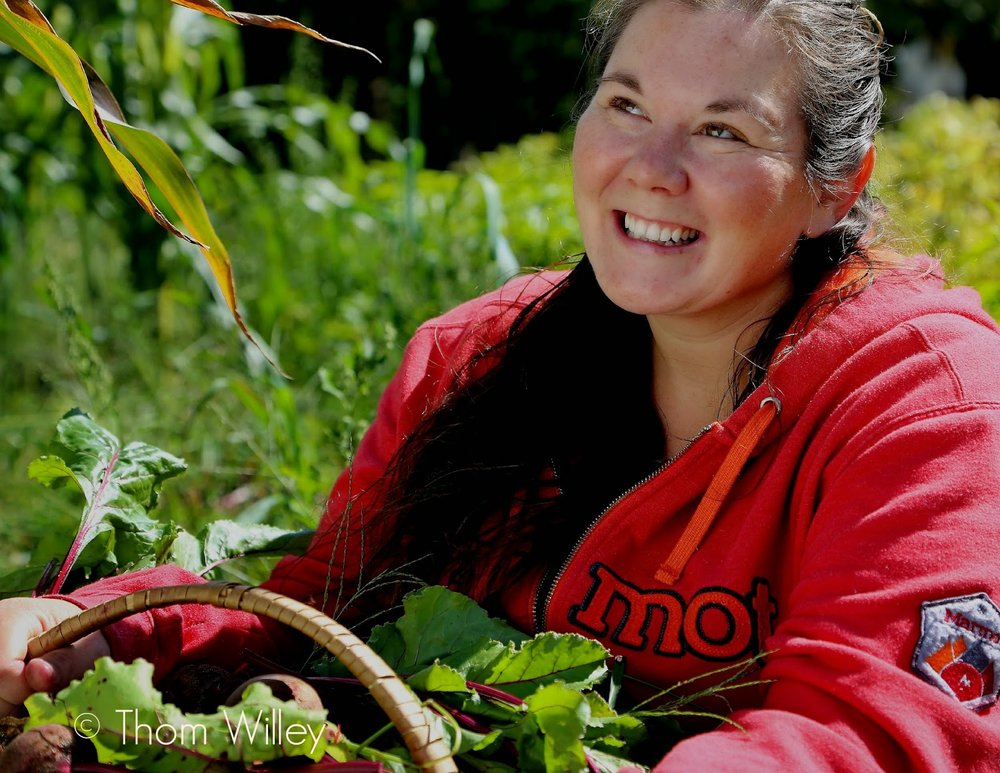
My name is Plansowes Dana, and I am Passamaquoddy from Sipayik. I have grown up here all my life, and I am raising my children here in Sipayik. My focus is on food sovereignty, and of course healing—using food sovereignty to do healing work through the community.
So far the food sovereignty project has 105 raised-bed gardens throughout the community. We've started a chicken project too. I’m hoping that maybe within the next ten years, we as a people can be 100% food sovereign again. Our people lived off the land—grew their own food, hunted, and fished. Now people solely rely on going to the grocery store, and a lot of the food in the grocery store isn't real food. It’s causing a lot of illnesses in people. So our goal with food sovereignty is to have healthy families and to be able to just live off the land again, because that is so much a part of us. I really feel like our spirit is starving for these things.
Real food is what we need. I really think that will put us on a path to healing—nourish yourself with good, healthy food, and it nurtures your mind and your body. And gardening, there’s nothing like gardening, it’s so therapeutic. It doesn't matter what kind of day I've had, if I go out into my garden, and just work the earth and pick the vegetables that we grow, it’s so gratifying. It makes you feel so good about yourself.
To honor this exhibit during Women's History Month, we will be featuring some of Kikehtahsuwiw's stories. The exhibit, which is curated by Museum Educator George Neptune, Passamaquoddy, will be on view through April of this year.
My name is Plansowes Dana, and I am Passamaquoddy from Sipayik. I have grown up here all my life, and I am raising my children here in Sipayik. My focus is on food sovereignty, and of course healing—using food sovereignty to do healing work through the community.
So far the food sovereignty project has 105 raised-bed gardens throughout the community. We've started a chicken project too. I’m hoping that maybe within the next ten years, we as a people can be 100% food sovereign again. Our people lived off the land—grew their own food, hunted, and fished. Now people solely rely on going to the grocery store, and a lot of the food in the grocery store isn't real food. It’s causing a lot of illnesses in people. So our goal with food sovereignty is to have healthy families and to be able to just live off the land again, because that is so much a part of us. I really feel like our spirit is starving for these things.
Real food is what we need. I really think that will put us on a path to healing—nourish yourself with good, healthy food, and it nurtures your mind and your body. And gardening, there’s nothing like gardening, it’s so therapeutic. It doesn't matter what kind of day I've had, if I go out into my garden, and just work the earth and pick the vegetables that we grow, it’s so gratifying. It makes you feel so good about yourself.
Celebrating Women's History Month with Bonnie Newsom
March is Women's History Month and to celebrate, we'll be spotlighting some of the incredible women who are involved with the Abbe.
Bonnie Newsom is a member of the Penobscot Nation and is a former Abbe Museum Trustee. She has been an archaeologist in Maine for 20 years, and was the first Native American woman in Maine to pursue a full-time career in archaeology. Bonnie got her start at an Abbe Museum Field School and since then, she has devoted her career to empowering Native people in the archaeological arena.
Over the years, Bonnie has supported the Abbe by sharing her knowledge with Abbe audiences and offering staff and trustees guidance and advice on a variety of topics. She has a strong record of public service that includes serving as a Trustee for the University of Maine System and Chair of the Smithsonian Institution's Repatriation Review Committee.
Bonnie considers being a mother to her four children her greatest contribution to the world.
 |
| Photo courtesy Bonnie Newsom |
Bonnie Newsom is a member of the Penobscot Nation and is a former Abbe Museum Trustee. She has been an archaeologist in Maine for 20 years, and was the first Native American woman in Maine to pursue a full-time career in archaeology. Bonnie got her start at an Abbe Museum Field School and since then, she has devoted her career to empowering Native people in the archaeological arena.
Over the years, Bonnie has supported the Abbe by sharing her knowledge with Abbe audiences and offering staff and trustees guidance and advice on a variety of topics. She has a strong record of public service that includes serving as a Trustee for the University of Maine System and Chair of the Smithsonian Institution's Repatriation Review Committee.
Bonnie considers being a mother to her four children her greatest contribution to the world.
Celebrating Women's History Month with Sandy Wilcox
To celebrate Women's History Month, we'll be spotlighting some of the incredible women who are involved with the Abbe. Our first spotlight is on Abbe Trustee, Sandy Wilcox!
Sandy is Associate Professor Emeritus, Department of Teacher Education, Michigan State University. For 15 years she was a principal investigator of the Balanced Assessment Project and its successor, the Mathematics Assessment Resource Service, a research and design collaboration among teams at MSU, UC Berkeley, Harvard, and the University of Nottingham (UK). Supported by the National Science Foundation, these collaborations were funded to create exemplary problem-solving tasks to assess students' mathematical performance in grades 3-12, professional development materials for mathematics leaders and teachers on the use of these tasks to support learning, and consultant services to help states and districts implement meaningful and informative mathematics assessments. She is the co-author of numerous articles and research papers, packages of assessment tasks, and a casebook on the use of classroom-based assessment to support student learning and enhance teaching.
Sandy and her husband Jack Russell, who was born on Mount Desert Island, moved to Mount Desert upon her retirement in 2006 and reside in his family home on Echo Lake. Sandy joined the Abbe board in 2008 and served as chair for five years. In addition to her work as Abbe Trustee, Sandy volunteers with Friends of Acadia and the Westside Food Pantry. Her passion for the Abbe comes from the unique role the museum plays as an informal learning institution. This passion is linked, in part, to her desire to teach her seven and ten year old granddaughters, Makenna and Madelyn. The girls live in Arizona but visit MDI each summer, and have now come to expect–and anticipate–a trip to the Abbe.
Sandy marvels at their interaction with the exhibits and what, from year to year, naturally engages them. Whatever it is–student art show, objects in the learning center, stone and bone artifacts, the current exhibit–their interests provide a context to teach them about some aspect of Wabanaki history, culture, and artistic expression. Sandy believes that without the presence of, and points of views expressed at the Abbe, her granddaughters would likely never learn the rich, complex stories of this wonderful place, before and since contact.
 |
| Sandy posing with her two granddaughters, Makenna and Madelyn. |
Sandy is Associate Professor Emeritus, Department of Teacher Education, Michigan State University. For 15 years she was a principal investigator of the Balanced Assessment Project and its successor, the Mathematics Assessment Resource Service, a research and design collaboration among teams at MSU, UC Berkeley, Harvard, and the University of Nottingham (UK). Supported by the National Science Foundation, these collaborations were funded to create exemplary problem-solving tasks to assess students' mathematical performance in grades 3-12, professional development materials for mathematics leaders and teachers on the use of these tasks to support learning, and consultant services to help states and districts implement meaningful and informative mathematics assessments. She is the co-author of numerous articles and research papers, packages of assessment tasks, and a casebook on the use of classroom-based assessment to support student learning and enhance teaching.
Sandy and her husband Jack Russell, who was born on Mount Desert Island, moved to Mount Desert upon her retirement in 2006 and reside in his family home on Echo Lake. Sandy joined the Abbe board in 2008 and served as chair for five years. In addition to her work as Abbe Trustee, Sandy volunteers with Friends of Acadia and the Westside Food Pantry. Her passion for the Abbe comes from the unique role the museum plays as an informal learning institution. This passion is linked, in part, to her desire to teach her seven and ten year old granddaughters, Makenna and Madelyn. The girls live in Arizona but visit MDI each summer, and have now come to expect–and anticipate–a trip to the Abbe.
Sandy marvels at their interaction with the exhibits and what, from year to year, naturally engages them. Whatever it is–student art show, objects in the learning center, stone and bone artifacts, the current exhibit–their interests provide a context to teach them about some aspect of Wabanaki history, culture, and artistic expression. Sandy believes that without the presence of, and points of views expressed at the Abbe, her granddaughters would likely never learn the rich, complex stories of this wonderful place, before and since contact.
March Events at the Abbe
Tuesday, March 10, 2015
Mt. Desert Community Progressive Dinner
March on Mt. Desert Community Progressive Dinner
5:00 - 7:30 pm
Join Mount Desert Street neighbors as we celebrate our community with
this annual progressive dinner.
Free, open to the public
Wednesday, March 11, 2015
PKMDI
5:30 -7:00 pm

The PKMDI spring session will feature eight presentations, 6 minutes 20 seconds each (20 slides x 20 seconds), and will be emceed by Lyzz Bien. Midway through the presentations we'll break for an intermission.
Free and open to the public.
Location: Reel Pizza Cinerama, 33 Kennebec Place, Bar Harbor
Thursday, March 19, 2015
Coming Home Brown Bag Lunch Series with Donald Soctomah, Passamaquoddy Tribal Historic Preservation Officer
12:00 pm - 1:00 pm
Join us for the second program in our Brown Bag Lunch series with Passamaquoddy Tribal Historic Preservation Officer Donald Soctomah. The Coming Home exhibit features several etched birchbark pieces made by Tomah Joseph—a famous birchbark worker from the Passamaquoddy community at Indian Township. Often featuring depictions of Passamaquoddy oral histories, Joseph’s work was sought after by museums and private collectors all over the world-even Franklin D. Roosevelt owned some of Joseph’s pieces. Soctomah is an expert on Tomah Joseph’s history and work, and has even written a children’s book about the birchbark worker’s friendship with FDR, called Remember Me.
Free and open to the public.
Location: Abbe Museum Downtown
Wednesday, March 25, 2015
Wabanaki Women’s Dialogue and Panel Discussion
6:00 pm - 8:00 pm
 In the first half of this program, join Museum Educator and Kikehtahsuwiw: It Heals Curator George Neptune, Passamaquoddy, and other museum visitors in a dialogue focused on the roles of women in Wabanaki and other cultures. Then, join a panel of Wabanaki women for a discussion of the Kikehtahsuwiw: It Heals exhibit, and how the traditional role of women in Wabanaki cultures informs their contemporary work within the Passamaquoddy community.
Free and open to the public.
Location: Abbe Museum Downtown
Saturday, March 28, 2015
Winter in the Dawnland Storytelling and Craft Activity with Museum Educator George Neptune, Passamaquoddy
10:00 am - 12:00 pm
For the final program in the Winter in the Dawnland series, join Museum Educator George Neptune, Passamaquoddy, to hear Wabanaki stories about Koluskap and the creation of the Wabanaki people. When Koluskap came to this land, there were no people here, so he took an arrow and shot a brown ash tree. From that tree, the Wabanaki people were born. To this day, Wabanaki people use strips of brown ash to weave their baskets. In the second part of the program, you will also have the opportunity to weave with ash and make your own woven bookmark to use while you wait for next year’s series!
Registration required, space limited. Recommended for families.
For more information, or to register, contact Museum Educator George Neptune, (207) 288-3519 or george@abbemuseum.org.
Location: Abbe Museum Downtown
Mt. Desert Community Progressive Dinner
March on Mt. Desert Community Progressive Dinner
5:00 - 7:30 pm
Join Mount Desert Street neighbors as we celebrate our community with
this annual progressive dinner.
- 5:15-5:30 pm at Abbe Museum: Conners-Emerson Play
- 5:30-6:00 pm at YWCA: Hors d'oeuvres
- 6:00-6:30 pm at St. Saviour's Church: Salad
- 6:30-7:00 pm at Jesup Memorial Library: Soup & Bread
- 7:00-7:30 pm at Congregational Church: Dessert.
Free, open to the public
Wednesday, March 11, 2015
PKMDI
5:30 -7:00 pm
The PKMDI spring session will feature eight presentations, 6 minutes 20 seconds each (20 slides x 20 seconds), and will be emceed by Lyzz Bien. Midway through the presentations we'll break for an intermission.
Free and open to the public.
Location: Reel Pizza Cinerama, 33 Kennebec Place, Bar Harbor
Thursday, March 19, 2015
Coming Home Brown Bag Lunch Series with Donald Soctomah, Passamaquoddy Tribal Historic Preservation Officer
12:00 pm - 1:00 pm
Join us for the second program in our Brown Bag Lunch series with Passamaquoddy Tribal Historic Preservation Officer Donald Soctomah. The Coming Home exhibit features several etched birchbark pieces made by Tomah Joseph—a famous birchbark worker from the Passamaquoddy community at Indian Township. Often featuring depictions of Passamaquoddy oral histories, Joseph’s work was sought after by museums and private collectors all over the world-even Franklin D. Roosevelt owned some of Joseph’s pieces. Soctomah is an expert on Tomah Joseph’s history and work, and has even written a children’s book about the birchbark worker’s friendship with FDR, called Remember Me.
Free and open to the public.
Location: Abbe Museum Downtown
Wednesday, March 25, 2015
Wabanaki Women’s Dialogue and Panel Discussion
6:00 pm - 8:00 pm
In the first half of this program, join Museum Educator and Kikehtahsuwiw: It Heals Curator George Neptune, Passamaquoddy, and other museum visitors in a dialogue focused on the roles of women in Wabanaki and other cultures. Then, join a panel of Wabanaki women for a discussion of the Kikehtahsuwiw: It Heals exhibit, and how the traditional role of women in Wabanaki cultures informs their contemporary work within the Passamaquoddy community.Free and open to the public.
Location: Abbe Museum Downtown
Saturday, March 28, 2015
Winter in the Dawnland Storytelling and Craft Activity with Museum Educator George Neptune, Passamaquoddy
10:00 am - 12:00 pm
For the final program in the Winter in the Dawnland series, join Museum Educator George Neptune, Passamaquoddy, to hear Wabanaki stories about Koluskap and the creation of the Wabanaki people. When Koluskap came to this land, there were no people here, so he took an arrow and shot a brown ash tree. From that tree, the Wabanaki people were born. To this day, Wabanaki people use strips of brown ash to weave their baskets. In the second part of the program, you will also have the opportunity to weave with ash and make your own woven bookmark to use while you wait for next year’s series!
Registration required, space limited. Recommended for families.
For more information, or to register, contact Museum Educator George Neptune, (207) 288-3519 or george@abbemuseum.org.
Location: Abbe Museum Downtown
In Memoriam

Janet Neptune, Passamaquoddy at Indian Township, passed away in her home on February 14, 2015. A well known basketmaker, and daughter of 2012 NEA National Heritage Fellow Molly Neptune Parker, Janet frequently worked with the Abbe Museum to present demonstrations, workshops, and supply the gift shop with her ash and sweetgrass creations, brightening spirits with her infectious laugh and teasing demeanor. A member of the Maine Indian Basketmakers Alliance, Janet worked to pass these traditions along to many children throughout the Wabanaki communities.
The Abbe Museum extends its condolences to the Neptune family, the Passamaquoddy people of Motahkomikuk, and the Wabanaki artist community for this tremendous loss. Janet's contributions to the preservation of Wabanaki material culture will forever be remembered.
The Abbe Museum extends its condolences to the Neptune family, the Passamaquoddy people of Motahkomikuk, and the Wabanaki artist community for this tremendous loss. Janet's contributions to the preservation of Wabanaki material culture will forever be remembered.
Thank you for Coming Home
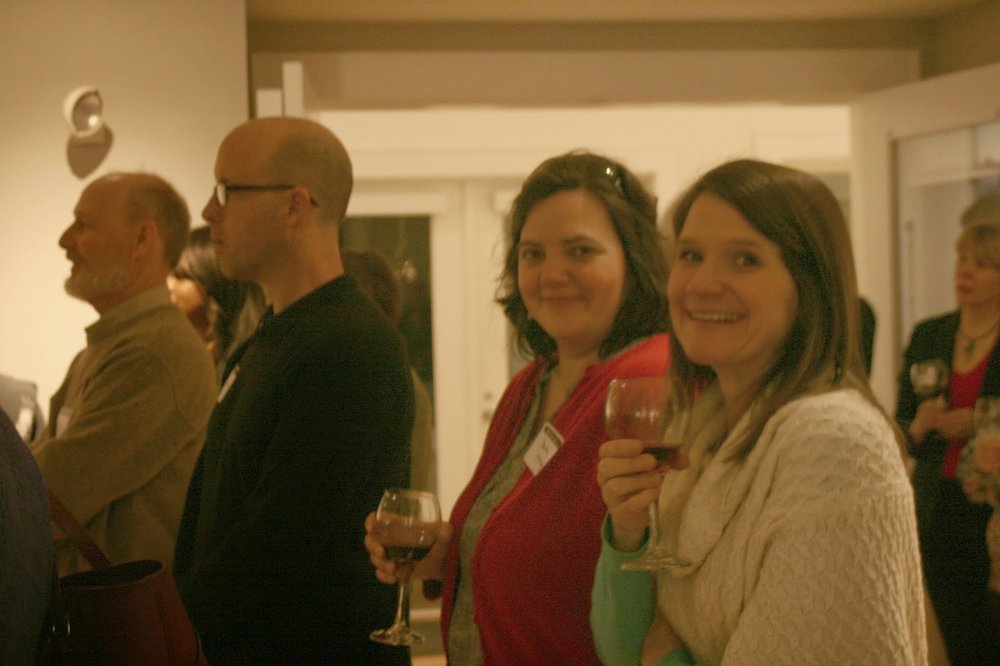
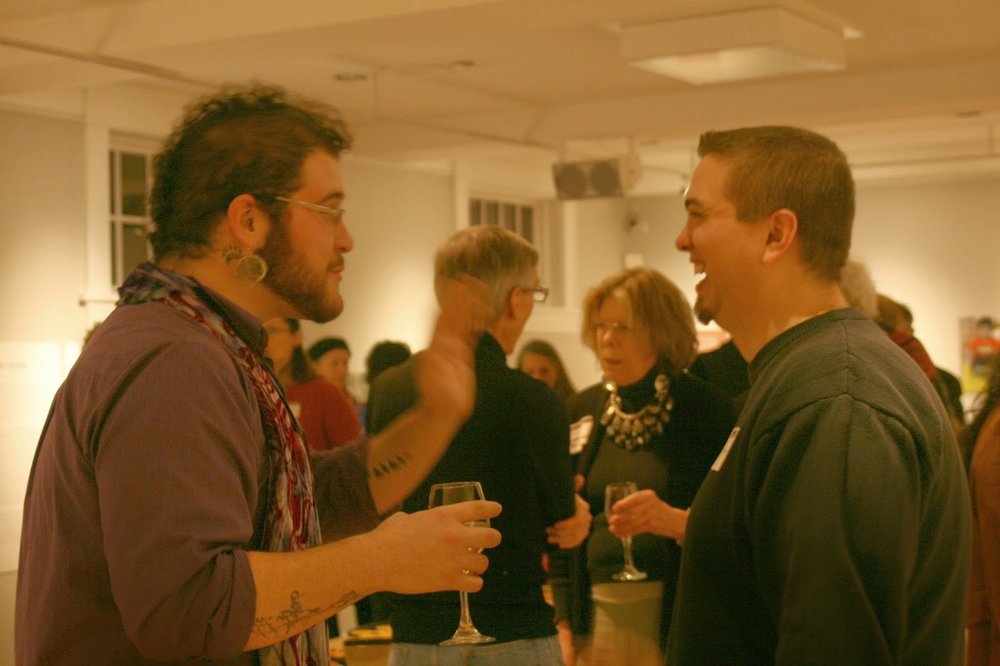
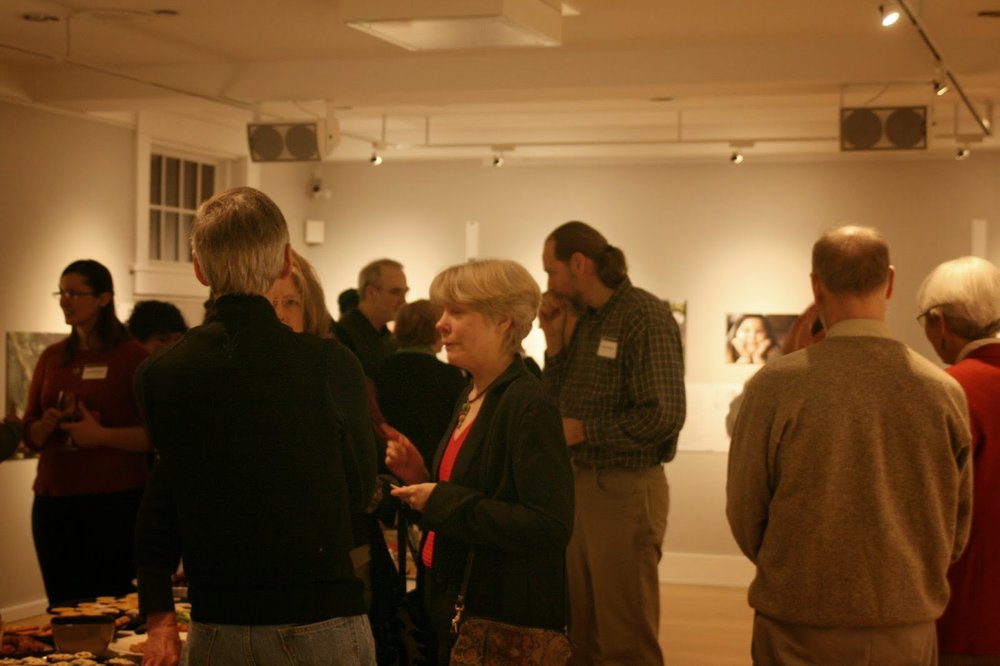
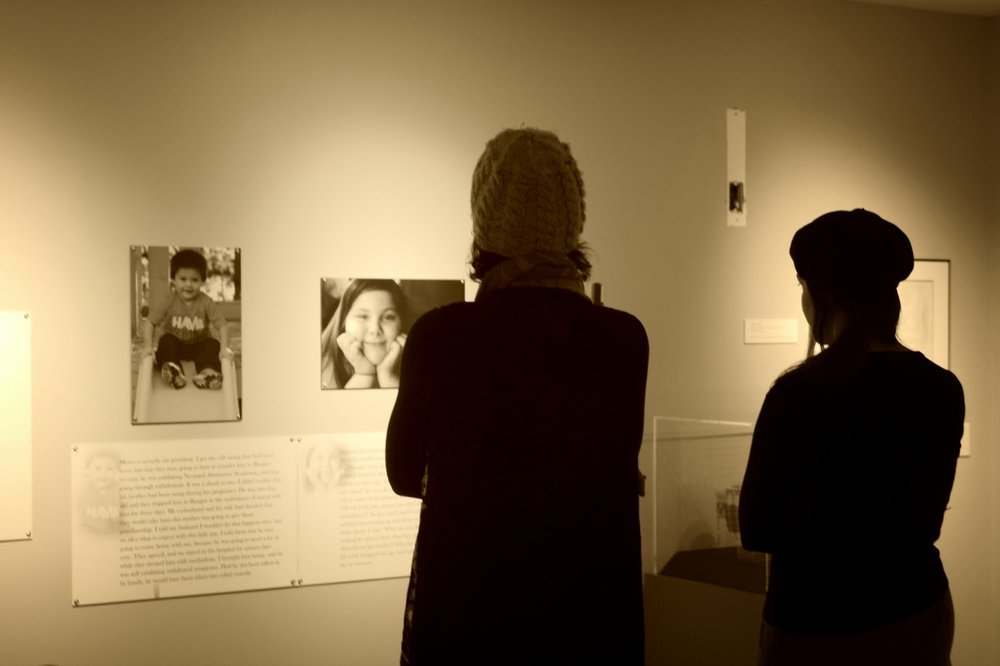
The grand opening of our 2015 feature exhibit, Coming Home, was a huge success. This exhibit was five years in the making, and it was incredible having so many of you under one roof celebrating with us. A special thank you to our friends, generous donors, impressive Board of Trustees, tenacious staff, and supportive volunteers. We are able to do what we do because of all of you.






 |
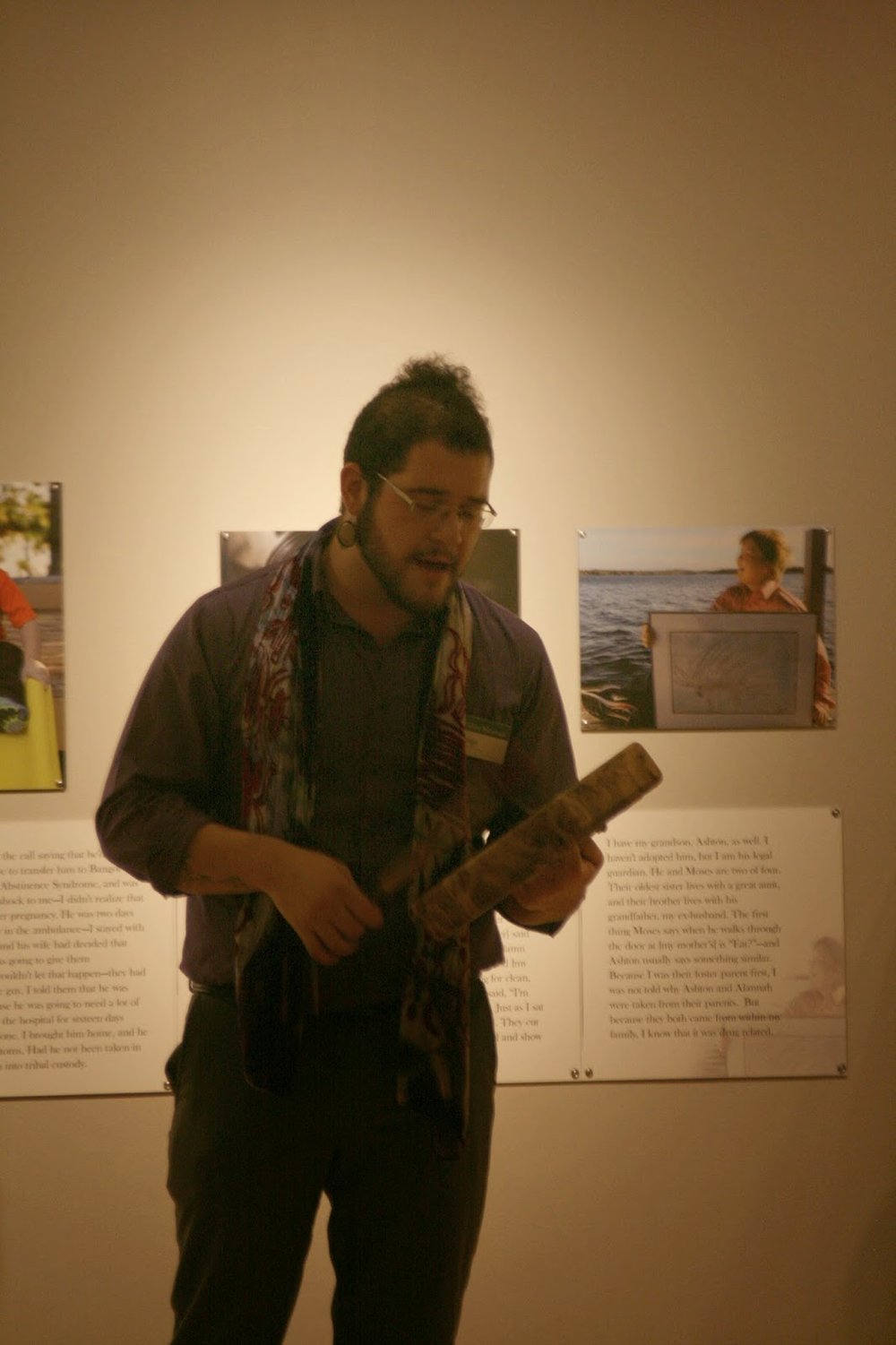
| Museum Educator George Neptune, Passamaquoddy, opened the reception with a blessing. |
 |
| Julia Clark, director of collections & interpretation, talked about how we were able to make Coming Home happen. |
 |
| Cinnamon Catlin-Legutko, Abbe president and CEO, praised all those responsible for making the exhibit such a success. |
 |
| A delicious spread of food was provided by the Culinary Arts Committee. |
150th Thoreau-Wabanaki Canoe Tour
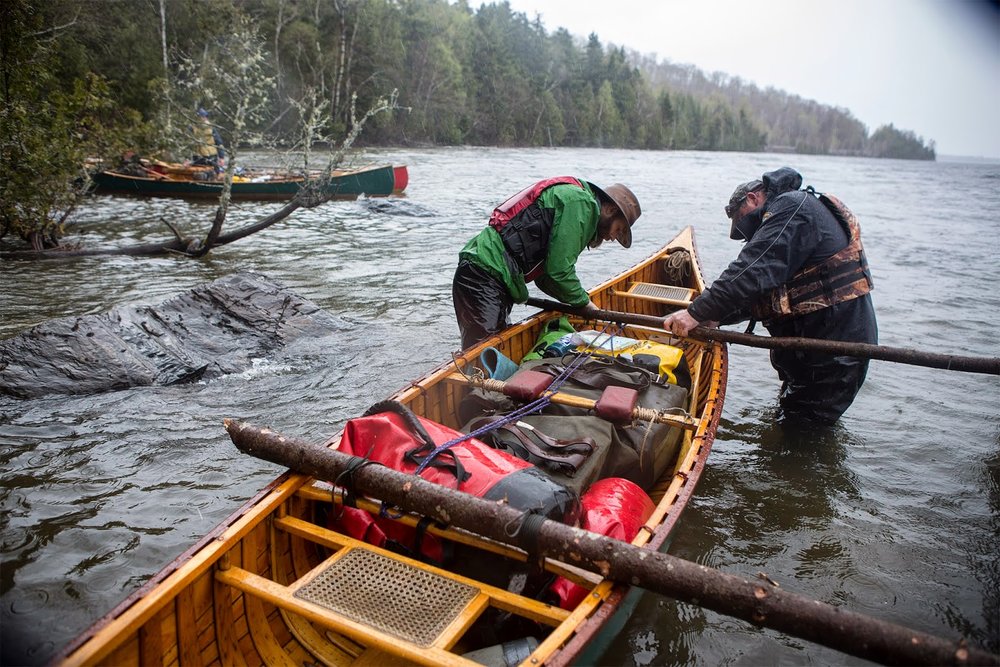
During May 2014, an epic journey took place commemorating the travels of Henry David Thoreau and his Wabanaki Guide, Joe Polis, in the Maine Woods in July of 1857.
The 150th Anniversary Thoreau-Wabanaki Tour was organized as part of Maine Woods Discovery,
a project of the Maine Woods Consortium. A current exhibit at the Abbe, created by Chris Sockalexis, Penobscot Nation Tribal Historic Preservation Officer, features photographs Chris and others took during the trip, giving a glimpse into the beauty and wild nature of the Maine Woods and the Penobscot Nation's homeland. Two of those photographers, Jarrod McCabe and Dom Francis, who make up the talented team Little Outdoor Giants, are featured in Yankee Magazine with a slideshow of some of their favorite photographs from the incredible journey.
Check out the entire slideshow on yankeemagazine.com. You can also read more about the journey through The Maine Thing Quarterly.
Stop by the Abbe to see more photos of the trip, which are on display in our exhibit, 150th Thoreau-Wabanaki Canoe Tour.
 |
| Photo courtesy of Little Outdoor Giants |
The 150th Anniversary Thoreau-Wabanaki Tour was organized as part of Maine Woods Discovery,
a project of the Maine Woods Consortium. A current exhibit at the Abbe, created by Chris Sockalexis, Penobscot Nation Tribal Historic Preservation Officer, features photographs Chris and others took during the trip, giving a glimpse into the beauty and wild nature of the Maine Woods and the Penobscot Nation's homeland. Two of those photographers, Jarrod McCabe and Dom Francis, who make up the talented team Little Outdoor Giants, are featured in Yankee Magazine with a slideshow of some of their favorite photographs from the incredible journey.
 |
| Photo courtesy of Little Outdoor Giants |
 |
| Photo courtesy of Little Outdoor Giants |
 |
| Photo courtesy of Little Outdoor Giants |
Check out the entire slideshow on yankeemagazine.com. You can also read more about the journey through The Maine Thing Quarterly.
Stop by the Abbe to see more photos of the trip, which are on display in our exhibit, 150th Thoreau-Wabanaki Canoe Tour.
WABI TV 5 Covers Coming Home
WABI TV 5's Tania Morales stopped by the Abbe today to check out our exhibit, Coming Home. She also spent a little time in our photo booth!

Check out her story.
Check out her story.
Don't Miss Out on Our Winter Break Programs
February 17th from 10 am - 3 pm
Coming Home Children's Workshop with Museum Educator George Neptune, Passamaquoddy

In this workshop, learn to make your own miniature beaded bag out of cloth, glass beads, and silk ribbon. This workshop will require the use of sharp needles, so is recommended for older children and teens. Registration required, space limited. To register, contact Museum Educator George Neptune, (207) 288-3519 or george@abbemuseum.org.
February 18th from 10 am - 12 pm
Winter in the Dawnland Storytelling and Craft Activity with Museum Educator George Neptune, Passamaquoddy

For the third program in the Winter in the Dawnland series, hear stories about the first treaties to be made in the Dawnland. Registration required, space limited. Recommended for families. To register, contact George at (207) 288-3519 or george@abbemuseum.org.
February 19th from 12 - 1 pm
Coming Home Brown Bag Lunch Series with Jennifer Neptune, Penobscot

In our first Brown Bag Lunch of the 2015 series, join us as Penobscot beadworker Jennifer Neptune discusses and demonstrates her work replicating an historic Penobscot Chief's collar. Free and open to the public.
Learn more about our February Programs.
New Membership Program for 2015
The current membership program and structure will see a much needed reboot in time for the 2015 summer season. Specific goals of the overhaul include offering more member only events and experiences, a simpler membership level structure, and more options for the seasonal visitor. Stay tuned!
New Faces at the Abbe

Jill Sawyer, our new Administrative Associate, joins us after moving back to Maine from Denver, Colorado where she was pursuing her Master's degree in Anthropology (with a concentration in Museum Studies) from the University of Denver. She has six years of experience in the museum sector executing various roles, which include: guest services, exhibit implementation, and program evaluation. Welcome, Jill!
Coming Home Opens Next Week!

Our 2015 feature exhibit, Coming Home, opens on Thursday, February 5th at 5 pm. Please RSVP to heather@abbemuseum.org if you'd like to attend the opening.